Nothing But the Blood

As I write this, it is still Sunday evening. This morning, we sang a classic hymn at church– “Nothing But the Blood of Jesus.” It’s an old hymn, and familiar; we often sing such hymns on auto-pilot and without really thinking of the wonderful words and truths coming out of our throats.
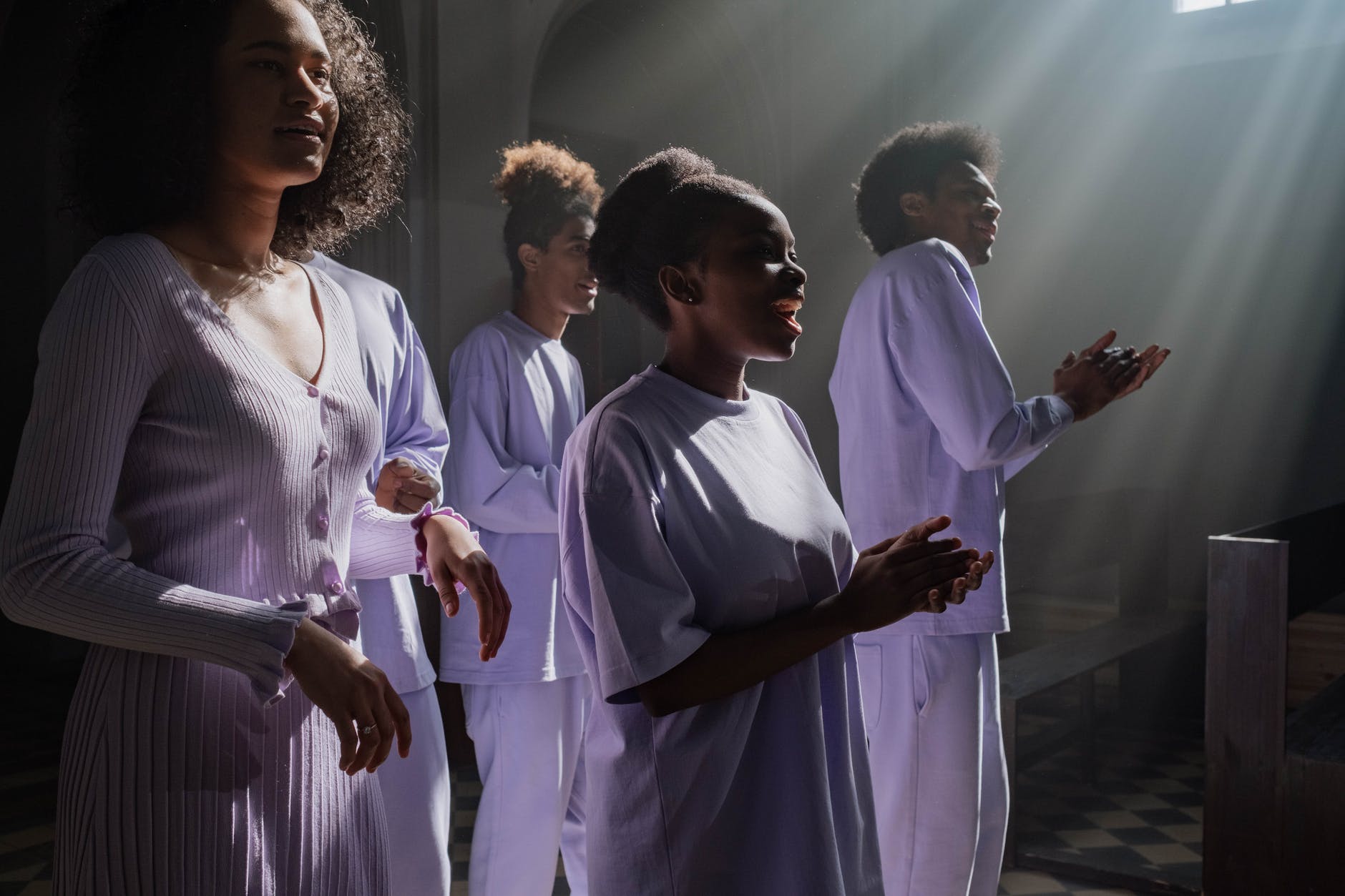
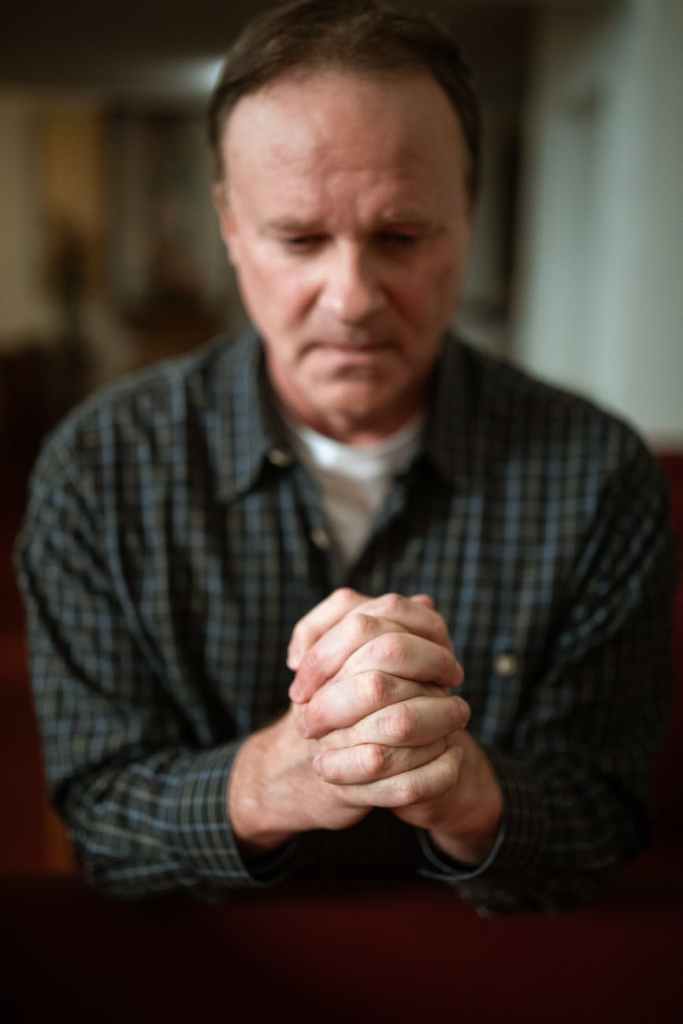
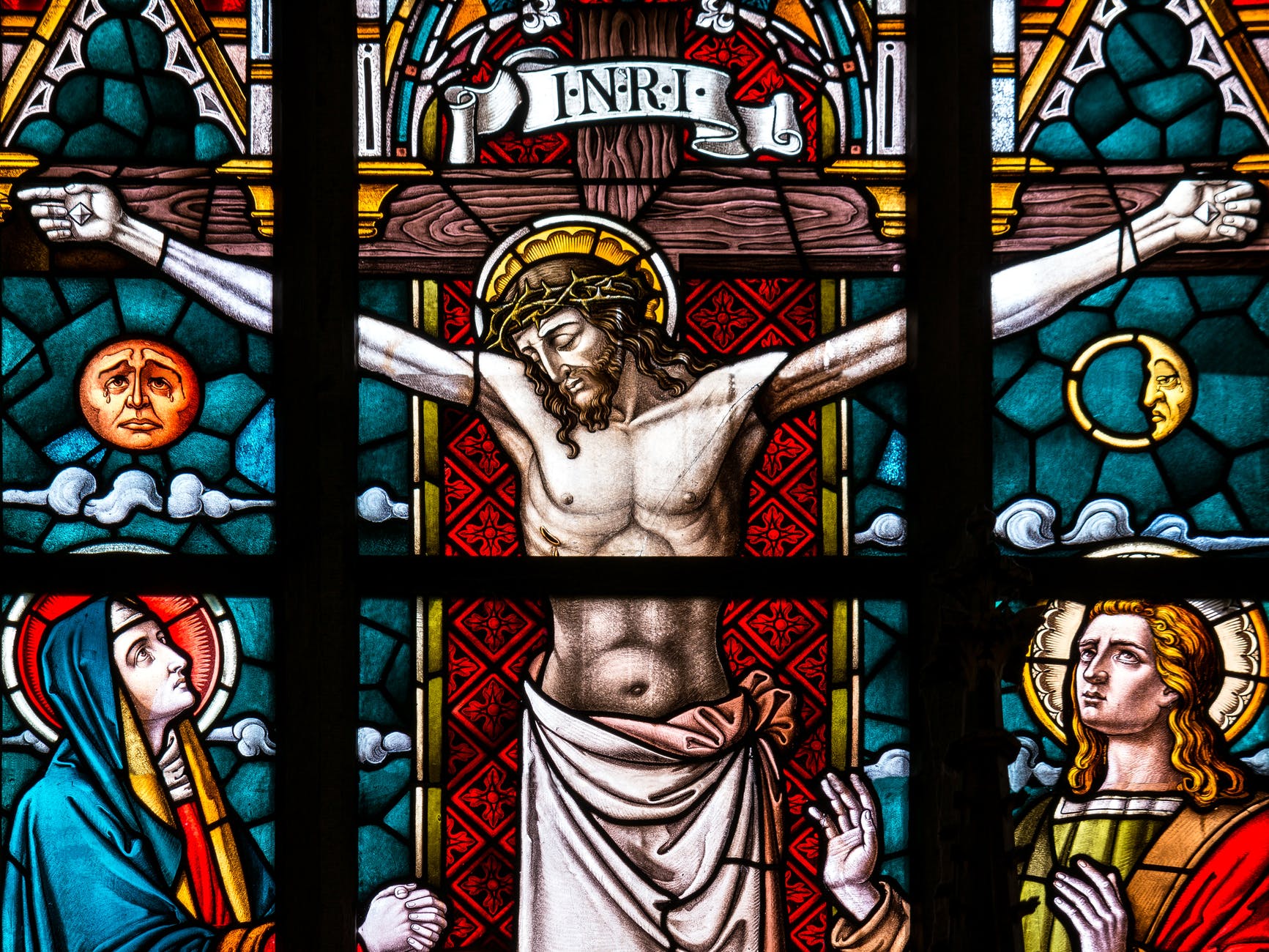
Photo by cottonbro on Pexels.com

“What can wash away my sin?– Nothing but the blood of Jesus.” “What can make me whole again?–Nothing but the blood of Jesus.” When I come to God in prayer, confessing my sins, it is not my prayer that makes me clean. Nothing I can say or do will give me right standing before God. I am a sinner, and I fall short of God’s glory. I also trespass against His holiness, and even His mercy. I am guilty, and there is no “magic” prayer that will heal me or exonerate me.

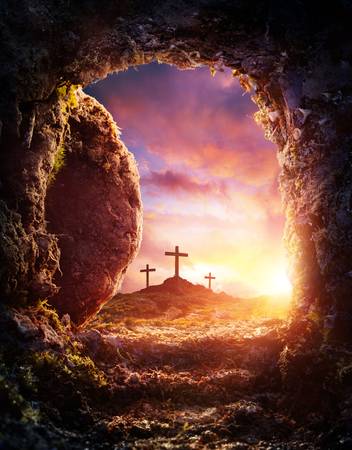
Photo by Michelle Leman on Pexels.com

Yet I come before a Holy God and make my confession. Not because He doesn’t know that I have sinned. Not because my words will save me. I come because I know that the Blood of Jesus Christ has, and will make me whole and justified. I have no need to hide the truth of my condition, or try to make my own justification or sanctification. Christ has done it all.
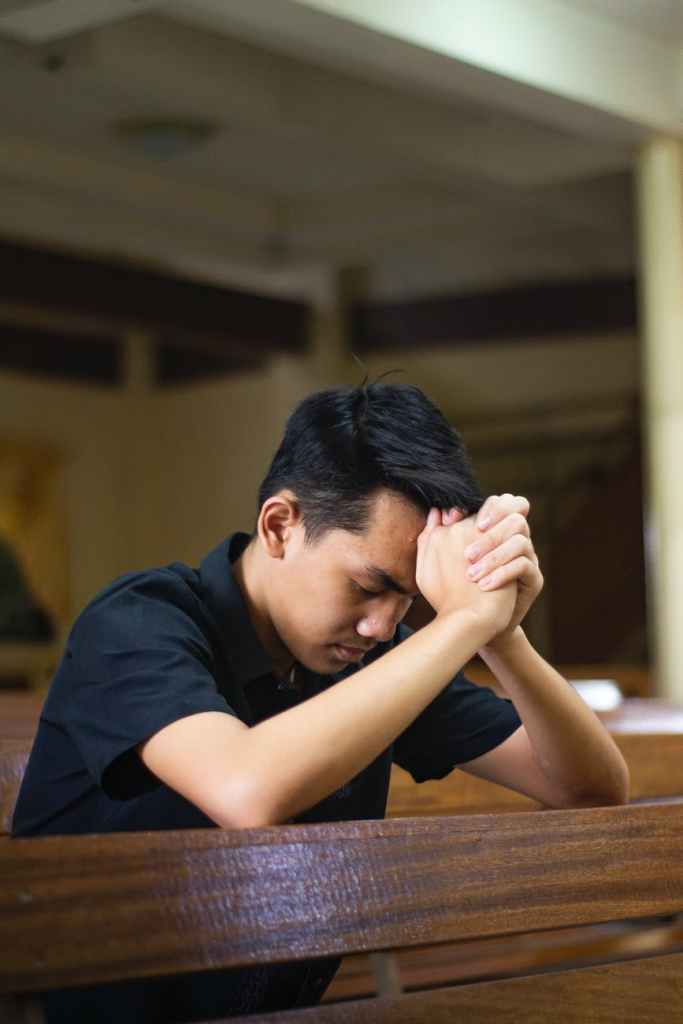
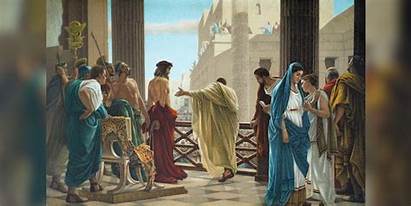
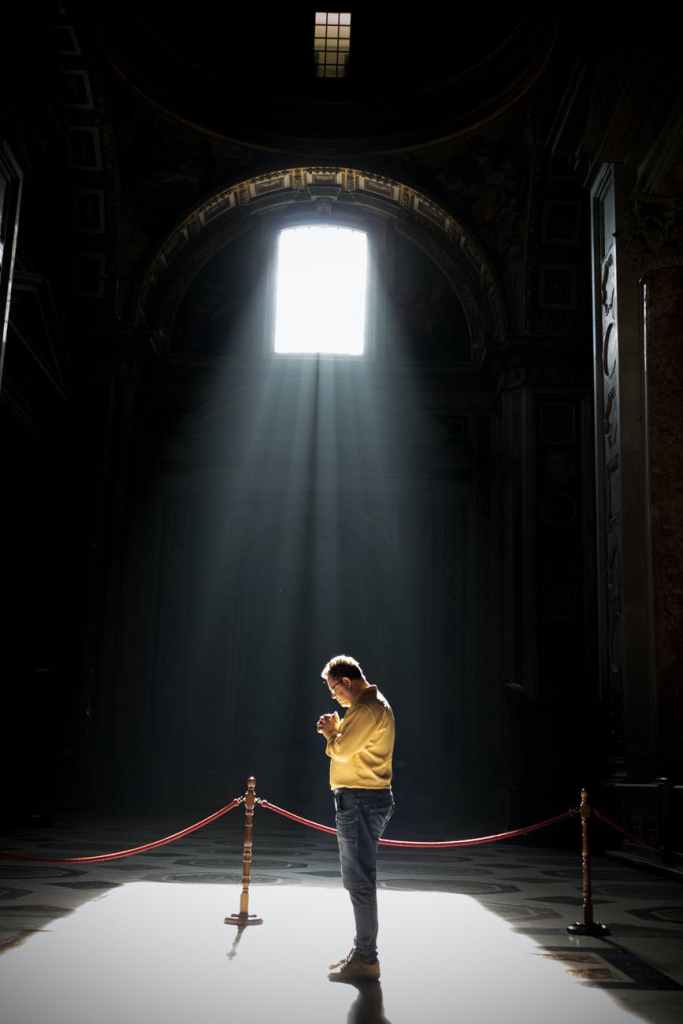
Photo by Ian Panelo on Pexels.com

Prayers of confession are not for God’s benefit, but for ours. To hide our guilt, or to excuse it, is to despise God’s amazing gift of Grace. When we confess to God, it is not because He wants to humiliate us or cause us additional guilt– though this is often the lie we tell ourselves. God is eager to remove our guilt and to guide us in His righteous ways. But He will not save us against our own will or without our permission. He will not conspire with us to hide our secret sins, or pass the blame on to someone else. To do so would be to submit to OUR will. WE are NOT God, though we sometimes act as though our ways are better than His.
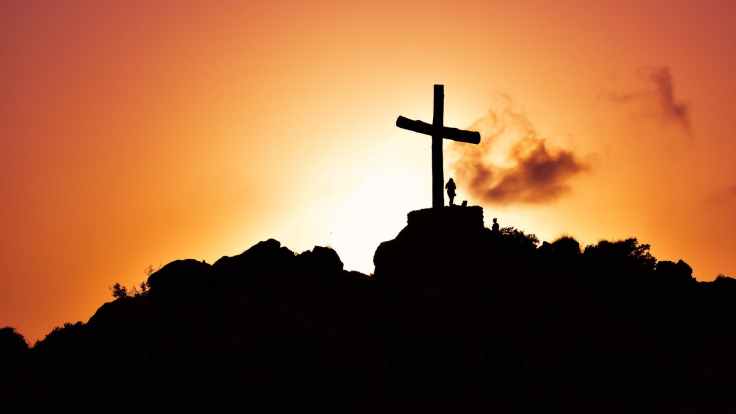
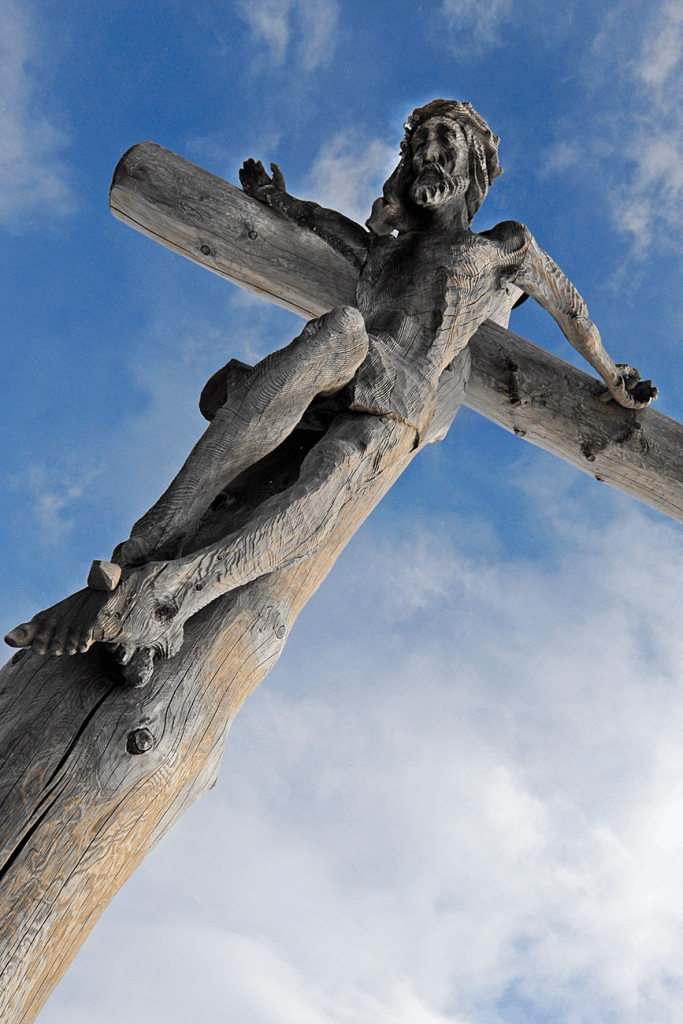
Photo by Pixabay on Pexels.com

I’m so glad that God is God– that His ways are perfect, and that I can trust Him completely. Even when I fall short, I can trust that God has already paid the price to make things right– something I could never do, and something I find too wonderful to fully comprehend.

Nothing but the blood can save me. And anything other than the blood will fail to set me free. My prayers of confession– no matter how polished or pious or piteous– cannot unlock the mystery of salvation and restoration. But they acknowledge the marvelous reality that it IS FINISHED! God’s Grace is sufficient! Hallelujah!


“It Is Finished!” Isn’t it?

Just before Jesus took His last breath on the cross, He called out, “It is finished!” Theology teaches us that His statement reflects the completion of His mission– to defeat the power of Sin and Death, and pay the redemption price for all who will call on His name. The ultimate victory has been declared; the ultimate battle won!

Photo by Pixabay on Pexels.com

The past two weeks, I have wanted to say, “It is Finished!”– as I struggle with a hundred different tasks that never seem to end. I missed my self-imposed deadline to publish a blog entry on Monday; I stared at a pile of extra dishes in my sink and a growing mountain of laundry as I added “extra” tasks to my weekly list. My work here is not finished; my mission is not complete.

Photo by MART PRODUCTION on Pexels.com

But Jesus’ words remind me– It IS finished! My “mission” is not to wash every dish, make every deadline, “fix” every small problem that arises, or answer every question. My mission is to follow Jesus. He didn’t heal every leper, end poverty, sweep away the armies of Rome, or even convince the Pharisees to repent. Because THAT wasn’t His ultimate mission.

Photo by Mumtahina Tanni on Pexels.com

That does not give me an excuse not to do the dishes or try to make sure I post this by my next deadline. But it gives me Grace to keep going– not in my own strength or achievement, but in dependence on God’s power, timing, and mercy. His Grace is sufficient!

Photo by RODNAE Productions on Pexels.com

This is true of our prayer life as well. God doesn’t “grade” us on each prayer, or each day’s efforts; rather, He waits, patiently and lovingly, to hear us call on Him and listen for His voice in return. The “judgment” has already been given–Jesus’ work on our behalf has been accepted and declared “complete.” His Kingdom has come; His will is being done, even if our prayers seem small or inadequate for the mission.

There are some tasks that we will never see “finished” during our lifetime or through our limited efforts. But we can work and pray heartily and confidently in the knowledge that we will see it “finished” in God’s perfect timing. And we can rejoice in the privilege of working toward that end– even our smallest efforts and weakest moments are woven into the story of Eternity!

Laughing With the Sinners

There is a line in a song by Billy Joel (Only the Good Die Young) which reads, “I’d rather laugh with the sinners than cry with the saints. The sinners are much more fun.”

There is a myth about sin– that sin is fun and obedience is drudgery. Sinners laugh and live carefree, happy lives, while “saints” lead gloomy lives filled with tears, worry, and anguish. Heaven will be filled with sour-faced do-gooders playing harps, while Hell will be an eternal party.

Photo by Julia Larson on Pexels.com

Nothing could be further from reality. While sin gives momentary pleasure and temporary laughter, it also leads to devastating pain and haunting regret. Broken families, lost relationships, stress, and guilt are just some of the consequences of sin. The idea that “I’m not hurting anybody– I’m just doing what makes me happy” is a false comfort.

Photo by Victoria Borodinova on Pexels.com

Similarly, while obedience may require us to make sacrifices or suffer momentarily, it also leads to great reward–discipline, wisdom, integrity, and a legacy of hope and help. The idea that “I’m missing out on the fun” is also a false one. “Saints” may cry, but often their tears are for the misfortunes of others!

Unfortunately, the common stereotype of sinners laughing while saints cry or, more often, sit in judgment, is based on observation. I have known some very sour Christians. They may not be crying, but they frequently make others around them cry! They nag, scold, wag their fingers, consign their neighbors and family members to Hell, and act as though they are too good for everyone else. When challenged about their negative attitude, sometimes they suggest that they are just “waiting for Heaven.” Others plead a genuine concern for others, and they worry that the laughter they hear now will turn to mourning in the future.

Photo by Paul Theodor Oja on Pexels.com

But I have also known joyful Christians– laughing, singing, encouraging others, whistling while they work, even laughing in the face of suffering and persecution! They, too, are “waiting for Heaven.” But in the meantime, they are celebrating their new and abundant life in Christ. Their attitude and actions attract others, and reflect the love, joy, peace, and hope that transcends the mere “happiness” of a moment’s sinful pleasure.

Photo by Akshar Dave on Pexels.com

The Bible says much about the value of both laughter and tears; of joyous celebration and sober reflection. In the end, ALL of us are “sinners”–no one is righteous on her/his own. Jesus, when He walked the earth and interacted with people, wept and celebrated with them. The Pharisees reprimanded Jesus and His disciples for their “feasting” and spending time with prostitutes and tax collectors. And yet, Jesus had harsh words about sin and Hell, and often spent time alone and in anguish of heart.

Photo by Andrea Piacquadio on Pexels.com

The crying of saints is not, in itself, of any more value than the laughter of sinners. But laughter and happiness in the moment cannot save us from the sting of death or the yawning emptiness of an eternity without God. And that is no laughing matter! Unfortunately, the song is based on an empty myth. Death comes to all of us, young or old, “good” or “bad,” gloomy or exuberant in life. What makes the difference is not our laughter or tears, or even our efforts to obey or live “good” lives– what makes a difference is GRACE and FAITH. And I’d rather live with the redeemed than die with the defiant!

The Sound of Silence

The events of Good Friday are well recorded in all four of the gospels, (see Matthew 27, Mark 15, Luke 23, and John 19 https://www.biblegateway.com/passage/?search=JOhn%2019&version=NIV ) but it is still difficult to imagine exactly what it must have been like that day. The first crow of the rooster came as Jesus was still on trial before the Sanhedrin, hours of questioning and betrayal that would continue as the sun rose and Jesus as passed on up the chain of power to Pontius Pilate for more questioning. The sun was still climbing as Jesus was beaten and paraded before the crowds. The swell of voices shouting for His execution would have echoed through the public square–“Crucify Him! Crucify Him!” “We have no king but Caesar!” The same taunting would continue as Jesus walked the long Via Dolorosa and came to Golgotha.

By nine that morning, Jesus, bloodied, whipped, exhausted, humiliated, betrayed, and struggling for every breath, was nailed to the cross. He was fully exposed to the bright morning sun, the heat, and all the stares of the angry mob who came to revel in His anguish. He was unable to wipe the blood or salty sweat that trickled from His brow and ran into His eyes; unable to swat away flies who buzzed around His face, elbows, or cheeks. He was unable to block out the noise–curses, curious questions, His Mother’s agonized cries, and, in the lull, the ordinary noises of a crowded city preparing for a celebration.

Photo by Pixabay on Pexels.com

As noon approached, there would be the aromas of roasted lamb, market fish, baking bread. The crowds were quieter now, some may have left to seek out lunch or relief from the heat. But the heat and the sun disappeared as darkness rolled in. The angry energy gave way to fear and dread. The earlier shouting was now a an ominous rumbling among the remaining spectators. It was quiet enough to hear Jesus address His Mother and His disciple, John, and answer the thief on the neighboring cross, promising to see him in Paradise. It was possible to hear Jesus cry out later, His voice raspy and broken, but clearly in anguish, “Eloi, Elioi, lama sabachthani!?”

Photo by Pixabay on Pexels.com

Perhaps it even got so quiet, as it sometimes does in darkness, that you could hear the three men on the crosses struggling to take each breath–their tortured muscled straining to lift their weight enough to get air past their parched lips and tongues–in and out, as distended muscles demanded more oxygen than their bodies could provide. Did the members of the crowd listen to their own heartbeats in those moments?

Photo by Francesco Paggiaro on Pexels.com

The unnatural darkness would have magnified the moment when Jesus, the Light of the World, breathed His last breath. And I imagine in the moment after that a silence so deafening, so complete, as the Word of God, the Creator of Life and Giver of Breath departed the Earth– as though all light and sound imploded at the loss. A split second only, but one so intensely silent that it must have taken the breath of every onlooker.

Photo by Engin Akyurt on Pexels.com

And then, the sound returned full-force– the Earth quaking, the skies crashing, Creation gasping, the Temple Veil ripping, and terrified people rediscovering their ability to cry out. Noise–piercing, and violent and sudden, bringing with it a return of the angry energy of before. But the energy is different now. Subdued. Nervous. Desperate. Empty…

Photo by Shawn on Pexels.com

Insult to Injury

Have you had “one of those” days lately? Nothing seems to go according to plan, and as the day goes on, it just seems to go from bad to worse. Something (or someone) comes along and adds insult to injury.

Photo by Andrea Piacquadio on Pexels.com

Next week, the Church will be remembering what seemed like the last week in the ministry of Jesus Christ on earth. First comes “Palm” Sunday, commemorating Jesus’ triumphal entry into Jerusalem. Shouts of “Hosanna!” and crowds of people cheering and waving palm branches–it was as though Jesus was a rock star or a prince of Israel. But just a few short days later, he was arrested, and convicted in a corrupt “trial” by the religious officials. The same crowds who cheered him on were screaming for his death, waving fists instead of palm branches. Pilate, to please the crowd, sentenced an innocent Messiah to one of the most brutal deaths imaginable– public, excruciating, humiliating, torturous crucifixion.

Jesus didn’t just suffer death. He was mocked, insulted, deserted by his friends, lied about and lied to by those he should have been able to trust, stripped naked and whipped, and branded as a criminal as his “fate.” In such a short time, to be so crushed and betrayed, brutalized and humiliated–none of my “bad days” can compare to what Jesus went through. His injuries were horrific; the insults and betrayals were worse. Yet He bore them all. He died in anguish; broken, bruised, beaten, and abandoned.

Photo by Francesco Paggiaro on Pexels.com

And He could have chosen differently. He was perfectly innocent, perfectly authorized to defend Himself, capable of calling all the Hosts of Heaven to testify on His behalf, and perfectly powerful enough to come down off the cross at any time and send all of His accusers and tormenters to oblivion! That Friday wasn’t just “one of those” days. It was not something that took Him by surprise, nor was it something He “deserved.” He chose to go through that day…it was part of His perfect plan. That day. That death. That stunning humiliation and “defeat.”

But Holy Week doesn’t end in insult, injury, defeat, or despair–because God’s ways are perfect, Jesus turned everything to Glory! We will celebrate next Friday– “Good” Friday– because only God can triumph over death, and transform horror into hope, despair into deliverance, and shame into salvation.

Even on “one of those” days, we can find peace and practice praise as we pray to the one who took “one of those” days and turned it into the greatest miracle!

Praying in Perspective

I love optical illusions and “trompe l’oeil” drawings and paintings– artwork that either forces the eye to see things as though they are three-dimensional, or fools the eye into seeing something completely different if you look at it from a different angle or perspective. A duck turns into a rabbit, or a hairy face turns into an ape, or a vase turns into two faces…it is not enough to take a quick glance– you are “drawn” into looking deeper, and studying the art from many angles.

What if we approached prayer this way? Sometimes, I pray from a very fixed perspective– my own desires or in my own wisdom– instead of giving my thoughts and worries entirely over to an all-knowing and all-wise God. What if God wants me to see the situation from a different perspective– HIS?!

Photo by Paul Basel on Pexels.com

Instead of instant healing from an injury, what if God wants me to work harder to maintain my overall health as I recover? Instead of mission work in East Asia, maybe God needs me to work in East L.A. (or vice versa). Instead of my child having the “perfect” job, what if God’s plan is for her to be challenged and unsettled for years before finding the most fulfilling career?

Photo by Pixabay on Pexels.com

Jesus gave us excellent examples of praying with the proper perspective. “Thy kingdom come. Thy will be done on earth as it is in heaven. Give us this day our daily bread. And forgive us our debts, as we forgive our debtors.” (Matthew 6:10-12) “..yet not my will, but Thine be done.” (Luke 22:42).

I tend to pray “two-dimensional” prayers. Lord, help me to pray with Your eternal perspective!

Show, Don’t Tell..

A fundamental piece of advice for writing fiction is “Show, don’t tell.” A good writer will use words to paint a picture or set a mood. Poets and songwriters are masters of this advice. Metaphors, analogies, figurative language, even alliteration– all create memorable images with very few words.

Photo by Akshar Dave on Pexels.com

Jesus (hardly surprising, as He is the Word of God) was a master storyteller, using parables that we still recognize and identify with today–mustard seeds and prodigal sons, good Samaritans and lilies of the field– Jesus didn’t “lecture” about forgiveness or holiness or love; He provided word pictures, even as He demonstrated each concept in His actions.

Photo by Cindy Gustafson on Pexels.com

When Jesus was getting ready to return to Heaven, He commanded His disciples to “Go and make disciples of all nations.. (Matthew 28:19 NIV) He also said to “Go into all the world and preach the gospel to every creature..(Mark 16:15 NKJV). And as I review Jesus’ methods and actions, I see that I need to make some changes.

Photo by Ketut Subiyanto on Pexels.com

I need to listen more and lecture less. I need to spend more time with those who are shunned by the “righteous,” but cherished by God. I need to spend less time defending myself and more time testifying about Jesus. And I need to spend less time “telling” and more time “showing” love, obedience, joy, mercy, peace, and hope.

Photo by ThisIsEngineering on Pexels.com

This doesn’t eliminate the need to talk and write and “tell” about God– but I want to learn more about doing it God’s way!

Fast Forward

I’ve written dozens of blog posts about prayer, and very little about fasting. Fasting is a practice that is often coupled with prayer, but fasting rarely appears in my blog.

There are several reasons for this. I don’t make a practice of dedicated fasting, so I don’t feel comfortable writing about something I don’t know well. or practice often. I also don’t want to give fasting equal time or importance, because I feel it can become a substitute or even an obstacle to prayer if done for the wrong reasons.

Photo by RODNAE Productions on Pexels.com

The Lenten season is fast approaching, and it is a time when many people choose to fast, so I am stepping out of my comfort zone a little to give more time and effort to fasting (and discussing it here). Here are a few things I have found:

Photo by Marx Alexei Illaconza on Pexels.com
  • While we often think of fasting as going without food or water (or both), there are actually many kinds of fasting. Fasting simply means that we do without or set aside something as an act of obedience, reverence, contrition, or worship. Fasting should be done with the goal of getting closer to God, increasing our focus and our dependence on Him. When we fast, we are creating a “space” of dependence– separating ourselves from one thing to be available for another thing– namely prayer and worship. It isn’t about not eating, so much as not allowing food and drink (or other things) to call us away from time with God.
  • Fasting is Biblical. It was practiced by Biblical figures from Moses to King David, Ezra, Daniel, Nehemiah, Esther, and the entire nation of Israel! Jesus fasted and members of the early church practiced fasting as well. Fasting is encouraged, but not required. It is never prohibited, but there are several biblical warnings about improper fasting (see below).
  • For an excellent discussion (by people who have studied longer and know far more than I do), see: https://www.biblestudytools.com/bible-study/topical-studies/what-exactly-is-fasting-all-about.html or any number of other excellent blogs and websites, many of which are linked in the site I’ve listed.
  • Fasting is NOT meant to be an end in itself. There are many people who use fasting as a diet plan, or as an exercise in self-control. This is NOT biblical fasting. Whatever you are “setting aside” in your fast should be “filled” with prayer, meditation, and worship, and that should always be your focus. If you have health issues, a history of eating disorders or obsessive behavior, you should be very careful about fasting. Consider seeking advice or an accountability partner to help you remained focused on the real goals.
  • Fasting will not make you more righteous, or better than someone else who does not practice fasting. In fact, Jesus warned that when we fast, we should not do anything to call attention to the fact– no moaning or sighing, etc. Fasting isn’t about impressing others with our religious devotion. God knows our actions, but He also knows our heart.
  • Fasting is a commitment, and should not be taken lightly. If you decide to do a fast, and you’ve never done one, it’s best to start small and complete it, than to jump in headfirst and fail to keep your commitment. Not because God will be angry or disgusted– remember that God LOVES you and wants you to desire a closer relationship. But God wants each of us to grow to maturity. God will give us grace to do what He asks us to do; but He won’t honor our efforts to “outdo” Him.
Photo by Paulo Mu00e1rcio Dos Santos on Pexels.com

In taking a closer look at fasting, I am encouraged to do it more often. I have done short fasts, food fasts, and fasting from activities, and I can say that such practices often have surprising results. If you are planning to do any kind of fast for Lent, I pray that you will find it brings you closer to God and helps you in your own pursuit of prayer.

Photo by John Ray Ebora on Pexels.com

Whiter Than Snow

Winter has arrived full force in my part of the world– snow, falling temperatures, ice, and freezing winds make travel difficult and even dangerous. But snow brings about some good things–and one of those things is its color. The white of the snow helps reflect every small bit of light during the short, gray days of winter. When there is no snow cover, some of us can suffer from a condition called “seasonal affective disorder” (SAD). We don’t get enough exposure to sunlight, which can lead to depression, diminished immunity, and other health-related issues. And, while snow doesn’t contain vitamin D or create sunlight, it does reflect it and sometimes that is enough.

Photo by Maria Orlova on Pexels.com

I am enjoying the whiteness of the new-fallen snow as I write this. Even though it is late afternoon, and normally, it would seem dark by now, the snow makes it lighter; I can actually see better because of the snow! (Of course I couldn’t say this if I were driving and the snow was blowing about or covering my windshield…)
Many people in my community are rejoicing in the snow and cold– it means they can go skiing, snowmobiling, sledding, and build snowmen and snow forts. Some of the children (and their teachers) are hoping to have a “snow day” today. And some people are hoping to make some money from shoveling or plowing driveways and parking lots!

Photo by Jill Wellington on Pexels.com

There will be many people praying for snow; and others praying for the snow to end! And in a few days, the pure white snow may end up dingy and gray from being exposed to unclean air particulates, vehicle exhausts, smoke from chimneys, animal tracks, tire tracks, boot tracks, and trash. But for now, it has a purity and beauty that brightens the spirit.

Photo by Josh Hild on Pexels.com

God uses the imagery of snow to speak of His Salvation. In Isaiah 1:18, He says, “Come now, let us reason together, says the Lord: though your sins are like scarlet, they shall be as white as snow; though they are red like crimson, they shall become like wool.” The psalmist David says to the Lord, “Purge me with hyssop, and I shall be clean; wash me, and I shall be whiter than snow.” (Psalm 51:7) And the Apostle John writes, “And everyone who thus hopes in Him purifies himself as He is pure.” (1 John 3:3)

I don’t feel particularly pure most of the time– I know my past; I know my own failings, and the times I have NOT sparkled, or reflected God’s perfection. And God’s salvation doesn’t ignore any of that. God doesn’t declare that I have never sinned–instead, He takes the dirt, shame, and guilt that I deserve, and swallows it up in His grace. In its place, He gives me a renewed mind, a clean heart, and the power to make choices that reflect His heart and mind.

In a “SAD” world that is cold and gray, depressed and weak, God offers redemption that can make us purer, lighter, and fresher than new-fallen snow. We can reflect His light to a darkened world. And, even though the world is filled with contamination and filth, God has the power (and the desire!) to purify us, protect us, preserve us, and give us a sparkling purpose.

Photo by David Dibert on Pexels.com

My Eyes Have Seen Your Salvation!

Tomorrow marks the Christian observation of Candlemas, or Presentation Day. The Gospel of Luke (Luke 2:21-40) recounts the presentation of the infant Jesus at the temple. This was a purification ritual, and it involved bringing a small sacrifice (https://www.biblegateway.com/passage/?search=Leviticus%2012&version=ESV) Luke records the sacrifice as “a pair of doves,” underscoring that Joseph and Mary were unable to afford a lamb for the sacrifice. Kind of ironic, given that Jesus was the “Lamb of God.”

Photo by Pixabay on Pexels.com

This would normally have been a quiet ceremony. The sacrifice would be offered. The priest might say a few words of blessing and purification for Mary, and spoken of the traditions of Israel and the redemption of the firstborn son. There might have been a few other “new” parents coming to the temple that day– or not. The priest would have gone through the motions and left the new parents to attend to his other duties of the day.

Photo by nappy on Pexels.com

But on this occasion, Mary and Joseph were surprised by an elderly gentleman, who came up to them and took their son in his arms as he praised God in song:


“Sovereign Lord, as you have promised,
now dismiss your servant in peace ,
For my eyes have seen your salvation,
which you have prepared in the sight of all people,
a light for revelation to the Gentiles
and for the glory of your people Israel.”

Luke 2:29-32 (NIV)
Photo by cottonbro on Pexels.com

We know nothing about Simeon, other than what Luke tells us– He was a man from Jerusalem, devout and religious, who was waiting for the Messiah to be born. He had been told that he would not die before the Messiah appeared, and he had been led by the Holy Spirit to go to the temple on that day.After his song of praise, Simeon blessed Jesus’ parents and spoke prophetic words. Not comforting words about glory and redemption, but rather words of truth and warning.

After the surprising visit from Simeon, Joseph and Mary had another encounter; this time an old prophetess named Anna. Anna was a widow living in the temple, worshiping, praying, and fasting there daily. As soon as she saw the small family, she approached and she too offered blessings, praises, and prophetic words.

Photo by Nashua Volquez-Young on Pexels.com

Simeon and Anna weren’t the only other people in the temple courts that day. They weren’t high-ranking church officials or priests. But they were the only ones who recognized in this tiny child the wonder and majesty of God Almighty, and His Messiah.

Photo by Jeswin Thomas on Pexels.com

It was an ordinary day; an ordinary Jewish custom; an ordinary occasion. It went largely ignored by most. But for Simeon and Anna (and for the gospel writer Luke) it was a revelation.

I don’t expect Candlemas 2021 to be as momentous as that first presentation day. But I hope that we will have eyes and hearts like Simeon and Anna– ready to see the Salvation of the Lord, to recognize it right before our eyes in a hundred seemingly ordinary moments. May we be ready to step forward in praise and share the glory and wonder with others around us.

Photo by Pixabay on Pexels.com

Blog at WordPress.com.

Up ↑