The Price of Discontent

If anyone teaches a different doctrine and does not agree with the sound words of our Lord Jesus Christ and the teaching that accords with godliness, he is puffed up with conceit and understands nothing. He has an unhealthy craving for controversy and for quarrels about words, which produce envy, dissension, slander, evil suspicions, and constant friction among people who are depraved in mind and deprived of the truth, imagining that godliness is a means of gain. But godliness with contentment is great gain, for we brought nothing into the world, and we cannot take anything out of the world. But if we have food and clothing, with these we will be content. But those who desire to be rich fall into temptation, into a snare, into many senseless and harmful desires that plunge people into ruin and destruction. 10 For the love of money is a root of all kinds of evils. It is through this craving that some have wandered away from the faith and pierced themselves with many pangs.
1 Timothy 6: 3-10 (ESV)

This past week, I have really been struggling with discontent. There are things I want that I can’t afford; things I want to accomplish, but I have other obligations that eat away at my time and energy. I want to lose weight and exercise more– the spirit is willing– but my body and will-power are weak. And I spiraled down into anger, frustration, depression, and comparison. It’s been an ugly week. Instead of thanking God that we have enough money to pay the bills and buy groceries, I complain about the price of the groceries and bills, and the lack of money left over for entertainment or new clothes I don’t need.

“Godliness with contentment is great gain” (v.6). It’s a verse I learned as a girl, and yet I’m still struggling with the concept. Part of that, I think may be that our culture’s teachings clash with the Bible. There are people in our culture– even pastors and Bible teachers– who twist the Gospel so that, as Paul says they (imagine) that godliness is a MEANS of gain. (v. 5). And I have listened to, and bought into, that concept– that God rewards (financially, socially, physically) those who practice “godliness”. But what kind of godliness bargains with God for reward? What kind of godliness leads to discontent and anger?

No. Godliness is not a game or a role to play at. It is, much like prayer, a pursuit and a lifestyle. It is discipleship– following the example of Christ’s life and teachings– changing the way I think and the way I live. And no amount of “following the principles” on my own will lead to that kind of change, because my motive will always be “gain.” Whether gaining money, or status, or achievements and accolades, this type of sham godliness will leave me discontented. And the price of that discontent will be my life.

 The thief comes only to steal and kill and destroy. I came that they may have life and have it abundantly.
John 10:10 (ESV).

Jesus did not come to earth to gain fame or fortune. He was despised by many and crucified by the religious authorities of his day. He was misunderstood, and he was, in worldly terms, a failure. He was homeless, childless; there were no monuments to His achievements, no medals or honors bestowed on Him by the rulers of the day. BUT He came to make it possible for us to break the chains of Sin, guilt, worry, jealousy, and discontent. Jesus saw suffering around Him. He saw people with beautiful houses, high social status, productive farms or businesses, and great political power. But He was not drawn to them. He was content to do the Father’s will; content to travel from town to town, talking with lepers and prostitutes, with tax collectors and beggars. And His life changed the world! It is because of His life, death, and resurrection that I can have eternal life and abundant life now and forevermore (John 3:16).

That doesn’t mean that I have everything I want, or that I don’t have to struggle in the present. And it doesn’t mean that I am comfortable and complacent with what I do have. Sometimes, life is difficult and doesn’t seem very “abundant” in the moment. I still have bills. I still have diabetes. And I still have ambitions and unrealized goals. I just need to remember what the Gospel is really all about. It isn’t about becoming rich or well-respected, or productive in the eyes of the world. My life may be quietly abundant in the things that really matter– peace with God, time with family and friends, opportunities to reach out with hope and encouragement to those who need it, seeing beyond the moments of life to the value of life itself.

“Godliness with contentment” isn’t about wealth or achievement. It’s about the journey– and taking this journey WITH God–walking at His pace, walking where He tells me to walk, walking toward a greater goal. Discontent takes me along a different path– one that will never result in a life that is truly abundant and worth living. I waste my days wishing for this or regretting that or envying someone else’s victories instead of being able to join with them in celebration. It teaches me to be frantic, restless, and angry with myself and others. It leaves me exhausted and unfulfilled.

Money, fame, achievement– none of these is the “root of all evil.” Rather, it is the love of ANYTHING that displaces my “first” love for God that is the root of all kinds of hurt, grief, disappointment, and waste.

A Drop in the Bucket

We had a leaky faucet the other day–drops of water dripping into the sink, “plink…plink…plink.” It was an annoyance. I put a container under the faucet to catch the water as it came out. It wasn’t a large container, but it filled up and had to be emptied, before it could overflow. It seemed such a waste; each drop just dribbling away to no good purpose.

Sometimes, I feel like my prayers must be like those drips from the faucet; that they are just drops in a huge ocean of prayers and requests being poured out by people all over the planet. But that is not true. According to the Bible, God experiences our prayers as an aroma, like incense, rising up to Heaven, where He breathes them in. (See Psalm 141:2 and Revelation 5:8, among others.)

My prayers may feel small and insignificant, but they blend with the prayers of others into an intoxicating aroma of praise, worship, dependence, submission, obedience, sacrifice, awe, reverence, reflection, repentance, joy, and even grieving tears. My prayers are part of something magnificent and mysterious. So are yours!

To pray is to offer ourselves to God– our thoughts and emotions, our time, our gratitude, our honesty, our humility, and our joy.

Just think of the power of a majestic waterfall, or the might of the ocean waves– all made up of tiny individuals drops of water. Water can turn turbines to produce electricity; water can carve canyons our of rock; and water can change landscapes or reshape landforms. And there is power in the volume of water, or of prayer. But there is also the mighty power of the Holy Spirit inhabiting our individual prayers. Each single “drop in the bucket” holds amazing worth and power in God’s hands.

So don’t turn off the spigot of prayer today. Let each drip and drabble do a mighty work!

Free to Forgive

“Forgive us our trespasses as we forgive those who trespass against us.” (Matthew 6:12)

Imagine being a prisoner and being told that you were free to leave! Now imagine someone refusing to leave their prison cell, and choosing to stay locked up! Why would anyone do such a thing? And yet, there are stories of prisoners who have been freed– some of them found innocent of the crimes for which they were being held–who cannot seem to adjust to freedom.

For some, the issue is legal. Even though they have been exonerated, or have served out their sentence, they still face legal consequences–even if their conviction was overturned, or their sentence fulfilled, they still wear the tag of “convicted felon.” Their record, even if legally overturned, still hangs over their head when they apply for jobs, try to register to vote, or attempt to establish credit. For most, however, the issue is psychological. They still wear the imaginary label, “guilty.” “Not fit for freedom.” “Incorrigible.” And often, society does nothing to remove those labels, but rather reinforces the idea that once found guilty, a person can never redeem their life or legacy.

As Christians, we have been given a full pardon for our sins– regardless of whether we have spent time in a physical prison or not. We are free! But we can continue to live as though we are in prison– and worse, we can continue to put ourselves in a prison of unforgiveness toward others.

“If we confess our sins, He is faithful and just to forgive us our sins, and to cleanse us from all unrighteousness.” (1 John 1:9) God does not keep us in a prison of guilt and shame. He is faithful to forgive us, redeem us, and renew our mind and spirit. But part of that cleansing involves letting go of our “right” to hold grudges and cling to old hurts and bitterness toward others. God is faithful to forgive US; He is also faithful to act with justice on our behalf. In forgiving others, we are not denying the justice we deserve. And in forgiving us, God does not deny justice to those whom we have hurt!

God wants to give us true freedom– freedom from guilt and freedom from the burden of injustice. HIS shoulders are big enough to offer both– perfect freedom, and perfect justice. We are allowed to be free of both burdens when we trust God to take care of it all. And we are allowed to walk out of the prison of guilt, shame, bitterness, anger, vengeance, pride, self-righteousness, and self-loathing.

Let’s face it– we have all sinned. All of us have said or done things that have hurt others. We may not know the extent of the damage our words and actions have done, just as others may not be aware of how they have hurt us. And “hurting” people often hurt others in reaction. Jesus paid the price for our sins when He offered Himself on Calvary. His sacrifice stops the cycle of “unavenged” hurt.

Sin still continues to hurt us. Forgiveness doesn’t seek to pretend that what happened never happened, or that it didn’t matter, or that our hurt isn’t real and tragic. But forgiveness allows us to walk out of the prison of living with the label “victim” or “convict” that Sin slaps on our forehead or in our heart. It allows us to breathe the free air of God’s grace and the hope of a joyful, productive, courageous future!

Sacrificial Prayer

I call this blog “Pursuing Prayer.” I believe prayer is a pursuit; a discipline that one can learn from, grow into, and practice faithfully in life. But prayer is also a sacrifice. It involves giving of time, space, and honest reflection.

Sometimes, prayer is a willing and joyful sacrifice. I want to come and spend time with My Father in praise and worship, adoration, and even asking for His guidance and wisdom. But sometimes, the sacrifice is hard. I may dread coming to God when I know I have been dishonest or unfaithful. Like any relationship, I cherish the easy times, the relaxing times, and the expectations of challenges met and conquered. I don’t look forward to the hard work, the waiting, or the corrections that God may have for me.

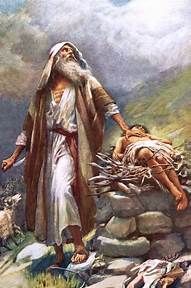
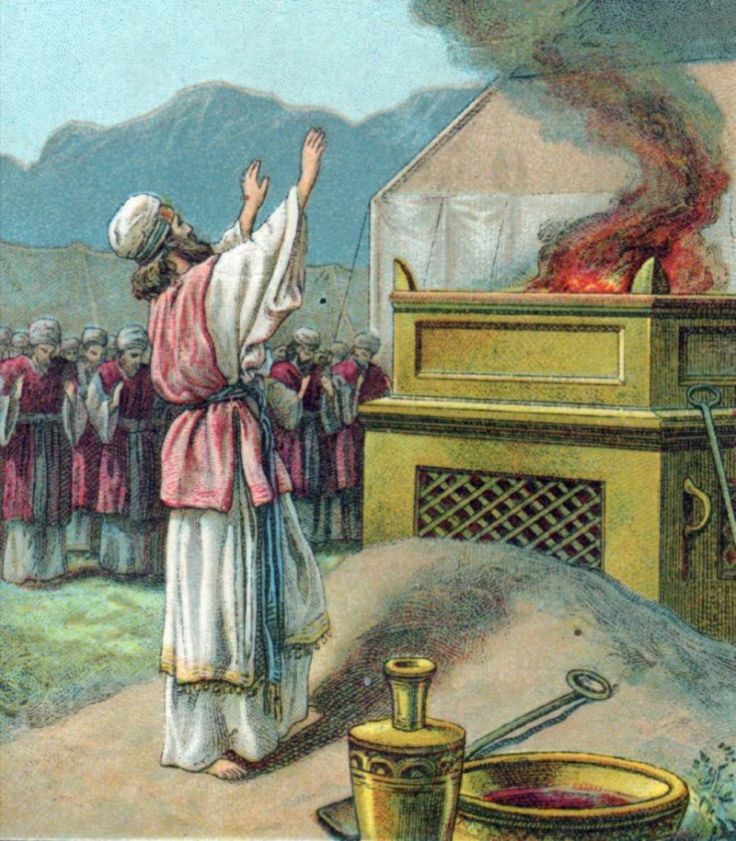
One type of sacrifice that doesn’t belong in the prayer of a believer is the Sin sacrifice. As described in the Old Testament books, the sin sacrifice had to be given to cover over the sins of individuals, priests and even the entire nation. The Israelites even had to give a sin offering for unintentional or accidental sins!

Unfortunately, I sometimes make the mistake of thinking that I must make a similar “sin sacrifice” in my prayer life– that I have to rehearse and recount all my past sins before God will hear me or act on my behalf. And that is NOT Biblical. If we are truly trusting in Jesus’ finished work on the cross, we are not obligated to offer token sacrifices as a means of covering over our past. Christ’s blood IS sufficient! (See 1 John 2:2, 2 Corinthians 5:21,1 Peter 2:24, and Romans 5:9 among others)

So when I talk about prayer of confession, I’m not talking about pouring out long laundry lists of sins I committed last week or thirty years ago. God already knows– in fact He knew about them before they happened!–and He has already forgiven me. That doesn’t mean that He wants me to pretend they never happened or that He doesn’t want me to feel the regret or understand the consequences of what I have done. Instead, He wants me to understand and rejoice in His overwhelming Mercy and Grace! My sacrifice, when I confess my sins, is a sacrifice of praise for God’s willingness to offer what I can never earn or deserve or atone for– complete forgiveness and restoration! I am agreeing with God about who I am and what I’ve done, AND about what He has done for me!

There are other times when prayer can be a difficult sacrifice. Sometimes, I am compelled to pray for those who have hurt me, or those whose actions have hurt others. I am commanded to pray for leaders– that may include church leaders who have sinned, or national leaders who have broken their promises or caused great damage. I am commanded to love my enemies, even if they never repent for things they have done.

Once again, I should be reminded of the sufficiency of Christ’s sacrifice for our sins. He didn’t just die for my Sin; He died for the sins that were committed against me. I may still feel the pain and consequences of that Sin for as long as I live on this earth. But I can trust and be confident that God has dealt with it. And that causes me to rejoice, because I can’t turn back time; I can’t undo the bad things that have happened; I can’t create perfect justice to punish my enemy. But I can let go of the burden of trying to make things “as they should be.” God will do it; He has promised! I can stop wallowing in the “what ifs” or the “what-could-have-beens;” the endless “whys” and “why me’s” that take up so much of my time and focus. Instead, I can leave them as a sacrifice on the altar of prayer, pledging my trust in the Almighty to heal and help me forgive as I have been forgiven.

We don’t practice the old animal sacrifices of the Old Testament. And we don’t have to! But sacrifice is more than just bleeding sheep and burning incense. Sacrifice is offering all of who we are to the One who created us, sustains us, forgives us, and gives us abundant life!

Just for Pun

I love puns. And while some puns can make you groan; most make you smile– at least a little. It’s good to laugh. It’s also good to step back once in a while and not take everything so seriously. Laughter is good medicine (Proverbs 17.22), and a wise person will not be afraid of a little levity. In fact, some lessons are better taught through gentle laughter than through harsh condemnation. So with that, I am sharing a few bits of “church humor.”

Bulletin notes:
“Next week, our pastor will be out of town. The following week, he will speak on ‘Just a vacation by faith.'”
“Please remember in prayer the many who are sick of our church and community!”
“‘What is Hell?’ Find out during our new sermon series.”
“For those who have children and don’t know it, there is a nursery downstairs.”

Fresh “interpretations”:
Lettuce pray…”
Luke 2: 14…Peas on earth; gourd will to men…
Genesis 2:7… and Adam became a living bean
A-maize-ing Grace…

What happens when children mishear the Sunday School lesson:
“Lot was told to take his wife and flee (Sodom). But his wife looked back and turned into a pillar of salt.”
“But what happened to the flea?”

And the Lord fed the five thousand with five loaves and tuna fish.

“Zacchaeus was a weird little man, and a weird little man was he…”

“We shall come rejoicing, bringing in the sleeves.”

I am so grateful for the gift of joy and laughter! I hope you are able to share a smile or a laugh with someone today. And know that even though “Jesus wept” (John11:35) over the death of His friend, Lazarus, He also shared times of laughter with His family and friends. He LOVES to see you smile! He rejoices in your chuckles and grins. May today be filled with joy, even as you face whatever lies ahead.

In Everything Give Thanks

So many times my prayers do not reflect a grateful heart, but a needy one.  Giving thanks is easy in those miraculous moments, and those special times of reflection and rejoicing.  It is not so easy during times of stress, suffering, and waiting.

God blesses those who are “poor in spirit”; he is close to the broken-hearted, the weary, and the afflicted.  Yet he asks us to give thanks always and in all circumstances.  Many people see this as unreasonable, egotistical, and tyrannical on the part of God– that somehow, he needs our constant and abject praise.  But what if this command is for OUR benefit? Let’s break this down:

IN everything– Not for everything.  We don’t thank God FOR the death of a loved one, or the loss of a home, or an injustice done to us.  But we can and should thank God for being sovereign throughout all the circumstances of life; for conquering death, for providing help and hope in our times of need; for promising both justice when we have been wronged, and grace when we have been unjust in our turn. There is never a time when we CANNOT be thankful–though there are many times when it is difficult, or when we choose not look beyond our pain.


EVERYTHING–Not just the “big” things– everything.  We can be thankful for teeth, for dishes to wash, for traffic, for the way the moon hangs in the misty darkness, for a puppy’s eager greeting, for finally understanding our math homework, for the memory of a loved one, for the song that keeps playing in our head.  Sometimes it’s not the actual thing, but what it represents that causes gratitude to well up and turn our hearts back to God.  If we wait for “something to be thankful for”, we’ll often miss those things right in front of us.
GIVE– Giving thanks is an action, not just a reaction.  It is a choice; a mindset.  We learn to say “Thank you” as children.  Our parents pound it into our training as “etiquette” or “manners”, but everyone can tell when a thank you is genuine.  Saying “Thanks” is not  the same as giving Thanks.  Actions speak much louder than mere words, and our choices in the moment are a reflection of our true character and not just “good training.”

THANKS– not just the word, but the concept.  Even in my neediest moments, as I pour out a suffering, exhausted, wounded, and broken heart, I do so because I have a God who is THERE– a God who listens, who cares, who never leaves me alone and hopeless.  I may feel overwhelmed, abandoned, even battered in those moments.  But those awful moments do not define my life, nor do they characterize my walk with God.

This morning, I woke up–a small and underappreciated miracle– I am alive!  I opened my eyes– I can see!  I looked up and saw a roof over my head–I have shelter!  I turned over and got out of bed– I can move!  I have a bed, mattress, pillows, sheets…a bedroom!  I brushed my teeth and washed my face– running water!  Teeth!  A toothbrush!  A  wash cloth! Skin!  A bathroom–indoor plumbing!   I saw a stack of bills on the table– I have electricity! Heat and air conditioning!  A table!  Money to pay bills!…I’m writing this on a computer with wireless internet in my apartment!  All these things are precious gifts from God.  I can be grateful, and give Him the thanks He deserves, or I can choose to ignore the blessings, or take the credit myself.

And what if I wake up tomorrow and I can’t see?  What if my blessings all disappear– no house, no running water, no food or internet; no money, no family?  Giving thanks is still a choice.  I can choose to be thankful for who God is, and for what he has chosen to give me– or I can choose to be angry and envious and bitter.  Some of the most grateful people I have ever met are those who have struggled with difficult circumstances– poverty, pain, loss, injustice–and yet they have chosen to look beyond those circumstances to give praise to God.  Some of the most miserable people I’ve met are those who choose to look at their blessings with contempt; those who deny God’s goodness and choose to see only what they want but don’t have.

David and I recently closed our store.  We had been open for 12 years, and we enjoyed having a business.  But times change; our circumstances have changed; the economy has changed, including shopping patterns.  After 12 years, this feels like a great loss.  Yet, God is faithful.  We met a lot of wonderful people, and we were able to provide goods and services to many within our community.  

What happens next is uncertain– to us.  But God knows exactly what options we have, and we trust that He will give us wisdom as we move forward.

And in everything, we will give thanks.  And I’m so grateful that we can offer prayers of praise, of petition, of pain; prayers for people and places and priorities; prayers in the uncertainty, and in the unfolding of what is to come.


Mr. Teeter’s Song

When I was growing up, there was a man in our church named Mr. Teeter. He seemed impossibly old when I was a child– he’d been born in the 1800s! And he and his wife often looked like they were still living in the previous century. Mrs. Teeter wore dark-colored dresses that came past her calf, sturdy shoes, and a white cap over her carefully arranged, long white hair. Mr. Teeter always wore a suit to church, complete with a gray fedora. Mr. and Mrs. Teeter were both short–he was probably no taller than 5’4″, and she barely cleared five feet in height.

One of the weekly church meetings we attended was mid-week prayer meeting. Sometimes, we would start with worship and singing. Various people would call out old favorite hymns. Sometimes we had a pianist; sometimes we sang a Capella. And almost invariably, Mr. Teeter would request the same old hymn. He liked other hymns–“What a Friend We Have in Jesus,” or “He Lives! He Lives! I know He lives; He lives within my heart.” But his clear favorite was “I Love to Tell the Story.”

As a child, I found this frustrating. First of all, I liked to sing a variety of songs; this one was NOT one of my favorites, and I thought we were “wasting time” by always singing the same old songs. Secondly, because of his age, everyone deferred to Mr. Teeter, so even if other songs were called out, it was a given that his choice would probably win out.

But one evening, Mr. Teeter explained WHY he loved this old hymn so much. He said he had lived a rough life in his younger years– he drank more than he should, and he had a short temper. I was shocked. I could not imagine this tiny, wrinkled, gentle man as being anything other than how I knew him. He was dapper, soft-spoken, kind, and wise. When his wife suffered a stroke, he patiently and lovingly cared for her. He was generous and compassionate, even if I thought his musical taste was more limited than it might have been.

Instead of singing the song, he read it aloud. And after a couple of phrases, he would linger and talk about how, all these years later, he was still in love with the simple Gospel message– that Christ died for sinners, rose again and offered forgiveness and redemption to all who believed in Him. Mr. Teeter had never forgotten the joy and wonder of his Salvation. He never tired of “the old, old story” because it had changed his life in a dramatic and eternally satisfying way. Mr. Teeter died when I was still a teenager. He had cared for his wife until she died, and he was at peace when it came time to leave his life on earth. In fact, his face almost glowed as he lay in his casket. He was absent from the body, and ready to sing the “new, new song.”

There was nothing slick or intellectually challenging about Mr. Teeter’s testimony, but it was very real and powerfully moving. There was nothing musically exciting about the song he loved, but the message was eternally true, and worth singing over and over again. So many years later, whenever I hear this timeless hymn, I am reminded of how Jesus changed my life, and how grateful I am to sing His praises.

Today, as I remember Mr. Teeter and his faithful witness of God’s love and mercy, I pray that you know the simple and enduring truth of Christ’s love for you. And I pray that we would be as faithful in proclaiming the “Old, Old story of Jesus and His Love” as we go through life.

“Your Mission, Should You Choose to Accept It…”

Anyone old enough to remember the old TV show, or anyone who has seen the movies with Tom Cruise, will recognize the title quote from Mission Impossible.  A message, containing details of a top secret mission, would be sent to an agent of the CIA.  After the message had been delivered, it would self-destruct, and the agent would set out to save the world from terrorists or other worldwide threats.  It made for exciting entertainment– speeding trains, double agents, close calls with assassins, death-defying stunts, and lots of explosions– all happening in exotic locations around the world.

Prayer doesn’t usually involve death-defying stunts or explosions, but in can involve a mission, and exotic locations.  As I started keeping a prayer journal, I wanted to pray for people around the world– except I’m not a world traveler.  I’ve never been to Fiji or Burundi, Greenland or the Gobi Desert.  I know some missionaries who have lived or are living overseas, and their newsletters are helpful and personal– I can pray for them, for their fellow workers, and for their neighbors and friends and circumstances across the globe.  But I wondered, couldn’t I do more?  What if I set aside one day for every country on earth– to pray for that country and its people even once a year?  That might seem like an impossible mission.  How can I pray effectively for a country if I don’t even know where it is or how to pronounce its name?  Thankfully, I have a lot of help.  The internet is a great resource for finding out about countries, especially those in the news.  But one of my favorite resources is the CIA!pexels-photo-319968.jpeg

The Central Intelligence Agency of the United States of America is not just in the spy business.  They collect “intelligence”– facts about our world and every country in it–maps, statistics, flags, forms of government, populations, literacy and mortality rates, and so much more. https://www.cia.gov/the-world-factbook/
By visiting their site, you can find out more about any country in the world, and use that information to pray for very specific needs–countries that have been ravaged by war, disease, faltering economies; those countries facing turmoil from burgeoning immigration or sectarian violence.  You can find out the official language(s) of any country, the approximate breakdown of religious affiliation, the percentage of the population that suffers from obesity, illiteracy, or poverty– even some of the history and social structure. Are there major rivers or mountain ranges in that country?  What natural resources do they have (or not have).

knowledge-book-library-glasses-159743.jpeg

As I put together a yearly prayer journal, I realized that there are actually more days than countries. But that’s ok. In a single year, I can pray for every nation, but I can also lift up each state in the U.S., every Canadian province, and several major world cities! I can even pray for continents and oceans and focue on one geographic area every day!

I don’t spend hours poring over each country, city, state or continent each day– sometimes, I just lift up that area by name, knowing that God already knows the needs and situations in each place better than I ever could (even with the help of drones and spies).  But when I have the time, I like to learn more about the amazing diversity of peoples, languages, cultures, and circumstances around the world.  It reminds me that God has all of them in his hand, on his mind, and in his heart at all times.  It’s a big world out there, though it often seems to be shrinking.   God is Bigger!  There are a lot of tragic circumstances and heartbreaking issues around the world.  God is still Sovereign!  There are millions of people in remote and forgotten corners of the world– God sees and cherishes all of them!

I still have my “first world” problems, and personal issues to bring to the throne of Grace, but what a privilege to be able to lift up others– people I have never met in places I will never be able to visit–knowing that I can have a tiny part in the work God wants to do in their lives, as well as in mine.

Piece of Mind v. Peace of Mind

We live in an angry world, filled with outrage, entitlement, bitterness, hurt, and arrogance. Everywhere we look, someone is giving someone else (sometimes everyone else) a “piece of their mind.” And those who do are often lauded and celebrated. Pundits, critics, “talking heads,” columnists, “expert” opinion-makers (recognized or self-appointed)– all make careers out of sharing their opinions, their theories, expertise, or knowledge. They may be clever, intelligent, even entertaining; they may be popular, intimidating, or impressive in their range of knowledge. I may agree with their opinions, and share their conclusions or beliefs. But I should be careful not to become “puffed up” with knowledge.

Knowledge puffs up but love builds up. The man who thinks he knows something does not yet know as he ought to know. But the man who loves God is known by God. 1 Corinthians 8:1-3

1 Corinthians 8:1-3

https://dailydevotionscripture.blogspot.com/2012/11/knowledge-puffs-up-love-builds-up.html#:~:text=Knowledge%20puffs%20up%20but%20love%20builds

It is very tempting– VERY tempting– to join in this practice of verbal tongue-lashing. To show off our superior knowledge or our righteous opinions. To win arguments and create “mic-drop” moments.

Meeting anger with anger, sarcasm with sarcasm, and pride with pride is natural. But it is not God’s way. God calls for us to have peace of mind– to have a mind that can see and hear the reality of our fallen world but respond in an unnaturally loving and gracious manner given to us by the Holy Spirit. We are to speak words of peace, to walk in humility, and to love our neighbors as ourselves.

Our words can be powerful– for good or evil. We can speak peace and goodwill, harmony, and love into a world that is drowning in hateful comparisons, disdain, selfishness, malicious gossip, idle chatter, and careless opinions. Words can uplift, encourage, heal, and strengthen. Words–even quiet words– can stem the tide of malice and bring light and hope.

And it is not just what we pass on to others with our words– we become what we speak! When we speak arrogance and self-righteousness, we become (and remain) self-righteous and arrogant. When we speak love and joy, peace and patience, trust and truth, we become more peaceful, joyful, patient and trustworthy.

Jesus– the Word of God– often used a quiet sentence to bring hope, reassurance, and blessing to people in need. Jesus felt anger– and He had every right to speak HIS opinion and HIS omniscience when He was tested and unfairly questioned. But He chose to be patient. His answers were not laced with malice and sarcasm, but they silenced His critics, and served as lessons for others who were listening. What a great example for us!

What might happen if we spent less time giving a “piece of our mind” and more time spreading “peace of mind” in our world?

What God Didn’t Give Me

I’m very grateful for all the many blessings that God has given me– for Salvation, most of all. But God has blessed me with family, health, freedom, and so many other wonderful things. But there are several things God didn’t give me. Some of them are things I wanted (or thought I needed!) Others are things I never even imagined.

God didn’t give me a pony when I was younger. God didn’t give me blonde hair. God didn’t give me the genetics to be 5’9″ tall, athletic, and thin– I never became a ballerina or a model. God didn’t make it possible for me to study in France my junior year of college like I had wanted. God didn’t see fit to make “Mr. Right” fall in love with me in high school or college. God didn’t give me children to raise. God didn’t let my father live long enough to walk me down the aisle when I finally got married. And I never won the lottery (probably because I don’t play!– but still…)

It’s very human to look around and see what others have that we might desire– things that God did not choose to give us; even things that God has taken from us–and feel resentment, envy, and even anger. But we rarely look at those things others have that we would NOT desire. And we rarely look back and see how things we thought we wanted would not have been good for us, or how God removed things from our lives–even good things–for a better purpose. Sometimes, we cannot know or understand such things this side of heaven. But it might be a good practice once in awhile to look back and see what God DIDN’T give us– and thank Him for His wisdom and provision!

God allowed me to get chicken pox as a child– but He didn’t let me get Polio, or Diphtheria, Scarlet Fever or Whooping Cough. God didn’t give me blue eyes like my dad– but He didn’t give me Dad’s color-blindness, either. God prevented me from going on a date with one cute and popular boy who asked me out in high school. And the one in college. And the one I worked with. But God delivered me to my husband a virgin, and free of the guilt and shame of a string of failed relationships. God took my father at age 68. But He healed my father after a heart attack at age 50 (the reason I never got to study in France). We had and “extra” 18 years with Dad, and while Dad was sick most of the last years of his life, we didn’t have to see him suffer years of pain, misery, and helplessness. And about that semester in France? Some of my friends went that year– and they were plagued by injuries, nationwide strikes, and other issues. God knew what I wanted in each case; He also knew what was best for me.

A couple of years ago, I was diagnosed with Diabetes. God did not “give” me Diabetes. (That’s another mistake we often make.) God gives good gifts. (James 1:17) But we live in a fallen and imperfect world. Disease, injustice, pain, and heartache are part of this world. Someday, God will redeem the world and put an end to all of these, but for now, there is no guarantee that God will keep us in perfect health or happiness. So, I’m Diabetic. I’m not grateful because I have the disease, but I am grateful for so many things related to it. I am grateful that I live in a time when treatments are both available and accessible. I am grateful that I was diagnosed, rather than suffering a coma or dying without help. I am grateful that I have access to healthful foods and the ability to exercise– two things necessary to keep the Diabetes under control. I am grateful that I lived for so many years without the disease. I am grateful for a supportive husband and family members who help keep me motivated. And I am grateful that nothing about having Diabetes changes IN ANY WAY God’s love for me, and His plans to give me eternal life in Him!

Are there things, people, or situations in your life that God DIDN’T give you? Healing that was denied, or blessings withheld? Hurtful things that He allowed to happen in your life? That He took away from your life? God doesn’t want us to pretend that all is perfect in our world. He knows the pain of NOT getting what we wanted, and the agony of losing what we did want. But He also knows the joy that we haven’t yet experienced– the joy of renewal; the joy of restoration; and the joy of completion.

God didn’t give me a pony– nor the hard work of caring for it, or the heartbreak of losing it. God didn’t let me date the popular boy– but He gave me a man of gentleness and integrity. God didn’t give me children to raise, but He gave me grown children, and grandchildren to love. God didn’t “give” me the semester in France, but He did give me opportunities to meet people from France. He gave me opportunities to use the French language I studied– in Florida, Texas, and even the Dominican Republic! God didn’t let my father walk me down the aisle at my wedding. But He allowed Dad and David to meet and even know each other– years before we were married. God didn’t give me perfect health here on Earth– but there will be no disease or death in Heaven.

Thank you, God, for all that you have given me– even Diabetes–and for all that you have allowed to shape my life. Help me see You in every detail of my life– the pleasant, the painful, the difficult, and the mysterious– and to praise You in every circumstance. Thank you for today, and for all the plans you have for it, and for me. Thank You for being You!

Blog at WordPress.com.

Up ↑