“He rules the world with Truth and Grace, And makes the nations prove The glories of His Righteousness And wonders of His Love.”
Christmas is a time of wonder. Even stories that have little to do with the birth of the Christ Child– Frosty the Snowman, or A Christmas Carol, or The Grinch Who Stole Christmas–involve miracles and wondrously unexpected transformations. We thrill to see redemption and hope triumph over gloom and bitterness. We cheer when the Grinch’s small heart grows three sizes, or when Rudolph the Red-Nosed Reindeer makes the team and leads Santa through a snowstorm. We want to believe that there is a special magic about the first snowfall of each year; that the very coming of Christmas Eve holds a special promise of Peace and Goodwill.
But the ultimate Wonder is that of God’s Love for us:
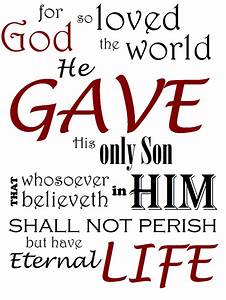
God SO LOVED the world– not because the world was lovable; not because the world’s people were just and kind and honorable; not because God was blinded to the world’s sickness and sorrows and just wanted to feel “groovy” about the world. God just loved the world SO MUCH…
That He GAVE– God didn’t just talk about Love and Joy and Peace– He GAVE–His only begotten Son. He, the creator, became the created– the ruler of the universe became a helpless baby born in a crowded city, banished to a barn because there was no room reserved for his coming. God gave lavishly, sacrificially, completely– He poured out His majesty to take on humanity, and then poured out his human life in service and sacrifice. He kept nothing back– none of his power to avoid injustice, shame, or death; none of his glory or majesty. He suffered the indignity of dusty roads, homelessness, sleepless nights, and crucifixion. He suffered the loneliness of misunderstanding and betrayal by his friends and family.
That WHOSOEVER BELIEVETH IN HIM– Whosoever! Not the noble, not the rich, not the “eminently qualified,” not the beautiful or strong or intelligent “enough.” God yearns to bring the wonder of redemption to the very ones who are ready to give up; to those who know they don’t deserve God’s love and grace; to those who have not known joy or peace, only darkness and grief– those who cannot earn God’s favor can have it in abundance, if only they believe that God exists, and that He rewards those who earnestly seek Him (Hebrews 11:6)
SHALL NOT PERISH, but have everlasting/eternal life–What a wonderful promise! Wonderful because it is beyond our ability to fathom; wonderful because it is undeserved and unexpected; wonderful because it is the ultimate expression of limitless, eternal LOVE. We think of Death as inevitable and permanent–But Christ came to show us that death is temporary and powerless! Hope and Joy, Love and Peace– they have already WON. They are the reality– the rest is only a vapor.
Christmas is so much more than any story of transformation or redemption– it is THE story of redemption; the reality upon which all other stories rest. It is THE Wonder of the Ages– That God would love us beyond limit, beyond even our imagination, and that He would do so as a helpless Baby in a Manger.
We are preparing for Advent season. We celebrate the coming of our Savior, and His humble birth in Bethlehem over 2000 years ago. We count down the days with advent calendars, candles, and other traditions. And it can be difficult to wait for Christmas Eve and Christmas Day to come.
But imagine those people who lived BEFORE the Advent…those who held the promise, but had not seen it fulfilled. Imagine waiting an entire lifetime without ever hearing the Good News– He is Here! The Messiah has come!
There are promises and hints and prophecies throughout the Bible in what we call the “Old Testament.” And the New Testament is filled with the story of Jesus’ life, death, resurrection, and rule, as well as the outcome of His mission to bring Salvation and Hope to a darkened world. But in between the two testaments there stretches a period of nearly 400 years when God was silent.
I get frustrated when I have to wait 45 minutes at the doctor’s office! Imagine listening to stories from grandparents and elders about promises made a thousand years before, knowing that there was no word, no glimmer of fulfillment for over a dozen generations or more!
And yet, we celebrate the glory of the fulfillment. And on the strength of that glory, and Jesus’ teachings, we are waiting for His triumphant return. A return that hasn’t come in nearly 2000 years.
The difference for us is that we live in the aftermath of the Advent. He HAS already come. He HAS Risen! He has assured us of His return– with His own mouth, in His own words. How long will we have to wait? Will He return within our lifetime? Christians have been asking this question for almost 100 generations now, but we ask with wonder and hope.
The mystery of Advent has become the mystery of the Revelation. We don’t just celebrate the promise given to Abraham or Moses– we celebrate the ongoing promise of Eternity– past and present and future.
I’m reminded of the classic tale by Charles DIckens– A Christmas Carol– where Ebenezer Scrooge is visited by three spirits. He is transported to his own past, sees the present through a different lens, and gets a terrifying glimpse into the future he can expect if he does not repent of his ways. So much of the tale is dark and foreboding, but the ending is rapturous– almost literally. Scrooge’s life has been a narrow life, filled with bitterness, greed, and fear. He spends much of his Christmas Eve adventure wondering about time– how long has Marley been dead? Why appear to Scrooge now? How long before the next spirit will appear? How long will Tiny Tim live? How long has he been haunted– has he missed Christmas Day? Does he still have time to change?
How Long? Ebenezer Scrooge never gets a clear answer about his own future– how long does he have to live? How long will Tiny Tim survive? At first, he is not even sure he HAS survived the night. But he DOES get a clear picture of the glory of hope; the value of time; the joy of promises made and kept; and the true riches of redemption.
We have just under four weeks before we celebrate Christmas Day. In this season of Advent, may we use our time to reflect and rejoice in the promise that was fulfilled so long ago, and in the promise that awaits us for all eternity!
7 Therefore Jesus said again, “Very truly I tell you, I am the gate for the sheep. 8 All who have come before me are thieves and robbers, but the sheep have not listened to them. 9 I am the gate; whoever enters through me will be saved. They will come in and go out, and find pasture. 10 The thief comes only to steal and kill and destroy; I have come that they may have life, and have it to the full.
John 10:7-10 NIV (via biblegateway.com)
Theodore Roosevelt, 26th president of the United States, once said, “Comparison is the thief of Joy.” Comparison, envy, judgment– they have a way of sapping our joy, our energy, and our purpose, leaving us angry, deflated, and anxious. He knew a lot about the subject. Coming to the office as the result of the assassination of William McKinley, Roosevelt was the youngest man ever to hold the office of president, and it was not expected that he would be capable of fulfilling his duties. He was a blunt, restless, often hot-tempered man– not a smooth and polished statesman. There were plenty of people comparing him to McKinley and others– and finding him on the short end of the comparison! Yet Roosevelt was a man known for his optimism and joy. Even with his bluster, he was rarely seen without a smile and a positive outlook. And that optimism won people over so that he won his reelection bid in 1904, and became one of our most esteemed presidents.
Comparison can creep into all sorts of areas of our lives– we compare finances, status, “likes” on social media, looks, job status, clothes, houses, cars, even shoes! And sometimes, it impacts our prayers. I know people who won’t pray in public because their prayers “aren’t good enough.” They fear that their prayers lack eloquence; that the people listening will be disappointed or bored or even amused or disdainful. And sometimes, I’m ashamed to say, they have reason for their fears! This should never be.
But it isn’t just public prayers that we compare.
I write about prayer; I’m very open about praying, and I receive a lot of prayer requests. I’m honored and glad to be able to share in praying for others. But every once in awhile, I hear from people that they want certain people to pray for them (as opposed to other people). They seek out “prayer warriors”– people who are viewed as being “better” at prayer than others. On the surface, this seems like a wonderful thing– some people are gifted with more time or more opportunity to pray–why not celebrate their gift or promote their ability?
But what about those who are not seen as “prayer warriors?” What about those whose prayers involve months and even years of crying out in groans and tears and unfulfilled hopes? What of those learning to pray?
We can easily fall into the bad habit of comparing our prayers– our style of praying, the amount of time we spend on our knees, the stories of answered prayer and miraculous outcomes, the number of people who come to us asking for prayer… And this can rob us of the joy of spending time with God! God loves each of us for who we are. And He wants to spend time with US– not our neighbor, or the sweet lady at church who prays so beautifully.
I love communal prayer– even though I know there are people who are terrified of praying in groups. I love to hear the individual voices and styles of those who come together to cry out to God. Some are short and sweet; some are convoluted and conversational; some are anguished and passionate– but all reflect God’s heart to communicate and interact with us, and to have us draw near to Him. He never pulls away from us when we stutter or stumble, or forget someone’s name or mix up a request. He patiently listens to our rambling; He reads the deeper heart of our short outbursts– He even hears our unintelligible moans and mumblings (see Romans 8:26)! And His heart is filled with compassion, love, and inexpressible, boundless joy as He hears the sound of one of His precious sheep.
Jesus described Himself as the “Good Shepherd.” He told the religious leaders of His day that the true sheep would recognize His voice over all others. And He spoke of the “thief” who comes only to kill and steal and destroy. This “thief”– Satan– uses certain tricks to steal our joy and take our focus away from God’s love and wisdom. One of his favorites is to whisper comparisons in our ear. And if we listen to his voice, we will begin to look around instead of up; to ourselves and our words, instead of God and the Word of God. But Satan does not use the voice of our Good Shepherd. His words do not bring safety and peace–they bring doubt and discontent.
God will not urge us to comparison– He will always urge us to Communion!
(Note: this is an edited and updated post from a couple of years ago.)
“What a fellowship; what a joy divine, Leaning on the Everlasting Arms…”
Bethel Church, Penn Twp., Michigan
Years ago, growing up in a small community, and attending a tiny rural church in southwestern Michigan, we sang this song often at church. As a child, I liked the tune, but had little idea what the song meant. In fact, when I was very small, before I could read, I misunderstood the lyrics– I thought the congregation was singing “wienies” on the everlasting arms. I made my grandmother laugh when she heard my interpretation! She helpfully corrected me. So I knew the basics. I knew the word fellowship– that was what we called the pot-luck meals and social times we had in the church basement. I knew that Joy was like happiness, only better. I knew that “divine” referred to God and Heaven, and Holy things. But I also knew that leaning was frowned upon– I was told to stand up straight, sit up straight, and never lean back on the two hind legs of the chair in class. How could there by fellowship, and divine joy in leaning? And what were the Everlasting Arms? It sounded like the name of a hotel. It was a long time before I began to understand the joy of leaning, or even falling into the “everlasting” arms of the Savior.
As I have lived, I have grown to understand and cherish these words. There IS a fellowship and a joy divine in learning to lean on the Everlasting Arms of Jesus; to experience the strength and peace that passes my own understanding when I trust fully in Him, instead of in my own plans, whims, dreams, or wishes. There is no shame in leaning on God– in fact, if we don’t learn to lean on the solid wisdom and faithfulness of God, we will slouch into bad habits, “fall” into false teaching, or simply collapse in our own limitations and weaknesses, much like a chair leaning on just two legs! And this fellowship is not only with my Creator, Sustainer, and Savior; it is with all the brothers and sisters around the world who have learned to trust Him, too. I can travel to foreign countries, with different languages and customs, and still feel the kinship and “belonging” with other Christians. It is deeper and more mysterious than just the recognition that we are fellow human beings. It goes even deeper than the love for others who are loved by God. It is the recognition that God’s Holy Spirit surrounds us, flows in and through us, strengthens us, and unites us IN HIM. We are fellow travelers; fellow workers; fellow members of a universal family– one that is more inclusive than nationality, race, ethnicity, language, ideology, or denomination. We can (and do) lean on the ONE who is eternally trustworthy, eternally faithful to walk beside us, empower us, comfort and heal us, and lead us home. And we can lean on each other, knowing that our mutual strength comes from Him.
I love worship services, and I’m thankful that we have an active church where people worship; where the Bible is taught and revered; where families and individuals are welcomed and loved. But I sometimes miss the old “prayer meetings” in the church where I grew up. Every Wednesday night, while the children were (supposedly quietly) playing games, singing songs, and listening to the great stories of the Bible, a faithful (and sometimes rag-tag) group of adults were upstairs in a huddle. Some pulled up chairs and sat in a circle; others knelt the whole time. They prayed for nearly an hour–prayers of thanksgiving and prayers of urgent needs; prayers expressing worship, and prayers expressing inadequacies and failures; prayers for the children downstairs, for other members of the church family; prayers for the community, the country, and the world. As I became a teenager and a young adult, I was privileged to join in. I watched wise, older men and women express their confidence in God’s provision, and pour out their hearts for their children and grandchildren. I listened to young adults asking for wisdom and guidance as they raised families and witnessed to co-workers. I felt the joy and grief and true “fellowship” that came when several hearts turned as one to God.
I have since attended many “prayer meetings”– some planned, some spur-of-the-moment; some held in churches; others held in homes or dorm rooms, even on street corners or grocery stores; some lasting only a few minutes; others lasting hours. I am blessed to be able to attend a weekly “prayer meeting” on Wednesday mornings at my local church. There is something mystical about communal prayer– listening and sharing in prayer with others. The prayers of God’s people are compared to incense– and communal prayer is like a delicately-balanced blend of fragrances, infusing the very room with blessing, and even a touch of Glory. (For more about how prayer is likened to incense, see https://the-end-time.org/2017/06/13/how-is-incense-like-prayer/) It is yet another miracle of the power of prayer, that we can combine hearts and voices to honor God; to lift up very human concerns to the One powerful enough to hold each one in the palm of His hand. It should not replace personal prayer and Bible Study, or communal worship services, but it is a wonderful practice for any Christian to “come alongside” in prayer with fellow believers. It is also humbling to think about how such a seemingly small act can have far-reaching consequences.
God “inhabits” the praises of His people (Psalm 22:3). When we show up and participate in communal worship and prayer, we get a greater sense of God’s presence, His power, His Glory, His Love, and His eternal purpose. What a Fellowship! What a Joy, Divine!
When I taught public speaking in a local public high school several years ago, we had an entire unit on “stage fright.” Studies showed that the fear of public speaking ranked right alongside the fear of death! But why? Why are we afraid to speak in front of a group? Especially a group of our peers?
It turns out that stage fright has two perfectly logical and definable causes: first is the desire to do well/be successful/be understood, appreciated, and accepted. But this natural desire collides with the realistic possibility that we will make a mistake, or that something will happen to keep us from being understood (like a problem with microphones, or interruptions), or that our message will not be accepted or appreciated. Neither of these thoughts, individually, is unreasonable. But the more we exaggerate them, the less our brain can process the duality. We cannot guarantee that all will go perfectly, nor can we assume that all will go horribly wrong. But the more we worry about all the things that MIGHT go wrong, the more we create stress. Ironically, the stress and fear we generate often leads to mistakes we otherwise might NOT have made!
Part of combating fear, then, is to acknowledge that we want to do well– our best, in fact– in spite of whatever circumstances we might face. Instead of exaggerating what MIGHT go wrong, we must put more energy into what we can control, practice, and mitigate. We also have to stay realistic about what we are likely to achieve in our efforts. This is especially true in a situation where we face an unknown or potentially hostile audience. Our goal is to do the best we can with what we have, not worry about achieving the impossible or controlling what is beyond our ability to control.
I was thinking about this recently as I watched several political candidates in debates, town halls, interviews, and even in their TV ads. Many of them show fear, and even a bit of panic over questions from interviewers, reactions from audiences, and attacks from their opponents. It can be nerve-wracking to face “gotcha” questions from an interviewer– questions that ask you to defend or explain things you said years ago or actions you took under different circumstances. But it can also be an opportunity to clarify a position, show growth and how to learn from past mistakes, or create healthy discussions.
The same holds for Christians who face a hostile or unknown audience for the Gospel. We can be very fearful of sharing the Good News if we allow ourselves to fall into worry and negative thinking. We can face “gotcha” questions from opponents– “Why does a ‘Good’ God allow Evil and suffering in the world?” “Why does God send people to Hell?” “What about good people who die without hearing the Gospel?” “I know you. You’re not perfect. Who are you to judge me?”
But the truth is that God hasn’t asked us to have all the answers to “gotcha” questions. He hasn’t asked us to produce “mic-drop” moments in which we stun our opponents into humiliation. But we ARE to be ready, willing, and able to defend– and let’s be clear about this– OUR hope in the Gospel. It is not our job to force everyone around us to accept a particular doctrine, or set of beliefs. It is not our job to make others change their minds or hearts. It IS our job to testify to the Goodness that God has shown to us– even while acknowledging that we continue to suffer in this life– not to explain away God’s actions or other people’s experiences. We don’t have to be out there winning arguments. We just have to be prepared to Speak UP!
The Apostle Peter seems not to have suffered from “stage fright.” He always spoke out– and sometimes regretted it later! But he gives us this wise advice in his first epistle:
If with heart and soul you’re doing good, do you think you can be stopped? Even if you suffer for it, you’re still better off. Don’t give the opposition a second thought. Through thick and thin, keep your hearts at attention, in adoration before Christ, your Master. Be ready to speak up and tell anyone who asks why you’re living the way you are, and always with the utmost courtesy. Keep a clear conscience before God so that when people throw mud at you, none of it will stick. They’ll end up realizing that they’re the ones who need a bath. It’s better to suffer for doing good, if that’s what God wants, than to be punished for doing bad. That’s what Christ did definitively: suffered because of others’ sins, the Righteous One for the unrighteous ones. He went through it all—was put to death and then made alive—to bring us to God. 1 Peter 3:14-18 (The Message)
Peter doesn’t give us a false promise that everyone will like us or accept our message. In fact, he makes it clear that even Jesus was rejected and suffered at the hands of those who heard the truth from His own lips! Our goal is not to force someone else to accept the truth– but to testify to the truth as we know it, understand it, and live it out. We are not the ones who will judge who goes to Heaven or Hell. We are not the ones who wrote the Law. But we speak of these things because we hold them to be eternal, vital truths. Our job is to let Christ speak through us– not just in our words, but in our Christlike attitude and actions.
We don’t have to fear the crowds– though they may pose very real dangers. We don’t have to fear even those who oppose or oppress us. If we are following our Savior, the only thing in this world to fear…is fear itself.
“Lord, today, I ask for a heart of joy and boldness as I prepare to have an answer for those who would question my Faith and Hope in You. Help me to remember how much You love them, even if they are not willing to accept my words or actions. May I speak to them as You would– with unwavering truth, and unwavering compassion. Thank you for the reminder that you have not given me a ‘spirit of fear, but of power and of love and of a sound mind.’ (2 Timothy 1:7 New King James Version) Keep my mind focused on You and immune to fear. In Jesus’ name, AMEN!”
Years ago, our high school class read a classic short story by the American author, Herman Melville. Bartleby the Scrivener tells the story of an unusual clerk– one who begins as a good worker, efficient and conscientious, but ends up dying in prison, hopeless, ruined, and broken. His tragic downward spiral begins one day when the lawyer for whom he works asks him to examine a short document. This is a commonplace request, much like asking a writer to proofread her final draft before submitting it to the editor. However, Bartleby responds by saying “I would prefer not to.” The startled lawyer decides not to force the issue, and gives the task to someone else.
Bartleby’s refusal to do what is expected of him escalates until he no longer does ANY work. He refuses to work, refuses to leave the office, and refuses to eat. He isn’t angry or violent, but he remains defiant until the very end.
So it is with us when we are living in sin and rebellion against God. It may start out small– some little habit or attitude. We know it is wrong, but instead of obeying God’s word, we calmly say, “I would prefer not to…” not to tell the truth, not to turn away from porn, not to help my neighbor, not to agree with God about my behavior.
8 The Lord is merciful and gracious, slow to anger and abounding in steadfast love. 9 He will not always chide, nor will he keep his anger forever. 10 He does not deal with us according to our sins, nor repay us according to our iniquities. 11 For as high as the heavens are above the earth, so great is his steadfast love toward those who fear him; 12 as far as the east is from the west, so far does he remove our transgressions from us.
Psalm 103:6-12 (ESV)
God is patient. He is gracious and kind. He does not treat us as our offenses deserve. He gives us the chance to repent. He offers forgiveness. But every time we say to God, “I would prefer not to,” we get a little more like Bartleby– isolating ourselves, wasting our potential to be all that God created us to be, growing more defiant and more rebellious, until we waste away into a prison of our own making, and, finally, death.
One of the things that makes Melville’s story so disturbing is that the narrator keeps trying to explain away Bartleby’s defiance–perhaps he is having trouble with his eyesight and doesn’t want to admit it; perhaps he was traumatized at a previous job; maybe there is a reason for his passive aggression. But in all of his attempts to understand, the narrator cannot save Bartleby from prison and death.
Understanding sin cannot change us. Excusing sin does nothing to stop its consequences (see Romans 6:23). No one killed Bartleby, yet he died because he “would prefer not to” do the things he needed to do to live. His small act of defiance, which starts out singular and almost heroic (after all, who wouldn’t like to tell the boss, “I would prefer not to,” every once in awhile?), sounds innocuous. Such a little thing to refuse. Surely God would not punish us for so small a thing…until one small thing leads to another…and another; a bigger rebellion; a numbing complacency; loss of perspective; a heart of stone; isolation; starvation; imprisonment; death.
What am I refusing to do for God today? What am I refusing to give up? Refusing to admit? Refusing to listen to? Am I excusing myself? Do I tell myself I am not in rebellion because I have been polite in my refusal to obey? Do I comfort myself that my rebellion is really just a matter of “preference,” and will not be consequential? That God’s Holiness is less important than my comfort or convenience?
Many people coast through life in the belief that God is SO merciful and SO loving that He can’t also be Holy and Just– that His commands are really suggestions; that His wrath is mythical; that our own wisdom is sufficient for living a “good” life and pleasing Him. But God isn’t concerned about whether we live a “good” life– He wants us to have an abundant life– filled with joy and peace, love and relationship, both now and forevermore. In fact, He would “prefer not to” punish us. He is not “willing” (i.e. desirous) that any should perish (2 Peter 3:9), but that everyone would some to repentance. That doesn’t mean that He won’t punish those who refuse to obey Him, or those who refuse to turn from their rebellion and trust Him; only that He will continue to give us the opportunity to recognize our need for forgiveness.
10 If you keep my commandments, you will abide in my love, just as I have kept my Father’s commandments and abide in his love. 11 These things I have spoken to you, that my joy may be in you, and that your joy may be full.12 “This is my commandment, that you love one another as I have loved you. 13 Greater love has no one than this, that someone lay down his life for his friends. 14 You are my friends if you do what I command you. 15 No longer do I call you servants, for the servant does not know what his master is doing; but I have called you friends, for all that I have heard from my Father I have made known to you.
John 15:10-15 ESV– taken from biblegateway.com
God has made it possible for us to be more than servants. We don’t have to respond to God as Bartleby responded to his boss– though God has the ultimate authority to demand our loyalty and obedience. Through Jesus, we are sons and daughters and friends! When God gives us commands, like “Love one another,” they are still commands. But His heart is that we should trust that all of His commands are righteous, life-giving, and in our eternal best interest. But some of us are still saying, “I would prefer not to.”
Have you ever ordered nachos at a restaurant? I’m not talking about just tortilla chips with sauce– I mean the loaded, deluxe, supreme nachos that some with everything but the kitchen sink. There are several layers of goodness: crispy tortilla chips, smothered in rich, gooey nacho cheese sauce, and piled with spiced meat, tomatoes, green onion, black olives, salsa, chilies, beans, more cheese (shredded), maybe even some mango or avocado, and sour cream. Each flavor is distinct– different textures, different temperatures–yet they come together as they land on your taste buds. And each bite is just a little different– a different ratio of cheese to meat to veggies to chips in each taste.
And that means that my nacho is “not ‘cho” nacho. Even with all the same ingredients, my nacho experience will never be exactly the same as yours.
In a strange way, prayers are kind of like nachos. Prayers have many distinct “ingredients”– confession, praise, anguish, supplication, thankfulness, even questions. And many people can pray with the same ingredients and still offer up unique prayers. My prayer is “nacho” prayer– and your prayer is not mine; even when we are praying together about the same thing.
God loves the variety and uniqueness of our individual prayers. He never tires of “nacho” prayers. And He never compares my “nacho” prayers with yours, or your prayers with mine. Indeed, He loves tasting the individual ingredients in their unique ratio of flavors and elements. He loves hearing our gooey, cheesy emotions, as well as our crisp list of needs; He appreciates the savory outpouring of our praise, as well as the spicy and even bitter tang of our grief.
Can you imagine the tantalizing aroma of our prayers as they rise to Heaven? What satisfaction it brings to God as we pour out our thoughts and concerns to the One who loves us best? God isn’t looking for gourmet prayers. Our prayers may be neatly arranged or completely sloppy. They may contain lumps of worry, or be soggy with emotion; they may be spiced with urgency, or smothered in majestic outpourings of praise. God is still hungry to hear from us!
We lost a family member a couple of weeks ago. We were shocked and heartbroken to hear of his loss. To know that we will never get to hear his laughter or watch his eyes crinkle up over a good joke; never hear him enthuse over history or a great movie; never enjoy the fellowship of being in the same room together again. He never got to retire from his job; never got to walk his daughters down the aisle; never got to enjoy the house he and my sister-in-law planned to build.
BUT
Chris had a wonderful life in many ways. He and his wife have three amazing adult children. He got to enjoy plenty of days loving nature and enjoying a good sunset over Lake Michigan. He harvested many morels each spring. He made music. He helped hundreds of people in hundreds of little ways. He was blessed.
We went to Chris’s funeral last weekend. We helped celebrate his life– his accomplishments and achievements, his vivid personality, his sense of humor– and we celebrated his Faith. Yes, there were tears at the funeral. We will miss Chris in the years to come. But we share his faith and his great hope. We will miss him temporarily. We will grieve for a few years. And then, we will experience a joy that will make us forget the grief! Not only will we see Chris again– to laugh together and share stories and songs– we will be in the presence of our source of Life, and Hope, Joy and Peace! We will be surrounded by the great cloud of witnesses as we live eternally with the One who loves us best!
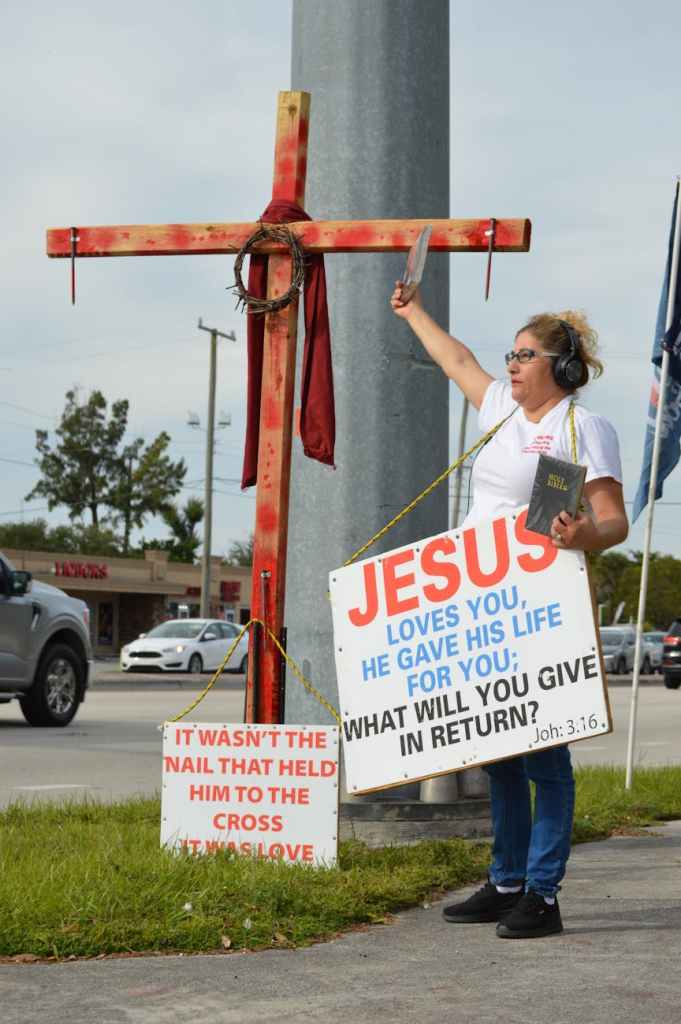
Many years ago, another man died. There was grief, stunned disbelief, and terror. The family, friends, and followers of Jesus Christ mourned. They hid. Their world was dark with despair and anguish. All these years later, we look at paintings and sculptures of Jesus suffering on the cross. But, while we shudder at the horror of all He suffered, we do not look on such pictures with fear or despair. The Cross is not a symbol of Death’s ultimate victory, but rather its ultimate defeat. Jesus didn’t stay dead. His body was buried, but He did not stay there. We celebrate, not the horrors of the Cross, but the limits of its power to steal our joy.
This is where grief meets hope. It is where the past is overwhelmed by the promise of Eternity. Christians grieve– of course we do. We love life, and we grieve to see it end. We love being with friends and family– we feel an emptiness and an ache when someone we love is “missing.” But we do NOT grieve without hope. We acknowledge the brief sting of loss. But Death loses its sting in the light of Christ’s victory. There is no lasting victory in the grave. Our time is short; we are powerless to stop death from taking us; from taking our loved ones. But Eternity beckons! Even our time on earth gives us daily reminders– the sun rises each morning; spring comes after each winter; children grow into parents, and we get to love another generation.
Even when life is hard; when grief looms large and hope seems dim– hope does not disappoint! Because Christ LIVES!
Chris was buried earlier this week– his body was buried– but he LIVES. He is healed and freed of all the pains and frustrations of this earthly life, and because of Christ’s gift of Grace and Redemption, Chris is living all that he once hoped for. Because of Christ’s great gift, many of us will someday join him in singing God’s praises, in laughter, delight, and endless joy!
This is the week of our local County Fair. People around here are pretty excited. The exhibits, the rides, the animals, the events and attractions, the food, the games…there is a little something for everyone. I love watching the faces of the children– their wonder and excitement is contagious as they see the various farm animals, or ride the Merry-Go-Round, or discover the joys of Cotton Candy and Elephant Ears.
I grew up with the County Fair– not just as a visitor, but as a participant. And I am encouraged to see a new generation showing animals, exhibiting craft projects, learning new skills, and having fun. Some of them will return as 4-H parents; some to work as judges or to volunteer at a booth for local churches, clubs or businesses ; some to visit from out of town with their own children and grandchildren. There is something about a County Fair that is simple and pure–something that can inspire childlike wonder, even in adults.
Childlikeness is something we are called to by Christ. He loved children, and He told His disciples that if they wanted to be part of God’s Kingdom, they would have to become like little children (See Matthew 18:2-4). We are to pray to Our Father, having childlike faith in His good will and His promise to hear us. Childlike faith is not “blind” faith. Children are often frightened by the big animals or loud noises at the Fair. And they tend, (especially small children) to want to hold hands or stay close to those they know. But they also want to see and experience “everything”– because they trust that their parents and the Fair organizers will not put them in jeopardy. A childlike attitude and trust in God brings us the kind of joy and peace we see in children as they discover, rejoice, explore, and enjoy life– especially during Fair week.
This is not to be confused with childishness. While Jesus encouraged His disciples to have childlike faith, He reminded them that the “children of Israel” had often behaved with childish disobedience and complaining. God is a loving Father. He wants children who follow Him out of love, and who trust Him completely. But He will also lovingly discipline those who have developed a childish rebellious streak. I didn’t see much childishness at last year’s fair, but when I did, it was not exhibited by children, but by those who consider themselves adults. Tantrums, selfish demands, complaining about the weather or the crowds or the noise… While the children at the fair were gracious “winners” and “losers” at the shows, patient and content (for the most part) as they waited for rides or food, some of the adults were grouchy, whine-y, and difficult to please. I’m sure I missed a couple of epic meltdowns by toddlers, and some tears from a few exhibitors, but most of the children were just thrilled to be able to go to the Fair again.
It is easy to recognize and call out childish behavior in others. Obnoxious, foolish, self-centered, unreasonable– those are just some of the adjectives such behavior warrants. A childlike attitude is also easy to recognize– eager, grateful, joyful, hopeful, teachable, honest and open, loving and caring. Oddly, I know several adults who sneer at childlike behavior, even as they exhibit childish behaviors. They brag about their very “adult” approach– cynical, “realistic,” confident, “tough,” clever, independent, and self-sufficient. But they are stressed, angry, bored, distrustful, lonely, and sad. Our loving Father wants so much better for us! Being with childish people is tiring and depressing; being around childlike people is refreshing, joyful, and encouraging!
I’ve been thinking this week about my own attitude. The County Fair will come and go this year, but each day comes with wonders and struggles, competitions, waiting in lines, and dealing with crowds. Do I face them with an attitude that is childlike or childish? Do I trust God to be with me when I go through new experiences, even if they are a bit daunting? Or do I complain and demand my own way, expecting to “win” every game or competition, dragging myself and others through stress and tears? Father, help me to see Your world through childlike eyes of wonder and gratitude. Help me to see others with the love and joy You alone can inspire.
We are a curious race, humans–we ask a lot of questions of ourselves, each other, and even of God. How did He make the universe? When will Jesus return? Who can we trust in this world? Where is Heaven? What must we do to be saved? But the majority of our questions are “Why” questions. Why did Jesus come? Why did He have to die? Why did God make snakes and mosquitoes and platypuses? Why are men and women so different? Why am I… (short/tall, fat/thin, clumsy, “odd,” misunderstood, etc.)? Why are You so mysterious? Why do bad things happen to “good” people?
I was thinking about this last question this week. I don’t have any definitive answer to that– no one I know has any better answer. God has not given us a definitive answer, either. We are to trust that His ways are wise and best and perfect, but faith and trust require–well, Faith and Trust! We know God has done good things in the past. We know He has redeemed what seemed like hopeless situations. We know His promises, and we have seen some of them fulfilled. Still, such a question can often leave us blindsided and tongue-tied.
There are many learned thinkers, philosophers, and apologists who have written whole books on this subject, but I want to just pose a couple of ideas to help us, not ANSWER the question, but understand the question a little better.
First, the question, “Why do bad things happen to good people?” is really two questions: “Why do ‘bad’ things happen?” AND “Why do they happen to ‘good’ people?” So let’s look at the questions separately.
“Why do ‘bad’ things happen?” What do we mean when we say “bad things?” There are many circumstances, events, diagnoses, and occurrences that may be called “bad.” Death is “bad.” Indigestion is “bad.” Stubbing one’s toe is “bad.” Being diagnosed with Alzheimer’s Disease is “bad.” Divorce is “bad.” Slavery and abuse are “bad.” House fires, job losses, being mugged, being stranded without heat in a blizzard, an outbreak of acne, being laughed at– all these are “bad.” But they are all different. Many “bad” things are the direct result of sin–we suffer the consequences of our own sin; we are the victims of the sins of others. The consequences of addiction can be horrific, but we often lack compassion for those who are suffering, because “they brought it upon themselves.” But what about the innocent victim of rape or child sex trafficking? Such acts leave victims traumatized and broken. Both are “bad,” but we are angered and frustrated even more when “bad” consequences also seem unjust and unfair. And what about natural disasters? Are they the result of sin, as well? The Bible suggests that they are. When God placed Adam and Eve in the Garden of Eden, they lived naked, carefree, and unafraid. Only after their sin did God place a curse on the land– Adam would now have to cultivate the land in order to get food. There would be enmity between the woman and the serpent. Eve (and all women after her) would have pains in childbirth. (see https://www.biblegateway.com/passage/?search=genesis+3%3A+14-20&version=NIV) There is no mention of hurricanes, blizzards, or earthquakes prior to the Fall of mankind, though it is speculation on my part, to say that there were none.
God has promised to make all things new. There will be a time when the consequences of Sin will be eradicated. We will not even remember the suffering we endured in life, in light of the blessings of eternity. So, though God doesn’t answer our question of why “bad” things happen, He does give us the assurance that such “bad” things do not determine our destiny, nor do they happen without His knowledge or outside of His will! We cannot understand God’s purposes in allowing us to suffer, though sometimes we may see a hint of good even in the midst of tragedy.
And God is loving and gracious in the face of our confusion and pain. We CAN ask God “Why?!” “Why me?” “Why this?” “Why now?” “Why them?” Why, O Lord!?” Many of the Psalms speak to this very question. But in the middle of his anguish, the psalmist often finds comfort and renewed strength to face the struggle, when he turns to God. Asking why is not always a sign of weak or failed Faith. Instead, it is acknowledging before God that we ache. We grieve. And we NEED HIM!”
And what about the second part of the question: “Why do (bad things) happen to ‘good’ people?” What makes a person “good?” Jesus was “Good,” And yet He questioned the rich young ruler, “Why do you call me good? No one is Good– except God alone.” (see https://www.biblegateway.com/passage/?search=Luke+18%3A18-27&version=MSG) We tend to think of the people we know and like as “good.” And we have a natural expectation that their lives should be “good” also– free of pain or struggle. But that is not realistic in this world. The actor, Michael J. Fox has been suffering for years with Parkinson’s Disease. This seems unfair and cruel. How could God let him suffer like this? But there are many thousands of people suffering from Parkinson’s Disease. Some of them are homeless addicts; some are in prison for rape or embezzlement. Is their suffering any less than that of Mr. Fox? Is it somehow less tragic or unjust?
The sad and shocking truth is that none of us “deserves” a pain-free, struggle-free life. Bad things DO happen. And they happen to people we like, and people we hate; people we judge to be “good” and people we judge to be “bad.” God does not “play favorites.” Yes, God can, and often does intervene on someone’s behalf through prayer, or for His own bigger purposes. But He does not “dish out” suffering to those He dislikes out of spite or revenge. Nor does He cause His faithful to float through life without ever tasting bitterness and grief. Jesus made many promises, but one of them was this: “in this world you will have trouble; but be of good cheer, I have overcome the world.” (John 16:33) He didn’t promise that you might have a little spot of trouble, or that you might look around and see others in trouble– He promised that we would have trouble. Not because we are “bad” or “good” but because that’s the way this world is.
I find it odd that atheists often pose this question as a way of trying to “prove” that God doesn’t exist. They pose the question as an accusation. “If there is a kind and loving God, why do bad things happen to good people?” But if they believe that there ISN’T a kind and loving God, how do THEY explain why bad things happen to good people? How do they define “good” people and “bad” things? Without a Good God, where is the expectation of good things happening to good people? Without God, there are no objectively “good” things or “bad” things happening– only random events without divine cause or purpose. You can’t blame a non-existent God for things He either caused or didn’t prevent. Such questions are meant to plant doubt in the mind of a believer, but they fail to answer the greater question– Why do Good things happen to undeserving people? Why do we sometimes find joy and peace and strength in the midst of our suffering? Why do human beings continue to Hope?
Finally– the ultimate example of God letting something “bad” happen to someone “good” can be seen in the central image of our Faith– the crucifixion of Jesus Christ. Jesus was sentenced unjustly to a torturous death and public humiliation. He was separated from God the Father, and carried the punishment for OUR sins so that WE could be reconciled to God. Even though the purpose of Christ’s suffering has been revealed to us, it doesn’t negate the agony and trauma He faced. And even HE cried out from the Cross– “My God, My God, WHY have YOU forsaken ME?!” (Matthew 27:46)
God does not answer the question of why “bad” things happen in this world. But in the crucifixion, Jesus proves to us that He shares and understands our suffering; that He has the power to overcome and redeem our traumas; and that He will hear our sincere cries of “WHY?!” He will hear when we turn toward Him, instead of turning our back on Him. He will hear our broken heart. He will heal our broken heart.