Prayer and Politics

Tomorrow is Mid-term Election Day in the U.S. Millions of people have already taken advantage of “early voting.” Millions of others will go to their local polling station to vote tomorrow. Sadly, many other millions of eligible voters will stay home, believing that their vote doesn’t matter. And a few people will “cheat” at the polls– they are not eligible to vote, or they will vote using someone else’s name, or they will vote in two different districts. If they are not caught, their votes could determine a couple of close elections and change the course of government in their state or even across the country.

I pray that we have fair and “clean” elections tomorrow. I pray that voters will make wise choices based on solid principles and not just fear or greed or superficial impressions of the candidates. But in the end, my hope cannot be built on the outcome of this (or any other) election. I cannot place my hope in a single candidate or in any political party. I cannot even place my hope in a platform or set of campaign statements on moral issues. So how can a Christian pray (and act) when it comes to elections? I don’t think there is a single “right” or “wrong” way of casting a ballot, but I think the Bible sets up a few general guidelines that we should consider when it comes to government, whether local, regional, or national.
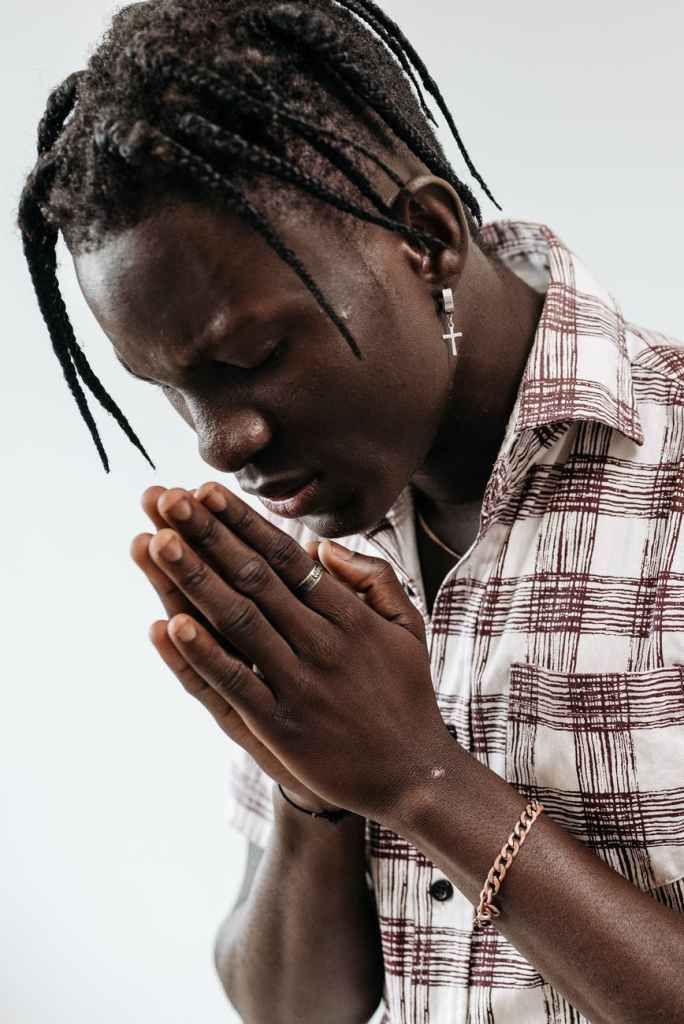
  • Always seek God’s counsel and wisdom! Pray that God will help you discern more than just talking points, polls, and “feel-good” statements by candidates or parties. (see Proverbs 3:5 and James 1:5)
  • Christians are to be neither ignorant nor indifferent to politics– we are to obey the authorities and laws that already exist, and to do our civic duties, including voting. (see Romans 13:1 and 1 Peter 2:13-14)
  • We should pray for all who are in authority– pray for their safety, for them to make wise choices, and for them to come to or continue in Faith. We should serve faithfully “as unto the Lord” (see Colossians 3:23-24) We should not pray against people, but against the forces of evil and Sin that cause people to behave in corrupt and destructive ways. (Ephesians 6:12) We should show respect for leaders and candidates, even for those with whom we disagree.
  • We should pray to stand firm in our knowledge and pursuit of the truth. Even though we pray for our enemies, we should not compromise or accept false beliefs.
  • God is not a Republican or a Democrat, a Socialist, a Libertarian, or any other political adherent. He is the KING of KINGS! His rule is absolute, even though He allows for nations and governments to rise and fall. Remember, Daniel served the power-hungry madman, Nebuchadnezzar, and Jesus lived under the Roman occupation without starting a rebellion against the Caesars. Even if our rulers are not Christians, they will one day bow the knee and confess that Jesus is LORD.
  • Our true citizenship is in Heaven, and we must be faithful to Our King and Lord above all. Even if a fellow Christian is supporting a candidate or a cause you don’t like, you are not responsible for their choices. And they are not responsible for yours. But each of you will answer to God on the day of judgment for every choice, including the choice to vote (or not). Christians may agree on outcomes but disagree on how to achieve them. That said, you should be able to discuss and even disagree without hatred, bitterness, or condescension. And don’t let yourself be pressured by other people, even neighbors, family members, pastors, and other people you respect. God is gracious and compassionate. If we (or others) make a “wrong” choice along the way, God can still redeem our choices and bring good out of seemingly lost causes.
  • Elections have consequences, and it can be frightening to face the negative consequences of an election. It can also be frustrating, even when the outcome seems “good,” to wait for justice and change that we voted for. Pray that God would send peace, confidence, and joy, and that He would keep us from pride, despair, or anger in the aftermath of an election cycle.

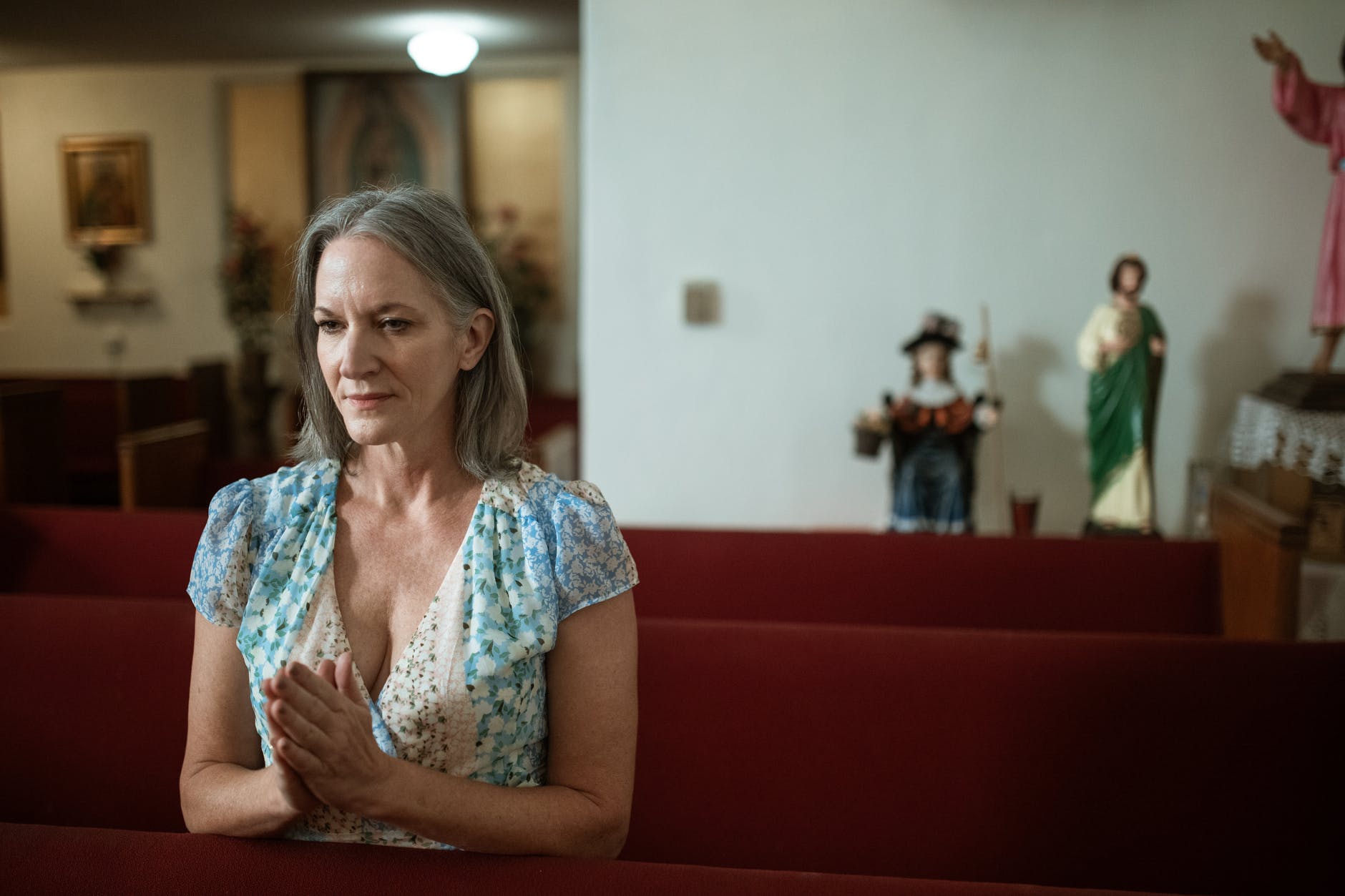
Prayer is essential in our everyday life, and it our decision-making– whether deciding what to buy, where to worship, when to speak, or how to vote. Pray before you go to the polls, pray before you enter the booth, pray on your way home, and pray as the results come in.

“I Have Seen the Lord!”

18 Mary Magdalene went to the disciples with the news: “I have seen the Lord!” And she told them that he had said these things to her.

John 20:18 (NIV) via biblegateway.com

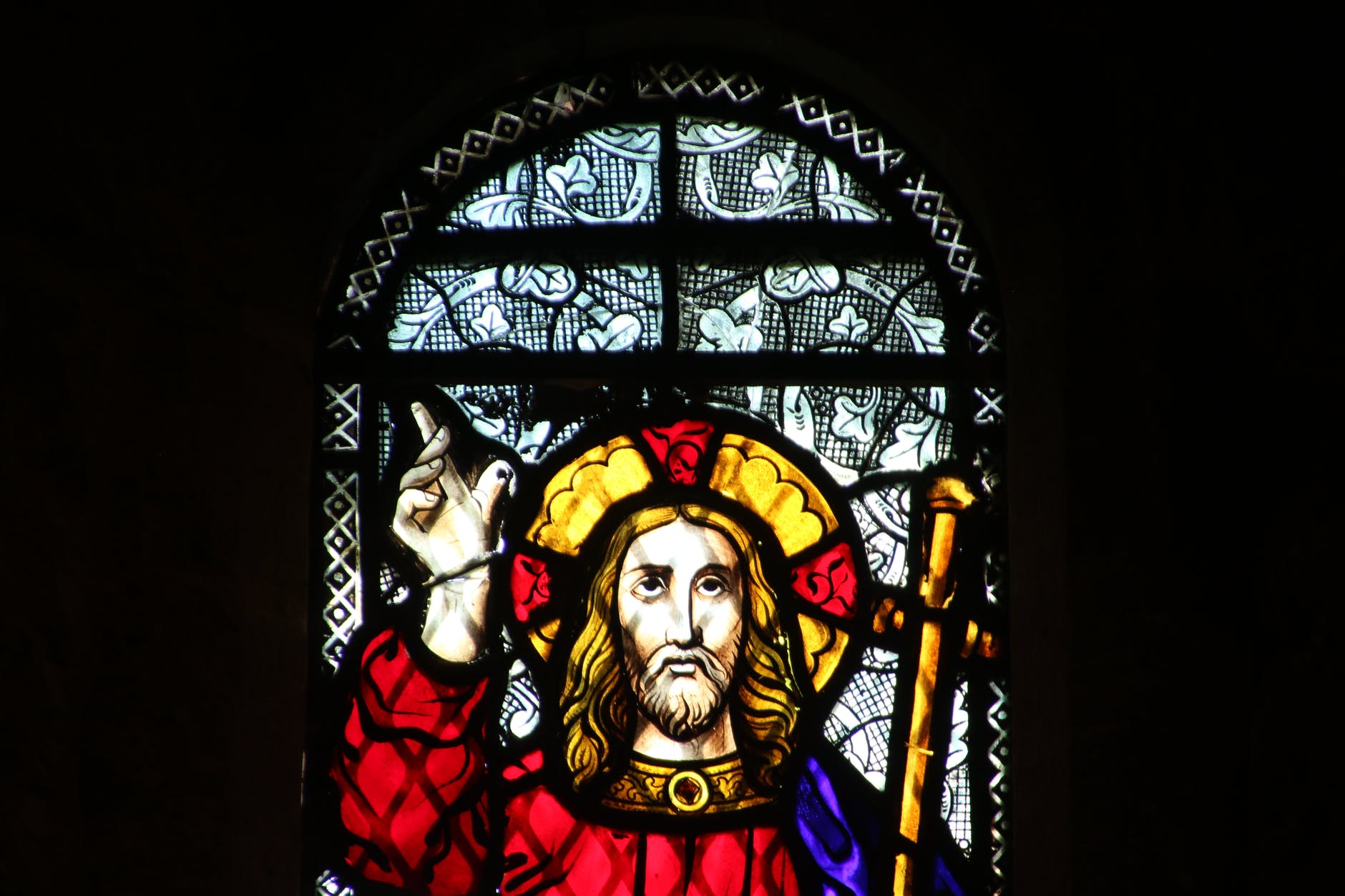
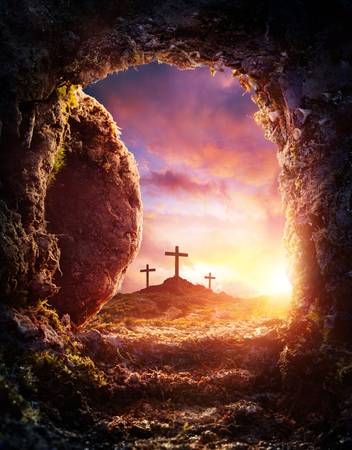
Over the past few weeks, there have been images of Jesus Christ all over– Jesus looking very gentle and passive as He rides a donkey into Jerusalem; Jesus teaching vast crowds and looking wise and unflappable. Thousands of images of Jesus the Suffering Servant– bruised, bloodied, yet meek and forgiving–carrying a Cross through the streets, or hanging between the two thieves. And the images of a risen Christ–glowing and serene and unearthly.

These are not false images, by any means. Jesus is all of these things: the Lamb of God, the Suffering Servant, the Son of Man…He came to experience full humanity, and to live as an example, die as our atonement, and ascend to Heaven as our intercessor and Savior. But there is more to the story. Our images of Jesus are often passive, and belong in the past tense. We have baby Jesus, parable-telling Jesus, humble Jesus nailed to the cross. The Bible also gives us images of Christ the Conqueror; Jesus as Warrior; Jesus as the King of Kings, and final authority.

When Jesus makes His return to Earth, He will come as LORD– victorious ruler of His creation–judge and final authority. We make a grave error if we only see Jesus as the Lamb of God, and not also the Lion of Judah. Jesus was meek and humble as a man, but He was always fully GOD as well. When Mary Magdalene finally recognized the Risen Jesus, she recognized Him as “the Lord.” All those who saw the Risen Christ recognized Him, not just as their friend or even as their teacher, but as their Lord. No earthly authority dared approach Him, question Him, try to re-capture Him, or hold Him. He appeared at will to those who were waiting for Him. He stopped telling parables, and started commissioning His disciples to spread the Gospel. Even those who knew Him had trouble at first recognizing this “Risen” Christ.

Do we? Does our focus on Holy Week end with Easter as the “Happy Ending?” Or do we see in the Risen Lord the beginning of the next chapter in God’s Story? Yes, “It is Finished.” But the final act is yet to come.

2 Beloved, we are God’s children now, and what we will be has not yet appeared; but we know that when he appears we shall be like him, because we shall see him as he is. 3 And everyone who thus hopes in him purifies himself as he is pure.

1 John 3:2-3 (ESV-emphasis added)

When we look at images of Jesus Christ, — when we pray “in Jesus’ name”–do we see a kind teacher? A humble servant? A “Good” example to follow? Someone willing to lay down His life for us? Those are all accurate descriptions– but do we recognize Him as The Lord? He is the King of Kings and the Ruler of All Creation. Do we speak to Him as we would to an earthly King or Ruler? Do we give Him the Honor we would give an earthly celebrity or hero? Do we seek to know everything about Him? Do we seek to please Him? Obey Him? Magnify Him?

It is easy to get caught up in a “Jesus and Me” theology that celebrates the intimate and close relationship that Jesus offers to us; but do we lose some of the awe and majesty of who we are really following? Was this, at least in part, what happened to Mary and the others after Jesus’ death on Good Friday? Had they gotten so comfortable with seeing Jesus as a man, that they couldn’t really see Him as the Messiah? Or did they only see in Him what they wanted to see– a prophet sent from God who would fulfill their longing for freedom from the Romans, or the miracle worker who would feed them bread and fish and take away their pain? When they went to the tomb on Easter morning, they expected to see the dead body of their friend, not the glorified body of their Creator!

When we seek Jesus today, are we looking for a friend and counselor? Are we looking for someone to meet our needs or fulfill our longings? Or are we looking for our Lord in all of HIS Glory? Do we come away feeling better about ourselves, or are we “bowled over” by spending time with the Alpha and Omega? What a different testimony we might have if we could say, every day, “I have seen The Lord!”

Who’s Your Daddy?

When I was growing up, I knew three important things about my father:
I knew he loved me–and the rest of our family–faithfully and truly.
I knew he loved God–He was a man of faith, prayer, integrity, and obedience to the Word.
I knew he would do anything to protect and provide for our family.

But I also knew that my Daddy wasn’t perfect. He was not the strongest man in the neighborhood; or the fastest, or richest, or most respected. He wasn’t the tallest, or most athletic. He wasn’t a leader in local politics or a chamber group or fraternal organization. He didn’t have a string of degrees, or a fleet of fancy cars. He didn’t even have a lot of hair, or perfect teeth. But he had a gentle laugh, a deep wisdom, and a hug that made me feel safe and precious. He had a enormous heart– one that was easily touched, but firmly committed. He was humble and kind; he was loyal and brave and joyful.

Photo by August de Richelieu on Pexels.com
Photo by Abdel Rahman Abu Baker on Pexels.com

I was blessed to have such a Dad. I know people whose earthly fathers were distant, disapproving, absent, or even abusive. Earthly dads, even one like mine, are still human. They make mistakes and bad choices; they carry baggage from their own childhoods; they carry fears and failures; they fall short of our expectations, and their own hopes and dreams. And yet, we long to have a father we can trust; a father who won’t fail us, even in the little things; a father who will perfectly understand us, provide for our needs, and protect us. No matter how old we are, or how successful we may be, our need for a father’s love and approval never end.

Our mental and emotional picture of God is often shaped by our relationship with our earthly fathers. Especially if our father was abusive, it can be difficult to believe that God really loves us. After all, if God loves me, why did He give me an abusive Dad? If God can protect me, why did He allow me to go through a journey with Cancer? Or poverty? Our fallen world leads us into circumstances that cause us to doubt God’s goodness and His ability to redeem our broken past. But, while God sees our painful circumstances, He also sees things that we can’t. He sees the pain that our fathers feel in their own brokenness and inability to “fix” their own past. He sees the kind of growth and compassion that we can learn in our difficulties– lessons that we would not learn in ease and apathy.

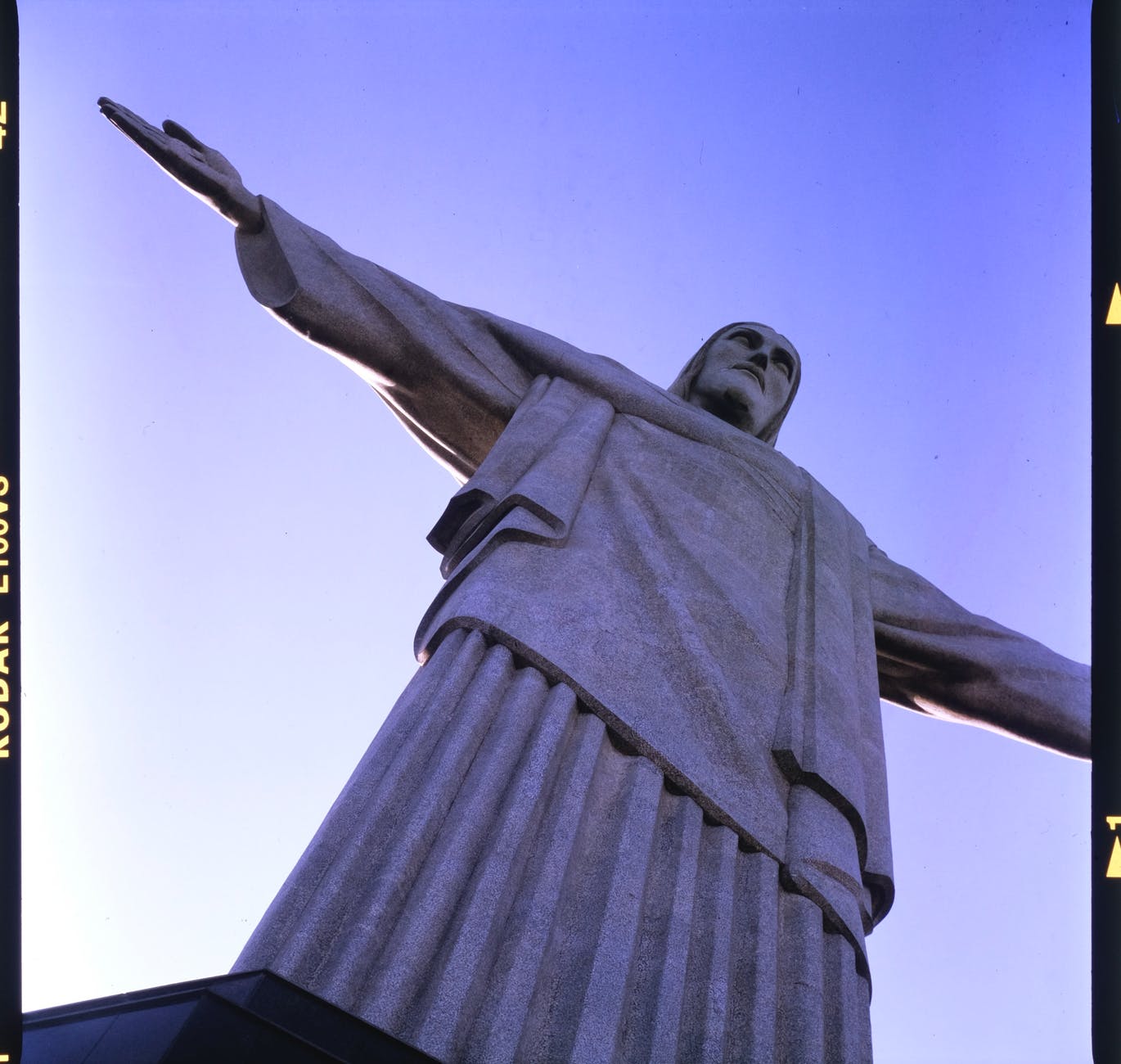
God is a different kind of Father. He is eternally sovereign; the King of Kings, and the Creator of the Universe. There is no comparing Him with anyone else’s father– because He is the Ruler and Father of all! Yet, He wants a close loving relationship with each one of us– with me! With you! He is not just committed to doing His best to provide and protect some of us– He is fully capable of providing ALL our needs and protecting us against ALL enemies, including sin and death! For those who have grown up with a distant or abusive father, it can be difficult to hear of God as our “Father” and feel the kind of comfort and trust that we are meant to have. Yet God invites us into His very presence– ALL the time; ANYTIME. He is everything that the word “Father” was meant to be!

Photo by Juhasz Imre on Pexels.com

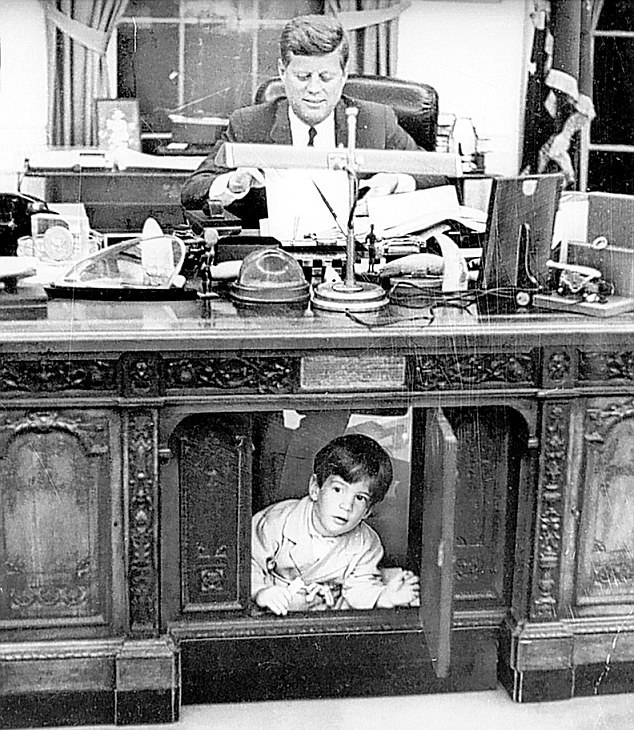
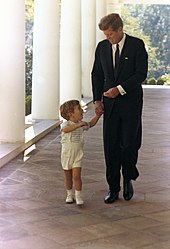
Someone once used the analogy of President John F. Kennedy to describe how we can relate to God as “Father.”. As President, JFK was arguably the most powerful man in the world– the leader of the most powerful nation on earth. At his command, soldiers, sailors, pilots, and even nuclear missiles, could be deployed. The stroke of his pen could sign bills into law, grant pardons, and appoint powerful positions. To enter the Oval Office and have an audience with the President was an honor reserved for rulers and generals and authorities– and his children.

There is a picture of JFK, Jr. as a small boy, peeking out of the Resolute Desk, as his father sits behind the desk conducting the business of the nation. The son had complete access to his father’s presence– access to the most powerful man on earth–his Daddy. He may not have fully understood what his father was doing, or even how important his father was– but he knew that he could spend time with his Dad.

Of course, President Kennedy was not God. He was fallible, and terribly mortal, as the nation learned to its grief. But the idea that God is distant and uncaring, or even vindictive and petty, is belied by the many Psalms and hymns and prayers throughout the ages. And the idea that God is just another “pal”, or “the man upstairs”–someone who loves us, but has no real power to command our obedience or rescue us from our enemies–is also belied by the many miracles and examples of His power in nature and in history. And unlike the exclusive nature of the relationship between JFK and his biological children, God invites ANYONE who calls on Him through His Son to be adopted as a son/daughter with the same intimate privilege of total access. https://www.biblegateway.com/passage/?search=John%201:11-13&version=HCSB (John 1:12)

So when I pray today, I’m not praying to my “Daddy” in any earthly sense. As much as my earthly Dad loved me, I am praying to someone who loves me more, and better, and perfectly. I am praying to the King of Kings, who also invites me to call him, “Abba”– “Dad.”

Blog at WordPress.com.

Up ↑