Revolutionary Thoughts

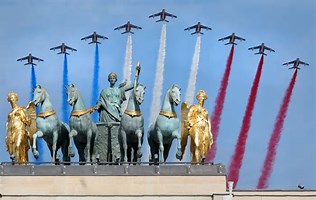
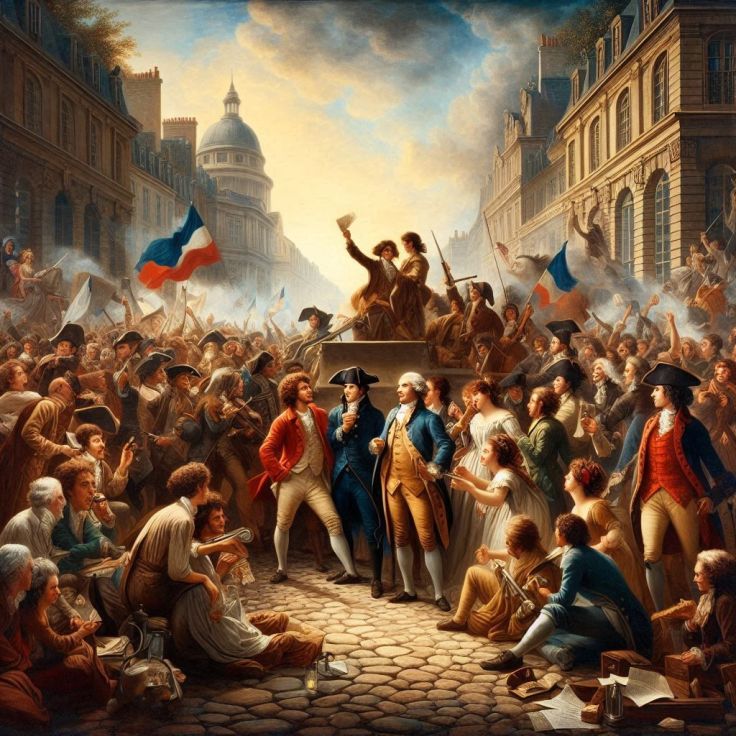
Yesterday was Bastille Day. We don’t celebrate Bastille Day in America, but we should reflect on it. On July 14, 1789, many citizens of Paris stormed the ancient fortress of the Bastille, seizing its munitions and freeing its prisoners. It marked the beginning of the French Revolution, and the end of the ruling monarchy there.

The French Revolution was an indirect result of the success of the American Revolution, which raged just a decade before. The French admired the Americans, and dreamed of throwing off the repressive monarchy and ruling class and creating a new republic with Liberty, Equality, and Brotherhood for all.

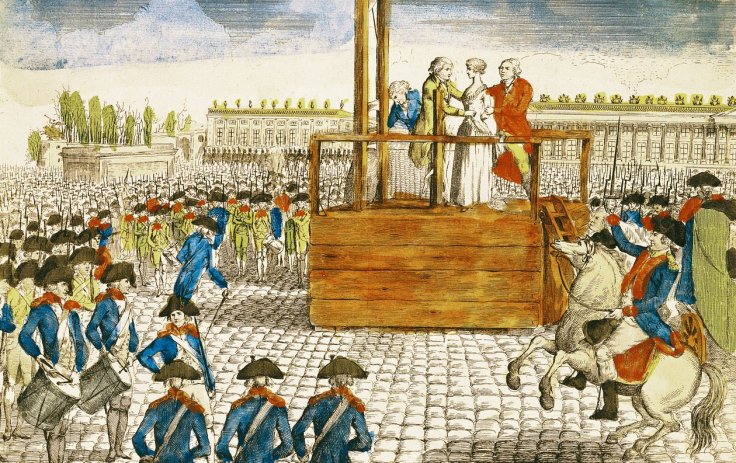
But the French Revolution became known over time, not primarily because of its success, but because of its excess. The French Revolution is remembered for its murder of the royal family, the extensive use of the guillotine to execute aristocrats and opponents, for the rise of cruel and vindictive leadership, and a general bloodbath in around the capital city of Paris. While the French still celebrate Bastille Day, they tend to downplay the immediate aftermath of their “freedom”.

The American Revolution certainly wasn’t without bloodshed and power struggles, and by 1789, the fledgling nation was still ironing out its Constitution and dealing with rebellious outbreaks. But the French Revolution led to the rise of dictators, including Napoleon, keeping France in a state of almost perpetual warfare and internal power struggles for the next 50 years. So what made the difference?

Well, I’m not an acknowledged expert, though I have studied this period of history, but I think there are at least three differences that are worth noting:
  • The American Colonies were not trying to overthrow the entire British Government or demolish the monarchy. They were thousands of miles away from the seat of government that controlled them, and they were breaking away from an existing nation, not pulling it down from the inside. There were many aspects of the British Parliamentary government that the Americans respected and even copied. And they already had colonial governments and structures in place, though their power had been limited under British Rule. They were not trying to destroy Britain– just kick them out of the Americas! The French, however, were ready to destroy over a thousand years of French Monarchy in their own backyard. The French aristocracy wasn’t oppressing them from thousands of miles away– in fact the French Colonials in Canada and the West Indies often had more freedom than their citizen counterparts living just outside of Paris.
  • Second, the American Revolution was about justice, not revenge. The Declaration of Independence outlined specific injustices that had been either ignored or perpetuated by the British Government and the King– often in direct contradiction to their own founding principles. The Revolution, though bloody, was considered a necessary evil to correct those injustices, and the resulting Constitution was created to address ongoing injustices in the newly formed United States. In France, the arrests and trials of the nobility were not enough to satisfy the thirst for revenge against those who had been oppressed. Those who rose to power succumbed to its lure and desired more authority and wealth. What started out as a noble dream turned into a chaotic nightmare as innocent idealists were punished, not for crimes they had committed, but for threatening the new balance of power.
  • Finally (and controversially, perhaps), I would argue that the American Revolution was bathed in Prayer in ways the French Revolution was not. I don’t mean to suggest either that American patriots were all Christians or were all prayer warriors, nor that the French were evil or morally bankrupt. But if one reads the documents of the founders of The United States and those of the leaders of the French Revolution, there is a striking difference in the way they reference God and Prayer. France– and Europe in general– had experience the Age of Enlightenment. And while those ideas (both good and bad) spanned the Atlantic, the Americans had maintained a culture of reverence for God and dependence on Prayer in their daily lives that had diminished in “the old world.”
Revolutions can change (or build) a nation. Rebellions can sometimes lead to change for the better. But without prayer, insight, humility, and dependence on God, cries for “Liberty” can unleash chaos and revenge, before any real change can come about.

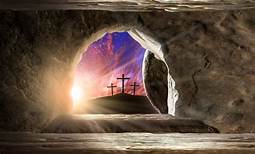
Lastly, I want to remember another “storming of the fortress” that happened long before either the American or the French Revolution– nearly 2000 years ago, Christ stormed the gates of Hell, after being crucified. This was not a Revolution in the same sense as the wars of the 18th century, but a revolution in the way we related to the tyranny of Sin. Christ single-handedly broke the curse of Sin and Death, so that we can live in freedom! We have Liberty to walk with God, washed clean of the guilt and weight of Sin, and free of the sting of Death. We can live in the Freedom to do what is right and good, noble and true.
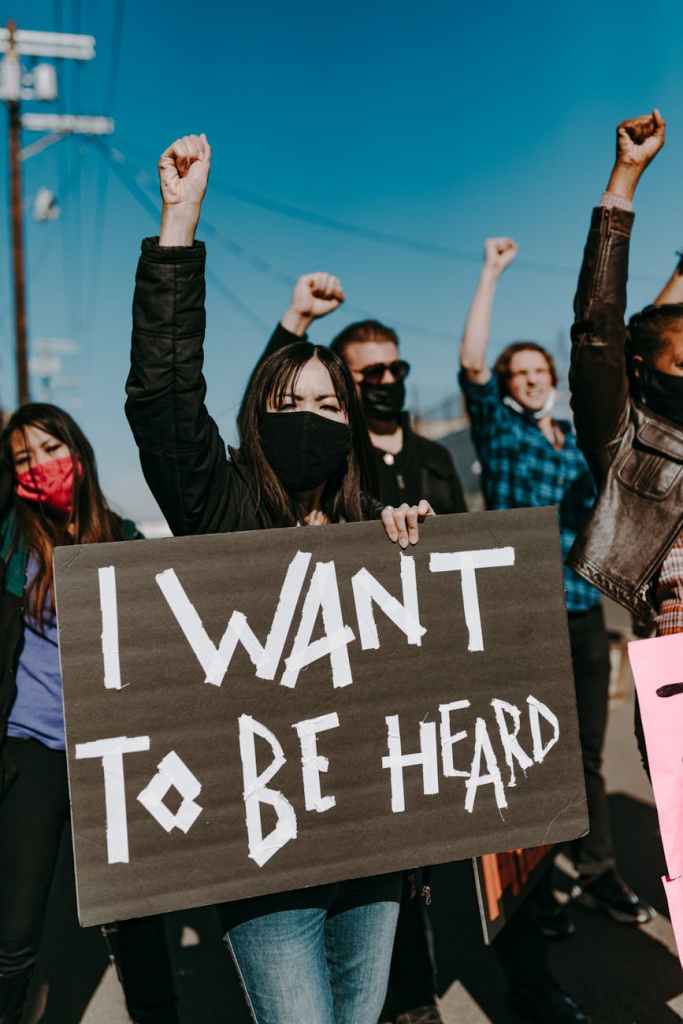
In our daily lives, we must also be careful in our freedom. We must not become complacent about evil and injustice, nor so comfortable with our liberty that we forget the price Jesus paid for it. We must take a stand against injustice and evil, but we must also call out in prayer and remember that justice is not the same as revenge or power. It belongs, ultimately, in the hands of God. May the French celebrate their republic and the freedom it has brought them. May they also give thanks to God for preserving it for 247 years, in spite of challenges and threats. May those of us who live in freedom continue to depend on God for wisdom in using it to make the world a better place for all.

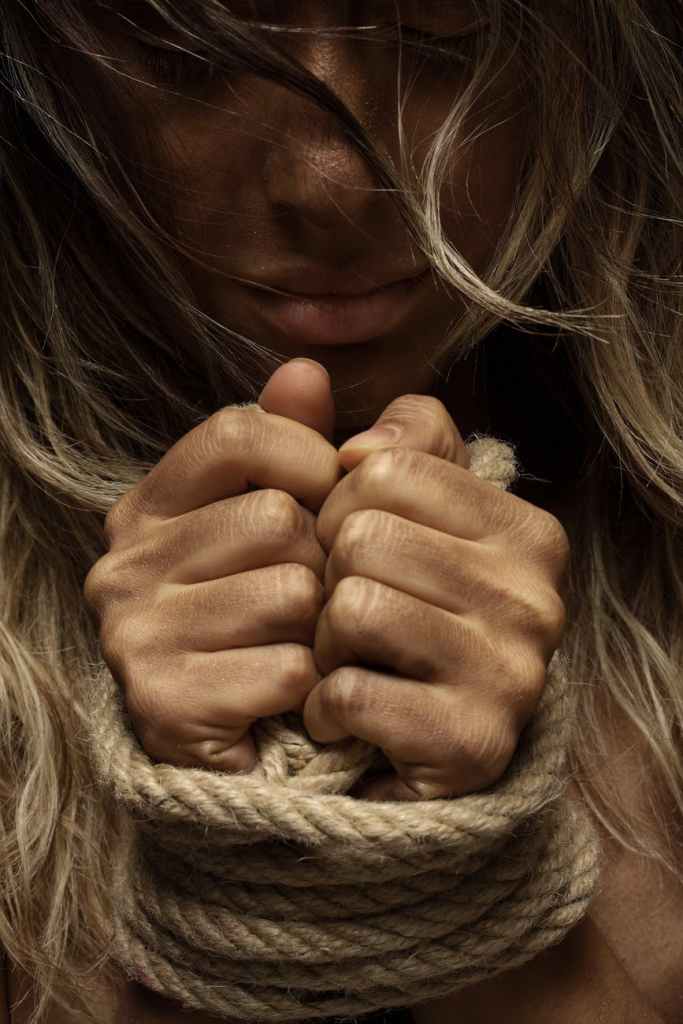
Proclaim Liberty to the Captives

“The Spirit of the Lord is upon me, because he has anointed me to proclaim good news to the poor. He has sent me to proclaim liberty to the captives and recovering of sight to the blind, to set at liberty those who are oppressed…”

Luke 4:18 (ESV)
Photo by Andrea Piacquadio on Pexels.com

Yesterday, we observed a holiday, relatively “new” on the national scale, of “Juneteenth.” Many people across the United States (and elsewhere) still don’t know the meaning behind this day. On the nineteenth of June, 1865, federal soldiers entered the city of Galveston, Texas, with news of the Emancipation Proclamation and the victory of the Union over the Confederate Army in the Civil War. The Emancipation Proclamation, in which President Abraham Lincoln declared freedom for all slaves throughout the Confederate States, had been signed on January 1, 1863. The war had been over for more than two months. President Lincoln had been assassinated in April. But news of the proclamation had never reached as far as Galveston; nor had news of the defeat of the Confederacy. Far from the ravages of the war, and far from the events of Washington or Richmond, the people of Galveston continued with life as it had been. For two-and-a-half years, people who had been declared free continued to live as slaves. News of their freedom came with shock and joy! Finally, those who were considered free in the eyes of the law KNEW they were free, indeed!

Photo by Yogendra Singh on Pexels.com

It would take more than 100 years for many of the injustices to be addressed that had grown up around slavery. Many of them are still being contested. But the celebration of the good news of Freedom continues, along with the hope that we will continue to build a better Union for All.

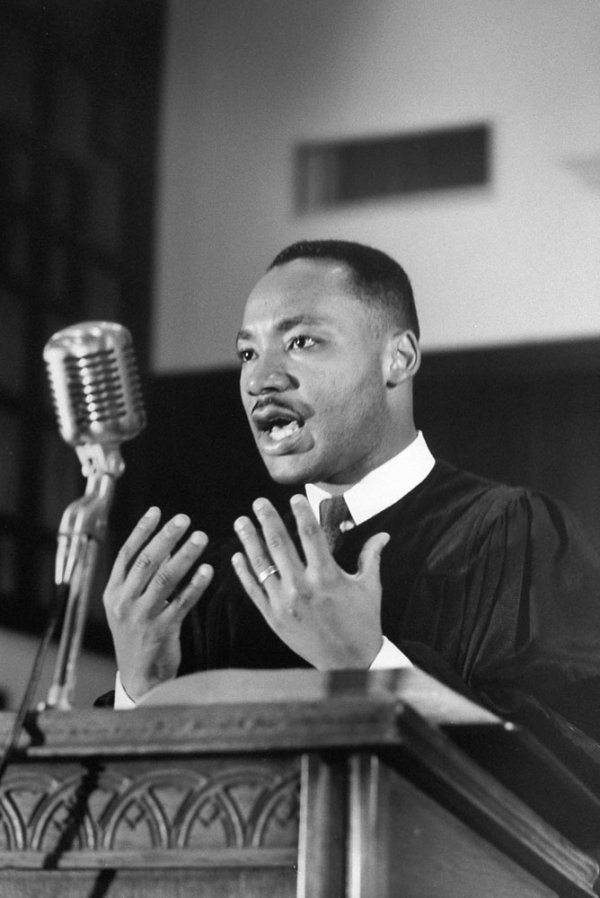
Civil Rights activist Rev. Dr. Martin Luther King Jr. gesturing during sermon at Ebenezer Baptist Church. (Photo by Donald Uhrbrock//Time Life Pictures/Getty Images)

Several centuries before the American Civil War, Jesus stood in the synagogue and read a prophetic passage from the book of Isaiah, in which He declared that He had been anointed to proclaim, among other things, “liberty for the captives.” He wasn’t talking about those who were in physical or institutionalized slavery, but for all of us who are slaves to sin. Unlike the slaves of Galveston, many of us are unaware of our captivity. But like them, we have been declared Free. What good news! Yet, we continue living in ignorance, both of our slavery, and of our potential freedom.

Photo by Engin Akyurt on Pexels.com

How many of us, even those of us who claim the Salvation of Christ, continue to live as though we are slaves? How many of those around us live as slaves without knowing they can be free? Today is a great day to proclaim the Good News– Jesus Saves! We can walk in Freedom and Newness of Life! Hallelujah! Carry the Good News to those who have not heard. Proclaim Freedom to the captives, and Liberty for those who are oppressed.

Photo by Designecologist on Pexels.com

Juneteenth is a time of celebration and exhilaration– for those who understand the gift of freedom. God offers us freedom–not from the trials or work of ordinary life– but freedom TO LIVE–abundantly, eternally, and fruitfully! In Christ, life has purpose, promise, hope, and joy. Death and sin and shame have been defeated– the war is over! Freedom is ours!

Photo by Victor Freitas on Pexels.com

I hope that today (and every day!)is a day of celebration for all of us who know the Freedom of Life in Christ.

Your Life Matters

Last week in America, we marked two important dates. We celebrated the birth of a great hero, patriot, and statesman, Martin Luther King, Jr. And we marked the 47th anniversary of the Supreme Court decision, Roe v. Wade, which effectively legalized abortion across the land.

The life of Dr. King was marked by hardship, oppression, violence, and assassination at the age of 39. Dr. King was a brilliant student and gifted speaker. He led peaceful protests and civil rights marches calling for justice and equality under the law for all people. More than 50 years after his death, there are still issues of racial discrimination and racial tensions in this country. The disproportionate loss of life and liberty among blacks in urban areas has led to a new round of protests, some of which go under the name of “Black Lives Matter.” There is a feeling that, especially with the police and government officials, black lives don’t matter– that black lives are devalued and dismissed as less deserving of respect and protection.

Photo by Collis on Pexels.com

In light of this, there has been “push back” from those who argue that “ALL Lives Matter”, or that “Blue Lives Matter” (blue for police who have become victims of mob violence and angry crowds who feel that the police are responsible for racism and corruption). The argument is that groups like “Black Lives Matter” are not so much about bringing awareness or promoting justice, but are meant to divide us as a nation and exact revenge for past offenses, slights, and perceived slights.

There is speculation about what might have happened if Dr. King had not died when he did. Would he have continued leading non-violent protests? Would the Civil Rights movement of the sixties gained more momentum under Dr. King’s leadership? Would our nation have achieved a new dawn of equality, freedom, and unity, greater and stronger than what we have seen in the last five decades? Would Dr. King be pleased with the progress we have made, or ashamed? Did his life make a difference? Yes. But was it “enough” of a difference? Does it matter to a young person of color growing up in Baltimore or Chicago that Dr. King spoke out, marched, and died for a dream that seems frozen in time and unfulfilled?

Photo by nappy on Pexels.com

Just two days after our nation wrestled with that uncomfortable memory, we marked one even more controversial. In 1973, our Supreme Court ruled that no state could prohibit abortion. The decision also limited the ability of states to restrict abortion. Since that decision, an estimated 60 million Americans http://www.numberofabortions.com/ (not to mention infants around the world) have been denied the right by legal practice to be born. This is roughly equal to the number of people killed in World War II, though estimates of both numbers vary by source (https://www.nationalww2museum.org/students-teachers/student-resources/research-starters/research-starters-worldwide-deaths-world-war)

Photo by Pixabay on Pexels.com

In looking at abortion, we see millions of lives who were determined NOT to matter. They didn’t deserve respect, protection, liberty, education, dreams, food, shelter…not even breath and a heartbeat!

Oh God– let us see life as YOU see it. Every life matters infinitely to You. You have created all life–unique, precious, priceless, glorious, fragile, and yet eternal. You walked among people, healed the sick and broken, reached out to the outcast and isolated, welcomed children, and brought the dead back to life. In Christ, you took on human life– breathed the air, knew joy and pain, weariness, hunger, and strife.

Photo by nappy on Pexels.com

One life– every life– matters. It matters, not because we are important to the world, but because we are precious in the eyes of our creator. We celebrate the life of Dr. King, because we was considered important in the history of our nation. But God celebrated Dr. King’s life from the moment of his conception. God knit him together in his mother’s womb, just as He does for each of us. God knew the moment of Dr. King’s birth. He saw every tear, heard every laugh, felt every bruise that Dr. King experienced. And God knew the moment of Dr. King’s assassination. He knew the shock and horror it would be for his family. He knew that years later, we would quote Dr. King’s words and even argue about his relevance and impact. But Dr. King’s life mattered to God even if it had been a life of obscurity or failure.

Similarly, and incredibly, every one of those 60 million lives that have been lost to abortion “mattered” to God. He knew and loved them from the moment of conception. And He knew– He KNEW– that they would be aborted; thrown away and discarded by those who should have loved and protected them. And He LOVES those who killed them– their lives “matter” to God as well. Dr. King’s dream was that his children would be judged by the content of their character. God will judge us one day on that basis; but He offers to judge us by the content of HIS character, if we will trust Him to forgive us for the past, and transform us as we live for Him.

Photo by namo deet on Pexels.com

Your life matters to God. It has worth and meaning. You are infinitely precious– so much so that God sent His only son to live and to die for your sake. What an incredible love He has for you! What an incredible love He has for every person you will encounter today!

Blog at WordPress.com.

Up ↑