What if?

What if–
I say the wrong thing, and ruin someone’s day?
Or perhaps I get lost and lose my way?

What if–
I get bad news about my health
Or suddenly lose all my worldly wealth?

What if–
Friends turn to foes this week?
What if I can’t find the peace that I seek?

But

What if–
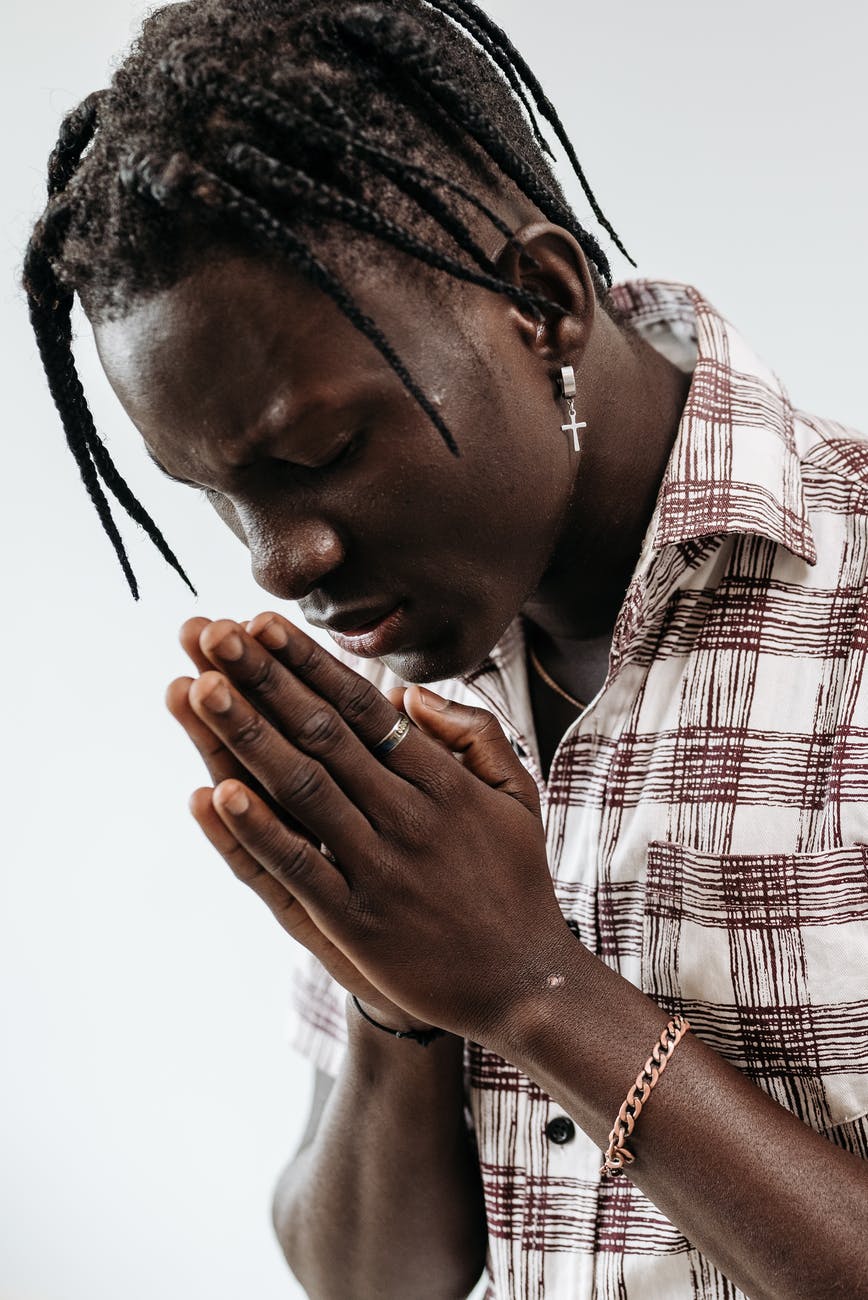
I take it to the Lord in prayer?
Bring Him every question and care?

What if–
God prevented that unseen wreck;
Stopped me from falling and breaking my neck?

What if–
God saw the looming temptation
And removed me from the situation?

How many times had God stepped in
And quietly saved me from the effects of Sin?

And when He hasn’t–do I really know
If my life would be better if God never said, “No!”

What if–
I trusted and always gave praise
When God’s answers reveal His mysterious ways?

What if–
I ask and seek and knock,
Knowing my God is the Eternal Rock?
Knowing that God hears, and cares, and sees
Much more than I do when I’m down on my knees.

“..casting all your anxieties on him, because he cares for you.” 1 Peter 5:7 (ESV)

Green Eggs and Prayer?

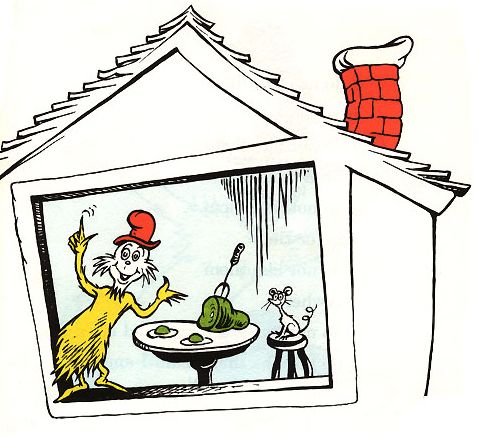
Have you ever read the Dr. Seuss classic, “Green Eggs and Ham”? In this early childhood reader, the narrator (nameless) is accosted by an enthusiastic character named Sam (Sam I Am), who wants him to try a dish called green eggs and ham. But the narrator refuses. Sam keeps offering, but the narrator continues to refuse, saying he does not like green eggs and ham, and will not try them under a variety of circumstances (in a box, with a fox, on a train, in the rain, etc..) offered by the optimistic Sam.

Finally, Sam’s persistence wears down the narrator’s resistance, and he agrees to try the dish. To his surprise, he LOVES them. In his newfound enthusiasm, he declares he WILL eat them in a box, with a fox, in a tree, in a boat, with a goat, on a train, in the rain, here or there…in fact, he WILL eat them anywhere! He ends by thanking Sam.

So what does a children’s book have to do with prayer?

Well, I believe that the pursuit of prayer as an integral part of living a Christ-like lifestyle is kind of like green eggs and ham. Most people who dismiss the power of prayer have never really pursued it. They have seen it, heard about it– maybe even gotten a whiff of it. They may have “sampled” prayer many years ago as a child or in a single moment of desperation. And the result was disappointment or confusion. Prayer didn’t solve all their problems in an instant. They didn’t get the miracle they hoped for. They didn’t get the bike for Christmas. Their neighbor’s leukemia wasn’t cured. Their situation at work got even worse. Their wife still left and filed for divorce. “Prayer” left a bad taste in their mouth. And they have heard others dismiss prayer and faith as obsolete, ignorant practices, designed for backward and unenlightened people. Like the slightly nauseating color of green eggs and ham, prayer has been deemed unappetizing and best avoided.

And now, when someone mentions a lifestyle of prayer– when someone talks about praying as a daily habit, or a natural part of their worship–the reaction is scorn and suspicion. Prayer doesn’t look powerful. It doesn’t look appetizing. How can something so simple and tame have any effect? Why is the world still suffering so much injustice and evil if there are people out there praying every day? And why do Christians (and others with a prayer tradition) cling to prayer as though it will solve life’s problems?

But prayer, like eggs, can have a bad reputation. For years, we were told that eggs were awful for you– high in protein, yes, but also high in cholesterol, and likely to contribute to diabetes and colon cancer. Recent studies contradict each other, but many now say that eggs are actually good for you. Similarly, during times of crises or disasters, prayer is often derided as inactive and ineffective, and we get mixed messages about people who offer to pray for victims and their families.

Recently, I was challenged about my pursuit of prayer. What good does my prayer do in the face of injustice and disease, death and suffering that people experience? Why do I pray to a God that allows bad things to happen? I have been challenged before, and my answer remains the same. I pray because I have known the peace that comes from trusting God’s wisdom, HIS timing, and His Love for each of us. I don’t have answers for all the “what-ifs” or the “whys.” But I continue to trust that God DOES! And daily prayer is not about “me,” or my questions or what I wish for. It’s about communing with the God who has been faithful all my life and continues to be faithful in every season. The God I love, and the God who knows the end from the beginning.

So what if more of us prayed daily– not just as a reaction to disasters– but pro-actively? What if we prayed, not in anger or bitterness, not transactionally, expecting a particular outcome, but with gratitude for who God is, what He has already done, and what He will choose to do in His loving sovereignty? What if we prayed with open minds and hearts, trusting that we are talking to a God who loves us and knows what is best, not just in the temporary, but in the eternal scope of our lives? We would still see evil in this fallen world, but what if our prayers DO make a difference– we just don’t see the whole scope of what God has provided, or the evil He has NOT allowed to touch us?

I speak as one who has pursued prayer for more than half a century. I’m not perfect. Sometimes, I get frustrated when my desires don’t align with God’s answers. But that’s not the fault of Prayer. Prayer DOES change things– maybe not instantly, and maybe not in the ways I imagine in the short term– but I have seen and experienced the power of prayer. I have felt it in my own life, and I have seen in in studying history and talking to people whose lives were radically transformed by their prayers and the prayers of others.

Philippians 4: 6 says: “Do not be anxious about anything, but in every situation, by prayer and petition, with thanksgiving, present your requests to God.” After this, Paul promises in verses 7 and 8 “And the peace of God, which surpasses all understanding, will guard your hearts and minds through Christ Jesus. Finally, brethren, whatever things are true, whatever things are noble, whatever things are just, whatever things are pure, whatever things are lovely, whatever things are of good report, if there is any virtue and if there is anything praiseworthy—meditate on these things.” (taken from the King James Bible online).

In every situation, we can pray. So, to paraphrase Sam I Am, I WILL pray here and there! I will pray most anywhere (except I won’t close my eyes if I am driving!) So to end:

“I’ll be praying in a boat,
I could be praying with a goat.
I may be praying in the rain.
Or in the dark. Or on a train.

And in a car (eyes open of course). And in a tree.
Because Prayer, it is so good, you see!


So I would still pray in a box.
And I would still pray with a fox.
I will pray inside my house.
And I will pray beside a mouse.

And I will write “Pursuing Prayer”
Because I serve a Lord who Cares!

What if we all had the same enthusiasm for prayer as Sam had about Green Eggs and Ham? What if we keep praying “without ceasing” (1 Thessalonians 5:17) and with confidence (1 John 5:14-15) each day?

“Try it! Try it!”

You’ll be so glad you did.

“I Would Prefer Not To..”

Years ago, our high school class read a classic short story by the American author, Herman Melville. Bartleby the Scrivener tells the story of an unusual clerk– one who begins as a good worker, efficient and conscientious, but ends up dying in prison, hopeless, ruined, and broken. His tragic downward spiral begins one day when the lawyer for whom he works asks him to examine a short document. This is a commonplace request, much like asking a writer to proofread her final draft before submitting it to the editor. However, Bartleby responds by saying “I would prefer not to.” The startled lawyer decides not to force the issue, and gives the task to someone else.

Bartleby’s refusal to do what is expected of him escalates until he no longer does ANY work. He refuses to work, refuses to leave the office, and refuses to eat. He isn’t angry or violent, but he remains defiant until the very end.

So it is with us when we are living in sin and rebellion against God. It may start out small– some little habit or attitude. We know it is wrong, but instead of obeying God’s word, we calmly say, “I would prefer not to…” not to tell the truth, not to turn away from porn, not to help my neighbor, not to agree with God about my behavior.

8 The Lord is merciful and gracious,
    slow to anger and abounding in steadfast love.
He will not always chide,
    nor will he keep his anger forever.
10 He does not deal with us according to our sins,
    nor repay us according to our iniquities.
11 For as high as the heavens are above the earth,
    so great is his steadfast love toward those who fear him;
12 as far as the east is from the west,
    so far does he remove our transgressions from us.

Psalm 103:6-12 (ESV)

God is patient. He is gracious and kind. He does not treat us as our offenses deserve. He gives us the chance to repent. He offers forgiveness. But every time we say to God, “I would prefer not to,” we get a little more like Bartleby– isolating ourselves, wasting our potential to be all that God created us to be, growing more defiant and more rebellious, until we waste away into a prison of our own making, and, finally, death.

One of the things that makes Melville’s story so disturbing is that the narrator keeps trying to explain away Bartleby’s defiance–perhaps he is having trouble with his eyesight and doesn’t want to admit it; perhaps he was traumatized at a previous job; maybe there is a reason for his passive aggression. But in all of his attempts to understand, the narrator cannot save Bartleby from prison and death.

Understanding sin cannot change us. Excusing sin does nothing to stop its consequences (see Romans 6:23). No one killed Bartleby, yet he died because he “would prefer not to” do the things he needed to do to live. His small act of defiance, which starts out singular and almost heroic (after all, who wouldn’t like to tell the boss, “I would prefer not to,” every once in awhile?), sounds innocuous. Such a little thing to refuse. Surely God would not punish us for so small a thing…until one small thing leads to another…and another; a bigger rebellion; a numbing complacency; loss of perspective; a heart of stone; isolation; starvation; imprisonment; death.

What am I refusing to do for God today? What am I refusing to give up? Refusing to admit? Refusing to listen to? Am I excusing myself? Do I tell myself I am not in rebellion because I have been polite in my refusal to obey? Do I comfort myself that my rebellion is really just a matter of “preference,” and will not be consequential? That God’s Holiness is less important than my comfort or convenience?

Many people coast through life in the belief that God is SO merciful and SO loving that He can’t also be Holy and Just– that His commands are really suggestions; that His wrath is mythical; that our own wisdom is sufficient for living a “good” life and pleasing Him. But God isn’t concerned about whether we live a “good” life– He wants us to have an abundant life– filled with joy and peace, love and relationship, both now and forevermore. In fact, He would “prefer not to” punish us. He is not “willing” (i.e. desirous) that any should perish (2 Peter 3:9), but that everyone would some to repentance. That doesn’t mean that He won’t punish those who refuse to obey Him, or those who refuse to turn from their rebellion and trust Him; only that He will continue to give us the opportunity to recognize our need for forgiveness.

10 If you keep my commandments, you will abide in my love, just as I have kept my Father’s commandments and abide in his love. 11 These things I have spoken to you, that my joy may be in you, and that your joy may be full.12 “This is my commandment, that you love one another as I have loved you. 13 Greater love has no one than this, that someone lay down his life for his friends. 14 You are my friends if you do what I command you. 15 No longer do I call you servants, for the servant does not know what his master is doing; but I have called you friends, for all that I have heard from my Father I have made known to you.

John 15:10-15 ESV– taken from biblegateway.com

God has made it possible for us to be more than servants. We don’t have to respond to God as Bartleby responded to his boss– though God has the ultimate authority to demand our loyalty and obedience. Through Jesus, we are sons and daughters and friends! When God gives us commands, like “Love one another,” they are still commands. But His heart is that we should trust that all of His commands are righteous, life-giving, and in our eternal best interest. But some of us are still saying, “I would prefer not to.”

I’m a Believer!

When I was much younger, I was a huge fan of the Monkees. I loved their TV show, and their songs. One of my favorites was called “I’m a Believer!” It’s a catchy tune about instant infatuation– “Then I saw her face; now I’m a believer!”

YouTube video of “I’m a Believer!” (Written by Neil Diamond; performed by The Monkees)

Years after it was a hit song on the radio, it was used in the soundtrack of the movie “Shrek!”, where it found another generation of listeners. The tune is over fifty years old now, but I still think the tune is catchy, and I love to sing along when I get the chance. However, when I hear the phrase “I’m a Believer!” it means something immeasurably more than just a great pop hit..

It can be very easy to fall into the thinking behind this song. We all are looking for something positive to believe in– Love, music, friendship, success, religion. We all want to be believers in “something” beyond the mundane and the present. And we want a belief that will uplift us, sustain us, and make us want to sing along.

But singing about belief and having a real, sustaining Faith are not the same. The singer of the song claims that he wouldn’t leave– couldn’t leave– the object of his affection. Yet most infatuations are temporary. This love hasn’t matured and been tested by hardship and trials. We can feel good about new “love” in the moment, but we can also be disappointed and betrayed by it. Believing in romance and happily-ever-after can make us feel like singing, but the feeling cannot sustain us through grief and pain. Songs and movies may have a sappy, happy ending, but real life is a struggle.

Faith– real faith in a real and Loving God–is different. We may still be inspired to sing and worship, but we will also be inspired to serve and persevere in good times and bad. It brings strength and lasting peace. And it doesn’t depend on seeing God’s face– it is knowing that He is present, even in the darkest moments; knowing that our lives are in His hands, in spite of our circumstances or surroundings. True faith doesn’t even depend on the strength of our will to believe. It will survive momentary doubts and struggles, until there is “no doubt in my mind” that can triumph! And we can rest assured that God will keep HIS promise never to leave us. That’s what brings me hope and joy when I say, “I’m a Believer!”

It’s fun to sing along with The Monkees, or dance along with the characters in Shrek, but genuine Faith sounds more like this:

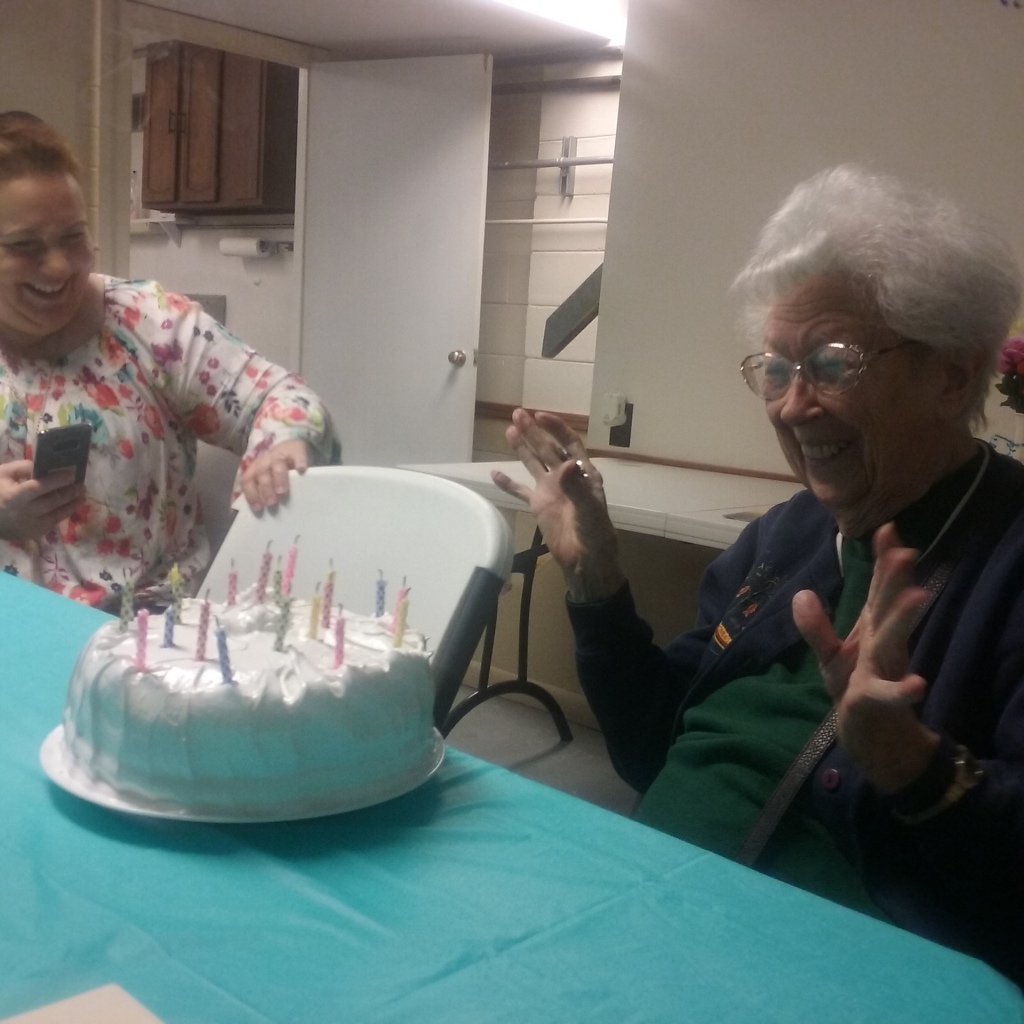
Happy Birthdays

Today marks 90 years since my mother was born. She didn’t live to see this birthday; she died back at the end of February. But birthdays were important to my mother– hugely important. She never forgot a birthday. Mom was pretty sharp into her later years. She might forget someone’s name–for awhile. She might forget a few details about what happened yesterday or last year, but she didn’t forget to take her medication. She would eventually remember that name she couldn’t come up with earlier in the day. And she had an elaborate system of calendars, date books, and directories to help her remember birthdays.

Photo by Bich Tran on Pexels.com

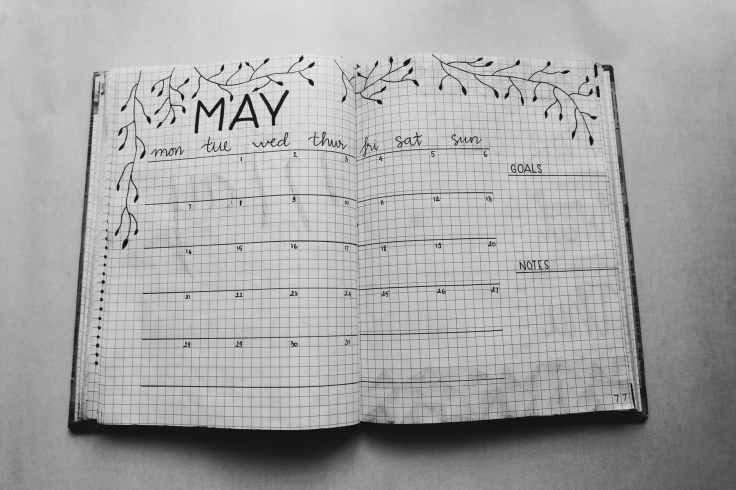
Mom had a large desk calendar. Each day’s “square” was covered in her handwriting– names, numbers, etc., reminding her of birthdays and anniversaries of her relatives, friends, neighbors, and church family. If she knew your name and birthday, it was on her calendar. If she knew your age, it was on there, as well. If she knew your anniversary, it was there, too. If she knew. your birthday and/or anniversary AND your address, you received a greeting card– and it generally arrived on the exact date! Mom did this for literally hundreds of people each year.

Today hits me hard. Not because Mom made a fuss about her own birthday–even special ones like a 90th. She enjoyed getting a card or gift, or having some cake or ice cream on her birthday, but that’s not what I miss. I miss the absolute joy she had in remembering others, and in being remembered. I can still see the look of childlike glee on her face when she and a friend were both surprised with a birthday party a few years ago. She was delighted for her friend as much as for herself. I can remember her insistence that certain cards be placed in the mailbox on certain days, so that they would not arrive too early or late, but just at the right time for someone’s special day. I remember shopping with her for box after box of greeting cards. Even though she bought “in bulk,” filling a basket or cart with multiple boxes of cards, she was very choosy about them– looking over the designs and the messages inside each box. Often, she had “buyer’s remorse” about a particular box of cards: she wasn’t satisfied with the tone or the greeting. In a box with four different designs, she might send out cards with two of the designs and just leave the others untouched.

Birthdays were important to Mom because individuals were important to her. She wanted every person she knew to feel loved, remembered, and special. Because they ARE! Not just by Mom, but by the God she loved and served.

Mom loved birthdays, including her own. But Mom had another birthday. Mom won’t celebrate another earthly birthday– she won’t get any cards or ice cream today– but she is celebrating her “other” birthday today. She did not knew the exact date, but she was born into eternal life when she accepted Jesus as her savior, and that birthday has no end. It is much more important than her earthly birthday, and fills her (and all who love her) with a greater joy. I can only imagine the gleeful expression on her face at this moment that “was” her birthday, and in every moment since she went “home.” And it’s in large part due to my Mother’s witness and influence that I also have a “second” birthday. I don’t knew its exact date, though I remember it was a beautiful summer day. Later this year, I will celebrate my earthly birthday–and it will be a bit sad without Mom’s card and her smile. But I know that we will someday share much more than a cake with candles, or a greeting card or a wrapped gift.

Photo by Pixabay on Pexels.com

Mom taught me to appreciate birthdays– and to share the joy of wishing others a “Happy Birthday.” And to anyone celebrating an earthly birthday today, “Happy Birthday!” But I am looking forward to the day that I can share eternity with all those who have a “second birthday” in Christ! I’ll see Mom again, but even that will pale in comparison to experiencing God’s presence and the love He lavishes on His Children!

Just think– God loves you so much that He never forgets your earthly birthday. He not only knows your birthday, He remembers the exact moment of your conception, and every moment since! He knows you and loves you so much that He wants you to have another Birthday into eternal life with Him! And that is better than any earthly birthday card, cake, gift, or party you could ever celebrate! If you have a “second” birthday, even if you don’t know the exact date, I want to wish you a “Happy Birthday” as well– today and every day!

Mercy There Was Great, and Grace Was Free…

How big is God’s forgiveness? I know the Biblical answer: “As far as the East is from the West, so far does He remove our transgressions from us” (Psalm 103:12 ESV); but sometimes, I add subconscious limits to God’s Grace. Sure, I know He can forgive my sins. And your sins. And even sins that make me shudder. I know that He offers forgiveness to all who call on His name in Faith. But sometimes, I question. I add qualifications–“if only..”–because sometimes, it’s overwhelming to think about the enormity and scope and freedom of God’s Grace.

Often, we see God as the great Judge– and He is–the only one with final authority to judge what is right and wrong; who “deserves” punishment or reward. But Jesus came, not only to be the perfect sacrifice for our Sin, but to demonstrate how much God desires to have us be reconciled to Him.

Photo by RFA on Pexels.com

The Cross is a stumbling block to many. I have some friends who find the cross offensive. They say that if God were truly merciful, He would simply forgive our sins without Christ’s sacrifice–just snap His fingers and say, “we’re all good.” They claim that God is harsh, that He delights in sending people to Hell, or He would’ve found a “better” way so that no one would have to suffer (or repent). But Sin isn’t just a trifling matter. It is not just a “boo boo” or a “whoopsie” when we defy the Sovereign, Eternal God. And it isn’t just a trifling matter to bring justice to a fallen world. Absolute justice without mercy would require that we die in the first instant of our rebellion–the moment we tell a lie; the instant we think a lustful thought; in the very act of taking the Lord’s Name in vain. Harsh justice would mean eternal separation with no second chances; no possibility for atonement; no hope of redemption. And Mercy without Justice is not true mercy. It is a cheap imitation. It offers temporary relief from guilt, without effecting any change.

Photo by Victoria Borodinova on Pexels.com

36 One of the Pharisees asked him to eat with him, and he went into the Pharisee’s house and reclined at table. 37 And behold, a woman of the city, who was a sinner, when she learned that he was reclining at table in the Pharisee’s house, brought an alabaster flask of ointment, 38 and standing behind him at his feet, weeping, she began to wet his feet with her tears and wiped them with the hair of her head and kissed his feet and anointed them with the ointment. 39 Now when the Pharisee who had invited him saw this, he said to himself, “If this man were a prophet, he would have known who and what sort of woman this is who is touching him, for she is a sinner.” 40 And Jesus answering said to him, “Simon, I have something to say to you.” And he answered, “Say it, Teacher.” 41 “A certain moneylender had two debtors. One owed five hundred denarii, and the other fifty. 42 When they could not pay, he cancelled the debt of both. Now which of them will love him more?” 43 Simon answered, “The one, I suppose, for whom he cancelled the larger debt.” And he said to him, “You have judged rightly.” 44 Then turning toward the woman he said to Simon, “Do you see this woman? I entered your house; you gave me no water for my feet, but she has wet my feet with her tears and wiped them with her hair. 45 You gave me no kiss, but from the time I came in she has not ceased to kiss my feet. 46 You did not anoint my head with oil, but she has anointed my feet with ointment. 47 Therefore I tell you, her sins, which are many, are forgiven—for she loved much. But he who is forgiven little, loves little.” 48 And he said to her, “Your sins are forgiven.” 49 Then those who were at table with him began to say among themselves, “Who is this, who even forgives sins?” 50 And he said to the woman, “Your faith has saved you; go in peace.”

Luke 7:36-50 ESV)
Photo by Craig Adderley on Pexels.com

The Pharisee in the above story wasn’t looking for forgiveness– nor did He receive it. But the woman who came to Jesus received both forgiveness and blessing. She did not receive it because of the expense of the ointment she used to anoint Jesus’ feet; she didn’t receive forgiveness because her need was so much more pressing than that of Simon the Pharisee; Jesus simply said her faith had saved her. Jesus didn’t refuse to forgive Simon–it’s just that Simon never asked for forgiveness. He wasn’t looking for it. He wasn’t looking for a relationship with Jesus– He wasn’t even really interested in hearing what Jesus had to say. Simon had invited Jesus to show off his own righteousness and get Jesus’ “stamp of approval.” And he didn’t pass muster! The short parable that Jesus told seemed to pass right over Simon’s head. Simon merely “supposed” that someone who had been forgiven more would love more. He didn’t know from experience, because He had never seen a need for mercy or forgiveness– nor the need to extend it to others! He didn’t value Mercy, because he had never desired it. Yet all of the Law and the prophets that Simon had spent his life studying pointed to the very great need we all have to be cleansed from our sins. Simon should have known that God desired “mercy rather than sacrifice” (Hosea 6:6), and that the “righteous will live by faith” (Habakkuk 2:4) Instead, he was trying to live by condemning others and comparing his efforts to theirs, instead of to a Holy God. The sinful woman, in contrast, desired mercy and craved forgiveness. And she got them! Forgiveness from Immanuel Himself, who would soon die to provide complete Mercy and Grace to all!

Photo by Pixabay on Pexels.com

The Cross shows us the high cost of God’s Mercy– and yet He gives it freely to those of us who don’t deserve it and can never earn it. And He does it without condition. When I ask for God’s forgiveness, there is no form to fill out; no waiting list; no qualification test. And no label, identifying me by what I have done or failed to do; by who I was or who I thought I should have been, or what others told me I was. I am redeemed! I am cleansed– thoroughly renewed! Every time! There is no limit on how much or how often God will forgive me–NONE!

Photo by Monstera on Pexels.com

Except. “Aha, here it comes. I knew God would have at least one limit,” my friends would say. It’s not a limit of God’s love or willingness to forgive, but our limit in accepting and passing along God’s forgiveness. God will forgive us. Will we forgive ourselves? Will we withhold forgiveness from someone else God has forgiven? Are we a greater Judge than God? Are we more just? Holier? Harsher?

Photo by John Ray Ebora on Pexels.com

Today, I want to spend time trying to grasp just how wide and deep and huge God’s Grace is toward us; how free and limitless His Mercy; how infinite His willingness to pardon and cleanse even my chronic pride and selfishness; and His passion for reshaping me and restoring me to be all that He created me to be! I hope you will join me.

Sixteen Little Things

If you are reading this blog, you have at least sixteen things for which to be thankful.  Some of them may seem like minor things, but they can form the beginning of a much longer list.

  • First, (and this is NOT one of the smaller things) you are alive to read this.  You woke up this morning (or afternoon, or whenever), and you have an opportunity to be thankful.  Not everyone who was here yesterday can say that!  Life is a precious commodity, and one that should cause us to be grateful.

girl wearing blue denim dress shirt
Photo by nappy on Pexels.com

  • I am (or was a few hours ago– hopefully I still am) alive to write this!  You may or may not be very thankful for this fact, depending on whether or not you agree with me, or enjoy the blog, but I am very grateful…
  • You can see to read this.  Close your eyes and imagine, or just look up from your screen to see all the other wonders within your sight!

close up portrait of human eye
Photo by Skitterphoto on Pexels.com

  • You can access this blog to read it.  We take for granted the availability of information and access to writings, graphics, and sound in the cyber age in which we live, but even 50 years ago it would have been impossible for a private person to share photos, writings, or videos to a global audience in real time.  And the time may come when such sharing is tightly regulated, restricted, or forbidden.  (Indeed, in certain areas, you may taking a risk to view this even now.)
  • You can read this.  Worldwide, the literacy rate is estimated at 86.3% See wikipedia chart here You may think this is a small thing to point out, but in many countries–perhaps even the one you live in–this percentage is much smaller.  And, if you look at historical accounts, literacy rates have exploded in just the last 100 years, especially for women.
    • You may be especially thankful if you are reading this in a second or third language, or if your computer is translating this into your native tongue.
    • You may not be reading this directly– if not, be grateful for whoever is able to read it to you, and is willing to do so.

toddler reading book
Photo by Daria Shevtsova on Pexels.com

  • If you have access to this blog, you probably have access to other modern conveniences — electricity, a cell phone or computer, indoor plumbing, etc.  Even if your access is limited, sporadic, or expensive, it is still something many of our great-great-grandparents did not know.
  • Chances are that you have been the beneficiary of medical advances of which you are not even consciously aware…vaccinations, inoculations, surgery, better nutritional practices, and more– most of us living in the world today have never had to face the ravages of Polio; Smallpox, once a dreaded disease, was deemed to be eradicated within the last 50 years.  It seems like such a small thing to be grateful for something you have never had, until you talk to someone or read about someone who DID have it.
  • You are completely unique and one-of-a-kind!  Even if you are an “identical” sibling, you are not the same as anyone else living or anyone else who has ever lived!  In all the world, throughout all time, there has never been or ever will be anyone exactly like you!

brand trademark cobblestones community denim pants
Photo by Ingo Joseph on Pexels.com

  • Conversely, you are part of a 7+ billion-member global family of humans who share the same commonalities– laughter, tears, hopes, disappointments, bad hair days (or no hair days), love, loss, hunger, and, sometimes, rest.  We all have thoughts and feelings, and a purpose.
  • God LOVES YOU– in fact, He adores you.  He loves you to death– and He died (and rose again) to prove it!  The Father, Son and Holy Spirit look on you and love you–want the best for you throughout all eternity, and want to have a deep and powerfully transformative relationship with you– forever!
  • I am praying for you– perhaps not simultaneous to your reading this, but I pray for readers.  I may not know your name, or where you are, or when you are reading this, but God does, and I’m praying to Him on your behalf.  I’m also praying as I write each entry that God will be glorified and that what I write will glorify Him and help others.

belief bible book business
Photo by Pixabay on Pexels.com

  • God is even more readily accessible than anything I will ever send out– more than anything that can pop up in your news feed, nearer than your next door neighbor.  God is available–whoever you are, however you feel, wherever you may be, whatever your circumstances, and whenever you call.  Every moment of every day is an opportunity to pursue Him and interact with Him through prayer!
  • God is not just accessible, He has revealed Himself– through His creation, through His words, through prophecies, visions, and miracles, through the life and ministry of Jesus, and through the examples and lives of those who follow Him.

man holding sheep statuette
Photo by Pixabay on Pexels.com

  • If you have reached this point, you may be scratching your head…I thought there were sixteen things…what’s left?  Well, if you count the smaller bullet points above, this is number sixteen, and the fact that you are still counting means that you are counting your blessings– that’s a small thing, maybe, but I think it means that you want to be grateful– and THAT is another thing to celebrate!

Blessed Are the Merciful

“Blessed are the merciful, for they will be shown mercy” (Matthew 5:7).

Am I merciful when I pray? That’s not a question I normally ask, but I’m looking at the Beatitudes, and how they relate to my pursuit of prayer. I pray for justice; I pray for healing; I pray to be more Christlike, but do I specifically pray about mercy? Certainly, I thank God for HIS mercy toward me, and I hope I show mercy to others, but does it enter my prayer life?

Photo by Michelle Leman on Pexels.com

It’s easy to pray for mercy for ourselves, when we know we deserve justice (and punishment). It’s easy to ask for mercy for our loved ones. But do I pray to become more merciful? Do I pray for a greater love of Mercy? In Micah 6:8, we are told that God requires three things– to do justice, to love mercy, and to walk humbly with Him. Often, it is easier to love justice, do mercy (when it suits us) and walk in our own way, asking God to follow US as we go through the day– bless me, bless my work, bless my travels, etc..

Mercy requires a knowledge of justice and a humble acceptance of God’s sovereignty. Justice is NOT whatever we think is “fair” or “equitable” in a certain set of circumstances. Justice is defined by God, and the only way to “do justice” is to obey His will. We will not “love mercy” until we experience it at God’s hands.

That’s really what this Holy Week is all about–God’s justice, God’s Mercy, and His Victory and Lordship. As we go through this week, in preparation for Easter, it is vital to meditate on what Jesus DID for justice to be satisfied, the depth of His Love that caused Him to suffer and die to provide, not just mercy, but Unspeakable Grace, and the humility He demonstrated in His time on earth– serving, sacrificing, even dying the painful and humiliating death on a cross–all for me; all for you.

Photo by RFA on Pexels.com

And we must be careful about making Mercy all about us and all about the here and now. We live in a culture of “instant gratification.” We want God’s mercy to “fix” the immediate problems we see around us. Those who are merciful WILL be shown mercy– but we may not see instant ease and comfort in a situation where others hold a grudge, or where the natural consequences of our sin still exist. We have been justified before God– He will not count those sins against us–but we still live in the fallen world where sin leads to death and destruction. God will redeem all things in His time, and we can trust that His mercy will triumph over even the worst of circumstances, but we may still have to endure suffering for a season.

Photo by Inzmam Khan on Pexels.com

When we come to God in prayer, we have no right to withhold mercy– either from those who may have offended us, or from ourselves for things we did in the past. Mercy is a gift– one we cannot give without having received it, and one we cannot hold on to without sharing it freely. When we pray for our enemies, we must pray with a heart of mercy– not because they deserve it, but because God’s sovereignty demands it.

Photo by Daniel Maforte on Pexels.com

Blessed Are the Meek

I’ve been looking at the Beatitudes lately, and how they relate to prayer. Today I am focusing on “Blessed are the meek, for they shall inherit the earth.” (Matthew 5:5) Does this verse suggest that we should be meek or timid about prayer? Is God offended when we plead with Him or pour out our frustrations about pain or injustice? Doesn’t this contradict the writer of Hebrews, who says that we should “boldly approach the throne of grace” (Hebrews 4:16)?

Photo by Pavel Danilyuk on Pexels.com

God invites us to have a relationship with Him. Good relationships cannot survive in an atmosphere of fear. But they must involve respect. There is a tendency in the Church today to look at prayer as a casual conversation with God, where God is our “pal,” someone we hang out with and chat with like a best friend. But even our close relationship with God as “Father” demands the same kind of respect we should give to an earthly father or an elder. God is not “one of the gang,” or “the man upstairs.” He is God Almighty, and Lord of All Creation.

Like any Good Father, God wants to hear from us– all that is on our minds and hearts. But we must remember who God is– and who we are. We are His children, not His “crew.” In The Lord’s Prayer, Jesus began by addressing His Father, and establishing His place– “Our Father, which art in Heaven, Hallowed be Thy Name.” (Matthew 6:9 or Luke 11:2) The meek person comes before God gladly, with awe and gratitude, eager to honor Him before all else.

Photo by sergio omassi on Pexels.com

And the second part of the Beatitude is also key in how we pray. “Blessed are the meek, for they shall inherit the earth.” Many times, we focus on the inheritance itself– “the earth.” But what about the act of inheriting? The meek will not conquer the earth. The meek will not purchase the earth. The meek will not gain the earth, or win it, or demand it. Instead, the meek wait patiently for their inheritance. How would our prayers change if we took this to heart? God will give us all that we require– in His time, in His wisdom, for His purpose, and with His delight! The whole earth belongs to God– and He desires to share it with us! There is never a reason NOT to be meek, humble, grateful, or reverent before our Father. There is never a reason to be demanding, rude, dismissive, or grumbling when we pray.

Photo by cottonbro on Pexels.com

This can be a very freeing realization. No matter how chaotic, frightening, or painful our situation, God IS in control. Wars rage, disease stalks, famine strikes, yet God has promised to give us access to all of His riches, including a peace that passes understanding and unspeakable joy! They are a guaranteed inheritance from our great Father– His lavish Grace and everlasting Love poured out on us.

Photo by Tima Miroshnichenko on Pexels.com

All the Same

When I was growing up, my Mom used to say, “I love all my children differently, but I love them all the same.” It didn’t make sense to me at first, but what she meant was that she loved us equally, but also uniquely as individuals. She didn’t treat us exactly the same, because we weren’t the same person, and because our circumstances were different. When my brother was small, there wasn’t enough time or money to do some of the things she did with me or my sister. When my sister and I were young, Mom was older and had less energy to do some of the things she had done with my brother. She punished us in slightly different ways, and encouraged us in slightly different ways, because we responded differently.

Photo by RODNAE Productions on Pexels.com

Mom is human, so even her best efforts weren’t perfect. Sometimes, we felt she treated us unfairly in certain matters. But overall, Mom has lived out her intention to “love us all the same.”

God follows the same principle. He shows no partiality; no favoritism. He sends rain and sunshine on “the just and the unjust.” (Matthew 5:45) He allows us to face sickness, trials, hardships, and disasters, regardless of our status or our relationship with Him. And He allows others, even evil-doers, to prosper and enjoy good health. This can be difficult for some of us to accept. I know many people who believe that they have an “in” with God– a special status that is supposed to keep them “safe” from disappointments and hardships, while punishing those who cross them in some way. But it doesn’t happen like that. God loves us and treats us each differently, according to our unique circumstances and personalities.

Photo by Emre Kuzu on Pexels.com

It is especially difficult to accept this in relation to prayer. God does not promise that, if we pray or if we have dozens of others praying for us, we will be spared pain and suffering, or receive only blessing and favor. This past year, we prayed for many friends and family who struggled with COVID (including David and I!) Many of them recovered; but others died. I just heard some wonderful news about a relative who was supposed to have a biopsy of a tumor on his brain. As he was being prepped for surgery, the surgeon realized that the lump had disappeared– there was nothing to biopsy! Case closed! It was wonderful news, and an answer to prayer. But what about my friend who had dozens praying for him to be healed of cancer? He had been in remission, but his cancer came back and just kept getting worse, and then he died. Does God love my relative more than my friend? Is he a “better” person, or more deserving of health and life? Absolutely not!

Photo by sergio omassi on Pexels.com

When we pray, we pray about what we see and what we understand. But God loves us each as individuals, and with perfect understanding and wisdom that we lack. I may never understand why some of my friends died of COVID or cancer, while others lived. I don’t know why some of the people I love have had to suffer pain and grief and loss, while others have been blessed with good health, opportunity, and riches. But I know this– God loves each one exactly as much as the others, and exactly as much as He loves me. Nothing about who I am or what I do can change God’s love for me– but it can and DOES change my love for Him!

Photo by Luis Quintero on Pexels.com

Praying for those we love, especially those who are suffering, is not a “magic” formula. While God listens to and answers prayer, He doesn’t guarantee that “more” prayers or “better” prayers will change our circumstances or the outcomes of our circumstances. But prayer changes US. It can change our outlook and our attitude. It can change circumstances in unseen ways we cannot measure or imagine. One thing prayer cannot change– it won’t cause God to love us any more or less than He already does. His love is perfect in scope and power. He loves us–“All the Same!”

Blog at WordPress.com.

Up ↑