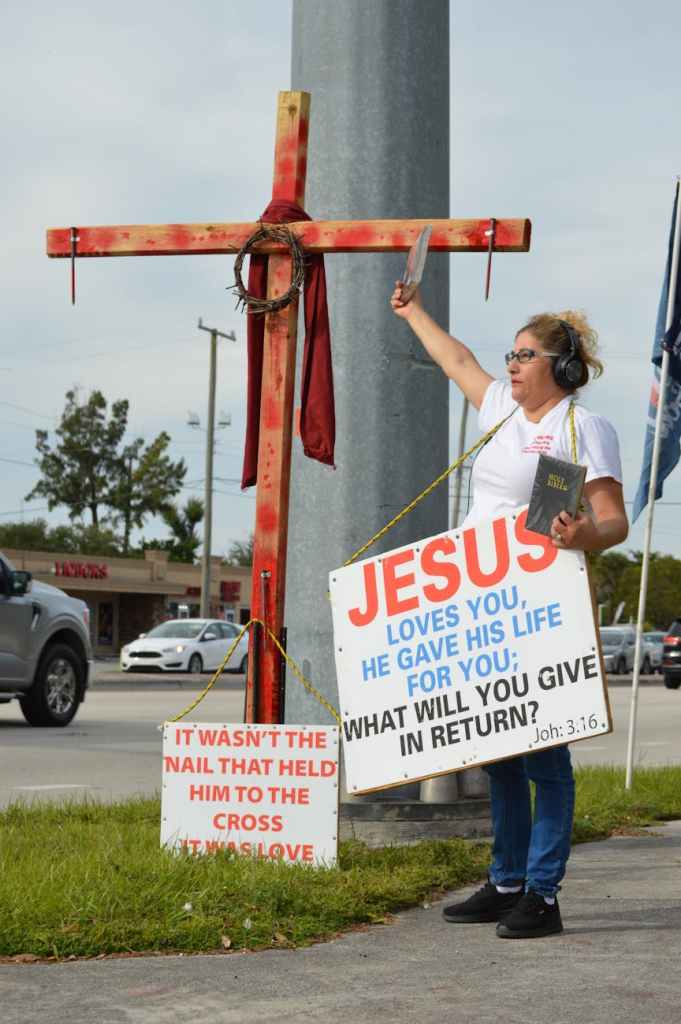
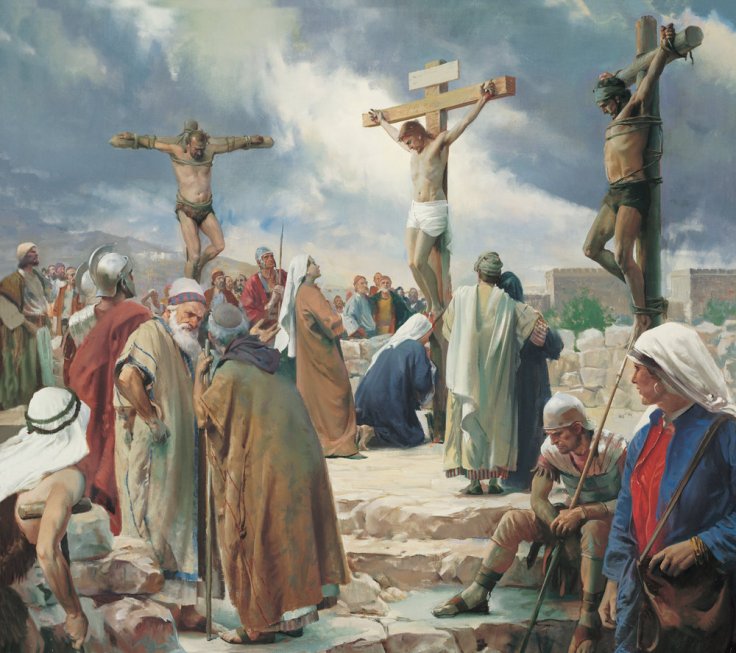
These Three Remain–Love!

I’ve been exploring the Apostle Paul’s first letter to the Corinthians; specifically chapter 13, verse 13. Paul states that there are three virtues that remain, after all else has passed away or been lost: Faith, Hope, and Love. And, while the other two are great and necessary, the greatest is Love.

So much has been written about Love– poets and prophets, songwriters and storytellers. most would agree that Love is the greatest virtue. But they wouldn’t all agree on what “Love” is. The Greeks have three different words for love– in fact most languages have more than one word– English has dozens of synonyms: Love, adore, desire, passion, enamored, infatuated, devoted…you get the idea. Except there are several ideas, so how do we know which kind of love remains? What kind of love endures beyond life and time and against every obstacle?

Human love is fallible; it is temporal (and sometimes even temporary). It doesn’t last forever– in spite of poetic promises and sacred vows. People “fall in love” and they fall out of love. Human love grows deeper; but it can also grow cold. It can be conditional, and manipulative; selfish, and shallow. Human love is often based on feelings that change with the seasons. We “love the whole world” when we are feeling good–we love mankind, but can’t stand our next door neighbor!

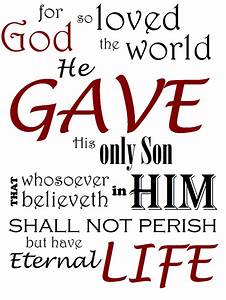
God’s love is eternal and unconditional. It never depends on His “mood.” It never depends on who we are or what we have done. God loves because it is His nature. He IS Love. He is the definition of enduring, everlasting, boundless, endless LOVE. This is the Love that endures. It is the Love that changes us from the inside out, and changes the world around us. It is this Love that infuses our Faith, that inspires our Hope, and allows us to approach a Holy God and share His Mercy and Grace with those we might otherwise deem “unlovable.”

We are living through chaotic times, filled with raw and dangerous emotions– anger, hatred, pride, despair, resentment, greed, grief, and fear. God’s love is more than just another emotion. I cannot love my enemy with human emotion– nor does God ask me to. God loves through us– it is His Love that we need to access and carry with us into the darkness. I want to bring Love into the world– and I want to be seen as a Loving person. But God asks me to Love even when it is rejected; even when I am seen as the enemy; even when I get hurt in the process. That doesn’t mean that I invite or tolerate abuse because I think it makes me more virtuous or because I think I somehow deserve it. But it does mean that I continue to pray, I continue to have Faith and Hope that God will turn even the smallest acts of Love into seeds that will return a harvest in His time and in His way.

When I look at the life of Jesus Christ, that is just what He did. He had the power to destroy the corrupt Temple system– He demonstrated just a particle of His passion when He drove the money changers out of the Temple courtyard (Matthew 21:12-13). He could have led a rebellion against the oppressive Roman Empire. (In fact, that is one reason He was rejected as the Messiah. He chose not to use His power for political or economic gain– even for the benefit of His own people.) He had the power to wipe out leprosy, or blindness, or demon possession– He could have been the most powerful man on Earth, and single-handedly put an end to poverty, injustice, and so much more. If solving those issues for His people in His lifetime would have been the most loving thing– He would have done it. But He spent His time listening to and helping individuals in need– those who had lost hope, those who needed healing, those who were carrying guilt and doubt and grief. He spent His time, not just talking about Love, but demonstrating Love– personal, unconditional, life-giving Love. Jesus spoke to crowds, yes, but most of His time was spent in small groups or one-on-one– teaching, eating, listening, caring–Loving.

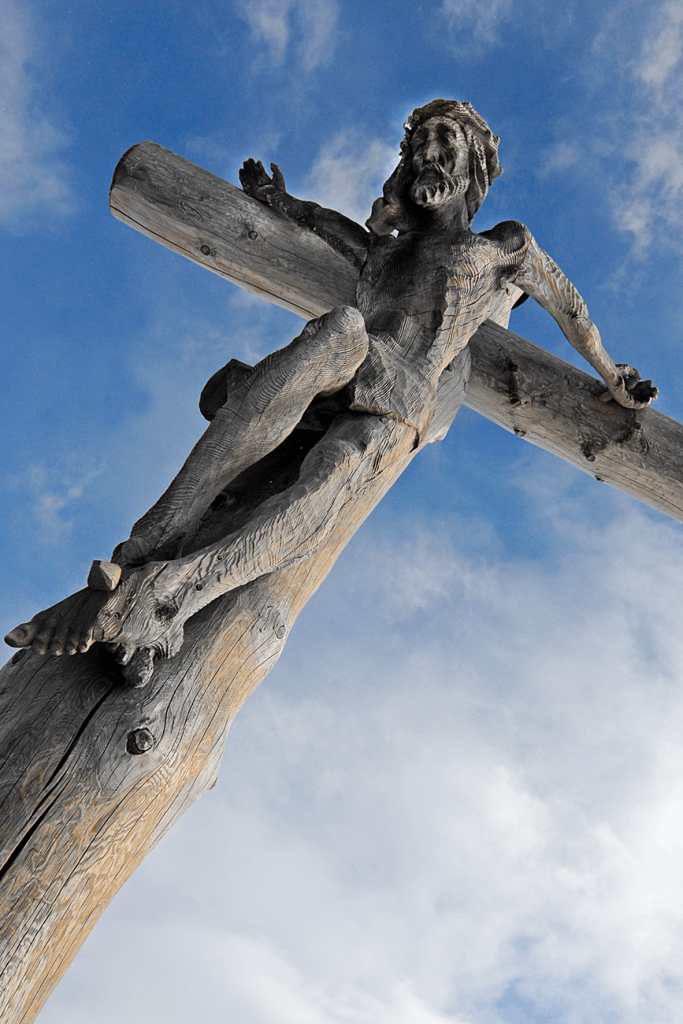
Loving this way takes time– it takes effort, and it comes with risk. Jesus, loving in just this way, was misunderstood, rejected, hated, even killed. But His Love conquered death, and brought life and victory. I may not be asked to become a martyr– but will I seek to Love like Jesus? Will I pray for people I don’t know; or people who have opposed me, or rejected me? Will I continue to love those who have hurt me in the past, or rejected my help? Will I reach out in Love to people who are in rebellion against God? People who mock Him, cry out against Christians, persecute us–even kill us? Will I pray for and support those who are in danger because they are showing God’s Love in this way? Because whether I do or not– Love Remains. Will I be Faithful? Will I reach out in Hope? Will I risk Loving as Christ Loves?

We live with the same brokenness that Jesus faced during His ministry. People around us are hurting– we are hurting! But our Faith tells us that God hears our prayers. Our Hope tells us that God has a plan for the future. And our Love compels us to share the burdens of others as we wait for Christ’s return.

Jesus WILL someday “fix” the brokenness of this world. He WILL Reign and Rule for Eternity. But He asks us to live with the three virtues that ensure that we will overcome the darkness of our own world– that will cause us to shine a light in the darkness–Faith, Hope, and Love!

These Three Remain.. Hope

I have to start this by saying I don’t always feel particularly hopeful as I look around and hear all that is happening. There are a lot of reasons to be discouraged, even depressed. Upheaval, suffering, injustice, disasters, anger, death, and evil surround us at nearly every turn. I can say that my Faith sustains me, and it does, but I still feel beaten down and exhausted by all the chaos and hurt and anger and misunderstanding.

Faith sustains us in times of trouble, but our hearts can still feel heavy. Faith tells us that God is in control, but we can feel powerless in the midst of suffering. What keeps us motivated to look for the best on even the worst of days? What allows us to have joy even as we grieve and strain and suffer? Faith is our anchor, but what renews our strength, and keeps us looking beyond the storm?

In 1 Corinthians 13, the Apostle Paul talks about things that are temporary– possessions, knowledge, gifts, prophecies– and three things that remain: Faith, Hope, and Love. Last time, I wrote about Faith. But Hope is a more difficult and more nebulous concept. The writer of Hebrews defines Faith for us– “the substance of things hoped for; the evidence of things not seen” (Hebrews 11:1). But there is no substance or evidence for Hope. Hope is not a physical anchor; it is not a realization. Neither is it a mere wish, or dream; at best, it is an expectation. Yet Paul says it “remains,” even when other things pass away.

How is this possible– that a Christian should Hope after all else has been lost, abandoned, or destroyed? Isn’t Faith more solid, more important, than Hope? Aren’t knowledge, obedience, and perseverance more important and more tangible? Isn’t hope wispy, fleeting, and conditional? Lately, it sure seems so. I say that I hope we all get through these tough times; that we will come through all this stronger, wiser, more compassionate, more just, more prepared, etc., but what am I really hanging on to? Where is my Hope?

My Hope DOES have substance and a sure foundation–in the life, death, and resurrection of Jesus Christ, and in the sure promises of my Heavenly Father! I may have wispy dreams and half-formed wishes of what I would like to see in my life or in the world around me tomorrow, or next year. I may have dreams and visions of what Peace and Justice and Health look like– and I may never see them materialize in my lifetime. I may have to adjust my vision within the temporary world of possessions, and gifts, prophecies and human systems of government and society. But I can remember the life of Christ; in spite of His circumstances, He remained true to His purpose. In His death, He remained compassionate, humble, and loving toward those who hated Him. In His resurrection, He brought eternal Hope to all who choose to trust Him. I can Hope because He fulfilled God’s promises. He WAS Hope. He gave Hope, and He demonstrated Hope. And He pointed to the Hope of His return and our eternal destiny!


I can be inspired by the dreams and hopes of other Christians throughout the years, even if their dreams have not been realized. I can be inspired by the prophecies of others, even if they don’t match my visions. And I CAN see beyond the darkness of the moment (or the year) to see that people (even I) can change; situations can change; circumstances can change; rhetoric and tone can change for the better. Painful valleys and unexpected upheaval may not be what I would want, but sometimes, it serves to clear out the “sinking sand” where dream houses would otherwise be built.

And Hope is necessary to Prayer– Faith tells us that God hears, even when we can’t see Him or hear His answer. Hope tells us that God cares. He is not aloof in hearing our prayers. He doesn’t answer us out of some worn sense of duty or obligation. He doesn’t just give us His law or even His forgiveness– He gives us restoration and Hope and abundant life! Hope for change in our own lives; hope for progress and healing in our world; hope for victory over sin and evil. Most of all, hope for eternity. God is just and merciful, but He is also gracious and loving beyond all measure. I can cry out when all other hope is gone– His Hope Remains! His Hope is a Solid Rock. His Hope comes with an eternal guarantee.

These Three Remain–Faith

(I will be working at our church’s Vacation Bible School all this week, so I am re-posting three entries from a couple of years ago on Faith, Hope, and Love. I will be back with new posts next week.)

If I speak in the tongues of men or of angels, but do not have love, I am only a resounding gong or a clanging cymbal. If I have the gift of prophecy and can fathom all mysteries and all knowledge, and if I have a faith that can move mountains, but do not have love, I am nothing. If I give all I possess to the poor and give over my body to hardship that I may boast, but do not have love, I gain nothing.Love is patient, love is kind. It does not envy, it does not boast, it is not proud. It does not dishonor others, it is not self-seeking, it is not easily angered, it keeps no record of wrongs. Love does not delight in evil but rejoices with the truth. It always protects, always trusts, always hopes, always perseveres.Love never fails. But where there are prophecies, they will cease; where there are tongues, they will be stilled; where there is knowledge, it will pass away. For we know in part and we prophesy in part, 10 but when completeness comes, what is in part disappears.  11 When I was a child, I talked like a child, I thought like a child, I reasoned like a child. When I became a man, I put the ways of childhood behind me. 12 For now we see only a reflection as in a mirror; then we shall see face to face. Now I know in part; then I shall know fully, even as I am fully known.13 And now these three remain: faith, hope and love. But the greatest of these is love.

1 Corinthians 13 (NIV) via http://www.biblegateway.com

I love reading God’s word. I spent much of my youth memorizing scripture, and much of my adulthood trying to recall what I learned then! One chapter I memorized was 1 Corinthians 13– commonly known as the “Love” chapter.

But near the end of the chapter, Paul talks about what remains, and what doesn’t–he says that prophecies and knowledge will pass away, and things that are incomplete will disappear. He lists three things that will remain. We often spend a lot of time on Love (and I will get there eventually), but I want to talk about all three, why they must remain, and why they are connected in prayer. I will begin today with Faith.

Faith, as we learn in Hebrews 11:1, is “the substance of things hoped for, the evidence of things not seen.” Faith is foundational. Faith gives us roots. Faith is an anchor. Faith keeps us grounded and strong. But Faith, as the above metaphors suggest, is deep and unseen. I can’t “show” you an anchor when it is in use. If I pull up a tree to see its roots, or tear down a building to show off its foundations, I will destroy the very thing I am trying to illustrate.

And Faith demonstrates itself best under testing. I have to admit, the last couple of years have been a difficult test of my Faith, and that of many others. Do I REALLY believe that God exists? That He cares? That He listens to prayer? That He answers? It is easy enough to say all that, but when everything around looks murky and uncertain, do my actions match my words? Do I live as though God is in control? Is His word still an anchor for me when it doesn’t seem to “work?” Do my prayers reflect confidence and praise in the midst of unrest, disease, and death? Are my prayers filled with Faith that God is who He says He is, and that He will do what He has promised? Or are my prayers timid and empty– wispy wishes, instead of honest heart-cries?

Where is my faith? Is it in myself? My words? The words of other people?My actions and deeds? In powerful groups? Governments? Money? Chance? Even Religion? Does my Faith rest in following the laws of the Bible? Does it rest in knowing the “right” picky points of theology? Or does it rest in the One who is unchanging, eternal, and all-powerful?

The world is screaming. The world is filled with fire, smoke, flashing lights and violent voices. Is God silent? Is He being drowned out or hidden by the chaos we’re walking through? Or am I listening to wrong voices, and focusing on smoke and fog?

I can’t show you the roots of my Faith in this moment. I can’t see them, and sometimes, I feel shaken. But, as Job declared, “I know my Redeemer lives” (Job 19:25a)! I will continue to declare that God DOES exist. He DOES care. He DOES listen. And He WILL answer. And I will continue to Hope and Love in light of this Faith. I will continue to seek patience, and kindness, humility, truth, justice, and perseverance as I reach out to others. And I must continue to develop Faith in the midst of difficult times. It is the anchor upon which Hope and Love rest.

Afraid to Pray?

Are you ever afraid to pray? Afraid that God will not hear, or worse yet, that God will hear but reject your prayers?

The Bible has much to say about fear and our worship of God and in our conduct before God. We are supposed to have a healthy “fear of the Lord.” After all, God is Sovereign. He holds absolute power over life and death, both in this life and throughout eternity! We should have the kind of awe and respect we have for one whose power is so great. We fear forces of nature, such as fire, floods, earthquakes and tornados. We should be afraid of God’s power in relation to our own. But what does this mean in relation to prayer? Does fear have any place in our pursuit of prayer?

So we have come to know and to believe the love that God has for us. God is love, and whoever abides in love abides in God, and God abides in him. By this is love perfected with us, so that we may have confidence for the day of judgment, because as he is so also are we in this world. There is no fear in love, but perfect love casts out fear. For fear has to do with punishment, and whoever fears has not been perfected in love. We love because he first loved us.

1 John 4:16-19 (ESV)

The “fear of the Lord” has to do with God’s power and authority to punish sin. We live in a fallen, sinful world, and we are fallen, sinful people. Our natural response is that of Adam and Eve in the Garden of Eden– to hide from God, and try to avoid His righteous judgment against us. Those whose consciences have been seared will lose this healthy and natural fear– they will be proud in their defiance against God. They will say that God is not sovereign or Holy; that He does not have the power to judge them; that they can “bargain” with God about their eternal destiny– they will even deny His very existence. Others will claim that God is Holy, but not “Good.” They claim that He is disposed to judge harshly; that He is vindictive and without mercy; that He demands too much of us. On the other end of the spectrum, Christians and others can become so disposed to seeing God as their friend and advocate that they forget His awesome Holiness and Power. Christians have no reason to be afraid of God, but we have every reason to stand in AWE of Him!

The Truth of God, as revealed in Jesus Christ is that God is LOVE– perfect and everlasting Love! While He has the power and the authority to judge, it is His desire to lavish mercy on us! Such love should compel us to run TO God, rather than run away from Him! We fall on our knees in worship and adoration, not in abject terror.

So what could still cause us to be afraid to pray?

Perhaps we are still in sin, or we have strayed back into sin. Christ has already paid the penalty for Sin– it has no real power over the believer who “abides in God.” But it still has the power to draw us away from God and damage our relationship so long as we hide it, refuse to confess it, or repent of it. Even as we know that Christ has paid the price for our Sin, we also know that we need to abide in His Love to grow into a more perfect relationship with Him.

Perhaps we are holding on to old patterns of thinking and old guilt. Satan is an accuser. Even after we have confessed our sin and received God’s forgiveness, Satan will try to keep us enslaved to our guilt and shame. He will try to bring it to mind, or have others treat us with condemnation or condescension, so that we feel unforgiven or unlovable. We need to follow the advice of the Apostle Paul:

So here’s what I want you to do, God helping you: Take your everyday, ordinary life—your sleeping, eating, going-to-work, and walking-around life—and place it before God as an offering. Embracing what God does for you is the best thing you can do for him. Don’t become so well-adjusted to your culture that you fit into it without even thinking. Instead, fix your attention on God. You’ll be changed from the inside out. Readily recognize what he wants from you, and quickly respond to it. Unlike the culture around you, always dragging you down to its level of immaturity, God brings the best out of you, develops well-formed maturity in you.

Romans 12:1-2 (The Message)
Photo by Rubenstein Rebello on Pexels.com

God’s love is PERFECT. But our love is not. Sometimes we are praying, not out of love, but out of duty or even selfish motives. We pray for God to give a green light to our wants and desires and plans, rather than listening for His wisdom and grace in our situation. We pray for God to “change” that person who annoys us or persecutes us, rather than praying for God’s blessing on them, and listening to the ways He may want to “change” us! Sometimes we cannot see the wisdom of an outcome we don’t like, and we are afraid of the unknown path we must take– even with God’s continued presence by our side.

We don’t have to be afraid to pray. But when we feel apprehensive, it may be a sign that we NEED to pray–honestly telling God what He already knows and asking for the grace and wisdom to listen to what He so lovingly wants to tell us.

Therefore, since we have a great high priest who has passed through the heavens—Jesus the Son of God—let us hold fast to our confession.  For we do not have a high priest who is unable to sympathize with our weaknesses, but one who has been tempted in every way as we are, yet without sin. Therefore, let us approach the throne of grace with boldness, so that we may receive mercy and find grace to help us in time of need.

Hebrews 4:14-16 (CSB)

“Fruit-ful” Prayers

Our church has been presenting a series of sermons on being a BLESSing to our neighbors. BLESS is an acronym for Begin with Prayer; Listen with Care; Eat Together; Serve like Jesus; and Share Stories. We were challenged the first week to choose four close neighbors. We were to pray for them, and if we didn’t know them well, to reach out and make contact. This has been a true challenge for David and I, because we live in an apartment above our shop. Most of our neighbors are not residential, but commercial! Nevertheless, we decided on a couple of commercial “neighbors” and a couple of non-traditional “neighbors.” We started praying– praying for opportunities to get to know our neighbors a little better, and praying for their health, well-being, etc. We’re getting to know some of the workers at the two commercial locations, and getting to know our chosen “families” a little better. We’ve been more intentional about stopping to visit or chat, and making sure we listen and respond sincerely– this is not just a short-term “project” but an opportunity to build closer relationships. And we’ve been praying for opportunities to develop closer friendships.

So this week was the sermon I’ve been dreading– “Eat together.” You might wonder why this is so fearsome–doesn’t everyone like to eat? And I love meeting over a nice meal. I love to cook, as well. The problem? Our apartment is tiny and upstairs– NOT conducive to inviting people over for a warm, comfortable meal shared around a large table. We have two mismatched chairs around a small table in our tiny kitchen, and two more mismatched armchairs in the living room. No couches, no designated dining room, no space to “entertain” guests. I want to serve others. I want to grow friendships. But I’m not a hostess. Not in a cracker-box-sized apartment upstairs. I know this seems petty– I’ve known amazing hostesses who live in shacks and invite guests to sit on a dirt floor. I know. But I still struggle with the idea of entertaining others in my current circumstances.

I knew it was coming– we looked at all the examples in the Bible of good and even sacred things happening around the table and/or involving food– Passover Seders, Communion, the Wedding Feast of the Lamb (among others)… “But Lord,” I prayed, “I can’t invite the entire staff next door to my home for a meal. And some of the “residential” neighbors we are praying for are elderly and can’t manage the stairs to our apartment even if we had the room to host a meal. And it’s too expensive to invite some of the families or staff to a restaurant. How are we going to be able to bless others and “Eat” together?”

But God isn’t bound by conventional ideas– even when it comes to hospitality. At the end of the service, we were surprised by an announcement from our pastor– one of the families in our church owns a fruit farm. Last year, they had a bumper crop of apples, and they donated several bags of the apples to the church. There were enough apples for each family to take several bags to “BLESS” our neighbors! No meal to fix. No apologizing for the smallness and shabbiness of our living space. But a chance to share FOOD with my neighbors and bless them with wonderful apples! Thank you, God!

David and I wasted no time– we delivered most of the apples yesterday afternoon! And we had so many apples, we were able to bless more than just the four locations we had decided on earlier in the series. We were able to bless at least 13 different families/ businesses with at least one full bag of apples! We blessed families with small children, a retired couple; a single person on a fixed income; an extended family of four generations; we blessed people who go to another church; we blessed people who don’t attend church at all. We blessed the staffs at a couple of local businesses, and shared laughter (and concerns) with several friends, old and new.

Not everyone wanted the free apples. One family turned down our offer. Some people are suspicious of free gifts; some are too proud to accept food as a gift; some are simply not interested, or too busy. It is the same with the Good News. Some people do not want what we have to offer in Christ. Some are suspicious; some are too proud or even too ashamed to believe that God has Good News for them. Some are too caught up in their problems or their ambitions. We must not be discouraged, though. God has not given us such a precious gift without also giving us the opportunity share it with others. And we will see how God continues to work in mysterious ways. Some people were surprised and confused by the concept of “apples of blessing.” They wondered what we might ask for in return. We smiled and said there were no strings attached– we just wanted to share our blessing with them! Some people took more apples than we had planned to give them– that’s ok, too. Others wanted to bless us in return– we received over two dozen eggs in gratitude for a couple of bags of apples! Today, I’ll be delivering the last few bags to businesses that were closed yesterday (to share with their staff). I’m excited to share this gift–and I’m reminded of how good it is to share the free gift of the Gospel!

God didn’t change the circumstances of our apartment. I worried that I would be asked to host an elaborate meal, or that I would miss out on blessing others because of our circumstances. But in God’s economy, we can show hospitality, love, generosity, and compassion on the street. We can share food in a way that opens up opportunities to make memories, share stories, communicate prayer requests and concerns, serve others’ needs, and make new friends. There are dozens of ways we can open our hearts and our lives to our neighbors, serve them, and pray for them…

We kept one bag of apples– maybe someone in our neighborhood would like a pan of apple crisp! And now, David and I have a few extra eggs! Anyone interested?

The Weight of Words

Words have weight– I’m not talking about thousand-page novels or multi-syllable legalese terms– some words simply weigh heavier on the mind and heart than others.  Some everyday words spill out like dust motes carried on a light breeze.  They hang suspended in midair, without any set purpose or destination, and finally settle, forgotten, until someone sweeps them away.  Other words explode, sending shards and pellets at unwary targets.  Some words thunder like falling rocks in an avalanche of guilt or anger or hatred.  And some rare and precious words have the weight of a quilt or a hug, or an arm lifting you up when you are falling.

pexels-photo-531290.jpeg

One of the amazing things about prayer is that as we pour out our words before the Savior, the weight of our words is lifted off our hearts and minds and given to him to carry– the weight of the guilt, the weight of worry, the weight of grief, the weight of anger, the weight of hurt.  Not only does God take on the weight of our words (and our pain and guilt), but he makes sense of it all– maybe not instantly, or in the way we imagine– but he brings order and goodness out of our chaos and burden.


pexels-photo-312839.jpeg


And those everyday words swirling around like dust fall into the light, where they shine like gold dust in His presence.  When we bring everything to God, he transforms it; he transforms us.


pexels-photo-632722.jpeg

Our words have weight in prayer.  And our words to others have weight, as well.  Today, I want to weigh my words carefully.  Are my words burdening others, or helping them lift a load of care?  If I had to carry the weight of my words– my criticisms and clever put-downs, my accusations and angry tantrums, my bragging and comparisons– would I be dragging them behind me with joy and pride?  What if, instead, my words were filled with the weight of shared laughter, encouragement, hope, and compassion?  What if my words held the weight of truth and kindness and peace?pexels-photo-210012.jpeg

Would it change the weight of my prayers?pexels-photo-64113.jpeg

May Day Mishaps

Today is the first of May– May Day. May Day has a long history, with pagan origins tied to the celebration of late spring or early summer. In many European nations, there would be dancing around a May Pole, or May bush, floral garlands, and floral bouquets offered at various shrines, including to the Virgin Mary. In some communities, girls vied to be crowned the “May Queen,” while stories were told of fairies. May Day was popular in the United States for many years around the turn of the 20th century– with parades, flower baskets, and more. It is less popular in modern times, and many of the floral parades and festive outings take place around Memorial Day, instead.

When I was a child in elementary school, we made paper “flowers” and a small paper coronet with a loop handle for May Day. I remember making daffodils, hyacinths, and tulips out of construction paper and other craft materials, and making the coronet “baskets” out of decorated paper cones. We glued or stapled the pieces together to take home. Then, we were encouraged to loop the handle over the door knob at the front door of our house when we got home, knock, and run and hide around the corner. Presumably, our mothers or babysitters would see the gift of flowers and wonder who could have left them there. It was a fun game to play, and a way to celebrate the season of wonderful spring flowers.

Unfortunately, when we did this in kindergarten, my flowers got trampled on the bus. It was a rainy day, and my flowers fell in the aisle, where a boy stepped on them with muddy sneakers. They were ruined. I cried and cried, and another boy on the bus gave me the flowers he had made. It was a thoughtful gesture– one I’ve never forgotten– but I remained desolate. I told my mother the whole sordid story, and she told me that, in her day, they had picked wildflowers, such as violets and even clovers, and tied them with a string to leave on someone’s porch. Then she took me outside, and we made a small bunch of violets with a couple of “Dutchman’s Breeches.” I didn’t get to surprise her, but we had such fun looking for wildflowers together.

I loved this game so much, I decided to go a step further the next year. We made paper “bouquets” at school, just like the previous year. Mine stayed clean and dry, and I hung it on the doorknob and mom pretended to be surprised. But later, I took one of our juice glasses from the cupboard, and picked a nice bunch of my mom’s live daffodils and hyacinths, a couple of her irises, and a tulip. I tried to arrange them in the juice glass, but it was too short and small to hold all the flowers I had picked. I left it on the porch, near the door, and knocked and hid, waiting to see my mom’s delight at her “surprise” bouquet. But instead of delight, I heard her wail– “Oh, no! My flowers!” The glass had tipped over, the flowers lay limply all over the porch, and the glass had rolled onto the ground. I thought I had made a wonderful surprise. Instead, I had made a mess. I had picked almost all of Mom’s best daffodils, and all of her pink hyacinths. I had trampled some of her other irises to get to the one I wanted. She only had a few tulips, and I had picked the only red one.

My intentions were good, but my execution was poor. And the result was disappointing and hurtful to us both. Mom didn’t realize I was right around the corner hearing her dismay, and I didn’t realize my “gift” would fall so flat.

It’s been over 50 years since my “May Day Mishap,” but there are some lessons I have never forgotten:

  • Picked flowers die! Mom wasn’t angry with me for wanting to pick flowers, but she knew that picked flowers would wilt and die. In later years, Mom loved receiving hanging flower baskets, and planters with live flowers. And we had many memories of planting live annuals in the front yard or at graves near Memorial Day– flowers that might take root and spread joy throughout the summer months. In the same way, there are so many “showy” projects that vie for our attention– projects that may seem urgent or offer quick rewards like status or money. We are tempted to “pick” projects that will make us look good or feel good in the moment. But the really important projects are those that have lasting impact, even if they don’t “show” as well. We are wise to invest in “little” things that have lasting impact over “big” but fleeting activities and investments.
  • When giving gifts, it really is the thought that counts! My mom was just as delighted by the “second-hand” flowers I got from my classmate as she was by the the ones I made the next year. Not because his were “better” than mine, but because they demonstrated that I had a good friend at school with a kind heart. My “mishap” gift came, in part, because I wanted to give a “better” gift, not because I wanted to delight my mom, but I wanted to impress her. My mom was a saver– she saved all my old school papers, old valentines, birthday cards, and more. And she saved letters from her friends and family– over eighty years of them! Not because the cards and letters themselves were so wonderful, but because each one came with good wishes. She had an entire farmhouse of good wishes and thoughtful memories when she passed away in 2023.
  • Relationships are more important and more valuable than resources. I loved looking for wildflowers with my Mom that year of kindergarten. It’s one of my favorite memories of May Day. And I still remember the kindness of my friend, Ken, whose heart has since led him to the mission field on more than one occasion. No May Day flowers will last over fifty years, but friendships and relationships can and do!
  • Forgiveness is sweeter than flowers. I was so astonished to think that my error in judgment had caused my mother pain– and yet, when she found me, she hugged me tight and gently offered both forgiveness and correction. She demonstrated exactly the way our Father loves us. So often, I want to come to God with a bouquet of praise, or a basket of good works, leave it before His Throne and run away and hide. But God isn’t impressed by my flowers or my grand gestures. He wants to spend time with ME. Every year, he sends fields of wild flowers; in every season of life He sends friends, helpers, and other blessings. And, more than anything, He wants to share all of it with me. Not because I deserve it, but because He is so full of love and forgiveness. He wants to remind me to “come home” to His gracious arms. He is not waiting to scold me, punish me, or make me feel small. He wants to hug me, and with patience and gentleness, He will offer His Love, and correction. No matter what “May Day Mishaps” I may have.

This May Day, I am encouraged by God’s faithfulness, His forgiveness, and the power of His love. I hope you are, too!

His Delight!

The sacrifice of the wicked
is an abomination to the Lord,
but the prayer of the upright
is his delight.

Proverbs 15:8

I believe that God listens to prayer. I believe that God answers prayer. But do I really live in the certainty that God DELIGHTS in my prayers?

I think it is important to know that God doesn’t just listen to our prayers out of duty or because He is hoping to hear a particular phrase or request or “type” of prayer. God DELIGHTS in hearing from US! God is thrilled to hear our prayers– whether they are prayers of praise or prayers of agonizing distress, God WANTS to hear from us.

Some may look at the verse above and say, “God may delight in the prayers of perfect people, or people who are righteous, but I am a sinner. He won’t delight in my prayers. I’m not even sure He will listen to my prayers.”

But that’s not what the verse says. It doesn’t say that God only delights in the prayers of people who are perfect, because, let’s face it, NONE of us is perfect. And who is truly righteous, apart from God Himself? No, God delights in the prayers of the “upright.” So what does that mean in relation to you and me?

God looks at the heart. He sees beyond actions and circumstances. So when we pray, God knows our motives and our deepest thoughts. And if they are “upright”– focused on who God really is, who we really are, and how we relate to Him and how He relates to us–our prayers are a delight to Him. He isn’t asking for perfect people or perfect prayers. He’s asking for us to be transparently honest and humbly desirous when we come before Him. We don’t even have to be perfect in our theology or our faith. If we have the desire to be near to God, God is delighted to listen and respond!

That’s why He despises the sacrifices of the wicked. Their actions may look honest and humble, but their hearts are NOT. They may say all the “right” phrases to impress other people; they may do all the “right” actions to look devout. But God sees their pride, their refusal to give up secret sins, or to confess their true needs. They may want “something” from God– an answer, a blessing, a miracle– but on their terms. They don’t want a relationship, they just want a result.

And when God looks at us, what does He see? I can’t count the times I come to God as a complete “mess.” I’m falling apart, exhausted, at the end of my rope. But God sees ME. He looks beyond my appearance, my emotions, my limitations, my past. He sees my heart. He hears my need. And He hears the hope and trust that I can pour out my heart and He will listen in love, mercy, and compassion.

So does that make me “upright?” Maybe not in human understanding. If I look in the mirror, I may still see a messed-up failure. But God sees the finished product– what He can do for me, in me, and through me as I place my trust in him! By faith in the finished work of Christ, I am redeemed, and so, I am “upright.” God sees in me what I can’t see in myself– His Spirit at work; my future with Him; the full extent of His love.

This is how Jesus saw His disciples. When He looked at Peter, He didn’t just see Peter’s impulsiveness, his impending denials and abandonment. He saw Cephas, “The Rock”– He saw what Peter could become. What He looked at John “the Beloved” disciple, He didn’t see John’s youth or ambition, He saw a child of God who would suffer and stand firm in His faith. When He saw Judas, He didn’t just see one who would betray Him. In fact, at the Last Supper, Jesus shared bread and wine with Judas, and washed Judas’ feet! Jesus took delight in spending time with Judas! It was Judas who threw that all away to his own doom.

And the same is true for us. God sees the whole package. The “upright” are those who look up, and seek God with their whole being. If you come to God– if you seek Him and desire to find HIM and know HIM–God delights in you because He delights to shower you with love, compassion, discipline, wisdom, and blessings– in spite of your circumstances and limitations; in spite of the pain you may be feeling in the moment. God wants a relationship with you, not a “result” of outward perfection, or abject obedience. He wants an honest, joyful, even sometimes difficult and painful relationship. With YOU!

God delights to hear from us– our praises, our desperation, our hopes and dreams, and our deepest fears. God delights in His children. He delights in our prayers!

Why Confess?

One of the prayer models I like to use often is based on the acronym ACTS. ACTS stands for Adoration, Confession, Thanksgiving, and Supplication. I like this model because it is well-rounded. It works like this:


ADORATION–I love to begin prayer by remembering and acknowledging God’s worth, His supremacy, His Holiness, and His majesty. It sharpens my focus on the WHO of prayer, rather than the WHAT of my worries or doubts. And it puts everything in the proper perspective. Sometimes, I come to God by praying a Hymn, or praying a Psalm, or remembering the many names of God.

CONFESSION–Confession is important in prayer, and since I want to concentrate on it, I’ll come back to this element below.

THANKSGIVING– Thanksgiving returns me to remembering what God has already done– for me, for others, throughout history, and just yesterday in my life. Instead of prayer being all about my needs, wants, or concerns, prayer should be an honest conversation with God. And that must include gratitude, because God is truly GOOD! If you ever doubt that, think about the first five minutes of your morning. If you awoke, you are alive (thank you, God!). If you heard your alarm, opened your eyes and saw anything, if you were lying on a bed, in a shelter with a roof, if you were able to sleep through the night without the terrors of war, slavery, starvation, torture, or chronic agonizing pain, you have much for which to be grateful. If you were able to get out of bed on your own, able to eat breakfast, get dressed, and you have a job to go to or a purpose to fulfill in this day, you are among the blessed. To withhold praise and thanksgiving is to miss one of the privileges of life.

Photo by Tima Miroshnichenko on Pexels.com

SUPPLICATION–Yes, we bring requests to God. And He already knows what we need, what we desire, and what He has planned for us. So supplication is not about making God aware of our needs. But it is another act of acknowledging that God hears and responds to us. Because that’s the kind of God He IS! And because we have spent time Adoring, Confessing (to), and Thanking God, we know that we can present our requests without fear or doubt.

Most of us are fine with Adoring, Thanking, and Saying our requests, but Confession can be tricky– especially in our culture. What are the elements of Confession that trip us up? Mostly, I think, it’s a misunderstanding of what confession is (within the element of prayer) and what it is NOT.

Confession is defined as admitting to guilt, or to a crime or sin or wrongful act. But, even more basically, confession is an admission that we are not the ultimate authority over our lives or the lives of others. As such, we must confess before we can accept God’s atonement for our Sin. If we do not confess our need for God, we cannot accept, understand, or appreciate the depth and nature of His sacrificial Love for us. So when we pray, we must confess, not only God’s Glory in the heavens and the Earth, but His Sovereignty in our lives; His authority over our emotions, our thoughts, and our actions. King David gave us many great examples of confession in his Psalms– and they can be terrific models to use in our own prayers. (See Psalm 6, Psalm 32, Psalm 38, Psalm 51, and others.)

Confession in prayer is not primarily a list of our petty missteps– though we should be willing and able to name them, rather than denying what we’ve said and done–but a daily admission of God’s right to determine how we conduct our thoughts, our habits, our priorities, and our relationships, and acknowledging that God is Merciful, Gracious and Loving– beyond all our failures, mistakes, and even past rebellion. Confession shouldn’t focus so much on what we’ve done, as on how God is able to free us from guilt and shame, and how we intend to move on away from the past. We confess that our ways are not Holy, and in doing so, we underscore that God’s ways ARE Holy, perfect, wise, and good. God already knows our thoughts and actions, but WE need to be reminded of our goal– to run the good race (see Hebrews 12:1, and 1 Timothy 6:12) to follow Christ; to become more like God each day!

Confession is primary to the Christian Life– we confess that ONLY by the work of Jesus (the cross and resurrection) can we be reconciled to God. We cannot pray openly to God if we don’t believe–and confess– that this is true. God is not fooled by sweet talk or glib arguments. We cannot believe that Jesus’ atoning death and resurrection saved us if we don’t believe that it was necessary and good for Him to do so. And besides, confession is good for the soul!

“If we confess our sins, he is faithful and just to forgive us our sins and to cleanse us from all unrighteousness.”

1 John 1:9 (KJV)

Confession has a negative reputation in many Christian circles, and it is misunderstood in others. Just listing our sins or admitting we did something wrong doesn’t have any value without the positive confession that Jesus is “the way, the truth, and the life.” (see John 14:6) In fact, a better definition of Christian confession is this– agreeing with God about who I am (a sinner/imperfect/unable to attain Holiness on my own), and who HE is (perfect/Holy/Sovereign/the One who Loves me absolutely)

When we pray today, I hope we will confess– positively, profoundly, willingly, and whole-heartedly. I hope we will humbly and honestly confess any actions or habits that are interfering with our Christian walk. And I hope we will joyfully confess that Jesus is LORD; that we are trusting in Him to guide us, intercede for us, and give us the power to live more abundantly in this life, and throughout eternity. What a great way to pray!

In My Heart There Rings a Melody

As I edit this, the sun is shining and melting the last of an early spring snow. It’s been a mostly pleasant day, and I’m writing this in anticipation of a pleasant week ahead. This will post on Monday morning– a brand new week, hopefully filled with new opportunities and adventures. Of course, not every day is like this. Some days are dreary, full of stress and anxiety, and filled with challenges and even tragedies. But I have been thinking about a song I learned in childhood, one that has blessed me over the years and helped me on many a dreary day, as well as on days like today.

“I have a song that Jesus gave me,
It was sent from heav’n above;
There never was a sweeter melody,
‘Tis a melody of love.

I love the Christ who died on Calv’ry,
For He washed my sins away;
He put within my heart a melody,
And I know it’s there to stay.

In my heart there rings a melody,
There rings a melody with heaven’s harmony;
In my heart there rings a melody,
There rings a melody of love.

‘Twill be my endless theme in glory,
With the angels I will sing;
‘Twill be a song with glorious harmony,
When the courts of heaven ring.

On days like today, it is easy to sing a happy tune– sunlight, shimmering snow and icicles, viewed from my nice cozy perch by the window–but the joyful song that Jesus brings rings through good days and bad; sorrow and stress; triumphs and failures. It is eternal and filled with the limitless Love of God. It is a song of peace that passes all understanding, and a confidence that sees beyond circumstances.

Sometimes, when life seems devoid of light and peace, it has less to do with our actual circumstances, and more to do with our unwillingness to look up from them. Throughout the Old Testament (and even in the New Testament) people would create songs as part of their worship–some songs celebrated God’s provision and protection; others spoke of His character and His faithfulness. But these songs weren’t just for celebration and services of worship– they were used to remind us in good times and bad, that God’s love never changes. The same God who brings victory and miracles will be with us in times of despair. The same God who sees us in our most desperate hour of need is there with us when we are enjoying a beautiful sunset.

Today, I pray that we would take a few moments, find a song or a Psalm, and just sing a prayer to our maker. It doesn’t have to be a peppy song of praise– it may even be a song of yearning or anguish– but let it be a song that rises above our day and finds the ear of the One who loves us better than anyone else. It doesn’t matter if you can’t carry a tune; God listens to the heart! Sing the song that Jesus gives to you today. Your heart will be blessed. And it will bless the very heart of your Maker, as well.

Blog at WordPress.com.

Up ↑