
The news is constantly filled with stories about women (and men and children) who want to have complete control over their bodies– they want to choose their gender, dramatically change their appearance, and determine when (or if) they will have children, commit to relationships, or accept the responsibility that comes with having a body.

In many ways, “my body, my choice” seems reasonable and even fair. No one wants other people to have control over their life and death, or their health and welfare, with no say and no choice. But often, this phrase is twisted into a fantasy that every person can do whatever s/he wants with their body, without accepting the consequences or responsibilities that come with their behavior or their natural abilities.
I once saw an online argument in which a young and earnest writer boldly claimed that “bodily autonomy is a ‘thing.'” They went on to argue that ‘bodily autonomy’ gave them the right to government-funded abortion on demand, access to puberty blockers, the right to identify as whatever gender (or species) they felt like, all without restriction or ‘judgment’ by anyone else. What? “Bodily Autonomy” is a phrase, suggesting that a person has the right to control or “own” their own body, and not answerable to any other authority, law, or limitation. But being a ‘thing’ doesn’t make ‘bodily autonomy’ a reality. I can make many choices about my body– but there are many realities over which I have no “choice”– no control or authority or resources to accomplish.
I’m short. I cannot suddenly become tall. I am a woman. No matter how many hormones I pump into my body, no matter how many surgeries I could have to make me look or sound like a man, or “function” somewhat like a man, I will never have a man’s body or a man’s DNA. I am barren. The idea that pregnancy was always a “choice” for me denies the very real emotional struggle I went through in accepting my body’s limitations. I recently lost a sister-in-law to cancer. What a mockery to chant “my body, my choice!’ to someone who is dying of cancer or who was born with cystic fibrosis or is battling ALS or multiple sclerosis. And sometimes, other people violate our bodies– we may struggle, but we cannot prevent someone else from abusing us physically or sexually. So, although bodily autonomy may be a “thing” or an ideal, it is not a guarantee. And if the choices we make in our body end up abusing, hurting, or killing another living being, that is not autonomy– it’s unjust and predatory.
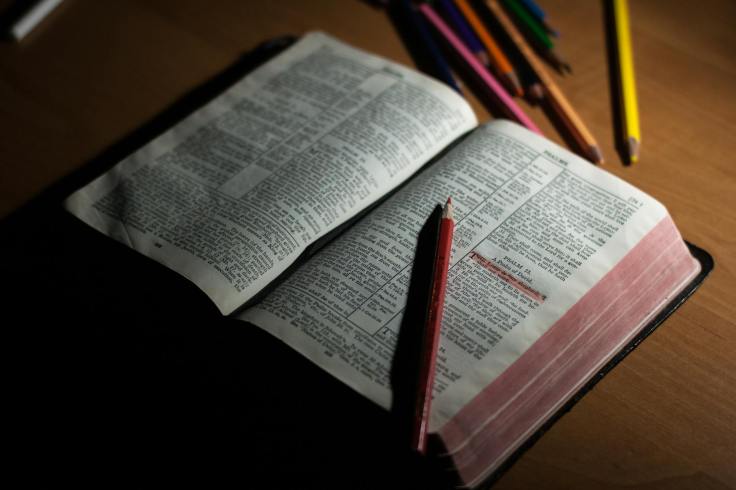
But what does the Bible say? Does God give us choices about our bodies?
There is nothing specific in the Bible about gender dysphoria, or plastic surgery. There is no mention of third trimester abortion or modern feminism, or queer lifestyles. But there are many teachings about our bodies AND our choices. And surprisingly, the Bible does NOT say that we have no control or “rights” over our own bodies. Instead, the Bible tells us the following:
- God is the creator of all life. Life is a gift from God, not a random accident. And no one– NO ONE– can spontaneously come into being. So, the idea of “bodily autonomy” cannot be true of anyone who has ever depended on someone else to be born or to grow up or to become pregnant. God’s word makes it clear that “autonomy” is NOT the goal of creation. God’s purpose for us is to connect– with Him and with each other. He created men and women different, yet complementary. He created families to live and work together– the old teaching the young, as the young care for the old–sharing and building a legacy. Sin corrupts God’s design– it seeks to subvert it and destroy it, replacing it with a twisted independence that leads to isolation and loneliness, distrust, anger, pride and hatred.
- God doesn’t make mistakes. He doesn’t delight in our struggles, our limitations, or our diseases. But Sin corrupts– right down into our DNA. God does not wipe out the consequences of Sin in our world– not yet. Someday, He will bring an end to all the causes of suffering, confusion, and grief. But in the meantime, He promises to be present WITH us THROUGH the struggle. We may not understand fully how our bodies work or why they do (or don’t do) what we might like. We may wonder why we look the way we do, or why our nose is “too small” or our body is shaped like a pear, when we want it to be an hourglass, or our hair in impossible to keep tamed, or we face a family history of oversized ears. We may struggle with diabetes, asthma, epilepsy, hypothyroidism, and even gender dysphoria. But God isn’t sitting in the wings, laughing at our circumstances. He promises to be both “present” and “sufficient,” even in the midst of our pain and uncertainty.
- God calls us to take care of the bodies He gave us to the best of our ability. That means it is sinful to have indiscriminate sex with unknown partners who may be carrying venereal diseases– and also to overeat or starve ourselves with fad diets, or to pierce ourselves with unclean needles, whether getting a tattoo from an unlicensed and unclean parlor, or shooting up with heroin. Sexual and gender issues grab headlines and make for great political fodder, but we can make the mistake of thinking that such sins are “bigger” than lying or gossip or greed or pride, or that they are unforgiveable– they are NOT! God can remove the stain of abortion, rebellion, gossip, addiction, lying, drunkenness, body shaming, and judgmentalism.
- God HAS given us the power of choice– we can choose our behaviors, our lifestyle, our morals, and our relationships. He has also given us governments to create laws and punishments for those who break them. But a law doesn’t actually prevent you from doing an act– it merely outlines the negative consequences for breaking that law. Laws can’t prevent people from committing murder, rape, theft, arson, etc., but laws provide a framework for responsibility and punishment to discourage certain behaviors and affirm the rights of even the most vulnerable among us. In other words, a law can’t prevent you from having an abortion or a sex change– but it can limit your ability to do so by forcing you to face negative consequences– jail time, higher fees, fewer practitioners willing to make such decisions “easy” and socially acceptable. God has given us His law in the Bible to show us how far we have fallen away from His standards and His character. On our own, we will never fulfill the entire law. But that is the heart of the Gospel– Jesus came to free us from both the power of Sin and the condemnation that comes from yielding to it. The Holy Spirit can give us the power to make Godly choices, knowing that Christ’s atoning sacrifice has paid the price for our sinful choices of the past.
- Our choices come with consequences. We are ‘free’ to make bad choices, but we (and others!) are not free of the consequences of our choices. “My body, my choice” is an anthem of entitlement– of rights without responsibilities. Many of our choices carry great risks. Abortion is not a risk-free solution to a “problem.” Just as pregnancy presents risks, so does the medical procedure to end one. Clinics can minimize the risks, but there is no such thing as a guaranteed “safe escape” from an unplanned pregnancy. Sex change operations are even riskier, with complications that can be profound, chronic, and extremely painful. Risky health and sex habits don’t become any less risky just because they are legal or socially accepted. Experimenting with drugs can end in tragic death or lifelong damage to the heart or brain, as well as the horrors of addiction. Eating or drinking in excess will still lead to health problems, even if there is a new miracle fad drug that masks the early symptoms.
- Sin has consequences that are often NOT of our making or choosing. It is not fair, it is not just, and it is not your fault. Punishing an innocent person will not take away that fact. It only spreads the consequences of Sin to someone else– someone who will be another innocent victim– YOUR victim. Cutting off family and friends because they don’t “affirm” your new lifestyle will not change them. It will hurt them. It will hurt you. It will not make your lifestyle any more acceptable to them. Aborting a baby will not change the circumstances of the pregnancy or make the abuse or memories of a rape disappear. Someday, God will restore justice, reward hope, and remove all grief and pain for those who learn to trust Him.
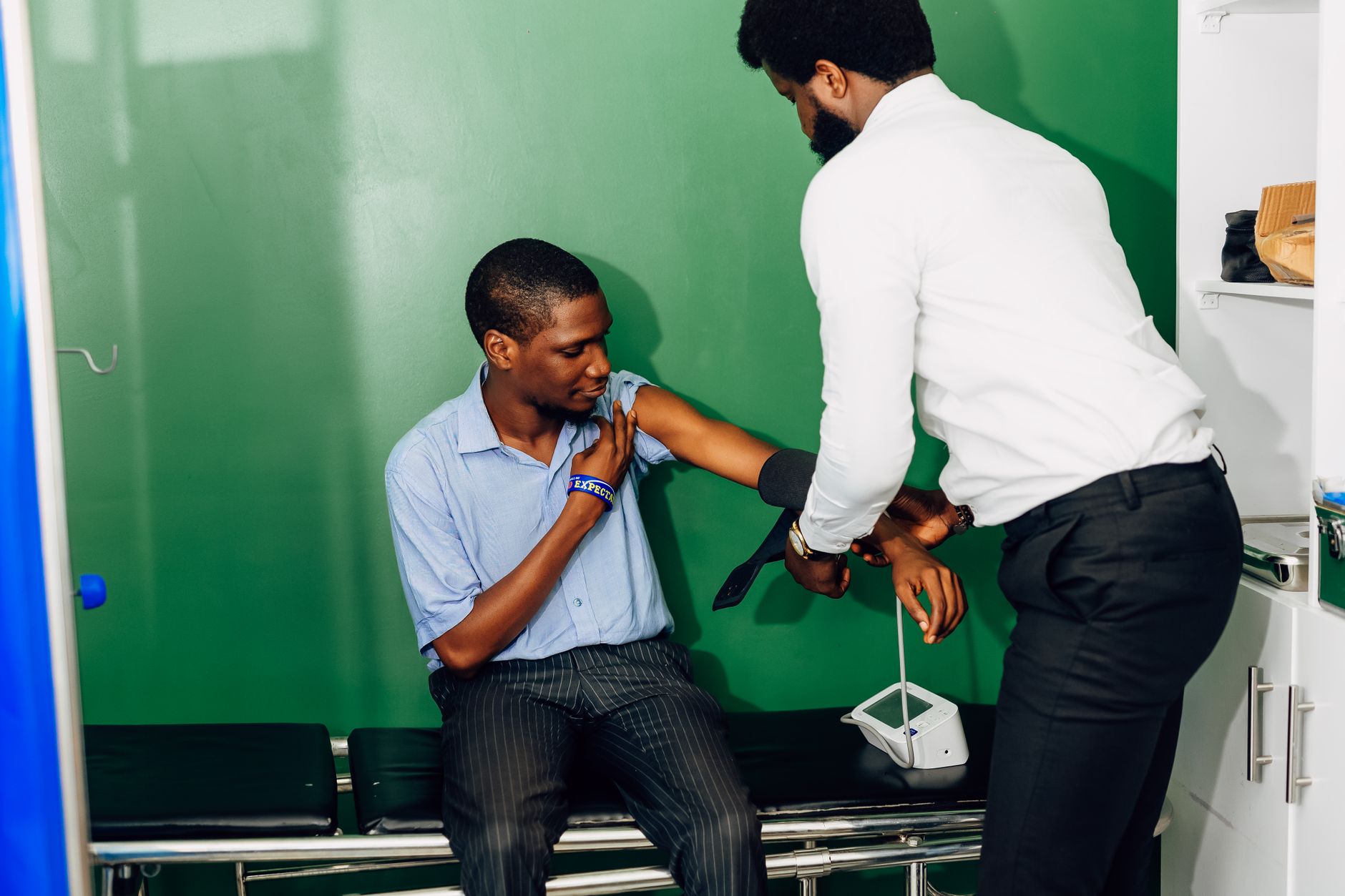
In the end, God has given you “your” body, and He has given you “your” choice. But He also warns you of the consequences of making selfish, dangerous choices that can result in death, heartbreak, regrets, and long-term damage for short-term benefits. He also promises the blessings of recognizing that “your” soul was made to have a relationship with a Holy and Perfect God, and that your “choice” to follow Him will bring eternal and glorious benefits, including a new and sinless “body” in Heaven. I pray that I will make good choices to take care of “my body” today. And I pray that eyes and minds will be opened to the wonder of God’s gift of life, and His plan for every “body” around me.

