Two women, so alike in some ways– Both attractive and energetic, Both young and vivacious.
But
One has prepared a table; the other has prepared her bed, One talks of virtue and honor; the other whispers secrets. One requires commitment; the other promises no strings. To enter either door is to be changed.
A man entered the door of the wise woman. He was simple, uncomplicated, straightforward; A man of few words, but noble heart. He ate at her table, put his boots outside the door– Carried her over the threshold. Time passed, children came. They added on to the house. Put in a garden; got a dog. Others took note. There were gatherings– Holidays, barbecues, reunions. The house was a home. He never looked back.
Years later, the man died. His neighbors and family all spoke Of his honesty, integrity, and wisdom. His wife mourned and was comforted. He was the father of three, The grandfather of seventeen.
Another man entered the door of the foolish woman. He was simple, uncomplicated, straightforward. A man of few words, but a yearning heart. He ate her food and drank her wine; slept in her bed– Wallowed in her perfumed sheets. He laughed at her coarse jokes, Reveled in her catfights with the other girls, And the stares of other men.
He bought her jewelry. She bought him a car. They lived the dream: parties and vacations; Dancing ’til dawn and no responsibilities. They forgot to pay the bills; they wrecked the car. Others took note and shook their heads. Time passed.
She moved in with someone else. He moved into a hotel. There were other women And other hotels. There were neighbors, friends– Cars, jobs, bright lights and Stolen pleasures. But he was never the same.
Years later, the man died. His neighbors and friends Spoke of the loss In passing, over a beer. The woman had almost forgotten him. When someone brought up his name, She said, “Such a simple, stupid man. I wonder what ever happened to him.”
How can I love Jesus more than I already do? If I can love him more, does that mean that I don’t love Him enough? That I don’t really love Him as much as I think I do? That I love Him the wrong way? How can I “love thee more dearly…day by day”
I want to explore the second prayer in the folk rock song “Day by Day” from the musical “Godspell” (see my last post). When I write about pursuing prayer, this is a major focus of the pursuit– to develop my love for Jesus. But there’s more to it than just spending more time, or even “better” time in prayer.
I love my husband, and that love grows over the years– not because we are in an eternal “honeymoon” period, where life is rosy and all I know about him is the wonderful image I’ve built up–but because in living with him, working with him, even struggling with him, I learn to value who he really is. I learn about qualities I never knew he had. I learn to trust him and respect his judgment; I learn about the deepest part of his heart that he only shares with those closest to him. And even though I learn about his faults, I see him desiring to be the best that he can be. In his turn, my husband does the same with me– learning my strengths and weaknesses. Together we learn how to work together to strengthen and support each other. We even learn how to argue better!
But we all know marriages (and no marriage is immune) where doubt, distrust, disdain, and despair creep in. The very qualities that attracted us in the beginning become sore spots that tear us apart. The joy is swallowed up in little hurts that go unresolved; little misunderstandings that grow into lengthy silences and slammed doors. Struggles that should bring us together cause us to run to separate corners. Our feelings change, our hopes are dashed, and our relationship crumbles
Relationships require trust–if I say that I love God, but I don’t trust Him, I’m not being honest with myself. If I pray to Him, but I don’t really think He’s listening; if I read His word but make excuses for my continued disobedience–I don’t really love Him. I may idolize Him, even worship Him. But I don’t really love Him.
Unlike a marriage partner, family member, or close friend, God’s love for us never changes. We never have to pray that Jesus should love US more dearly. It’s impossible. The same love that spoke the universe into being and designed you to be the awesome and unique person you are, is the same love that stretched out his arms so they could be nailed to the cross– the same love that calls out to you no matter what you’ve done or who you are and offers you peace, joy, and rest. Loving Jesus isn’t a matter of measuring how I feel about Him from day to day, but spending each day learning to know Him better for who He is and not just what He has done or what He can do for me. The prayer should be for me to really learn better how to honor Him, how to trust Him, how to obey Him, praise Him, listen to Him, and walk close to him.
“They sow the wind, and reap the whirlwind…” Hosea 8:7
Hosea was a prophet who foretold the destruction (and eventual restoration) of his people. God was pouring out his judgment against an unfaithful nation, and he used the tragic family life of Hosea as a living example of his dealings with Israel. Hosea married a prostitute; an unfaithful and unloving spouse who chased after men with ready money and cheap gifts. But when her activities resulted in slavery, shame, and despair, Hosea redeemed her and restored her as his wife. In the same way, God had made a promise to the people of Israel, but they had broken their covenant and followed their own rules, chasing after the surrounding cultures, with their foreign gods and their hedonistic rituals, including human sacrifice, temple prostitutes, and divination. There are many metaphors used throughout this book, but one that often stands out is the short phrase found in chapter eight. In it, God is talking about the unfaithful priests and leaders of Israel, who have not only betrayed God in their rebellion and idolatry, but have led others astray. God says of them that they have sown the wind, and are reaping/will reap the whirlwind.
How does this relate to us today in our pursuit of prayer?
I believe that many of us are sowing the wind– we do it in our careless words, gossip, rumor-mongering, complaining, babbling, prattling, and yes, in our half-hearted obedience, and our tepid prayers. We often come to God, not eager to commune with him, or to hear his voice, not in humble adoration and open confession, but to complain, wheedle, and boast. We pay lip service to his Holiness, while refusing to give up that bad habit that “isn’t really all that bad.” We thank him for his Grace, but harbor resentment against a neighbor or family member who slighted us. We ask for him to bring us success in our plans and ventures without really making sure if they line up with his will. We excuse our lack of attendance at church, and our failure to spend time in God’s word. We make rash promises to do “better” if God just gets us through this week. We ask for his blessing, and thank him for the riches he has bestowed on us, but we turn our noses at those in our backyard who are in need. We are bold about posting “Christian” sayings on Facebook, X, Pinterest, and Instagram–almost as bold as posting about our favorite new Brew Pub or Spa trip or “almost inappropriate” joke, or latest political rant. Except that our “Christian” posts are less entertaining and more critical of others. (They’re usually really pretty, though– pictures of flowers or mountain streams or desert sunsets–it’s really easy to “like” and “share” a sunset!.) We cheapen the Gospel, we cheapen the Christian walk, we cheapen prayer, when we pursue it as a hobby or a social habit. Bur prayer is not something we do only because (or only when) it makes us feel “good” or “better”– it is something we pursue because it brings us life and peace for eternity, and it brings glory and joy to the King of Kings.
“They sow the wind, and reap the whirlwind…” There is a price for this shallow, careless pursuit of something that looks and feels vaguely like Godliness. It is the whirlwind…being tossed about by “every wind of doctrine” as Paul warns against in Ephesians 4. It is being caught up in doubts and half-truths, compromises, hypocrisy, division, scandal, and shame. It is having to face the onslaught of detractors and persecution that come as a result of so many of us abusing and misrepresenting the very Gospel of the one whose name we carry. “Oh, what peace we often forfeit; Oh, what needless pain we bear; All because we do not carry everything to God in prayer.” The words of that old hymn are no less true today– when we trifle with prayer, carrying only our selfish needs, our petty complaints, and our flimsy agendas to God in prayer, we pay a huge price.
There is another metaphor, this one in the Gospel of John, that I think helps us combat this tendency to “sow the wind”– Jesus says of himself in John 15 that he is the vine, and we are the branches. If we are faithful, we remain in him– we draw our life and strength from him– and we are fruitful. Remaining in him, we are grounded– he provides the roots that keep us from blowing every which way. And he provides the nourishment, and strength to grow and produce more fruit.
I say “we” because I too am guilty of having sown the wind. The great news, in Hosea and in the Gospel of John, is that God is eager to restore us– to graft us in–to welcome us home after our storm-tossed wanderings. Let’s get serious about abiding in God, instead of scattering the latest “feel-good” religious spam. God, forgive me for the times I have cheapened your precious gift of prayer. Help me to abide in you, and refrain from careless words to you, about you, and about others.
I’m very grateful for all the many blessings that God has given me– for Salvation, most of all. But God has blessed me with family, health, freedom, and so many other wonderful things. But there are several things God didn’t give me. Some of them are things I wanted (or thought I needed!) Others are things I never even imagined.
God didn’t give me a pony when I was younger. God didn’t give me blonde hair. God didn’t give me the genetics to be 5’9″ tall, athletic, and thin– I never became a ballerina or a model. God didn’t make it possible for me to study in France my junior year of college like I had wanted. God didn’t see fit to make “Mr. Right” fall in love with me in high school or college. God didn’t give me children to raise. God didn’t let my father live long enough to walk me down the aisle when I finally got married. And I never won the lottery (probably because I don’t play!– but still…)
It’s very human to look around and see what others have that we might desire– things that God did not choose to give us; even things that God has taken from us–and feel resentment, envy, and even anger. But we rarely look at those things others have that we would NOT desire. And we rarely look back and see how things we thought we wanted would not have been good for us, or how God removed things from our lives–even good things–for a better purpose. Sometimes, we cannot know or understand such things this side of heaven. But it might be a good practice once in awhile to look back and see what God DIDN’T give us– and thank Him for His wisdom and provision!
God allowed me to get chicken pox as a child– but He didn’t let me get Polio, or Diphtheria, Scarlet Fever or Whooping Cough. God didn’t give me blue eyes like my dad– but He didn’t give me Dad’s color-blindness, either. God prevented me from going on a date with one cute and popular boy who asked me out in high school. And the one in college. And the one I worked with. But God delivered me to my husband a virgin, and free of the guilt and shame of a string of failed relationships. God took my father at age 68. But He healed my father after a heart attack at age 50 (the reason I never got to study in France). We had and “extra” 18 years with Dad, and while Dad was sick most of the last years of his life, we didn’t have to see him suffer years of pain, misery, and helplessness. And about that semester in France? Some of my friends went that year– and they were plagued by injuries, nationwide strikes, and other issues. God knew what I wanted in each case; He also knew what was best for me.
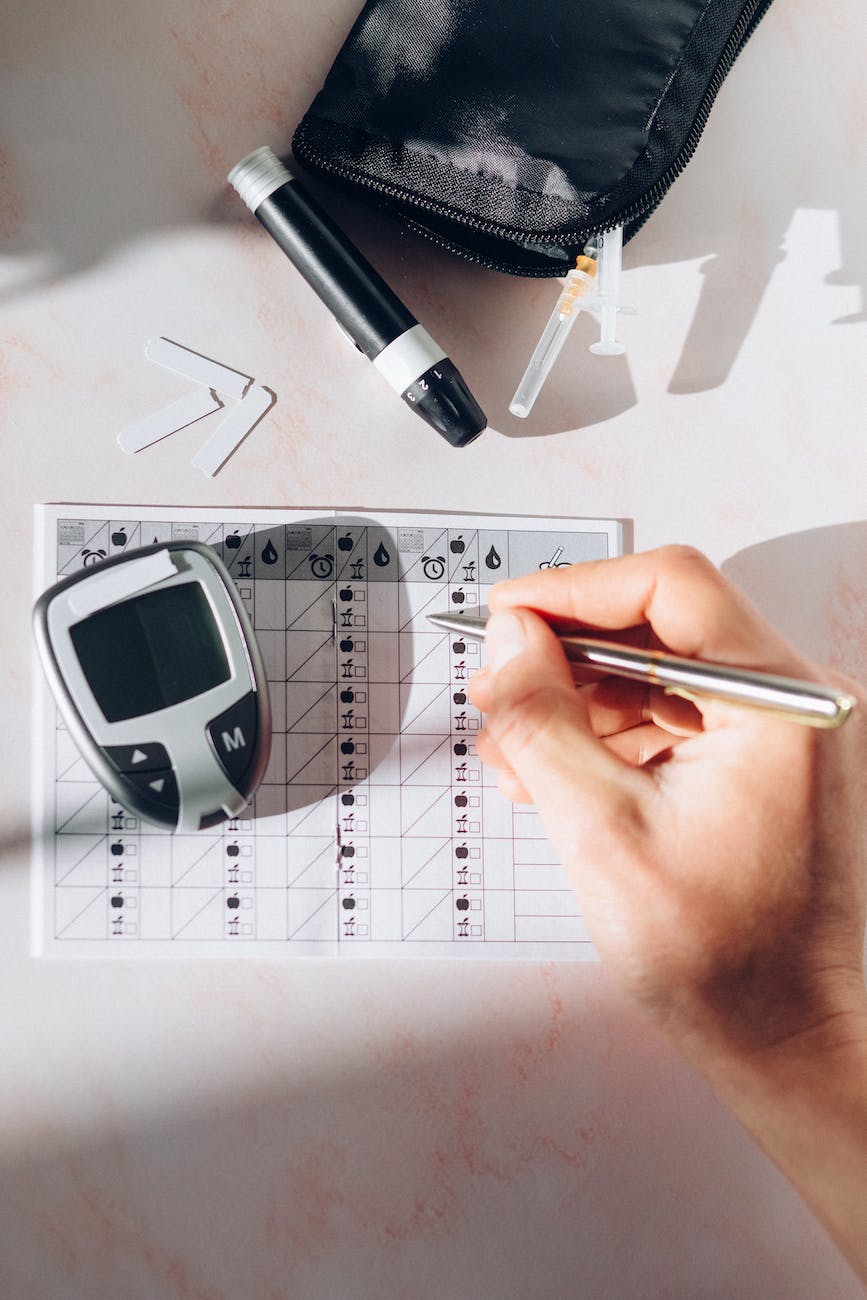
A couple of years ago, I was diagnosed with Diabetes. God did not “give” me Diabetes. (That’s another mistake we often make.) God gives good gifts. (James 1:17) But we live in a fallen and imperfect world. Disease, injustice, pain, and heartache are part of this world. Someday, God will redeem the world and put an end to all of these, but for now, there is no guarantee that God will keep us in perfect health or happiness. So, I’m Diabetic. I’m not grateful because I have the disease, but I am grateful for so many things related to it. I am grateful that I live in a time when treatments are both available and accessible. I am grateful that I was diagnosed, rather than suffering a coma or dying without help. I am grateful that I have access to healthful foods and the ability to exercise– two things necessary to keep the Diabetes under control. I am grateful that I lived for so many years without the disease. I am grateful for a supportive husband and family members who help keep me motivated. And I am grateful that nothing about having Diabetes changes IN ANY WAY God’s love for me, and His plans to give me eternal life in Him!
Are there things, people, or situations in your life that God DIDN’T give you? Healing that was denied, or blessings withheld? Hurtful things that He allowed to happen in your life? That He took away from your life? God doesn’t want us to pretend that all is perfect in our world. He knows the pain of NOT getting what we wanted, and the agony of losing what we did want. But He also knows the joy that we haven’t yet experienced– the joy of renewal; the joy of restoration; and the joy of completion.
God didn’t give me a pony– nor the hard work of caring for it, or the heartbreak of losing it. God didn’t let me date the popular boy– but He gave me a man of gentleness and integrity. God didn’t give me children to raise, but He gave me grown children, and grandchildren to love. God didn’t “give” me the semester in France, but He did give me opportunities to meet people from France. He gave me opportunities to use the French language I studied– in Florida, Texas, and even the Dominican Republic! God didn’t let my father walk me down the aisle at my wedding. But He allowed Dad and David to meet and even know each other– years before we were married. God didn’t give me perfect health here on Earth– but there will be no disease or death in Heaven.
Thank you, God, for all that you have given me– even Diabetes–and for all that you have allowed to shape my life. Help me see You in every detail of my life– the pleasant, the painful, the difficult, and the mysterious– and to praise You in every circumstance. Thank you for today, and for all the plans you have for it, and for me. Thank You for being You!
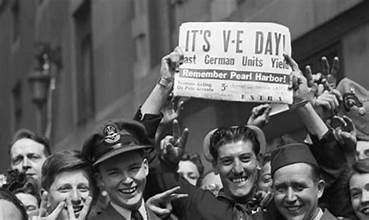
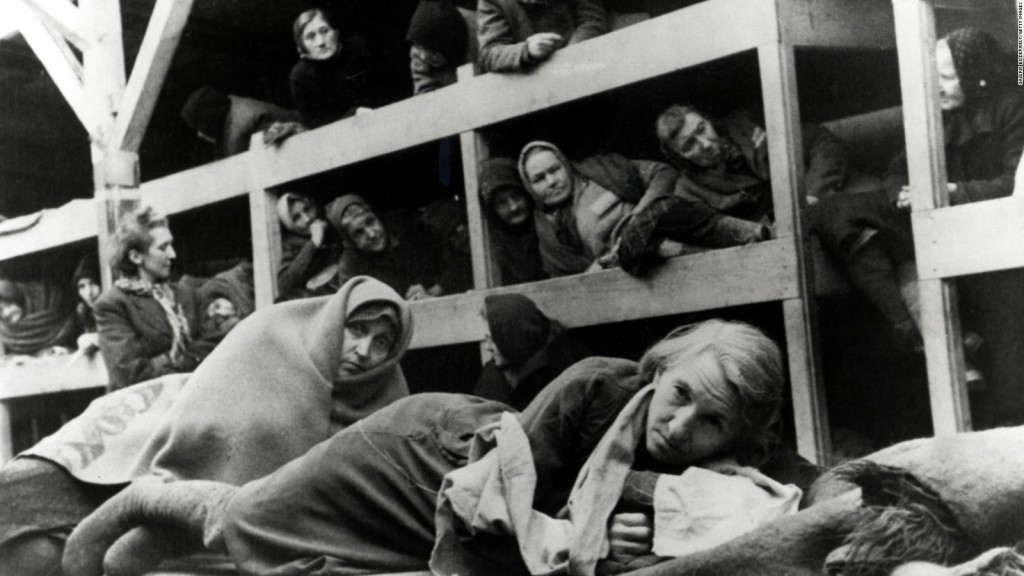
Today is May 8th. Historically, this is known as V-E Day, or Victory in Europe Day. On this day, in 1945, the German forces surrendered, ending World War 2 in Europe. Parades and parties broke out in several cities. People celebrated the end of war and the promise of peace. But the war was NOT over– not for everyone. War continued to rage in the Pacific for several months. Prisoners in concentration camps were still being liberated, many of whom had lost their homes and families. And the devastation across Europe and North Africa would take decades to clean up. Millions were still facing food rationing and homelessness; there were unexploded bombs and land mines, craters and ruins–all was not suddenly peaceful and prosperous.

The events of V-E Day happened years before I was born. But my parents and grandparents remembered it well. And as someone who loves history, I look back on events of the past and ask, “What can I learn from this day?”
Today, I want to look at what “victory” looks like. Not the thrilling victory of winning a race, or the victory of one army over another in a past century, but true “victory”–an end to all war and struggle and pain and uncertainty. What will that look like?!
In my life, I have experienced small victories, and victories that seem large in the moment. Graduation ceremonies, job promotions, signing the papers on a new car or house, saying “yes!” when David proposed, and later celebrating our marriage with friends and relatives at our reception…These were all moments of celebration and victory. But like the victory of V-E Day, there was still work to do, challenges to face, and even difficulties and set-backs that clouded each victory. Even my greatest Victory– coming to faith and knowing my name is written in the Lamb’s Book of Life– is in the “here and now.” I still face trials and temptations in this life, even though I can claim victory over Sin and Death through the work of Jesus Christ. But true “Victory” is in the “not yet.”
It can be tempting, when celebrating our earthly victories, to get caught up in the momentary feelings of success and happiness. But what happens on May 9? What happens after the parade? What happens when we face the next challenge? I find myself too often disappointed with the fleeting nature of my victories in life. And in the disappointment, I lose not only the joy of the victory, but the strength of the promise of victories yet to come!
There is a day coming– one that will make V-E Day pale in comparison! Some day, the forces of Evil will be utterly crushed. It will be total surrender. No occupying forces, no rationing or homelessness, and no more death or destruction for those who have trusted in Christ. Just sweet Victory. In a moment; in the blink of an eye, God will say, “ENOUGH!” The war will end. The suffering will end. The waiting will end. The dead will rise and the living will be changed.
I can only imagine what that day will truly be like. But I can live with the certainty of a coming day of “Victory.” I can know the hope and the joy of each small victory today, as it reminds me that there is much more to come!
Thank you, Jesus, for each small victory today. Thank you for the ultimate Victory that I find in You!
Prayer is a conversation with God. But sometimes it can seem like a one-sided conversation. We have pressing needs for healing, or strength to bear up under stress or oppression. Sometimes, we pray for our loved ones’ struggles against addiction or wrong choices. And God seems silent.
Sometimes, it’s better to get an answer we don’t like than no answer at all. When I was younger, I prayed for a family– a dream family with a handsome husband (preferably wealthy), three adorable and well-behaved children (I already had names picked out..), and maybe a beloved family pet, all living in a beautiful house with a big back yard, and maybe a small woods. I waited and prayed; prayed and waited. When I was in my thirties, still waiting and praying, I found out that I have several health problems– none of them life-threatening, but they mean that the chances that I would ever have had children are slim to none. I would never have the pleasure of watching my own children grow up; never know the joy of having a little voice calling me “mommy.”
But God had not abandoned me. In my careers as a teacher and a children’s librarian (careers I had begun before I knew I couldn’t have children of my own), I had the joy of working with hundreds of children across a spectrum of ages, from nearly newborn through college! My memories are filled with a choir of voices calling me Miss Toney or Miss Lila (as I was known then). God had not closed the door on my dream– he had opened a window.
It wasn’t the answer I had hoped for, but it was an answer. However, I was still single. I didn’t want to be single. I didn’t feel it was what God wanted for my life, yet He didn’t seem to be listening or giving me any sign that He heard or understood. There was only silence. No promising relationships– only a few scattered dates over the long years–a few budding friendships, and many lonely days and nights.
There were many helpful friends and family with suggestions, ideas, advice, comforting thoughts, or “explanations.” “God is waiting for you to become more mature in your walk with Him.” “God is saving the best for last.” “You’re too picky (I was never quite sure what that meant in light of the scarcity of dates, but…)” “You need to ‘get out there’ more–have you tried on-line dating? (I did. It was ‘meh’..).” “You should change jobs– single men are not hanging out at the library.” “You should change churches– find one with more single men.” But God stayed silent through my thirties and into my forties.
I did take some of the very good advice I received. I signed up to do short term missions trips. I traveled when I could, with family and friends, and even on my own. I read and went back to college. I spent time in the woods and at the beach, meditating, singing, or just enjoying God’s nature. I got “involved” in various volunteer opportunities. I joined the church choir. And I continued to pray.
By the time I was squarely in my forties, I had decided to stop praying for a husband, to stop hoping, and praying, and seeking, and dreaming. And God said nothing. But I began getting phone calls from an old friend– someone I had known in childhood–in fact, the very first boy I had ever dated, nearly 30 years before! At first, I listened to his voice-mail messages, but didn’t return his calls. I was annoyed, and even a bit angry. After all this time, was God laughing at me? Did He really expect me to go all the way back to the very beginning and start over?
David and I on our wedding day.
Finally, I let go of my pride, and my ancient dream– I decided to give David a chance. Maybe it would lead to another (renewed) friendship. Maybe it would be another disappointment. But it led to a new dream. It led to marriage, and a huge extended family, including David’s wonderful children, and three adorable (and mostly well-behaved) grandchildren. My husband is kind, and honorable, and Godly. He is a treasure. And God’s timing is perfect, even as it is mysterious. God didn’t withhold marriage as a bargaining chip to get me to “grow up,” or grant it as a “reward” for going on a couple of mission trips. God was silent–but He wasn’t absent. He saw every teardrop, rejoiced in every busy child-filled day at work, smiled at every snapshot of every natural wonder, every Teddy Bear picnic, every Bible School. He want along on every date, kept track of all the hundreds of books I read over the years, and hovered over the dinner table set for one every night. I committed my life to serving Him– whether I was single or married, alone, or surrounded by children. His ways are higher, and better, and wiser than mine.
I may never understand why God allowed me to travel the roads that have been set before me. And my roads could have looked much different. I could have married young, unaware of my barrenness, and ended up bitter and feeling guilty about my body for years before I was diagnosed. I might have had a child (or children), and become proud and controlling and fearful. I might have made idols of my “dream” husband and family.
I know many dozens of people who are praying into the “silence” and waiting for God’s answer. Some are praying for healing. They may pray for days in the hospital, only to lose their loved one. They may pray for weeks or months, as their child battles chronic illness. They may pray for years as they battle depression and loneliness. God may seem silent. But He is never absent. His ways sometimes lead to a happy ending in this life. Sometimes, they lead us to have greater understanding and compassion for others. Sometimes, they lead us to unexpected purposes and goals– adventures beyond what we have ever dreamed of. Sometimes, they lead to a legacy that we cannot see this side of death. He does not promise us the answer we want, when or how we want it. He doesn’t promise us an easy or “happy” answer on the road ahead of us in this life. What He does promise is that He will never forsake us. Long after we have been tempted to give up, to doubt, to turn away, God will still be waiting– sometimes in the silence– for the perfect moment, the perfect justice, the perfect word, the perfect solution.
The Bible is filled with images of family–long lists of “begats” and genealogies, parables about sons and fathers, brothers, weddings, brides and grooms…God is even described as our Father, with Christ as “the son.”
One of my hobbies is genealogy– tracing my family’s roots back through several generations and several different places. While the Bible warns that we should not get caught up in “endless” and vain genealogies that lead to false pride and foolish divisions (1 Tim. 1:4/Titus 3:9), there are many good reasons to pay attention to families, family histories, and family dynamics.
First, the family is God’s design– God instituted marriage, parenthood, and family units. It is God’s will and purpose that we should not live in isolation and self-absorption, but learn to depend on and be responsible to others. Families honor, protect, love, provide, comfort, teach, encourage, build and work together. Even in a broken world, filled with dysfunctional and chaotic family relationships, the purpose and design of “family” is still part of God’s good and perfect plan for living. Broken families and toxic relationships are not a failure of God’s plan– they are the result of Sin’s power to distort and corrupt the Good that only God can create. The great news is that God also has the power to restore and redeem individuals and families; offering “rebirth”, adoption, and an eternal “inheritance” within His family!
Second, families can teach us about the astounding and limitless love of God. There is something about the bonds of familial love that stretch us beyond our regular capacity to hope, to sacrifice, to share, to grieve, to endure, and to forgive. Who has seen a mother or father go hungry so their child can eat; or a sister or daughter donate her kidney or bone marrow to help heal a family member? Or a father carry his son who could not walk, or a wife who visits her aging husband when he no longer knows her face? How can we see such devotion and not be struck by how much greater, wider, deeper, and more eternal the Father’s love is for each of us?
Third, family (particularly the idea of genealogies and long family histories) teaches us the eternal nature of God. We live our lives as part of three or four generations– a span of 70 or 80 years for many of us–and we concentrate our efforts on “making our mark” for less than that entire span. But even the longest of our lives are so short in the span of God’s plan for His people. We have one lifespan to play an important role in the story of centuries. When we fail to understand that role, we can miss our sense of purpose in life. Sometimes, we overestimate our own importance or miss the significance of our own legacy. Even “important” people are forgotten, or have their legacies tarnished or rewritten in the pages of history. And those people who never made the history books are often the inspiration for actions and movements that span generations and change nations. When I study the history of my own family, I find lives that were cut short by war or disease– yet these lives shaped the lives (or were the lives) of my ancestors, and without them, I would not be who or how or where I am today. Maiden aunt, baby brother, empty seat at the table– every life touches others in ways that God alone truly comprehends. “Coincidental” meetings, “unplanned” children, migration patterns, epidemics– all loom large in a single generation, but they all become part of the fabric of each person’s “history.”
Lastly, genealogy reminds us that we are all one enormous family! There is so much talk on the news and online about all our differences– language, culture, skin tone, beliefs, skills, abilities, interests, even diets!– and it is important to note that God loves variety and created us each with unique and precious differences to reflect His infinite character. But sin twists our differences into conflicts; sin spreads lies about God’s character, and thus, about how we (or others) reflect, honor, understand, acknowledge, or obey our amazing creator. Differences may cause division in our broken world, but they do not cancel God’s mercy or limit the reach of His love for us all.
This lesson is being brought home to me in a secondary way as I see the time approaching for my 40th high school class reunion. Of course, we are not all directly related. And we are all the same general age, rather than being multi-generational. But it struck me that our class has been very much like a family– we grew up together; we learned to get along (most of the time), to share, to work together, to understand and appreciate our differences and our unique gifts–we send birthday greetings and share pictures, we laugh together, grieve together, share fond memories and special connections with one another. We pray for one another, argue with one another, encourage one another, and challenge one another. There are some who have distanced themselves–whether through physical distance or emotionally– from the rest of us. Some have even ended their earthly journeys. But that doesn’t make them any less a part of our class/our family. We are short and tall, thin and stout, hairy and bald, dark and light complected; we are single, married, divorced, and widowed– some with children still at home; some with no children at all. We are rich and poor, healthy and ill, walking around with scars and wounds and unresolved questions, arrogant assumptions, or chips on our shoulders. And we are optimists and mentors, healers and teachers, helpers and protectors. We are loud and quiet, social and task-oriented, driven and laid-back, dreamers and doers. And in my genealogy research, I have made genetic and marriage connections to about 1/3 of them! We really ARE family, and I can show how we are related! How small would this world seem if we looked at our brothers and sisters across the world, and realize that those connections are so much greater than the differences that divide us?
I’m also in the process of writing a book about my family. I estimate that there are nearly 500 people who can claim the same ancestral “roots” from the same two people, who lived through some of the most amazing events of the twentieth century! Once again, we don’t all look , or act, or think alike– some are tall, some are tattooed, some are old, some are newborns, some argue about college football teams, or politics. Some of us speak other native languages or live very different lifestyles. But we love each other, encourage each other, and many of us share our prayers and concerns and joys and pains. My great-grandparents (and all their children) left a legacy of love and faith that continues to influence and inspire the fourth, fifth and sixth generation to follow!
When we pray for others, we are always praying for our family! Praying for our neighbors and classmates and co-workers– we are praying for family! Praying for our enemies, for strangers, for those who look and speak differently than us–We are praying for family! May God give us eyes to see and hearts to love our brothers and sisters, sons and daughters, cousins and even the “long lost family members” and lift them up in prayer to the One who loves us and wants to bring us all into His family!
The month of June is “Anniversary Month” in much of my family. My parents and one set of grandparents were all married on June 1st. My brother and sister both celebrate anniversaries next week, as does my one of my brothers-in-law. Marriage is in trouble in our society– many marriages are ending in divorce, while others are choosing to wait longer before making a commitment or choosing not to marry at all.
We tend to celebrate marriage as being all about feelings of love, but marriage is really about making and keeping promises. Two people stand before witnesses and take sacred oaths to be faithful, to love, honor, and cherish (and yipes! sometimes even to obey) one another for the rest of their lives. And most people who take such oaths do so with honest intent. Why, then, does it seem to be failing so often?
One of the reasons has to do with expectations. We expect the same giddy feelings of delight we have during courtship to carry us dreamily into the future. And we expect that the way we act during courtship will be the norm– the “happily ever after” fairy-tale life of story books and romance novels. We expect that we will always be the same as we are now: young, carefree, beautiful/handsome, and eager to please and be pleased by the boy/girl of our dreams… This is unrealistic. And even when we say we know better, we hang on to unrealistic expectations for our relationships, just as we do for other situations and circumstances. Even our “soulmates” can disappoint us, fail to understand us, suffer failures and setbacks, battle depression or addiction, lose their youth and good health, and even question their feelings for us.
Another related issue is that we usually take vows when we are young and our future looks bright. Circumstances can change; plans can fail. War, disease, financial ruin, the loss or miscarriage of a child or children, forced changes in living arrangements or work schedules– all can put enormous stress on a marriage.
But not all marriages crumble under the weight of unusual or unexpected circumstances. Some seem to erode slowly, even under “good” circumstances. Why?
One reason I’ve seen as I look around is a seeming inability to make and keep small promises. We make big, broad promises at a wedding– “for better or worse, richer or poorer, in sickness and in health..” “’til death us do part…” But we don’t promise to forgive him when he leaves the toilet seat up for the fifth time this week, or wait for her while she tries on every one of the six outfits she can’t decide on for the upcoming class reunion. We don’t promise to compromise on which family we will visit for Christmas each year, or what color we will have in the dining room. We think of marriage as a series of negotiations (which it IS), but ones in which one of us “wins” and the other “loses.” And if we consider that we are the “loser” in enough negotiations, we feel entitled to “break” our little promises.
Almost two years ago, my husband suffered an injury at work. He “punctured” his leg–the injury wasn’t huge, but it was deep, and on the back side of the leg, where he couldn’t see it. He knew it hurt, but thought it would heal up. Instead, it became infected. We had to go to the local wound clinic for several months, but between visits, I had to change the dressings, wash the wound, apply the various antibiotics and salves, redress the wound, etc.. David was still working full time, so the dressings would sometimes get sweaty and dirty on top of everything else. I promised to be faithful “in sickness and in health”– and that included washing out the pus-filled wound and caring for the pus-soaked dressings; it included wrapping his leg every other night for weeks. We went through hundreds of yards of gauze and anti-stick dressings, tubes of several different antibiotic salves, special compression socks, etc. Hundreds of dollars and hours later, his leg is slowly getting back to “normal.” During this same period, I was diagnosed with type 2 Diabetes. David has had to be patient with me as I learn to eat (and cook) differently. He has had to help me with glucose testing, dealing with low-sugar episodes, and put up with mood swings (even more than normal!).
And our health odyssey could be much worse– what about those who have to deal with cancer or dementia? But I think sometimes we minimize the commitment needed for the smaller, chronic conditions. The stress may be smaller, but it piles up, just the same. Our promises need to hold in the daily crises– big and small. And our promises need to hold when there is no crisis– and no adventure, either. Many marriages fall victim to “smooth sailing.” Things settle into a routine, and promises that were made to sustain the marriage in the face of “richer or poorer” fall apart in the settled comfort of middle class complacency. Vows take for “better or worse” fall apart in the “blah” and boredom of “good enough.”
Marriage is designed to be a picture of our relationship with Christ. As Christians, we are the “bride” of Christ! But we may need to review our vows and our commitment. Christ is eternally faithful; are we? In our flesh and our frail humanity, we cannot remain faithful on our own. But where are we? Have we lost our first love? Are we committed to Christ even in the midst of chronic illness or small setbacks? Are we flirting with the world because we have become “bored” with our Christian Walk? Has our joy been eroded by our failure to share our little stresses and secret sins with the Lover of our Soul?
Often, when we take a moment to remember our wedding day, we are reminded of the commitments we made, and the joy we felt on that special day. It can be bittersweet, if we have let circumstances or feelings pull us away from the one we love (or if they have moved away from their commitment). But it can be a wake-up call, as well, reminding us that promises made and promises kept are what leads to long-term joy and security. It can be helpful to take a few moments (or more) every once in awhile to remember when we came to Christ, and be reminded of the commitment we made– and the promises He has kept!
If you are a woman who has grown up “in the church,” you are probably familiar with Proverbs 31. It is the chapter about a virtuous woman. She is the role-model that is held up for young girls and older women alike. And she is, like Mary Poppins, “practically perfect in every way.” She gets up before the sun, stays up late into the night–always busy, always productive; she never slows down. She never has a bad hair day, never loses her temper, never forgets to pack a lunch or fold the laundry. She never nags, never scolds, never pouts, and never has to raise her voice.
It helps that she has serving girls to do her bidding, and has her own business. She appears to be independently wealthy and active, yet she has time to raise children who “rise up and call her blessed,” and satisfy her husband, who “lacks nothing of value.”
I would love to say that I am just like that woman. Most days, however, I feel nothing like her. I don’t have money to buy a new field. I don’t get up before the sun and my hands are not eager to work. I don’t make and sell linen garments. No one is running around calling me “blessed” or singing my praises… I can never measure up to this woman. I feel cursed.
But a closer reading of this chapter makes me think again.
While the woman described in this chapter is a model to emulate, she is not the norm. Nor is she the standard to which I must adhere to “earn” my way into God’s good graces. Indeed, God’s Mercy is the richer and His Grace more precious for knowing that I cannot “measure up.”
Instead of using Proverbs 31 to beat myself up for not being perfect (or using it to discourage or intimidate others), I need to learn from it. Here are a few things I’m hanging on to as I read through it this week:
“She brings him (her husband) good, not harm…” (v. 12) What are some ways I can bring good, not harm, into my home and marriage? How can I listen more, nag, less, be more available, and otherwise show love and care? I won’t be perfect, but I can look for ways to improve!
“She works with eager hands..” (v. 13) “She sets about her work vigorously…”(v. 17) I may not be spinning wool or flax in the early light; I may not have serving girls to order, but I have hands and work to do throughout the day. How can I do a better job of seeing chores as opportunities, rather than oppression and drudgery? How can I bring a greater sense of purpose to my tasks? I may not have serving girls, but I have appliances–am I “ordering” them properly by taking care of them, instead of just taking them for granted? And am I grateful for their help?
“She opens her arms to the poor and extends her hands to the needy…” (v. 20) What can I do to “give” more–donate, volunteer, provide hospitality and encouragement? How can I keep in mind that during various seasons of life the “poor” and “needy” may be in my own home and family–children or grandchildren needing nourishment and discipline; parents needing care and support…How can I be more available to those outside of my home, or during my work hours? Can I send an e-mail or make a call to offer encouragement? Can I share a recipe with a friend, or invite them to come with me shopping or to church? Can I make time to pray with a neighbor? Can I clean out a closet and donate clothes or linens?
“She speaks with wisdom, and faithful instruction is on her tongue..” (v. 26) What a challenge!? What is “on my tongue?” Gossip? Criticism? Complaining? Idle chatter? Do I speak too much? Do I remain silent when I could offer needed instruction, encouragement, or correction? Do I speak with gentleness and compassion? With conviction and truth?
“…she does not eat the bread of idleness..”(v27). Ouch! Everyone needs to rest– even the seemingly indefatigable woman of Proverbs 31! But am I becoming “fat” on leisure time? How much time to I waste on distractions and entertainment that could be put to better use?
“Charm is deceptive, and beauty is fleeting, but a woman who fears the Lord will be praised..” (v30) I may strive to be an “accomplished” woman– someone who is poised, talented, successful in business and society, with a picture-perfect house and garden, children on the dean’s list or the winning sports team; I can be will-traveled and well-educated, someone who seems to “have it all”–and still NOT be a woman of noble character. God isn’t impressed by my clothes or my achievements; He doesn’t give me credit for being “better” than my next door neighbor, or having the best kitchen on the block; God will not love me any more for being more successful or productive than anyone else. If my house is cluttered, my hair is untame-able, my kids have public melt-downs, and I don’t belong to the “in” club; if my business fails, my car is rusty (or I don’t have one), and my husband and I wear second-hand clothes, God still sees my heart. I can still be a woman who fears, trusts, and serves the Lord– one who is loved, accepted, and even “praised” by the One who matters most!
Finally, I can Pray to become a woman/wife of noble character (v.10), striving for good habits, rather than fretting over and wallowing in bad ones. I can trust God’s willingness and ability to transform my life and my attitudes. In fact, I am reminded of a seemingly unrelated portion of scripture from Philippians:
8-9 Summing it all up, friends, I’d say you’ll do best by filling your minds and meditating on things true, noble, reputable, authentic, compelling, gracious—the best, not the worst; the beautiful, not the ugly; things to praise, not things to curse. Put into practice what you learned from me, what you heard and saw and realized. Do that, and God, who makes everything work together, will work you into his most excellent harmonies.
I need to spend less of my time worrying about getting things “done”, than getting them done God’s way! I don’t need to fear the “curse” of Proverbs 31– failure to measure up to a model– instead, I need to see the opportunity to become a woman after God’s own heart– one who accepts God’s help and wisdom to become the woman HE wants me to be. I pray that God will give me the chance to develop–and help others–today and each new day.
Yesterday, my wonderful maternal grandmother would have celebrated her 110th earthly birthday. I have so many happy memories of times spent with her– of shared laughter and tears, walking barefoot through many yards and gardens, “overnights,” looking through her button tin, or her old jewelry box, helping her make homemade egg noodles, or cherry pie… But more than all these, I remember the feelings of peace, joy, and unconditional love whenever she was near.
My Grandmother, Beulah B.
Gram was one of the wisest persons I ever knew. She was patient and kind with everyone. I cannot remember ever hearing her say a spiteful or sarcastic word. She had a quiet sense of humor, and made everyone feel welcome and valuable. She was generous– not just with gifts, but with time and attention, especially for children. She was a hard worker, but she never seemed to look frenzied or “overworked.”
She and my grandfather were married for almost 63 years. She lived with him through many difficult times– during the Great Depression, there were many times when they could not be sure where they would live or what they would eat. Many nights were spent sleeping in spare rooms with family members. Grandad went to war in 1942, and Gram “held down the home front”– taking care of two little girls, and working the night shift as a riveter, while living with her parents. Things were better financially after the war, but Gram kept working– this time as a secretary. She and Grandad still moved around a lot–rented homes, apartments, mobile homes–each time making it look and feel better than it had ever been, or ever would be again. Gram planted flowers everywhere; Grandad collected animals. At the time of her death, Gram and Grandad were living in a rented house– the very house where Gram had been born 82 years earlier!
Gram’s given name was Beulah, named for her paternal grandmother. Her name means “married.” And Gram lived up to her name, and all it suggests. She was faithful, fruitful, and a wonderful companion and champion in her marriage. When she died, my grandfather was lost without her. We nearly lost him that very day. He only lived another four months after she passed.
If I had to choose a word to describe Gram, above all others, it would be faithful. She was faithful in everything she did– faithful to her marriage, faithful to her children and extended family, faithful at work, and faithful to God. Gram’s Bible was worn, and old, but she lived out its pages every day. Her trust in God was absolute– and it had been tested through all the hard times she had experienced. She KNEW she could trust in God’s provision and timing, because she had experienced it first hand. She did not make a fuss about her deep faith, nor did she ever deny the source of her peace and strength. Her life was not easy, but it was bountiful!
Today, as I reflect on her legacy, I am so grateful for her quiet example in my own life, and in the lives of others. I pray that I may leave such an impression before I pass on– that someone will be inspired to a lasting faith and find joy in their life’s journey because I have been faithful. Below is one of her favorite hymns: (I especially enjoy the piano in this clip, because it is close to how my Gram would have played it!)