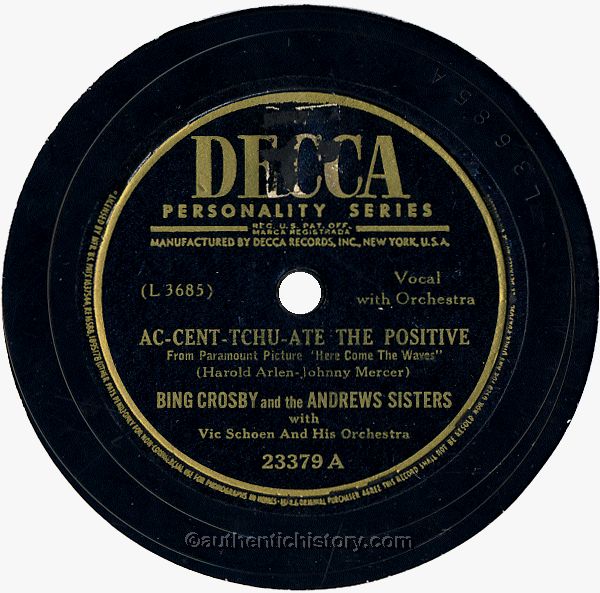
I’m not talking about English v Spanish or French or Urdu, but our ‘language’ very much matters. The words we choose to say make a difference. They reveal much more than just what we’re thinking or feeling. They reveal character.

When I was in college, I lived in a dorm that was co-ed by suite. That meant that two freshmen boys lived across the hall from my roommate and me (both seniors). They were nice guys, but their language was often crude. Once, I spoke to one of them about his use of the “F” word. He responded by digging up a typed-up sheet singing the praises of that word. It was versatile– it could be a noun, a verb, an adjective, or an exclamation! It had a long history, tracing back to Medieval English usage. It carried power and shock value. People like me were prudes, afraid of using powerful words and intimidated by traditional moral codes and “language snobs” who judged others. After all, we lived in America, d*** it! The land of free speech. Who was I to try to make him feel bad about his words?!
On the surface, he wasn’t wrong. The word is not “illegal”; it poses no immediate threat or danger. It is not a word meant to belittle or “cancel” its hearers, like an ethnic or racial epithet. What was the harm? Who was I to lecture him? His roommate stood by and said nothing, but his own language hadn’t been much better. Was I wrong to say anything? I was only a few years older, and a fellow college student? Was I just being prudish? It wasn’t as if he had told racist jokes or called me a crude name? What was the big deal? It was one four-letter word.
But it reveals something about the character of the person who makes a habit of sprinkling such words in their conversations. It says that their “freedom” to use such words is of greater value than their respect for their listeners. It says that the speaker chooses not to practice self-control over their speech (and likely over other parts of their life). It may reveal sloppy or lazy thinking and a weak vocabulary. And, whether we like it or not, it labels us; people will judge us based on how we speak, and on the words we choose. Even though celebrities and professors use such language. Even if such language is considered popular and even “cool.” And it encompasses all of our word choices–blasphemy and crude language, negativity in our speech, bragging and boasting, a propensity for gossip and smearing the reputations of others, lying and ‘stretching the truth’– the list goes on. Just because we CAN say something doesn’t make it wise or helpful or powerful or “right.”
3-5 A bit in the mouth of a horse controls the whole horse. A small rudder on a huge ship in the hands of a skilled captain sets a course in the face of the strongest winds. A word out of your mouth may seem of no account, but it can accomplish nearly anything—or destroy it! 5-6 It only takes a spark, remember, to set off a forest fire. A careless or wrongly placed word out of your mouth can do that. By our speech we can ruin the world, turn harmony to chaos, throw mud on a reputation, send the whole world up in smoke and go up in smoke with it, smoke right from the pit of hell. 7-10 This is scary: You can tame a tiger, but you can’t tame a tongue—it’s never been done. The tongue runs wild, a wanton killer. With our tongues we bless God our Father; with the same tongues we curse the very men and women he made in his image. Curses and blessings out of the same mouth!10-12 My friends, this can’t go on. A spring doesn’t gush fresh water one day and brackish the next, does it? Apple trees don’t bear strawberries, do they? Raspberry bushes don’t bear apples, do they? You’re not going to dip into a polluted mud hole and get a cup of clear, cool water, are you? 13-16 Do you want to be counted wise, to build a reputation for wisdom? Here’s what you do: Live well, live wisely, live humbly. It’s the way you live, not the way you talk, that counts. Mean-spirited ambition isn’t wisdom. Boasting that you are wise isn’t wisdom. Twisting the truth to make yourselves sound wise isn’t wisdom. It’s the furthest thing from wisdom—it’s animal cunning, devilish plotting. Whenever you’re trying to look better than others or get the better of others, things fall apart and everyone ends up at the others’ throats. 17-18 Real wisdom, God’s wisdom, begins with a holy life and is characterized by getting along with others. It is gentle and reasonable, overflowing with mercy and blessings, not hot one day and cold the next, not two-faced. You can develop a healthy, robust community that lives right with God and enjoy its results only if you do the hard work of getting along with each other, treating each other with dignity and honor. (James 3:3-18 –The Message)

This “taming of the tongue” is especially problematic for the one who wishes to pursue Holiness and Christlikeness. The Apostle James, in his epistle, spends almost an entire chapter discussing the issue of purity in speech (or lack thereof)! He compares it to taming a wild beast or trying to put out a raging fire. Because careless language can do as much damage as deliberate malicious or violent action. Passing along gossip may seem fun in the moment, but it can ruin an innocent reputation, AND cause people to lose trust in your ability to keep privacy, or respect others. Crude language may seem empowering and brave the first few times you use it, but it becomes habitual and attaches to your character. Snide remarks about others– social or ethnic groups, people who vote differently than you, annoying neighbors with a different ‘accent’– may seem offhand and innocuous, but they reveal your pride, lack of respect, and inability to live in peace and harmony. You become known for your ‘salty’ dialogue or your sarcastic “zingers”. You use certain words more and more often until they lose all the ‘power’ they once had to shock or intimidate. Opportunities to speak up on important matters may be given to others who can control their professional and responsible use of language. Not because your thoughts lack purpose or power, but because you show everyone that you lack the power to choose words wisely for maximum influence, peacefulness, and persuasion. And for the Christian who has developed the habit of taking the Lord’s name ‘loosely’, it lessens the impact of your witness that Christ is really your beloved Lord and King. He’s just another character whose name and reputation you toss around carelessly.
James makes a very real point in his letter– NO ONE can tame the tongue. It is natural and human to repeat words we hear, words that seem so convenient, so simple. Only with the help of the Holy Spirit can we ‘re-wire’ our brains and our tongues to speak words that give honor to others, Glory to God, and reflect wisdom and discipline that we are receiving from God Himself. We won’t always get it right– especially if we do not develop discipline in our speech. And we can’t do it at all without deliberate effort and dependence on the Spirit’s help

But language DOES matter. The guy across the hall in the memory above– we never saw eye to eye about this issue, though we remained friends. But his roommate surprised me many weeks after the above interaction. He was introducing me to one of his classmates, and the other young man started telling a story laced with profanity. My young friend stopped his buddy mid-sentence and challenged him to mind his language. “She’s a lady. She doesn’t appreciate that kind of language.” His friend seemed surprised, but he immediately cleaned up his words. And I’m almost positive it wasn’t because I gave off “Lady” vibes of any kind. I don’t even think it related directly to the incident above with the other roommate. My friend had listened to my roommate and I– he had taken note of the way we spoke, and the way we DIDN’T speak. He knew we were Christians, and that we didn’t just “talk the talk”– our lives and our language showed that we wanted to honor God above all. And when he heard his friend speaking in my presence– there was a huge mismatch. He could hear the difference immediately. He didn’t demand the “right” to use (or force me to listen to) foul language. Instead, he started to see (and hear) the wisdom and even the power of self-control.

This holds true for prayer, as well. Not that most of us use profanity in our prayer life. But how often do we use words that are negative, doubtful, selfish, or envious? Do we pay careful attention to the very words we bring before the King of Kings and our Loving Savior? Do we try to wheedle and plead instead of presenting our requests to God with thanksgiving (Philippians 4:6-7)? Do we approach God as “the man upstairs” or my “Father, who are in Heaven” (Matthew 6:9)? Is He my heavenly honcho, or the Eternally Holy One and the Victorious Lamb of God?
Today I pray that my speech would reflect the Love, Wisdom, and Power of God. We are to be “salt and light” (see Matthew 5:13-16), not “salty.” Our words can bring encouragement, hope, joy, peace, empowerment, and yes, even conviction to others! But we must tame the tendency to use careless words that bring destruction, conflict, arrogance, or insult. And we must reflect on how our words reflect our heart for God– especially when we use them to pray!