The Value of a Life

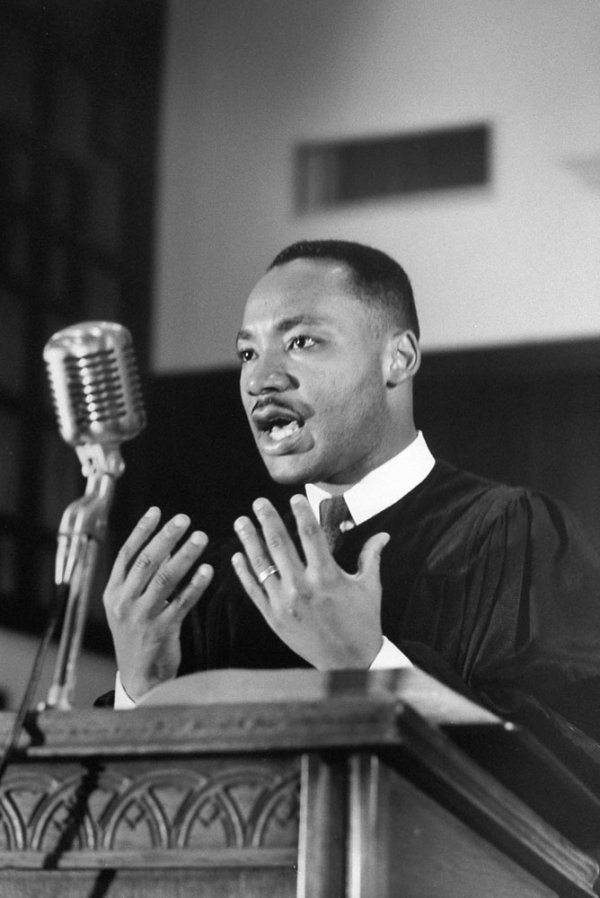
Today in America, we celebrate the life of Dr. Martin Luther King, Jr. Dr. King was a minister, a brilliant writer and student of theology, a leader in the Civil Rights movement of the late 1950s and early 1960s, a noted speaker, and man who arguably made a difference in the world. Dr. King was murdered in 1968, at the age of only 39, leaving a family and a nation devastated by his loss.
Next Monday, we will observe the 51st anniversary of the Supreme Court decision Roe v Wade, in which nine judges effectively legalized abortion in the U.S. for over half a century. Even though this decision has been overturned, many states, using the precedent of Roe v Wade, have changed their state laws to allow for abortion. In many states, it is now legal to abort a child right up to the moment of birth!

What is the value of a single life? Who gets to decide that they have the right to take another person’s life– whether by assassination, capital punishment, abortion, murder, or euthanasia?

It is a question that our society has struggled with for centuries. Who can give life? Who can take life? Who can determine the conditions of another person’s existence? And, for those who live, what is the “value” of their life–to their family, to their neighborhood, to their nation, or to history? Who gets to set the standard of what constitutes a “worthwhile” life or the “quality” of life for someone else? For themselves?

I’ve been reading through the book of Genesis this month, and, according to the Bible, this subject is as old as human life on earth. Cain decided that Abel’s life was expendable, so he killed him– the first murder. The people of Sodom and Gomorrah felt they had the right to enslave and rape anyone they wanted to. Joseph’s brothers plotted to kill him, before selling him into slavery, instead.

The Bible doesn’t hide this history, nor does it sugar-coat the actions of those featured in its pages. But, the Bible offers us a clear picture of WHO gives life, and WHO has the authority to decide what life is worth. God alone has this authority. It is God alone who can create and sustain life. Mankind has the choice– to protect life or destroy it; to treat life with respect or with disdain; to honor the Giver of Life, or to rebel against Him.

All the atrocities of the Old Testament lead to the ultimate decision on the value of a single life. Jesus lived a simple, ordinary human life. He lived with compassion, with purpose, and with humility. And He was willing to GIVE His life to atone for all the murders, all the abortions, all the slavery, all the injustices in history, so that WE could enjoy abundant, eternal life with Him. By looking to this singular life, and trusting in the power of His death and resurrection, we can choose to honor all life. We can make a difference. We can live with purpose and joy.

Dr. King’s legacy is one of honoring life, and pointing out the evils of those who seek to devalue the lives of others based on the color of their skin. Abortion’s legacy is one of destroying life, and promoting those who devalue the rights of the helpless.

The choice is still before us. How will we determine the value of a single life in the coming week? How will be add value to life on earth? How will we live for more than just the moment?

Blessed Are the Pure in Heart..

“Blessed are the pure in heart, for they shall see God.” (Matthew 5:8)

“Create in me a pure heart, O God, and renew a steadfast spirit within me.” (Psalm 51:10)

Photo by Min An on Pexels.com

I’ve been looking through the Beatitudes and how they relate to prayer. Jesus said that the pure in heart are blessed, for they shall “see God.” Have you ever spoken to someone who wasn’t looking at you? They looked past you, or around you, or down at their device, but they didn’t attempt to make or maintain eye contact. It can be disconcerting, and even rude. And yet, there are times when, with our divided hearts, we come into prayer without really looking for, or at, God.

Photo by RODNAE Productions on Pexels.com

At other times, our hearts cloud our vision, giving us a distorted view of God. We harbor sin or guilt, and we see God as unforgiving or unfair. We are holding on to our own will, and we see God as restrictive or demanding.

Photo by Andrea Piacquadio on Pexels.com

The pure in heart see God as He really is– Glorious, Merciful, Wise, and Just. They see evidence of His lovingkindness and faithfulness all around them. They see themselves through His eyes– beloved and forgiven–and they see others through the eyes of Grace.

This is not our natural state. We are NOT pure in heart. We are self-centered, self-absorbed, and self-conscious. King David recognized this profoundly when he was caught in his great sin of adultery and murder. In his own lust and selfishness, he had seduced the wife of another man, and when she became pregnant, David arranged to cover up the first sin–by having the man murdered. David was not a notorious scoundrel. He was even called, “a man after God’s own heart.” But when he was confronted with his guilt, David “saw” himself as he really was– not a victim of circumstance, or a martyr to passion, or a king who was above the law, but a man who had committed evil against others, and against a Holy and Sovereign God.

Photo by Nicola Barts on Pexels.com

David’s prayer was in line with his vision. Not only did he see himself as he really was; he saw God as HE really is: Holy and Just, but willing and able to restore David’s purity of heart. David’s God is the same today as He ever was. He longs to make us clean; to restore to us the joy of our salvation (see Psalm 51:12), and give us the power to pursue our purpose and leave our past sins behind.

Photo by Edu Carvalho on Pexels.com

When we desire to “see God,” we must desire this cleansing and restoration of purity. We can pray without it, but we cannot look at a Holy God with an unclean spirit. All we can do is look elsewhere– talking to the wall or the floor. God still hears us, but he wants to have a real conversation; one full of intimacy and understanding.

So, today, will I make “eye contact” during my prayer time?

Beyond Our Anger, Lord, Give Us Resolve!

There are a lot of angry people out there. They have ample reason to be angry. The world is filled with darkness, injustice, pain, sickness, violence, oppression..the list goes on. Such things should make us angry. Such things are wrong. They are destructive. They are evil.

Photo by Pixabay on Pexels.com

But anger, even justified, cannot heal. It begets more anger, and yet more evil in the name of vengeance. Anger alerts us to evil, but it cannot be allowed to fester and corrode all that is good.

God created us with emotions, like anger, but He desires us to bring them under His discipline to become instruments of good. All the way back in Genesis, God cautioned Cain in his anger https://www.biblegateway.com/passage/?search=Genesis+4%3A1-16&version=NIV God did not condemn Cain for his anger, but he warned him not to be mastered by it. Cain did not listen, and in his anger, he committed the first murder. God’s wrath against Cain was swift and terrible– God cursed the ground, so it would not produce for Cain; He drove Cain to wander in the barren wilderness. Even so, God put a mark of protection on Cain, and promised His own vengeance on anyone who would try to kill him. God’s mercy overwhelmed simple retribution. God had the power (and the right) to strike Cain dead. He chose to let Cain live with the dark consequences of his anger.

Photo by Pixabay on Pexels.com

God understands that we will get angry– He gets angry, too! But God sees beyond anger, beyond the immediate pain and rage that we feel when confronted with evil. God’s ways are eternal and Holy and right.

If we turn to God in our anger– if we cry out to Him and wait for His wisdom, He can turn even our anger and bitterness into something far better– resolve. We can resolve to bring good out of tragedy; we can resolve to work, and sweat, and pray, and stand firm in the midst of the storm. If anger is like fire– swift and destructive, then resolve is like a mountain–enduring and offering shelter, protection, and a fixed reference. Fire can scorch the mountain. But it cannot move it or destroy it.

Photo by Pixabay on Pexels.com

We are living in uncertain and evil times. Let us acknowledge it; even be angered by it. But then, let us bring our anger, our pain, our confusion– and our hope–to God. As God warned Cain, if we do not do what is right, sin will be crouching at our door, desiring to have us; to destroy us and drive us away from God’s presence. If we deny our anger, if we push it down and pretend that it has no power to touch us, we are playing with fire. But if we bring it to God, acknowledging the struggle, crying out in our pain, God can turn our anger into resolve– steadfast through fire and storm and wind and time. Solidly committed to what is good and right and truly just.

Photo by August de Richelieu on Pexels.com

Anger, violence, vengeance–all promise easy justice and powerful change. But once the fire of emotion and action has passed, we are left with ashes and death. But on the mountain of resolve, even the ashes become mixed with the good soil underneath to produce new life and growth. The good endures. The good resolves to endure. Goodness is eternal. Let us seek the good, and seek that God would, beyond our anger, grant us resolve.

Blog at WordPress.com.

Up ↑