“Praying” Favorites

There is a very dangerous mindset that many Christians fall into– that somehow, God has “favorites” among His children. That He listens to and answers prayer for certain people “better” or more often than others. As someone who has pursued a lifestyle of prayer for more than fifty years, I can categorically state that this is false. Time after time, the Bible teaches us that God does NOT play favorites. He listens to each of us and loves each of us with a boundless and eternal Love!

Yet, I often hear people say, “Please pray for me. You are a prayer warrior. God will listen to you.” Is this wrong? Is it wrong to ask others to pray for us?

Of course not. And it is good to find other Christians who are devoted to praying for others. We ARE “prayer warriors!” But that doesn’t mean that God listens to any of us more than anyone else, or that some prayers are somehow better or more powerful than others.

There are three aspects of this mindset that I think are particularly dangerous:

First– we can feel that our prayers are not important; that they are not “good enough.” Satan loves to have us wallow in our inadequacies and focus on our faults and shortcomings. Maybe I have trouble finding the “right” words when I pray. Maybe I don’t feel comfortable praying aloud in a group. And I hear someone else who sounds eloquent and polished. While that may impress or intimidate me, it cannot make a difference to God! NONE of us is “good enough” to impress God! He loves to hear from each unique and precious child! If we believe that God somehow has “favorites” in prayer, we will believe that He has favorites in other areas, too. That our gifts aren’t as “holy” as someone else’s, or that our faith depends on us working harder or doing “more.” And this is idolatry–saying that God’s grace is not sufficient for Him to accept us and bless us without some extra effort on our part.

Secondly– we can feel that prayer is for “other” people. If there are special people whose prayer lives are strong, then we can let them do the “heavy lifting” of praying, while we concentrate on giving or preaching, etc.. We SHOULD develop the particular gifts that God has given us– that is true– but prayer, just like spending time in worship, studying God’s word, practicing fellowship, and showing grace, is something everyone should be practicing. The Apostle Paul compared the Christian life to being an athlete or a soldier. We are ALL in training and part of a team. Prayer is not specialized training– it is basic and fundamental to the Christian Walk.

Finally–“Prayer Warriors” are fellow workers, not specialized saints. Some people practice prayer because they have more time to do so. Many of those who are considered “prayer warriors” are widows or widowers, retired, or even bedridden. Many of us are prayer warriors for a season. When we believe that God has “favorites” in prayer, we may elevate them beyond what we should. Once again, Satan loves to have us compare ourselves with others, rather than focus on how we can each serve God.

There are some Bible verses that speak to this, and many of them, taken out of context, can reinforce the wrong mindset. For example: James 5:16 says that the “fervent effectual prayer of a righteous man availeth much.” But the context is that of people praying for one another, not a single man doing the praying. It says more about passionate and persistent prayer than any identity as a prayer warrior among other “lesser” pray-ers.

First John 5:14 says, “This is the confidence we have in approaching God: that if we ask anything according to his will, he hears us.” That applies to any of us!

“The Lord is near to all who call on him,
to all who call on him in truth.” Psalm 145:18

“Call to me and I will answer you and tell you great and unsearchable things you do not know.” Jeremiah 33:3

“Let us then approach God’s throne of grace with confidence, so that we may receive mercy and find grace to help us in our time of need.” Hebrews 4:16

“But when you ask, you must believe and not doubt, because the one who doubts is like a wave of the sea, blown and tossed by the wind.” James 1:6

“If you believe, you will receive whatever you ask for in prayer.” Matthew 21:22

There are only two things that the Bible says about “better” or more effective prayers. We must pray in FAITH, and in OBEDIENCE, (or praying within the will of God). NOTHING else is required for God to listen and respond. We are all “prayer warriors.” Prayer is part of our warfare against the enemy. And while it is wonderful to come together and know that others are praying for you, it is also important to remember that God has no favorites. His Grace, Power, Protection, and Love are equally available to anyone who asks in faith! There may be millions of pray-ers, but only one Sovereign, All-Powerful, Majestic and Loving God!

Lions, Darius, and Prayers… Oh My!

The Biblical figure of Daniel is mostly remembered for being thrown into a den of lions as a punishment for praying to the God of Heaven in defiance of a new law (proposed by his enemies, who hoped to set him up). https://www.biblegateway.com/passage/?search=Daniel+6&version=NIV The story is a familiar one– so familiar that we sometimes pass over the context and details. I don’t want to retell the entire story, but I want to put it in context. There is a lot more than just a den of lions and a miraculous rescue.

First, the Book of Daniel is filled with loosely tied stories in the life of Daniel, an Israelite captured by the Babylonians, and living in exile over the course of over seventy years. By the time we get to chapter six, Daniel is likely in his late eighties or early nineties! He has served under at least five monarchs in two empires, and has seen the utter collapse of two major capital cities (Jerusalem and Babylon). Because of the episodic nature of the first half of this book, we have very few details of Daniel’s everyday life– we never learn if he was married or had children; if he was ever allowed to return to the land of Judah; or if he was able to use his position and influence to help other Jewish families or speak out against the idol worship and human sacrifice practiced by his captors. In the story of Belshazzar, it seems that Daniel had been relegated to a lower position within the palace during the years after Nebuchadnezzar’s death– Belshazzar did not know of him; only because the Queen remembered his ability to interpret dreams was Daniel summoned and brought back to court. The events of chapter six are unique and shocking to us, but not in the context of Daniel’s life.

There is a pattern that gets repeated throughout Daniel’s story– it is the confrontation of two great powers– Daniel’s faithful service to God puts him in opposition to the powers of his captors. He is a captive and a foreigner, but that is not what makes him (and his three friends) a target of powerful enemies. It is his prayer life and his obedient devotion to God that causes him to be singled out. In seven decades, that devotion has never wavered, and Daniel’s life of prayer has been consistent, both in private and in public. Daniel doesn’t have to argue, protest, or announce his devotion. When he is praised for his abilities, he quietly gives the glory and credit to God. When he is vilified and betrayed, he quietly waits for his vindication to come from the God he has trusted through the years.

Darius, (like Nebuchadnezzar and Belshazzar and others before him) is impressed by Daniel– enough that he appoints Daniel to a position of great power and authority within the kingdom. Daniel, because of his humility and integrity, is not threat to the rule of Darius–but he does pose a threat to those under him who are hungry for power and prestige. There will always be people in this world who will try to destroy what they do not understand or respect. Darius is not the author of Daniel’s dilemma, but a tool in the hands of corrupt officials. Daniel could have been hurt, enraged, or defeated by this decree from Darius– but he recognized that the real enemy wasn’t Darius, or the crooked satraps who put him up to it (or the hungry lions he faced) — the real enemy was the opposition to Almighty God and the refusal to acknowledge His authority. Darius is quick to learn that God’s power is real and absolute, and that God is gracious in his power, and loving toward his servants. The wicked satraps did not learn this lesson, and they perished.

Notice that, just as in the story of the fiery furnace, God did not remove the danger. Daniel’s friends had to go into the fiery furnace…Daniel had to go into the den of lions. And these were not just overgrown kittens. They would have been captive lions– just as Daniel was held in captivity! They were trapped in this den, unable to hunt for their food; dependent on the whims of their captors. They were kept in a state of uncertainty, fear, and hunger. They were desperate, and hurt, and angry. When Daniel is brought out of the den, and Darius orders the conspirators to be thrown in (with their families), the lions pounce with terrifying ferocity, not even letting the bodies hit the bottom of the den! God may allow us to face some terrifying “lions”– scoffers and rebels and desperate people who will try to take their anger and hurt out on us. Will we trust that God can stop their mouths while we wait for deliverance?

Daniel’s calm response to this entrapment was not the result of Daniel being “holier” than someone else, or more clever; God did not send him a vision of assurance that he would live to see another day. Daniel must have been terrified of facing several starving lions! At his age, he would not have had the strength to fight them. But Daniel’s obedience and trust won the respect of yet another ruler from a very different culture. And God’s miraculous rescue won the awe of Darius– so much so that he issued a decree throughout his realm to all peoples of every language in the kingdom to fear and tremble before the God of Daniel! Faithfulness, humility, and obedience always open up opportunities for God to display His Glory.

Just as Daniel was thrown alone into a lion’s den and sealed inside by a large stone, one day Jesus would be thrown into a tomb to face death and hell. He was sealed in with a large stone, but no one came to his rescue. He stood and faced our enemies– Sin and Death. His flesh was torn and crushed and His blood poured out, and He bore the wrath and punishment that we deserved, so that Sin and Death were defeated. And when He was finished, the stone was removed, and Jesus emerged victorious! His faithfulness, humility, and obedience let to Glory and Life. We may never face a literal den of lions– we may not be tested with persecution, but Jesus has already won the battle; He has permanently closed the mouth of our greatest enemy, and set us free!

Daniel’s prayer life is not marked by spectacular prayers of rhetorical magnificence. He isn’t known for fervent fasting and wailing prayers for the rescue of his nation (though he probably said many). Daniel is noted for his consistent practice of praying– good days, bad days; days of glory or ignominy; days of ease and days of uncertainty; days spent serving wise rulers, and days spent serving madmen and spoiled brats– Daniel quietly and faithfully went to God in prayer. He didn’t make a public spectacle, but he didn’t hide, either. Will we be faithful to seek God’s face throughout the day– in little matters and times of crisis; in praise and in pain; for our daily bread, our neighbor’s health, our nations’ revival, and our world’s salvation and healing?

Daniel– A Life of Dangerous Prayer

When we hear about the Biblical story of Daniel, we usually hear only the small story of Daniel and the den of lions. Daniel was thrown into a den of lions for refusing to obey the king. God shut the mouths of the lions and Daniel was saved. It is an amazing, miraculous, even incredible story. But what makes Daniel’s story truly amazing is to see it in perspective. I’d like to spend a couple of days looking at the larger picture of Daniel’s life.

Daniel, like most prophets of the Old Testament, was an ordinary person– yet he was different, too. Daniel was from the line of kings and the royal household of Israel. He was strong and intelligent, among the elite young men of the land. According to the Bible, he was also gifted with the ability to interpret dreams and visions– a gift of extraordinary importance that set him apart from others.

But Daniel was also a slave– a captive who was ripped from his homeland and taken by force to serve in the court of the Babylonian king. He was a stranger in a strange land; he walked a very dangerous line of trying to keep the favor of the king while dealing with very powerful and resentful enemies among the king’s other courtiers. Daniel stood apart–there is little mention of a family in Daniel’s story– Daniel faced many of his trials alone (except for God). And, while Daniel survived many extraordinary trials, he never received the kind of promise or fulfillment that we see in lives like Abraham or David. Daniel spent most of his life as a captive. He never returned to his homeland. He never saw the fulfillment of his great vision– in fact, he asked for clarification, and was simply told to go his way–he would understand at the end of time.

But Daniel has a lot to teach us about prayer– its power, its peril, and its promise.

In the first chapter of the Book of Daniel, we are told a very little about Daniel’s background and how he ends up in the service of the king. https://biblia.com/bible/esv/Dan%201 One little detail that stands out is that Daniel is given a new name– not by God, but by the Babylonian official who is his new “boss”. Daniel is to be known as Belteshazzar– “Protect the life of the King”. Daniel is used by God to protect, and even warn, the foreign kings who have taken him captive. Daniel faithfully serves his oppressors– he does not seek to betray them or plot revenge against them. But the new name doesn’t stick. We still know Daniel by his original name–“God is my Judge.”

Daniel’s first trial comes when he and his friends are selected for potential service to Nebuchadnezzar. They are to be trained and fed at the king’s own palace. They are to be assimilated into Babylonian culture, history, laws, etc. But Daniel refuses to be “defiled” by the royal food and wine. Instead, he and his companions ask for a diet of plain vegetables and water. Much has been made of this– entire diets and healthy living books have been based on just this simple request. I think such plans miss the bigger picture. Daniel’s request wasn’t about veggies or “strength training.” It wasn’t about eating smarter or being stronger and healthier than the other captives. It was about obedience to God AND to the very authorities who were offering the food from the king’s table.

There was nothing nutritionally “wrong” with the king’s food or wine, nor any particular virtue in the vegetables Daniel requested. But there were at least three good, Biblical reasons why Daniel may have refused to eat the king’s food. First, the Babylonian customs called for sacrifice to their gods–even human sacrifice in some cases! But much of the meat, fruit, and grain offered at the king’s table may have come from the temples. Food that had been ritually “offered” to the gods would be fit for the table of the king. But Daniel would not want to eat the food offered to these other, false gods– it would suggest that Daniel agreed that these gods were worthy of the sacrifices that had been offered– including infants. Better to eat plain food of any type than food that had religious implications. Second, the food was likely to be non-Kosher. God’s people were to be distinct, including in their diet. There were several types of foods forbidden to the Jews that would likely be on the daily menu of the palace–not just the foods themselves, but the way they were prepared. It’s not that these foods were not edible or nutritious, but God wanted his people to demonstrate discipline and obedience. Daniel did not want to compromise or cause trouble on a daily basis rejecting first this dish, then questioning that one…easier by far to simply request what he knew was in line with God’s ways. Finally, Daniel was being offered rich and decadent food while many of his fellow Israelites were starving in their captivity. To stuff himself full of the best food in the land would not change their circumstances– but it would change Daniel’s heart. This was more important than any particular diet. Daniel did not claim that his requested diet of vegetables would make him stronger or wiser or healthier than the others– he trusted that God would sustain him to be at least as strong and healthy as anyone else. And God did more!

It is important, also, to note that Daniel did not defy the king or demand special treatment. He won the respect of the official in whose charge he was being kept. He even helped the official overcome his fear of the king. Why is this important? Daniel was in a difficult and dangerous position. He was a captive– a slave in a strange land– with a golden opportunity. He was chosen to be in the elite group of young people who could serve with power and influence in the land of their oppressors. Daniel, in fear or seeking his own advancement, could have trusted to his own wits and the favor of the Babylonians. He could have abandoned his commitment to serve God in favor of serving the immediate whims of those around him. He could have determined that in his new situation, he should adapt to the new rules, even those that contradicted God’s word. Or, he could have been defiant and arrogant–demanding that the Babylonians recognize all the customs of his native land, including his Kosher diet. He could have encouraged his friends to lead a rebellion; he could have gone on a hunger strike to protest the king’s food. But the king had never commanded that the young people eat his food– he had merely offered it as an incentive. Daniel used wisdom and tact. He won the trust of the official by suggesting a trial period of ten days to see if the “alternative” food plan would prove acceptable. He didn’t place his trust in his own actions– he placed his trust in the true Judge and offered faithful service– both to God and to Nebuchadnezzar.

No matter our circumstances today– whether we are in a palace or a prison; whether we are free or enslaved– God sees us. He will judge, not only the actions of our oppressors, but our response to oppression and hardship, and mistreatment (or our oppression and mistreatment of others). May we, like Daniel, turn to the true Judge, and walk worthy of His Name today.

That Voice in Your Head

Most days, I post about Pursuing Prayer from the “praying” end…how do I pray, what attitude do I have about praying, why do I pray, etc.

Today, I want to explore the “responding” end…how do I know when God is answering my prayer, or what he’s asking me to do in response to his will?  While I don’t have a complete answer, I do want to share some wisdom– some from experience and some from Biblical principles and others’ testimony.

Isaiah 55:8-9 English Standard Version (ESV)

For my thoughts are not your thoughts,
    neither are your ways my ways, declares the Lord.
For as the heavens are higher than the earth,
    so are my ways higher than your ways
    and my thoughts than your thoughts.

God moves in a mysterious way, His wonders to perform. He plants his footsteps in the sea, and rides upon the storm. William Cowper

It often surprises people to learn that “God works in mysterious ways” is not actually in the Bible.  God’s ways are NOT our ways, and his thoughts are not our thoughts, but his answers to prayer are not always obscure and unknowable.  God does not delight in vexing us and making us guess and second-guess his will.  It would be easy if God always answered our prayers with a flashing neon sign that gave a simple, one-sentence directive– “Take two aspirin and call me in the morning.”  “Click your heels together and say, ‘There’s no place like home.'” “Hakuna Matata.”  But pithy platitudes and easy answers are not God’s way, either.  God created each of us as a unique reflection of his divine image– his answers will be uniquely designed to fulfill his will and meet our deepest needs, not always in ways we expect or understand.

pexels-photo-942317.jpeg

So how do we discern God’s will when there is no neon sign or simple answer to our prayers?  Here are a few guiding principles:

  • God will NEVER answer your prayer by contradicting himself or compromising his holiness.
    • God will not answer your prayer for money by giving you an opportunity to cheat or steal.  He will not answer your prayer for a husband by throwing you into the arms of someone else’s.
    • Just because God doesn’t send a lightning bolt or physically stop you from doing something doesn’t mean that he has given his OK.  If he ALLOWS you to sin, that doesn’t mean that he APPROVES of your sin or that it is his answer to your prayer.
    • God will never ask you to do harm to yourself or others as an answer to your prayer.  Vengeance, sacrifice, atonement, and retribution are the province of God alone.  I believe that God asks us to be vigilant in defense, and allows us to take up arms in defense, but to initiate a feud, to seek personal vengeance, or to act out vigilante justice is to flout both God’s authority and the authority of the powers God has set in place over us.
  • God MAY use circumstances or people to answer your prayer.  But the same principle above applies– circumstances that lead to sinful actions are NOT God’s answer to your prayer; people who advise you to do what you know is contrary to God’s holiness are not sent from God– no matter how appealing the prospect, no matter how powerful the person or persons.  That being said, God may choose to use the most unlikely of persons or events to bring about a resolution to your need–LET HIM!  Don’t judge a gift by the size, the shape, or the wrapping paper!

gift-made-surprise-loop-39006.jpeg

  • God may use time to answer your prayer.  I prayed for a husband from the time I was a young girl– I married at age 46.  Waiting doesn’t mean that God has forgotten about you; it doesn’t mean that you aren’t worthy of an answer or ready for an answer– sometimes your answer isn’t ready for you!  There are two caveats I want to share from my own experience of waiting for an answer:
    • Don’t give up!  God knows the desires of your heart– but keep praying anyway.  Well-meaning people will say awful, hurtful things– that you aren’t praying enough, or praying the “right” way; that you must be hiding un-confessed sin; that you need to try some other way to get what you want, or to hurry God along.  In my case, I had people trying to fix me up, suggest dating services, remind me that my “clock” was ticking (it was broken, but they didn’t know that), or suggest that it just wasn’t God’s will that I marry, and I should pray for him to take away the desire for a husband.  Listen to folks like this (if you must) with half an ear and less than 10% of your heart– let them cause you to re-examine your heart and your desires, but don’t let them cause you to give up or doubt God.  That was not their intention, but it can often be the result of their ill-considered words.
    • Do the next right thing.  Doing nothing while you wait for the perfect answer gets you nowhere.  Wringing your hands and pacing gets you nowhere.  God wants our trust and our obedience.  As we wait for more specific direction, we need to trust that doing the next right thing IS the RIGHT thing to do.  This was the hardest lesson for me, but the one I most needed to learn.  So while I waited, I moved ahead step-by-step.  I made a lot of friends, gained a lot of experiences, and learned about marriage by watching the examples of others (both good and bad).  I got involved working with children, first as a secondary teacher, and then as a librarian.  I got to spend nearly thirty years of my working life surrounded by young people.  I got to laugh with them, love on them, mentor them, dream with them, discipline them, and cry over them (and send them home).  I didn’t just “settle for” a single lifestyle– I learned to embrace it.  I learned to be grateful for the wonderful opportunities I had as a single woman, and to anticipate the changes that marriage would bring, should it come along.  I learned that marriage should be a means to an end, not the end itself– that marriage done right is not about my growth and fulfillment; not even about his growth and fulfillment; but about OUR growth together and toward Godliness.
  • Trust “that voice in your head”– (not the one that speaks out loud and gets you strange looks!) –but your God-given conscience, and the guidance of the Holy Spirit.  “That still, small voice” is often the most personal way God speaks to us.  In my own life, it was taking the risk to leave a career I loved (teaching) to reach for a deeper dependence on God.  I left the security of my teaching position for three part-time jobs (at one point), no health insurance, and a move to a new community where I knew virtually no one.  I had other choices, other more appealing options, chances to reconsider.  I wasn’t being pushed out of teaching–in fact, I left just as my options at the school were opening up for bigger and better things.  Yet I felt compelled to leave.  I had no safety net waiting– I ended up in libraries, but that wasn’t my original plan.  There were many people counseling me to reconsider– and their reasons were compelling.  But as I stood firm, other voices came along to encourage me.  I believe they were sent by God to confirm that this risk was from him and for my good.
  • Don’t trust “that voice in your head”–No, I’m not trying to confuse you or contradict what I just said.  But this is another caveat (see above).  We are told to “test the spirits”, and sometimes, that voice in your head is NOT the Holy Spirit.  In the case I mentioned above, I had to follow all the other principles of discerning God’s will.  In my case, leaving teaching did not violate God’s holiness or come about because I wasn’t willing to follow God’s leading–I wasn’t leaving teaching to try my hand at a get-rich-quick scheme, or because I had lost my desire to work with students, or had lost faith in God’s sovereignty in my life.  God DID use circumstances and people to confirm my decision and help me grow through the experiences that followed.  God used time to help me transition from schools to libraries, and prepare me for other opportunities, including short-term missions trips and marriage.  I can’t even begin to list all the ways I tested and examined what I felt God was leading me to do before I made the leap.  That much testing may not always be necessary, but we need to be careful not to rely on our own understanding (Proverbs 3:5-6), but to Trust in the Lord with all our hearts.  He WILL direct our paths when we do that.

pexels-photo-618955.jpeg

  • Finally, Pray for it– pray for discernment, for wisdom, for strength to do the right thing!  Won’t God DO IT!

Dance With Me

Have you ever had an “earworm”? You know– a popular song, often one that’s been overplayed, and you stopped liking it ages ago– “that” song pops into your head and you can’t seem to make it stop. Maybe it’s the theme song from The Flintstones, or a Celine Dion ballad that was wonderful the first fifty times you heard it on the radio; maybe it’s a commercial jingle, or Darth Vader’s theme from Star Wars. Whatever it is, it seems to follow you all day, or even all week.

I had an earworm the other week. It was a song that was popular a few years ago by a group called “Walk the Moon.” My husband and I took a brief vacation, and it seemed like every time we stopped to get a bite to eat, this song was playing. It’s called, “Shut Up and Dance With Me.” It’s a peppy, upbeat tune about a young man who meets his dream girl at a dance and decides that he and the woman are destined to be together forever. But instead of listening to his protestations of instant love, she simply pulls him onto the dance floor, saying, “Shut up and dance with me.” Pop music magic.

I say all this to set up an unexpected revelation. With this earworm playing in my head, it seemed to be distracting me even as I was trying to pray and read my Bible each morning last week. “Please, LORD, make this go away!” But there it was, just the same. Certainly not a song that Jesus would want me singing–even silently, right?

But then, I thought about the subtle message of the song– beyond the “love at first sight” and slightly pushy feminist vibe– “Stop talking. Stop trying to analyze everything. Just enjoy this. Engage with me. BE with me in the moment. Follow my lead.”

And suddenly, I could hear Jesus calling me. He would never use rude language, but how often does He gently ask me to stop fretting or trying to learn more about Him, when I could enjoy being with Him in the moment? When He invites me to “follow” Him, do I think of it as a summons to trudge along behind Him in grim obedience? Or do I see it as an invitation to let Him lead me in a dance? Last week, I wrote about following Jesus “more nearly.” Am I letting Him lead me through the valley of the shadow of death (Psalm 23) or lead me in a dance at the Wedding Feast of the Lamb (Revelation 19)? I think He asks us to do both.

Prayer doesn’t have to be solemn all the time. Yes, I need to acknowledge that Christ is far more than a dance partner at a discotheque. But Jesus wants to celebrate our relationship, to revel in it. There will be days of sorrow, pain, and grieving in this life. But there will be other days, now and throughout eternity, when Christ’s simple request is “dance with me!” Accept my blessings. Choose to revel in My Presence! May today be one of those days!

“To Love Thee More Dearly…”

How can I love Jesus more than I already do?  If I can love him more, does that mean that I don’t love Him enough?  That I don’t really love Him as much as I think I do?  That I love Him the wrong way?  How can I “love thee more dearly…day by day”

I want to explore the second prayer in the folk rock song “Day by Day” from the musical “Godspell” (see my last post).  When I write about pursuing prayer, this is a major focus of the pursuit– to develop my love for Jesus.  But there’s more to it than just spending more time, or even “better” time in prayer.

silhouettes of couple kissing against sunset

I love my husband, and that love grows over the years– not because we are in an eternal “honeymoon” period, where life is rosy and all I know about him is the wonderful image I’ve built up–but because in living with him, working with him, even struggling with him, I learn to value who he really is.  I learn about qualities I never knew he had.  I learn to trust him and respect his judgment; I learn about the deepest part of his heart that he only shares with those closest to him.  And even though I learn about his faults, I see him desiring to be the best that he can be.  In his turn, my husband does the same with me– learning my strengths and weaknesses.  Together we learn how to work together to strengthen and support each other.  We even learn how to argue better!

But we all know marriages (and no marriage is immune) where doubt, distrust, disdain, and despair creep in.  The very qualities that attracted us in the beginning become sore spots that tear us apart.  The joy is swallowed up in little hurts that go unresolved; little misunderstandings that grow into lengthy silences and slammed doors.  Struggles that should bring us together cause us to run to separate corners.  Our feelings change, our hopes are dashed, and our relationship crumbles

woman and man sitting on brown wooden bench

Relationships require trust–if I say that I love God, but I don’t trust Him, I’m not being honest with myself.  If I pray to Him, but I don’t really think He’s listening; if I read His word but make excuses for my continued disobedience–I don’t really love Him.  I may idolize Him, even worship Him.  But I don’t really love Him.

adults couple couple walking grass

Unlike a marriage partner, family member, or close friend, God’s love for us never changes.  We never have to pray that Jesus should love US more dearly.  It’s impossible.  The same love that spoke the universe into being and designed you to be the awesome and unique person you are, is the same love that stretched out his arms so they could be nailed to the cross– the same love that calls out to you no matter what you’ve done or who you are and offers you peace, joy, and rest.  Loving Jesus isn’t a matter of measuring how I feel about Him from day to day, but spending each day learning to know Him better for who He is and not just what He has done or what He can do for me.  The prayer should be for me to really learn better how to honor Him, how to trust Him, how to obey Him, praise Him, listen to Him, and walk close to him.

More about this last one next time…

Adonai–LORD

I’m choosing to focus for a few posts on the Names of God– titles, descriptions of His Character–that we can (and should) use in thinking about and praying to God. Today, I want to look at the term LORD, or Adonai, and what it signifies.

In English, we use the word “lord” to refer to someone who has power or authority over something– think “Lord of the Rings” or “lord and master”– someone with the power to control. In Hebrew, the word “Adonai” also means “Lord”, but in the plural form, denoting special respect or reverence. In the Bible, when we see LORD (in all capitals), it refers to the ONE who has power over all things– THE LORD, or MY LORD. (For a more detailed explanation, see https://www.christianity.com/wiki/god/what-does-adonai-mean.html)

There is an interesting passage in Jesus’ Sermon on the Mount in which Jesus uses the term “Lord.” He warns that not all those who use the phrase, “Lord, Lord” will enter the Kingdom of Heaven.

21 “Not all who sound religious are really godly people. They may refer to me as ‘Lord,’ but still won’t get to heaven. For the decisive question is whether they obey my Father in heaven. 22 At the Judgment many will tell me, ‘Lord, Lord, we told others about you and used your name to cast out demons and to do many other great miracles.’ 23 But I will reply, ‘You have never been mine. Go away, for your deeds are evil.’ (Matthew 7:21-23 The Living Bible)

We can use the name “Lord” and still not understand how fully Sovereign and Holy He is. When we acknowledge Jesus as “Lord”, we may simply mean that we think of Jesus (and the Father) as a “Lord” over certain aspects of our lives– He controls the weather, or we can pray to Him to change our present circumstances or make someone else do what we can’t make them do. But Jesus is not just a “Lord.” He is THE LORD–He is Adonai. This name (when printed in all caps) is often used as a substitute for the given Holy Name of God (Yahweh or YHWH). It IS who He IS– the One LORD over all creation. The One who is the Master of ALL. If we call Him, “Lord,” but ignore what He says, and only turn to Him as a last resort, or use His name only to sound Righteous, we are literally taking His Name in Vain and breaking the third Commandment!

What amazes me is that THE LORD of the universe wants to hear from me! He has no need of a relationship with me; there is absolutely nothing that I can bring to Him– even my obedience is only an acknowledgement of who He already IS, and the power He already has over me. He CAN make me obey Him; He has the power to circumvent my will and impose His will upon it. Yet, He chooses to ask me to follow Him; He not only tells me to obey Him, He tells me why and how! And He gives me the power (through His Holy Spirit) to do it!

God is ADONAI– He is THE LORD! And He is patient, compassionate, and humble. When Jesus came, lived among us, and died on the cross, it wasn’t because any of us deserved His substitutionary sacrifice for our Sin. It was an extension of His nature AS “LORD.” And isn’t that worth a prayer of worship today!

Forgetting the Names of God

My given name is Lila June. I was named after my great-grandmother, Lila, and my aunt, Ila June. I have never used a nickname or my middle name, but my Aunt June rarely used her given name of Ila. In fact, she used it so seldom that she forgot it. Not literally forgot that it was her name but forgot that anyone might use it to refer to her. She and her husband lived on a series of Army bases, and when she went to the doctor’s office, they used the name on her official paperwork. A nurse would come out and call for Ila to come back to see the doctor. Startled at first, she looked around the waiting room to see who else could possibly have the same unusual name– only to hear the nurse call for Ila Mellinger! SHE was the Ila being called. But it took her a few moments to respond.

I was reminded of my aunt, and her name, this week. On my Facebook feed, there was a short video by a pastor. In the video he was lamenting that, in his view, the modern Christian church is so focused on practical Christian living– on good deeds and kind words; on outreach programs and building projects– that we have lost sight of WHO GOD IS! We serve the church; we serve the community; we serve our own notion of what makes us “good people,” but we do not serve God, because we don’t really know Him.

He was placing much of the blame for this on other pastors and institutional leaders– saying that they were at fault for not teaching the names of God. I’m not sure I totally agree with him. I think there is some merit in what he said, but ultimately, when I stand before the throne of judgment, I’m not going to be asked whether my pastor taught me the names of God. I will not be asked how much I knew ABOUT God. I won’t even be asked whether or not I know God–I will either hear that my name is in the Lamb’s Book of Life, or it isn’t! My pastors might face judgment for how true they were in teaching the Gospel, but my mission is to know God experientially. It is MY job to learn who God is, and to follow Him— to trust and obey Him.

But I DO agree that modern churches spend less time on this subject than I remember in my church growing up. Not because we spent so much time on the list of individual “names” of God, but we spent more time in worshipping God for WHO HE IS, and not for what he’s done for me, or what I can be doing for Him, saying about Him, or “identifying” as a Christian, a Christ-follower, or a Believer (and all the tiny differences in meaning that those terms might have).

Part of that comes from the habit of studying the Bible as a narrative. We used to study the “patriarchs” of the Old Testament, the “red letter” words of Jesus Christ, and the letters and “acts” of the Apostles. In fact, it is no longer politically correct to even use words like “patriarchs,” and out of fashion to teach the Bible as historical fact. But there is a value in studying this way– not because the characters are mostly men, or even because they are “heroes of the Faith.” It is important to study them precisely because they are so flawed and broken and in need of a Savior– just as we are! And as they encountered God or walked with Jesus, they saw Him– and NAMED Him– for all of His attributes.

In the Old Testament, He is Yahweh, Jehovah, the LORD. He is Almighty. He is the God who sees, the God who hears, the God who saves, the God who provides, the God who saves, the All-sufficient One, the Lord (who) is my Shepherd, the Most High God, the One whose name is a Strong Tower, the Everlasting God and the Lord of Hosts, among others. Jesus, the promised Messiah, also has a host of names, including Wonderful Counselor, Mighty God, Everlasting Father, Prince of Peace, Lion of Judah, Son of God, Son of Man, Emmanuel, Light of the World, the Living Word of God, Savior, Master, Redeemer, Rabboni, the Bread of Life, the Living Water, the Lamb of God, the Risen Lord, the Alpha and Omega, and many more. What a rich picture of God we get from His Names!

I also remember the old hymns and worship songs doing a better job of helping us to see the God of the Bible. I know we have modern worship songs that include God’s many names and attributes, but others seem to concentrate, not on who GOD is, but who I AM because of God–I’m forgiven, I’m a Child of God, etc. I miss the old hymns that remind me that God is a Mighty Fortress, He is my Vision, my Blessed Redeemer, the Rock of Ages, whose grace is Amazing, and whose Love is “greater far than tongue or pen could ever tell!”

I don’t want to “forget” any of the many titles and attributes of my Father, His Son, or the Holy Spirit. When I lose track of them, I am less likely to worship, less likely to obey, and less likely to turn to Him first in every situation. As we close in on Easter this year, I want to spend some time looking at some of His many Names. But for today, I want to take a deep breath, and worship the one who is “worthy, O LORD, to receive Glory and Honor and Power” (Revelation 4:11).

April Fools

Yes, I know I’m early– April begins tomorrow, and the first of April is known as “April Fool’s Day.” It’s a day for pulling practical jokes and trying to “fool” people with fake news stories (actually, that can happen any day of the year, but it’s usually more obvious on April first). And when people tomorrow sit on a whoopee cushion, or bite into a frosted bagel, thinking it’s a donut, or they pass on a “breaking” news story about alien invasions, they will be laughed at and labeled “fools.”

But the Bible has a different outlook. We laugh at people who are deluded by headlines and gags; God warns us not to be deluded by our own thoughts and feelings.

The fool says in his heart, ‘There is no God.’ They are corrupt, their deeds are vile; there is no one who does good. The Lord looks down from heaven on all mankind to see if there are any who understand, any who seek God. All have turned away, all have become corrupt; there is no one who does good, not even one. Do all these evildoers know nothing?” Psalm 14:1-4 (NIV)

This doesn’t mean that corrupt people are corrupt merely because they are stupid, ignorant, or gullible, or that those who claim “there is no God” just don’t know any better. In fact, many atheists and agnostics know more about Biblical scholarship that most people who claim to be Christians! And many who claim to be Christians behave as though they don’t believe in or have any reverence for God!

What it IS saying is that even intelligent and well-read people can “fool” themselves into believing that God is irrelevant to the way they live their lives. Because they have not seen God act in dramatic fashion to bring justice– either punishment for their own corruption, or punishment for someone else’s injustice against them, they have concluded that God does not see, does not care, does not answer, or does not exist. They may be intelligent; they may even have a personal moral code of a sort. They may even base their “personal” morality on principles from the Bible. But they deny that God has any power or authority over their life. And this is just as true in the lives of people who carry the name of Christ as it is among atheists!

So why does the Psalmist call such people “fools?” Because God DOES see, He DOES bring Justice, He DOES answer– in His way and His timing. And when we forget that, or refuse to come to terms with that, we begin thinking that WE are in God’s place– that WE have the power and authority to do whatever we think is right or just and we can ignore God’s word, His warnings, and His sovereignty–or whatever parts of those we find inconvenient.

And many “fools” live their lives believing they are smarter, cleverer, and wiser than those who revere God. After all, their life circumstances are not so different from those who practice reverence and obedience– often they are wealthier, healthier, and more successful than their neighbors! What is the “reward” of being humble, obedient, and following a lot of “outdated and irrelevant” Biblical principles? In fact, on the face of it, it looks as though Christ followers are the real “fools!” We cannot “prove” God’s power in our lives if we are acting in our own power or measuring our life only through our current circumstances.

The Apostle Paul addresses this in 1 Corinthians, where many new believers were doubting the truth of the Resurrection. This is a central teaching of the Christian church, and yet it is a difficult reality to explain and teach to those who do not believe in life after death. A person who adopts a set of moral principles– even those taught by Jesus Christ– but doesn’t believe in the Resurrection of Christ can’t truly be called a “Christ-follower” or a “Christian.” But without the Resurrection, there is no life-changing power in a mere set of man-made rules, or the teachings of a dead folk hero.

We have preached that Christ has been raised from the dead. So how can some of you say that no one rises from the dead?  If no one rises from the dead, then not even Christ has been raised.  And if Christ has not been raised, what we preach doesn’t mean anything. Your faith doesn’t mean anything either.  More than that, we would be lying about God. We are witnesses that God raised Christ from the dead. But he did not raise him if the dead are not raised.  If the dead are not raised, then Christ has not been raised either.  And if Christ has not been raised, your faith doesn’t mean anything. Your sins have not been forgiven. Those who have died believing in Christ are also lost. Do we have hope in Christ only for this life? Then people should pity us more than anyone else. But Christ really has been raised from the dead. He is the first of all those who will rise from the dead. 1 Corinthians 15: 12-20

How does this relate to the pursuit of Prayer? If we pray to someone who “might” exist or who “may” hear us when we call, if we pray to someone who “probably” has the power to heal the sick or break the power of addiction, we really aren’t praying– we are foolishly practicing wishful thinking–we are gambling with our faith. AND, if we are praying, but then acting as though God won’t answer, we will not wait for His wisdom or wait to see His power at work in our lives. Instead, we will act on our own convictions, with our own limited understanding of the consequences (intended AND unintended) of our actions.

We can pray with confidence because God is Real; He really is Good; and because Christ really did rise from the dead in Power and Glory. Otherwise, we are praying in the mushy desire that God will rubber-stamp our requests, or that our daily circumstances are greater than God’s eternal promises. Let’s not fall into “foolish” thinking tomorrow– especially as it applies to the power of Prayer!

The Price of Discontent

If anyone teaches a different doctrine and does not agree with the sound words of our Lord Jesus Christ and the teaching that accords with godliness, he is puffed up with conceit and understands nothing. He has an unhealthy craving for controversy and for quarrels about words, which produce envy, dissension, slander, evil suspicions, and constant friction among people who are depraved in mind and deprived of the truth, imagining that godliness is a means of gain. But godliness with contentment is great gain, for we brought nothing into the world, and we cannot take anything out of the world. But if we have food and clothing, with these we will be content. But those who desire to be rich fall into temptation, into a snare, into many senseless and harmful desires that plunge people into ruin and destruction. 10 For the love of money is a root of all kinds of evils. It is through this craving that some have wandered away from the faith and pierced themselves with many pangs.
1 Timothy 6: 3-10 (ESV)

This past week, I have really been struggling with discontent. There are things I want that I can’t afford; things I want to accomplish, but I have other obligations that eat away at my time and energy. I want to lose weight and exercise more– the spirit is willing– but my body and will-power are weak. And I spiraled down into anger, frustration, depression, and comparison. It’s been an ugly week. Instead of thanking God that we have enough money to pay the bills and buy groceries, I complain about the price of the groceries and bills, and the lack of money left over for entertainment or new clothes I don’t need.

“Godliness with contentment is great gain” (v.6). It’s a verse I learned as a girl, and yet I’m still struggling with the concept. Part of that, I think may be that our culture’s teachings clash with the Bible. There are people in our culture– even pastors and Bible teachers– who twist the Gospel so that, as Paul says they (imagine) that godliness is a MEANS of gain. (v. 5). And I have listened to, and bought into, that concept– that God rewards (financially, socially, physically) those who practice “godliness”. But what kind of godliness bargains with God for reward? What kind of godliness leads to discontent and anger?

No. Godliness is not a game or a role to play at. It is, much like prayer, a pursuit and a lifestyle. It is discipleship– following the example of Christ’s life and teachings– changing the way I think and the way I live. And no amount of “following the principles” on my own will lead to that kind of change, because my motive will always be “gain.” Whether gaining money, or status, or achievements and accolades, this type of sham godliness will leave me discontented. And the price of that discontent will be my life.

 The thief comes only to steal and kill and destroy. I came that they may have life and have it abundantly.
John 10:10 (ESV).

Jesus did not come to earth to gain fame or fortune. He was despised by many and crucified by the religious authorities of his day. He was misunderstood, and he was, in worldly terms, a failure. He was homeless, childless; there were no monuments to His achievements, no medals or honors bestowed on Him by the rulers of the day. BUT He came to make it possible for us to break the chains of Sin, guilt, worry, jealousy, and discontent. Jesus saw suffering around Him. He saw people with beautiful houses, high social status, productive farms or businesses, and great political power. But He was not drawn to them. He was content to do the Father’s will; content to travel from town to town, talking with lepers and prostitutes, with tax collectors and beggars. And His life changed the world! It is because of His life, death, and resurrection that I can have eternal life and abundant life now and forevermore (John 3:16).
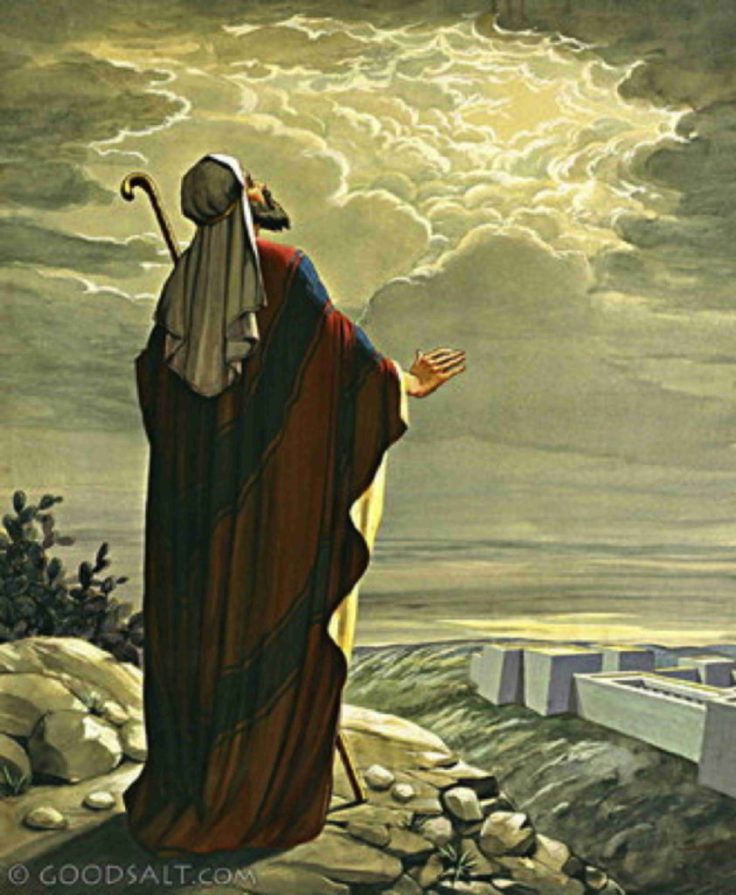
That doesn’t mean that I have everything I want, or that I don’t have to struggle in the present. And it doesn’t mean that I am comfortable and complacent with what I do have. Sometimes, life is difficult and doesn’t seem very “abundant” in the moment. I still have bills. I still have diabetes. And I still have ambitions and unrealized goals. I just need to remember what the Gospel is really all about. It isn’t about becoming rich or well-respected, or productive in the eyes of the world. My life may be quietly abundant in the things that really matter– peace with God, time with family and friends, opportunities to reach out with hope and encouragement to those who need it, seeing beyond the moments of life to the value of life itself.

“Godliness with contentment” isn’t about wealth or achievement. It’s about the journey– and taking this journey WITH God–walking at His pace, walking where He tells me to walk, walking toward a greater goal. Discontent takes me along a different path– one that will never result in a life that is truly abundant and worth living. I waste my days wishing for this or regretting that or envying someone else’s victories instead of being able to join with them in celebration. It teaches me to be frantic, restless, and angry with myself and others. It leaves me exhausted and unfulfilled.

Money, fame, achievement– none of these is the “root of all evil.” Rather, it is the love of ANYTHING that displaces my “first” love for God that is the root of all kinds of hurt, grief, disappointment, and waste.

Blog at WordPress.com.

Up ↑