A Bulwark Never Failing…

“A Mighty Fortress is our God; a bulwark, never failing..”
These words are known and sung (in various translations and languages) around the world. But Martin Luther wrote this song over four hundred years ago. What relevance can these words have in an age of nuclear bombs and globalized economies and climate change? What do they mean to us today?

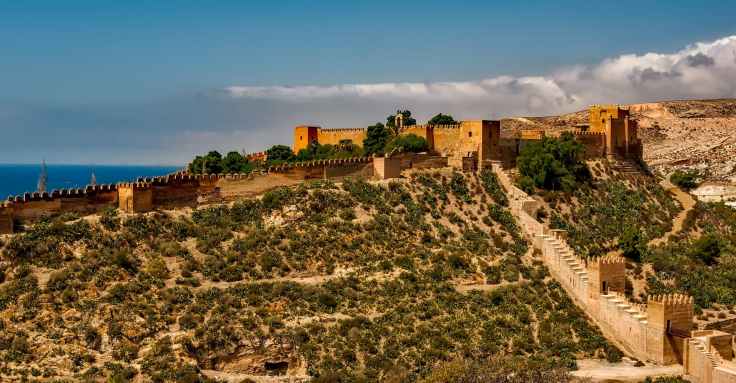
I don’t live in a nation of many castles. There are two stone “mansions” in the small town where I live. They seem tiny compared to mansions in other parts of the U.S. and the world. And we have a small armory; home to a National Guard outpost. But a mansion (or even an armory) is not the same as a castle or a fortress. Mansions are built to be impressive; armories are built to be immediately prepared for disasters or attacks; castles are built to be impregnable and permanent. Our God is not just a fortress; one outpost among many mighty gods– He is The Mighty One–uniquely sovereign, eternally victorious, and perfectly protecting all within His power.

And this protection doesn’t depend on my might or fighting ability, or my weapons or strategies. It depends on my being inside the fortress, safe and sound. The war rages all around, but it cannot defeat me, so long as I am in the fortress.

There are mighty castles, forts, towers, citadels, and walls around the world– all built by people and victims of the ravages of war, time, weather, fire, bad management, etc. Over the years, types of fortresses have given way to new weapons designed to bring them down. Wooden forts are susceptible to fire; stone castles can be brought down by catapults, battering rams, and bombs. Underground bunkers can even be ruined by earthquakes or nuclear assault. And yet, we are still amazed at the power and legacy they represent. Many have stood for hundreds or even thousands of years. But God is eternal; His might and protection will never fail. No weapon forged or imagined can triumph over His power and sovereignty.

Prayer brings us into the safe and powerful presence of God Almighty. There is nothing of our worries, our guilt, our doubts, or the accusations of the enemy that can shake the foundations of God’s fortress. And the cornerstone is none other than Jesus Christ– unshakable, victorious, and eternally one with the Father and the Spirit.

That doesn’t mean that we won’t ever find ourselves in battle, trusting in God’s armor against the arrows of the enemy. But the war is already won– His Kingdom is forever! And ever!

Now I Lay Me Down to Sleep..

Now I lay me down to sleep;
I pray the Lord my soul to keep.
If I should die before I wake,
I pray the Lord my soul to take.

I learned this prayer as a child. It seemed very grim, and pessimistic. As a child, I spent very little time (as little as possible) thinking of my own mortality, or the state of my soul after a day of playing with dolls or running around outside. I was blessed with a safe and easy childhood. Of course, I had days of sickness, a bout of chicken pox, the loss of a pet, news of neighbors who had died in war, fallen to cancer, or been killed in accidents–moments that caused me to reflect a bit more. But I didn’t want to think about serious things. I wanted peace and happiness.

As a younger adult, I came to the conclusion that prayers like this were old-fashioned, and designed to scare vulnerable children into a false faith based on fear and gloom. Shouldn’t children learn about the Love of Jesus and the Mercy of the Father, instead of worrying about death and eternal doom of their soul? Prayers like this would be “bad” for young children; traumatic and disturbing. Better to teach them prayers that were sweet and light, and full of only the goodness of God.

Lately, however, I remember things a bit differently. Yes, there is gloom and doom in this old children’s prayer, but there is also comfort, Love, and Mercy. As a child, I could “lay me down” to sleep in peace, knowing that God would, indeed, keep my soul from harm. I didn’t expect to die, but when I woke up dreaming of monsters, or suddenly became aware of mortality, I didn’t have to stay fearful. God is bigger than any monster; bigger then Death. I could not trust anyone better, mightier, or more capable than the Lord to keep my soul, or to “take” it safely to its final destination. I learned about the Goodness of God, but I also learned about stark realities– the persecuted Church, war, famine, injustice–things that God wants me to confront, and endure, and lift to Him in prayer. And for every “gloomy” reality, there are stories of victory and joy, faith and resilience, love and grace– because God is standing by, ready to rescue and reassure and redeem.

Bedtime prayers are a great comfort to me now. And they are also important prayers in my Christian Walk. It is at bedtime that I can reflect on God’s goodness throughout the day. I can be thankful for all the blessings God has given me, and for all the ways He has guided me and protected me– often without my knowledge and in spite of myself! Instead of worrying, tossing and turning, trying to “figure out” tomorrow, I can lift my burdens to God, knowing that I won’t face anything tomorrow alone! I can reflect on all the times I thought I couldn’t make it, but God made a way! And I can confidently rest in the hope that nothing can separate me from God’s loving care. Not yesterday’s guilt, nor today’s failures, nor tomorrow’s unknown (or imagined) trials– not even death!

I am old enough now that mortality plays a bigger role in my thoughts. I have lost my parents, my grandparents, aunts and uncles, classmates, co-workers, neighbors, and friends. I’ve experienced both great joy and great sorrow. But I need not be afraid of disease, dilemmas, or death. I need not worry about the state of my soul. I may have griefs, aches and pains, and worries about tomorrow. But I can “lay me down” in peace and patience, knowing I have a Good, Good Father whose love has surrounded me for over half a century. I can “Hush” all my fears, and sleep like a baby, knowing my God is always standing right by my side.

Over There…

Over there, over there,
Send the word, send the word over there,
That the Yanks are coming, the Yanks are coming,
The drums rum-tumming everywhere.
So prepare, say a prayer,
Send the word, send the word to beware,
We’ll be over, we’re coming over,
And we won’t come back till it’s over over there.

“Over There” by George M. Cohan, 1917

In 1917, as war was raging in Europe, songwriter George M. Cohan wrote a song urging young men in America to take up arms and fight in a war that seemed remote and unconnected with American interests (at that time). Americans were reading about the atrocities and massive numbers of dead and dying in the fields and trenches of France, Germany, Belgium, and Russia (among other places), and they were moved to do something bold and dramatic. Little could they imagine the true horror that awaited them in the mud- and blood-covered lands across the sea. Driven by emotion, rage, and a certain optimism that came from being an emerging “world power,” the “Yanks” swept into Europe, and they fought and died to bring an end to “the war to end all wars.”

Of course, they didn’t abolish war– less than a generation later, Europe and Asia were engulfed in World War II. Wars have been almost constant– somewhere in the world– throughout history. Violence, vengeance, terror, torture, oppression and lawlessness well up and spill over all the time. Just over the past weekend, terrorists carried out vicious attacks on Israel, and Israel has responded with vicious retaliation.

The soldiers who went “over there” in WWI and WWII were no safer or braver or smarter than the many thousands who had already died. They arrived, and they were forced to march through mud, suffer through trench warfare, breathe in deadly mustard gas, and risk dying in order to bring peace–just like their European counterparts. Many of them died within days, never knowing the outcome of their sacrifice. And many of them were too young to remember first-hand stories of our own horrible Civil War and the devastation in our own land, or the full-scale destruction of the Napoleonic, Germanic, and Crimean wars of the nineteenth century.

I have seen memes and posts, sent from Americans, asking for prayers for Israel, prayers for Gaza, prayers for Palestine, and prayers for peace in the Middle East. We are moved and horrified by what we see and hear on TV or over the internet. Some of us are moved to pray; some are moved to seek governmental or even military intervention. And this is natural– we can only imagine what horrors have already taken place, and what others await as the violence continues to escalate.

But, in another sense, it is all happening– “Over There.” We see footage of atrocities– families being ripped apart or slaughtered in front of cameras– many recorded precisely to amplify the terror of their actions. But we sit in comfort and safety. We imagine that such viciousness would not happen in our own neighborhood; would not affect our own families–not that it NEVER could; but that it would not– not here; only “over there.” The Middle East, or central Africa, or Eastern Europe.

Among American Christians, there is a dangerous mindset that such atrocities might not happen here because we are a “Christian” nation, or just because of our geographical distance from some of the current “hot spots.” But God has no sacred contract with the United States. There is nothing sacred about the North American continent that God will not allow terror to overwhelm us (We should know this from 9/11)! He does not “owe” us His sovereign protection; we do not “deserve” a pass on hard times, violent conflict, or upheaval. And we must resist the urge to “explain” away such horror. “Oh, they’ve always had conflict in the Middle East.” “Well, if ________(event) hadn’t happened, this wouldn’t have been necessary.” There were many here in America who tried to rationalize the wars of the 20th century by referring to colonialism and reparations– as though war and violence, genocide and massive destruction are rational acts.

We SHOULD be praying for the region of Israel and Gaza– as well as the conflicts going on elsewhere around the world. We should speak out against the horrors and atrocities of terrorism and war– wherever we find them. But we must do so with the humility and humanity that recognizes the following:

  • God is still sovereign– these attacks and retaliations have not taken God by surprise. The chaos and bloodshed break His heart– but they do not change His plans, or alter His Holiness, or nullify His mercy. We can pray with hope and confidence in His timing and judgment, but we cannot pray in our own “righteous” opinions or knowledge. He is God– We are NOT.
  • God sends rain and sunshine on both the “righteous” and the “wicked.” We can take sides in any conflict, but we cannot know God’s full plan or His purposes in letting conflict arise, or letting it continue. Our prayers should reflect that, even as we pray for peace.
  • God’s message to us is the same as always– Trust Him and Obey His Word. Go, and preach the Gospel; make disciples, and BE disciples. Whether we are called to fight, to provide help and support, or even to wait in silence, we need to seek God’s wisdom, not our own.
  • God Loves Israel with an everlasting covenant–that does not mean that God does not love other nations and peoples, but it should cause us to remember that His covenant is with the descendants of Abraham and Isaac– not because they are holier or more worthy of His love, but because God chose them to be an example of His Mercy and His Wrath.

  • God is omnipresent– He is WITH all those who are suffering during this time. He is not willing that any should perish, not willing that any should succumb to hatred and destruction. Yet He is willing to allow for free will and giving people a chance to repent and turn from the path of violence and death. And, if such horrors rise up “over here,” God will still be the same God, the same all-knowing, all-seeing, all-powerful, and all-gracious God He is now, and always has been.

How Firm a Foundation

  1. How firm a foundation, ye saints of the Lord,
    Is laid for your faith in His excellent word!
    What more can He say than to you He hath said—
    To you who for refuge to Jesus have fled?
  2. “Fear not, I am with thee, oh, be not dismayed,
    For I am thy God, and will still give thee aid;
    I’ll strengthen thee, help thee, and cause thee to stand,
    Upheld by My gracious, omnipotent hand.
  3. “When through the deep waters I call thee to go,
    The rivers of sorrow shall not overflow;
    For I will be with thee thy trouble to bless,
    And sanctify to thee thy deepest distress.
  4. “When through fiery trials thy pathway shall lie,
    My grace, all-sufficient, shall be thy supply;
    The flame shall not harm thee; I only design
    Thy dross to consume and thy gold to refine.
  5. “The soul that on Jesus doth lean for repose,
    I will not, I will not, desert to his foes;
    That soul, though all hell should endeavor to shake,
    I’ll never, no never, no never forsake.”
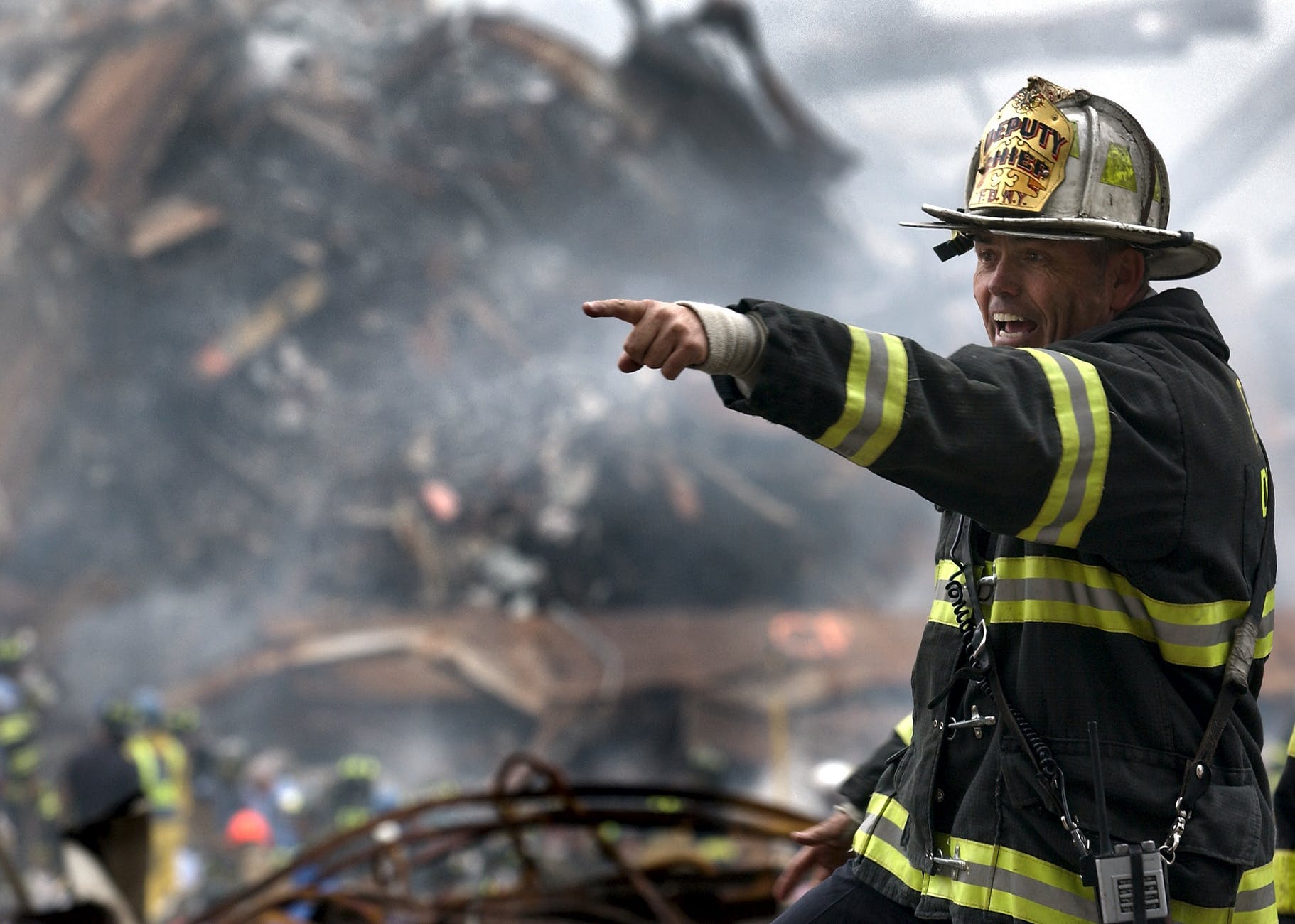
fire fighter wearing black and yellow uniform pointing for something

“How can you believe in a God who lets bad things happen?”
We live in perilous times; dangerous times.  Fires have swept through Canada and Hawaii (and elsewhere); massive heat waves have caused drought and death in many parts of the world; hurricanes have hit California and and the Caribbean, and another threatens Florida even as I write this. Wars rage in Ukraine and elsewhere; crime seems rampant in major cities on every continent. Diseases– even those we considered eradicated or “tamed” are making a comeback. Waste and pollution devastate our oceans, rivers, woodlands, and even the air we breathe. Often, it seems as if God is absent or powerless–sitting on the sidelines and letting bad things happen.  Those of us who claim faith in an omnipotent, loving, and gracious God are mocked and challenged.  How can we believe in the face of such evil, disaster, and injustice?  How can we offer the empty comfort of prayers and assurances?

It can be very difficult to face such challenges– there are no easy answers and “mic-drop” moments for us in this world.  But that doesn’t mean that there are no answers or that our faith is “blind” or without merit.

The Bible is filled with examples of people who followed God in extraordinary circumstances, often in the face of great evil and with little logical expectation of God’s blessing or help.  Abraham traded a wealthy, safe, and honorable life in his native land to live as a stranger and a nomad among foreigners.  Even after God seemed to fulfill the promise of a son, he tested Abraham’s faith, asking him to sacrifice his only son Read the complete story here...  Many people see this story as a horrific example of injustice and cruelty– and if Abraham had been required to go through with the sacrifice, it might seem even more unjust and cruel.  However, there are two points to consider:

  1. God clearly planned to rescue Isaac–there was a ram in the thicket all ready and waiting.  Abraham may not have known God’s purpose in asking such a thing, but he had faith that “God will provide for himself the lamb…”  God may have been “testing” Abraham, but he already knew the outcome.  The “test” was not for God–perhaps not even for Abraham–the test was for Isaac and all who would follow and experience the blessings that came through this amazing act of faith.
  2. The story of Abraham, like so many others, is given to illustrate difficult truths– sometimes about God’s character, or OUR character, or the nature and consequences of Sin.  These stories also often form patterns of allegory, foreshadowing, or illustrations of key principles and events.  Abraham was told to sacrifice his only and very beloved son– a horrible prospect for any father.  But God provided a substitute sacrifice– a lamb– allowing Isaac to live and become the father of many nations.  God’s plan for the salvation of the world was built on the same pattern.  God sent his only and very beloved “son” to be the substitutionary sacrifice for the sins of all mankind– a horrible prospect for a loving Heavenly Father.  And this time, the son willingly gave His life to become the fulfillment of the promise acted out in Abraham’s story.
shallow focus photography of sheep

And, of course, there are hundreds of other stories– throughout the Bible, and throughout history– that demonstrate the blessings that come through radical and even tiny acts of faith in God.

Hebrews, chapter 11 lists several examples.  And a key verse in the chapter points out:

13 These all died in faith, not having received the promises, but having seen them afar off, and were persuaded of them, and embraced them, and confessed that they were strangers and pilgrims on the earth.

Hebrews 11:13 (KJV)

These great examples of faith died without seeing the end results..but the end results are there for US to see!  Faith in humanity– faith in Science– faith in ourselves– these are doomed to end in disappointment.  Not because we don’t believe enough; not because these things are “bad”– but because faith needs an unshakeable, immovable, solid, and eternal foundation.  Our faith in Christ is not a blind faith, an empty faith, or a desperate faith– it is a Faith that is firmly rooted in history, in observable facts, and in revealed truth.  And even in the fiercest storms, the worst of disasters, and the overwhelming flood of hatred and evil in the world, our faith stands firm and sure– not because it is “our faith”, but because it is built on Him who is before and above all things–yesterday, today, and forevermore.

man holding sheep statuette

Our very firm foundation may seem invisible to the world, but that doesn’t change its reality or its power. We pray to the ONE who calms storms, who tears down and builds up kingdoms, and who holds all of eternity, including our future, in His hands. Fires, floods, trials, and terrors cannot overwhelm those who put their trust in Jesus. We may still get wet, singed, singled out, persecuted, and knocked down, but we will never be abandoned or defeated, or forsaken. Even if it seems like God is holding a knife to our neck– remember how the story ends! There is a lamb who has taken our place. God will not put an end to our hope. Even death cannot separate us from His Love and His Purpose for eternity. It’s all there– in His Excellent Word!

“Praying” Hide and Seek With God

A strange image popped into my head the other day while praying with our Wednesday morning prayer group from church. I was trying to express the amazing paradox that we are being pursued by a God who is omnipresent, while seeking the same omnipresent God. And the image God gave me was one of playing a game– “Peek-a-boo” or “Hide and Seek.” Of course, prayer is not just a game– it is nothing less than communicating with the Sovereign Lord of the Universe! But God delights in our prayers, and He delights in delighting us as we learn and experience new aspects of His Character.

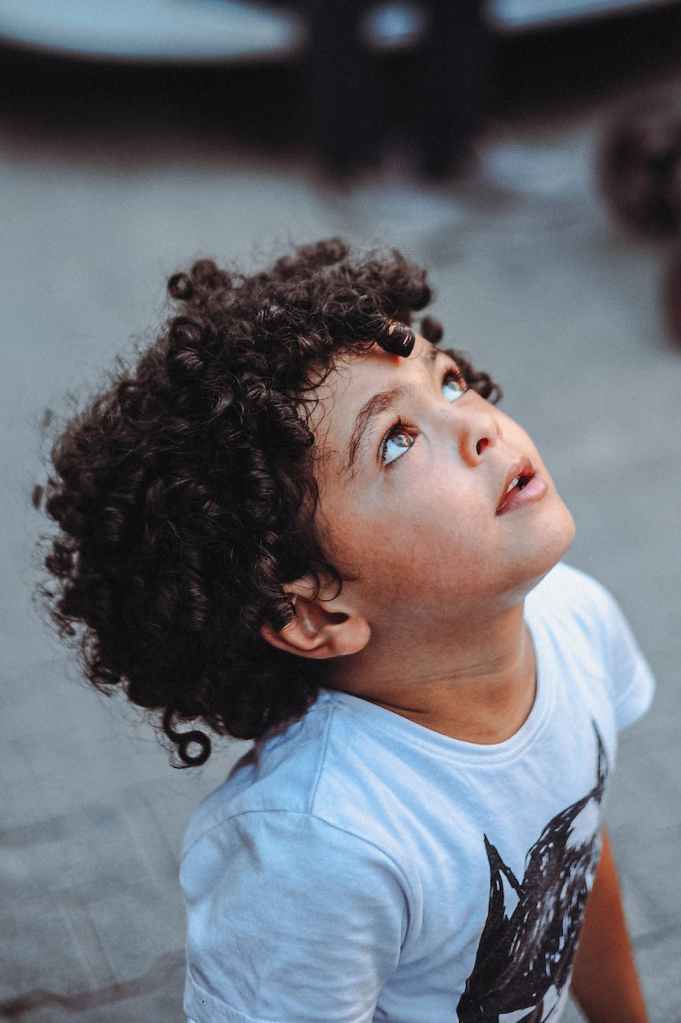
I love to play “Peek-a-Boo” with babies and toddlers. They love the idea of being “discovered” and “finding” someone. There is a moment of supreme joy in finally seeing oneself in the eyes of the beholder– that moment of recognition and reaction to being the focus of someone’s attention–the joy of intimate connection, “I SEE YOU!” But the game only brings joy if both of us are present and interacting. It brings no joy to a baby to see me staring off into space, or glued to my cell phone. The baby might be intrigued, or even comforted by my nearness, but there is a deeper thrill when she knows that my eyes will shine as they are revealed– looking directly at her! And I get great joy from seeing the baby’s delight.

The same is true of “Hide and Seek.” Yes, the idea is to hide from sight–for awhile. But what fun is it to hide and never be found? What fun to search for someone who has gone away and has no desire to be discovered again? The joy of the game is in that moment of discovery and being discovered– even though we know the other person is somewhere close by, there is that moment of re-connection that brings a jolt of delight. AHA!! I have found you! AHA! You searched for me and found me!

Photo by Nicola Barts on Pexels.com

This is the great tragedy of Sin. Sin causes us to want to hide and NOT be found. (See Genesis 3:8-10). We live in shame and fear, dreading the thought of God finding the “real” us, the secrets we carry, and the ugliness of our hearts. We are frightened by the thought that God is omnipresent– that He sees us; that He sees THROUGH us! We do not want to “Face” God’s justice, and see disappointment and anger in His face. Instead, we want to run away, to cover our eyes, if He will not cover His.

Conversely, this is the great joy of being a Christian. We don’t hide from God’s presence; instead, we turn to Him in delight and recognition. We pray to BE found and to be seen! Finding God, and being found BY Him, involves no fear, no condemnation (Romans 8:1), and no shame. God sees us– all our secrets and shame– through the blood of Christ’s redemption. We are “Born” again– like babies, we can revel in the connection with Our Loving Father. Like a child waiting for the “boo” in Peek-a-Boo, we anticipate the day when we will see Him face-to-face in all His Glory; in the meantime, each glimpse of His Grace, each revelation of His Faithfulness, builds our Hope and our Joy, excites our anticipation, and makes our Heart yearn for the future.

God is omnipresent. His spirit is all around us all the time. As Christians, His Spirit is indwelling– He is not just all around us, but He lives and works IN us and THROUGH us! And yet, God delights in those moments when we turn away from the world around us to focus on just Him. In the same way, even though God is everywhere, He seeks after us and pursues us with a passion and devotion that knows no limits– “Here I am!” “I SEE YOU!” “You are the one who makes my eyes shine!” “I LOVE YOU!”

Today, as you turn away from the world to focus on the Lover of Your Soul, may you find that incredible delight in recognizing His Presence for what it is– Divine, Eternal, Limitless, and Loving.

People, Places, and Things

Most of the time, when I lift up prayer requests, they are about people. I love people, and so does God, so it makes sense to remember those who are rejoicing, those who are mourning, and those who are struggling.

But I also pray about places. God created places, just as He created people. Through the prophets, God spoke of places– nations, certainly, but also specific mountains, rivers, cities, forests, and deserts. God pronounces judgment on people, but He mourns the destruction of places, as well.

At least once each month, I hope to post some thoughts or practices that I have found helpful in my pursuit of prayer over the years. Today, I want to talk about the importance of place.

Every day, on my prayer journal pages, I have a focus on a specific place. Yesterday, it was the island of Madagascar. Many times, I pray for the people of a specific place. Sometimes, I know of conflicts or natural disasters that impact the people living there. But often, I know very little about the places I pray for. I can look them up to find out more– what language do the people speak? what is the climate like? what are the natural resources of the area? Madagascar is home to many animal and plant species that are found nowhere else on the planet. God cares about His creation, and so should I. I may not have the resources to protect wildlife in Madagascar, but I know the creator and sustainer of all creation. And in praying for the land, people, and wildlife in Madagascar, I am taking the time to remember the vastness and variety of God’s creation, and His power to sustain life and cause it to flourish.

Jesus prayed over Jerusalem. He prayed over the Temple there. If Jesus can pray over places, then maybe we should, too. Over the past several weeks, I’ve been praying over the house where I grew up. After my mom’s death, we children decided to put the house up for sale. It hasn’t been an easy decision, but we feel it is the right one. I’ve been praying, not just that the house would sell, but that it would become a nurturing, safe place for a new family– a place where God would be honored and wonderful memories made. We aren’t finished with the process yet, but I believe that God can honor such prayers. God transcends “place.” He is omnipresent. But I believe that there are special places that resonate with the power of God’s work in the past (and other places that are haunted by the evil done there in years gone by). We should take time to acknowledge both the work that God has done in special places, and the need for His cleansing (and/or judgment) in others. Places are not more important that people, but they have lasting impact and are part of God’s purpose.

Cities, habitats, people groups, wildlife; wars, famines, floods and droughts, pollution and climate issues– from urban blight to toxic waste in the oceans. God’s heart is that we would do our best to care for the places in which we live– and that we would trust Him with the changes that are out of our control. Not just in Madagascar, or Ukraine or Rio de Janiero, but in our own backyard or in the next city block. Buildings, lakes, roads and parks– we can also lift them up in prayer, knowing that God is Lord of ALL around us–all that makes up life around us.

Photo by Ghost Presenter on Pexels.com

What might happen in our world if, instead of wringing our hands about climate change, we prayed and asked God what small steps we could take to make a difference right around us? What would happen if we prayed about the oceans and deserts and the wildlife that inhabit them– after all, I have no idea how many seals and gazelles, coral reefs and cacti there are in the world, but God knows them all!

Prayer doesn’t negate our need to care for the places around us– it’s still important to pick up litter, recycle, and be responsible about using, caring for, and disposing of resources. But praying about places will keep us “in tune” with God’s love of creation, and His desire that we honor Him in everything– everywhere!

Searching for the “Oh!”

I like to play Scrabble, and other word games. Sometimes, in order to make a certain word in Scrabble, you need to wait for an opportunity and a particular tile. It can be very frustrating to play when you have only consonants or only vowels. You need both to make most words. Vowel tiles are not worth as much as the consonants. And so most players tend to discount them. After all, if someone else has made a word, you can use the vowel from their word to make yours– sometimes. But sometimes, you really need a vowel in the right position to make your word. Sometimes, you need a particular vowel. The other day, I was hoping for an “o.” Instead, I had four “i”s! I could try to make use of the vowels I had, or lose a turn and trade in my “i”s for other letters– which might all be consonants!

Photo by Pixabay on Pexels.com

Life is not a game of Scrabble. But there are times when we are looking for something to help make sense of life. It seems like whatever “hand” we’ve been given adds up to nonsense. We need an “o” to make it work. Deep down, though, I think most of the time, we really need an “OH!” We need to look beyond whatever we have, and see the wonderful things God has already done in and around and through us.

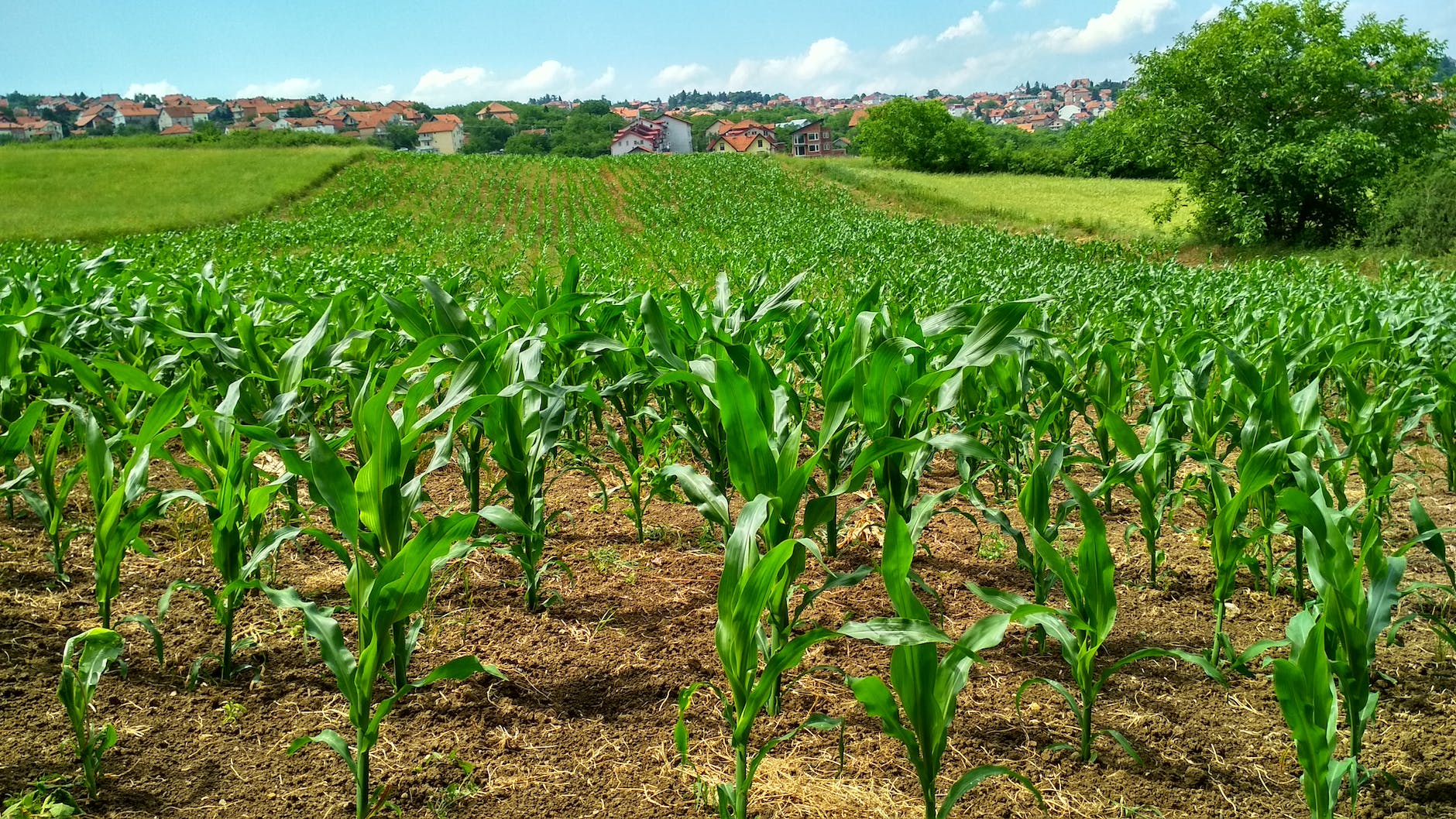
As I was driving to my doctor’s appointment the other day, it was hazy and cool for late June. It could have felt depressing or even oppressive. But I was listening to a song on the radio. The singer pointed out that God’s goodness, His Mercy, and His artistry are all around us in nature– the sky, the singing of birds, the colors of the sunrise or sunset, the majesty of trees or mountains, the comfort of a gentle rain–and suddenly, I found my “OH!” moment. Recent rains had brought a newer, deeper shade of green to the leaves, and had caused the corn and beans in the fields to begin springing up. The haze could not hide all the life and growth going on all around me. God’s magnificence was there for anyone to see.

Sometimes, I try to substitute an “I” for the “Oh!” Instead of focusing on the SON, I fall into SIN. When I look at what I have done, or the plans or dreams I have, it can fall short. I can’t make the stars shine. I can’t create a forest, or sing a song more beautiful than a babbling brook through a meadow of flowers. My best efforts with “i” aren’t worth much. But, OH!, what God can do! OH! What God has done! And it’s this same God who loves me and knows my name!

Are you having a “hazy” day? Are you looking around for something? Something clear, and beautiful, and worthwhile? Maybe, if you have an old Scrabble game, you could put an “o” tile in your pocket or purse to remind you to see the “OH!” all around you today!

20 For since the creation of the world God’s invisible qualities—his eternal power and divine nature—have been clearly seen, being understood from what has been made, so that people are without excuse. 21 For although they knew God, they neither glorified him as God nor gave thanks to him, but their thinking became futile and their foolish hearts were darkened.

Romans 1:20-21 (NIV)

Afraid to Call?

Some fears are understandable. Some fears are even logical. Some are not. I wouldn’t say that I am “afraid” of most things. I don’t spend hours of my life being afraid of unlikely events, like being struck by lightning or choking to death on a cracker. I have a healthy fear of electricity and fire. I don’t tempt fate by walking along the edge of cliffs or hanging out of thirty-story windows (both of which are rare where I come from, anyway) . But I have two phobias– irrational fears–that plague me. The first is my fear of snakes. My fear of snakes has not ruined my life, but it has caused me to limit activities– mostly nature walks– where I might be exposed to seeing a snake. I avoid the reptile house at the zoo; I avoid visiting places where snakes are more common. I don’t like to see pictures of them; I don’t watch “snake” movies.

Photo by NEOSiAM 2020 on Pexels.com

The second fear is more irrational and causes more problems in my daily life. I am afraid of phones. This doesn’t mean that I cannot make a phone call, or ever answer the phone. But if anyone asks about the best way to contact me, I always suggest e-mail, texts, or other forms of communication. I don’t like hearing the phone ring. I don’t like making calls. I don’t like answering calls. And it has little to do with who is on the other end. It has much more to do with the medium. I can’t see the other person’s face; I can’t predict whether or not the other person is busy or distracted; whether they want a quick answer or a lengthy talk; whether the conversation will end well or leave one (or both) of us at a loss. People call at their convenience–not at the convenience of the person at the other end. Are they in the middle of cooking dinner? Taking a shower? Having an important conversation with a spouse or child?

Photo by Vlada Karpovich on Pexels.com

But if I determine never to make or receive a phone call, I will miss other important conversations– family members who live far away; business that cannot be conducted in person; appointments that need to be set up; news about births, deaths, hospitalizations, even prayers and prayer requests.

Photo by Ric Rodrigues on Pexels.com

I say all this because I knew there are some people who have a phobia about prayer. They are afraid to pray– not just in public, but even privately. They fear that they will say the wrong thing, or that they will “bother” God with their petitions. Some fear that God will not hear their prayer or that they will not get an answer. Some are afraid that they will “get what they pray for”– that God will hear their prayer and answer it, but that the answer will involve change, hardship, or pain that they were hoping to avoid. Some fear that their prayers will not be “good enough;” that God will misunderstand their motives or be offended by their words or their lack of knowledge. Some people are afraid of God– that He will reject them and their prayers because of something they have done or the way they have lived in the past.

Photo by Ken Ozuna on Pexels.com

Prayer is not meant to be intimidating or difficult. It is healthy to have awe for God. Even “fear” of God– He holds the power of life and death; He cannot be fooled or mocked or bargained with; He knows everything about us, including our thoughts and our past–God is not to be trifled with, even in prayer. But God invites us to pray. He calls us to come to Him; He seeks our fellowship, no matter what we’ve done or what words we string together. There is no magical “prayer formula”– no phrases or special “religious” words or a certain ritual or routine– that we must use to be heard. God– who formed the universe and keeps it running– is never too busy or too distracted to listen to us. Even groans and whimpers are important to Him.

Don’t be “afraid to pray.” And don’t let a fear keep you from praying. Pray through the fear– draw near to God– and He has promised to draw near to you.

Photo by mentatdgt on Pexels.com

Many years ago, I prayed to God, that He would increase my patience. I had well-meaning people– even pastors and other Christians– who told me not to do it. They were afraid that God’s answer to such a prayer would bring difficulty– that God would answer my prayer by making me go through hard times to learn patience. And He did just that. I wanted to be married and have a family–and I spent nearly 30 years waiting and learning patience! But I would not go back and undo those years. God answered my prayer and He gave me a wonderful husband and family– in His time. Sometimes in those decades of wondering and hurting, I had pain. But I also had many blessings in singleness–opportunities I had never planned on, changes in perspective, unforeseen experiences and relationships that, I think, prepared me to be a better person and a better wife than I would have been at age 18 or 20.

My prayer for patience was something I felt strongly about– and patience is a Godly thing; it is an aspect of the fruit of the spirit (Galatians 5:22-23). I wasn’t praying for money or fame or a life without struggles. In fact– I wasn’t praying that God would “make me” patient. People who believe that my years of waiting for a husband were the direct result of my prayer for increased patience assume that God changed the circumstances of my life to force me to learn a lesson. But what if God changed my desires to match my circumstances? What if, knowing that I would marry after age 45, God put that prayer in my young and impatient heart? If I hadn’t asked for patience, would I have taken matters into my own hands and tried to “make” a family in my way and my time? Would I have experienced more pain– and brought pain to others– if I hadn’t learned patience?

Photo by Juan Pablo Serrano Arenas on Pexels.com

God knows what we need. He knows that there WILL be trouble and hardship in our lives. And He knows that we can survive, and even thrive, in times of trouble, because He will be there with us. Nothing about prayer should make us afraid. Nothing about God’s answers should cause us not to seek His face. He loves us extravagantly; He knows us intimately; He controls and safeguards our future with perfect power.

Photo by Jonas Ferlin on Pexels.com

And we don’t need to use a phone to call on Him!

Where Do Prayers Go?

Do you ever pray “directional” prayers? Some people pray TO something or TOWARD something. It may be positioning yourself to pray toward the east or toward the rising sun, or even toward a particular holy place. Some people pray to the moon or stars or a statue or image of a person. Some people pray rather aimlessly into the sky or the ceiling or the floor.

Does it matter? What does the Bible say?

In Exodus, when God gave Moses the Ten Commandments, He said, “Thou shalt not make unto thee any graven image.” In other words, no carved images of any animal or person that takes the place of God. For some people, this extends to icons and statues of Jesus; for others, it means only idols from other religious traditions.

However, later in Israel’s history, when King Solomon dedicated the first Temple, he prayed that when people prayed toward the Temple in Jerusalem, that God would hear from heaven and intervene. For many, this edict still holds true– they focus many, if not all their prayers toward the city of Jerusalem. Others specifically pray to the “Wailing Wall”– the last part of the Temple that still stands. Tradition states that the Spirit of God “dwelt” in the Temple– therefore to pray to the Temple was to pray to the God who lived there.

Jesus did not command His followers to pray toward the Temple itself, but rather to pray directly to “Our Father, which art in Heaven.” Throughout the Bible, the image of prayer is linked with the image of smoke or incense– rising toward Heaven. Jesus sometimes is described as looking up toward Heaven as He prayed. But other times He bowed or knelt as He prayed.

So what are we to conclude? Which is the “correct” direction for our prayers?

There is no conclusive answer in the Bible. And I think this is because God is Omnipresent. He is everywhere at once, so that we can pray anywhere, facing any direction, without a fixed focus point. There is only one direction that is “wrong.” And that is when our heart is facing away from (in rebellion to) God. We can pray aimlessly to nothing and no one, or to something that we know is NOT the One True God–to creation itself or to an invisible but remote “Force.” But the Bible IS clear that we are to pray to God alone– Father, Son, and Holy Spirit– and directly and personally to Him. We do not need a personal altar in order to be heard; we do not need to be facing an icon or a building or the rising sun or an imaginary point in the stratosphere. God Himself, through Christ– will accept and respond to our prayers. God will hear us from anywhere, in any position or circumstance. Altars and images and icons may represent Christ and His Holiness– they can be helpful tools in reminding us of who we are in relation to Him–but they must never become replacements for His Spiritual Presence.

Our prayers end up– through whatever mysterious and wandering way– finding their true destination, which is the heart of God Himself, when we seek Him sincerely and whole-heartedly. In much the same way, God’s answers to us will find their way through His Holy Spirit, no matter where we are or what direction we are facing.

Photo by cottonbro on Pexels.com

God transcends space and time, and can be found by those who seek Him from the ends of the earth. I am greatly comforted by this truth. My Father is in Heaven– and right beside me, and dwelling within me! He is always listening, and always available.

Praying for Fiji

At least once each month, I want to encourage you with a practical step in pursuing a life of prayer. Today, I want to talk about how you can pray globally.

Photo by Monstera on Pexels.com

What does this mean, and how does it look? Well, it means making a concerted effort to pray for different places, people groups, and issues around the world. How you do that may look very different from how I choose to do it, but I’ll give you a peek into my method. You can tool around until you find what works for you.

I mentioned in a previous post that I once found a commercially-produced “Prayer Journal” on sale at a Christian Bookstore. It was a marvelous book with a world mission focus. Each week, there was a short discussion of a different “at-risk” people group. There was information about the region(s), the population, the average life expectancy, the literacy rate, the estimated percentage of Christians (as well as percentages for other religions) in the area, and more. There were suggestions about how to pray for the people/area, and then space to write notes and other prayer requests. I have never again found such a resource in a bookstore, but I decided to make my own journal.

Photo by Vlada Karpovich on Pexels.com

My journal takes up four notebooks– one for each quarter of the year– roughly ninety-two days in each notebook. Each day has a heading with a geographical location: a continent, a nation, a state or province, a city or town, even major rivers, deserts, and oceans. (In addition, I have space for the names of individuals with birthdays or anniversaries, and a space for urgent and immediate prayer requests for that day. In the front of the journal, I have a list of “Prayer Points” for the various days of the week– you can check out my page on Prayer Points here Proactive Prayer Points. The notebooks can be used from year to year, and have space on the back of every page to record answers.)

I don’t have the marvelous demographic information that was in the earlier journal, but I have an almanac or the internet if I want to dig deeper. In putting the notebooks together, I alphabetized all the names of places I wanted to include, narrowed the list down to 365, and assigned one place to each day of the year. Yesterday, I prayed for Fennville, a small town in Michigan where I used to be a student teacher. Today is Fiji, which comes next alphabetically. So I will be praying for Fiji, along with other people, places, and issues on my list. I may not know a lot about Fiji- I know it is an island republic in the South Pacific. I know that many Fijians are Christian, while others are Muslim or Hindu. But God knows everything about this group of islands– He knows if it is the rainy season there now, or if the people are battling sickness or poverty, or if they are in a season of clear skies and abundance!

So WHY do I recommend praying for Fiji (and all the other nations of the world, as well as major cities and even deserts?) Why Global Prayer?

  • First, it is Biblical, and it is a step in obedience. We are to “go into all the world” to preach the gospel (Mark 16:15). So we should also pray “into all the world”– pray for those who are going to other nations; pray for those who need to hear the Gospel in other nations; pray for those who are going FROM there into all the rest of the world. “For God so loved the WORLD…” (John 3:16). And so should we. Whether we can travel or not; whether we can study all the needs and factors of each nation or area or not, we should remember them in prayer.
  • Second, it will change your prayer life. I believe it makes my prayer life richer and more effective. Once again, it takes my focus off of me and lifts it to the God who holds the whole world in His Hands. I’m not just praying to “my” Father– I’m praying to “Our” Father. He loves me, and He listens to me, but He is big enough, powerful enough, and compassionate enough for the entire world! Once I acknowledge that, it changes the way I approach prayer.
  • It also is a great way to learn about the world and about other people and cultures! Imagine meeting someone from Fiji, and being able to say, “I have prayed for your homeland!” Imagine how much joy it can bring to pray for those places that have special meaning to your family and friends. I haven’t traveled the world, but I have met people from many countries. I’m still waiting to meet someone from Fiji, but if I do, I will have even more joy in praying for it next year on this day!
  • It brings discipline to my prayer life. Sure, I feel an urgency to pray for “hot spots” around the world– wars and famine, political upheaval and natural disasters call to mind certain areas of the world for prayer. But praying for an area without such prompts requires that I have some system in place. And who knows what God’s plans are for any given region on any given day, or what needs may arise that I can’t know about in advance?

So HOW can you pray Globally? I can recommend a few first steps:

  • Make a list. Maybe start with a single week. List seven locations– nations, cities, even continents or oceans (there are seven continents and “seven seas” after all). Perhaps you want to list places both near and far– local towns or villages AND faraway lands–over the course of a month or even a year.
  • Set up a system–you may want to use a notebook, planner, or calendar. Or you may want to set up a database. Your system can be set up weekly, monthly, yearly— whatever will work for you.
  • Be flexible and persistent. It has taken me nearly 20 years to settle on a system that truly works for me. Don’t be afraid to make changes or say “no” to a system just because it works for someone else.
  • Pray about it!
  • Resolve to DO IT. Many years, I spent so much time trying to “perfect” my system that I neglected to do the actual prayer! Please don’t let this happen to you. And don’t let guilt or impossible expectations keep you from your pursuit. Even if you take a step backward, forget a day, stumble through a week– Keep going!
  • Thank God for the opportunity to pray for others. Thank Him for loving the whole world (including you)! Praise Him for being a God who watches over every grain of sand and every drop of water in the oceans, over every bird of the air, and every precious life!
Photo by Porapak Apichodilok on Pexels.com

Imagine what can happen in our world if even a few of us are faithful in praying for all of us?! God is giving YOU an opportunity to be involved in HIS work throughout the world. Will you pray for Fiji today? Who can you pray for tomorrow?

Blog at WordPress.com.

Up ↑