Praying Around Town

I live in a small town. Every week, I take a mental (and sometimes also a walking) tour of my town as I pray for it. I pray for the businesses, the public services, the churches, schools, families, and more. Sometimes, I try to picture my town street by street…the pharmacy, the pizza place, the real estate agent, the City Hall, the little ice cream shop, the Library, the beauty salon, the Post Office, the bakery, the corner gas station…

Photo by Pixabay on Pexels.com

It’s a routine, and it’s a exercise, but it’s also a great reminder of several things:

  • Prayer is about every aspect of life–even the things I take for granted, like the corner store or the insurance agent down the street, or the fire station. I can (and should) thank God for the blessings He has given me. I should also lift up my neighbors and friends in prayer. I may not always know specific needs, but as I recall places, sometimes I recall needs as well.
  • Prayer is about more than just me. It is easy to get caught up in my own triumphs or worries and lose sight of how God is working in others’ lives around town.
  • God is all about community–Jesus came to announce that “The Kingdom of God is among (or within) you” (Luke 17:21; Matthew 3:2, etc.) We are not to live our lives isolated from others. And this is certainly true of prayer. We are to think of others, and to love our neighbors “as ourselves” (Matthew 7:12; Mark 12:31, others), and that includes praying for them. We don’t have to pray grandiose prayers or pointed prayers, but pray for their health, well-being (including, but not limited to their spiritual well-being), and relationships.
  • Praying for the town and its various residents reminds me to reach out and treat them with respect. It’s much easier to pray for someone you talk to and get to know– and it’s easier to reach out and get to know people around you if you are praying for them already! We don’t pray in a vacuum or a hermit’s cell– prayer should spur us to action and interaction!
  • Praying around town actually helps me get to know the town better–As I think about the various places around town, I remember shops or neighborhoods I normally walk or drive past, but don’t really notice, or services I don’t normally use. Our small town has an airport, a canoe rental, a hospital, two museums, a book store, several restaurants, a couple of car dealerships, several barbers and salons, a pastry shop, a purse store, a candy shop, a yarn store, dentists, chiropractors, eye doctors, auto repair shops, flower shops, thrift stores, several churches, a funeral home, parks, hardware stores, a laundromat, a rent-to-own store, a flooring shop, a shop that sells art and suits (that’s actually its name– Art and Suits), gas stations/convenience stores, at least three grocers, and many other businesses, including our own shop that sells radios and antiques! The more I know, the more I can help others get to know about our town– and the better I can pray for those in it.
Photo by Samson Katt on Pexels.com

I pray for my community (specifically) once every week. It’s part of what I call “Prayer Points”– every day of the week has a special focus. One day is for the Community; one day is for Global Issues (war, hunger, climate issues, disease, poverty, etc.); one day is just for issues relating to The Church (persecuted Christians, Evangelism and Missions, etc.. Why do I do this? For me, it helps me focus on needs that are ongoing– needs I might otherwise forget or de-emphasize in the hustle and bustle and “noise” of newsfeeds, “urgent” requests, and general self-indulgence. It doesn’t make me a better person. But I hope it makes me a better “pray-er.”

Photo by Rubenstein Rebello on Pexels.com

Always Remember, Pray, Give Thanks

The Apostle Paul is consistent in opening most of his letters with a phrase that uses the same four key words– Always, Remember, Prayers, and Thank. The order of the words may change, but the idea stays the same. Paul is always remembering others, always praying for them, and always thankful to God for them.

Photo by John-Mark Smith on Pexels.com

Paul uses similar phrasing whether addressing individuals, like Timothy or Philemon, or church groups, like the Ephesians or Philippians. But the message is always very personal. He is not saying a general “Thank You” to God for people “like” Philemon, or “like” the church in Ephesus. He is remembering shared burdens, shared laughter, shared experiences, and thanking God for those deeply held memories. He is lifting up individual burdens, such as the on-going disagreement between Euodia and Syntyche in Philippi (Philippians 4:2), or Timothy’s stomach problems (1 Timothy 5:23).

Photo by RF._.studio on Pexels.com

It is easy, and costs nothing, to pray generic prayers for a large, faceless mass of strangers. It is easy to love humanity from afar. It is another thing to enter into another person’s “messiness” and “bear one another’s burdens” (Galatians 6:2); to remember struggles and sacrifices made on behalf of others (or to remember being the one in great need of another’s sacrifices). Life– abundant, vibrant, and glorious–calls us to get involved. Not just from the sidelines, not just when it’s convenient, but “always.”

Photo by Helena Lopes on Pexels.com

Prayer calls us to be involved. That doesn’t mean we can’t pray “general” prayers– for peace in foreign lands, or and end to drought or hunger, etc. But we must not neglect “wrestling” prayers–prayers for our unsaved loved ones, prayers for persecuted believers (whether next door or around the world), prayers for our community workers, and prayers for those who are in need. Nor should we neglect prayers of remembrance and thanksgiving for those who have come into our lives. Finally, we need to be willing to let individuals KNOW that they are being remembered, prayed for, and appreciated.

Photo by Design Killer on Pexels.com

One of the greatest blessings I know is remembering all the special people who have crossed paths, shared the journey, and borne shared burdens with me, and knowing that each person, each memory, each moment, is eternally and infinitely precious to God! What a privilege it is to share good times and even “battle scars” with so many amazing, unique, beloved people! What a privilege to lift them up before the throne of grace!

All That Ever I Did…

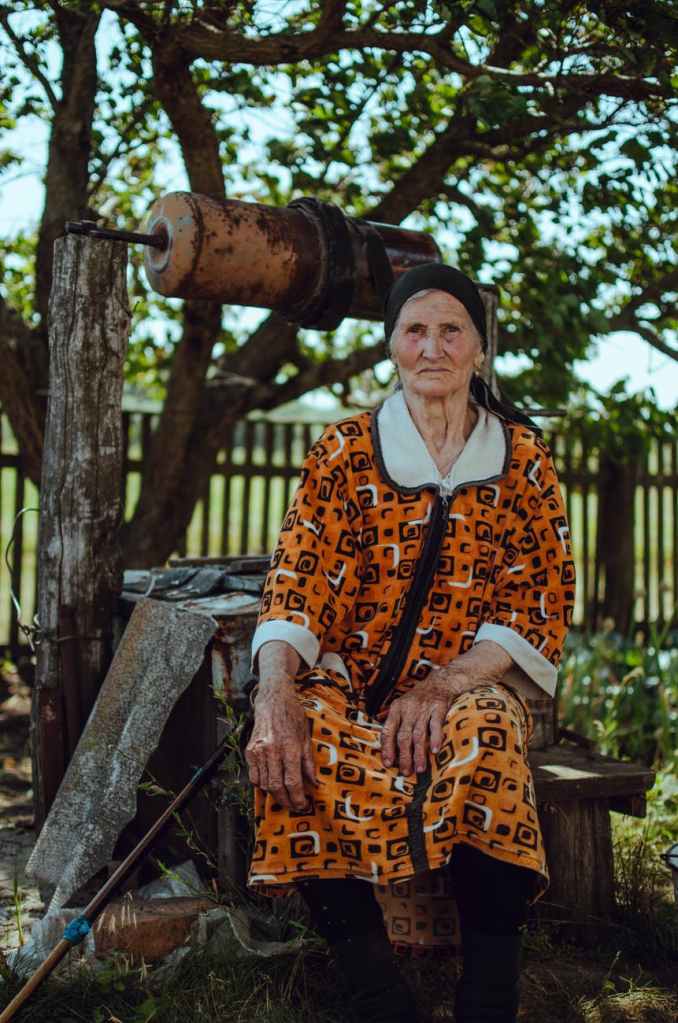
I’ve always been intrigued by the story in John’s Gospel about the “woman at the well.” (John 4https://www.biblegateway.com/passage/?search=John%204&version=KJV). Jesus and his disciples are travelling through Samaria, and they decided to rest near Jacob’s well at the town of Sychar. The disciples travel into town for food, leaving Jesus alone at the well. A lone woman comes along, and Jesus asks her for a drink of water.

Photo by Tuu1ea5n Kiu1ec7t Jr. on Pexels.com

This would seem to be an ordinary encounter, but there are many clues that tell us a different story. The woman comments that Jews don’t ordinarily speak to or interact with Samaritans. But even more extraordinary, most Jewish men would not strike up a conversation with a lone Samaritan woman, unless he meant to insult her or proposition her. The very fact that she is coming to the well alone and near noon (the sixth hour) puts her at a distinct disadvantage– most of the women would come early in the day to draw water, where their numbers offered protection and support, and the heat of the day would not add to the burden of carrying the water back home.

Photo by Anastasia Egorova on Pexels.com

At first, this woman seems both suspicious and dismissive of Jesus. Why is he asking for a drink of water? Does he want more than just water? Does he mean her harm? He seems thirsty, not threatening– but is he safe? Then Jesus throws a curve ball– he claims to HAVE water that brings total satisfaction and life. Water far better than any of the water he has just asked for! The woman’s tone changes from suspicious to sarcastic. And then, Jesus drops the bombshell– “Go, call thy husband, and come hither.”

Photo by Samarth Singhai on Pexels.com

Aha! Here it comes… The woman admits that she has no husband. She has no protector, no status. NOW this Jewish man, this stranger, will take advantage. Or he will make improper advances. Or he will despise her even more. But instead, Jesus reveals her darker secret– she has had five husbands, and she is with another man who is not her husband. Maybe he is someone else’s husband. Maybe he refuses to marry her. Maybe he treats her badly– this man who lets her come to the well at midday with no protection and no helper. Maybe the five husbands all died; maybe she has been divorced or abandoned time after time. Jesus knows all this– yet he doesn’t call her names or look at her with disgust. He even commends her for telling the truth!

Photo by Felipe Cardoso on Pexels.com

I don’t know about you, but I’m not sure I would want to meet a stranger who know that much about me. I don’t want to be reminded of my failures, my bad choices, or my past sorrows or shame. Yet this was the heart of the woman’s testimony as she went back into town. “Come, see a man, which told me all things that ever I did: is not this the Christ?”

Photo by Marcelo Chagas on Pexels.com

For years, the profound nature of this encounter was lost on me. What is so exciting about someone who knows your dirty laundry and tells it back to you? There are magicians and illusionists, fortune-tellers, and charlatans galore who attempt to do such “readings.” How is it that this woman’s life could be transformed by such an unlikely and disturbing encounter? Why would she be so eager to share this encounter with all the men (or people) of her town– people who probably despised her?

Photo by Andrea Piacquadio on Pexels.com

Because an encounter with Jesus is an encounter with pure and holy compassion. Jesus KNEW the very worst about this woman. He could have shunned her or avoided her. He could have railed at her about her lifestyle or her past. He could have treated her shamefully. Others almost certainly had. But Jesus didn’t just see all the things she had done, or all the things that had happened in her life. He saw HER. He spoke TO her, not at her or through her, not down to her, but face-to-face, and eye-to-eye. Knowing all about her status, he came to HER for help–knowing that she had something of value to offer–not to “put her in her place,” or use her, or demand that she serve him. Jesus welcomes us into the safety of His compassion, so that no matter what we’ve done or what’s been done to us, He looks us in the eyes and wants to be part of our story– part of “all that ever” we WILL do! And THAT is life-changing!

Photo by Artem Beliaikin on Pexels.com

How many people will I encounter today who are outcast, beaten down, shunned, and mistreated? What kind of encounter will it be? Will I see “all that ever they did” and dismiss them as unworthy of my attention? Or will I see THEM–uniquely created by God for a purpose; loved beyond all that I can imagine? Can my friends and family, neighbors and strangers feel safe and loved knowing that I know everything about them? Is it “Safe” to meet me at the well? I pray that God’s love will spill out and overflow to others as I go through the day. May He do the same through you.

Blog at WordPress.com.

Up ↑