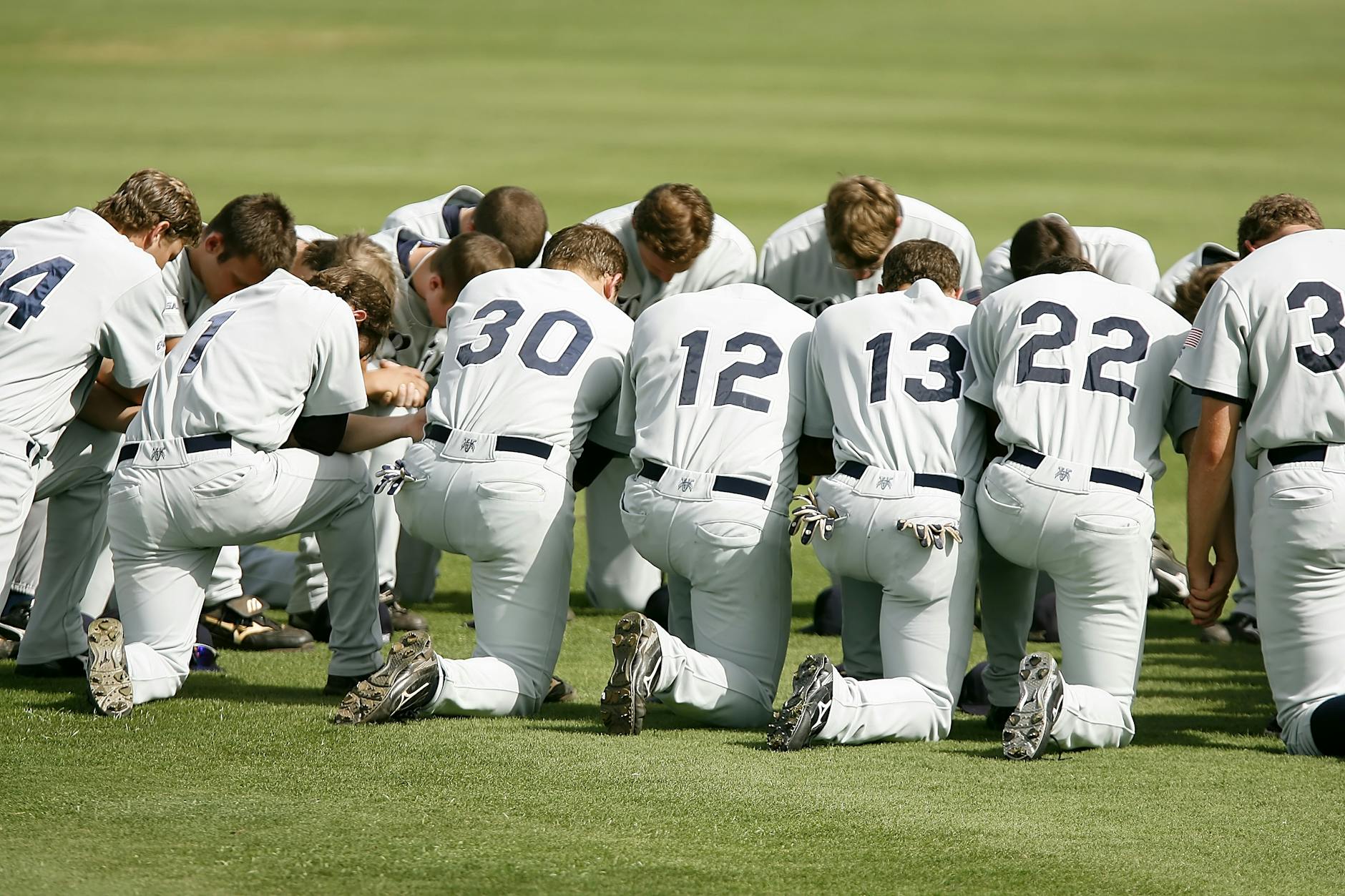
How Must I Pray for My Enemies?

We are commanded to pray for our enemies. This is not an easy command to understand, let alone follow. Should I pray for the destruction of my enemies? Or should I pray for their success? Surely, God doesn’t want me to pray that they will continue in evil or succeed in corruption and destruction. So where is the balance? What does God want from me?

I wish I had a simple answer, but I don’t. The Bible, however, gives us several examples and guidelines. There are things we should pray for, and things that we need to give over to God.

DO pray for the following:

  • Pray for the protection of your enemies– protection from their own folly, protection from the temptations and wiles of the enemy, etc.
  • Pray for them to choose repentance and accept God’s salvation through Jesus Christ.
  • Pray for their physical, emotional, and spiritual needs. Is your enemy hungry? Suffering from grief or loneliness? Do they have cancer? Are they blind to God’s Grace because they have followed false teachers or doctrines? Pray for their health in all areas and be willing to offer practical help when possible.
  • Pray for their families.
  • Forgive them–pray for the strength to forgive and to let go of any bitterness or resentment against them for past wrongs or current actions.
  • Pray that God will bring peaceful resolution–and be willing to do whatever you can within God’s will to help bring that about.
  • Pray that God will bring Justice–not personal revenge for you. Pray that God will, in His way and His timing, uphold what is righteous and wholly just.

DO NOT pray for:

  • Their destruction. If they are not following Christ, they are already on the road to destruction! Praying for their death, or physical harm is not Biblical. This does NOT mean that we cannot pray that their deception should be exposed, or their power over others for evil should not be stripped away. Remember, our “enemy” is not the person or persons involved, but the EVIL they represent. If you are tempted to pray for someone’s death or wishing them to get cancer or cheering on those who would hurt them, YOU are just as guilty of grieving the Holy Spirit as they are!
  • Their triumph. “Praying for your enemy” is not the same as cheering them on. Forgiving them is not the same as praying that they get a “free pass” on past behavior.
  • God to “make” them change. God desires that we choose to follow Him. Pray instead that God will bring opportunities for others to want to seek Him, and to choose repentance.
  • Them to apologize, grovel, or be humiliated so that you can feel better. God MAY cause any of those things to happen, but we should not demand our own importance over God’s Grace.

Along with these guidelines, we should remember that we must treat everyone with respect and love. But that doesn’t mean that we compromise on the truth. Many of “our” enemies are really in rebellion against God and His Word. We can continue to love and respect their humanity and their need for compassion without condoning their behavior or accepting as valid their false narratives.

David spares Saul’s life in the cave (1 Samuel 24)

King David often prayed about his enemies. And some of his prayers may seem like the ones on the DO NOT list above. David often prayed that his enemies would be vanquished; that their names would be blotted out, or that they would fall victim to their own traps. But David also refused to harm his arch-enemy King Saul. Though God had promised that the kingdom would be taken from Saul and given to him, David refused to kill one who had been anointed as king of Israel (see 1 Samuel chapters 24 and 26). David killed many men in battle, and he committed murder in ordering the death of Uriah, but he showed kindness to Saul’s family, rather than punishing them (2 Samuel 9). God punished David for murder, but He blessed David for showing compassion to his enemies.

Jesus prayed for His disciples– that they would grow in Love and Grace. He instructed them to pray for those who have hurt them (Matthew 5:43-48). He never prayed for the destruction of the Pharisees or the Roman oppressors who caused so much suffering in Judea. Instead, he healed the son of the Roman official (see John 4:46-54) who asked for help. Even when the mob came to arrest Jesus in the garden before His crucifixion, He healed the ear of the soldier, after Peter cut it off trying to defend Him. And on the Cross, Jesus prayed that the father would “forgive them, for they know not what they do” (Luke 23:34)

Stephen, as he was being stoned, prayed for the forgiveness of his killers. Saul, who became the Apostle Paul, would have heard this prayer as he stood guarding the coats of the assassins. Throughout the epistles, we are reminded to pray for our enemies, AND to do our best to live in peace with them. (Romans 12:18; 1 Timothy 2:1-3; see also 2 Peter 3:9)

It is very tempting to want God to step in and do what we want– bring instant justice and punishment to those who harm us. But that is NOT God’s will. It IS His will that we should trust HIM to bring about true justice and to bring others to repentance. Including our “enemies.”

Not Enough Prayer..

There is a dangerous idea that sometimes appears in Christian circles.  If we are struggling with circumstances, someone, usually with good intentions, will ask us if we have prayed.  Then they may suggest that we haven’t prayed “enough” or that maybe we haven’t prayed the “right” way.

We want to see results– immediate, dramatic, positive results.  It’s what we expect from everything else in life; from the drive-thru fast food place, the vacation resort, weight loss program, graduation, manicure, even marriage.  When results are not evident, or slow in coming, we think we can and must do something to speed up the process.  We begin looking around for what else we can try– what else we “should have” done– to get the results we want.  We even say to ourselves that God wants more from us before he will provide blessing or healing or a breakthrough.

But that’s not always the case.  God makes everything good–IN HIS TIME.  He has the power to bring about immediate change, but he frequently chooses to walk with us through the times of stress and shadows, when we can’t see the end from the beginning, and we are tempted to turn back or doubt.  He doesn’t do this because he enjoys seeing us go through struggles, but because he knows that we learn to lean on him, to trust him, and to find our strength in him by traveling the narrow road.

13423899_10206741318640863_20981142957496268_n

Our prayers need to focus on God’s love and faithfulness.  He knows our need, sees our situation, and hears our prayers.  Our job is to know His word, look for his hand in our situation, and listen for his counsel as we trust him.  We should not grow weary of praying or give up in our efforts.  But neither should we doubt God’s wisdom or try to manipulate his timing with empty gestures or endless repetition.

Sometimes, we may find that God changes our desires, or opens our eyes to habits we need to change or worries we need to give over to him.  Hear out those well-meaning folks–some of them may carry God’s wisdom.  But in the end, our prayers– our life’s struggles and triumphs– are in God’s hands, not theirs.  It’s not the quantity or the quality of your prayer that makes the difference.  It’s the perfect love and timing of God.

Remember that even Jesus prayed in the Garden of Gethsemane– he prayed with so much intensity that he sweat blood drops.  He prayed more than once that God might let the burden of death and separation pass from him.  It wasn’t that Jesus didn’t pray “enough”, or that his prayers weren’t valid.  It wasn’t that God didn’t listen or care about his own son.  But God sent the assurance that Jesus needed to end his prayers with “Thy will be done.”  So it should be with our prayers.

pexels-photo-576926.jpeg

How Does Your Garden Grow?

I saw an interesting site the other day about “Plant (ing) Your Spiritual Garden.”  Spiritual Gardening

yellow bee on white flower on selective focus photography

I’ve seen different versions– one version had some rows of “P”s, instead of “peace”– Peace, Prayer, Patience, and Positive Thinking.  Another talked about keeping Be’s near your garden– Be Faithful, Be Loving, Be Kind, Be Anxious for Nothing, etc..

I love figurative language– parable and metaphor and such– the Bible uses it generously.  Jesus used parables about gardens, planting, fruit trees, harvest, and vineyards throughout his teachings.  He knew that we can listen on two levels and that we remember concepts better with visual and figurative examples.

girl wearing white floral dress beside grass plant at daytime

Prayer is something we must cultivate–we can grow and produce fruit if we develop the pursuit and practice of prayer.  Remember to pull out the weeds of busyness and doubt.  Plant seeds of praise and trust, dig deep in the fertile soil of faith; allow for the key ingredients of the light of God’s Word and the Living Water of daily fellowship with Him.

There are a lot of other great tips to keep healthy growth happening.  Need some more tips– check out this page.  Proactive Prayer Points

If you have other tips, I’d love to hear them– please leave a comment or suggestion!

agriculture basket beets bokeh

Why Do I Pray?

I pray every day. But why? There are short, glib answers– “Prayer works,” or “The Bible tells me to.” Or I could say that it’s just a “good” habit, or that it “does something” for me. But prayer is more complex than that. I can give a lot of generic reasons for someone to pray. I can list (and have listed) many benefits of regular prayer. But what are my personal reasons for praying?

Prayer does “do something” for me– lots of somethings. Not every time; not always in the same measure, but prayer can:

  • Put me in a better mindset; it changes my focus and my attitude. When I pray, the world around me shrinks, along with all the worries and distractions it presents. Instead, I begin to focus on “God” things– the metaphysical reality that I am not the center of the universe, and my limited understanding is not enough to navigate life in its fullest sense. Jesus offers “abundant life” (See John 10:10)– life to the full. And prayer ignites that, taps into that, and lifts me from futility and confusion to meet with One who sees the end from the beginning.

  • “Recharge my batteries.” Prayer, meditation, “quiet time”– they are all similar, and they all have a physical benefit. Spending time in prayer can lower blood pressure, promote clearer thinking, and increase a person’s ability to withstand stress. Prayer can improve mood, but it can also improve the body’s ability to fight off depression, infection, and other stress-related issues. This is very personal for me, because I have struggled with stress and depression at various times in my life, and prayer can calm me, help me to change negative thought patterns, and endure hardship better than anything else. (Please note this does not mean that I don’t also need to do other things– proper diet, plenty of sleep, hydration are all necessary. Some people may require medication– prayer is not a substitute for good health advice, rather it is an integral part of being physically and spiritually healthy.)

  • Deepen my faith. God doesn’t always give immediate and clear answers to my prayers. In fact, it may feel sometimes as though He has forgotten me. So why continue to pray? Because God DOES answer prayer. Often, He answers in surprising and unexpected ways. Sometimes His answers come so slowly, so subtly, that I might miss them– if I weren’t keeping track. This is one of the great benefits of keeping a prayer journal or diary…I will often see an old entry, one that I had given up on or forgotten, and realize that God answered it weeks ago without any startling revelation or dramatic rescue. If I only pray when I expect God to do the impossible immediately, I may miss the development of something even more amazing that I imagined!

  • Become a vital part of my discipleship. Being a disciple literally involves discipline…I can’t say that I follow Christ part-time. Ignoring daily habits, like prayer and Bible study; failing to make time for fellowship with others; depending on my feelings instead of God’s Truth to guide my life– is hypocritical. Also, prayer should open my heart and mind to others who need to BE discipled. And this leads me to another benefit…Prayer can
  • Help me develop empathy for others. As I pray for others, I learn more about the struggles they face; I learn about their deeper needs. For instance, I may begin praying for someone with a chronic illness to be healed. And that is good. But as I pray for them daily, I learn that along with healing, they desire help with everyday chores that they can no longer do, or they need support and encouragement. Maybe they need rides to doctor appointments and tests. If I am praying for someone struggling with past mistakes or addictions, I learn to see with eyes of compassion and encouragement, rather than judgment and self-righteousness. It’s not just about praying for the “big” needs but learning to pray for (and find ways to help with!) intermediate needs as well. Finally, prayer can…
  • Remind me that I am never alone! I don’t pray to a brick wall, nor do I pray in a vacuum. I LOVE meeting with our local prayer group every week. I love hearing the others pray. I love being reminded that God listens to my prayers– The Father listens; The Son is my intercessor; The Spirit translates even my groans and mumbles–God delights in hearing from me! (See Zechariah 3:17; Hebrews 13:5; others)

So, Yes, I would say that “Prayer works.” But not in the sense that I can show that God has answered my requests exactly how or when I wanted. There are prayers I have prayed for most of my life that have not been answered “my way” yet. Reckoning with hurtful words and deeds from my past; family members who still haven’t accepted Christ; friends who are still facing the consequences of sinful life choices; situations and circumstances that I would like to see changed. And I don’t have any jaw-dropping evidence that my prayers can cure cancer or end world hunger or make my life problem-free. Quite the opposite. But I DO have evidence that Prayer has made a difference in my life; that I HAVE seen lives changed in ways that are impossible to explain away; that prayer is worth pursuing.

And that is why I pray.

Batting Averages

It’s Baseball season, and one of the statistics that many people follow is the batting average. The batting average is the number of hits achieved over the number of times “at bat.” So, if a batter hits the ball once over the course of three times “at bat” during a typical game, he is batting at 33% or .333. Batting averages may fluctuate during the season. A typical batting average is around .250, or one hit for every four times at bat. That means the average player fails to get a fair hit 75% of the time! A really great hitter may reach a temporary batting average of .500! That means he is still failing at half of his attempts.

I don’t like to fail. I don’t like the feeling that my first efforts are sometimes just not good enough to succeed. But often my first efforts are not my best efforts. And it is better for me to fail and to learn, than to have easy success and grow proud and complacent. Failure means that I still have something to learn; I still have room for improvement; and I still need “coaching.” I can’t have success on my own.

I have a “prayer batting average.” And to outward appearances, my “average” is pretty low. For each time I pray, I may get a “hit”– an instant, positive, definitive answer– for one of ten or so of my many requests. That’s just the way it goes. I may pray for six people to be healed or have their health restored; two people to resolve relationship issues; one person to get a job or find a better apartment; and three lost souls to be saved. God will not immediately grant all those requests. That’s not because I am a failure at praying, however. Prayer is not a “magic bullet.” Prayer is a dialogue with God. When I pray over a long period of time for a certain outcome, God may be working to change the situation in His own way and in His own time. And He may also be working to change MY perspective or outlook on a particular situation.

Like the baseball player who practices his swing, I pursue prayer with a goal of becoming better at it–better at understanding how it works, and why it is so important to a closer relationship with God. My goal is not to have God automatically answer prayer “my way.” Rather, it is to understand how God is working in, and through, and around the situations I can see. In His wisdom, He works in ways I cannot see to accomplish His perfect will.

And as I continue to pursue prayer, God allows me to participate in that perfect will– even when my “batting average” seems low or inefficient. Life is filled with “fast balls” and “wild pitches.” I must learn when to swing, how to swing, and how to work as a “team player” in the Kingdom.

So today, let’s not get discouraged if our prayers don’t seem to be “hits.” Our job is not to be perfect– our job is to pursue fellowship with the One who IS!

Photo by Pixabay on Pexels.com

Praying for Rain

Spring has arrived.  In my part of the world, that means many people are hoping for milder temperatures, gentle spring rains, and new growth after the cold and colorless winter.  Most of us love the idea of spring, and the promise it brings.  Those soft days of baby birds chirping outside our window as the gentle raindrops roll down; of newly budded trees and flowers opening to the warmth of the sun; the smell of freshly turned earth in gardens and fields; the bleating of lambs and the down of chicks and ducklings; children squealing in delight as they leap from puddle to puddle in their colorful boots; the world slowly waking up in a thousand shades of green..

rain-boots-umbrella-wet.jpg

Of course, it never seems to go exactly like that– sometimes the weather this time of year can be volatile– tornadoes, freak ice storms, sudden heat waves, flooding, or a mix of all of the above in a matter of hours!  Chirping birds can’t be heard over the roar of traffic and blaring car radios.  The smell of exhaust chokes out the aroma of rich dirt or fresh flowers.  The same rain that brings puddles also brings mud and run-off and potholes in the road.  And, possibly because we have such expectations of spring, it seems to fly by and disappear almost before it comes.  There is a joke that sort of summarizes the unpredictable nature of spring around here– “I love spring in Michigan (or insert another Midwest state)– last year it was on a Wednesday!”

Like the season of spring, prayer holds promise and expectation.  God promises to hear our prayers, but sometimes our expectations are not in line with God’s answers.  Farmers pray for dry days to plow and plant, and rain to come before and after to soften the earth and water the seeds.  Little League players want the rain to come on Monday, and the diamond to be dry by Saturday.  School children want the rain to come overnight, so the playground will be dry for recess.  Commuters want the rain to fall after they drive to work and before they have to drive home.  All may pray for rain, but not in the same way, for the same reasons, or at the same time.

pexels-photo-890600.jpeg

We all want the promise of easy growth, gentle weather, and comfortable routine.  But God’s plan may involve blustery days and muddy driveways.  God will bring rain, and sunshine, in his time.  He will calm the storms and blow away the clouds.  He will send us flowers and rainbows, and perfect days for flying kites and playing baseball.  And maybe, this year, it will be on Wednesday!  But the stormy days remind us of three things:

  • God is with us through the storm.  He is with us when the rains come; and when the clouds roll back to reveal the rainbow.  He knows the pain you feel when you view the storm damage and assess the loss.  Even as the seasons change, he has promised to be with us always
  • God is stronger than our storms.  His ways are wiser than ours, and his plans are better.  We may be drenched and covered in mud when we expected to be dry and comfortable, but the race isn’t finished yet.  We may fall down, but we’re not out!  He can give us the resources and the power to rebuild, renew, and start over.  No matter how short (or long) our season of storms, it is only a season– it will pass.  Just as winter gave way to spring, spring leads to summer–sometimes overnight; sometimes in fits and starts.
  • God is eternal.  Storms and seasons are local and temporary.  I may be experiencing spring in Michigan, but others are experiencing rainy season in India, or “fall” in New Zealand.  It can be sunny here, and snowing in Minnesota, and raining at my cousin’s house in Alabama.  And when I am praying for rain, someone close by is praying for sunshine.  But someday, and for all eternity, God will be our source of light– there will be no need for storms and seasons, no need to pray for rain.

crocus-flower-spring-buhen-53595.jpeg

When God says, “Wait!”

I hate waiting. Most people do. I hate waiting rooms at the doctor’s office or the waiting area at the garage or the DMV. They try to make it a bit more pleasant with music, or a TV, or magazines lying around to keep you occupied. But usually, I spend the whole time thinking of “useful” things I could be doing if I wasn’t sitting around waiting. Recently, I published my first book, and I had to wait for freshly printed copies to be sent to my door. Every day, I waited for the delivery van to pull up– and every day, I missed it. Finally, I had to pick them up at the post office. Those few days seemed to take forever.

But I have learned over the years that waiting is necessary, and even good sometimes.

I was thinking about my first “real” teaching job–not student teaching or getting called in as a substitute, but a permanent position. I applied for a teaching job in my hometown. They needed an English teacher for middle and high school– perfect! I felt the interview went well, and I was a “known quantity”– many of the staff knew me from my time as a student just a few years before. Nevertheless, I waited and waited and finally got bad news. The job had gone to another applicant with more teaching experience. I was disappointed. I had prayed so hard, and it seemed like the perfect “fit.” I knew I should trust that God knew about my situation, and had everything in hand, but I just felt the outcome wasn’t “right.” What would I do now? I looked for other teaching positions, but could find nothing. I ended up doing substitute teaching. It was sporadic and unpredictable. I wasn’t really teaching as much as babysitting– especially in classes like elementary music!

Still, I learned a lot about classroom discipline; something I hadn’t really experienced much of before. My student teaching had been done with master teachers who were amazing examples of quiet but stern management. Even when they “turned their class over” to me in the final weeks, the students knew that their other teachers would back me up in a classroom situation.

Not so with substitute teaching! Not only was I “on my own” in the classroom, I frequently traveled to schools where I knew no one on staff and no one knew me. I had no idea what kind of discipline was practiced by either the teacher or the administration at some of the schools. Most were ok, and staff were friendly and supportive. Most of the students were typically a bit naughty, but not out of reason. But not all! There was one class of over thirty-five fourth- and fifth-graders whose teacher had left no lesson plans, and another day at a high school where the entire staff was intimidated by the football team– most of whom were in the same third hour class. The lesson plan called for them to do research in the library– the librarian hid– and I was trying to stop them from literally throwing the pumpkins that were meant to be decorations at each other!

All this to say that after several months, I got a phone call. It was my old school, wanting to know if I would be interested in finishing out the school year in the position I had applied for the previous fall. It turns out the teacher they had hired had serious health issues and had missed over 60 days! They had been trying to fill in with substitutes, but wanted someone who could bring stability and order to the classes for the last marking periods of the year.

My first week in the new position was a nightmare. Every class had fallen behind. The succession of substitutes had given up. The classes lacked discipline and focus. In fact, the other regular teacher had written off all the students as irredeemable hooligans, and she was glad to give up the position. My first day, one of the high school students attempted to sneak out of the window at the back of the classroom, while another classmate tried to sneak out the door! And I found out that my last hour class was to be held in the middle school band room– it was a computer class! I had to commute from the high school to the middle school, which took up part of my preparation period, so I had little time for planning or grading paperwork.

In spite of all the challenges, that first “trial by fire” proved that I really was a “fit” for the position after all. I spent another seven years teaching in my hometown. Eventually, my schedule was changed and I no longer had to commute. I loved my students (most of them), and I am still in touch with some of them to this day! Even the ones from that first disastrous partial year.

God did not answer those first eager prayers that I should get the teaching position right away. And even when I finally “got” it, it was filled with challenges and obstacles. But in the waiting, God was there. Even in the difficult substitute assignments, and the adjustments, and the questions about why I didn’t get the job when I first interviewed.

God may not tell us audibly why He wants us to wait. He won’t tell us how long we must wait. And He generally doesn’t put us in a “waiting room”, filled with soothing music or distracting TV ads or old magazines. But we can trust that God has good reasons for us to wait– whether it’s for a job, or a spouse, a chronic illness, loss of income, or change in circumstances. What He asks is that we trust Him, and that we continue walking a praying in faith. Because I will be worth the wait.

Piece of Mind v. Peace of Mind

We live in an angry world, filled with outrage, entitlement, bitterness, hurt, and arrogance. Everywhere we look, someone is giving someone else (sometimes everyone else) a “piece of their mind.” And those who do are often lauded and celebrated. Pundits, critics, “talking heads,” columnists, “expert” opinion-makers (recognized or self-appointed)– all make careers out of sharing their opinions, their theories, expertise, or knowledge. They may be clever, intelligent, even entertaining; they may be popular, intimidating, or impressive in their range of knowledge. I may agree with their opinions, and share their conclusions or beliefs. But I should be careful not to become “puffed up” with knowledge.

Knowledge puffs up but love builds up. The man who thinks he knows something does not yet know as he ought to know. But the man who loves God is known by God. 1 Corinthians 8:1-3

1 Corinthians 8:1-3

https://dailydevotionscripture.blogspot.com/2012/11/knowledge-puffs-up-love-builds-up.html#:~:text=Knowledge%20puffs%20up%20but%20love%20builds

It is very tempting– VERY tempting– to join in this practice of verbal tongue-lashing. To show off our superior knowledge or our righteous opinions. To win arguments and create “mic-drop” moments.

Meeting anger with anger, sarcasm with sarcasm, and pride with pride is natural. But it is not God’s way. God calls for us to have peace of mind– to have a mind that can see and hear the reality of our fallen world but respond in an unnaturally loving and gracious manner given to us by the Holy Spirit. We are to speak words of peace, to walk in humility, and to love our neighbors as ourselves.

Our words can be powerful– for good or evil. We can speak peace and goodwill, harmony, and love into a world that is drowning in hateful comparisons, disdain, selfishness, malicious gossip, idle chatter, and careless opinions. Words can uplift, encourage, heal, and strengthen. Words–even quiet words– can stem the tide of malice and bring light and hope.

And it is not just what we pass on to others with our words– we become what we speak! When we speak arrogance and self-righteousness, we become (and remain) self-righteous and arrogant. When we speak love and joy, peace and patience, trust and truth, we become more peaceful, joyful, patient and trustworthy.

Jesus– the Word of God– often used a quiet sentence to bring hope, reassurance, and blessing to people in need. Jesus felt anger– and He had every right to speak HIS opinion and HIS omniscience when He was tested and unfairly questioned. But He chose to be patient. His answers were not laced with malice and sarcasm, but they silenced His critics, and served as lessons for others who were listening. What a great example for us!

What might happen if we spent less time giving a “piece of our mind” and more time spreading “peace of mind” in our world?

Meaningless?

I denied myself nothing my eyes desired;

    I refused my heart no pleasure.

My heart took delight in all my labor,

    and this was the reward for all my toil.

 Yet when I surveyed all that my hands had done

    and what I had toiled to achieve,

everything was meaningless, a chasing after the wind;

    nothing was gained under the sun.

Ecclesiastes 2:10-11 (NIV via biblegateway.com)

The persistent theme of Ecclesiastes is that everything done “under the sun” is meaningless–wisdom, riches, hard work, morality, pleasure–it all ends in death and futility. In the end, the author (presumed to be Solomon, the wisest king who ever lived) concludes that the whole “duty” or purpose of mankind is to fear God and keep His commandments, because God will judge every deed and hidden thought.

Sometimes, it can be difficult to pray when life seems “meaningless.” I was reminded recently of a time when my life seemed pointless and pathetic. I was nearing 40, single and childless. I had a good job, and enough to live comfortably, but I wasn’t a “success” by many people’s standards. I owned a car, but it was getting old. I did not own a home, and I hadn’t taken a vacation in years (although I had traveled for work, and counted that as something). I had a cat. I was a single, frumpy, middle-aged cat lady. And when I prayed, I often asked, “Why, God?” And when I read Ecclesiastes, I got depressed.

But Solomon is writing about life from a distinctive point of view. He sets out to find a purpose for life “under the sun.” When I was looking at my life from that perspective, everything DID seem meaningless. It was meaningless for me to save up for a house if I had no one to leave it to; meaningless to pursue higher career goals or travel, when I had no one to share it with.

A very wise co-worker noticed my depression and dissatisfaction. She pointed out that purpose, happiness, and satisfaction came from God, but that I had to choose my perspective. God had given me life, and purpose– a job, shelter, comfort, family and friends. I could grump and grouse about what I didn’t have, or the meaning I couldn’t find– OR I could trust that God would reveal meaning and purpose as I kept pursuing Him.

Instead of asking, “Why, God?”, I began asking other questions. “What do You want me to continue doing?” “How can I serve You right where I am?” “Who can I bless and encourage, today?” And even, “How can I use these experiences and feelings to honor You?” My prayers included fewer gripes and regrets. I stopped asking “what if?” and started asking, “what next?”

God stepped in and offered me the opportunity to change my circumstances. It didn’t happen right away, but after a few years, I became a wife, a stepmother, and a grandmother. I left my job–I made even less money, and I had to learn new skills and deal with new challenges, but I also learned more trust in God’s wisdom and timing. What also happened was that I gained a renewed sense of purpose and a new focus. I wasn’t doing things “under the sun,” but “under the Son!” Somehow, I had forgotten to look for my meaning and purpose in being a child of God and had turned my eyes inward.

It seems like a bone-headed mistake in retrospect, but, then again, even Solomon wasted some of his life looking for meaning and purpose in all the wrong places! And those years were not meaningless or wasted. I learned patience, perspective, compassion, and wisdom to pass on to others who may be in similar circumstances.

Recently, my husband and I decided to close up our shop. We have to reevaluate our circumstances– will we have to sell our store? Our home? What will happen as we near retirement? I will have to look for another job, and I will probably have to learn yet another set of skills. And our family dynamics have changed a lot, too. My mom passed away last year, and my mother-in-aw has had some health issues. Our son’s family is dealing with divorce, so we don’t get to see the grandchildren as often as we used to. But I’m ready to ask, “What next!” My purpose and meaning don’t come from my circumstances. God’s plans are bigger and better than mine, and I can trust that He has a purpose in every circumstance I face.

“Father, today, may I focus on the meaning and purpose that can only come from seeking You. You are the author of purpose, of wisdom, and of wholeness. And as You reveal Yourself to me, help me to reflect and share Your wisdom and character to others. Amen”

“I Hate Waiting…”

One of my favorite characters from “The Princess Bride” is Inigo Montoya. He has a few redeeming qualities– he is a loyal friend; he is intensely (obsessively) loyal to his father’s memory; he is basically honest; and he has a soft spot for lost causes, including a tender-hearted giant and a (mostly) dead pirate/rival/would-be hero.

But Inigo has many failings, as well. He is a drunkard, he lacks the skills to plan great achievements, and he has an over-developed sense of revenge that gets him in a lot of trouble. Also, he hates waiting. And he has done a lot of it– he’s waited over 20 years to track down his father’s killer and challenge him to a duel (the above-mentioned revenge).

When he first meets Westley (the above-mentioned pirate/rival/would-be hero), Westley is climbing a treacherous cliff. Inigo waits at the top as Westley struggles up the rocky crag, trying not to fall to his death. Inigo, ever concerned, calls down to ask how it’s going. He wants to know if Westley can “a-speed things up.” He REALLY hates waiting. Later, as he seeks to rescue Westley, he is told that he must wait at least 15 minutes for the magic potion to work and for Westley to regain consciousness. Inigo is delighted when Westley can talk and move his head a little, but he cannot wait for Westley to regain the use of his arms or legs before “storming the castle!”

Not many of us enjoy waiting. Some of us are better at it than others. And it is a character quality that God asks us to develop. Several times in the Bible, God asks us to “wait” or “wait on the LORD.”

When we pray, it is tempting to expect or even demand an immediate, clear answer. If we don’t get it, we fall into two temptations. The first is to despair and/or lose faith. If God doesn’t “show up” right away, we are tempted to believe that He just isn’t listening or doesn’t care about our situation. As time goes by, we may become bitter, angry, sullen, and depressed. We stop calling out to God; we turn away and seek answers (or escape) elsewhere.

The second temptation, the one I believe Inigo falls into, is to stop depending on God and carry the burden of our pain, our grief, or our situation all by ourselves. Inigo’s father was killed when he was eleven years old–his entire adult life has been wasted on a quest to avenge his father’s death. He hasn’t developed a life of his own– he has no career (he does odd jobs for crooks like Vizzini), no family, no plans for a sustained future– only his anger and bitterness over a twenty-year-old tragedy. And only when, in desperation, Inigo pauses for a moment and prays, does he find any real help in achieving his goals. In fact, at the end of the story, when Inigo finally achieves his revenge on Count Rugen, he is left with a dilemma. He admits to Westley that he has no idea what to do with the rest of his life! He has allowed the past to consume both his present and his future.

Another story that illustrates this temptation is the story of King Saul. In 1 Samuel 13, Saul has begun to attack the enemies surrounding Israel. He and his troops are hiding in caves and waiting for the prophet Samuel to offer a sacrifice and seek God’s counsel. The enemy is camped nearby with thousands of troops and chariots, and Saul’s men are beginning to panic and desert him. When Samuel doesn’t come at the appointed time, Saul disobeys God’s law by offering the sacrifices himself, even though he is not of the priestly line. Instead of standing firm, and encouraging his men, Saul gives in to the general panic and takes matters into his own hands. He takes a visible action — offering the sacrifice– without taking the right attitude of seeking God’s counsel.

Waiting can be difficult– especially when we are faced with fear, anxiety, danger, and lack of plan or purpose. But learning to wait for God’s ways and timing will teach us how to grow in Faith and confidence. Today, instead of asking God to “a-speed things up,” may we thank Him for all the times He has been faithful in the past, and trust that He will “arrive” at just the right time!

Blog at WordPress.com.

Up ↑