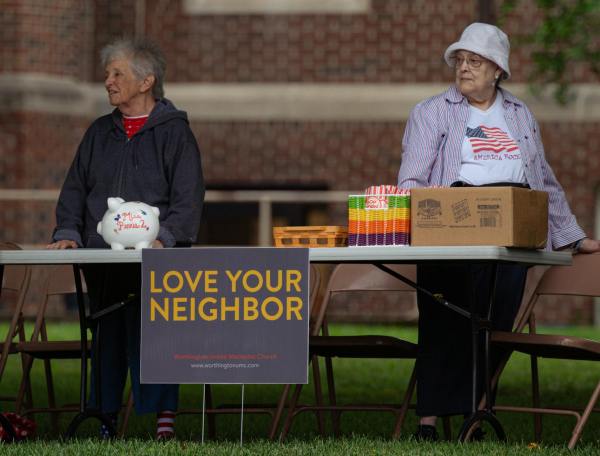

Tomorrow is Mid-term Election Day in the U.S. Millions of people have already taken advantage of “early voting.” Millions of others will go to their local polling station to vote tomorrow. Sadly, many other millions of eligible voters will stay home, believing that their vote doesn’t matter. And a few people will “cheat” at the polls– they are not eligible to vote, or they will vote using someone else’s name, or they will vote in two different districts. If they are not caught, their votes could determine a couple of close elections and change the course of government in their state or even across the country.
I pray that we have fair and “clean” elections tomorrow. I pray that voters will make wise choices based on solid principles and not just fear or greed or superficial impressions of the candidates. But in the end, my hope cannot be built on the outcome of this (or any other) election. I cannot place my hope in a single candidate or in any political party. I cannot even place my hope in a platform or set of campaign statements on moral issues. So how can a Christian pray (and act) when it comes to elections? I don’t think there is a single “right” or “wrong” way of casting a ballot, but I think the Bible sets up a few general guidelines that we should consider when it comes to government, whether local, regional, or national.
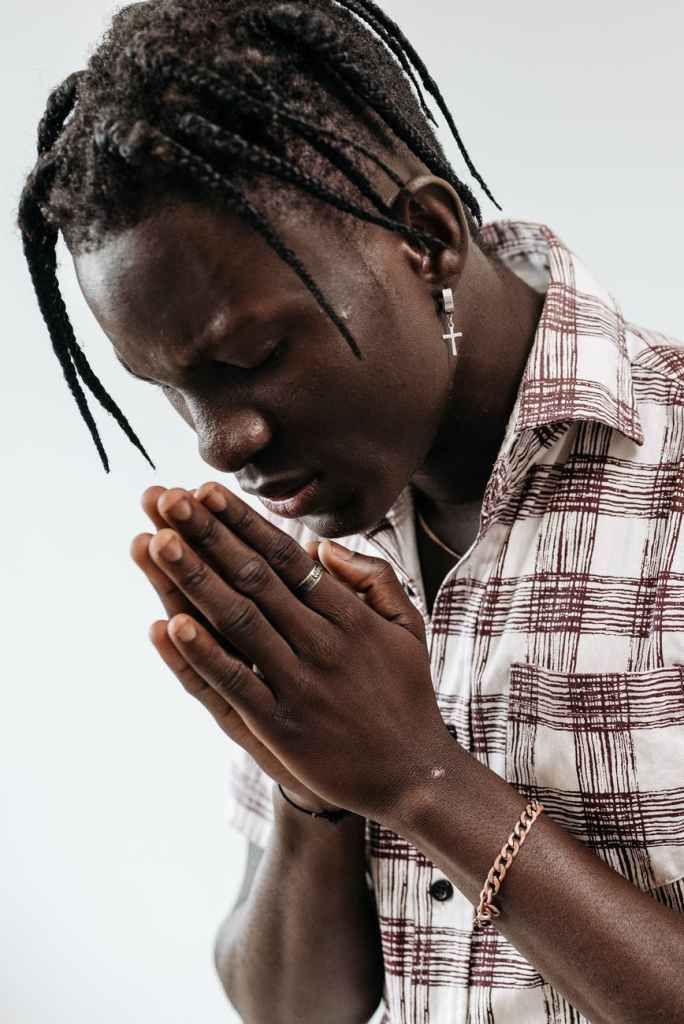
- Always seek God’s counsel and wisdom! Pray that God will help you discern more than just talking points, polls, and “feel-good” statements by candidates or parties. (see Proverbs 3:5 and James 1:5)
- Christians are to be neither ignorant nor indifferent to politics– we are to obey the authorities and laws that already exist, and to do our civic duties, including voting. (see Romans 13:1 and 1 Peter 2:13-14)
- We should pray for all who are in authority– pray for their safety, for them to make wise choices, and for them to come to or continue in Faith. We should serve faithfully “as unto the Lord” (see Colossians 3:23-24) We should not pray against people, but against the forces of evil and Sin that cause people to behave in corrupt and destructive ways. (Ephesians 6:12) We should show respect for leaders and candidates, even for those with whom we disagree.
- We should pray to stand firm in our knowledge and pursuit of the truth. Even though we pray for our enemies, we should not compromise or accept false beliefs.
- God is not a Republican or a Democrat, a Socialist, a Libertarian, or any other political adherent. He is the KING of KINGS! His rule is absolute, even though He allows for nations and governments to rise and fall. Remember, Daniel served the power-hungry madman, Nebuchadnezzar, and Jesus lived under the Roman occupation without starting a rebellion against the Caesars. Even if our rulers are not Christians, they will one day bow the knee and confess that Jesus is LORD.
- Our true citizenship is in Heaven, and we must be faithful to Our King and Lord above all. Even if a fellow Christian is supporting a candidate or a cause you don’t like, you are not responsible for their choices. And they are not responsible for yours. But each of you will answer to God on the day of judgment for every choice, including the choice to vote (or not). Christians may agree on outcomes but disagree on how to achieve them. That said, you should be able to discuss and even disagree without hatred, bitterness, or condescension. And don’t let yourself be pressured by other people, even neighbors, family members, pastors, and other people you respect. God is gracious and compassionate. If we (or others) make a “wrong” choice along the way, God can still redeem our choices and bring good out of seemingly lost causes.
- Elections have consequences, and it can be frightening to face the negative consequences of an election. It can also be frustrating, even when the outcome seems “good,” to wait for justice and change that we voted for. Pray that God would send peace, confidence, and joy, and that He would keep us from pride, despair, or anger in the aftermath of an election cycle.

Prayer is essential in our everyday life, and it our decision-making– whether deciding what to buy, where to worship, when to speak, or how to vote. Pray before you go to the polls, pray before you enter the booth, pray on your way home, and pray as the results come in.