Abide With Me

Often, when I pray for those who are in pain or grief, I will ask, “God, BE WITH…” This is a natural desire, but in one sense, it is also superfluous. God is always with us; always present, no matter our circumstances.

So when I ask God to “be with” someone, I am not really asking that He stop whatever else He is doing and go to that person. He is already there. I’m not asking Him to become aware of their heartache or suffering; He already knows. I’m not asking that He do something new or different from His will or His plan. What I am asking is that His presence would be revealed in and through the situation– that my friend or loved one (or stranger whose needs have been brought to my attention) would have a supernatural sense of God’s abiding, powerful, compassion and grace.

Photo by cottonbro on Pexels.com

Intellectually, I can know that God is omnipresent and omniscient. I “know” that God is always with me. The Bible is filled with God’s promises to “be with” His people. (See https://www.biblestudytools.com/bible-study/topical-studies/beautiful-verses-to-remind-you-that-god-is-with-us.html) But I also know, emotionally and experientially, that I don’t always feel His presence. I have moments of doubt and despair– I think all of us do. That’s part of the curse of Sin–being separated from the awareness of God’s continual presence. Even Jesus, as He was dying, felt the awful anguish of being separated from the Father, crying out, “Eloi, Eloi, lema sabachthani?” which means, “My God, my God, why have you forsaken me?” (Mark 15:34)

Photo by Alem Su00e1nchez on Pexels.com

God promises each believer that He (through His Holy Spirit) will dwell with us. He will “abide” with us. But just like living with a spouse and other members of a family, there are times when His presence seems to be in another room; and we feel alone. There may be many reasons for this– sometimes, it is because we have walked away, or turned our face away. But at other times, we long for that closeness, that awareness that God is right beside us, only to feel that He is far away. As strong as that feeling may be, we need to remember that it is NOT the reality. God still abides with us. He is still present, even if He is silent.

Photo by Liza Summer on Pexels.com

So, when I know that feeling, or when I know someone else is going through that feeling, I pray, not that God will come to us, or come back from being away, but that our awareness of God’s presence and closeness will be deepened or reignited.

Photo by Artem Beliaikin on Pexels.com

Someday, I won’t have to pray that prayer. Someday, and for all eternity, we will be surrounded by God’s Glorious Presence. But in this fallen world, what a privilege and hope to be able to pray to a God that abides with us!

Oh, Be Careful, Little Tongue

13 Suppose I speak in the languages of human beings or of angels. If I don’t have love, I am only a loud gong or a noisy cymbal. Suppose I have the gift of prophecy. Suppose I can understand all the secret things of God and know everything about him. And suppose I have enough faith to move mountains. If I don’t have love, I am nothing at all. Suppose I give everything I have to poor people. And suppose I give myself over to a difficult life so I can brag. If I don’t have love, I get nothing at all.

1 Corinthians 13:1-3 (NIRV) via biblegateway.com
Photo by Sora Shimazaki on Pexels.com

We run a small shop, my husband and I. The other day, a sweet-looking elderly lady came in looking for antique buttons. She was delighted to find a few that would suit her purpose and she came to pay for them. We struck up a conversation, and I was appalled to hear the words coming out of her mouth. It was like listening to an R-rated stand-up comedian–filled with profanities and bigoted remarks–all delivered in quiet, honeyed tones. I was stunned!

Photo by Ron Lach on Pexels.com

Such talk becomes habitual. Most people don’t even notice how often they say offensive words or off-color remarks. In this situation, I simply kept a kind of stony silence– I neither exploded with offense, nor nodded in compliance. She stopped talking and made her exit, knowing she had somehow displeased me, but likely unaware of how she actually sounded. I felt guilty for not having challenged her, but I truly think she was oblivious. She had not been swearing in anger; she had not used obvious slurs, but to me, her language was like a cesspool. My ears felt dirty just listening.

Photo by David Selbert on Pexels.com

But after I had judged her harshly, I turned the lens on myself. How often do I offend others with my language? I don’t mean with obvious swear words or racist language, but with careless statements or unkind sarcasm? Or with selfish empty boasts about how wonderful my life is or even how good God has been to me? How often do I sound like a clanging, clamoring “noisy cymbal?”

I love to talk, but do I talk with Love? Do I speak words of truth and beauty; blessing and encouragement? Do I speak words of conviction out of love for others, or out of my own contempt? Do I pray with a heart of grieving for those who struggle, and those who are lost? So I assume, as this woman did, that my ugly words will be accepted because I speak them in polite and dulcet tones to someone who looks like me? Or because “everyone else” I know uses such words or spreads such opinions? Do I choose to listen to celebrities, or neighbors, or family members whose speech is filled with hatred and filth? Do I add my nervous laughter when others make careless remarks– worse yet, am I developing bad habits in my own speech or in my social media interactions?

Oh, be careful, little tongue!

Lord, Lord!

21 Not every one that saith unto me, Lord, Lord, shall enter into the kingdom of heaven; but he that doeth the will of my Father who is in heaven. 22 Many will say to me in that day, Lord, Lord, did we not prophesy by thy name, and by thy name cast out demons, and by thy name do many mighty works? 23 And then will I profess unto them, I never knew you: depart from me, ye that work iniquity.

Matthew 7:21-23
Photo by Pixabay on Pexels.com

In just the past three weeks, three of my family members and one of my friends have made the decision to be baptized as a public declaration of their decision to live for Christ. All of them (and the others who were baptized at the same times) were baptized by immersion, signifying that they have, spiritually, died to self, been buried, and are raised with Christ to eternal life. This is not a step to be taken lightly, and I have confidence that all four (and more) of those I know are serious in their passion to follow the Lord.

Photo by Ali Arapou011flu on Pexels.com

When I write about prayer as a pursuit, I hope to convey that prayer is part of a larger pursuit of seeking God. And seeking God must include acknowledging Him as Lord above all– especially self. Jesus warned about people who claim to follow Him in word, but do not obey Him. It is, unfortunately, very easy to “speak Christian-ese”: to sound righteous and reverent when we are around others who claim to believe, but justify behaviors that may or may not stem from selfish motives.

There are obvious examples of hypocrisy in our world, but in His famous “Sermon on the Mount,” Jesus warns that many who seem to be doing good deeds, and “talking the talk” will not be part of God’s eternal kingdom. We are not to be seduced into thinking that God will be impressed by charitable giving, memorizing Scripture, or working on the Mission field if we are not willing to repent of our “secret” sins and false attitudes. And it is not for us to point fingers at “other” hypocrites– it is for us to humbly assess whether or not we are truly acting in obedience and submission to our Lord, or satisfying our own selfish desires and hoping for God’s stamp of approval.

Prayer should be a two-way communication. We pray to God, but we also listen for God’s guidance, wisdom, conviction, and encouragement. And we must act in obedience, and confess our disobedience if we want to “keep the slate clean” and keep a close relationship. When we refuse, we are just giving God lip service, and using His name to impress others and deceive ourselves. Others may judge us on appearances, but God sees what is in our heart. And “in that day” (v. 22), He will not let imposters through the gates of Heaven.

Photo by Foss Valentine on Pexels.com

The Good News is that Jesus doesn’t leave us hanging in verse 23. He goes on to say, “Therefore everyone who hears these words of mine and puts them into practice is like a wise man who built his house upon the rock..” (Matthew 7:24) Jesus is our Lord, but also our Savior and our Advocate. When we call on Him AS our true Lord, He is faithful and just to forgive our sins (1 John 1:9), and His divine power has given us everything we need for life and godliness (2 Peter 1:3a)

Photo by Transformation Films on Pexels.com

The act of Baptism alone does not have the power to save us. The practice of prayer alone has no saving power. But the pursuit of a relationship with Christ depends on such acts of obedience, humility, and trust. And the other good deeds that come from that relationship will not only help others, but will please God and strengthen that relationship. Instead of hearing, “I never knew you,” we can hear, “well done!” Not because of what we’ve done, but because of the partnership we’ve developed in God’s work.

Photo by Artem Beliaikin on Pexels.com

May God bless all those who have recently taken the step of Baptism. And may we all continue to pursue that relationship of dying to self, being buried with Him, and rising to new life in Christ!

Who’s On First?

One of the classic comedy routines of the 20th century was a skit by Abbott and Costello, called “Who’s on First?” It’s all about mistaken identities and confusion, when the roster of players on a baseball team contains unusual names and nicknames that sound “question-able”.

I love baseball, and comedy, but the routine should make us do more than laugh. One of the big problems we face is that we often don’t know “who” is on first (or second, or in left field) in the game of life. We tend to become spectators, and fans, but we don’t always know the names of the players, or what position they play. We watch as players–celebrities, government power brokers, athletes, etc.–come and go on the “roster.”

Photo by Andrea Piacquadio on Pexels.com

And it can filter into our prayers. While we look at the line-up of human “players” around us, we can forget that God is in charge of the outcome of the “game.” God knows exactly “who’s on first,” and who will be there at the bottom of the fourth. He knows who will strike out in the third, who will hit a grand slam in the fifth, and who will drop the ball in the sixth. While we watch the players and bite our nails when the bases are loaded and there is a full count, God already knows the next pitch.

Photo by Liza Summer on Pexels.com

We may not understand why “Who” is on first, instead of someone else. Sometimes, we see people rise to a position only to abuse their power and oppress others. We may question “Why?” as well as “Who?” Sometimes, we may ask, “How?” “How could God put them in the line-up?” And the only answer I can offer is, “I don’t know.” God’s ways may not make sense to us in the moment. We may never understand the How or Why of our lives or circumstances. But God sees the whole picture, and His ways are not our ways. His understanding is far greater than ours.

Finally, we need to make sure that we are more than just spectators. Watching from the sidelines may seem safer, but we won’t really learn how to pray if we never learn how to “play.” God loves prayer warriors, but He commands us to be “doers of (His) Word.” (James 1:22-25) If we are just listening from the sidelines, we will continue to be confused and frustrated– in our praying and in our living!

We may not always know “Who’s on First.” But we should take comfort in knowing “Who IS First.” No matter who takes their position as shortstop or who is throwing the pitches, God is always sovereign. No matter who seems to be “winning” the game, God has already determined the outcome of the ultimate “World Series.” We can pray with confidence, knowing that, with God as our manager, Christ as the umpire, and the Holy Spirit as coach, we have the winning team!

Photo by Tima Miroshnichenko on Pexels.com

Static

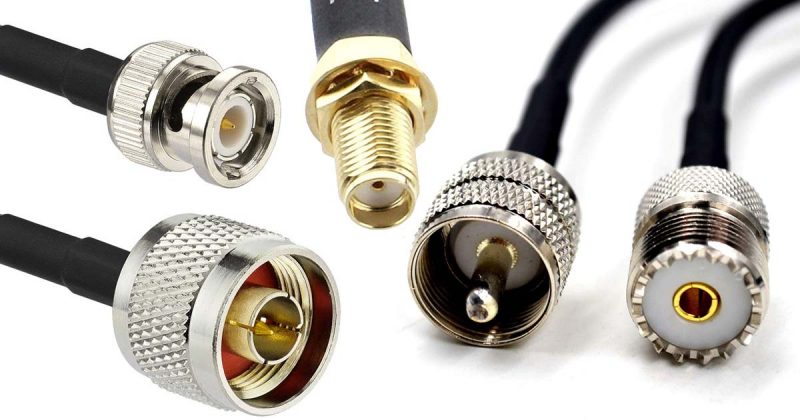
This past weekend, my husband and I participated in “Field Day.” It is an annual Amateur Radio contest, in which operators have 24 hours to make as many unique “contacts” as possible within the U.S. and Canada, using low power and simulating “field” conditions (many operators and clubs literally set up with tents in fields and use only solar or battery power for their radio equipment).

Photo by Gratisography on Pexels.com

Field Day can be a lot of fun, but it can also be very frustrating. Depending on where and how you set up, the weather conditions, and other random factors, you may end up with very few contacts, and a lot of static! Radio static comes from three main sources– natural electromagnetic atmospheric noise, such as lightning, high winds, and solar pulses; radio frequency interference, when the radio equipment picks up pulses from nearby electrical devices, including TVs, other radios, or even power lines; and thermal noise coming from within the radio device itself.

Photo by cottonbro on Pexels.com

We chose to set up for Field Day at our radio store, which is located in town, just beneath our apartment. We have several antennas set up on the roof, along with a solar panel and battery, which can power all of our radio equipment. So we met the basic requirements for Field Day, operating the radios on Solar and Solar Battery power, without extra amplifiers and power boosts. We set up two stations, and we were able to make contacts through voice transmission or by Morse Code. But we were not exposed to the weather and discomfort of a tent in the field– we had a refrigerator stocked with food, we had air conditioning and comfy chairs, and we were able to sneak upstairs for a nap in our own bed, if we felt tired.

Photo by Ketut Subiyanto on Pexels.com

Atmospheric conditions were not so good this year for Field Day– not in Michigan, at any rate. We had a series of extreme storm cells coming through, with torrential rains, thunder and lighting, and a tornado watch, which spanned the first six hours of the contest. We were lucky not to have a tornado touch down, but other areas were not as lucky…

Photo by Ralph W. lambrecht on Pexels.com

Staying in town also provided some complications– we are surrounded by power lines, neighbors with electronic equipment, street traffic, including cars with loud stereo systems and radios, and our own electronic and radio devices– cell phones, air conditioners, computers, etc.

Photo by Jonas Ferlin on Pexels.com

Finally, we had an ongoing issue with our two radios. If we were using certain frequencies, the two radios interfered with each other. As I was listening to one radio, my husband would try tuning his radio. Suddenly, the noise of his radio could be heard over the sound of other transmissions.

All of this made for a somewhat frustrating contest, but it reminded me of some important aspects of prayer:

  • Prayer can be “choked out” by atmospheric conditions. If we are not “tuned in” to God’s presence, the noise of other worries, interests, concerns, and even “good” things can cause static. Life struggles, changes in our routine, or the “high winds” of adversity can seem louder than the faithfulness and compassion of the One who never changes and never leaves us. This is one reason we are to make prayer more than a habit or routine– it is to be a lifestyle and a blessed and constant pursuit– regardless of our circumstances or feelings at a given moment.
  • Prayer can also be derailed by “frequency interference.” If we don’t spend time in deep prayer and meditation with God, listening to His Word, or making ourselves accountable to Him, we will be susceptible to interference from other voices, other philosophies, and other “static” influences. Jesus’ prayer life included many times of retreat and separation from the crowds and stress of His ministry; not because He didn’t love others, but because He loved and honored God more.
  • Finally, prayer can get lost in the “internal” static of our wayward hearts. The heat of anger, bitterness, selfishness, pride, greed, and lust can keep us from meaningful communication and communion with our Father. Often, we struggle with prayer, because we are hanging on to the “static” of our own desires and fears. King David wrote: “Search me, O God, and know my heart; test me and know my anxious thoughts. Point out anything in me that offends you, and lead me along the path of everlasting life.” (Psalm 139:23-24, New Living Translation, via bible.com)
Photo by Luis Quintero on Pexels.com

Field Day is over for another year. We were somewhat disappointed in our performance, but, in the end, it is just a contest– an opportunity to learn and grow in our hobby. While we enjoy being amateur radio operators, and we feel it is an important and worthwhile hobby, it pales in comparison to growing in our Faith and our pursuit of praying and obeying Jesus Christ!

In the middle of our contest this year, we had a singular opportunity– to leave the contest for a few hours and visit a local church where my niece and two of my nephews were getting baptized. It would mean fewer contacts for the contest, at a time when the atmospheric conditions were the best they had been for several hours. After a dismal evening, we could have chosen to focus on our own pursuits. We didn’t have to witness the baptism to rejoice in it. They would have been no “less” baptized, and they had other family and friends there to see it. And going there didn’t make us “better” or more righteous people. But we chose to shut down our contesting activities, pick up my Mom, and join in the happiness of watching three precious young people publicly declare their choice to follow Jesus. And they were among others who made that decision– others whose joy and radiance also filled the church that day.

Photo by Transformation Films on Pexels.com

Field Day is about listening through the static, reaching out, and making contact with others. Yesterday, I was reminded that there is a much more important “Field Day.”

Do you not say, ‘There are still four months, and then comes the harvest’? Behold, I tell you, raise your eyes and observe the fields, that they are white for harvest.

John 4:35 (NASB, via biblehub.com)
Photo by Anna Shvets on Pexels.com

What static is preventing us from making “contact” with those who need to hear the Good News? What static is preventing us from hearing God’s voice? What static is keeping us from seeing the “fields” ready for harvest?

In My Distress…

This has been a week full of distress.. My husband and I got our second COVID vaccine (even though we recovered from the virus earlier this year), and spent a day bedridden with fever, chills, and body aches. But we recovered. I got word that my great-nephew broke his arm. Someone I know had to take her daughter to the emergency room–Again–with a serious infection. Another couple delivered a stillborn son. Yet another delivered a tiny, premature little girl. Another woman is back in the hospital, and another friend is off work with a lingering illness that remains undiagnosed. And that is just a list of health issues!

Photo by Pixabay on Pexels.com

It has been said that when we are in distress– especially with bedridden illness– we are forced to look up. And this gives us the impetus to call out to God. Not everyone will do so. And some will call out in anger or bitterness. But the Psalmist David used his distress to call out to God for help. In Psalm 18:6 he says: “In my distress I called upon the LORD; to my God I cried for help. From his temple he heard my voice, and my cry to him reached his ears.”(ESV via bibleref.com) David’s distress was not from illness, but from being hemmed in by King Saul, who had closed in and had David trapped and seemingly helpless–first in a walled city, then twice in the wilderness. (1 Samuel 23) Three times, David’s situation seemed hopeless, and three times, he was rescued from capture and death.

Photo by Pixabay on Pexels.com

It is tempting to look out at our circumstances, and lose hope. Even when we know that God hears us and loves us, sometimes his answers are not what we expect. David called out to God, yet he had to face his enemy three times before Saul abandoned his hunt (temporarily!) My husband and I recovered quickly from our reaction earlier this week, but we faced the pain and symptoms three times– during the actual illness, and, less severely with each dose of the vaccine. My nephew will have to be in a cast most of the summer. The tiny baby will be in the neonatal ICU for several weeks, if she survives. Her family will be waiting and worrying and praying. Yet, God DID deliver David in a miraculous way; He brought my husband through a severe case of COVID that involved a stay in the hospital and a related case of pneumonia; He gave life to this precious little baby; He is bringing peace to the family that lost their precious little boy. His timing may not be ours; His ways are not our ways. But God’s ears are always open, and His ways are always good, and His wisdom is perfect.

Photo by Mohan Reddy Atalu on Pexels.com

Distress can make us impatient and cause us to doubt Our Father’s care. But when we remember God’s faithfulness in the past– both toward us and those we love–we can find the strength to wait and even praise God in the struggle.

Photo by Mary Taylor on Pexels.com

To Bow; To Kneel…

There is no one “right” way to pray–God listens to our heart, whether we are standing, sitting, bowing, lying prostrate, or running! However, kneeling or bowing before God shows our heart attitude. And I think it is important to talk about it a little here.

Photo by Ian Panelo on Pexels.com
  • Bowing or kneeling shows deference. A person bows or kneels before a sovereign or dignitary, someone of rank and importance, or someone in high authority. Therefore God also has highly exalted Him and given Him the name which is above every name, 10 that at the name of Jesus every knee should bow, of those in heaven, and of those on earth, and of those under the earth, 11 and that every tongue should confess that Jesus Christ is Lord, to the glory of God the Father. (Philippians 2:9-11 NKJV)
  • Bowing not only demonstrates God’s superior position, but reminds me of my own position before Him. It is a humbling position to kneel; to bow one’s head; to become smaller and cast one’s eyes down. If there is pride lurking in my heart, bowing may not come easily…
  • To bow or kneel forces us to stop, and puts us in a position for prayer. It forces us to turn away from distractions and from comfort. I can pray in any position, but I don’t generally kneel to do household tasks, or bow to take a phone call. Even if I am not in a position to physically kneel or bow, I can put aside distractions, and take a heart and mind “stance” of prayer.
Photo by Tima Miroshnichenko on Pexels.com
  • Throughout the Bible, we are encouraged to bow or kneel when we pray– it is one among many stances of worship we are to take when approaching God’s throne. (see also Romans 14:11, Isaiah 45:23, Revelation 5:13, and Psalm 95:6-7)

https://www.gotquestions.org/bowing-kneeling-prayer.html

  • Kneeling or bowing sets us apart. That is not to say that we should make empty postures to make ourselves look virtuous. But neither should we be afraid to bow our heads, or reluctant to kneel, if we feel led to do so. This is especially true when we are at home or in church. It may NOT be appropriate to kneel in the breakroom at work or bow your head while driving– but if bowing or kneeling at church or in your own home makes you feel uncomfortable (other than for physical limitations), because someone “might” see you, there may be another heart issue at stake.

Today, as I come before my creator, I will kneel in reverence, bow in humility, and worship Him in word and action.

Prayer Priorities

What’s the most “important” prayer you can pray today? Sometimes, we think it is the prayer we pray in a moment of crisis. Or maybe the one we are asked to lead in front of a congregation. But the setting or the situation doesn’t make one prayer more important than any other.

It’s almost a trick question, really. Jesus never taught that some prayers were more “important” than others. But He did teach the some prayers were more effective than others. And His answers may be surprising to some.

Photo by sergio omassi on Pexels.com

The prayers Jesus praised were prayers of humble confession and needy request. God doesn’t judge our prayers– He judges the heart of the Pray-er. Jesus praised the prayer of the Tax Collector over that of the self-righteous Pharisee (Luke 18:10-14). While others might have been impressed by the Pharisee’s words and confidence, Jesus heard the desperation and the dependence of the Tax Collector. Just before this exchange, Jesus told the parable of a persistent widow, whose constant nagging resulted in getting justice from corrupt judge (Luke 18:1-8). It’s a strange parable–the woman is not meekly accepting of her situation; the judge is corrupt, initially refusing to do the right thing. Yet Jesus prefaces the story by telling his followers to “always pray and not lose heart.” (v. 1) So, the very prayers we dismiss– the nightly prayers for our loved ones, the “unspoken” request we lift up on behalf of a friend, or the seemingly unanswered requests–are no less important than any others.

Finally, Jesus praised (and prayed!) prayers that were “real.” He poured out His heart to His Father in the Garden of Gethsemane; He lifted up His friends’ needs at the Last Supper (John 13-17); He said simple grace before feeding the crowds.

Photo by RODNAE Productions on Pexels.com

So often, we judge our efforts when we pray– did we say the “right” thing? Did we say it the “right” way? Did we leave something out? Forget to say something? But God knows what is on our heart and in our mind. He knows what we “meant to say.” He knows everything we need– and all the needs of everyone else we could mention! He already knows all His names and attributes! And though He loves to hear us speak words of praise, He also listens to our heart, and–26 In the same way, the Spirit helps us in our weakness. We do not know what we ought to pray for, but the Spirit himself intercedes for us through wordless groans. 27 And he who searches our hearts knows the mind of the Spirit, because the Spirit intercedes for God’s people in accordance with the will of God. (Romans 8:26-27 NIV via biblegateway.com)

There is one caveat– because God knows our heart, He also “sees through” prayers that are insincere, proud, self-centered, and thoughtless. Some of the most “important-sounding” prayers fall short of touching God’s ears. He will not listen to the prayers of those who wish to “strike a bargain” with Him, or convince Him of their own self-worth. That doesn’t mean that God doesn’t value each one of us– after all, He became Sin who knew no sin, so that we could become the Righteousness of God (2 Corinthians 5:21). But God’s love is a gift–when we try to bargain for His gifts and earn His Grace with our eloquence, we lose sight of Who He Is.

Photo by Alex Green on Pexels.com

Many centuries before Jesus walked the earth, Hannah poured out her heart in tears, wordless anguish, and groaning. (1 Samuel 1). Her prayer was such a mess, the priest, Eli, accused her of being drunk! But God heard her heart, and answered her prayer, and because of her great faith, her son, Samuel led Israel through some of its most trying times. Hers was a very “important” prayer.

What if our stumbling effort to pour out whatever is on our hearts and lift it up to Almighty God–our praise, our failings, our grief, our desperate need–is be the most important prayer we can pray today?

Spiritual Distancing

“And lead us not into temptation, but deliver us from evil.” Matthew 6:13

For over a year now, we’ve been hearing the term “social distancing” in relation to COVID-19. Social distancing generally refers to keeping a “safe” distance from others in public, to reduce the spread of the virus (normally about 6 feet). It may also refer to using a mask whenever you are in a public building, or whenever you interact with someone who is 6 feet away or closer– especially at stores, doctor’s offices, church, school, etc.

Photo by Anna Tarazevich on Pexels.com

Most people accept that social distancing is a temporary measure and meant to help keep you from getting (or giving) the disease. It is not a normal social practice, but one we choose to adopt for the good of everyone around us. However, there are many questions as to the effectiveness of social distancing after more than a year– what about those who have already had COVID, and should have antibodies? Should they be required to wear masks and keep their distance? What about those who refuse to practice social distancing? What about those who practice social distancing to the best of their ability who STILL get COVID?

Photo by Gustavo Fring on Pexels.com

These are all valid questions. But I want to look at the contrast between social distancing and “spiritual” distancing. We don’t want to “catch” COVID, but how vigilant are we in avoiding the contamination of sin? How often do we distance ourselves from those who claim to be “healthy” Christians while continuing with sinful practices? How often do we remain in situations rife with temptation, or compromise on “little things” in our own lives?

Photo by cottonbro on Pexels.com

I’m not talking about walking around in a spiritual “bubble,” refusing to interact with anyone who has a sinful past, or with lost souls who need to hear the Good News of Salvation. Nor should we deny and cover up our own faults and failures. But if our lives are supposed to reflect the ministry and teaching of Jesus Christ; if we REALLY want to live the kind of lives that honor Him and lead others to want to honor Him, shouldn’t we be every bit as careful about sin as we are about COVID?

We are instructed multiple times throughout Scripture to “resist” the devil, to “flee” from temptation, to invite the Holy Spirit to “guard” our hearts and minds, and to “do battle” with spiritual foes. We are quick to put on masks before we enter the grocery– are we putting on the Armor of God at the same time?

Social distancing is public, and very visible. We can see who is practicing and who is not. We can judge others just by seeing if they are wearing a mask or keeping their distance. Spiritual distancing is private and largely invisible to the public. But God still sees and knows. I confess, I have been guilty of walking into situations and relationships without “wearing a mask” or putting on my spiritual armor.

10 Finally, be strong in the Lord and in his mighty power. 11 Put on the full armor of God, so that you can take your stand against the devil’s schemes. 12 For our struggle is not against flesh and blood, but against the rulers, against the authorities, against the powers of this dark world and against the spiritual forces of evil in the heavenly realms. 13 Therefore put on the full armor of God, so that when the day of evil comes, you may be able to stand your ground, and after you have done everything, to stand. 14 Stand firm then, with the belt of truth buckled around your waist, with the breastplate of righteousness in place, 15 and with your feet fitted with the readiness that comes from the gospel of peace. 16 In addition to all this, take up the shield of faith, with which you can extinguish all the flaming arrows of the evil one. 17 Take the helmet of salvation and the sword of the Spirit, which is the word of God.18 And pray in the Spirit on all occasions with all kinds of prayers and requests. With this in mind, be alert and always keep on praying for all the Lord’s people.

Ephesians 6:10-18 NIV via biblegateway.com (emphasis added).
Photo by PhotoMIX Company on Pexels.com

We should keep our distance from sin and temptation whenever possible, but we must also be ready to “stand firm” and protected by God’s armor, which includes persistently pursuing prayer! We wouldn’t walk into a situation where we knew we would be exposed to COVID without taking any precautions. Why would we deliberately expose ourselves to sinful practices? Why do we make excuses for compromising in our listening and viewing habits? Why do we get involved in fruitless arguments or gossip? Worse, why would we tempt others to be complacent about sin? Why do we stay silent as we watch other Christians struggling? Why aren’t we standing firm, suiting up, and praying “on all occasions?”

Photo by Keira Burton on Pexels.com

Just like with COVID, we can practice spiritual distancing and still fall into the “sickness” of sin. But God makes a two-fold promise–through the death and resurrection of Jesus Christ, the “virus” of sin is defeated and its effects neutralized. Even though we will face a physical death, we can have new and eternal spiritual life through faith by grace (Ephesians 2:8-9; John 11:25, others..) But we also have the forgiveness of sins– the knowledge that God will heal us and redeem the effects of our individual sinful choices when we confess and repent of them.

Photo by Polina Tankilevitch on Pexels.com

COVID is not a joke; nor is it harmless. I know from experience. Both my husband and I had it earlier this year. My husband was in the hospital for a week, and is still struggling to regain full health. I still have a diminished sense of smell, and other problems as a result of my illness. But Sin if a far greater threat than COVID. COVID has claimed many lives, but Sin has claimed billions of souls, and robbed them of life and hope.

Let’s keep our distance, wear our armor, and let’s get praying!

Photo by Binti Malu on Pexels.com

Where Two or Three Are Gathered…

Something curious has been happening to “The Church” in the age of COVID. In many areas, public gatherings have been limited or even prohibited, leaving local churches scrambling to re-invent their worship services and other programs. For a few weeks last summer, my local church was “closed” to the public, but sermons and worship songs were filmed and sent out as podcasts. Families could stay at home and still “come to church.” Since our congregation is made up of many large families and many elderly couples who are at high risk for getting or spreading COVID, this seemed like a safe alternative. However, for those who are single or just a couple living alone, we were encouraged to find another couple or family and “do church together.” (My husband and I watched the podcasts, but we didn’t gather with any other couples.) I knew of several small churches that continued to have “regular” live services– with congregations of fewer than 50, and plenty of space, they could meet the state guidelines. Others had “Zoom” services, or live streaming services for their sermons and a small praise team. David and I visited a couple of small churches, and, as our church opened up for limited seating, we happily attended in person. The larger the congregation, the more difficult it has been to have “live” church. Many are still struggling to find a “safe” alternative for congregational worship.

Photo by Josh Sorenson on Pexels.com

Most of the churches in my area are currently open and trying to “get back to normal.” But something is still different. My husband and I went to Easter Service this year, and it felt really good to worship with familiar faces, even if they were still behind masks. There weren’t as many hugs or handshakes, and not as much “fellowship” before or after the service. The Joy of Easter was mingled with caution; the joy of seeing others was mixed with the fear that some familiar faces were still “missing.” We waved at familiar faces, and we sang familiar songs. But for me, at least, it seemed that we were still isolated from others. We “showed up” for church; we didn’t really “gather together.” I don’t know that anyone else felt what I did– and I don’t think this was any “lack” in our local congregation. But I think it will take some time and effort to reclaim “togetherness” in the sense that we used to take for granted at church.

Photo by Mary Taylor on Pexels.com

As I reflect on all this, I feel a sense of sadness and loss. And yet, I also sense a wonderful opportunity to rebuild and redefine our church community; one that remains close, not based on familiarity or shared worship style or similarity of situation or culture, but IN CHRIST! “Where two or three are gathered”…(see Matthew 18:20) We often use this verse as a promise of God’s presence whenever we have a service or a fellowship meeting. But the verse reads, “For where two or three are GATHERED IN MY NAME, there am I among them.”(ESV– emphasis added). This seems obvious, but I think we have a great opportunity to reflect and re-think what it means to “gather” in Christ’s name.

Photo by Andrea Piacquadio on Pexels.com

We have amazing opportunities to “gather” via social media, live streaming, digital sharing, etc., with brothers and sisters around the world. We have the opportunity to develop friendships and relationships around the world, and worship with thousands of others simultaneously. And that’s wonderful. But Jesus’s promise is not made to mega-gatherings of believers “showing up” for a worship “experience.” Jesus promised to be where “two or three” are gathered in His name. And that doesn’t just mean that we need to get involved in a small group Bible study or “plug in” to a small fellowship group– though both are great opportunities.

But what happens when Jesus shows up at the grocery store when you run into your neighbor and share a prayer request, or at the restaurant, when your family says grace, inspiring others to do the same? What happens when “IN MY NAME” becomes a bigger part of our everyday life? What happens when that friend on social media becomes a prayer partner, instead of someone who just “likes” our jokes and photos? What happens when we make an effort to gather with a few neighbors for Bible study– even if we all go to different churches for worship?

Photo by Anna Tarazevich on Pexels.com

Two are better than one, because they have a good reward for their toil. 10 For if they fall, one will lift up his fellow. But woe to him who is alone when he falls and has not another to lift him up! 11 Again, if two lie together, they keep warm, but how can one keep warm alone? 12 And though a man might prevail against one who is alone, two will withstand him—a threefold cord is not quickly broken.

Ecclesiastes 4:9-12 (ESV via biblegateway.com)
Photo by Helena Lopes on Pexels.com

I confess that COVID has shown me how much I’ve been living life and pursuing prayer in a bubble. I need to “gather” and interact one-on-one and in small groups with other believers. How much of Christ’s presence have I halved by hoarding it to myself or searching for Him in the church pews–how much more I can pursue relationships that include and invite Jesus to be “among” us, rather than just “with me.”

Blog at WordPress.com.

Up ↑