When God is “Too Early…”

We spend a lot of time wondering about God’s timing– usually when we are waiting for God to act as we expect! But there are times when God acts before we expect– sometimes before we even ask!

Photo by Andrea Piacquadio on Pexels.com

Tucked in the pages of the book of Acts is a curious little story about Peter’s miraculous escape from prison. https://www.biblegateway.com/passage/?search=Acts%2012&version=ESV

Photo by RODNAE Productions on Pexels.com

Peter’s situation was dire. Herod had already killed James, the brother of the Apostle John; he was planning to make a spectacle of Peter, likely by having him executed at the time of Passover. In verse 5, we see that earnest prayers were being made for Peter’s rescue. But just a few verses later, when Peter shows up at the prayer meeting, everyone is incredulous– “you are out of your mind,” they told poor Rhoda when she brought the good news. They left Peter standing outside knocking and trying to gain entry to the prayer meeting being held for his rescue!

Photo by Vlad Fonsark on Pexels.com

(Point of clarification— in verse 17, Peter says to “Tell James and the brothers” about his release…this is NOT the James who was martyred, but likely either James the son of Alpheus, or James, the brother of Christ, both of whom were leaders in the early church.)

God’s timing is not our timing– but God is ALWAYS “on time.” This can be difficult for us to accept. We may be waiting for a loved one to be cured, or for an abusive situation to be ended. When it ends in tragedy or death, we feel that God “didn’t show up on time.” But the same can happen when God seems to show up “too early.” We may wonder whether the rescue was really “of God” or just “coincidence.”

We must remember that God is not bound by time the way we are. We see time in one dimension–from the present going backward through the past. We cannot see the future; we cannot see “what might have been.” We cannot see at what moment God’s intervention will have the greatest impact.

Photo by HASSAN YAR JANJUA on Pexels.com

The rest of Acts 12 tells the “rest of the story,” one often overlooked. Peter reassured the believers, and then quietly escaped from Jerusalem. The next day, there was a massive search for Peter, which resulted in a sentence of death for the guards who “let him escape.” Herod’s campaign against the early Christ-followers was interrupted by political turmoil. But Herod, in his success and in his arrogance, failed to turn to God. “Immediately an angel of the Lord struck him down, because he did not give God the glory, and he was eaten by worms and breathed his last.” (v.23) The earnest prayers of the believers were answered in a way that far surpassed their expectations– not only was Peter rescued in a miraculous way, but God eliminated one of their fiercest enemies in a dramatic (and graphic) way! Not only that, but “the word of God increased and multiplied.” (v. 24)

Someone might say, “God could have removed Herod from authority long before He did.” Or, “God could have rescued Peter in a different way.” But who can argue that God was “early” or “late” in doing what He did? Who can argue that God “should” have acted differently?

Photo by ZaetaFlow Sec on Pexels.com

As difficult as it may be to accept in the moment, we can learn to trust God’s timing and His ways. And when we pray, we must remember that God will answer us as He chooses–and it will always be “on time.”

Who’s Your Daddy?

When I was growing up, I knew three important things about my father:
I knew he loved me–and the rest of our family–faithfully and truly.
I knew he loved God–He was a man of faith, prayer, integrity, and obedience to the Word.
I knew he would do anything to protect and provide for our family.

But I also knew that my Daddy wasn’t perfect. He was not the strongest man in the neighborhood; or the fastest, or richest, or most respected. He wasn’t the tallest, or most athletic. He wasn’t a leader in local politics or a chamber group or fraternal organization. He didn’t have a string of degrees, or a fleet of fancy cars. He didn’t even have a lot of hair, or perfect teeth. But he had a gentle laugh, a deep wisdom, and a hug that made me feel safe and precious. He had a enormous heart– one that was easily touched, but firmly committed. He was humble and kind; he was loyal and brave and joyful.

Photo by August de Richelieu on Pexels.com
Photo by Abdel Rahman Abu Baker on Pexels.com

I was blessed to have such a Dad. I know people whose earthly fathers were distant, disapproving, absent, or even abusive. Earthly dads, even one like mine, are still human. They make mistakes and bad choices; they carry baggage from their own childhoods; they carry fears and failures; they fall short of our expectations, and their own hopes and dreams. And yet, we long to have a father we can trust; a father who won’t fail us, even in the little things; a father who will perfectly understand us, provide for our needs, and protect us. No matter how old we are, or how successful we may be, our need for a father’s love and approval never end.

Our mental and emotional picture of God is often shaped by our relationship with our earthly fathers. Especially if our father was abusive, it can be difficult to believe that God really loves us. After all, if God loves me, why did He give me an abusive Dad? If God can protect me, why did He allow me to go through a journey with Cancer? Or poverty? Our fallen world leads us into circumstances that cause us to doubt God’s goodness and His ability to redeem our broken past. But, while God sees our painful circumstances, He also sees things that we can’t. He sees the pain that our fathers feel in their own brokenness and inability to “fix” their own past. He sees the kind of growth and compassion that we can learn in our difficulties– lessons that we would not learn in ease and apathy.

God is a different kind of Father. He is eternally sovereign; the King of Kings, and the Creator of the Universe. There is no comparing Him with anyone else’s father– because He is the Ruler and Father of all! Yet, He wants a close loving relationship with each one of us– with me! With you! He is not just committed to doing His best to provide and protect some of us– He is fully capable of providing ALL our needs and protecting us against ALL enemies, including sin and death! For those who have grown up with a distant or abusive father, it can be difficult to hear of God as our “Father” and feel the kind of comfort and trust that we are meant to have. Yet God invites us into His very presence– ALL the time; ANYTIME. He is everything that the word “Father” was meant to be!

Photo by Juhasz Imre on Pexels.com

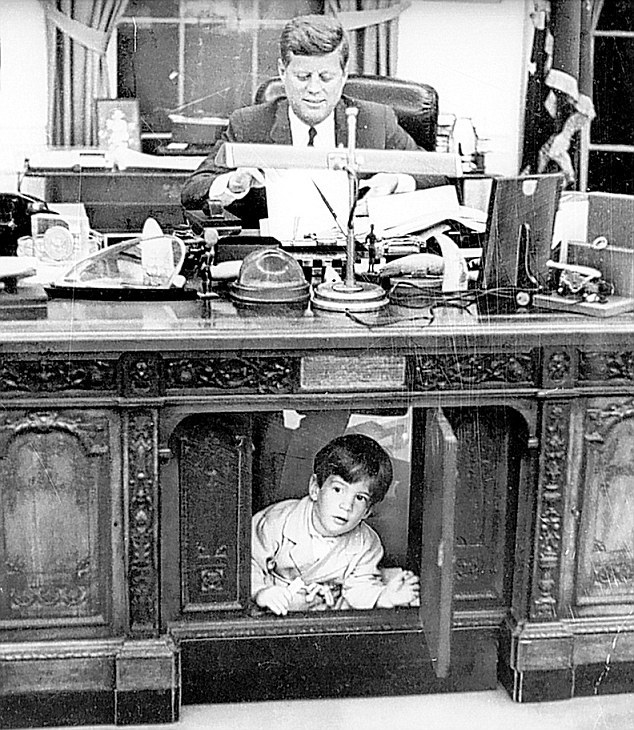
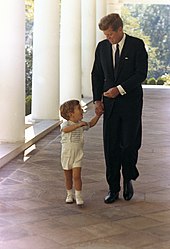
Someone once used the analogy of President John F. Kennedy to describe how we can relate to God as “Father.”. As President, JFK was arguably the most powerful man in the world– the leader of the most powerful nation on earth. At his command, soldiers, sailors, pilots, and even nuclear missiles, could be deployed. The stroke of his pen could sign bills into law, grant pardons, and appoint powerful positions. To enter the Oval Office and have an audience with the President was an honor reserved for rulers and generals and authorities– and his children.

There is a picture of JFK, Jr. as a small boy, peeking out of the Resolute Desk, as his father sits behind the desk conducting the business of the nation. The son had complete access to his father’s presence– access to the most powerful man on earth–his Daddy. He may not have fully understood what his father was doing, or even how important his father was– but he knew that he could spend time with his Dad.

Of course, President Kennedy was not God. He was fallible, and terribly mortal, as the nation learned to its grief. But the idea that God is distant and uncaring, or even vindictive and petty, is belied by the many Psalms and hymns and prayers throughout the ages. And the idea that God is just another “pal”, or “the man upstairs”–someone who loves us, but has no real power to command our obedience or rescue us from our enemies–is also belied by the many miracles and examples of His power in nature and in history. And unlike the exclusive nature of the relationship between JFK and his biological children, God invites ANYONE who calls on Him through His Son to be adopted as a son/daughter with the same intimate privilege of total access. https://www.biblegateway.com/passage/?search=John%201:11-13&version=HCSB (John 1:12)

So when I pray today, I’m not praying to my “Daddy” in any earthly sense. As much as my earthly Dad loved me, I am praying to someone who loves me more, and better, and perfectly. I am praying to the King of Kings, who also invites me to call him, “Abba”– “Dad.”

Praying “Around” My Enemies

I didn’t pray for my enemies. I didn’t pray for their health or safety. I didn’t pray for their spiritual well-being. I didn’t pray that God might show me ways to bless them, or encourage them.

Photo by Andrea Piacquadio on Pexels.com

I prayed that they would be stopped. That they would be exposed as frauds and liars. I prayed for “justice” to be done– to them. That they would be humiliated. That they would get all that they deserved.

And perhaps that is what they prayed for me, as well. That I would “see the light”, and change my mind. That I would be punished for my words and actions that didn’t agree with theirs.

I prayed “around” my enemies. I didn’t pray for them. I didn’t lift them up before the throne of grace. I didn’t pray that they would be shown mercy– I certainly didn’t pray to meet them with humility and grace…

Photo by Foss Valentine on Pexels.com

Love is patient, love is kind. It does not envy, it does not boast, it is not proud. It does not dishonor others, it is not self-seeking, it is not easily angered, it keeps no record of wrongs. Love does not delight in evil but rejoices with the truth. It always protects, always trusts, always hopes, always perseveres. Love never fails. But where there are prophecies, they will cease; where there are tongues, they will be stilled; where there is knowledge, it will pass away.

Photo by Victoria Borodinova on Pexels.com
Photo by Pixabay on Pexels.com

God, forgive me for holding bitterness and anger in my heart. I will never meet a human being– “friend” or “enemy” that you didn’t create in Your own image. You have commanded that I am to love my neighbor– even one who disagrees with me; even one who considers me an “enemy.” I cannot delight in evil, or rejoice at injustice; but I must reach out in Love and not Self-Righteousness.

Leftovers

As I type this, I am eating leftovers. I made a big pot of beef stew the other night, and we’re making another meal out of what was left. Some things, like beef stew, often taste just as good (or even better) warmed up again. And it’s very convenient not to have to make a new meal from scratch. We like leftovers, and I am very thankful that we are able to have an abundance of good food. But today’s leftovers started me thinking…

Photo by SenuScape on Pexels.com

Did you know the Bible has something to say about leftovers? I’ve been reading in Exodus and Leviticus lately, and as God was giving instructions for the Passover Seder, the gathering of Manna in the desert, and the priestly sacrifices, He spoke about leftovers. During the Passover, all the meat was to be eaten on the night of the Passover Seder. Any meat left over was to be thrown away. Several families could share a Passover meal, in order to avoid waste, but the meat was to be eaten in one meal. Similarly, Manna was to be gathered and eaten for a single day (except over the Sabbath). No leftovers! The priests were allowed to eat leftover meat for a single day after the sacrifice, but no more than that.

Photo by SHVETS production on Pexels.com

So often, the “rules” of the Old Testament seem strange to us– arbitrary and even harsh. But in context, they paint a picture of God that we would do well to study. So what do the rules about “leftovers” teach us about God and our relationship to Him?

  • First, God knows what we need. We may often plan too much or too little, or use more or fewer of our resources, but God knows exactly what is necessary. And if we are listening to and trusting God, we can be sure that His plans and resources are sufficient!
  • Secondly, God PROVIDES what we need. Our tendency to store extra food and other resources “just in case” may be motivated by a sincere desire to help our neighbors in times of trouble– there’s nothing wrong with that– but often we are motivated by fear or pride, instead. We fear not having enough, instead of trusting God to provide. Or we pride ourselves on our ability to provide, rather than acknowledging that our resources and abilities all come from God.
  • God’s ways are NOT our ways. God sent the entire nation of Israel into the wilderness. They had all their animals with them– but no place to plant, grow, or harvest wheat or other grain. God could have ordered them to slaughter their animals for meat, or sent them with huge stores of harvested grain, or led them through areas with gardens and orchards. But instead, He sent Manna and quail for them to eat. He provided in ways that they could NOT.
  • God’s mercies (and provisions) are “new every morning.” (Lamentations 3:22-23) God doesn’t give us the “leftovers” of His abundance. He lavishes us with Love and Grace. Every day!
  • God isn’t impressed with my “leftovers.” My leftover offering; my leftover time spent in prayer or Bible Study; my leftover interactions with others, my leftover discipline.
Photo by Foss Valentine on Pexels.com

And that brings me around to prayer and giving. Do I give God my “leftover” praise and thanks? My “leftover” confession (after I’ve pouted and argued and justified by actions to myself)? Do I lift up “leftover” requests–those things I think I’m “supposed to” pray about, but not those I judge unworthy of MY time or attention? After all, would I want God’s “leftover,” absent-minded help? Would I want His half-hearted blessing? Do I give “leftovers” to my family, friends, and neighbors? Or mere scraps to those in need?

The other day, I was on Facebook, and one of my friends requested prayer. It was something I felt was a trifling situation, and I scrolled past her post. But then I realized that I was scrolling past an opportunity to join God in what He would do for my friend. It might not have felt like a big deal for me, and certainly it wasn’t beyond God’s ability to work in that situation. Why did I hesitate? Did I feel I had the right to judge either my friend’s motives or her situation? Did I think I could lift up a “leftover” prayer– “God, help _________. Amen.” I stopped, scrolled back and took a moment to lovingly lift her up, and pray that God would intervene in her situation and forgive me for presuming to judge.

Leftovers are not “bad” or “wrong” in and of themselves. They are blessings. But we should not live on “leftovers”– especially when it comes to our relationships with God and others! Like God, let our mercies be “new every morning,” and let us share gladly from the abundance God has given, not grudgingly or half-heartedly.

Photo by Andrea Piacquadio on Pexels.com

What Might Have Been…

One of my favorite movies is “It’s a Wonderful Life.”  No matter how many times I watch it, it never gets old for me.

IAWLposter

Oh, I know it’s in black and white, and it’s out-of-date.  It’s politically incorrect on numerous levels, and it’s theologically incorrect, as well.  But for all that, I think it has a deep wisdom we are sorely lacking, and I think what it says about the power of prayer cannot be dismissed.

Much of the movie is spent tracing the less-than-wonderful things that happen to George Bailey.  George Bailey is the quintessential “nice-guy” who always seems to miss out–as a boy, he leaps into an icy river to save his brother’s life.  His brother is saved, but George ends up losing the hearing in one ear.  While his friends go off to college, George has to stay behind; when he finally saves enough money to enroll, he ends up having to give up his college plans to save the family business after the sudden death of his father.  He loses out on business opportunities, and keeps losing skirmishes with his nemesis, the  “scurvy spider” local magnate, Mr. Potter.  Finally, on Christmas Eve, George has had enough.  The weight of always doing “the right thing,” and watching others get ahead while he falls further behind, has taken its toll.  When his absent-minded uncle loses $8000, George faces scandal and prison after all his years of frustrating hard work in a job he hates.  After uncharacteristic angry outbursts and a short drinking binge, George is in utter meltdown.  In desperation, he prays.  It’s not an eloquent prayer, or an angry outburst.  It’s a wimpy, doubtful, squeak of a prayer, “Dear Father in Heaven, I’m not a praying man, but if you’re up there and you can hear me, show me the way…show me the way.”

ItsAWonderfulLife4.jpg

What the viewer knows, but George doesn’t, is that dozens of people he knows have all been praying for him.  We get to hear the voices of his wife, his children, his friends and neighbors, all praying simple and heartfelt prayers.  And we also know that God is at work– preparing to send an angel to help George.  But in the bar, at the end of George’s tearful and tremulous prayer, God is silent.

Not only is God silent, but George’s downward spiral continues after his prayer.  He gets punched in the jaw by a man he was arguing with earlier in the evening, and he doesn’t even have enough money to pay his bar tab.  Driving away, drunk, he runs into a tree and gets yelled at.  Reeling down the road and onto the bridge, where he intends to jump to his death, he almost gets hit by a truck.

jimmy_stewart_in_its_a_wonderful_life.jpg

While I like the sappy, happy ending of the movie, the incredible darkness and despair leading up to George’s encounter with Clarence, and the even darker “alternate universe” that George experiences are what keep me coming back to this movie– not because I’m a glutton for emotional wringers, but because George’s story is only wonderful when he gets to see it from God’s point of view.  Mr. Potter tells George that he is worth more dead than alive.  But Clarence shows George the true worth of his life, not as it might have been, but as it might NOT have been.

And so it is with our lives–all the “might-have-beens” and broken dreams and failures that weigh us down– God is NOT (as we so often picture Him) shaking His head and grumbling about our wasted potential and weakness.  And often, the people we most fear to disappoint, our family and friends, are rooting for us to stay the course– to finish the race. God wants to wipe away all the seeming failures; all the “what-if”s and the “what might have been”s and replace them with the bigger picture of “what is happening around you”, “what really IS”, and “what can be.”*

Its-a-Wonderful-life-foto.jpg

There was never anything wrong with George’s dreams of traveling the world and becoming a successful builder of skyscrapers “a hundred stories tall.”  George’s desire to have nice things for himself and his family was not evil, and, in fact, his ambition to do great things was not that different than Mr. Potter’s.  But George’s choices, while “right” were not  in his own immediate best interest.  What Clarence showed George was not “what might have been” had George made other choices in his life.  What he showed George was indeed far more wonderful– the ultimate IMPACT of George’s choices!  God didn’t “take away” George’s dreams or ruin his life.  But neither did He prevent him from making selfish choices or getting what he wanted in the moment.  George’s life wasn’t wonderful because of what happened to him– though the ending is miraculous, and George gets toasted by his hero brother as “the richest man in town.”  But what really made George’s life wonderful was that he was THERE– there to save his brother; there to fall in love with Mary; there to help and influence so many people; there to tuck his daughter into bed and “paste” the petals of her flower; even there to stand up to Mr. Potter when no one else did.

God answered George’s prayer.  And He answered the prayers of his friends and family.  But He didn’t answer in the way we would expect.  In fact, George jokes with Clarence that the answer to his prayer was getting slugged in the jaw.  But God’s answer came in the form of a childlike “angel” who struggles and questions his ability to make a difference– much like George himself.  God didn’t answer the superficial aspect of George’s prayer– He didn’t show him the way to get $8,000.  He didn’t show him the way to defeat Mr. Potter, or suddenly become more successful.  But He did show George the way to look for “what is” and “what can be”, instead of the “what might have been.”

quebelloesvivir17.jpg
  • For anyone who has lost a friend or family member to suicide–my prayer is that we too, would find comfort  and hope in the lives our loved ones lived, and not in the manner of their death.  God is gracious and loving above all that we can imagine.  Part of the hope and message of this movie for me is that, even if George had jumped at the end, his life was still wonderful in God’s eyes, just as it was to all who knew and loved him..

The Urgency of Death

Just last week, one of my high school classmates died unexpectedly.  I’m getting to “that age” when more and more of my contemporaries are experiencing health issues– diabetes, heart problems, cancer, arthritis, even early-onset dementia– but this friend seemed to be in good health.  She had just been celebrating the birth of a grandson, and other milestones.  Death sometimes comes when (and to whom) we least expect it.  It is shocking, saddening, and frightening all at once.  

Photo by Andrea Piacquadio on Pexels.com

Death has an urgency that pushes other concerns away.  Death is final; permanent.  Death is powerful– we can’t cheat it, defeat it, or comprehend it.  Death frightens us, angers us, and mystifies us.  We begin to look at our own life and ask questions–Who am I?WHY am I?  What makes me “me”– individual and uniquely different from everyone else?  Is there a purpose to my being– to my being “me”, “here” and “now”?  How can I find and fulfill that purpose if it exists?  Do I have an eternal destiny after this life?  If so, how can I know what it might be?  Can I change that eternal destiny?

sunset ship boat sea
Photo by Pixabay on Pexels.com
Photo by Liza Summer on Pexels.com

Some people argue that our origins are accidental; our uniqueness is merely a random generation of genetic code; our purpose non-existent or self-determined; and our destiny no more than dust. They avoid talking about death–and the meaning of life. They want to “live in the moment,” but they don’t want to ask any questions of the past or future. And they mock anyone who does. Many of them hear me or read what I write and dismiss me as intellectually lazy, gullible, or crazy.  I’m all right with that, as long as they will be intellectually honest enough to admit to the questions; and open enough to acknowledge that there may be more than a quick denial as an answer.  Crazy– well crazy is as crazy does, I guess…I’ll let my actions answer that one.

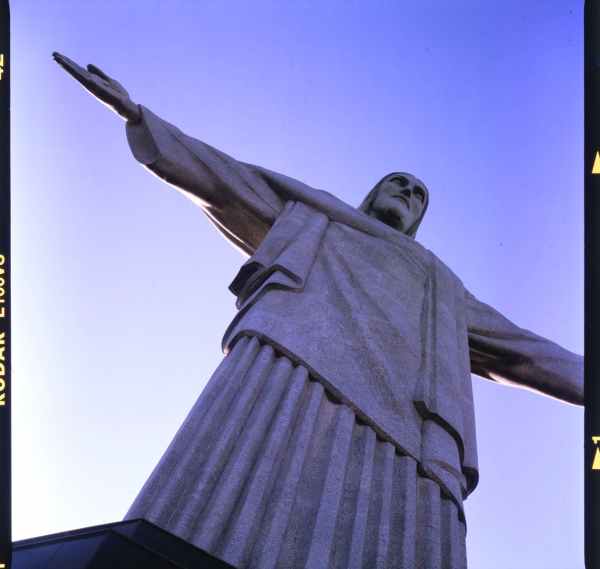
Death is powerful and mysterious, but I believe that God is more powerful, and omniscient– he has already crushed the power of death, and invites us to view death from a different perspective.  When we take everything– including death– to the Lord in Prayer, he takes the weight of it, the fear of it, the pain of it off our shoulders and carries it to the cross.  HIS death overshadows even our own, in its power to overcome. The urgency of death is not that it is the end of all things.  The urgency of death is that it signals the end of our opportunity to recognize and live out the purpose of this short life.

art cathedral christ christian
Photo by Pixabay on Pexels.com

If that isn’t an urgent reason to pray for those you love, I don’t know of a better one…

It’s also an urgent reason to pray for those around you who are grieving the recent loss of a loved one.  And don’t just be someone who prays..be an answer to prayer– reach out with a card, a note or e-mail, or spend some time with them.  Let them know that a) their loved one is not forgotten, and b) neither are they!

All the Time in the World..

I never seem to have enough time…

Photo by Taryn Elliott on Pexels.com

But that is an illusion. I have the same amount of time as anyone else. And I can’t do anything to add to the amount of time I have in a day, or a week, or even a lifetime.

27 Can any one of you by worrying add a single hour to your life?… 33 But seek first his kingdom and his righteousness, and all these things will be given to you as well. 34 Therefore do not worry about tomorrow, for tomorrow will worry about itself. Each day has enough trouble of its own.

Matthew 6:27; 33-34 NIV via Biblegateway.com
Photo by Andrey Grushnikov on Pexels.com

What’s more, I was created for eternity– I have all the time in the world! Or, at least, I will. Right now, I feel bound and limited by time. And sometimes, I feel controlled by it. Deadlines, promises, schedules–all hem me in and press in on me, making life stressful and forcing me to make tough choices.

Photo by Oladimeji Ajegbile on Pexels.com

Will I choose to use my time each day wisely? Will I let pressing tasks and urgent interruptions throw me off-stride or make me feel guilty? Will I see time as a resource, or let it become my master?

Over the years, I have found several things to be true about time– you’ve probably noticed them too (and maybe even more!), but it’s nice to have a reminder every now and again:

  • Time spent with God in prayer, meditation, worship, and Bible study is NEVER wasted time. It is an investment in eternity. No matter how long or short, it never seems as though I’ve spent “too much” time with God at the expense of other things. It’s when my quiet time turns into self-talk or daydreaming, or when my mind is divided with worry and distraction that it eats into the rest of the day.
  • Time spent caring for others is better than time spent amusing myself. That doesn’t mean that I don’t need “down” time, and “self-care”, and boundaries– everyone does. But hoarding time for my entertainment and achievement at others’ expense is a recipe for depression and emptiness.
Photo by Lgh_9 on Pexels.com
  • Time IS a resource. It should be managed wisely. That means having a schedule, but not being enslaved by it. There is always something you CAN be doing, something you probably SHOULD be doing, and something you SHOULDN’T be doing. None of them matter. What you CHOOSE to be doing is what will get done. Someone may argue that they have no choice–” when I’m at work, I don’t get to choose what I do; when I have chores or housework or family obligations, I don’t have a choice”–but that’s a false argument. You CHOOSE to go to work, to fulfill your obligations and family commitments, to do the “next right thing” that comes your way. And every time you make a choice, you show what is important to you. The difference is owning up to your choices– both good and bad– and recognizing that time (in this life) is a finite commodity. You can’t be everywhere at once or do everything at once.
  • God is beyond time and the giver and keeper of time. He doesn’t want us to waste His gift, and He won’t give us “more” time in our day, but He can redeem some of the mistakes we’ve made with time, and He can give us the wisdom to make the most of today, and help us manage each day to come.
Photo by Andrea Piacquadio on Pexels.com

The ACTS of Prayer

It’s another new year, and many of us are resolved to pray– pray more, pray better, pray longer, etc. That’s a good resolution, but without a plan, it can fizzle out as the year goes on. It’s not that we stop praying altogether; it’s just that we end up praying the same old way or about the same old things, and our pursuit of prayer becomes another routine.

This year, I want to present several “How-to’s” of prayer– at least one every month– to keep things fresh. Today is ACTS. ACTS is an acronym that stands for Adoration, Confession, Thanksgiving, and Supplication. I learned this method way back in college, and our Wednesday morning prayer team at church still uses it each week.

Photo by Luis Quintero on Pexels.com

Start by coming to God in worship and ADORATION:
List some of the Names of God–Father, Creator, El Shaddai, LORD, King of Kings, etc., OR
List the attributes of God–Merciful, Mighty, Humble, Everlasting…
Pray one of the Psalms…
Sing or recite the words of a worship hymn or praise chorus…
Think of creative ways to spend some time expressing God’s Worth and Majesty.

This may be difficult the first time; it may feel awkward at other times. Don’t be discouraged. God inhabits the praise of His People, whenever, wherever, and however we make the effort!

Photo by Karolina Grabowska on Pexels.com

Second, spend some time in CONFESSION:
Ask God to examine your heart to see if there is any wickedness that has gone unacknowledged..(Psalm 139:23-24)
Confess specific sins as you think of them…
Confess your need for God’s forgiveness and His Guidance..
Resolve to take action– either action to seek forgiveness from those you have wronged, or action to change course in the future, or action to let go of past resentment..

Sometimes, you may need to stop and take the action NOW before you continue in prayer. Sometimes, you may need to let go of your own lingering guilt and shame over past actions for which you have already confessed. Remember, God removes our Sin as far as the East is from the West, (Psalm 103:12) and He will remember it no more– so we must trust in His forgiveness and move forward; not stay stuck in the past!

Photo by Tima Miroshnichenko on Pexels.com

Next, THANK God–for His provision, and for His Mercy:
Thank God for His daily provision of life, health, strength, and unfailing Love!
Thank Him for the people in your life– those who encourage as well as those who challenge you!
Thank God for His Mercies that are new every morning (Lamentations 2:22-23)
Thank Him for His forgiveness and cleansing (1 John 1:9)
Thank Him for His eternal presence (Hebrews 13:5; Deuteronomy 31:6)

Don’t confuse this with step one–ADORATION is about Who God IS. Thanksgiving is about What God has Done for YOU. It is easy to recite a verse about what God has done for others– take time to make it personal, especially in light of whatever you have just confessed!

Photo by Luis Quintero on Pexels.com

Last, bring your petitions and requests in SUPPLICATION to the Father:
Bring your heart-cry for lost friends and relatives…
Ask for God to work in situations that have you frustrated..
Plead for Justice and Righteousness to be done in the world around you..

Pray for leaders, elected officials, and church leaders..(1 Timothy 2:1-4)
Ask for the strength to resist temptation, stand firm, and run the race that is set before you.. (1 Corinthians 10:13, 1 Corinthians 16:13, 1 Corinthians 9:24, more..)

It isn’t that this is the least important step, but it works better when it follows the other three steps. NOW you are in the right frame of mind to present requests. They can be seen in their proper perspective. Instead of a giant wish list of things you hope God might do for you, you can present requests that you KNOW God already knows about, cares about, and for which He already has a plan! You can come in confidence, knowing that you have peace with God because He has forgiven your sins and restored your relationship as His son or daughter– nothing stands in the way! And you have just rehearsed (and said Thank You!) for all the ways God has been faithfully working in your life!

Does this sound like a lot of time and energy? It is. But it doesn’t have to be for every prayer you pray. This is for special time set aside for deep prayer. OR, you can break it up throughout the day: Wake up with praise and adoration (it will make an immediate difference!), spend some time at the end of the work day confessing (when it’s still fresh!), and end the day with thanksgiving and supplication (what a way to find peaceful rest– give all your cares over to God who has done so much for you (1 Peter 5:7)!

However you choose to do it– consider trying the ACTS method this week. Do it during your quiet time, or try it with a group. Develop a habit of coming to prayer in this order.

Keep watching this space for more ideas to stimulate your prayer life. Let’s pursue prayer together in 2023!

Looking Back

Photo by cottonbro studio on Pexels.com

Another year is nearing an end, and it is common to look back and take stock of what the year has brought to, taken from, or challenged us with…

It can also be a time of regret– things not done, opportunities not taken, mistakes not corrected, hopes and dreams unrealized.

I keep two journals– a daily planner, filled with goals I hope to accomplish and plans I hope to fulfill; and my prayer journal, filled with requests, praises, answers to prayer, and names of people and places I wish to lift up in prayer. I spent some time the other day remembering and reflecting on this past year.

Photo by Guy Kawasaki on Pexels.com

As I stop to pray over the next/last few days of 2022, I want to remember two things in particular: God knew everything that would happen this year. And God was “there” for everything that happened; not just aware of what was going on, but as close as our own breath–loving, caring, and providing strength and comfort in every moment. He shared our tears and our laughter, and sent us mercies in the form of friends, neighbors, and even strangers– “angels unaware.”

God knew that on January fifth, my mother would fall and break her leg, starting her on a sixth month odyssey of hospitalization, rehabilitation, assisted living, and finally, moving into a new living arrangement near my sister’s house. He knew that my mother-in-law would fall the very next day, breaking her leg and requiring a similar journey through hospitalization, and two nursing homes, before finally being able to return to her home before Christmas.

Photo by Andrea Piacquadio on Pexels.com

God knew that I would be diagnosed with diabetes, and that David would face a challenging wound in his leg this year. Our lives and routines have been altered in ways we could never have predicted.

God knew that our extended family would face divorce, death, illness, job changes, and more. He knew that members of our church family would face cancer, heart disease, and death; just as many others would experience healing, weddings, and new birth.God knew what would happen worldwide– the death of a Queen, the changing of world leaders, war, famine, earthquakes and blizzards and hurricanes.

And God was there for every moment, joyous or terrifying; heart-breaking and uplifting moments, personal triumphs and worldwide tragedies. Miracles and losses, devastating news from the doctor, and joyous answers to prayer.

Looking back can be painful. Dwelling in the past–even on good memories, can be unproductive. But looking back to see how God has provided in our need, given us strength for life’s challenges, and brought unexpected opportunities gives us cause to sing praises and cause to hope for the coming year.

Photo by cottonbro on Pexels.com

Thank you God! Thank you for bringing us through another year– hopefully wiser and closer to You. Thank you for the opportunities you’ve given, and those you will bring into our lives in the year to come. Prepare us to be patient, hopeful, strong, and kind in the time to come. And help us to share this hope and strength, kindness and endurance to those around us, by pointing them to You. Amen!

In the Beginning Was the Word…

1 In the beginning was the Word, and the Word was with God, and the Word was God. 2 The same was in the beginning with God. 3 All things were made by him; and without him was not any thing made that was made. 4 In him was life; and the life was the light of men. 5 And the light shineth in darkness; and the darkness comprehended it not. 6 There was a man sent from God, whose name was John. 7 The same came for a witness, to bear witness of the Light, that all men through him might believe. 8 He was not that Light, but was sent to bear witness of that Light. 9 That was the true Light, which lighteth every man that cometh into the world. 10 He was in the world, and the world was made by him, and the world knew him not. 11 He came unto his own, and his own received him not. 12 But as many as received him, to them gave he power to become the sons of God, even to them that believe on his name: 13 which were born, not of blood, nor of the will of the flesh, nor of the will of man, but of God. 14 And the Word was made flesh, and dwelt among us, (and we beheld his glory, the glory as of the only begotten of the Father,) full of grace and truth.

John 1:1-14 (Authorized KJV)
Photo by Jeswin Thomas on Pexels.com

We celebrate Christmas as the “birth” of Christ. Yet, the Bible tells us that Jesus (Christ) was in the beginning with God: Jesus had no beginning and no end. He is eternal with the Father and Spirit. We call this season before Christmas “Advent”– we await and celebrate, not the birth of a new being, but the advent of His coming from Heaven to earth.

Photo by Pixabay on Pexels.com

Jesus came to Earth for many reasons– some of which are given in the Bible, and some of which are likely beyond our comprehension. He came to live among us as a man of flesh and bone (John 1:14); He came to bring life and light (vv.4-9); He came to live a sinless life, which He sacrificed as a ransom for the sins of the those who repent: and He came to serve others–to model the kind of service that God desires from us (Matthew 20:28). Jesus came in obedience to the Father (John 6:38). Finally, Jesus (as a member of the Triune Godhead) came because “God so Loved the World” (John 3:16) –He Wanted to come! The Advent was part of God’s perfect plan. It was not Plan B, developed after the fall of man. It was so “from the beginning.” It was foretold and prophesied. It was planned down to the tiniest detail.

Photo by Ketut Subiyanto on Pexels.com

Jesus has always been. He has always been The Word of God. Jesus speaks. Jesus listens. When we pray, it is natural to speak words to The Word. Jesus created us to communicate. Unlike any other creature on earth, mankind chooses to communicate through complex and subtle language, as well as through art, music, dance, architecture…even food! We chatter about trivia; we choose to wear certain colors to express our moods; we make silly faces at infants and delight in their own facial contortions.

Photo by Antoni Shkraba on Pexels.com

Prayer is so important, because it is the essence of expressing our hearts and minds to the very one who created us to BE communicators. God listens through all the words of all the languages we use (or the non-verbalized thoughts, groanings, etc.) to hear our true heart-cry.

Photo by Pavel Danilyuk on Pexels.com

This season, we take time to reflect on just what it means that Jesus was “In the Beginning…” as well as in the manger. We reflect that “before Abraham was”–He IS (John 8:58). We glory in the knowledge that He is the same yesterday, today, and forever! (Hebrews 13:8). These “words” give us life and hope and joy– not just now, but throughout all the years of our lives.

What a reason to say just a few words today in prayer!

Blog at WordPress.com.

Up ↑