I Can Always Pray

“Pray without ceasing.” (1 Thessalonians 5:17)

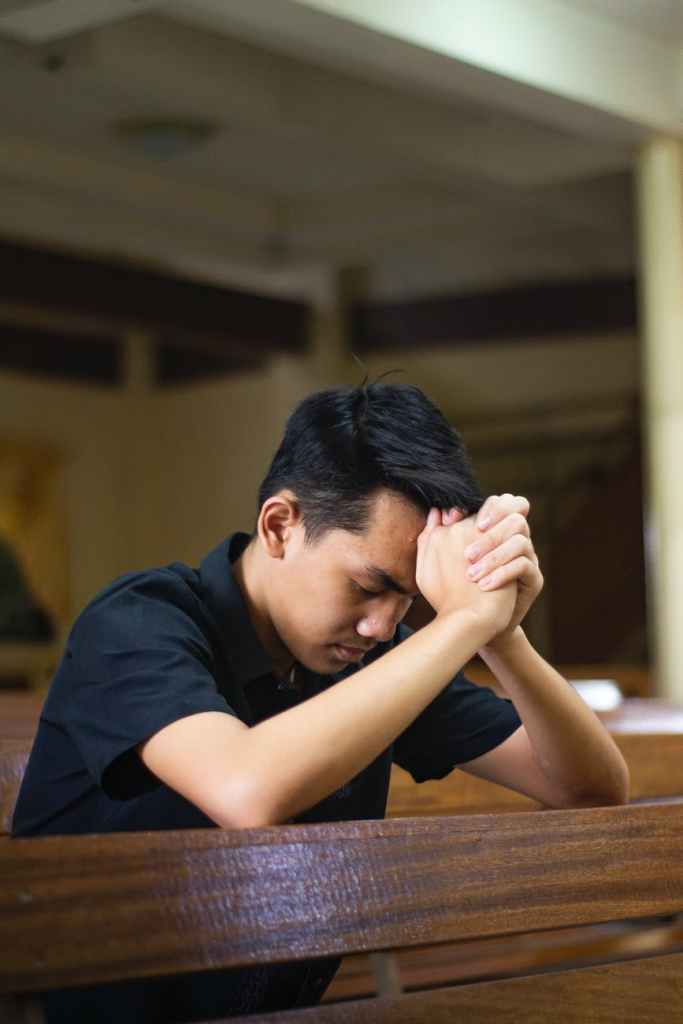
Of course, we can’t literally pray all the time– we need to eat, sleep, work, travel, and talk with other people as we go through our days. But we always have the ability and the access to cry out to God. There is never a time when God is too busy, or we are unable to formulate a prayer in our hearts and minds. Even if we can’t find the words!

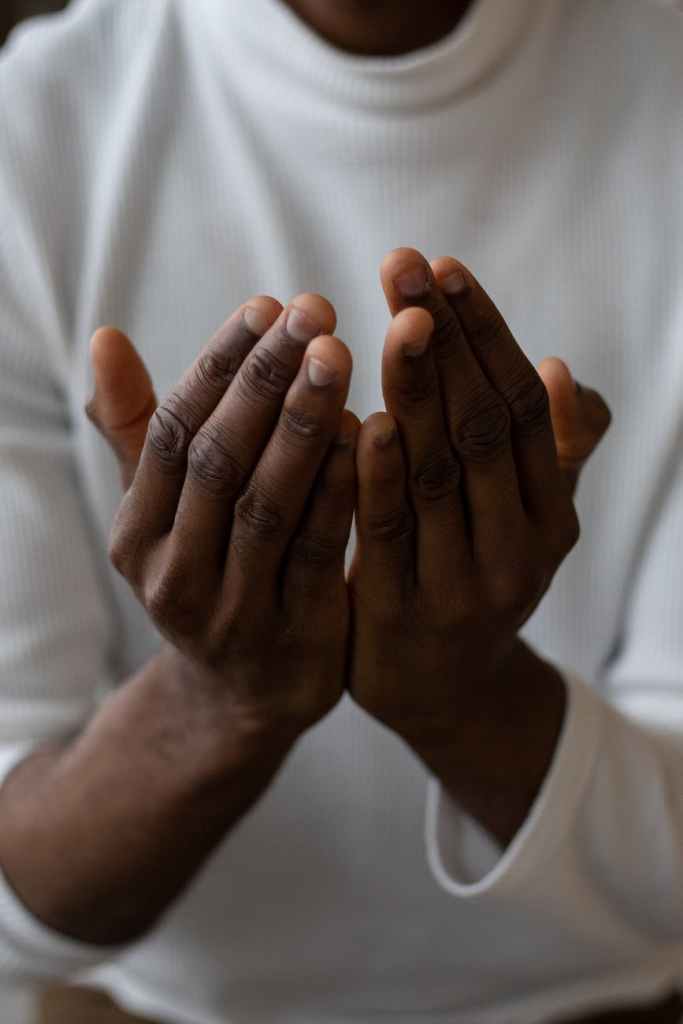
Photo by Natalia Olivera on Pexels.com

This was borne to me again in the last few months of my Mom’s life. As her health deteriorated; as she started to have trouble remembering names and seeing faces, she still remained committed to prayer. She was always eager for information– who was traveling; who was celebrating a birthday; who was in the hospital; who was in the middle of a divorce; who was moving to a new community, or had just moved here from elsewhere? Even if she couldn’t send a greeting card, or attend a wedding or other event, she could pray.

I know several moms and dads whose lives are hectic. They don’t have the luxury of hours to devote to prayer and Bible study. They may have minutes! Their lives are filled with the morning commute, with cleaning up small disasters everywhere, with trying to balance family life and work life. But they can pray– they can pray as they ride the train, or at their desk; they can pray as they sweep up the latest mess, or as they take a precious (and too-short) bathroom break! They can pray with their children, for their children, or surrounded by co-workers. They can pray silent, desperate prayers or short bursts of praise.

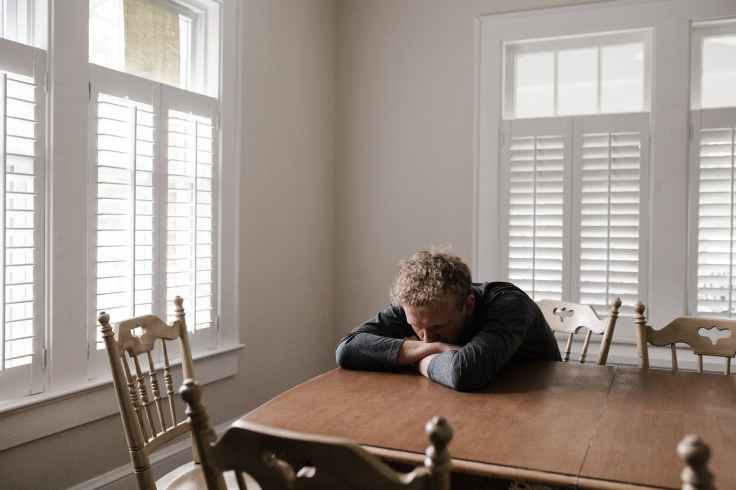
I know several others who are in my mom’s situation. They are aging, or ill; they are bedridden and in pain. They can’t get up; they can’t DO the things they would wish to do. They can’t give hugs or write letters or make phone calls to encourage others. Many of them cannot feed themselves or talk. But they can pray! They have the same access to God’s comfort, wisdom, and Love as everyone else. They can pray with groans and thoughts– even scattered and burdened ones.

I know some people who “don’t know how” to pray. They are new to Faith, or they have strayed so far, they just can’t seem to concentrate on what they want to say to God. They are plagued by guilt, shame, or unresolved bitterness. They feel unworthy, or unclean. Yet, they can still pray. They can cry out in lingering doubt and despair– “Lord, I believe. Help my unbelief.” (Mark 9:24) They can ask the difficult questions for which only God has the answers– questions about forgiveness, injustice, pain, and grief.

Photo by cottonbro studio on Pexels.com

I am fortunate. I have a lot of “down time” at our shop. It’s not a very busy (or very prosperous!) shop. But it offers me the opportunity to pray, and to write about prayer. I have the time to think about prayer– what it means, how it works, why it is so vital. And even after a lifetime of praying, I still get surprised by new opportunities for prayer. The other day, a customer walked in, very upset. She was a stranger to me, but I was prompted to ask if I could just take a minute to pray for her. Suddenly, her heart spilled out. The details are her story, and not for this blog post, but God gave me the opportunity to offer encouragement and hope and (hopefully) wise advice as she has many life-changing decisions to make.

I can continue to pray for her situation today. And I can lift up prayers for family, friends, neighbors, and so many others throughout the day. I can pray for Estonia– a nation I’ve never visited and know very little about, but one that God knows and loves dearly! I can pray for K____, one of our “regulars” who stops by the shop to talk and look around, and occasionally to buy something small that he can afford. I can sing praises for all the many attributes or our Amazing God! I can thank God for His many blessings, including a praying mother! I can seek wisdom for the days ahead, and forgiveness for the sins of the past.

I can pray from my seat behind the counter. I can pray in a booth at the local fast food place, and with my husband at our dinner table. I can pray while I wait in line at the grocery. I can pray as I sort through my Mom’s papers and clothes, or as I clean around the shop or at home. I can pray in bed. And yes, I can even pray in the bathroom! I can pray whether I am happy or sad; whether I am under stress or breezing through the day. I can pray in English or “Spanglish” or with groans or snatches of song. I can pray with my eyes open, with my fingers flying across the keys of my computer, or as I walk to the post office.

Children can pray; prison inmates can pray; patients in hospitals can pray; soldiers and construction workers and chefs can all pray. Sewer workers and surgeons, clowns and corporate CEOs, gardeners and guards, taxi drivers (eyes opened!) and teachers– all can pray. Moms and Grandfathers, sisters and uncles can all pray. Those who are blind, lame, mute, or mentally challenged can all pray. Wise men and fools can pray. Strong or weak, rich or poor, king or captive– all can pray.

The question today is, WILL WE?

Seasonal Prayers

Photo by David Dibert on Pexels.com

It is supposed to be springtime in my neck of the woods. We’ve had two days of snow this week, chilly winds, and frost/freeze warnings. Fruit farmers are worried about losing the fragile blossoms that we need for apples, peaches, and cherries later this year. Many of the spring flowers are also in jeopardy. People are joking that we need to “unplug” springtime and “reboot” it, because it seems not to be working! The seasons seem “out of time.”

Sometimes our lives seem the same. We expect a season of growth or warmth, only to feel the cold winds, or we experience drought when we expected rain. Our prayers will change as the seasons come and go– young parents pray for patience as their days are hectic; aging parents pray for visits from their busy children and grandchildren. We go through seasons of success, seasons of stress, seasons of forced immobility, seasons of grief, and seasons of distracted activity.

Throughout the Psalms, David and the other psalm writers sang of woes and wonders, praises and problems– sometimes within a single Psalm! We have seasons of questioning, and seasons of confidence. Sometimes, we feel close to God; other times, we wonder why He seems so far away. Our “songs” and prayers will change over the course of our lives and according to our moods and circumstances– desperate, worshipful, even indignant. Yet God hears them all– He wants us to pour out our hearts in all seasons!

Photo by Edu Carvalho on Pexels.com

Our seasons may change, but God is Eternally Loving and Sovereign. Our moods and changing circumstances cannot remove us from His watchful eye or His tender care. Our momentary anger and doubt are not beyond His willingness–even eagerness– to forgive and redeem! God is Lord of all the Seasons– seasons of snow and sunshine; seasons of joy and sorrow. Even when our seasons seem “out of time,” we can lift our voices to a God who never changes.

Photo by Konevi on Pexels.com

Developing Discipline

In my last post, Pursuing Discipline, I spoke of journaling and being consistent in prayer as part of learning discipline. Discipline is an important part of the Christian Walk; one that we don’t always talk about. Discipline is difficult. Discipline is developed over time. And I want to be clear that keeping a Prayer Journal, like other forms of discipline, will take time and effort.

Photo by RUN 4 FFWPU on Pexels.com

My current prayer journal is the result of years of effort, changes, failures, and baby steps. Several years ago, I found, in a Christian Bookstore, an item called a “Prayer Journal.” It was pre-printed with wonderful facts about different unreached people groups to pray for each week of the year. It was set up in a “planner” format, with each week spread out on a double page, and areas for each day to write in appointments, notes, personal prayer requests, etc. I loved it. But it was specific to that year. As the year was drawing to a close, I went back to the same bookstore, eager to get the next year’s edition. I could not find it.

Photo by cottonbro on Pexels.com

I thought, “How hard could it be to create my own?” HARD! I did not have the resources to update the information about various countries. I did not like many of the other “planners” I came across. I wasn’t satisfied with apps and on-line planners and calendars. And I wanted to add space for local and personal prayer requests, including all the birthdays and anniversaries of people I know. I wanted a format I could use from year to year, so I wouldn’t have to enter the information over and over again. And I wanted a format where I could see it all, spread out in front of me.

Photo by Eva Bronzini on Pexels.com

More than twenty years later, I began using the system I currently use– four notebooks for each quarter of the year. Each page is a single day, with the names of people celebrating birthdays, anniversaries, or (in some cases) families mourning the loss of a loved one on that day. In the top corner, I have the name of a country, city, community, or geographical area. These are my daily focus points. In the front of the notebook, I have a reminder of the “Prayer Points”– those topical areas for each day of the week. The bottom half of the page is free for me to add in immediate prayer requests– hospitalizations, those who are traveling or moving, etc.. Each “new” request I add at the bottom gets “tagged” with the year of the request. This way, the journal can be used year after year, until I run out of space for requests, or it wears out! I leave the back of each page for answers. Some days, I go back and look at prayer requests from the previous week and write in the answers or progress. Sometimes, I am reminded to update the request. Sometimes, I see a request from a previous year, and I have not yet written the answer, or there has been an update. In this way, I can help focus my daily prayer time in the morning and/or evening. Of course, I can pray about anything, any time; this is just a way to pursue a more disciplined approach to prayer.

For anyone wanting to use or create a Prayer Journal– please take time to build it prayerfully and deliberately. But also be prepared to “fail.” I went through several notebooks, purchased planners and ready-to-use prayer journals before I found one that works well for me. And even now, there are days when I do not open my journal and use it as it was intended. It is not, after all, a ritual or a code to follow. Prayer is a pursuit– but it is just one part of the pursuit of a closer relationship with God. Disciplined prayer helps me focus on God, helps me understand more of His Character, and helps me build our relationship. Perfect prayer is not the goal, but building on prayer is the objective toward reaching the goal. Part of the building of character and discipline is the journey!

When Jesus’ disciples asked Him to teach them to pray, He did not give them a formula for a prayer journal. He did not give them a system for prayer. He gave them a very simple sample format. But Scripture gives us several other examples of prayers– long and anguished, poetic and joyful, even quick bursts of panic or exasperation. Prayer is far too complex to boil down to a single formula or system.

Photo by Luis Quintero on Pexels.com

I hope that what I write here helps you on a journey to discover the complexities of prayer. I hope that you, like me, will draw closer to God as you pursue ways to think about and to practice praying. Your journey, and your journal, will look and function far different from mine. But I hope you find one that helps you grow in discipline, in compassion, in knowledge, and in character. As for me, I will be turning my focus on East Timor, my nephew (who is celebrating his birthday today!), and business and financial issues. And then all the other things on my heart throughout the day! Because God is always listening, and God is always everywhere!

Pursuing Discipline

Prayer can take many forms and be many different things. I write about prayer as a pursuit– something done with purpose and with some kind of discipline. Prayer is not meant to be just another discipline in the life of a believer. “Pray without ceasing,” Paul says in 1 Thessalonians 5:17; but this is not meant as an exercise to pursue quantity of prayer over quality, or to spend every waking moment consumed with prayer to the exclusion of all else.

Photo by Karolina Grabowska on Pexels.com

However, we are called to be disciples– and that necessarily entails learning discipline. Any activity taken on without discipline can’t really be called a pursuit. It may be a hobby or an entertainment, but pursuit involves direction, dedication, and focus. And this includes our prayer life.

I want to be very careful in discussing this aspect of prayer, because I believe that there is a real danger of letting the discipline overshadow the purpose of prayer. HOW we pray is never more important than WHY we pray, or to WHOM we pray! But failing to make a plan for prayer can cheat us of the benefits of learning to pray deeply, consistently, and with greater focus.

Photo by Claire Morgan on Pexels.com

With this in mind, I want to spend some time each month talking about ways to “grow” a life of prayer. Today, I want to focus on journaling as a way to pursue prayer.

As with any discipline, the key is consistency. That’s why journaling can really help. Keeping a record every day of things to pray about, of reasons for praise, of people or issues to bring before the throne of Grace, can keep us focused. It can also help us chart God’s answers and His work in our lives and the lives of others. I keep four separate notebooks– one for each quarter of the year. But there are wonderful daily journals and notebooks that can work as well. Some come pre-printed with scripture or prayer prompts for each day. Some people use a pocket calendar or calendar app on their phone or computer. The method isn’t as important as having a planned approach.

Photo by Bich Tran on Pexels.com

I recommend having a daily focus that is consistent from week to week. For instance, on Sunday, I focus on The Church– missions, local church congregations, persecuted churches, evangelism effort, etc.. On Monday, I focus on Family and Friends. Tuesday, I pray for the Government– local, state, federal, and leaders of other nations. Wednesday is Community–community services, schools, businesses, neighbors, even roads and parks and utilities! Thursday is Global Day– things like war and drought, natural disasters and diseases. Friday, I focus on business and finances– my own, and others. Saturday is a day to pray about cultural issues, like abortion, marriage, gender issues, etc. That doesn’t mean that I don’t pray about family members on Thursday, or about a school shooting on Sunday. But it means that I pay special attention to those matters on particular days. Here are some reasons why:

  • God wants to hear from me about everything. But without a plan, I tend to pray about the same few things over and over. I pray about whatever is worrying me in the moment. And only that. God wants me to be aware of all that He is doing. He also wants to remind me that He is LORD of everything; big and small, immediate and long-term, far away or around the corner.
  • God wants me to be consistent and persistent in praying. But that doesn’t mean praying obsessively. Obsessive prayer can become nagging, doubt-ridden, desperate pleas. God listens to our prayers. And we can trust Him, even when we don’t get immediate answers or relief. We don’t stop praying, but we also don’t stop trusting Him for the next step in the journey. God is bigger than just one aspect of my life– no matter how urgent or overwhelming that aspect may seem today. My focus needs to be on God’s sovereignty, and not just my immediate circumstances.
  • God works in mysterious ways. I may not feel like praying for my Governor, or my neighbor, but it may be that my faithful prayer today is what God will use to make changes in some other aspect of my life. Praying for what I have on my list, rather than just what pops into my mind may actually remind me of something else, and help me see how God is working in an area I might have missed otherwise!
  • By practicing this discipline in prayer, I am learning discipline in other areas of my Christian walk.

I read an interesting article on-line the other day about the late Duke of Windsor. Born as the heir to the throne of Great Britain, he was trained from an early age. His father, the King, wanted him to learn discipline and honor, so as to be prepared to assume his role. But Edward despised his father’s training. He found his father to be harsh and critical, prim and joyless. And he rebelled. He took little interest in the affairs of state, preferring to focus on his own pleasure. As his father grew older and weaker, Edward was asked to take on more royal duties. He enjoyed making appearances at parties, but despised many of the other tasks– letter writing, or visiting factories or various parts of the Commonwealth. He refused to settle down and marry, until he met Wallis Simpson, who was twice-married, and separated from her second husband. She was also an American citizen.

Edward VIII wanted to defy the laws and traditions of his own nation in order to marry. When this proved to be contentious, he decided to abdicate his throne, marry Mrs. Simpson, and live abroad. Instead, his brother became the next king (George VI), guiding his nation and the commonwealth through the difficult days of the second world war.

For many years, the myth of a king who gave up his throne to be with “the woman I love” has prevailed. But there was more to Edward’s abdication than blighted love. Edward was not incapable of ruling, but he was unfit to rule it well. His lack of dedication to his duties and citizens became evident in the very first crisis. Those who were working with him during his short reign witnessed his lack of care or concern about paperwork, and his selfish insistence on doing what he wanted to do, and not what was expected of him or of benefit to his people. He was a man without discipline and without a clear moral compass https://www.dailymail.co.uk/news/article-417388/Prince-Charmless-A-damning-portrait-Edward-VIII.html.

Photo by nappy on Pexels.com

The Bible is filled with many examples of kings throughout the history of Israel and Judah who also failed to learn discipline or restraint. Their desire to reap the benefits of their position without learning to fulfill their responsibilities led to the moral, and eventually the physical and political collapse of their nations. They did not make a habit of seeking God, or of listening to His prophets. They sneered at good advice, and defied the laws of Moses and the rules God had given for the kings. Some of them worshiped other gods; some even sacrificed their own children to foreign gods or goddesses. They failed to keep the sacred holidays; they failed to read the Word of God; they failed to pray– except as a last resort!

We often perceive prayer as a personal practice– and it is. But how we choose to develop our prayer life may be tied to how we choose to develop the rest of our lives. We don’t need to be rigid and legalistic about it. But we do need to live– and pray– with purpose, if we wish to follow the example of Jesus and grow in our walk with Him. Not only does it impact our life and growth– it impacts our witness and our influence as well. Pursuing prayer in a disciplined way may have a far-reaching impact on our life and the lives of others– even in the generations to come. For more, see the page Why I Keep a Prayer Journal

One Man’s Junk…

The story is told of an old, worthless-looking violin that came up for auction. No one wanted to bid on it. The auctioneer began with a modest call for three dollars. No bids. Two dollars? Nothing. One dollar? Surely someone would spend just a single dollar. The violin was in working order. It had all its strings and a bow. No one was willing to spend one dollar for an old violin?

Suddenly, an old man came forward and took the violin off the table where it lay. He picked up the bow and began to play a famous violin concerto. In the hands of a master musician, the old violin came to life. Its haunting and soaring music brought the entire room to tears. The old master came to the end of the piece, and there was a hushed silence as he lay the bow and violin back on the table and returned to his seat. Clearing his throat, the auctioneer started a new bid– one thousand dollars. Several people placed a bid. Two thousand? Three? What had been worthless in the eyes of so many just minutes ago suddenly had great value.

That’s a nice story, but it rarely happens that way in real life. I run a resale shop– antiques, collectibles, vintage and retro items, and yes, what most would probably call “junk.” People come in and look around– sometimes they find a piece or two that they like. Sometimes, it’s priced at just a dollar or two; sometimes the price is a little higher. Some people think my prices are too high; others find them on the low side. They think they are getting a real bargain, and they are convinced they will be able to resell the item for much more on-line or elsewhere. They may be right. They may be wrong. Most of them are just doing what I’ve already done– find an item that seems to be undervalued, and sell it to someone else who may value it more highly.

Photo by Rachel Claire on Pexels.com

“One man’s junk is another man’s treasure.” That saying applies to many of the objects in my store. But it should never apply to a person. We tend to place a value on someone else based on many superficial factors. We judge people by the way they look– their clothing or their hair or the expression on their face when we first meet. Sometimes we judge them by their skin color or the way they speak– the words they use or if the have an “accent.” We judge some people to be smarter or more important based on who else pays attention to them or how much money they have (or don’t have). We judge their talents and experience based on hearsay or gossip. And we allow others to place their “value” on us. As though some people deserve more attention, more resources, or more love than others.

God sees through all the tarnish, the guilt, the low esteem, and shame that we carry around. Each one of us is equally precious in God’s eyes. There is no “junk” in God’s economy, when it comes to a human life. No matter how dirty, broken, used, misused, patched up, trampled on, or worthless we may seem to others (or to ourselves) we are priceless and cherished by our Heavenly Father.

Jesus sought out the “junk” people of his time– lepers, widows, children, the blind and lame, the sick and weary, diseased, depressed, and demon-possessed. He touched the untouchables, loved the unlovable, and forgave the unforgiveable. Even when He was condemned to die as a criminal, and rejected by His friends and followers, Jesus remembered the Father’s love for others.

In this Holy Week, I pray that I would not lose sight of God’s Amazing Love for us. When we were His enemies– fallen, ruined by Sin–“junk”, Jesus was willing to reach out, to walk with the marginalized and sick, and more than all that, to DIE in order to make us joint heirs and give us the glories of Eternal Life with Him! And when Jesus was taken down off the cross– broken, dead, and “worthless”, God raised Him to Life and gave Him a “Name that is above all names” (Philippians 2).

We pray to a God who cherishes our very thoughts–a God who delights to hear from us! What a powerful thought. What an Amazing Love!

10,000!

A few years ago, singer and songwriter Matt Redman came out with a worship tune that has become a favorite for many. It’s called “10,000 Reasons.” But, while the song is recent, the idea and sentiment is not. In fact, it reminds me of at least two older hymns I remember from my childhood.

There is nothing particularly “magical” or spiritually significant about the number 10,000–it appears several times throughout the Bible, and usually signifies a large number or amount–it’s a number big enough to be impressive; it is difficult for most of us to imagine having 10,000 cattle on a farm, or 10,000 trees in an orchard, or 10,000 children to feed and clothe and house! It would be difficult to remember 10,000 names or 10,000 different passwords, or phone numbers– we can write them down or store them, but to remember them all on our own? Nearly impossible. And try to sit down and write out the titles of 10,000 books or movies of songs–or 10,000 people you have met in your lifetime. It might take days (unless you cheat and use a database), and even then, you probably would end up listing items that wouldn’t “count”– people you had not actually met or titles that were unfamiliar to you.

Photo by Mike Chai on Pexels.com

We live in a world of huge numbers– millions and billions and trillions– numbers so huge that they don’t really seem “real.” The Bible doesn’t use a lot of these numbers; instead, God uses pictures and metaphors, like “stars in the sky” or “grains of sand on the seashore:” objects beyond counting and beyond comprehension. Yet there are large numbers in the Bible– specific numbers of warriors, priests, and people in the nation of Israel at various times in their history; large amounts of money owed or gifts given; large distances…and God is a God of them all. God knows the exact number of hairs on each head (sometimes many thousands, and sometimes just a handful!); He knows the number of grains of sand on each beach on every seashore and lake shore, and the amount of water in each lake and pond and sea. He knows the name and size and position of every star and every planet and all their satellites.

Photo by Miro Alt on Pexels.com

If we were to list all the many reasons that God is great, and good; kind and loving; powerful and majestic and holy– if we found one new reason every day, it would take more than 27 years to find 10,000 reasons! And we would only be getting started!

But here’s the catch: we will never find 10,000 reasons if we never begin to search for them. God will still be the “fairest of 10,000;” He will still be majestic and faithful; sovereign and glorious– but we can miss it all, and waste our life on 10,000 trivialities, or 10,000 complaints, or 100,000 lesser things.

God doesn’t publish a list of 10,000 (or 100,000 or a million) reasons to worship Him– but He gives us the opportunity to discover new reasons each and every day. And He invites us– all of us– to come and discover “10,000 charms” in the loving embrace of His Son! We are never more than a prayer away from another reason to sing His praises!

Where Two or Three Are Gathered

I grew up in a church that made prayer a priority. I know many churches that still do this, but I know that some churches today just leave prayer up to the individual Christian. They may open the service with a prayer, and close with a prayer, and even offer a prayer service in the mid-week, but they do not focus on prayer as a congregation. With many churches, corporate prayer doesn’t seem very practical– they are just too large, or too focused on spending their time in worship. But I think something of value is lost when the church doesn’t come together in prayer.

Prayer IS an individual pursuit. It should be part of each Christian’s daily walk. And most of what I write (and practice) about prayer happens personally. But Jesus practiced both personal and corporate prayer. Even in His agonizing prayer in the Garden of Gethsemane, He wanted close friends to be nearby praying, rather than sleeping (see Matthew 26:36-46 and Luke 22: 39-46). When instructing His disciples in how to pray, He used the term, “Our Father,” not “My Father.” Christianity , including prayer, cannot be practiced in isolation. We need to pray for others, and with others, and be prayed for by others!

Photo by Tima Miroshnichenko on Pexels.com

In the small country church where I grew up, prayer was woven into the service. Prayer requests would be shared, and people would take turns praying aloud, until one prayer leader would close the prayer time with an “Amen!” In the church where I currently attend, we still share prayer requests on-line, and a list of requests gets sent out once a week. Occasionally, we will break into small groups during service to pray for particular focus or a specific request. Additionally, we have a mid-week prayer meeting, where we spend an hour just praying as a small group.

Why do I emphasize the need for group or corporate prayer? Over the years, I have seen many benefits:

  1. I love “hearing” the hearts of others. We don’t all pray exactly the same. Even if we are reciting a prayer (like The Lord’s Prayer) there are different voices, different inflections, different tones, that bring a richness and diversity to prayer. And that is a great reminder that God is the God of ALL of us, even as He is the God of EACH of us. He is OUR God, every bit as much as He is MY God.
  2. There is comfort and even power in praying together. My personal prayer may be sincere, but it is usually silent, and may be influenced by my surroundings, my mood, my distracting thoughts, etc.. But there is a different atmosphere when two or three (or more) are taking turns praying, adding to the thoughts and prayers of others, and pouring out their hearts in concert with other believers. I get a broader perspective when I pray with others. I hear more than just my own voice and my own thoughts. It doesn’t change whether or not God listens to my prayer, but it changes the way I think and feel– it isn’t just “MY” prayer– it is “OUR” prayer.
  3. I learn more about prayer by practicing with others. I know many people who will not pray in a group, because they feel their prayers are “lacking” somehow. And this is a dangerous way to think! I have learned amazing lessons of faith from simple prayers; amazing lessons of doctrine from eloquent prayers; amazing insight from broken and contrite prayers; and even lessons from “runaway” prayers that go on and on. And praying in a group is not about how much you say, but by how much you are present in the moment.
  4. Corporate prayer is a rich tradition. Jewish priests would lead the entire nation of Israel in prayer during various festivals. Many of the psalms are written as prayer-songs for a congregation to sing together. The early church made prayer a part of their meeting together (see Matthew 18:20, Acts 2:40-47, Romans 15:6, others…)
  5. Corporate prayer strengthens my faith and the faith of others. Intellectually, I “know” that God listens to and answers my prayers, but when I pray with others, it strengthens my experiential knowledge that God is listening– because I am listening, and being listened to!
  6. Corporate prayer challenges my perspective in relation to my own sinfulness and God’s grace. Corporate prayer should not be used as a “True Confessions” session, where we try to outdo each other in confessing secret sins or wallowing in self-righteous recitations. But it should bring us into a realistic awareness of our very human nature, and of God’s amazing Grace. Corporate prayer takes us out of our “self” and focuses on God’s sovereignty in ways that personal prayer sometimes misses. Corporate prayer tends to focus on gratitude, humility, and thinking of others more highly than yourself. And that is often a stepping stone to confession and the awareness of God’s forgiveness.
  7. Corporate prayer lends itself to structure. That’s not to take away from unstructured and spontaneous prayer, but corporate prayer tends to have a stated purpose, and sometimes a stated format. From “round robin” prayer, where people pray in a particular order around a circle; to “popcorn” prayer, where people jump in and take turns until a certain time has elapsed; to structured prayer, where people pray in a strict order and with definite purpose for a slotted time, corporate prayer tends to be more disciplined that personal prayer. That doesn’t make it better or worse, but it is a different way to pray, which can help foster discipline in other areas.
Photo by Luis Quintero on Pexels.com

Are you part of a prayer group at your church or in your community? If so, cherish this rich opportunity. If not, make a point of connecting with other believers– at church, in your community, or even on-line. Share requests. Set aside time to pray together, or even separately, but at the same time. Live stream prayer. Pray with someone over the phone, if you don’t have a prayer group or congregation nearby.

It will change your prayer life!

For more information about corporate prayer: https://www.allaboutprayer.org/corporate-prayer.htm https://www.crosswalk.com/faith/prayer/reasons-why-corporate-prayer-is-powerful-and-essential.html

Last Goodbyes

I missed posting here last Friday– we were busy planning my mom’s funeral. Mom died last week at the age of 89. We spent most of last week planning how to say our last goodbyes.

Goodbyes are never easy. And those that come with death are painful. We will miss our Mom, Grandma, Great-grandma, friend, cousin, neighbor, aunt, surrogate mom, and all the other roles she filled during her earthly life. We will miss her smile, her warm friendship, her faithfulness, her drive and passion, her energy, and her zest for life and adventure. I used to call or visit her every day. I will never again hear her voice in this life. I will never again hold her hand or share a laugh with her on this side of heaven.

But saying goodbye, for Christians, is NEVER permanent. I have said my very last goodbye to Mom, because someday, I will say “Hello!” to her again. And along with her, I will be welcomed into eternity by the One who created me and loves me even more than Mom did! No more painful partings; no more wondering when I will see her or speak to her again.

She is with so many loved ones to whom she had to say, “goodbye” over the years. And all of them are joyful and secure in the knowledge that there will be no more “goodbyes” in Heaven.

Mom was a prayer warrior, as I have said before. She prayed daily, multiple times a day, lifting up friends, relatives, and even strangers. And I will miss knowing that she is praying for me. But there is Someone Else who is praying for me daily– even constantly! Jesus sits at the right hand of the Father, making intercession for us every moment!

Photo by Daka on Pexels.com

His disciples were in anguish at the thought of having to say “goodbye.” But Jesus told them to be glad, because He would send a comforter, the Holy Spirit, to them after He went away. They said their last “goodbye” to their beloved Teacher, but He didn’t leave them alone to grieve. He left them with a mission to achieve. He also left them with a promise that He was coming back! And this time, He would bring them to their eternal home in Glory!

And Mom has done something similar. She left a legacy of caring and praying and sharing the Gospel. She left hundreds with hope and peace for their future. And now it’s important to carry the baton; to finish our leg of the race, and continue the mission that Jesus passed on to His disciples long ago; the legacy that was passed to Mom, and that she has passed on to us. Someday, all the “last goodbyes” will have been said; all the last bitter tears shed, and we will all celebrate the arrival of God’s Glory. The only thing left to bid “goodbye” will be Sin and Death, grief and mourning.

I thank God for “Last Goodbyes.” Because I know that Goodbye is never the end for those of us who know Christ. We will be sad for awhile, but our grief will be swallowed up in joy and victory!
Goodbye, Dear Mom– for now. You are safe and secure. Your prayers have been answered, and ours continue in hope and confidence. Amen!

When God is “Too Early…”

We spend a lot of time wondering about God’s timing– usually when we are waiting for God to act as we expect! But there are times when God acts before we expect– sometimes before we even ask!

Photo by Andrea Piacquadio on Pexels.com

Tucked in the pages of the book of Acts is a curious little story about Peter’s miraculous escape from prison. https://www.biblegateway.com/passage/?search=Acts%2012&version=ESV

Photo by RODNAE Productions on Pexels.com

Peter’s situation was dire. Herod had already killed James, the brother of the Apostle John; he was planning to make a spectacle of Peter, likely by having him executed at the time of Passover. In verse 5, we see that earnest prayers were being made for Peter’s rescue. But just a few verses later, when Peter shows up at the prayer meeting, everyone is incredulous– “you are out of your mind,” they told poor Rhoda when she brought the good news. They left Peter standing outside knocking and trying to gain entry to the prayer meeting being held for his rescue!

Photo by Vlad Fonsark on Pexels.com

(Point of clarification— in verse 17, Peter says to “Tell James and the brothers” about his release…this is NOT the James who was martyred, but likely either James the son of Alpheus, or James, the brother of Christ, both of whom were leaders in the early church.)

God’s timing is not our timing– but God is ALWAYS “on time.” This can be difficult for us to accept. We may be waiting for a loved one to be cured, or for an abusive situation to be ended. When it ends in tragedy or death, we feel that God “didn’t show up on time.” But the same can happen when God seems to show up “too early.” We may wonder whether the rescue was really “of God” or just “coincidence.”

We must remember that God is not bound by time the way we are. We see time in one dimension–from the present going backward through the past. We cannot see the future; we cannot see “what might have been.” We cannot see at what moment God’s intervention will have the greatest impact.

Photo by HASSAN YAR JANJUA on Pexels.com

The rest of Acts 12 tells the “rest of the story,” one often overlooked. Peter reassured the believers, and then quietly escaped from Jerusalem. The next day, there was a massive search for Peter, which resulted in a sentence of death for the guards who “let him escape.” Herod’s campaign against the early Christ-followers was interrupted by political turmoil. But Herod, in his success and in his arrogance, failed to turn to God. “Immediately an angel of the Lord struck him down, because he did not give God the glory, and he was eaten by worms and breathed his last.” (v.23) The earnest prayers of the believers were answered in a way that far surpassed their expectations– not only was Peter rescued in a miraculous way, but God eliminated one of their fiercest enemies in a dramatic (and graphic) way! Not only that, but “the word of God increased and multiplied.” (v. 24)

Someone might say, “God could have removed Herod from authority long before He did.” Or, “God could have rescued Peter in a different way.” But who can argue that God was “early” or “late” in doing what He did? Who can argue that God “should” have acted differently?

Photo by ZaetaFlow Sec on Pexels.com

As difficult as it may be to accept in the moment, we can learn to trust God’s timing and His ways. And when we pray, we must remember that God will answer us as He chooses–and it will always be “on time.”

Who’s Your Daddy?

When I was growing up, I knew three important things about my father:
I knew he loved me–and the rest of our family–faithfully and truly.
I knew he loved God–He was a man of faith, prayer, integrity, and obedience to the Word.
I knew he would do anything to protect and provide for our family.

But I also knew that my Daddy wasn’t perfect. He was not the strongest man in the neighborhood; or the fastest, or richest, or most respected. He wasn’t the tallest, or most athletic. He wasn’t a leader in local politics or a chamber group or fraternal organization. He didn’t have a string of degrees, or a fleet of fancy cars. He didn’t even have a lot of hair, or perfect teeth. But he had a gentle laugh, a deep wisdom, and a hug that made me feel safe and precious. He had a enormous heart– one that was easily touched, but firmly committed. He was humble and kind; he was loyal and brave and joyful.

Photo by August de Richelieu on Pexels.com
Photo by Abdel Rahman Abu Baker on Pexels.com

I was blessed to have such a Dad. I know people whose earthly fathers were distant, disapproving, absent, or even abusive. Earthly dads, even one like mine, are still human. They make mistakes and bad choices; they carry baggage from their own childhoods; they carry fears and failures; they fall short of our expectations, and their own hopes and dreams. And yet, we long to have a father we can trust; a father who won’t fail us, even in the little things; a father who will perfectly understand us, provide for our needs, and protect us. No matter how old we are, or how successful we may be, our need for a father’s love and approval never end.

Our mental and emotional picture of God is often shaped by our relationship with our earthly fathers. Especially if our father was abusive, it can be difficult to believe that God really loves us. After all, if God loves me, why did He give me an abusive Dad? If God can protect me, why did He allow me to go through a journey with Cancer? Or poverty? Our fallen world leads us into circumstances that cause us to doubt God’s goodness and His ability to redeem our broken past. But, while God sees our painful circumstances, He also sees things that we can’t. He sees the pain that our fathers feel in their own brokenness and inability to “fix” their own past. He sees the kind of growth and compassion that we can learn in our difficulties– lessons that we would not learn in ease and apathy.

God is a different kind of Father. He is eternally sovereign; the King of Kings, and the Creator of the Universe. There is no comparing Him with anyone else’s father– because He is the Ruler and Father of all! Yet, He wants a close loving relationship with each one of us– with me! With you! He is not just committed to doing His best to provide and protect some of us– He is fully capable of providing ALL our needs and protecting us against ALL enemies, including sin and death! For those who have grown up with a distant or abusive father, it can be difficult to hear of God as our “Father” and feel the kind of comfort and trust that we are meant to have. Yet God invites us into His very presence– ALL the time; ANYTIME. He is everything that the word “Father” was meant to be!

Photo by Juhasz Imre on Pexels.com

Someone once used the analogy of President John F. Kennedy to describe how we can relate to God as “Father.”. As President, JFK was arguably the most powerful man in the world– the leader of the most powerful nation on earth. At his command, soldiers, sailors, pilots, and even nuclear missiles, could be deployed. The stroke of his pen could sign bills into law, grant pardons, and appoint powerful positions. To enter the Oval Office and have an audience with the President was an honor reserved for rulers and generals and authorities– and his children.

There is a picture of JFK, Jr. as a small boy, peeking out of the Resolute Desk, as his father sits behind the desk conducting the business of the nation. The son had complete access to his father’s presence– access to the most powerful man on earth–his Daddy. He may not have fully understood what his father was doing, or even how important his father was– but he knew that he could spend time with his Dad.

Of course, President Kennedy was not God. He was fallible, and terribly mortal, as the nation learned to its grief. But the idea that God is distant and uncaring, or even vindictive and petty, is belied by the many Psalms and hymns and prayers throughout the ages. And the idea that God is just another “pal”, or “the man upstairs”–someone who loves us, but has no real power to command our obedience or rescue us from our enemies–is also belied by the many miracles and examples of His power in nature and in history. And unlike the exclusive nature of the relationship between JFK and his biological children, God invites ANYONE who calls on Him through His Son to be adopted as a son/daughter with the same intimate privilege of total access. https://www.biblegateway.com/passage/?search=John%201:11-13&version=HCSB (John 1:12)

So when I pray today, I’m not praying to my “Daddy” in any earthly sense. As much as my earthly Dad loved me, I am praying to someone who loves me more, and better, and perfectly. I am praying to the King of Kings, who also invites me to call him, “Abba”– “Dad.”

Blog at WordPress.com.

Up ↑