Continuous Prayer

1 Thessalonians 5:12-24 English Standard Version (ESV)

(Via http://www.biblegateway.com)
Final Instructions and Benediction

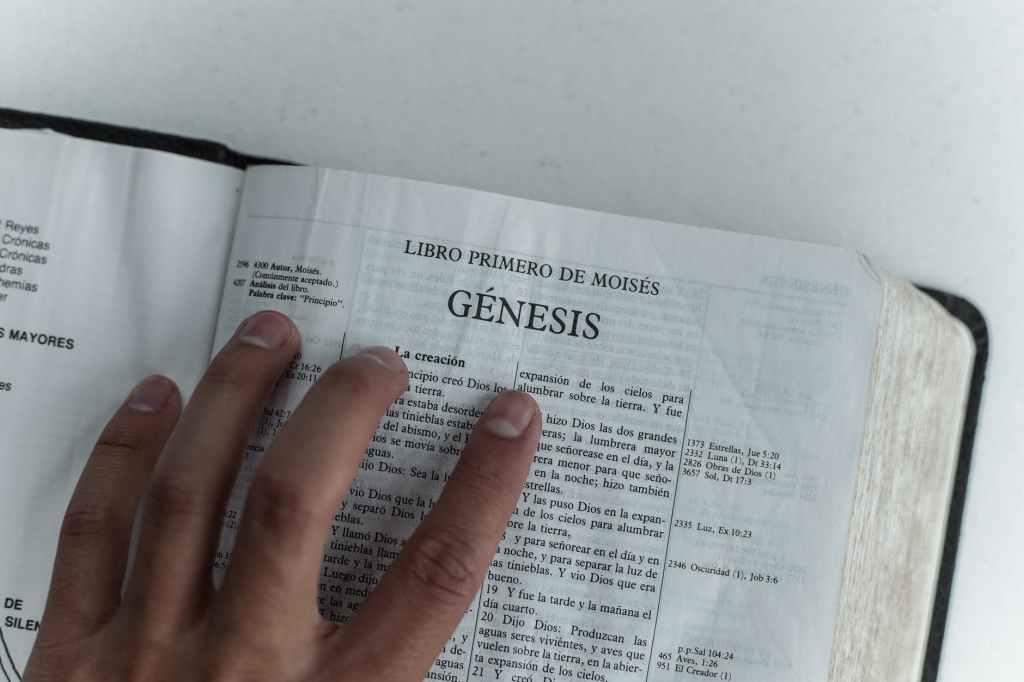
12 We ask you, brothers, to respect those who labor among you and are over you in the Lord and admonish you, 13 and to esteem them very highly in love because of their work. Be at peace among yourselves. 14 And we urge you, brothers, admonish the idle,[a] encourage the fainthearted, help the weak, be patient with them all. 15 See that no one repays anyone evil for evil, but always seek to do good to one another and to everyone. 16 Rejoice always, 17 pray without ceasing, 18 give thanks in all circumstances; for this is the will of God in Christ Jesus for you. 19 Do not quench the Spirit. 20 Do not despise prophecies, 21 but test everything; hold fast what is good. 22 Abstain from every form of evil.23 Now may the God of peace himself sanctify you completely, and may your whole spirit and soul and body be kept blameless at the coming of our Lord Jesus Christ. 24 He who calls you is faithful; he will surely do it.

Footnotes:
  1. 1 Thessalonians 5:14 Or disorderly, or undisciplined
Photo by Luis Quintero on Pexels.com

The Apostle Paul, writing nearly two thousand years ago, left some final instructions to believers in Thessalonica. One of the instructions was to “pray without ceasing.” I have visited this phrase before, and I came back to it recently, because it still has much to teach us.

As with any verse or passage in the Bible, it helps to have context. To say “pray without ceasing,” without acknowledging the other instructions may leave a false impression. Paul is not saying that we should all stop living and working, eating or sleeping, and do nothing else but pray. But he means that we should pray consistently and frequently– prayer should be a natural part of our daily routine, and a natural reaction to events and circumstances as they occur. Prayer should not only be a personal practice, either. It should be part of “admonishing,” “encouraging,” and “helping” those around us. In fact, everything we do can be infused with prayer, and can actually be part of our ongoing prayer life. Also, prayer is part of being joyful always and giving thanks in all circumstances–“for this is the will of God in Christ Jesus for you.” Not just joy or thanksgiving or prayer, but all of them together!

Photo by Emre Kuzu on Pexels.com

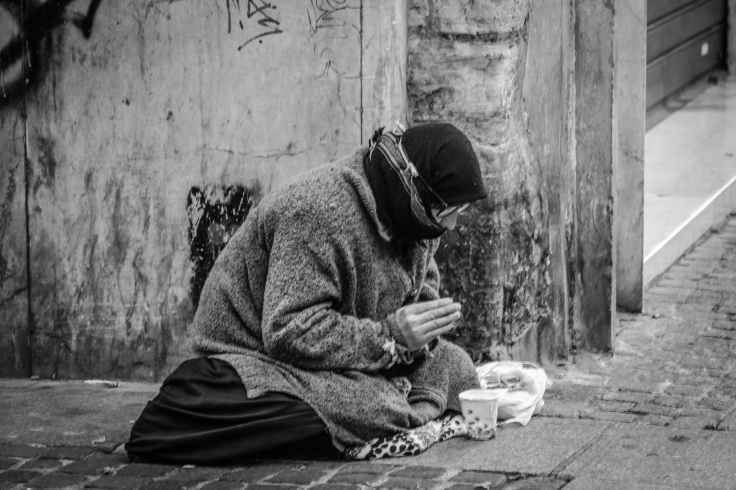
What struck me about this passage today was the idea that if we are practicing consistent prayer (and rejoicing and being thankful in prayer), and teaching and encouraging others to do the same, there will be prayer “without ceasing.” As the world spins, people all over the globe who are faithful will lift up prayers that never cease. My prayers rise with those of millions of others who pray at the same moment. But someone else just finished praying before I started; someone else will begin praying as I say my “Amen.” People with very different circumstances, praying in different languages, from different parts of the world– but we have so much in common! And each prayer–each pray-er–is like a note in a symphony rising to the throne of Grace.

Photo by Vincent Tan on Pexels.com

Our prayers are so much more than we know. They have so much more value than we imagine. Not just because we say them; not just because of the thoughts and emotions that go into them. But because, when we lift them to the God of all Creation, He weaves them into what only He can.

Photo by InstaWalli on Pexels.com

Aromatic Prayer

We have a tiny herb garden. It’s just a couple of plants each of a few different herbs– basil, rosemary, parsley, chives, etc., in small planters on our back stoop. Just enough to have fresh herbs for cooking. They smell really good when I go out to water them, or clip some to add to chicken stew or spaghetti sauce or noodles and butter.

Photo by Markus Spiske on Pexels.com

They add flavor and color, too, but it is the smell that grabs the attention and brings immediate joy.

Our prayers are supposed to be like that, too. The Bible compares our prayers to incense with a pleasing aroma. God delights in the fragrance of our prayers.

Photo by Emre Kuzu on Pexels.com

That seems reasonable for prayers of praise, but what about prayers of pain? How can such prayers bring joy to God?

Photo by sergio omassi on Pexels.com

When I water my herbs, they give off a pleasing aroma. But when I chop and crush the herbs to use them, the scent is stronger, the flavor richer, as the plants give all they have to the dish. Left in their planters, they will grow tall, but they will not be useful. They will smell good, but they won’t fulfill their greater purpose.

Photo by Ric Rodrigues on Pexels.com

God wants our praise– certainly. And He is worthy of it–completely. But God also wants our chopped, crushed, bruised, torn, and painful prayers of need and brokenness. He wants us to trust Him to make even our groans and cries for help into fragrant offerings.

Our Father…

I have known some excellent fathers– including my own father and my husband. Fathers who do their best to provide for, pray for, protect, and prepare their families. Fathers who show patience, perseverance, wisdom, and selflessness.

But I know this isn’t the case for everyone. I have also known some wicked fathers– fathers who are physically, verbally, and mentally abusive toward their wives and children. Fathers who abandon their responsibilities, and leave behind a legacy of need, chaos, anger, and despair.

Photo by Pixabay on Pexels.com

Throughout the Bible, God is portrayed as a Father. Not as a “man”– Jesus took on flesh and became a man– but the Triune God exists as Father, Son, and Spirit. God has all the characteristics of a perfect father. God also embodies all the characteristics of a good mother. But there is something about Fatherhood that God particularly wants us to learn and understand.

Photo by Pixabay on Pexels.com

When God chose Abram for His special covenant, Abram’s name meant “exalted father.” But Abram was childless. God chose someone whose name had no meaning (or an ironic meaning), and changed it– not a lot–he added an “ah”, so that Abraham’s name meant “father of many” or “father of multitudes.” I don’t think it was any accident that God chose a man named “Abram,” or that He changed his name only slightly. God chose Abraham, not because he was a father, but so that he could become a father– to many! It was as a father (to Isaac, but also to Ishmael and all his other sons and descendants) that Abraham was exalted and revered.

Photo by Luis Quintero on Pexels.com

But Abraham was not a perfect father– far from it! God gave us the story of Abraham, and drew attention to Abraham to help us learn the importance of GOD as our Father. Abraham was willing to give up his heir– the son of God’s promise– because Abraham was a “son” of God before he was a father to Isaac. https://www.biblegateway.com/passage/?search=Genesis+22&version=NIV

Even though I have known some excellent fathers, I know of only one who is perfect. And He isn’t someone else’s father, that I should be envious, or discouraged. He isn’t only “my” father, that I should be smug. He isn’t my father by birth, that I should make little of His sacrifices or His promises– they are not given out of duty or a sense of genetic obligation. He is OUR Father– He invites all of us to become His children. He lavishes love and grace, sheds tears and aches, sacrifices and pursues, rejoices and grieves– for and with every soul.

Photo by Josh Willink on Pexels.com

When Jesus taught His disciples to pray, He wasn’t giving them a rote prayer to memorize, but a pattern. https://www.crosswalk.com/faith/prayer/the-lords-prayer-be-encouraged-and-strengthened.html If you look through the Gospels at Jesus’ other prayers you will see it–He always begins by addressing His Father. For the group of disciples, He began with “Our Father.” Jesus, who could have claimed sole son-ship, made it clear that He (as Son with the Father and Spirit) desires this amazing relationship– more than power, more than honor, more than life! And God the Father is not a man or a mere mortal– He is Holy, Perfect, Eternally Loving and Eternally Sovereign!

Photo by Lgh_9 on Pexels.com

What a wonderful thought for Father’s Day this year– no matter what kind of earthly father(s) we have known!

Beyond Our Anger, Lord, Give Us Resolve!

There are a lot of angry people out there. They have ample reason to be angry. The world is filled with darkness, injustice, pain, sickness, violence, oppression..the list goes on. Such things should make us angry. Such things are wrong. They are destructive. They are evil.

Photo by Pixabay on Pexels.com

But anger, even justified, cannot heal. It begets more anger, and yet more evil in the name of vengeance. Anger alerts us to evil, but it cannot be allowed to fester and corrode all that is good.

God created us with emotions, like anger, but He desires us to bring them under His discipline to become instruments of good. All the way back in Genesis, God cautioned Cain in his anger https://www.biblegateway.com/passage/?search=Genesis+4%3A1-16&version=NIV God did not condemn Cain for his anger, but he warned him not to be mastered by it. Cain did not listen, and in his anger, he committed the first murder. God’s wrath against Cain was swift and terrible– God cursed the ground, so it would not produce for Cain; He drove Cain to wander in the barren wilderness. Even so, God put a mark of protection on Cain, and promised His own vengeance on anyone who would try to kill him. God’s mercy overwhelmed simple retribution. God had the power (and the right) to strike Cain dead. He chose to let Cain live with the dark consequences of his anger.

Photo by Pixabay on Pexels.com

God understands that we will get angry– He gets angry, too! But God sees beyond anger, beyond the immediate pain and rage that we feel when confronted with evil. God’s ways are eternal and Holy and right.

If we turn to God in our anger– if we cry out to Him and wait for His wisdom, He can turn even our anger and bitterness into something far better– resolve. We can resolve to bring good out of tragedy; we can resolve to work, and sweat, and pray, and stand firm in the midst of the storm. If anger is like fire– swift and destructive, then resolve is like a mountain–enduring and offering shelter, protection, and a fixed reference. Fire can scorch the mountain. But it cannot move it or destroy it.

Photo by Pixabay on Pexels.com

We are living in uncertain and evil times. Let us acknowledge it; even be angered by it. But then, let us bring our anger, our pain, our confusion– and our hope–to God. As God warned Cain, if we do not do what is right, sin will be crouching at our door, desiring to have us; to destroy us and drive us away from God’s presence. If we deny our anger, if we push it down and pretend that it has no power to touch us, we are playing with fire. But if we bring it to God, acknowledging the struggle, crying out in our pain, God can turn our anger into resolve– steadfast through fire and storm and wind and time. Solidly committed to what is good and right and truly just.

Photo by August de Richelieu on Pexels.com

Anger, violence, vengeance–all promise easy justice and powerful change. But once the fire of emotion and action has passed, we are left with ashes and death. But on the mountain of resolve, even the ashes become mixed with the good soil underneath to produce new life and growth. The good endures. The good resolves to endure. Goodness is eternal. Let us seek the good, and seek that God would, beyond our anger, grant us resolve.

Praying in a Time of Protest

There is a sickness in our world. Call it racism, or bigotry, or prejudice. Call it power, or oppression, or tyranny. Trace its roots to fear, to greed, to a lust for power, to pride, to hatred… Expose it as government overreach, police brutality, white supremacy, corruption, indifference to the suffering of others. Protest it with signs, looting, rioting, tear gas, lines of police officers in riot gear, shouting, and anger. Lots of anger.

Photo by Pixabay on Pexels.com

There is not enough anger in the world to heal it.

Anger is a natural and even God-given emotion. God gets angry; even wrathful. It is right to be angry at injustice and hatred; division, greed, apathy, inequality, brutality, oppression, poverty, sickness, and death– they are unnatural, wrong, maddening.

Photo by Denniz Futalan on Pexels.com

But anger, even justified anger, cannot heal. It cannot build up, bind wounds, create peace. Anger feels powerful. It is active, dynamic, it tears down and threatens some of the powers that have, in their time, threatened us or those we love. It draws mobs that seem to share our anger– it looks like solidarity, even unity. It makes headlines. It creates “buzz.” It feels righteous and “right.” And it creates change. In the short term, anger “works.” Surging anger forces the oppressor to be quiet, go into hiding, make some small concessions…for now. Maybe they will pass legislation. Maybe they will give lip service to certain ideals. For now.

Photo by Daria Shevtsova on Pexels.com

God understands anger– he even shares anger. Jesus even got angry. But God does not sanction letting our anger spill into vengeance, violence, and retaliation of sin for sin. Our anger does not give us the right to judge others, oppress others, steal destroy, or condemn.

The New Life
17 Now this I say and testify in the Lord, that you must no longer walk as the Gentiles do, in the futility of their minds. 18 They are darkened in their understanding, alienated from the life of God because of the ignorance that is in them, due to their hardness of heart. 19 They have become callous and have given themselves up to sensuality, greedy to practice every kind of impurity. 20 But that is not the way you learned Christ!— 21 assuming that you have heard about him and were taught in him, as the truth is in Jesus, 22 to put off your old self,[f] which belongs to your former manner of life and is corrupt through deceitful desires, 23 and to be renewed in the spirit of your minds, 24 and to put on the new self, created after the likeness of God in true righteousness and holiness. 25 Therefore, having put away falsehood, let each one of you speak the truth with his neighbor, for we are members one of another. 26 Be angry and do not sin; do not let the sun go down on your anger, 27 and give no opportunity to the devil28 Let the thief no longer steal, but rather let him labor, doing honest work with his own hands, so that he may have something to share with anyone in need. 29 Let no corrupting talk come out of your mouths, but only such as is good for building up, as fits the occasion, that it may give grace to those who hear. 30 And do not grieve the Holy Spirit of God, by whom you were sealed for the day of redemption. 31 Let all bitterness and wrath and anger and clamor and slander be put away from you, along with all malice. 32 Be kind to one another, tenderhearted, forgiving one another, as God in Christ forgave you.

Ephesians 4:17-32 ESV via http://www.Biblegateway.com (emphasis added)

If you have read this far, some of you will say that I am being unfair– speaking out against protesters, but not against the evil they are protesting. And if I have never spoken out against injustice, if I have never called upon people to seek peace, never lifted my hand to help my neighbors, never encouraged, never offered help, never shared in others’ grief, then I am the worst of hypocrites. Stop reading.

Photo by nappy on Pexels.com

Anger asks us to act NOW– it asks us to abandon patience, prayer, and the promises of God, and take matters into our own hands–in our own power, in the moment, for the moment. And it tells us that we can and should act in the place of God to achieve what we believe to be His ends. Often, it asks us to act with little information, no time to reflect, and at the behest of others, who wish to use our anger to further their ends. Anger tells us that we can force evil people to surrender their power without being corrupted by it. And anger tells us that it has the only solution– the only action– that can bring peace.

Photo by BROTE studio on Pexels.com

Does this mean that no one should be angry? That we should do nothing active in the face of evil? ABSOLUTELY NOT! We should speak truth to our neighbors– not just the truth of our anger, but the truth of our hope for justice, our dependence on God, our love for our brothers and sisters, and our need for Mercy. We must not turn a blind eye to injustice, but we must work toward justice– not just vengeance. We must not sit silent in the face of bigotry, but we must love extravagantly– even those who seem unlovable and unwilling to love us in return. We must not silence those who are angry and hurt, but listen with respect and compassion–as we would wish to be heard.

Photo by Luis Quintero on Pexels.com

And we MUST pray! Pray for the grieving; pray for our enemies; pray for justice; pray for peace. Pray even when we don’t have the answers– especially when we don’t have the answers. Pray–fervently, feverishly– pray on our knees and as we pace in frustration. Pray like we’ve never prayed before. Pray until we break a sweat; until we hunger and thirst for GOD’S presence on every street corner, and in every household, and at every riot, and every government office. Those who would silence our prayers and hold them in disdain are trying to silence the power of God Himself! They cannot win, but they can keep us from sharing in God’s ultimate victory by marching in a fake war, instead of defending the Kingdom. We must take our anger to God and let Him show us the path to justice, action, peace, and healing. He may ask us to step out in ways we never imagined–loving our enemy; sharing the gospel; standing in solidarity with those we used to fear; forgiving those who have hurt us; asking forgiveness from those we have hurt.

Photo by Juhasz Imre on Pexels.com

There is not enough anger to heal the world. There is enough Love to save it!

Am I a “Picky” Pray-er?

When I was a child, I was something of a picky eater. I didn’t like peas, or beets, or spinach , I wasn’t fond of lumpy mashed potatoes, and I didn’t like peanut butter sandwiches, or mustard on my hamburger. Of course, my parents were not sympathetic– I had to at least try some of my vegetables or potatoes, and, like it or not, I often found a peanut butter sandwich in my school lunch bag. I didn’t have to add mustard to a hamburger at home, but if it came on my burger at the drive-in, I either had to eat it with mustard, try to scrape it off, or go without! I didn’t have to be enthusiastic about dinner, but I was taught to be grateful for it.

Now that I am an adult, I still am not fond of peas, though I have learned to like beets and spinach. I don’t eat mashed potatoes very often, lumpy or otherwise. I eat the occasional peanut butter sandwich, and I actually love mustard on my hamburgers. I have learned to like foods that I didn’t like as a child, and learned that certain foods (even peas) are good for me, whether I like them or not.

Photo by Shohei Ohara on Pexels.com

I also learned to pray as a child–we had grace at meals, family prayer time, corporate prayer at church, and bedtime prayers. I learned that sometimes prayer is spontaneous and filled with praise; other times, prayer is dragged out of pain, or anger, pride, or shame. Prayer isn’t always “palatable.” But, like eating, it is necessary and good.

Just as I needed to learn not to be a picky eater, I have to practice prayer in all its aspects. God doesn’t just want the sweet prayers of praise that I am eager to sing out. He doesn’t just want the earnest requests I set before Him. He wants the rotten, stringy, overripe confession that I’ve been hanging on to. He wants the tormented “Why?” when things are falling apart. He wants me to chew on the unanswered requests and unfulfilled longings, and swallow the pride that insists on having its own way. He wants to savor those prayers when I can’t even find the words, but I come to Him anyway, hungry for answers, but even more thirsty for His presence.

Photo by sergio omassi on Pexels.com

Prayer isn’t always easy. It isn’t always “satisfying” in its daily practice. But it gives life and nourishment for the soul.

So I ask myself today: What am I praying about? What do I need to bring to God in prayer? What have I held back? What have I stopped praying for (and why)? Who has been on my heart or mind, but not in my prayers? What have I been trying to do in my own way that I haven’t shared with God in prayer? What does God know about me that I haven’t acknowledged? What praise or thanks have I withheld today? What worries have I borrowed from tomorrow?

What prayer practice do I need to try, or try again? It may take some stretching, but in the end, it’ll be better than peas!

Every Day Counts

Tomorrow, my mother will celebrate her 87th birthday. Her life spans an incredible period of history. She can remember times of poverty and hardship during the Great Depression. She remembers hearing about the attack on Pearl Harbor on the radio, and worrying about her father in the Navy, and her mother working long hours in the factory. As a young wife, she sent a husband to fight in Korea, while she awaited the birth of their son. In her day, she cooked on a coal-fired stove, attended a one-room schoolhouse, wore poodle skirts and saddle shoes, and used outhouses. She has lived through the age of television and the internet– she watched a man walk on the moon (in black and white) and watched the World Trade Center towers burn and collapse (in color) on TV screens in real time. She learned to take shorthand in pencil, to type on a manual typewriter, and has done data-entry on a desktop computer.

Photo by Pixabay on Pexels.com

Mom has seen a lot of changes in her life. But years ago, she developed habits that have not changed. Every day, she reads a passage of scripture, and every day, she spends time in prayer and meditation. That doesn’t mean she is perfect–some days she misses, due to illness or unexpected interruptions–and this practice, in itself, doesn’t make her a “better” person than anyone else. But daily habits do matter. When Mom lost her parents and her only sister in a matter of nine months, and then lost my Dad just three years later, her faith was tested. But it never wavered. When she had to undergo heart surgery a few years ago, her faithful habits made an impression on the hospital staff, as well as her friends and family. Throughout the recent COVID-19 lockdown, when Mom has lived alone and had to deal with cancelled doctor’s appointments, limited access to medicines, changing her routines, not being able to socialize, not being able to attend worship services, losing a close friend, etc., she has shown resilience, patience, and faith that set a marvelous example to anyone who knows her. Whether her day turns out to be momentous, boring, disastrous, or just ordinary, Mom determines to spend part of it connecting to, and worshiping, her Savior.

This seems like simple advice, but it takes practice and determination, and help from the Holy Spirit. It is tempting to look at our lives in hourly increments, trying to fill each moment and each day with meaningful activity. It is tempting to make prayer and Bible study “part of the plan,” two of the many activities in our busy schedule. And when things don’t go according to our plan, we wring our hands and lament the “waste.” Even when things go “as planned” we still consider worship and meditation one of many routine practices, like exercise, or dusting, or taking a shower. But each day is a gift– each moment is more than an opportunity to be busy “doing” and “making plans.” Each day– even the ones we think of as failures and wasted time–matters. Every day is a new opportunity to see God or to hear His voice–whether in the beauty of a sunrise, or the tears of our children; in the aftermath of a disaster, or an unexpected promotion at work; in stillness, or the noisy commute; in success and in setbacks.

Photo by Pixabay on Pexels.com

Daily habits like prayer and Bible study won’t change the circumstances that come our way; they won’t necessarily help us make plans that make life easier or less frustrating. But they will teach us to place our focus where it truly belongs–on the One who is with us every day and every moment, through good times and bad–on the One who holds today (and tomorrow) in His hand. It doesn’t matter that we fill out a chart, or make a certain goal of pages read or half-hours spent on our knees– it DOES matter that we make it the cry of our heart to seek God every day that we can. Seek His wisdom, seek His mercy, seek His glory. Today.

I Can Do All Things..

I know many Christians who cite Philippians 4:13 as their favorite verse: “I can do all things through Christ who gives me strength.” And while this is a powerful verse, and holds great promise, I think it has been misused and taken out of context too often in recent years.

The Apostle Paul wrote this– from a prison cell as he awaited trial and a likely sentence of death! And this thought is a summary statement. It follows a list of circumstances in which Paul had experienced needs, and questions, and setbacks, and lack of provision.

Photo by Nandhu Kumar on Pexels.com

In this season of “sheltering in place,” I have a new appreciation for Paul’s letter. I am not in jail, but there are many restrictions (temporary, but seemingly endless) on where I can go and what activities I can pursue in light of the COVID-19 pandemic. I cannot “do all things” in any normal sense. My family could not gather for Mother’s Day this year. We cannot have friends over for a meal, or take our grandchildren to the movies, or meet together for a traditional church service on Sundays. I cannot open my little shop to customers. I can’t go and get a haircut or hang out at the bakery or coffee shop.

Photo by Cliff Booth on Pexels.com

And there are others who are struggling, not just with restrictions, but with increased expectations. They cannot “do all things” to help a dying patient, or stop the spread of infection in their nursing home or hospital ward. They cannot answer frenzied questions about timelines and protocols. They cannot work effectively from home and still be available to their children as both parent and surrogate teacher. Or, they cannot meet the needs of their students without face-to-face interaction.

But Paul is not talking about the mere completion of a worldly task, or achieving a personal goal. Paul isn’t suggesting that he (or anyone else) can do anything and everything he might want to do or that others might wish him to do. He has just finished talking about times of lack, of wants and needs and facing uncertainties. Paul did not (even with Christ’s help) skip lightly around Asia Minor, making friends and influencing people.

Photo by Ylanite Koppens on Pexels.com

So what DID he do? What did he mean by “all things?”

Paul speaks often throughout his letter of “running a race.” Paul learned that in all circumstances, with whatever resources, whatever restrictions, and whatever obstacles, he could “run” his race. Under persecution or in times of great success; in times of plenty, or in times of hunger; in prison or on the road (or seas); in Jewish synagogues or Greek amphitheaters; alone or in crowds– Paul could worship God. He could proclaim the Gospel. He could spread the love and grace of Christ Jesus. If he couldn’t travel, he could still speak. If he couldn’t speak, he could write. If he couldn’t write, he could pray. He could do “all things” that were necessary to accomplish his one goal– to run the race; to finish strong; to live a life of purpose and worship.

Photo by Pixabay on Pexels.com

May we do the same today, through Christ, who gives us strength. I may not be able to gather with friends, but I have the blessing of being able to call, or e-mail, or IM, or send encouragement. I can still write this blog. I can still pray– in fact I have more time to do so! I can do “all things” that will fulfill my purpose and bring honor to God. And so can you. What a privilege–no matter where we are or what our circumstances!

Photo by Porapak Apichodilok on Pexels.com

New Every Morning

Today is…

In some ways, all days are the same. They are 24 hours long; they include a morning and an evening (though in some parts of the world one always seems to be shorter than the other as we go through a typical year); and they fall into predictable patterns of weeks, months, season, and years. So we can identify a particular day as Tuesday, the 4th of September, or the 73rd day of the year 2019, or even the first day of summer, but Wednesday will follow Tuesday, October will follow September, and the 73rd day of the year will follow the 72nd.

Photo by Bich Tran on Pexels.com

Lately, days seem to blend together and get lost, as predictable routines have been put “on hold” due to a global pandemic. People complain about having “too much time” on their hands, or getting confused about what day it is, because it seems more than ever just like the day before. But that is only perception. Each day still contains 24 hours, and still follows the patterns set up by God when He set the universe in motion. God’s incredible design means that we can find comfort and stability in knowing that there won’t suddenly be a day with 77 hours, or six Mondays in a row, or a year without a summer (though sometimes it may feel like it)! Seemingly endless winters or dry seasons may be discouraging and even deadly, and we need to be prepared and willing to adapt to the challenges they bring, but we don’t need to give in to panic or despair.

Photo by Nicole Avagliano on Pexels.com

According to the prophet Jeremiah, in the book of Lamentations, God’s mercies are new every morning. https://www.biblegateway.com/passage/?search=Lamentations+3%3A22-23&version=CSB God never gives us yesterday’s blessings, or tomorrow’s mercy. God gives us just what we need, when we need it (when we ask, and often even when we don’t)! God never loses track of what day it is, what season we are in, or what will come tomorrow. So if you’re stuck wondering if this is Sathursday, the 41st of Marprilmay, or if you missed summer because it was on Wednesday this year, know that God’s provision, His Mercy, and His timing are sufficient, perfect, and brand new for Today. You didn’t miss it; you won’t be locked out of tomorrow’s portion, and yesterday’s disappointments don’t have to follow you into next week.

Photo by Bich Tran on Pexels.com

God is ready to meet each of us in a new, pure, fresh way EVERY day. No expiration date; no appointment necessary. We don’t need to sign in, fill out paperwork, follow seventeen safety codes, show ID, or wait in line.

Photo by Johan De Jager on Pexels.com

So whatever day it is–and whatever kind of day it has been so far–prayer brings us to a God of order and design, a God of renewal and refreshment, and a God of Mercy and Grace beyond all time and space.

AMEN!

“Seasoning” Prayer

Today, my husband was finally able to get out and go to the grocery. He saw that they were unloading some herbs, already started and ready to plant. It got me thinking about various herbs and their symbolism. What we plant in our garden; what we use in our cooking; how we “season” our prayer life– it all makes a difference. So here are some tips for “seasoning” our prayers…Make sure to add:

Photo by Markus Spiske on Pexels.com
  • Rosemary– for remembrance. Remember and worship God for who He is. Remember His past goodness. Remember His faithfulness. Remember His Great Love. Remember that He sees and hears you; He knows you intimately, and loves you eternally.
  • Sage– for wisdom. Ask for it. God longs to give you stores of wisdom and guidance. He longs for you to seek His wisdom every day.
  • Fennel– for praiseworthiness. God is worthy of all our praise and worship. Prayer is just one way of expressing His worthiness and glory!
  • Mustard seed– for faith. Faith grows exponentially larger and stronger when it is tended. One seed of faith can produce a large plant, which in turn produced hundreds of new seeds. Don’t let the weight of doubt crush that little seed–it really is enough! Not because of the size of your faith, but because of the size of the One in whom it rests.
  • Horseradish/radishes– for bitterness and contrition. A Holy God can only be approached by those whose sins have been forgiven. God offers mercy and grace in abundance– for those who acknowledge their sin and wish to be restored in Grace. Confession and repentance should be a regular part of our prayer life… and this leads to..
  • Hyssop– for cleansing. King David prayed: “Cleanse me with hyssop, and I will be clean; wash me, and I will be whiter than snow…Create in me a pure heart, O God, and renew a steadfast spirit within me.” (Psalm 51: 7, 10) May we seek to have a pure heart and a steadfast spirit. And as we are cleansed, we will have…
  • Parsley– for gratitude and joy. Parsley brightens and garnishes; it brings a finishing touch and its bright green color suggests growth and abundance. Prayer should result in thankfulness and rejoicing as we enter into the very presence of the Giver of All Life.
  • Thyme–for, well, time. Take time every day to meet with God. Make both “quality time” and “quantity time” when you can, knowing that God wants to be part of your day, all day, every day.
  • Chives– for usefulness and peace. Chives add flavor and balance when used in cooking. Bring your daily tasks, your goals, even your everyday worries to God in prayer. Pray as you work, as you run, as you do useful things throughout the day. This will lead to peace and purpose.
  • Garlic– for strength and healing. Especially in times when people are experiencing sickness and confusion, prayer brings strength. As we pray for healing– physical, emotional, and spiritual– we cast our cares upon a Loving and Omnipotent God.
Photo by Wendy Wei on Pexels.com

For some more interesting symbolic meanings of herbs and flowers, you can visit the following sites:
https://theherbalacademy.com/the-secret-meaning-of-herbs/
https://www.richters.com/show.cgi?page=InfoSheets/d9003.html
and many others.

Blog at WordPress.com.

Up ↑