One Man’s Junk…

The story is told of an old, worthless-looking violin that came up for auction. No one wanted to bid on it. The auctioneer began with a modest call for three dollars. No bids. Two dollars? Nothing. One dollar? Surely someone would spend just a single dollar. The violin was in working order. It had all its strings and a bow. No one was willing to spend one dollar for an old violin?

Suddenly, an old man came forward and took the violin off the table where it lay. He picked up the bow and began to play a famous violin concerto. In the hands of a master musician, the old violin came to life. Its haunting and soaring music brought the entire room to tears. The old master came to the end of the piece, and there was a hushed silence as he lay the bow and violin back on the table and returned to his seat. Clearing his throat, the auctioneer started a new bid– one thousand dollars. Several people placed a bid. Two thousand? Three? What had been worthless in the eyes of so many just minutes ago suddenly had great value.

That’s a nice story, but it rarely happens that way in real life. I run a resale shop– antiques, collectibles, vintage and retro items, and yes, what most would probably call “junk.” People come in and look around– sometimes they find a piece or two that they like. Sometimes, it’s priced at just a dollar or two; sometimes the price is a little higher. Some people think my prices are too high; others find them on the low side. They think they are getting a real bargain, and they are convinced they will be able to resell the item for much more on-line or elsewhere. They may be right. They may be wrong. Most of them are just doing what I’ve already done– find an item that seems to be undervalued, and sell it to someone else who may value it more highly.
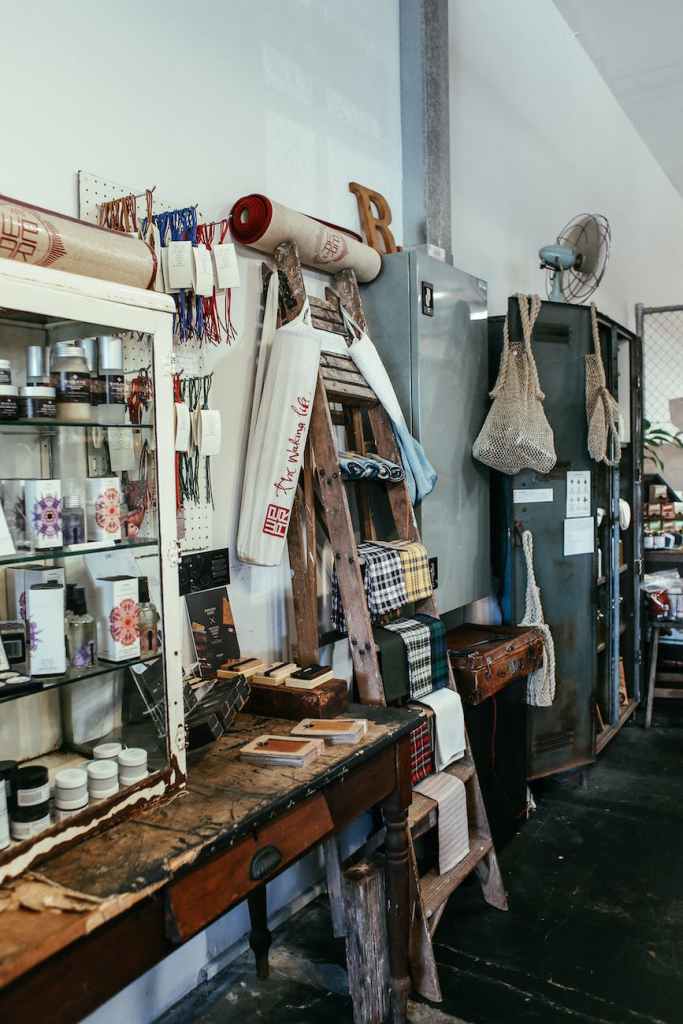
Photo by Rachel Claire on Pexels.com

“One man’s junk is another man’s treasure.” That saying applies to many of the objects in my store. But it should never apply to a person. We tend to place a value on someone else based on many superficial factors. We judge people by the way they look– their clothing or their hair or the expression on their face when we first meet. Sometimes we judge them by their skin color or the way they speak– the words they use or if the have an “accent.” We judge some people to be smarter or more important based on who else pays attention to them or how much money they have (or don’t have). We judge their talents and experience based on hearsay or gossip. And we allow others to place their “value” on us. As though some people deserve more attention, more resources, or more love than others.

God sees through all the tarnish, the guilt, the low esteem, and shame that we carry around. Each one of us is equally precious in God’s eyes. There is no “junk” in God’s economy, when it comes to a human life. No matter how dirty, broken, used, misused, patched up, trampled on, or worthless we may seem to others (or to ourselves) we are priceless and cherished by our Heavenly Father.
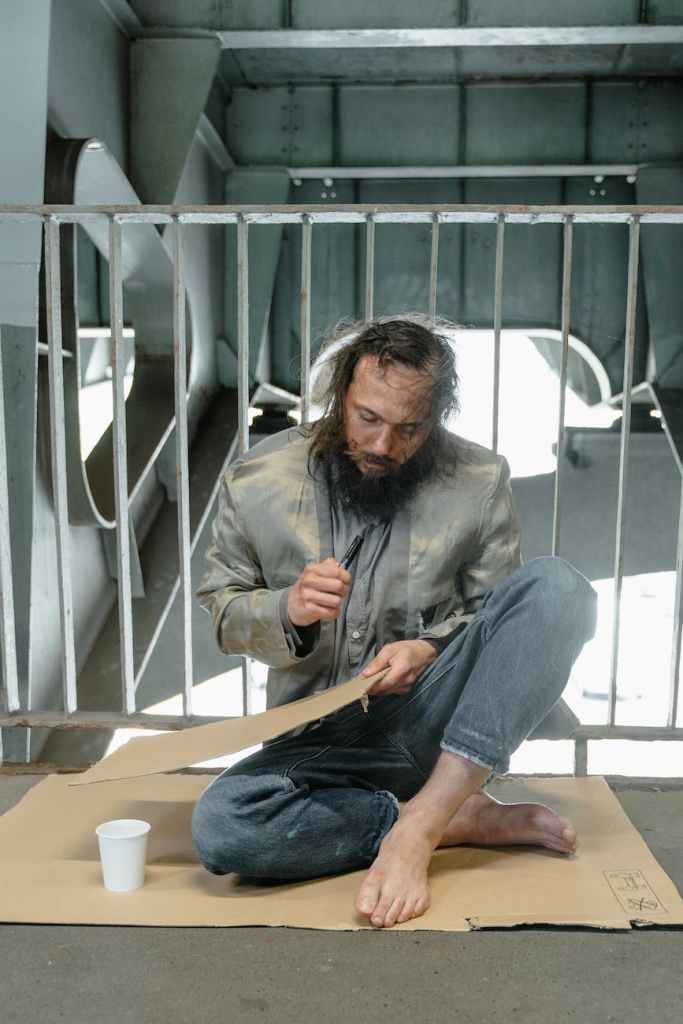
Jesus sought out the “junk” people of his time– lepers, widows, children, the blind and lame, the sick and weary, diseased, depressed, and demon-possessed. He touched the untouchables, loved the unlovable, and forgave the unforgiveable. Even when He was condemned to die as a criminal, and rejected by His friends and followers, Jesus remembered the Father’s love for others.

In this Holy Week, I pray that I would not lose sight of God’s Amazing Love for us. When we were His enemies– fallen, ruined by Sin–“junk”, Jesus was willing to reach out, to walk with the marginalized and sick, and more than all that, to DIE in order to make us joint heirs and give us the glories of Eternal Life with Him! And when Jesus was taken down off the cross– broken, dead, and “worthless”, God raised Him to Life and gave Him a “Name that is above all names” (Philippians 2).

We pray to a God who cherishes our very thoughts–a God who delights to hear from us! What a powerful thought. What an Amazing Love!

What Is It Worth?

My husband and I own a small shop. It’s actually a two-part shop, with used items, antiques and collectibles in the front, and amateur radio gear in the back. We have a few “new” radios, books, and other items, but most of our items are second-hand. This sometimes creates a problem in pricing.

Photo by Skitterphoto on Pexels.com

New items usually come with a manufacturer’s recommended price, based on what the item costs from the factory or warehouse. Sometimes, price is based on what we pay at a wholesaler. But used items aren’t coming from a wholesaler or a factory warehouse. Often, we pick up pieces from an estate sale or another shop like ours. Sometimes, we are selling items that were salvaged or even donated.

Photo by Leticia Ribeiro on Pexels.com

So how do we determine a price on a used item? For that matter, how are prices determined for some of the new items that we sell? Of course there are a few guidelines:

  • Basic costs– what did it cost to produce the item (or procure the item)? How much for the materials? Labor? Shipping? Packaging? Also, what are the basic costs of running the store– will the sales of these items be enough to cover expenses like the light bill and rent and miscellaneous supplies as well as covering the cost to replace them?
  • Supply and Demand– how rare is this item? How easily can someone find a similar item at a similar price? How easily can we find more of this item (or something similar)? Do we have “too many” of the same item? Which items are selling “too fast” at a lower price?
  • Quality– some items involve more craftsmanship. Some contain sturdier or more expensive materials–real copper wiring, metal gears instead of plastic, silver v. silver-plate, hand-carved instead of mass-produced, etc.
  • “Aesthetics”–Antiques are often valued for their condition. But it varies from one piece or type of piece to another. Glass and ceramics are more valuable if they are unchipped. Old magazine ads carefully cut out and attractively framed can be more valuable than the entire magazine from which they came. Certain colors of glass are worth more than others. Wooden items that have been repainted, repaired, or refinished can actually lose value over those left in their original condition. Some items sell better with a “patina,” while others do better if they are polished and clean.
  • Ultimately, however, the items in our store are “worth” only what we decide, and what our customers are willing to pay for them. If we are “wrong” about the worth of an item, it may sit on the shelf collecting dust– either because we have priced it too high, or because the price is so low that a customer mistrusts our judgement about the quality of the product.
Photo by cottonbro on Pexels.com

Why am I writing about this on a blog about prayer?

We have a tendency to place values on people and situations, as well as items. Sometimes, we think it “isn’t worth it” to pray about a minor problem that we face, or someone we don’t know very well, or don’t think of very highly. Perhaps we think that our requests are too ordinary, or too small, or too chronic to bring before God. Lost keys; that lingering pain in the elbow; the barking dog that keeps us up at night; the sibling that hasn’t spoken to us in 15 years–we wonder if they are worth making the effort (or continuing to make the effort).

Photo by Meruyert Gonullu on Pexels.com

But, in God’s economy, every person–and each moment in each person’s day–is of enormous value! God uses the small things of life to make a big impact. Every prayer that is lifted to God from a sincere heart and with even the tiniest grain of faith can have unbelievable consequences. There are hundreds of examples throughout the Bible, and hundreds of thousands of other testimonies to illustrate this truth The same is true for “big” prayers– the impossible situations– that plague us. War, famine, disease, corruption and injustice are NOT too big for God to handle. Just because they are too big for us to solve (or even understand) does not make them too big for us to pray about, or our prayers too little to make a difference.

Photo by Tima Miroshnichenko on Pexels.com

I was reading in 2 Samuel 16 the other day. King David faced betrayal– from his son, Absolem, and also from one of his counselors, Ahitophel. David prayed– almost as an afterthought– that Ahitophel would give Absolem bad advice. And he did! But God also prompted David to send another counselor, Hushai, as a secret agent. At first, Absolem followed the advice of Ahitophel without question, and it seemed to work in his favor. But at a crucial moment, Absolem hesitated and asked for a second opinion. Ahitophel’s advice, according to the writer of 2 Samuel, was actually the better advice. But Absolem chose to follow the clever but ineffective advice of Hushai instead! David’s prayer was answered, and even when it seemed that David’s prayer “wasn’t enough,” God protected David, frustrated Ahitophel, and brought judgment and punishment to Absolem, ending in his death. There is no record of either Absolem or Ahitophel praying at all during the rebellion.

Photo by Ian Panelo on Pexels.com

God won’t judge the quantity or quality of what we pray for, or who we pray for, or how we pray– He values it all. Prayer is truly “priceless!”

Blog at WordPress.com.

Up ↑