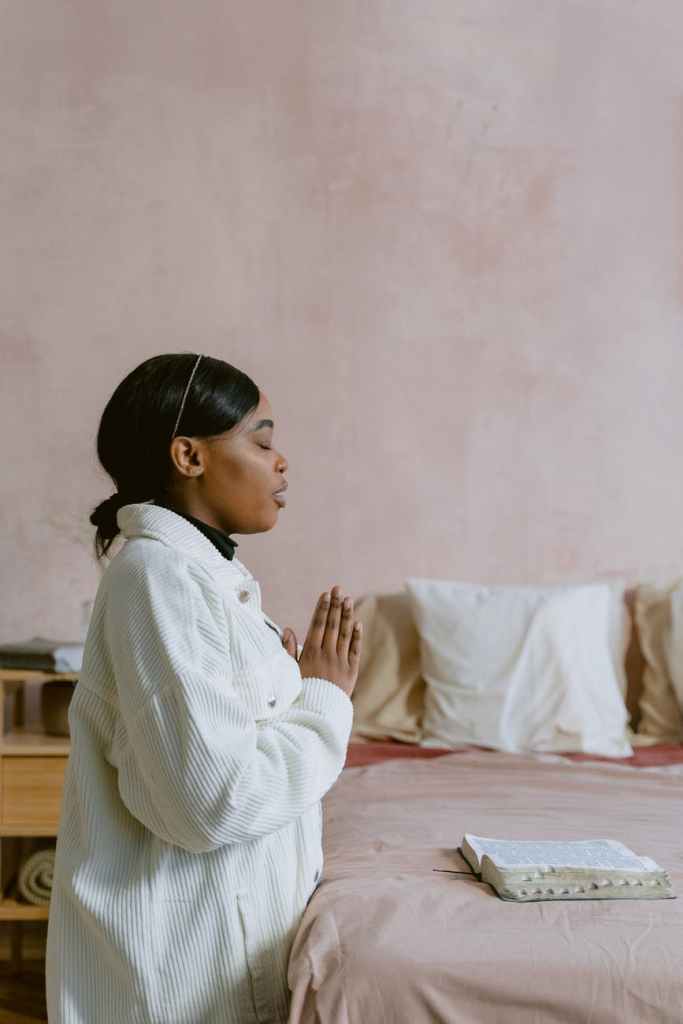
“Sheepish” Prayers

“The Lord is my Shepherd…” (Psalm 23: 1)

How often do I recite this favorite Psalm without really thinking about it? In the words of this Psalm, I am loved, cherished, sustained, and led by Him. But am I in reality? Do I submit to His leadership and guidance? When I pray, am I really coming to meet with my Shepherd, or am I trying to meet with God on some other level or in some other relationship?

I’ve been reading through the first few books of the Bible. I’m in Numbers right now, and Moses is leading the Israelites through the wilderness. The spies have just returned from Canaan, and the people have rebelled against God, weeping and accusing God of leading them to the Promised Land only to have them die in battle with the giants of the land.

I read through this and shake my head, but haven’t I done similar things in my walk with God? I want to avoid the wilderness. I want to walk in the green pastures, but I don’t want to travel through the valley of the shadow of death to get there! I look at obstacles and setbacks as though God were sitting far away, arms akimbo, laughing at my struggles; in reality, He is right beside me all the way, waiting to help me overcome each obstacle and gain victory together with Him. I’m looking at the giants, when He wants me to trust Him for the milk and honey He has promised. I still have to face the giants, and the battles ahead– but I don’t have to face them alone. I don’t have to face them in my own strength, my own limited wisdom, or my limited vision.

But here’s what I am learning as I read through this section of the Bible right now:
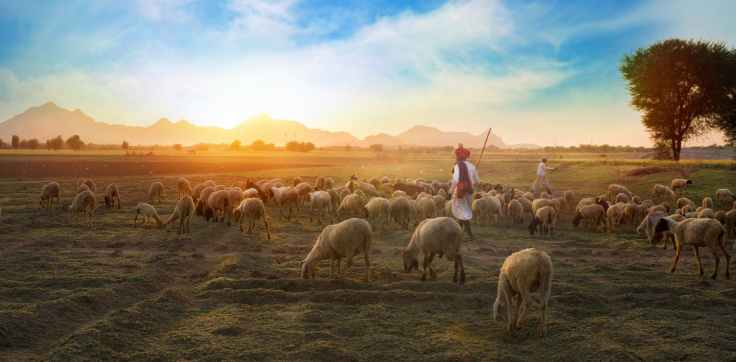
God IS with me. He doesn’t leave me or give me anything HE can’t handle. But I have to walk through the wilderness. I have to fight battles. I have to face giants. I have to learn to trust for my daily bread– whether it is manna or money to buy bread–daily. I have to listen to His voice; not impose my plans and ask for Him to bless them.

God doesn’t want me wrapped up or caged: He will not take away my freedom to follow (or NOT follow) Him. And when I wander, He may allow me to wander in circles for a while (hopefully not forty years!), but He will still be right there, ready to lead me when He sees that I am ready to move forward.

He will supply all that I really need– water from the rock, bread from Heaven– not because I have the money or resources, I think I’ve earned, but because He IS my provider. He can part the Red Sea; He can destroy Pharaoh’s armies. He can make the earth swallow up those who threaten me and defy Him. I am safe, even in the wilderness, when I stay close to the Shepherd!
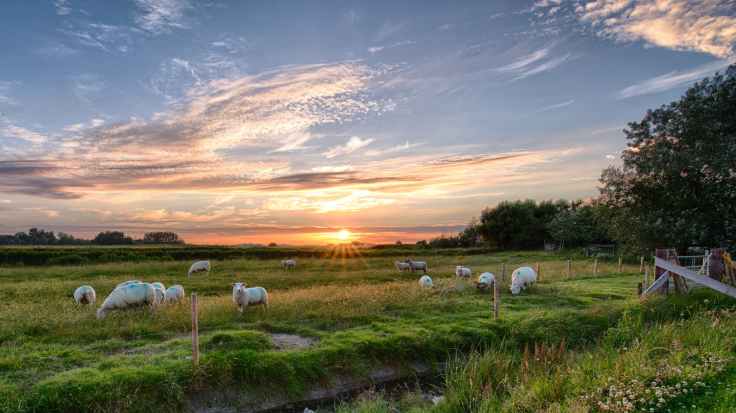
He will counsel and correct me. He will offer forgiveness again and again. He will not leave me lost or unable to return to His side. He will be a “Presence” in my life, wherever I go– day or night.

He sees me and He hears me– which is both comforting and fear-inducing. But it is a healthy fear; an awesome and reverent fear; one that keeps me humble. After all, I am a sheep, NOT the Shepherd! I can call out to Him, and He knows where I am (because He is right there, too), and He knows what I need. God saw the Israelites worshipping the Golden Calf even as He was speaking to Moses up on the mountain. God heard Moses as he pleaded for mercy, even in His anger and wrath.

He calls me by name. The Bible, especially the Old Testament, is full of individual names. Not just the ones we study in Sunday School; not just the ones in the children’s stories; but names of the leaders of the various tribes of Israel, and names of the spies, names of craftsmen God had selected to build the Ark and all the items needed for the Tabernacle, and names of those who rebelled. I am not lost in the crowd; I am not forgotten among the many. God knows me intimately– just as He knows you!

Even when my prayers seem like whining, bleating, plaintive “baa-ing”, I know my Shepherd hears. And He delights to hear from me. He delights in leading me through the wilderness and providing for my every need. And His promises sustain me when I don’t know what’s coming next, or I fear what I see on the horizon.

So I will pray today, and tomorrow, and every day, knowing that even my– especially my– “sheepish” prayers are not in vain.

So Close…

I’ve been reading in the book of Numbers this week. Numbers is not the most exciting book of the Bible. Many of the chapters are about the census, or about further rules and regulations concerning sacrificial offerings, etc.. But the chapters from 11-15 detail a series of rebellions– grumblings against Moses and efforts to return to Egypt. These rebellions happen after over two years after God had led the people out of Egypt. For two years, they have been protected, fed, sustained, and instructed by God himself. His spirit has appeared as a pillar of cloud by day and a pillar of fire by night throughout their journey. They have had manna and quail to eat, water from the rock to drink, and they have seen the vast army of Egypt drowned in a matter of minutes, while they were led through the sea on dry land! 

And now, they are so close to the “finish line.” They are on the very doorstep of the land of Canaan; the land God had promised to GIVE them. All that is left is for Moses to send out some scouts to bring back a report about the land– its cities and farmland, its people and its produce. Those two years must have seemed like a lifetime, but now it would be coming to an end. God would provide a homeland; a place to build houses, raise crops, rear their children, and settle into lives of peace and prosperity.

So what happened? The scouts brought back a factual report. The land had fortified cities, and lush farmland. It was already planted with plenty of fruit trees and vineyards. And there were ancient people groups with mighty warriors. Israel had just taken a census. They also had mighty warriors, and a lot of them! Moreover, they had God’s promise that the land would be GIVEN to them as their inheritance.

They were so close! Victory, rest, and prosperity were so close they should have been able to taste them. Instead, their warriors moaned and wailed like infants. The same people who had vowed to follow the Lord at Mount Sinai, now planned to walk away from His promised prize. They decided to turn around and go back to slavery in Egypt–the same Egypt that God had decimated two years earlier by sending plagues and destroying its army.

Two years of camping and living “on the road,” lost in two hours of grumbling and fear-mongering. And the punishment? Forty years of needless wandering–time to realize what had been thrown away in petty worrying and imagining the worst. Time to regret their reaction and their failure to trust God. Time for God to show them, once again, His ability to keep them safe and sound in the desert places.

And the learning curve would be a steep one. Almost immediately, a group decided that they would “prove” to God that they were ready to conquer Canaan– on their own. But it didn’t work. Then a group decided that Moses was to blame for their misfortune. But they were “swallowed up.” In the forty extra years of wandering, group after group would challenge Moses (and God) and be destroyed from within.  Moses, who had already lived forty years in the wilderness tending sheep, would have to repeat the task, shepherding the entire nation of Israel for forty long and difficult years. And even he would fall victim to his own frustrations, calling water from another rock, but doing it “his” way. Even Moses would fall in the wilderness, never getting to enter the promised land.

How many times have you noticed that the closer we get to a goal, the more likely we are to fall short. We sabotage our own efforts, or we rebel against good instruction. Sometimes we just give up a few yards short of the finish. We are just over half-way through the month of February. What goals or resolutions did you make for this year? How many of them have you stuck with?

Here are three things I take away from the lessons of Numbers 11-15:

  • Look Beyond. Don’t take your eyes off the prize! The scouts’ report was not all bad. Yes, the cities were walled and the warriors were big and fierce. But the walls of Jericho were eventually brought down without a single battering ram, siege ramp, or arrow! Don’t ignore the trials ahead, but don’t let them blind you to the blessings beyond them!
  • Look ahead, not behind. Don’t waste time living in past comforts or running from past mistakes. God has something better than whatever we’re going through now. But God isn’t waiting on the other side. He is beside us, around us, WITH us right now. He is patient with us. It may take us two years (or forty-two!) to reach a goal, but if we learn to follow God, we will never be forsaken.
  • Look UP! God’s spirit didn’t appear on the ground around the Israelite camp. He appeared as a pillar. God called Moses UP on Mount Sinai. We need to stop looking back at our past, or around, comparing ourselves to others, and look at God’s promises. In relation to our goals and dreams, we need to LIFT them up in prayer! Daily!

We are so close! Let’s keep going in the right direction towards God’s promises.

Free to Pray

Today, the United States will celebrate our “Independence Day.” Two hundred forty-six years ago, fifty-six men pledged their lives and fortunes by signing a Declaration of Independence from Great Britain and the rule of its king, George III.

We talk a lot about freedom and independence on this day. For many, it is a bittersweet reminder that not all Americans were “free” during the first decades of our existence as a nation. For others, it serves as a rallying point to urge for further movement toward freedom from tradition and restraint. We talk of freedom and independence as though the terms are interchangeable…as if the only way to understand freedom is in the context of independence from someone or something else. We want to be free from the constraints of tyrants, oppressive bosses, or prudish parents. But freedom from something implies freedom to do or become something else.

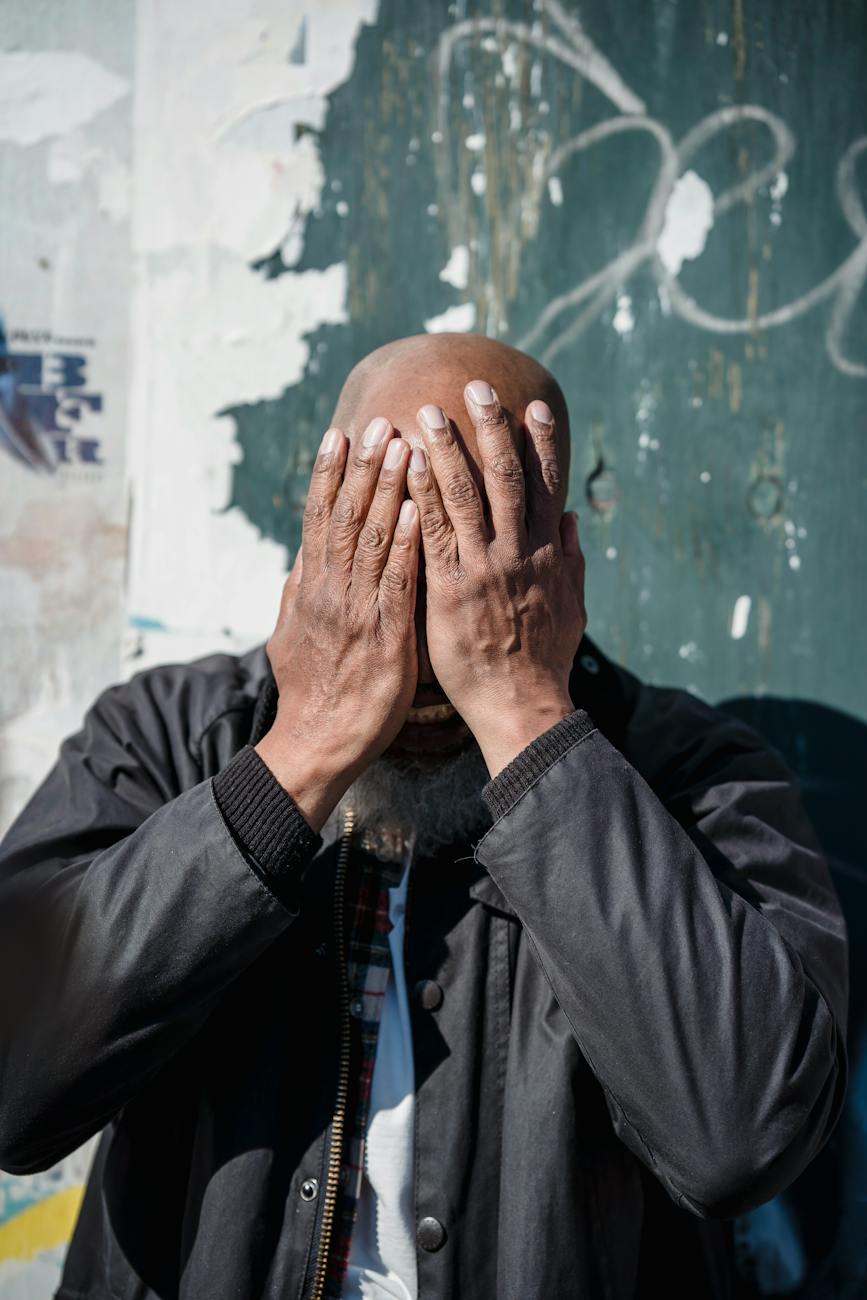
Photo by cottonbro on Pexels.com

In the case of our fledgling nation, freedom from the British Empire meant the freedom to create a new nation– not just to modify an old national identity, but to create a new identity; to have a new “birth” of freedom. Freedom from oppressive rule does not eliminate the need for restraint and responsibility. Indeed, it creates a great need to define limits and practice self-discipline. Total freedom– without boundaries, rules, or responsibilities– leads to its own destruction.

A few years after the Declaration of Independence, once “freedom” had been won by long years of war and the sacrifice of many soldiers and their families, some of the same men were joined by others to draft a national Constitution. Almost immediately, the Constitution was amended to include a Bill of Rights, outlining certain Freedoms which had been implicit, but were now spelled out for all to uphold. The very first of these rights covered the freedom of expression– both in speech, and in worship.

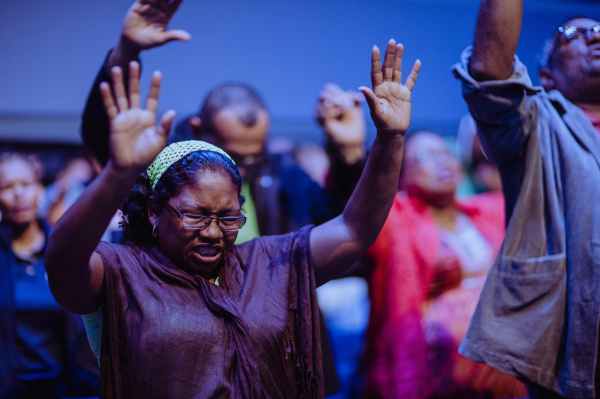
Photo by Sharefaith on Pexels.com

Americans have the freedom to speak. We can speak publicly about our thoughts, our feelings, our beliefs– without the fear of imprisonment or government retaliation. We can write or post blogs, regardless of whether others agree with us, or like what we have to say. This is an incredible freedom– I can create novels or poetry; I can recite speeches or create persuasive advertising; I can talk for hours about nothing at all! But it also comes with responsibility– I could write falsehoods about my competitors, or speak out disparagingly about a neighbor. I could do great damage with my words. My neighbor or competitor might take me to court and sue me for libel or defamation, but the damage would already be done.

Photo by EKATERINA BOLOVTSOVA on Pexels.com

Americans also have the right to religious expression. Our Supreme Court recently upheld the right of a high school football coach to say a prayer on the football field after a game. Americans can assemble for worship, whether in a church, a mosque, a synagogue, or an open field. We can pray– aloud, in a group, over a loudspeaker, even–and the Government cannot legislate that only “approved” prayers are allowed. This might make a few people squirm– Wiccans, Baptists, Scientologists, Hassidic Jews, Shi’ites, Druids, and Satanists ALL have this right. But each of us has the responsibility to respect the rights of all to pray.

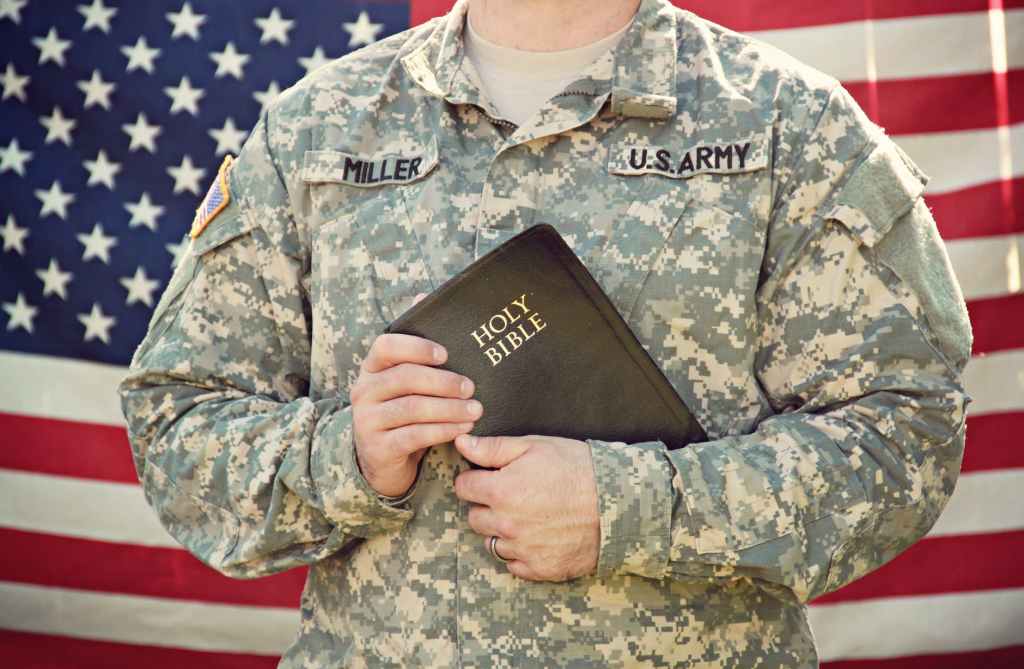
Photo by Ivan Samkov on Pexels.com

But that brings me to this point– we have the freedom to pray under the Constitution, but that freedom means nothing to the Christian without the greater Freedom to Pray granted by God Himself. Anyone can offer a prayer to empty air, to a created idol, to a metaphysical “being”–but governments cannot give us the freedom to be HEARD, to be WELCOMED into the presence of the Almighty. Only God gives that freedom– and He gives it to ALL who seek His face! I don’t have to be an American to pray. I don’t have to be given the legal right to pour out my heart to my Heavenly Father– HE invites me to pray. All I need is the belief that God hears and responds to my prayer– even a silent one delivered in peril of Government retaliation. God’s invitation is more powerful than any oppression that seeks to stop me from calling on His Name!

Photo by Tima Miroshnichenko on Pexels.com

God took great pains to illustrate this in bringing the Israelites out of Egypt. God took a “nation” of slaves out of Egypt, and led them through the wilderness and into their own inheritance in the Promised Land. They had the freedom to pray, and to worship this Great God. But over the years, they lost that freedom, and ended up going into exile, slaves to the pagan nations around them. Yet God remained faithful, hearing their prayers even from the nations where they enslaved. God’s promises and His invitations remain, regardless of the rise and fall of Empires or religious movements.

So today, especially in light of my right as an American to pray freely and publicly, I want to challenge myself, and anyone reading this to spend time today in earnest prayer and thanksgiving. What a privilege to be “Free” to pray!

A Few Thoughts About Manna

I’ve already posted recently about Ash Wednesday (see the post from Feb. 15), so it may seem strange on a day of fasting and ashes to be writing about food. And manna doesn’t seem to have much of a connection to prayer– bear with me…

Photo by Karolina Grabowska on Pexels.com
  • Manna was, quite literally, “daily bread.” God sent manna each day for the children of Israel as they wandered and camped in the wilderness on their journey to the Promised Land. It appeared overnight, much like dew, and evaporated in the heat of the day. Yet the small “grains” could be gathered and made into nourishment for the thousands of Israelites who had no other source of bread. Manna and the bread made from it were only good for a day (except on Friday, when twice as much would fall so no work needed to be done on the Sabbath). God provides for our needs daily– we don’t have to worry and fret. Jesus returned to this theme often, including the Sermon on the Mount and The Lord’s Prayer.
  • Manna was uniquely suited for the Israelites in their situation. Manna did not require time to grow, harvest, or prepare. It did not require storage space, as it was collected and used up daily. It did not require yeast, salt, or sugar to be added to it–God designed it to be simple, sufficient, sustaining, and even sweet!
Photo by Liza Summer on Pexels.com
  • Manna was provided even after the Israelites complained and accused Moses (and God!) of leading them into the wilderness to die. God will not withhold punishment (see what happened in Numbers 11 when the Israelites complained about the manna!), but He will provide for our needs out of His love for us, not as a condition of our righteous behavior. All the people had access to manna, even those who complained or were defiant. If someone went hungry, it was not because God refused to provide– but because they chose not to avail themselves of His gift, or because they refused to accept the nature of the gift.
  • Manna was consistent. God didn’t send manna one week and raisins the next; God is faithful and unchanging–the manna wasn’t just a nutritional provision, it was a reflection of God’s nature! God gives good gifts; it is our selfish nature that often takes His goodness for granted, and asks for what we do not need.
  • Once the Israelites reached the Promised Land, the manna stopped. God’s gifts meet our needs– in His way, and in His time. God does not give gifts blindly or absent-mindedly. God knew exactly how much manna to send each day, and exactly when the manna would no longer be needed. He was watching closely the whole time– every step of the journey.
Photo by Arina Krasnikova on Pexels.com

So today, whether or not you are fasting, you can rejoice in the knowledge that God has seen every step of YOUR journey. He will provide for our every need, including the need for forgiveness, courage, physical nourishment, and spiritual growth. All we need to do is look for it, gather it, and use it!

When God Gives You Lemons…

There is a saying–“If life gives you lemons, make lemonade!” In other words, if your life circumstances are “sour,” you should look for ways to make your circumstances into something sweeter.

Often, it seems like God gives us lemons–even when we pray and do what we know is “right,” it seems like our circumstances get no better. In fact, sometimes, they get annoyingly, frustratingly worse. But God does not abandon us; He doesn’t sit back and laugh at our frustration, or leave us to flounder in chaos with no hope. Sometimes, our circumstances are opportunities for God to make lemonade.

Photo by Pixabay on Pexels.com

When God rescued Israel from slavery in Egypt, He did not lead them directly to the Promised Land. Instead, He led them through the wilderness and to the shores of the Red Sea. There, they were trapped by the Egyptian army, complete with horses and chariots and trained warriors. But God’s plans were bigger than the armies of Egypt, and bigger than the sea. God made a path of escape through the sea, and used the very same sea to drown the enemy!

Photo by Polina Zimmerman on Pexels.com

What a miracle! But it wasn’t long before the people began complaining about “lemons” from God–the complained about the food, the journey, the scenery, and their leader, Moses. Even when God did many more miracles– bread from Heaven, meat from the sky, water from the rock, divine intervention in battles– the Israelites were still complaining about all the “lemons” in their life, and longing to go back to Egypt and slavery!

Photo by Juan Pablo Serrano Arenas on Pexels.com

There are seasons in life when it seems like God is giving us lemons–a job loss, an unexpected illness, a wayward daughter, a house fire, civil unrest… Struggles and pain will come into our lives; we should not pretend otherwise, or seek to deny them when they come. And God does not expect us to “make lemonade” all on our own. But He may allow us to be squeezed a bit; He may send the lemons today, and sugar next Monday. He may not give us a fancy carafe and cute little teacups. But He will give us all we need to make lemonade if we are prepared for the task. And usually, He will give us more than enough to set up a lemonade stand and serve others!

Photo by PhotoMIX Company on Pexels.com

Several years ago (2005), I had the opportunity to visit a settlement of Haitian refugees in the Dominican Republic. Multiple mission groups had banded together to provide basic needs– shelter, basic medical services, toilets and showers, etc. Service teams from Canada and the U.S. had come in to build two-room houses and set up a small clinic and school. Donations had come in– clothing, bedding, toothbrushes… Thousands of Haitians had been displaced after a bad hurricane season and massive flooding, and this refugee camp was home to nearly 150 families. Even with the donations, there were shortages– there was running water, but it wasn’t potable. There was rice, but few vegetables and very little meat. Aspirin and antibiotics were rationed, and most of the children were thin, and sad, half-clothed in rags and bare-foot.

Photo by Tamba Budiarsana on Pexels.com

In the midst of all this, there was a miraculous donation– of flip-flops! Literally thousands of pairs of flip-flops–brand new overruns: different sizes, but all the same colors and style–more than enough for every person to have a pair. God had given the people of this settlement a LOT of lemons. Shoes were well and good, but the people needed water… The shoes were distributed– there were even a few left over. But about a week later, it was observed that most of the people were still walking around bare-footed. What had happened to the donated flip-flops? Were the people ungrateful? Were they too proud to use the new shoes? Too fearful?

Photo by Leonardo Rossatti on Pexels.com

Not at all! These amazing people trusted that God could help them turn lemons into lemonade. They loaded the flip-flops into large bags, carried them (bare-footed) on their backs into town (the nearest town was nearly 10 miles away, but it was on the coast and attracted many tourists), pooled what little money they had to rent a booth at the beach, and SOLD the flip-flops. The money they made from the sale of the flip-flops purchased five-gallon jugs of drinking water. The jugs were carried back from town and shared among the members of this growing community. As they continued to sell the donated flip-flops, they purchased other small items– packets of laundry detergent, fly swatters, plastic dishes and cups–and established a small colmado (local store) within their own community. When I was able to visit again a couple of years later, the refugee camp was a thriving community– many of the houses had been painted, and had gardens and picket fences, on which clothes were drying in the sun. And while some children were still running in bare feet, many others had shoes. Some of the shoes were ragged and some were mismatched, but the children were happy and healthy. In the middle of the community, there was a beautiful church. Inside, there was a woman sweeping and singing songs of praise.

I share this story because it both encourages me and shames me. In this season of “lemons”– COVID-19 and violent unrest in my country– I have a choice. I can complain like the children of Israel. I can pray for God to take away the lemons; I can beg for Him to send me lemonade. Or I can look around for opportunities to use what He has provided– graciously provided– and sing His praises as I make lemonade.

Photo by Luis Quintero on Pexels.com

God, grant me the eyes to see your provision amid whatever challenges I face today. THANK YOU for the lemons you have given me today, and, when I am squeezed, help me to become a sweet and refreshing reminder to others of YOUR Grace and Joy.

…And I Am Not.

In my last post, I talked about “When God Doesn’t Answer..” Of course, there are times when God seems silent, and I spoke about a couple of times when that was true in my life. God’s timing and wisdom are reminders that He is God– and I am NOT.

I want to revisit that theme for a bit. I was reading the post and realized that I spoke of the waiting and hoping and God’s faithfulness in sending an answer in the person of David, who became my husband. I spoke of God’s ways being higher and better than our ways– and they are. But I left out one aspect of God’s character. Forgiveness.

Photo by Josh Willink on Pexels.com

It is tempting, and I gave in to the temptation, to focus on my feelings, and my positive actions during those years of waiting– taking good advice and making good use of my time as a single to volunteer and serve. But I also did plenty of wallowing in self-pity, of questioning God’s goodness and His timing. I slipped into bad habits that I had to break as a married woman– selfish habits and indulgent thought patterns. And I find myself battling new bad habits, slipping back into depression and isolation, or taking for granted the blessings of married life.

I don’t say this to negate God’s goodness in answering my longing for a husband and family, nor to suggest that God’s long silence and eventual answer were any less gracious and loving. Instead, I want to thank Him for being patient with me, for extending both mercy and grace in His good time, and in spite of my bad behavior.

Photo by u0410u043du043du0430 u0412u0430u0441u0438u043bu044cu0435u0432u0430 on Pexels.com

God’s mercy and his goodness surround us–especially when we don’t see them. When we doubt His presence, when we accuse Him of not caring, when we pout, and posture, and resent the road He has us traveling. God’s word is full of stories of people who waited– some patiently, some not so much– and people who wandered, and even rebelled. And many of them perished without ever seeing God’s answer or without repenting. But I cannot think of any instance where someone who sought God’s face or His forgiveness and was turned away– EVER. God followed the grumbling nation of Israel for forty years, His anger breaking out against them multiple times, but He remained faithful to His promise to bring them to the Promised Land. https://www.biblegateway.com/passage/?search=Deuteronomy+1&version=NCV God went so far as to remove His Spirit from King Saul, but He allowed Saul to continue to reign, even when Saul tried to kill God’s anointed one and his own son-in-law. https://www.biblegateway.com/passage/?search=1+Samuel+19-24&version=NIV God followed David from his days as a shepherd boy through his reign as Israel’s king– in spite of David’s sins, in spite of the drama and chaos of his household, in spite of betrayal by his own sons and generals.https://www.biblegateway.com/passage/?search=1+kings+2%3A1-10&version=CSB God chased down Saul on the road to Damascus– after Saul had hunted and hounded faithful followers of the Messiah.https://www.biblegateway.com/passage/?search=acts+8%3A1-3%3B+9%3A1-18&version=ESV

God is patient and faithful with us– whether we have grumbled at His timing, or turned our back on Him for a season, or actively rebelled against His sovereignty and kindness.

Photo by Artem Beliaikin on Pexels.com

When God seems silent, we often forget that He also remains silent in the face of our grumbling. He withholds His righteous judgment, giving us ample opportunities to rethink, repent, and return. His silence reminds us that He is God– and we are not. He does not owe us an answer– nor does He owe us a second chance. But He will give us both in His time. Because He is God– in His sovereignty, in His boundless Love, and in His mercy–and I am not. I am not God. I am the (sometimes) grateful recipient of all that He gives.

May I be grateful today, not just for the blessings and gifts and answered prayers, but for the patience, grace and mercy I don’t deserve.

Blog at WordPress.com.

Up ↑