Lament

Where are the heroes of old?
Where are the role models?
Where are the men and women of integrity?
Where is Honor?

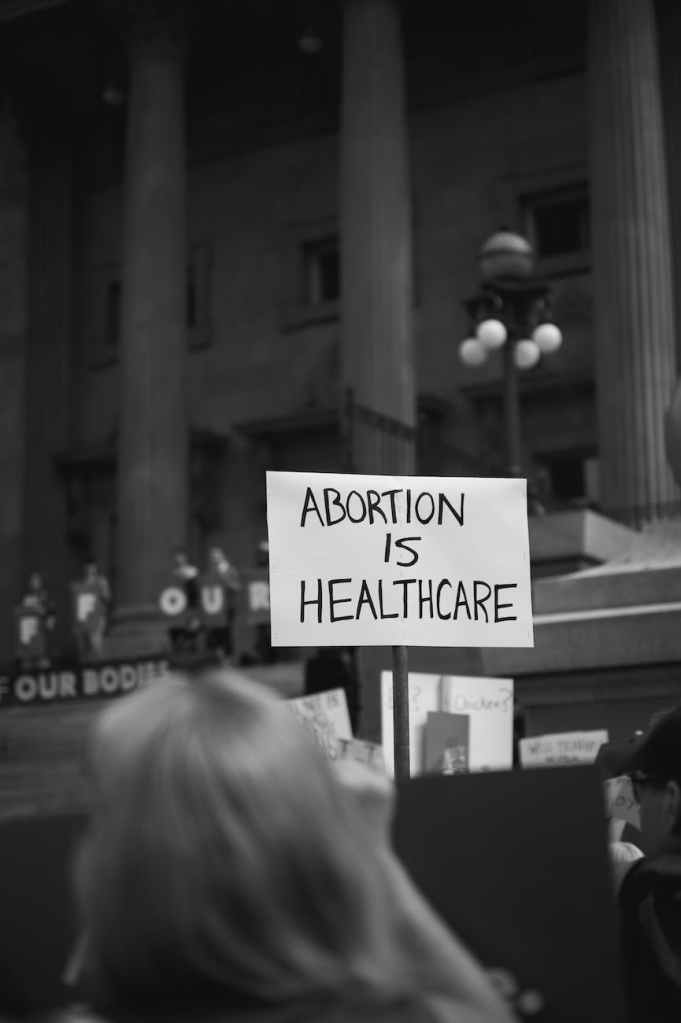
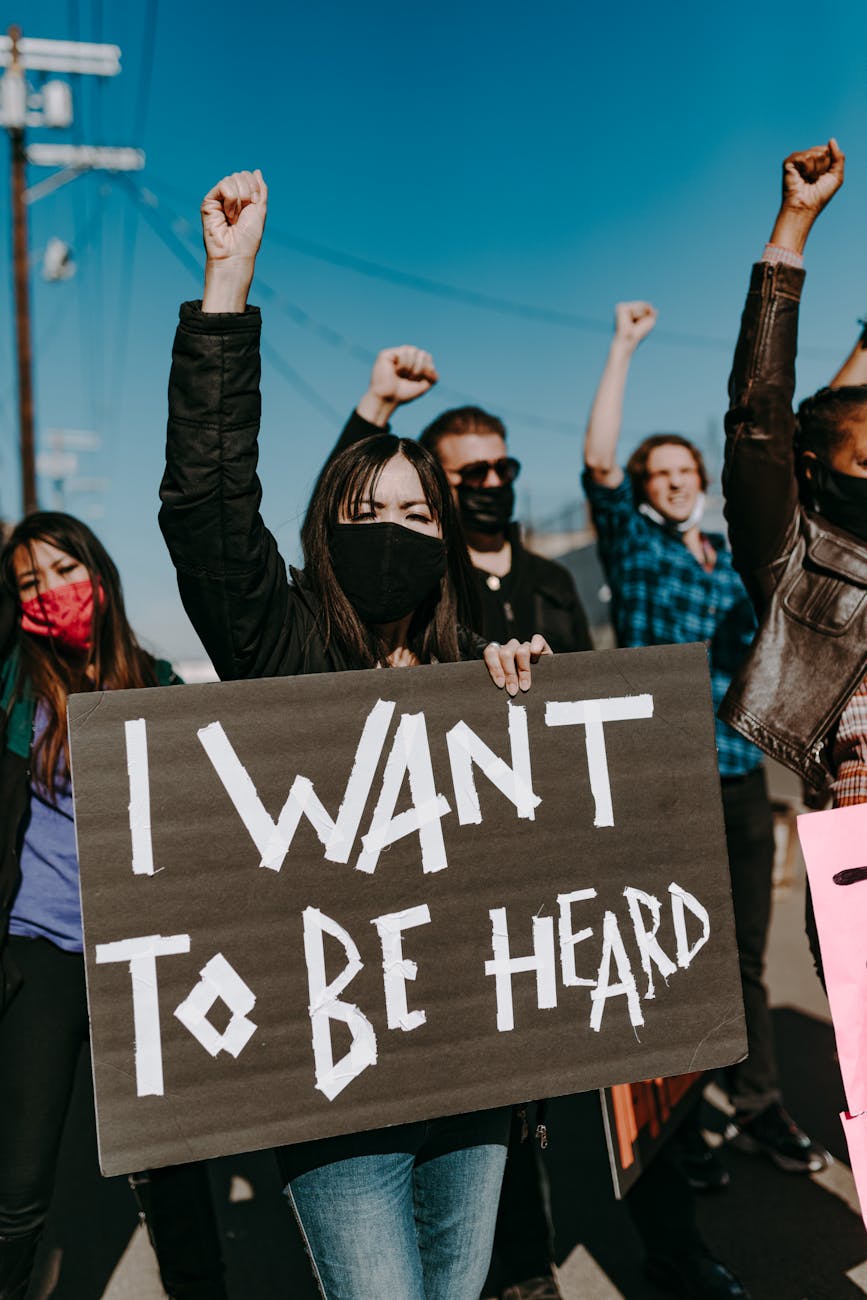
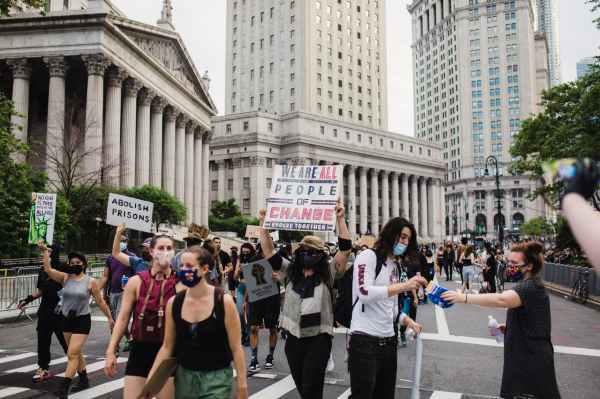
I look at images of sneering mobs, of angry masses.
They protest in bright colors.
They shout and wave their signs.

Where are those who mourn?
Where are those who warn of danger, crying out a warning;
Crying out for mercy?

Where are Isaiah and Jeremiah?
Where is Ezekiel? Hosea?
Where are the Apostles?
Where are the evangelists?
Everyone is shouting– who is lamenting?
Everyone is angry– who is repentant?
Everyone is righteous in their own eyes.
Yet no one is righteous– no, not one.
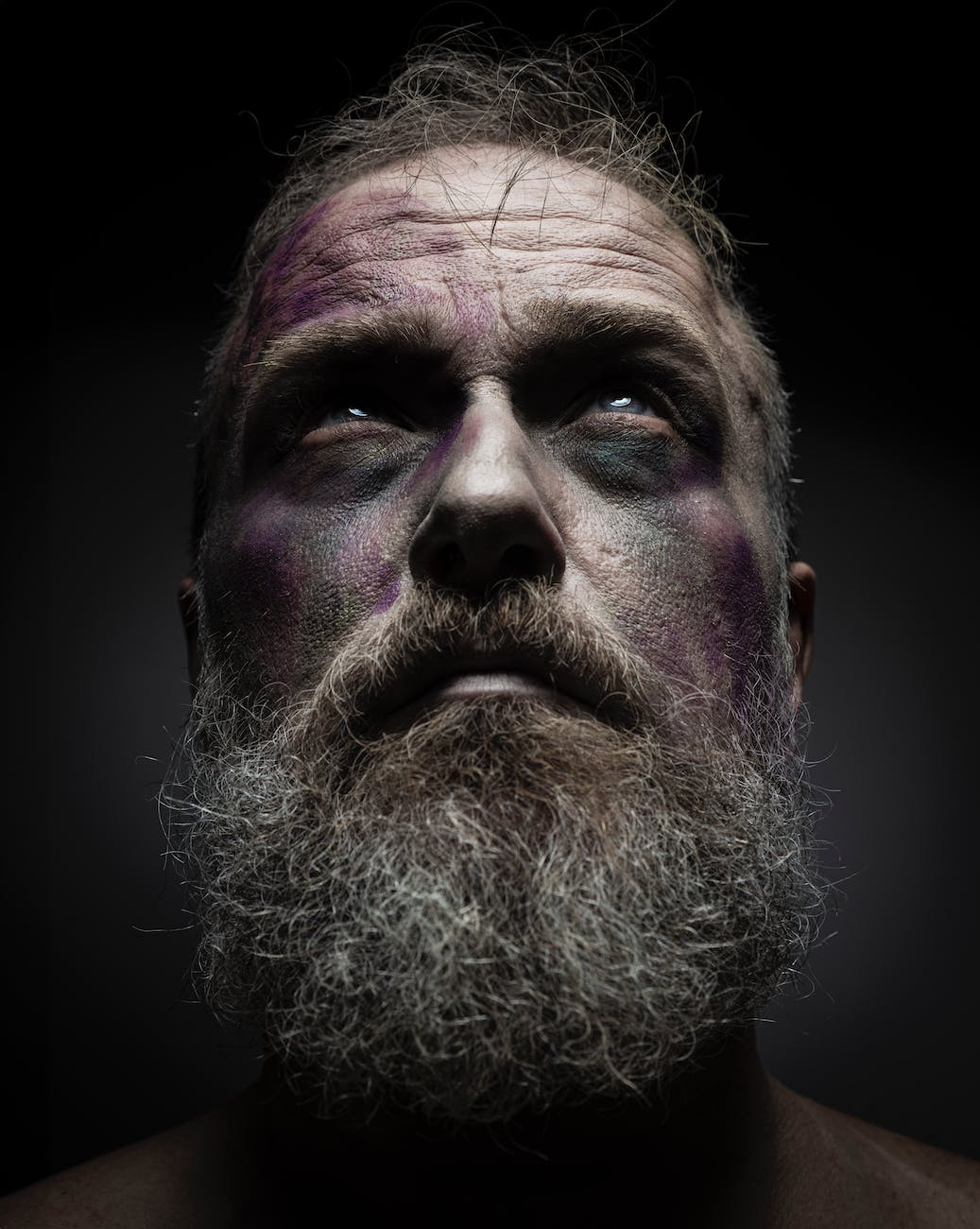
We have a generation worshipping comic book “gods”,
And mocking the God of Creation.
People who obsess over someone else’s right to eat an egg,
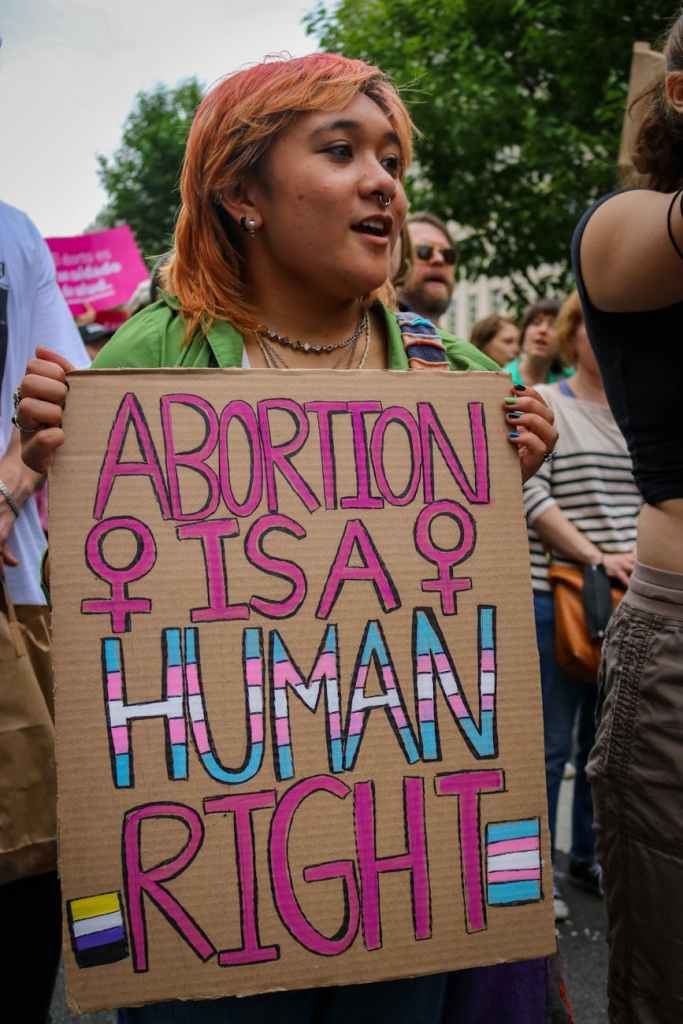
While screaming for the right to kill their own child without guilt.
Millions praying to their government for more food and better shelter
While ignoring their hungry and homeless neighbors.
While trying to bury Your Words and Your Peace.

And YOUR people, Lord…
People who bear the name of Christ
Are bragging about their blessings from You,
While criticizing others and ignoring the lost.
Those who honor You with their lips
Refuse to cry out in surrender to You;
Refuse to reach out help their neighbors.

Where are the servants?
Where is the remnant of the Faithful?
Where are the prophets? The truth-tellers?
Where are those who mourn?
Where is the Lament?
It’s Not Enough!

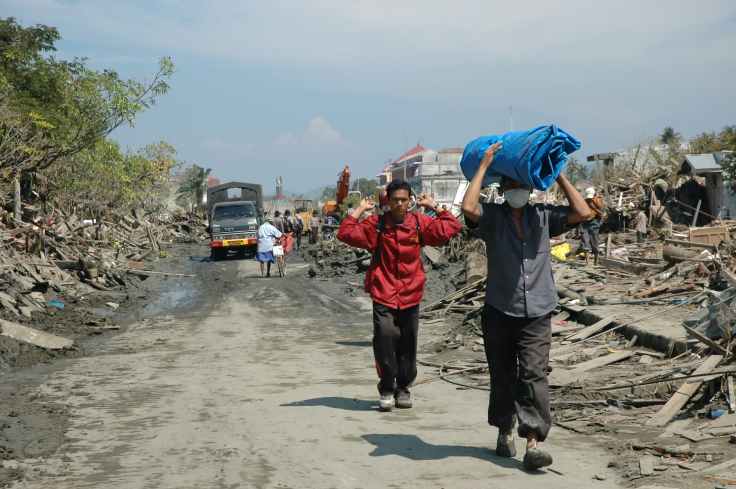
Often, when there is a disaster– especially one that seems preventable and senseless, like a mass shooting or a horrible crash–thousands of people reach out with “thoughts and prayers” for the victims and their families. And, predictably, others will angrily comment that thoughts and prayers are “not enough.” What good are thoughts and prayers in the face of senseless violence or preventable dangers? Shouldn’t we be driven to action? Shouldn’t we focus our efforts on justice or working to guarantee that such disasters can never happen again?

Such anger is natural, and such sentiments may seem more virtuous than offering nebulous emotional support. What, after all, can thoughts and prayers really DO in the face of evil, injustice, pain, and grief?

Well, I can’t speak for “thoughts”, but I have studied prayer for most of my life. I would offer the following words about the effects of prayer:

  • First, prayer reminds me that I am NOT in control of my circumstances– only my reaction to them. I cannot control what happens, what HAS happened, or what WILL happen. And my anger will not change what has already happened, nor will it prevent future disasters from happening. And while I may not be able to prove to others that prayer CAN prevent future disasters or heal present grief, I have known it to do both in my life and in the lives of others.
  • Second, prayer reminds me that there is Someone Bigger than me– Someone Bigger than my circumstances– who has the wisdom and the power to do what even thousands of well-meaning people cannot. Thousands of people coming together can make a difference over time, but God can do miraculously more than we can imagine!
  • Third, praying for others is something I CAN DO— anywhere, anytime– across distances, cultures, time zones, and circumstances. Prayer doesn’t cost anything. It doesn’t require that I have specialized skills or access to physical resources. It may not seem very active, like ranting or screaming, marching or protesting, but it isn’t the same as inaction or apathy.
  • Lastly, praying for others is a first step in helping others. My prayer alone may not seem like “enough”, but prayers have a way of multiplying, and inspiring, and intensifying in positive and impactful ways.

But more than just talking about the effectiveness of prayer, I’d like to pose a couple of questions for those who dismiss prayer as “not enough.”

  • What are you offering (instead of prayers)? Will your thoughts, plans, and actions have immediate or eternal results? Do you have the solution to all the world’s problems? Will you be able to control what happens in the future, or make sense of what has happened in the past? Will your solutions be perfect– no unintended consequences or necessary casualties?
  • If you are so angry about others praying, why waste your energy complaining about it? Go ahead with your own solution/reaction/plan.
  • Is your solution “enough?” Is your anger “enough?” Are your good intentions “enough?” Ultimately, you must wrestle with the existence of evil and injustice in this world. Senseless things happen. Good people suffer, and guilty people enjoy “success.” And nothing we offer is ever “enough” to change the world around us.

Our efforts and actions will never be “enough.” But prayer taps into the reality that God IS ENOUGH. His Grace is sufficient; His Love endures forever; His wisdom is higher than ours, and His power is boundless. He doesn’t always remove us from the chaos and suffering of this world, but He redeems us, and He enters into the circumstances of our own suffering and grief. He gives us courage, strength, hope, and a sense of purpose that goes beyond what we can find in ourselves.

The Value of a Life

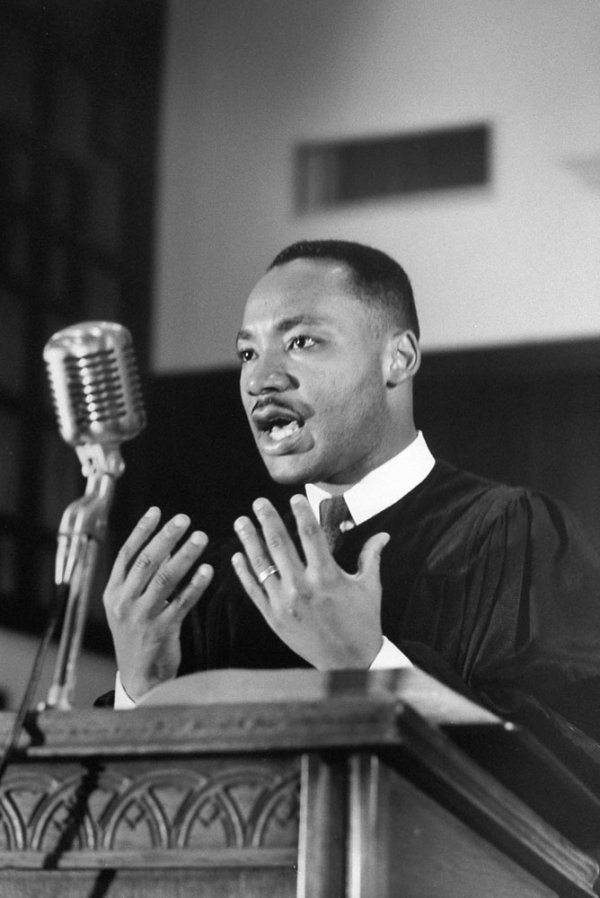
Today in America, we celebrate the life of Dr. Martin Luther King, Jr. Dr. King was a minister, a brilliant writer and student of theology, a leader in the Civil Rights movement of the late 1950s and early 1960s, a noted speaker, and man who arguably made a difference in the world. Dr. King was murdered in 1968, at the age of only 39, leaving a family and a nation devastated by his loss.

Next Monday, we will observe the 51st anniversary of the Supreme Court decision Roe v Wade, in which nine judges effectively legalized abortion in the U.S. for over half a century. Even though this decision has been overturned, many states, using the precedent of Roe v Wade, have changed their state laws to allow for abortion. In many states, it is now legal to abort a child right up to the moment of birth!

What is the value of a single life? Who gets to decide that they have the right to take another person’s life– whether by assassination, capital punishment, abortion, murder, or euthanasia?

It is a question that our society has struggled with for centuries. Who can give life? Who can take life? Who can determine the conditions of another person’s existence? And, for those who live, what is the “value” of their life–to their family, to their neighborhood, to their nation, or to history? Who gets to set the standard of what constitutes a “worthwhile” life or the “quality” of life for someone else? For themselves?

I’ve been reading through the book of Genesis this month, and, according to the Bible, this subject is as old as human life on earth. Cain decided that Abel’s life was expendable, so he killed him– the first murder. The people of Sodom and Gomorrah felt they had the right to enslave and rape anyone they wanted to. Joseph’s brothers plotted to kill him, before selling him into slavery, instead.

The Bible doesn’t hide this history, nor does it sugar-coat the actions of those featured in its pages. But, the Bible offers us a clear picture of WHO gives life, and WHO has the authority to decide what life is worth. God alone has this authority. It is God alone who can create and sustain life. Mankind has the choice– to protect life or destroy it; to treat life with respect or with disdain; to honor the Giver of Life, or to rebel against Him.

All the atrocities of the Old Testament lead to the ultimate decision on the value of a single life. Jesus lived a simple, ordinary human life. He lived with compassion, with purpose, and with humility. And He was willing to GIVE His life to atone for all the murders, all the abortions, all the slavery, all the injustices in history, so that WE could enjoy abundant, eternal life with Him. By looking to this singular life, and trusting in the power of His death and resurrection, we can choose to honor all life. We can make a difference. We can live with purpose and joy.

Dr. King’s legacy is one of honoring life, and pointing out the evils of those who seek to devalue the lives of others based on the color of their skin. Abortion’s legacy is one of destroying life, and promoting those who devalue the rights of the helpless.

The choice is still before us. How will we determine the value of a single life in the coming week? How will be add value to life on earth? How will we live for more than just the moment?

A Brief Word About Shoes

I’m really sick of hearing about shoes in the news lately.  But, surprisingly, I think it’s time for a brief word about shoes— from a Biblical perspective.

man reading a book
Photo by Tri Fatono on Pexels.com

The Bible has a lot more to say about shoes than most of us realize.  Way back in Exodus, when God called Moses from the burning bush, He commanded Moses to take off his shoes.  Later, in Deuteronomy, the Israelites are reminded that during their years of wandering, their shoes did not wear out– God took care of even the smallest and lowliest of details in providing for their needs in the wilderness.

fashion footwear grass outdoors
Photo by Tobi on Pexels.com

Boaz secured the right to marry Ruth through an old ritual involving an exchange of sandals.  The prophets used shoes to indicate the coming exile, and the need for people to be prepared to leave their homeland.


apples colors fashion field
Photo by Valeria Boltneva on Pexels.com

In the New Testament, John the Baptist declares Jesus’ superiority by saying that he (John) is not worthy to latch Jesus’ shoes!  And the Apostle Paul includes shoes (or sandals or boots) in his list of spiritual armor, asking us to wear on our feet the readiness of the gospel of peace (Ephesians 6:15).  A Christian’s shoes are to be used to bring good news and peace– not anger, protests, and divisiveness.


brand trademark cobblestones community denim pants
Photo by Ingo Joseph on Pexels.com

Shoes are meant to serve a useful purpose.  They protect our feet from surfaces that are hot, cold, wet, dusty, or rough.  They provide traction, allowing us to start and stop moving on pavement, gravel, rocks, and flooring.  Some shoes even provide arch support so we may stand and walk for hours with minimum damage to our bones and nerves.  Shoes allow us to walk farther, run faster and with more confidence, and stand firm.

man person street shoes
Photo by Gratisography on Pexels.com

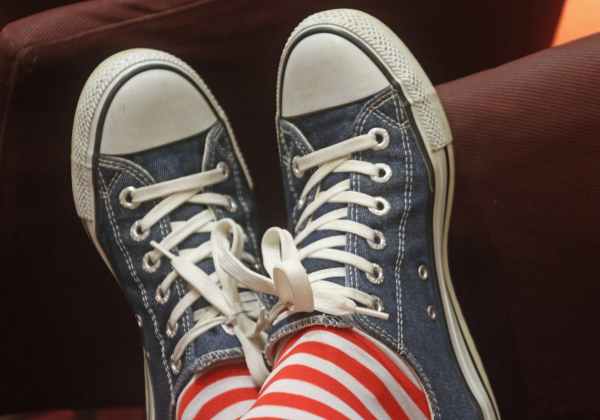
The most ridiculous thing about all the fighting over a shoe’s ad campaign is that it’s not about the SHOE–and no one is entirely clear on what it IS about– is it about race, police, injustice, patriotism, lack of patriotism, residual guilt over slavery, respect (or lack of respect) for military and/or rescue personnel, the NFL, Black Pride, White Privilege, income inequality, all of the above, something entirely different?  Mostly, it seems to be about anger, hurt feelings, hatred, and generic outrage.

None of that seems like a shoe I want to wear.

action air balance beach
Photo by Rafael on Pexels.com


Lord, from my head to my toes, I want to bring peace, hope, and love to this world in YOUR NAME.  Help me not to be blinded or distracted by all the world’s empty substitutes.  Let me wear the shoes that make my feet ready to bring your gospel of peace and reconciliation to others.  May I walk and run and climb and stand in Christ’s name and for His sake.  Amen.


Making Waves

Yesterday, students across the nation walked out of class to protest the school shooting that took place a month ago in Florida.  Many have hailed this as the beginning of a new movement; others have decried it as a stunt.  I’m not here to debate the merits of this particular action or even what it may or may not represent.  What I do want to look at is how and why groups are using various methods to “make waves” in our world.

What does it mean to “make waves?”  According to the online urbandictionary.com, it means:  to cause a disturbance, or to create a situation where chaos or controversy will surface

The underlying assumption is that there is a deceptively calm surface that requires a disturbance– that chaos or controversy are already present, and bringing them to the surface is necessary to prevent more tragic results.

If you live near a large lake or the ocean, you may have watched waves in action.  Waves can be powerful, and even tragic, in their own right.  Storm surge waves and tidal waves have been known to decimate coastal areas; even normal wave action can erode shorelines and pull unwary swimmers under the surface.  But waves also serve good purposes– they polish the stones and wash up treasures onto the beaches.  They prevent stagnation.  They help move small creatures that dwell in the sand and shallow waters.

One thing about waves that sometimes passes unnoticed– waves may change in size or power, but they are constant– rolling in and out unvaried in their rhythm from day to day and year to year.  In this sense, no one “makes” waves, except the creator, who started that rhythm and set the boundaries for the lakes and seas.  Instead, we attempt to create bigger, more powerful waves, or make waves where none were before– puddles, or swimming pools, perhaps.  At some point in our lives, we WILL make waves– but what kind, and to what purpose?

waves

My point is not that we shouldn’t try to be agents of needed change in our world– but we should examine the positive and negative consequences of our wave-making.  Are we pushing something to the surface that needs to be seen or discovered?  Are we pulling something under the surface to drown it out?  Are we eroding a foundation, or carving out a new coastline?  Also, are we being consistent in our wave-making?  Are we hoping for a single tidal wave of chaos, or a constant churning action that brings lasting change.

Of course, since this blog is about prayer, I would suggest that prayers are also like waves– each one breaking in its turn, but constantly rolling, churning, and moving forward, bringing things, both large and small, to the shore.  Prayers have a constant rhythm and a subtle roar that masks their full impact.  Prayers, like rolling waters,  intermingle, push each other forward, dance, and rise, and fall with the winds and storms of life, and roll back to rise up again.
Not all prayers are like waves– not all waves are like prayer.  but  shouldn’t we want to make waves in tune with God’s purposes?  Waves answer to God– he can both calm them, and stir them into wild fury; walk on them, or hold them back.

I pray that our prayers and our actions would be consistent with God’s rhythm; that we would embrace changes and actions that bring him honor.

Blog at WordPress.com.

Up ↑