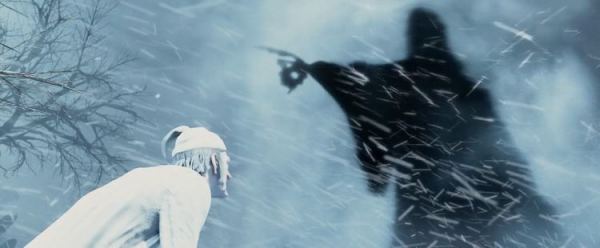
The Ghost of Christmas Yet to Come

Welcome to a New Year! And everything that lies before us is shrouded in mystery. But is that a cause for fear or excitement?
That is the question that weighed heavily on the mind of Ebenezer Scrooge in “A Christmas Carol.” Scrooge carried resentment and bitterness from his past, and isolation, anger, and disdain about the present. And he greatly feared a future he could not manage or define.

After visits from the Ghost of Christmas Past and the Ghost of Christmas Present, Scrooge was left emotionally off-balance and fearing the worst. Finally, he was visited by the third mysterious spirit, the Ghost of Christmas Yet to Come. He already knew the sad fate of his friend, Jacob Marley. Would this spiritual visitor show Scrooge a dire future already fated, or merely shadows of what might be? And the Ghost delivers strange sights– predators gleefully trading in the belongings of the recently deceased, heartless business acquaintances discussing the funeral arrangements of one of their fellows, and grieving family members in the household of Bob Cratchit. But what was his own fate? Where was Ebenezer Scrooge in the Christmases yet to come?

The answer comes in a cemetery, where Scrooge sees a newly-dug grave and a stone bearing his own name!
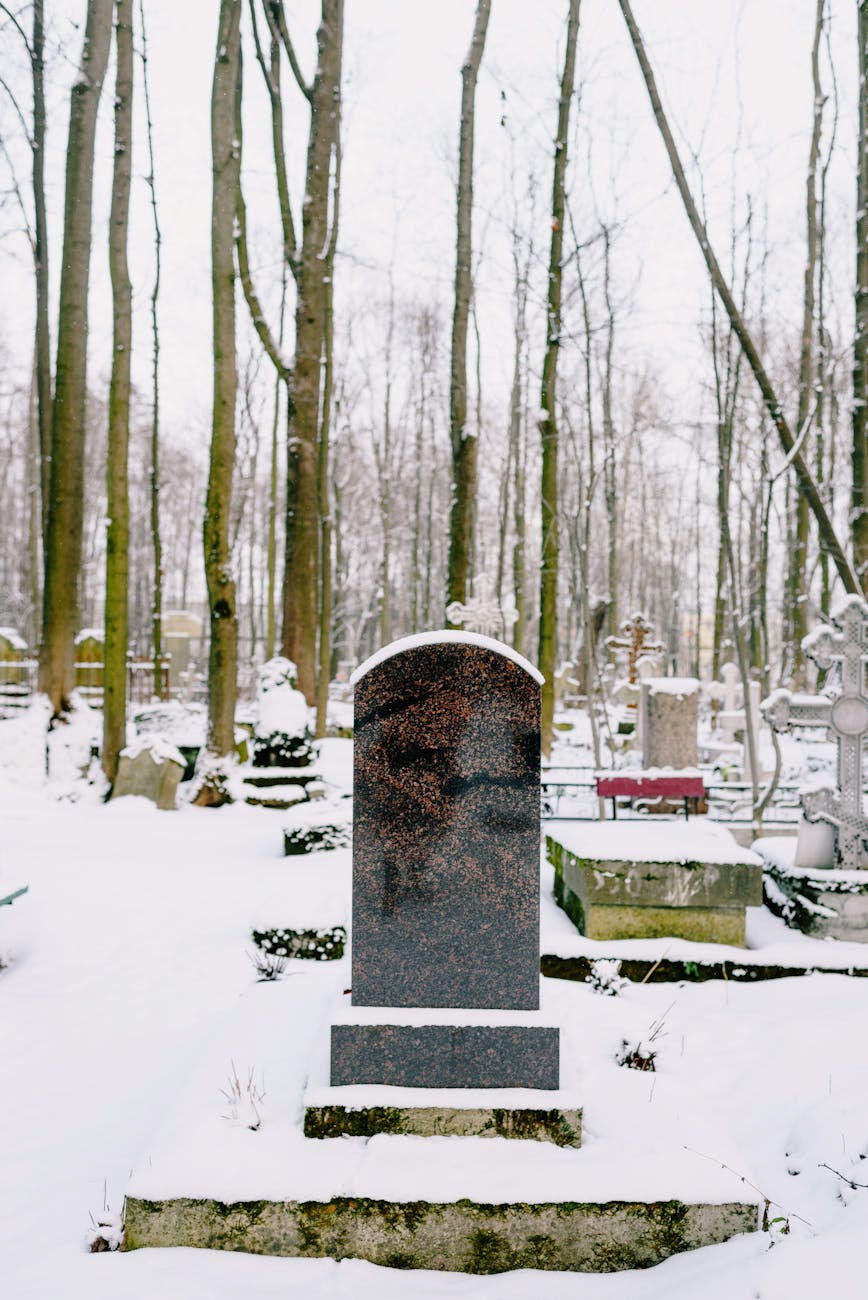
Death always seems to come as a surprise, even when we know that we will all die someday. Our own death may haunt us, but usually from a safe distance. It will come someday. Once we are old. Once we are weak, and sick, and ready to rest. Once we have achieved our goals and fulfilled our purposes. But that’s not how death works. It comes in its own time, not ours. It comes, not as an expected closure, but as a rude interruption of our hopes and dreams.

Ebenezer Scrooge, forced to deal with his mortality, and the legacy of his past and present, realizes that life is not what we forge out of our own plans and our strength of will or our hard work. Life is a gift. But life is not a given. Life has a purpose, regardless of the purposes and goals we bring to it. And that purpose has to do with giving and receiving other gifts– generosity, hope, forgiveness, encouragement, time, fellowship, and Love.

This Ghost never speaks to Scrooge with words. Instead, he shows Scrooge a world in which Scrooge has no more chances to give or receive gifts. He has chosen to hoard his wealth, his time, and his heart– and the result is that he will die alone, unmourned, a useless shell of rotting flesh. His fear and bitterness have brought no comfort to anyone, and have left the world a colder, icier, more horrible place.

But there is hope, even in this haunting experience. Scrooge wakes from this night and realizes that he is ALIVE! The Ghost has given him a great gift– the chance to live– the chance to experience connection and hope, joy and creativity, excitement and generosity.

What will this new year bring to US? Can we face an uncertain future with hope? Can we accept the gift of Life– even with its pain and struggle– as a priceless opportunity? Can we reach out to others, even knowing that we will sometimes be rejected, betrayed, and used? Can we strive to make things a little better– in our homes, our communities, our place of work, and in the wider world?

Scrooge did, and so can we! “A Christmas Carol” does not finish with a cold gravestone– even though we must know that Scrooge has to die one day. The story ends with music and light and gaiety, as Scrooge embraces the mystery of his own future and learns to live in hope and charity with those around him.

As we step into the future, may we also embrace the Life that God has given us, the joy of sharing time with others, and the expectation of good gifts that God will continue to give us in the future. As Tiny Tim says, “God bless us, everyone!”

My prayer is that you will experience excitement as we all take the next steps– God’s spirit will light the way; God’s word will be a lamp unto our feet (Psalm 119:105). God’s glorious gift of Christmas– the coming of Christ to be our Emmanuel, our example, and our Savior–will be the carol that we sing as we travel into the unknown!
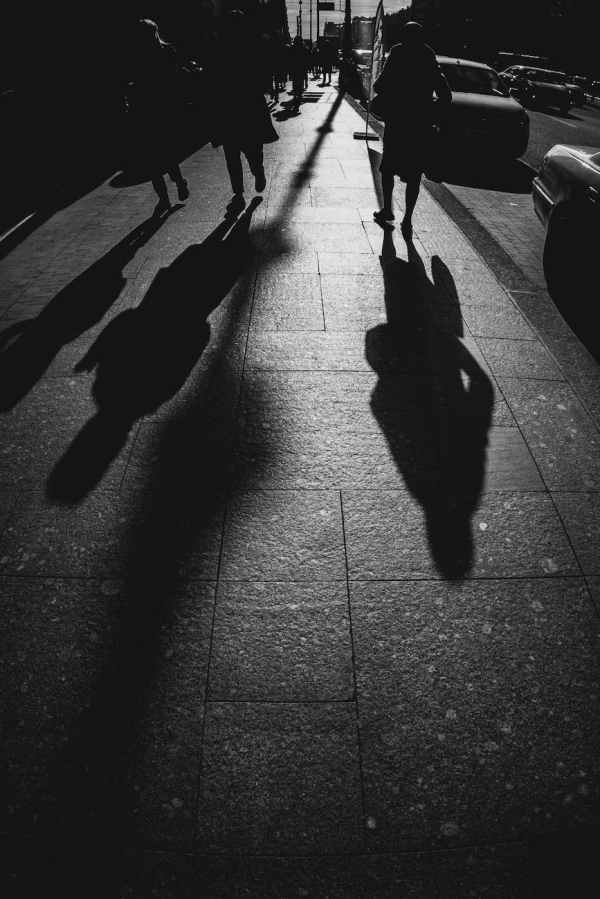

Casting Shadows

Today is “Groundhog Day.” Tradition says that on this day, if a large rodent called a groundhog peeks out of its hibernation burrow to see its shadow, there will be six more weeks of winter. For more history about this observation, see https://www.yahoo.com/lifestyle/groundhog-day-five-things-didn-095407401.html?fr=sycsrp_catchall .

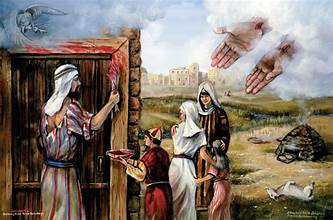
Candlemas, the celebration on which Groundhog Day is founded, is actually the day of the Baby Jesus’ presentation in the Temple (see Luke 2:22-40). Forty days after his birth, every first-born male child in Israel was to be presented at the temple, and a sacrifice was to be made for his redemption. This traces back to the Passover tradition, when the angel of death passed over the houses of the Jewish families who had painted their door frames with blood. Meanwhile, the first born sons (and animals) throughout Egypt were slaughtered. In this way, God showed His Power and His Mercy, leading Israel out of Egypt in triumph, while showing judgment on the Egyptians. (See Exodus 12).

History and tradition cast long shadows. The Jews had been slaves in Egypt for nearly 400 years. A new tradition helped them remember where they had come from and celebrate the promise that God would lead them to their own land. The Jewish people had kept this sacrificial tradition for centuries, reminding them of God’s mercy in saving their sons, and in redeeming them as a people from slavery in Egypt. Christians, realizing that this tradition “foreshadowed” the coming of Christ, adapted it into a new celebration. Christians celebrated Candlemas for centuries, remembering that Jesus was presented as OUR sacrifice, OUR redemption from Death into eternal Life Jesus came to be our Sacrifice, and also our Light. 

But somewhere along the way, pagan beliefs and rituals were woven into the story of this day, until it has become “Groundhog Day.” Instead of the Lamb of God, we celebrate a common rodent. Somewhere in Pennsylvania (Punxsutawney), a small crowd gathers as someone lifts up a frightened groundhog and pronounces a weather prediction (one that is less than 50% accurate!) And everyone is looking for a shadow, instead of celebrating the Light.

The thing about shadows is that you cannot see them when you are looking INTO the light. You have to look away, turn around, look back, to see a shadow. Shadows are cast when something gets between the source of light and a flat surface. History casts shadows. Memories cast shadows. Sin casts a huge shadow. But Jesus is pure light. The Word of Life came to be a “lamp unto (our) feet and a light unto (our) path” (Psalm 119:105 KJV). We are meant to learn from the shadows of the past, but not to walk in them. We are to walk in the light, looking forward to the fulfillment of God’s promises, even as we celebrate the faithfulness of His past actions in the lives of others.

Light casts no shadow. But it banishes the darkness where shadows live. Our choices have consequences. We can turn away from the light, or step in opposition to the light, and cast shadows that may follow for generations–cycles of abuse, isolation, hatred, anger, or regrets. Or we can choose to follow the light, and banish the shadows of the past– bringing peace, repentance, reconciliation, and hope.

Heavenly Father, today, I pray that I will be a reflection of Your light in the world; that my actions would help banish shadows of doubt and despair, and shine with Your truth and hope for others to see. Where there are shadows in my life from the past, may I learn from them and leave them behind as I follow you more closely. Where I have cast shadows in the lives of others, help me to bring light and healing in Your name. Amen.

When Half-Spent Was the Night

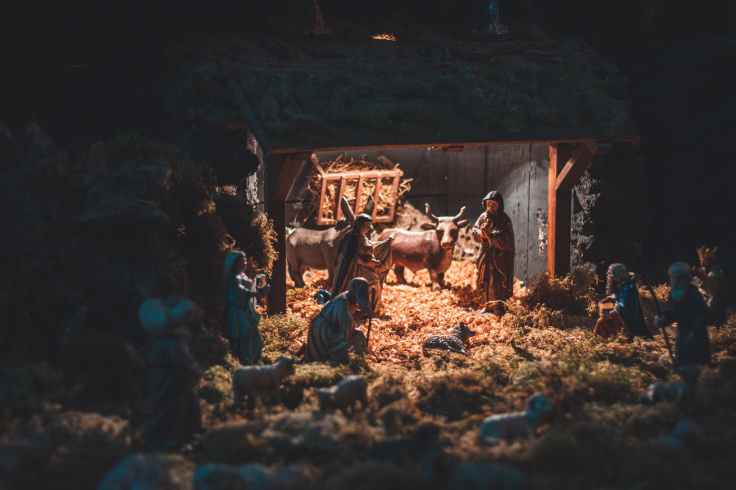
‘Tis the season for Christmas Music– hymns and carols, ancient songs and modern tunes celebrating the Advent and Birth of the Lord Jesus. Joyful, passionate, somber, or even a bit silly, such music can lighten our spirits, and remind us of the incredible gift of God– Emmanuel–His very presence among mankind.

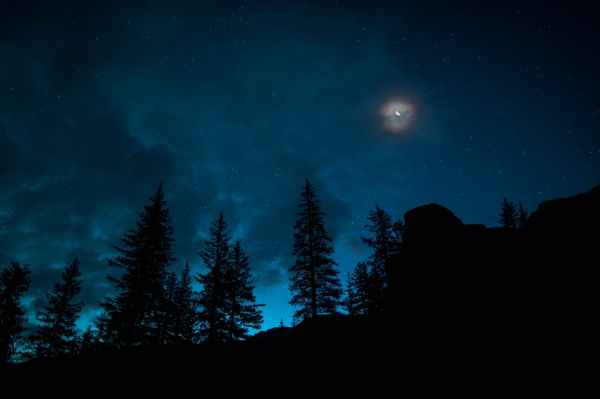
Christmas lyrics often use wonderful imagery to retell this amazing story. The Bible accounts tell of shepherds, angels, wise men, and stars– the songs give us the immediacy of a dark night– “silent”, “still”, “earth as hard as iron; water like a stone”, “a midnight clear”, “half-spent was the night”…

Most of us live in a world that rarely gets so dark. If we live in a town or city, we are surrounded by street lights, security lights, even night-lights in the hallway. Even so, we have a feeling for how the midnight and early morning hours seem darker, colder, quieter, and more dreary than any other time. And there is a significance in remembering that Jesus came to earth in the midst of literal and metaphorical darkness, “when half-spent was the night.”

Photo by Alex Fu on Pexels.com

God is Omnipresent– it is not as though God leaves us when all is merry and bright– but His presence is often most keenly sought, and unexpectedly found, in darkness and distress. When all seems bleak, cold, and hopeless, Jesus comes silently, small and fragile as a baby, bringing light, hope, joy, and peace. He comes when the night is “half-spent”– when the darkness is deepest, the silence weighs heaviest, and the cold is most bitter; when hope and light seem lost.

Jesus’ Advent came after four hundred hears of silence. Prophets, such as Isaiah, Zechariah, and Micah, had spoken of Messiah rescuing Israel from captivity. But the years had passed, and Rome ruled the Jewish people with an iron fist. God had stayed silent, and hope seemed remote. Rome would continue to rule the world for another four hundred years. But when Messiah arrived, He didn’t come to break the power of Rome. He didn’t come at the end of that particular “night”; rather, He came when the night was “half-spent.” He came gently, quietly, and humbly. He came to deliver Israel from something much darker, colder, and deadlier than a foreign occupation. Jesus, through His life and death and resurrection, came to deliver Israel, and the rest of the world, from the power of sin and death.

All the promise of deliverance and salvation that came in the middle of that bleak night so long ago, remains for us to celebrate– even in the middle of our “half-spent” nights.

We may not see the dawn in the middle of our struggles. We may not hear the angels singing or feel the warmth of the new day coming. But because of this “Rose e’er Blooming”, we can rejoice. We can find hope and peace in the present night, knowing that Emmanuel is with us! Like a lamp in the night, He will stay with us as we travel through the present darkness. After all, “Thy WORD is a lamp unto my feet and a light unto my path.” (Psalm 119:105) Jesus is the Living Word of God, and thus, our living light!

Blog at WordPress.com.

Up ↑