In the Presence of My Enemies

“Thou preparest a table before me in the presence of my enemies..” (Psalm 23:5a)

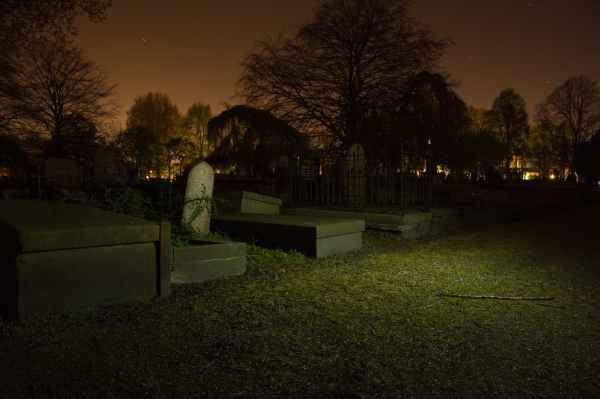
I don’t like confrontation. I don’t like dealing with opposition. I don’t like having enemies. However, God’s word is very clear– I can’t avoid them or deny their existence. No matter how hard I try to make peace or stay on good terms with others, there will always be some who disagree, who dislike me, who stand against me.

Photo by Engin Akyurt on Pexels.com

So it should not come as a great surprise that God, the Good Shepherd, promises that He will prepare a table before me in the very presence of those enemies. He does not expect me to stay hidden; He does not give His blessings in secret. Instead, He allows my enemies to see that I am never alone or abandoned to their power. He showers me with blessing, meets my every need, binds my wounds and comforts my sorrows right before their eyes. They may have limited access to hurt me or frighten me, but God will bring His justice– and they will be made to see it. (see Psalm 37 https://www.biblegateway.com/passage/?search=Psalm+37&version=HCSB)

But more than that, God invites some of those very enemies to see His peace and blessing. God’s desire is that we would all share in the wedding feast of the Lamb; that the table He sets before us would be a chance to turn enemies into brothers and sisters. And He gives us the opportunity, through His blessings, to extend that invitation of Grace and inclusion–to Love our Enemies!

Photo by Sarah Jane on Pexels.com

Not all will accept this invitation– some will choose to watch in resentment, rebellion, and pride as we enjoy communion with our Shepherd; but they will be unable to disturb or destroy the joy and refreshment He brings. And not all “enemies” are the people who oppose us. God blesses us in the presence of those enemies who oppose Him. They may seek to hurt us, and turn us away from our Shepherd. But He will never turn from us. Even when we turn away, or doubt His presence or His purpose– even in the presence of our enemies–God is with us.

Photo by Josh Willink on Pexels.com

In troubled times like these, that is especially comforting to know. Chaos, disease, doubt, fear, guilt, and in the “valley of the shadow of death:” our enemies may be present and looming, but God is laying out a table, preparing to anoint our heads with oil, and showing us with Goodness and Mercy, Justice and Righteousness– all in their presence. And they are powerless to stop Him!

Thou Preparest a Table Before Me

Mighty God,
You could demand…
Anything.
You need nothing.
You are worthy of
Endless adoration.

Photo by Julian Jagtenberg on Pexels.com

Yet You prepare a table–
Lavish with blessings,
Personalized to the last detail–
For me.

Photo by Adhitya Rizky on Pexels.com

You, who could reserve all the
Wonders of nature for your own pleasure;
Cause the sun to rise, the birds to sing
For me.

Photo by Pixabay on Pexels.com

You lay the plates,
Polish the silver,
Serve out the banquet with
Flourishes, garnishes– All the best
For an unworthy beggar–for me.

Photo by sergio omassi on Pexels.com

You pour the wine,
Wash my feet,
Break the bread
(Even give your body and blood),

Photo by Pixabay on Pexels.com

All for me.

Merciful and gracious God,
Humble and victorious Savior,
Mysterious and mighty Spirit–
I am undone by Your invitation to
This eternal banquet.

Photo by Pixabay on Pexels.com

“Do This in Remembrance of ME”
Remember My Creation.
Remember My Life.
Remember My Humble service.
Remember My Death and Resurrection.
Remember My Victory.
Remember I am Coming Soon!

Thy Rod and Thy Staff, They Comfort Me

I don’t know about anyone else, but this phrase always made me feel uncomfortable. Growing up, I thought of rods and staffs (staves?) the same way I thought of the teacher’s wooden paddle at school– something to be avoided at all costs. They didn’t comfort me one bit; instead, they inspired fear and loathing. “Spare the rod and spoil the child (Proverbs 13:24)*,” meant that someone was due for a spanking. Spanking was in fashion when I was young, though my parents used it extremely rarely, and the dreaded teacher’s paddle never touched my tiny terrified tush. A rod, staff, switch, paddle, or hand– all were threats of punishment– sometimes inspiring fear and even resentment.

Photo by Ian Panelo on Pexels.com

And yet, in all my youth, I never stood in fear of my parents. They never beat me, or spanked me without cause, or withheld loving forgiveness and reconciliation. Their discipline, which rested almost exclusively with other methods, was for my benefit– teaching me to respect just authority, recognize the limits of my will, and develop patience, compassion, and responsible behavior.

Photo by Agung Pandit Wiguna on Pexels.com

God does not hold the rod and staff as instruments of terror. God’s love and wisdom are infinitely greater than the love and wisdom of human parents. And God’s sovereignty and authority are infinitely greater than that of any ruler or earthly power we know. God’s rod and staff are not weapons to be used against us. Instead, they are the symbols of authority and tools of our Good Shepherd. His staff is like the scepter of the King of Kings, or the staff of a warrior. He will gently use the rod to direct our steps or keep us from going off the path. And he will use the staff to protect us from the advances of the enemy. He has the authority to use these tools, and the grace and wisdom to use them for our good.

Photo by Ekrulila on Pexels.com

During times of trial and confusion, the Shepherd’s authority should bring us enormous comfort. When disease and fear are closing in, when we travel down the valley of the shadow of death, when evil seems to be prowling, stalking, and ready to pounce– we have a Shepherd who has every resource to keep them from devouring us. Circumstances like the current pandemic are not sent by God to terrorize us. In fact, God holds the rod and staff in hand– He has set the limits of COVID-19; He has provided (and will provide) opportunities for us to learn many good lessons and see many astonishing developments– treatments, protocols, cooperative efforts– that will be for our ongoing benefit; for those who do get ill, suffer loss, or even die from COVID-19, He gives grace and peace to those who seek Him. He comforts us in ways that go beyond our natural understanding.

One of my favorite stories is The Lord of the Rings, by J.R.R. Tolkein. In this saga, the wizard, Gandalf, always carries a staff. It looks harmless enough– a walking stick in the hands of an old man. But when faced with an enemy, or when members of the Fellowship are threatened, Gandalf uses his staff effectively to chase away shadows, defend his friends, and battle the most fearsome of monsters. Gandalf is no threat to the frightened Hobbits, or even to the mad king Theoden. But to the traitorous Saruman and wicked steward, Denethor, he stands in fearless opposition. That doesn’t mean that the Hobbits never face danger or that Gandalf fights all their battles for them. And, because Gandalf is not all-powerful and omniscient, he cannot guarantee their ultimate victory. But his presence is enough to instill hope and comfort wherever he goes.

God will let us see uncertain days– days when things look grim and we don’t see how anything good can come of our circumstances. But one thing is certain–our God is ever-present, and more than able to bring us hope, peace beyond understanding, joy, and comfort along the way– no matter, where; no matter what!

  • Note–If we see the “rod” and “staff” only as instruments of punishment, we are missing the point of this proverb. If we “spare” the rod of authority– never providing discipline and correction or teaching respect and responsibility– that is when we spoil the child. And whatever one’s views about corporal punishment, it should never be used to promote terror or abuse.

For Thou Art With Me…

Photo by Korhan Erdol on Pexels.com

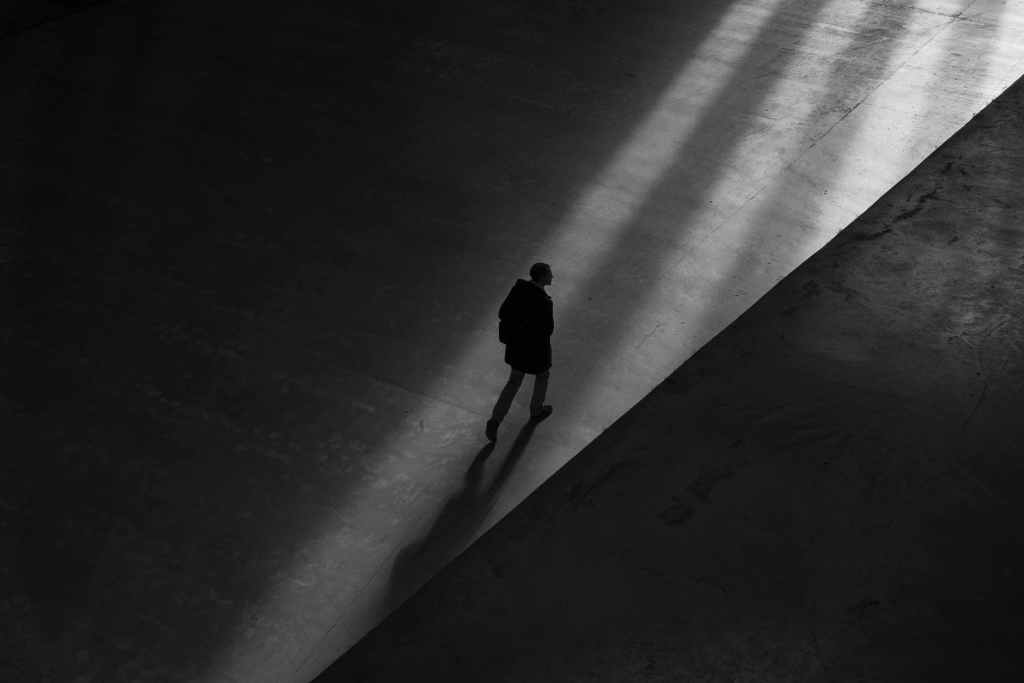
“Social Distancing” is the latest buzz-phrase in the media. With the spread of COVID-19, governments and health officials are asking people to avoid meeting in groups, avoid physical contact, and keep our distance from those outside our immediate family. Those who are most susceptible to the disease are being asked to self-quarantine; those who contract the disease are put in isolation. This is causing many people additional suffering, because they feel alone and even abandoned.

Photo by Engin Akyurt on Pexels.com

But God assures us that He will never leave nor forsake us. No matter how “distant” we may be from others, God is always with us– ALWAYS. Prayer does not summon God to our side, or capture His focus and attention from someone or something else. Our God is omnipresent and omniscient– He know our every thought; He is with us through every moment and every breath.

So why do we feel so alone and frightened at times like these?

Photo by Anna Shvets on Pexels.com

I think there are several reasons:

  • Disaster, disease, hardship– especially when they come unexpectedly or develop rapidly– remind us that we live in a fallen world. We KNOW our world isn’t perfect. We know that life is fragile. We know that health and comfort are not guaranteed. But sudden tragedy leaves us unable to deny that our world is broken and we cannot, by our own efforts, fix it. We expect that God’s presence means God’s perfection will surround us, protect us, and shield us from the reality of Sin and its consequences– including the reality of Sin in the natural world around us. Hurricanes, earthquakes, infections, climate change– God allows them to happen. They will continue to impact our fallen world until God chooses to step in and put a permanent end to them. But He is still here WITH us through the storms and sicknesses and trials of life.
  • God’s voice is often gentle and comforting. Panic and fear are loud and insistent. We will hear the voice we focus on most. God whispers in our ear if we are listening to Him– if we concentrate on spending time with Him. How much of my time today was spent in Scripture and prayer? How much of it spent listening to the news or reading FB posts full of anger and confusion?
  • Sometimes, in the good times, we pay God lip service; taking for granted that He is there, but not acknowledging His presence. Sure, we say that He walks with us (or we walk with Him); but we don’t take a moment to look up and see where He is leading us. Instead of being close to God by following our Shepherd, we are close to Him because He is chasing us down to bring us back to the right path. He is right there, but in our panic, we don’t see Him, because He is no longer leading us.
  • Fear and panic draw our attention inward. It’s one of the reasons “social distancing” causes emotional distress. We are social creatures, but our focus is easily drawn inward, and more so when there seem to be no other people around. Our own thoughts, fears, and questions grow bigger– enough to consume us if we are not careful.
Photo by samer daboul on Pexels.com

God IS with us–let’s rejoice and embrace it:

  • Pray. Pray some more. Pray without ceasing! (2 Thessalonians 5:17)
  • Let God speak– meditate on God’s word. Meditate on His names and His character.(Psalm 19) Seek out websites that magnify God. Call or e-mail friends who can pray or praise with you.
  • Sing! Worship the God who is bigger than any crisis we may face. Sing at the top of your lungs– if you are alone, there is no one else to hear you, but the one who adores your “joyful noise” (Psalm 100)
  • Encourage others– Be the reminder that someone else needs today. (1 John 4)
Photo by Vlad Cheu021ban on Pexels.com

Yea, Though I Walk…

“Yea, though I walk through the valley of the shadow of death…” (Psalm 23:4a KJV)

Photo by Pixabay on Pexels.com

The world is waking up to a global pandemic as I write this. Over 100,000 cases worldwide have been diagnosed; thousands have died. Projections are dire, with the possibility of millions of people who will need to be quarantined or hospitalized, and several thousands more dead before the year is out. Panic has already set in– people are hoarding cleaning supplies, stealing medicines and masks from hospitals, demanding testing long before they show any symptoms, and spreading rumors and false information about how the disease is spread or ways to prevent its spread.

In the midst of chaos, fear-mongering, and panic, the Bible provides both comfort and practical wisdom to face times of struggle and crisis. Psalm 23, often used to comfort people in times of grief, actually says a lot more about life than death. We have no need to panic– even though we find ourselves in unknown, unfamiliar, and threatening situations.

Photo by Francesco Ungaro on Pexels.com

“Yea, though I walk through the valley of the shadow of death…”

  • Yea, though–Not “if”, or even “when” I walk through tough times, but “though.” Death is inevitable and unpredictable, and the shadow of death, the threat of our mortality, will fall on us, often when we least expect it. Even without a traumatic event, like a pandemic, we all must travel this valley path at some point. A crisis like COVID-19 is unsettling, but death and disease wasn’t invented last year, and whatever steps we take to prevent or treat COVID-19 will not stop death or its shadow from touching our lives. Nor will panic and fear, denial, or wishful thinking make death’s shadow dissipate. It is wise to face the reality of this crisis with truth and the proper perspective.
  • I–Not “we.” We are surrounded by others who may share much of our fear, our grief, or our confusion at a time like this. But, when we walk through this valley, it is deeply personal, and our reactions, perspectives, beliefs, and emotions will be uniquely experienced. One of the most difficult things about times of crisis is the isolation we may feel when others cannot enter into our thoughts and hearts and painful emotions. Especially when they are dealing with similar fears and pain. Not only is this valley dark and low, it is often narrow. Even so, God is still present and powerful. We can turn to others for advice, comfort, or even excuses. But no one else can walk the road beneath our feet; no one else can choose whether we will focus on the shadows we see or the light beyond the shadows.
  • Walk through— There is a great temptation to try to hurry through any crisis– to look for the shortcut– the immediate cure; the escape hatch; the high ground; the detour. God’s love doesn’t give us the promise of ease and escape. God does not ask us to sprint through this part of our life’s journey. But God gives us the grace and power to keep walking– this valley is not the destination, but part of the longer race. This leg of the journey is difficult; there will be darkness, rocks and walls closing in on us; we may feel the cold finger of death, disease, and loss. Some days our walk may feel more like a crawl–but take heart and keep moving through.
  • The Valley of the Shadow of Death–Death is stark, uncompromising, cold, and overwhelming. Its shadow looms huge and oppressive. But the valley is not death; the shadow is NOT death; and even the reality of death is not bigger or more powerful or more eternal than God. COVID-19 will bring death to many thousands or millions of people, and it will bring sickness, fear, pain, grief, and distress to many more. But it cannot kill God– it cannot dim His great love for each person who suffers; it cannot catch God off guard and unprepared. We may question God’s timing and purpose. We may face hardship, loss, and confusion in the days and months ahead. But we will not face anything– even COVID-19– that can weaken God’s sovereignty. The same hand that raised Lazarus from the dead; the same power that rolled the stone away at Easter; the same Shepherd that led David all the days of his life–the One who holds galaxies in his hand and has numbered every hair on your head–He walks through this valley with us!
Photo by Umberto Shaw on Pexels.com

As God gives us wisdom, let us seek positive ways to reach out to those in crisis. Pray! Pray often, and fervently for those who are sick, and those who work in healthcare. Pray for wisdom, that our nations, regions, and communities will respond proactively and compassionately. And pray for opportunities to demonstrate and share God’s grace and mercy.

Photo by Elina Krima on Pexels.com

G.P.S.

Psalm 23:3 English Standard Version (ESV)

3     He restores my soul.
He leads me in paths of righteousness
    for his name’s sake.

Photo by Amelie Lachapelle on Pexels.com

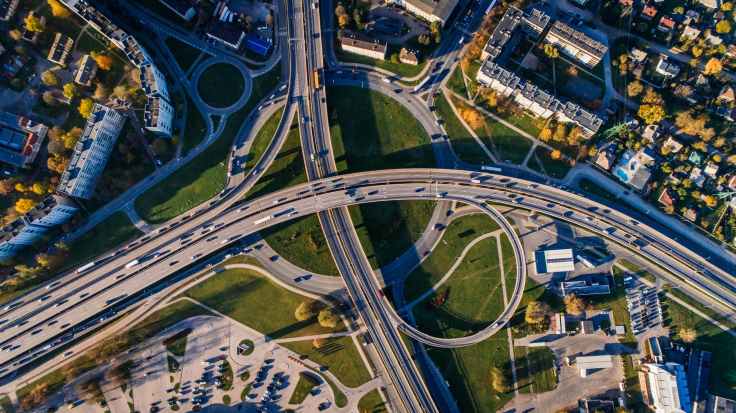
Many phones, tablets, even vehicles, come with a GPS– Global Positioning System–which uses satellite technology to tell you where you are. Combined with a satellite navigation system, the GPS helps tell you how to get from point A to point B– mapping out various routes, including estimated travel times, and information about road construction, detours, and traffic patterns. Applications like Google Maps or MapQuest can show you details and even images of the roads on which you are traveling. Such systems and apps can be very helpful, but they are not perfect. A GPS may be a few yards “off,” leading you close to your destination, but leaving you slightly lost and confused. If you type the wrong coordinates or address into a navigation system, you may end up far from where you expected to be!

Photo by Leonardo Gonzalez on Pexels.com

As Christians, we have a GPS– God’s Provision and Sovereignty. God promises to lead us in the paths of righteousness. God’s direction and leadership are sure and good. We still have the responsibility of listening and adjusting our course, however. We can still miss a turn, go off in the wrong direction, or set the wrong coordinates for our destination.

But, unlike a satellite navigator, God’s provision is eternal and supernatural. God knows all the roads we can take, could take, should take, (or shouldn’t take), and will take– He knows every curve, every bump in the road, every traffic jam, and every scenic lookout and rest stop along the way! God’s MapQuest sets us on a course of righteousness– paths that will not only bring us safely to our ultimate destination of eternal life with Him, but do so in a way that brings honor and glory to Him. After all, it’s His reputation at stake as our Shepherd. He is the Good Shepherd– He won’t lead us down the wrong path; He WANTS us to reach our destination. And our full potential!

Photo by Vlad Cheu021ban on Pexels.com

When we travel these paths, with our Shepherd leading the way, we will become familiar with the best roads; able to help others navigate the sharp turns and steep grades we have already traveled. We can share the glory of that sweet stretch of road beside the cool stream, or the view from the hidden rise. And we can share the blessings of being on the road with the one who owns it!

Photo by Drew Rae on Pexels.com

Sometimes, we pray for a different path– a short cut, or a road with more adventure (or less!)–God hears our prayers, and He knows where the road leads. When we look back, we may be amazed– not only at the road God laid out for us to follow, but the roads we didn’t take. We see a short-cut; God sees missed opportunities for growth. We see a detour; God sees the dangerous wash-out we were spared. But if we walk by faith, and not by sight (or intuition, or emotion), we will begin to see the goodness of the path we are on, no matter how difficult or how different from our expectation. And we will begin to pray, not for the path to change, but for wisdom to follow where our Shepherd leads.

Photo by Aleksejs Bergmanis on Pexels.com

The best part of God’s GPS is that no matter how lost we are; no matter which path we have chosen against His good will– God can get us back on course and to the right destination. He can turn our dead-end roads around, help us make the right turns, and help us reconnect with the paths of righteousness.

Photo by rawpixel.com on Pexels.com

Whatever path you and I find ourselves on today, I pray that we will turn on our GPS, and follow God’s directions for the road ahead.

Peace Like a River…

When peace, like a river, attendeth my way,
When sorrows like sea-billows roll;
Whatever my lot, Thou hast taught me to say,
It is well, it is well with my Soul.
(It Is Well with My Soul–Horatio Spafford)

…He leadeth me beside the still waters. He restoreth my Soul–Psalm 23:2b-3a)

Photo by Pixabay on Pexels.com

When Horatio Spafford wrote the poem that later became this famous hymn, he was not writing from a place of peaceful circumstances. He had suffered a series of financial and heartbreaking personal losses (https://www.christianity.com/church/church-history/timeline/1801-1900/horatio-spafford-it-is-well-with-my-soul-11633070.html). He knew very well that our lives will be blessed by pleasant and peaceful times, and tossed about during storms and waves of loss and despair. But through it all, God’s presence is the source of our strength and hope.

Photo by Collis on Pexels.com

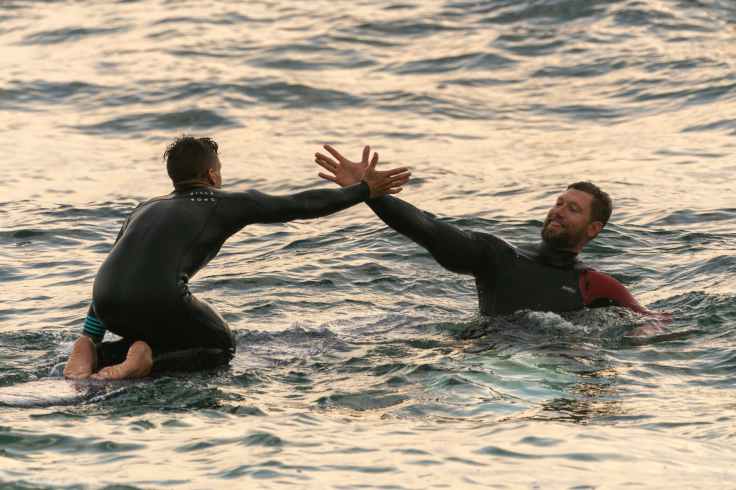
Our Shepherd leads us where we need to go. He gives us everything we need. But He doesn’t give us only ease and pleasure and rest. Such a life leads to complacency, apathy, and spiritual atrophy. He makes me to lie down in green pastures; He leads me beside the still waters– He restores my soul. Even though these thoughts come in two separate verses, I think there is a close link between the phrases. We need rest; we need restoration. And we find it when we are drinking deeply from the “still waters”– cool and clear and life-giving waters–the “living water” that only Jesus provides. We are often attracted to swift water– white water rafting, ocean surfing, waterfalls, sailing, etc. Moving water is exciting and full of energy. But it can be overwhelming to fight against the current or the power of falling, churning, running, or raging water. Without being anchored to something stronger than the waves; without help to overcome the pull of the current or a way to get to shore safely– we would be lost.

Photo by Guy Kawasaki on Pexels.com

Storms and tides will be a part of our life– there will be dangers, and toils, loss, and unexpected heartaches. Sometimes, they come from our own foolish choices; often, they come because we live in a broken and fallen world filled with diseases and disasters beyond our control. God doesn’t lead us into storms just to leave us there, flailing and treading water with no end in sight. His goal is to lead us to the still waters and to restore our souls. The same river that contains white water will reach a peaceful valley, where it will run deep and wide and slow– perfect for restoring our souls and reviving our hearts.

Photo by Kaique Rocha on Pexels.com

It is a comforting thought that God, our Shepherd, will lead us beside still waters. But that is not always our lot. God’s promise is not that we will always have quiet, calm waters in life. God’s promise is that He will lead us safely through even the raging storm– and that His presence will provide a peace that defies our temporary surroundings and our trying circumstances.

I Shall Not Want..

Of all the 150 Psalms in the Bible, Psalm 23 is the most well-known. It speaks of our Lord as a Shepherd who takes care of us, leading us to green pastures and calming our fears even in the valley of the shadow of death. But these four words in the very first verse, though comforting to many, have also been a source of grief to others. If the Lord is my Shepherd, I should have no reason to want. But what if I still have wants? Unanswered prayers? Struggles and trials and lacks?

Photo by Ken Ozuna on Pexels.com

Let’s look at the phrase carefully. “I shall not want” is the wording in the King James (English) version of scripture. More modern translations render the phrase as “I lack nothing (NIV),” “I have what I need (CSB),” or other variations of “I shall not want.” Let’s stick with “I shall not want,” and look at it word by word.

This Psalm is very personal. The Lord is MY Shepherd– I shall not want. This is between me and my Shepherd. I may be tempted to look around and compare, to want what someone else has, even if I don’t need it; even if it isn’t good for me. But when I depend on my Shepherd to provide, I can trust that whatever comes, He knows what I want and what I need. He knows what is best. Therefore, I shall not worry or wonder or want.

Photo by kailash kumar on Pexels.com

I am a former English teacher, so the verb “shall” interests me here. “Shall” and “will” are sometimes used interchangeably in English, but they are not exactly the same. “Shall” is not used much, but it indicates a future condition, or a condition that is ongoing into the future. It is not the active verb in this phrase, but rather the indicator of when that action (wanting, lacking, needing) will take place and how. The difference between “shall” and “will” in this case is not one of action, or time, but of volition. “Will” indicates a conscious decision– I “Will not want” means I will determine the action and outcome–without a Shepherd’s guidance or provision. I “Shall not want” means the outcome is determined by my Shepherd (in this case), not by my own volition or actions. There may be things I “will” still want– if I’m trying to go my own way and depend on my own wisdom and abilities, but that doesn’t change my condition–God has provided. God has given. God WILL continue to provide.

Photo by Jigar Maru on Pexels.com

“I shall NOT want”– I may desire something else; I may not have what others have; I may be poor or sick or sad. I may respond to my circumstances with grumbling, doubt, anger, envy, greed, or disbelief. But I can also respond with trust, gratitude, wonder and worship, knowing that God sees me, knows me, and cares for my always. God doesn’t force me to respond positively to hard times– the Psalmist doesn’t say, “The Lord is my Shepherd, I shall be grateful,” or “I shall never complain.” He doesn’t say, “The Lord is my Shepherd, I shall have whatever gives me pleasure or makes my life easier.” Rather, he gives us a true picture life– I will NOT have everything I wish for; I will NOT understand or take pleasure in all the circumstances of my life, but I shall NOT be abandoned, left alone and without help or resources, lacking any source of hope, joy, peace, or love.

Photo by Denniz Futalan on Pexels.com

Finally, we come to the word “want.” In this context, it is meant to signify lack– I shall lack for nothing; I shall not be without (God who provides). And this is where many people struggle with the verse; with the Psalm; with the Shepherd Himself. We DO lack– many things. We lack money to pay the bills, we lack in our relationships, we lack perfect health, we lack patience…the list is endless. We “want” for many things. And we read Psalm 23, and it seems to mock us. If God is our Shepherd, why do we lose loved ones to disease? Why do we have to declare bankruptcy? Why did our spouse file for divorce? Why can’t we break that bad habit or addiction? Why do we see “good” people suffering? Doesn’t God see or care? God doesn’t give us easy answers. He doesn’t promise ease and comfort in this fallen world. But He is with us, not matter where, no matter what, no matter how we got there. And He promises to renew, restore, and redeem all that we lack in the present– perfectly and forever after.

Photo by rawpixel.com on Pexels.com

I shall not WANT. I shall suffer in the present– loss, pain, confusion, heartbreak, disappointment, failure. But I am not without– not without God’s presence in this world, and not without His promise of justice, mercy, hope, and love now and in the world to come. I am still a sheep–I have needs, I make unwise decisions, and I don’t have the ability to see or defend against the dangers of this world. But I have a Shepherd– all-knowing, all-powerful, and extravagant in Love and Grace. I will depend on Him. I will call out to Him. I will follow Him. And I shall not want!

The Lord is My Shepherd…

The Twenty-third Psalm is one of the most quoted and well-known poems in the Bible. In its short six verses are contained some of the deepest truths and most beautiful images in scripture.

Today, I want to look at just the first five words of the psalm: The Lord is my shepherd. Familiarity with these words can rob them of their true power. Imagine if we used a modern-day analogy: The Prime Minister (or King or President) is my life coach, or home health care nurse, or bodyguard. Can you imagine!?

Photo by Mike Bird on Pexels.com

How often do we gloss over these words and fail to see the amazingly powerful message there. The LORD– Yahweh, the Almighty, Ruler of the Universe– is MY shepherd. He does all the kind of things a shepherd does for his sheep– feeds, leads, protects, and provides. He fights off predators, binds up wounds, and shears off the extra wool that can get us entangled in briers or slow down our progress. He stands with us in the heat and cold, and finds shelter for us from the wind and rain. He does all of this for me, when I can’t; because I can’t. He knows everything about me– my strengths and weaknesses and limitations. He knows everything about what I need– where the best grass and water are and how to get there; how much rest I need before the next stage of our journey; the likelihood that I will wander off and need to be called back to the flock. He knows what dangers lie ahead, and how to deal with them.

Photo by Magda Ehlers on Pexels.com

The Lord IS my shepherd– He is always on the job. He hasn’t left me alone in green pastures, or sent someone else to take me through the valleys. He didn’t start out as my shepherd and then decide to quit. He isn’t waiting for me to reach a certain stage or measurement before I qualify to be His sheep.

The Lord is my Shepherd– not my task-master, nor yet my servant. He is both my Lord and my caretaker– my master and my minister. When I pray today, it is not to someone remote and aloof or powerless and malleable– I am bleating in my sheepish voice all my praise, my love, my irrational worries, and my sincerest gratitude, to the eternal and all-powerful shepherd who calls me by name.

Troubled Waters

I love reading the 23rd Psalm (among many others). I love the picture of the Lord as my shepherd– the green pastures, the still waters, the anointing oil, dwelling in the house of the Lord forever. It is comforting. But there is also the part about walking in the valley of the shadow of death, fearing no evil, and sitting in the presence of my enemies–I tend to gloss over those parts.

The truth is, much of our life is spent somewhere in between. We journey through hills and valleys, in sunshine and shadow, and there are times of green pastures and still waters, but sometimes we are in a dry season or wading through troubled waters. We face stress, chaos, unexpected obstacles, and swirling doubts.

Photo by Alexander Dummer on Pexels.com

Jesus was no stranger to troubled waters. In His life on earth, He faced stormy seas– at least once in the bottom of a wave-tossed boat, and again when He walked on water to reach His disciples late at night. (Matthew 14:22-33; Mark 4:35-41, etc.) In each case, Jesus could have stilled the waters sooner, or forbidden the winds and waves to cause any trouble. This is often what we pray for– for God to keep us away from the shadow of death, from the stormy seas, from the trials and hardships we wish to avoid.

Photo by Muhammad Dompil on Pexels.com

Often, God answers those prayers by keeping us from trouble and hardship. Sometimes, He sends friends, counselors, and sweet reminders from His word to build a bridge over rapids or whirlpools or provide light and song on our journey. Other times, He answers our prayers by staying with us through even the darkest and loneliest of valleys, through the raging storms, the unanswered questions, and the waves of doubt. Sometimes we can look back and see how and why God chose to take us by the narrow winding path or through the churning waves. But even when He is silent, He is still there– reaching out to lift us when we fall, or carry us when we can’t go on.

Photo by Sebastian Voortman on Pexels.com

Lord, help me to follow you, even when the way seems dark or the storms rage. Help me to look up from the troubled waters and see you–ready to swim alongside, or lift me up and bring me to safety. Help me to help build bridges and throw life-lines when needed. And help me to remember that you have promised seasons of still waters and green pastures, as well. Whatever comes this day, may I listen for the voice of the Good Shepherd and Savior. In Jesus’ name, Amen.

Blog at WordPress.com.

Up ↑