The ACTS of Prayer

It’s another new year, and many of us are resolved to pray– pray more, pray better, pray longer, etc. That’s a good resolution, but without a plan, it can fizzle out as the year goes on. It’s not that we stop praying altogether; it’s just that we end up praying the same old way or about the same old things, and our pursuit of prayer becomes another routine.

This year, I want to present several “How-to’s” of prayer– at least one every month– to keep things fresh. Today is ACTS. ACTS is an acronym that stands for Adoration, Confession, Thanksgiving, and Supplication. I learned this method way back in college, and our Wednesday morning prayer team at church still uses it each week.

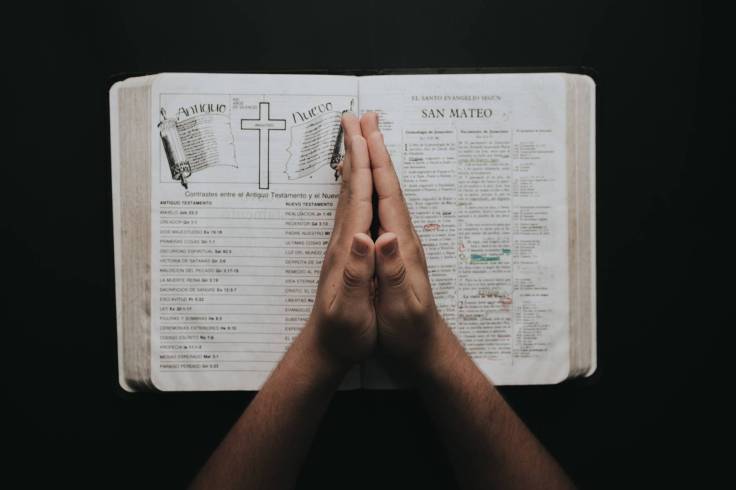
Photo by Luis Quintero on Pexels.com

Start by coming to God in worship and ADORATION:
List some of the Names of God–Father, Creator, El Shaddai, LORD, King of Kings, etc., OR
List the attributes of God–Merciful, Mighty, Humble, Everlasting…
Pray one of the Psalms…
Sing or recite the words of a worship hymn or praise chorus…
Think of creative ways to spend some time expressing God’s Worth and Majesty.

This may be difficult the first time; it may feel awkward at other times. Don’t be discouraged. God inhabits the praise of His People, whenever, wherever, and however we make the effort!

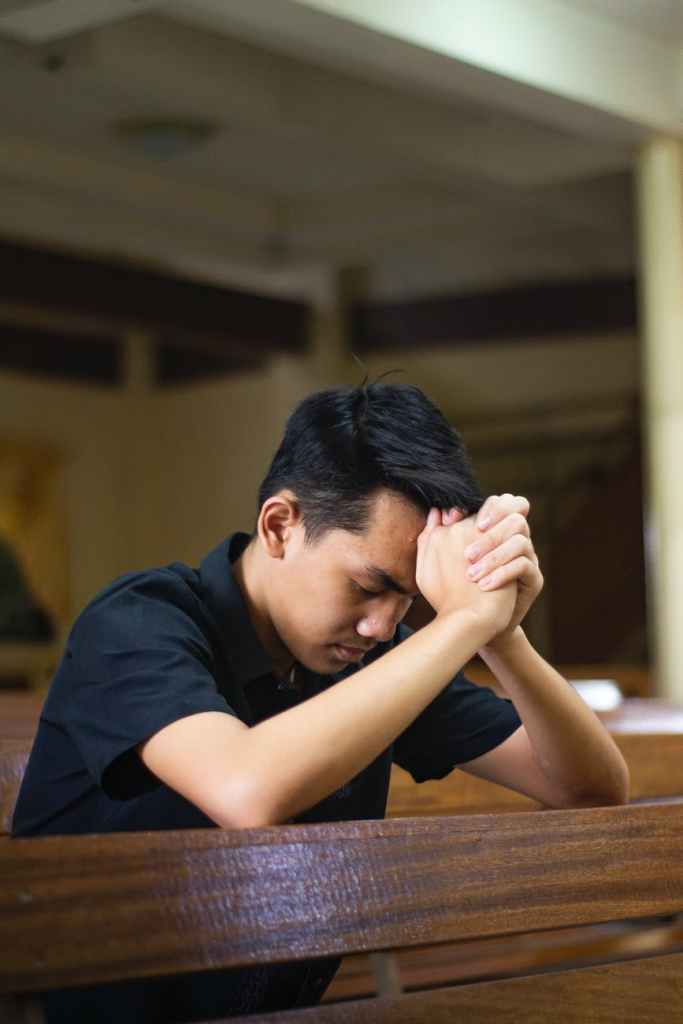
Photo by Karolina Grabowska on Pexels.com

Second, spend some time in CONFESSION:
Ask God to examine your heart to see if there is any wickedness that has gone unacknowledged..(Psalm 139:23-24)
Confess specific sins as you think of them…
Confess your need for God’s forgiveness and His Guidance..
Resolve to take action– either action to seek forgiveness from those you have wronged, or action to change course in the future, or action to let go of past resentment..

Sometimes, you may need to stop and take the action NOW before you continue in prayer. Sometimes, you may need to let go of your own lingering guilt and shame over past actions for which you have already confessed. Remember, God removes our Sin as far as the East is from the West, (Psalm 103:12) and He will remember it no more– so we must trust in His forgiveness and move forward; not stay stuck in the past!

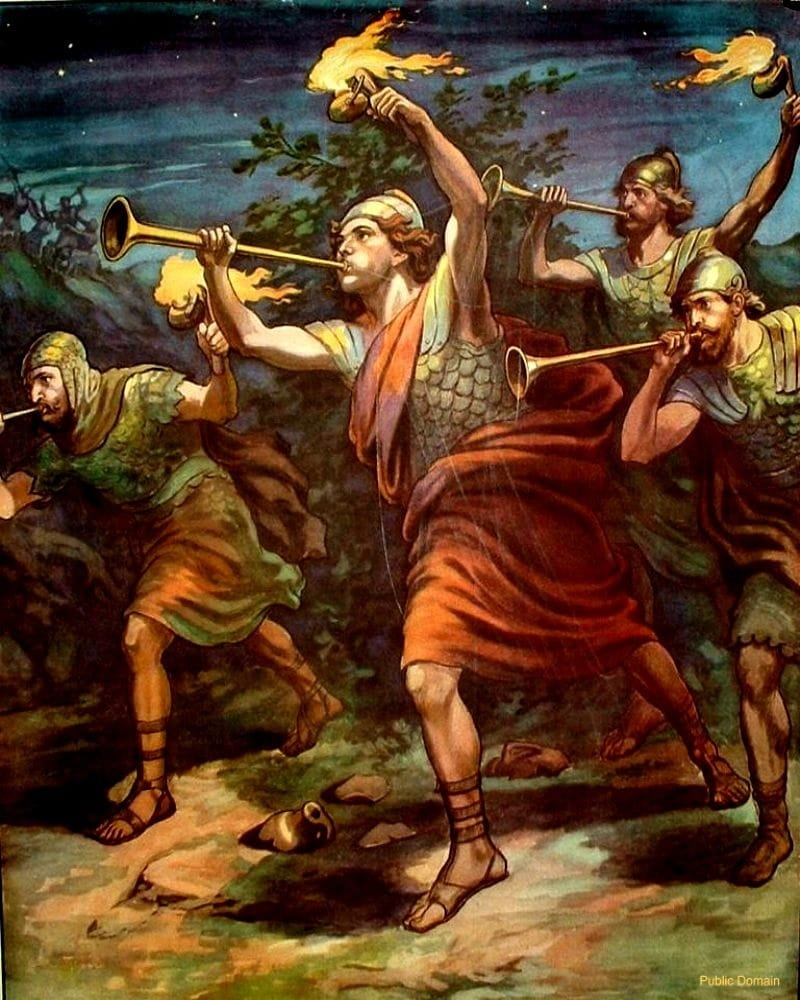
Photo by Tima Miroshnichenko on Pexels.com

Next, THANK God–for His provision, and for His Mercy:
Thank God for His daily provision of life, health, strength, and unfailing Love!
Thank Him for the people in your life– those who encourage as well as those who challenge you!
Thank God for His Mercies that are new every morning (Lamentations 2:22-23)
Thank Him for His forgiveness and cleansing (1 John 1:9)
Thank Him for His eternal presence (Hebrews 13:5; Deuteronomy 31:6)

Don’t confuse this with step one–ADORATION is about Who God IS. Thanksgiving is about What God has Done for YOU. It is easy to recite a verse about what God has done for others– take time to make it personal, especially in light of whatever you have just confessed!

Photo by Luis Quintero on Pexels.com

Last, bring your petitions and requests in SUPPLICATION to the Father:
Bring your heart-cry for lost friends and relatives…
Ask for God to work in situations that have you frustrated..
Plead for Justice and Righteousness to be done in the world around you..

Pray for leaders, elected officials, and church leaders..(1 Timothy 2:1-4)
Ask for the strength to resist temptation, stand firm, and run the race that is set before you.. (1 Corinthians 10:13, 1 Corinthians 16:13, 1 Corinthians 9:24, more..)

It isn’t that this is the least important step, but it works better when it follows the other three steps. NOW you are in the right frame of mind to present requests. They can be seen in their proper perspective. Instead of a giant wish list of things you hope God might do for you, you can present requests that you KNOW God already knows about, cares about, and for which He already has a plan! You can come in confidence, knowing that you have peace with God because He has forgiven your sins and restored your relationship as His son or daughter– nothing stands in the way! And you have just rehearsed (and said Thank You!) for all the ways God has been faithfully working in your life!

Does this sound like a lot of time and energy? It is. But it doesn’t have to be for every prayer you pray. This is for special time set aside for deep prayer. OR, you can break it up throughout the day: Wake up with praise and adoration (it will make an immediate difference!), spend some time at the end of the work day confessing (when it’s still fresh!), and end the day with thanksgiving and supplication (what a way to find peaceful rest– give all your cares over to God who has done so much for you (1 Peter 5:7)!

However you choose to do it– consider trying the ACTS method this week. Do it during your quiet time, or try it with a group. Develop a habit of coming to prayer in this order.

Keep watching this space for more ideas to stimulate your prayer life. Let’s pursue prayer together in 2023!

Selective Hearing

Ninety years ago today, my grandparents were married in a small ceremony in Elkhart, Indiana. Thirty-one years later, my parents were married in another small ceremony in Cassopolis, Michigan. My grandparents were married almost 63 years before my grandmother passed away. My parents were married over 35 years before my dad passed. My mother, when I was preparing to marry, passed on some of the advice she had received from her grandparents (who were married over 50 years themselves!) . It involved what my great-grandmother called “selective hearing.”

Photo by Kevin Malik on Pexels.com

My great-grandmother, my grandfather, and my mother were all “fussers.” They tended to fret and stew over little things. They liked to “vent” their feelings in the moment when they felt them. Their spouses learned to listen without comment, or even walk away and let their partners “get it out of their system.” Later, they could have a calmer discussion if the situation warranted it. Similarly, if the “fretting” partner was impatient about something, the other would sometimes selectively “ignore” a summons or critical remark. It wasn’t that they were bad listeners– in fact they were excellent listeners–but they learned the wisdom of not immediately responding or reacting to things said in moments of emotion or frustration. They were listening beyond just the words that were being spoken– especially when the words were many and emotional!

Photo by Alex Green on Pexels.com

God is always listening to us. He hears our every cry for help, and also all of our complaints! In His wisdom, He also practices “selective hearing.” He may sometimes seem silent or even indifferent; but often He is letting us “talk it out of our system.” He remains with us, ready to give us the help we need, but not willing to indulge our emotional tirades or snits.

Photo by Andrea Piacquadio on Pexels.com

One of the greatest examples of this can be found in the Psalms. David (and other psalmists) often poured out all their fears and frustrations– “where are you, God?,” “why do the wicked prosper?,” “when will you rescue me?” Amazingly, many of their complaints and questions are not answered with a specific action. Yet these same psalms end with hope and assurance–as the psalmist “talks it out,” he is reminded of God’s essential character and faithfulness through the years. God’s steady and gentle presence, though silent, communicates His commitment and Love.

I tend to be a “fretter,” and my loving husband has learned to have “selective hearing” around me. His faithful presence and willingness to let me “talk it out” without judgment and recrimination is very freeing. David very seldom “frets,” but when he does, I am learning to respond with wisdom and selectively hear what is in his heart, and not just what comes out of his mouth in a moment of frustration.

Photo by Leah Kelley on Pexels.com

I am so thankful for the wisdom of God (and the wisdom of my husband), that doesn’t immediately jump into my occasional emotional whirlpool, but waits to pull me out and set me on calmer, solid ground! I am grateful for God’s “selective hearing!”

Praying Scripture

This is not a great secret or a new discovery, but a reminder that we can “pray” the Scriptures. Sometimes, we do this in corporate prayer, as in a congregation reciting “The Lord’s Prayer” together. But often, it is when we are reading God’s word, or a particular verse haunts our memory that we echo the words in our prayer life. There are so many benefits from this:

Photo by Luis Quintero on Pexels.com
  • We are joining in a great tradition– much of Scripture records the prayers of the patriarchs and of Jesus Himself. When we echo those words, we affirm them–both to God and to ourselves.
  • We are praying in the light of the truth–God’s own words on our lips can keep us from trying to put our words in God’s voice!
  • We are deepening our understanding and experience of Scripture– making it personal, rather than just a learning exercise or a daily duty.
  • We are deepening our experience of Prayer– it is more than just me talking to God. It is me agreeing with God’s Word, and God’s Word literally speaking through me.
  • We are reminded of what prayer can do– many of the prayers of Scripture are followed by answers, from prophecies to miracles to movements of the Holy Spirit.
  • We are reminded that God answers prayer that is consistent with His will– not all Biblical prayers were answered in the ways that their petitioners hoped or expected!

The Bible is full of wonderful examples of prayers. Here are just a few to get started:

  • Abraham’s prayer for God to spare Sodom in Genesis 18 (v. 23-32).
  • Moses praying for God to forgive Israel’s sin and disbelief in Exodus 32 (v. 31-32)
  • Moses praying for a successor to lead Israel into the Promised Land (Numbers 27:16-17)
  • Gideon’s prayer for guidance in Judges 6
  • Manoah’s prayer for help in raising his son Samson in Judges 13
  • David’s prayer in 2 Samuel 7 (v.18-29)
  • Elijah’s prayer for God to send fire from Heaven in 1 Kings 18 (v.36-37)
  • Several of the Psalms, including 3, 51, 90, 102, 103, 105, and many others.
  • Hezekiah’s prayer for God to save Israel from their enemies in Isaiah 37 ( v.16-20)
  • The prayer of Jebez in 1 Chronicles 4:10
  • Habakkuk’s prayer for revival in Habakkuk 3: 2-19
  • Jesus’ prayer in Matthew 11:25
  • Jesus’ prayer for His disciples (John 17)
  • Jesus’ prayer in the Garden of Gethsemane (Matthew 26:39-44)
  • Jesus’ prayer from the cross in Luke 23:34
  • Stephen’s prayer in Acts 7:59-60
  • Prayer of worship in Heaven in Revelation 5:13

https://christian.net/resources/the-top-most-powerful-prayers-in-the-bible/

In addition, Bible passages that describe the Character and Majesty of God the Father, the Son, and the Holy Spirit can be used as prayers of worship and adoration. Bible stories and events can be lifted up in worship of God’s power and faithfulness through the ages. Jesus’ teachings (such as the Beatitudes) can be lifted up as the desire of our hearts, and as requests for the strength and wisdom to follow Him.

Photo by cottonbro on Pexels.com

Now unto him that is able to keep you from falling, and to present you faultless before the presence of his glory with exceeding joy, To the only wise God our Saviour, be glory and majesty, dominion and power, both now and ever. Amen.

Jude 1:24-25

Timid Prayer

The Bible is full of examples of prayer– long prayers, elegant prayers, short prayers, confident prayers, even arrogant and angry prayers. Much has been written about praying boldly and with confidence. But I want to say just a few words about timid prayers.

Photo by Karolina Grabowska on Pexels.com

Sometimes, our awe of God is so powerful, and our awareness of our own shortcomings so deep, that it makes us pause. We “know” that God hears us; we “know” that God has made it possible to approach Him with assurance in His Love and Grace. But what we “know” and what we “feel” don’t always align. Sometimes this may make us “feel” as though our prayers are lesser, somehow– that God may still listen to our prayers, but will count them as less worthy or that they will be less effective.

Photo by Ian Panelo on Pexels.com

God listens to the spectrum of our prayers–including those when we are timid and fearful, confused and anxious, even those for which there are no words (see Romans 8:26)! Gideon (see Judges 6-8) was timid and reluctant; and yet he prayed for God’s help to strengthen his resolve. He ended up defeating a mighty army with just 300 men, and was listed in Hebrews 11 as one of the heroes of Faith. David’s psalms and prayers include many that are timid and questioning, yet God described King David as a man after His own heart. Even Moses doubted his abilities and prayed that God would send someone else to speak to Pharaoh. God answered Moses’s request, sending Aaron to help, but it was through Moses that God delivered an entire nation!

Sometimes, our timidity can be traced to our doubts or fears. Sometimes, it can be traced to guilt or shame. There are many reasons why we may “feel” timid, frightened, or unworthy to come before a Holy God, to ask for His help or guidance when we feel inadequate, or to admit that we have failed. But we must remember that NOTHING can separate us from God’s Love or from the privilege of praying to Him. A timid heart is not always a humble heart, but a humble heart is often a timid heart. And God promises to give grace to the humble (James 4:6).

Photo by Meruyert Gonullu on Pexels.com

We should rejoice with those who pray boldly (and not arrogantly). But never despise the lowly and timid prayer. After all, what makes prayer effective and powerful is not who is doing the praying or what words we use, or even how we feel– it is to WHOM we pray that makes all the difference.

When I Don’t Know How to Pray

Prayer is both simple and complex. Anyone can pray. There is no single correct “formula” for prayer. God is always listening and hears the prayers of those who sincerely seek Him. I can pray to God in formal words, songs, groans, and scattered thoughts.

Photo by Collis on Pexels.com

But there are times when I don’t know how to pray. More precisely, I don’t know WHAT to pray. When someone is diagnosed with cancer, or a chronic illness, my first instinct is to pray for healing– immediate and total healing. When I hear of a mass shooting, or a blatant injustice, or a natural disaster, I want to pray for all the pain and loss and evil to disappear or be reversed. I want all those things that I know to be “good”– health, happiness, healing, hope, unity, righteousness, and wholeness.

Photo by James Wheeler on Pexels.com

Still, God’s ways are not my ways. God’s “goodness” is not measured in comfort and quick resolutions. I may not understand the goodness of struggle and pain in the short term. I think of disaster as total and irredeemable, and my prayers often come out of my own short-sighted thinking and my own discomfort at the realization of others’ (and my own) weakness and mortality.

There are a few Biblical principles that I find very helpful when I don’t know “how” to pray:

  • God knows –REALLY KNOWS– all my inner thoughts and feelings. Even more, He KNOWS what will happen, what should happen, and what is best in every situation. I can pour out my desire to see my friend restored to health, or a community re-united in hope, knowing that God is a God of healing and restoration; but also knowing that God’s timing and purposes may involve temporary suffering–even for those I love. Moreover, God knows why I am confused. He knows why I struggle to know how to pray. He doesn’t ask me to always know the “right” answer– He does ask that I trust Him to know and act in His sovereign strength and wisdom. No matter the circumstances, God is still on His throne. And I am not!
  • Jesus gave us simple but powerful examples of “how” to pray. In “The Lord’s Prayer,” He prayed for simple, personal things– daily bread, forgiveness, guidance–as well as big and overarching things–“Thy kingdom come, Thy will be done..” His trust in the Father’s ability to accomplish all things was absolute, and His relationship was firmly established– “Father…Hallowed by Thy Name.” In the garden, Jesus was clearly suffering, and asked that the “cup” of suffering– the torture of the cross and the inconceivable horror of being rejected as He bore our sins and carried them through death and the grave– be removed. Yet, He submitted His desire, His fears, His anguish, to His Father– “Not My will, but Thine..”
  • There are other wonderful examples throughout the Psalms, the Gospels, the Epistles, and hundreds of years of Church leaders and saints: their prayers can teach us, encourage us, and embolden us.
  • Jesus promised that we would have an advocate–the Holy Spirit– who would intercede for us. When we don’t know how or what to pray, the Apostle Paul says that the Spirit makes intercession for us with “groanings which cannot be uttered.” (Romans 8:26 KJV). The Spirit also speaks to our own spirit to help us understand more clearly God’s ways and plans.
Photo by Italo Melo on Pexels.com

I may not always know how to pray, or what to pray. But I can be confident that God hears my prayers. I can come before Him with the assurance that my prayers– and all my thoughts and emotions–are precious to Him because I am His child, redeemed by His sacrifice. My heart may not know all things, but as He continues faithfully completing the work He began in me (Philippians 1:6), my prayers will come more fully into alignment with His will.

In My Distress…

This has been a week full of distress.. My husband and I got our second COVID vaccine (even though we recovered from the virus earlier this year), and spent a day bedridden with fever, chills, and body aches. But we recovered. I got word that my great-nephew broke his arm. Someone I know had to take her daughter to the emergency room–Again–with a serious infection. Another couple delivered a stillborn son. Yet another delivered a tiny, premature little girl. Another woman is back in the hospital, and another friend is off work with a lingering illness that remains undiagnosed. And that is just a list of health issues!

Photo by Pixabay on Pexels.com

It has been said that when we are in distress– especially with bedridden illness– we are forced to look up. And this gives us the impetus to call out to God. Not everyone will do so. And some will call out in anger or bitterness. But the Psalmist David used his distress to call out to God for help. In Psalm 18:6 he says: “In my distress I called upon the LORD; to my God I cried for help. From his temple he heard my voice, and my cry to him reached his ears.”(ESV via bibleref.com) David’s distress was not from illness, but from being hemmed in by King Saul, who had closed in and had David trapped and seemingly helpless–first in a walled city, then twice in the wilderness. (1 Samuel 23) Three times, David’s situation seemed hopeless, and three times, he was rescued from capture and death.

Photo by Pixabay on Pexels.com

It is tempting to look out at our circumstances, and lose hope. Even when we know that God hears us and loves us, sometimes his answers are not what we expect. David called out to God, yet he had to face his enemy three times before Saul abandoned his hunt (temporarily!) My husband and I recovered quickly from our reaction earlier this week, but we faced the pain and symptoms three times– during the actual illness, and, less severely with each dose of the vaccine. My nephew will have to be in a cast most of the summer. The tiny baby will be in the neonatal ICU for several weeks, if she survives. Her family will be waiting and worrying and praying. Yet, God DID deliver David in a miraculous way; He brought my husband through a severe case of COVID that involved a stay in the hospital and a related case of pneumonia; He gave life to this precious little baby; He is bringing peace to the family that lost their precious little boy. His timing may not be ours; His ways are not our ways. But God’s ears are always open, and His ways are always good, and His wisdom is perfect.

Photo by Mohan Reddy Atalu on Pexels.com

Distress can make us impatient and cause us to doubt Our Father’s care. But when we remember God’s faithfulness in the past– both toward us and those we love–we can find the strength to wait and even praise God in the struggle.

Photo by Mary Taylor on Pexels.com

Blog at WordPress.com.

Up ↑