Words Are Not Enough

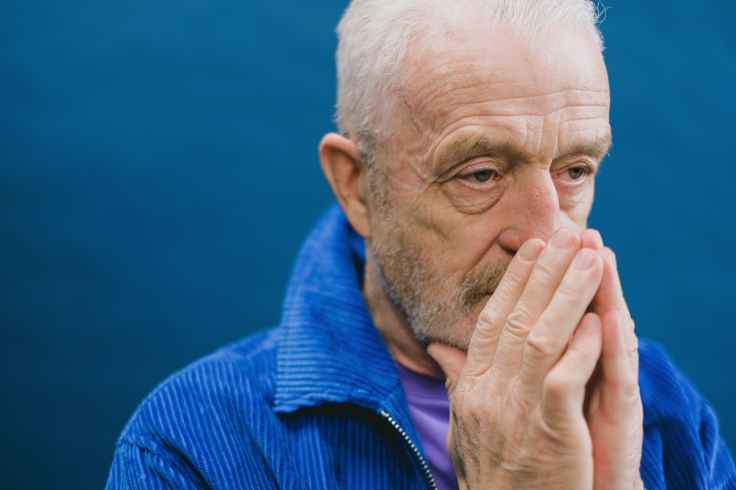
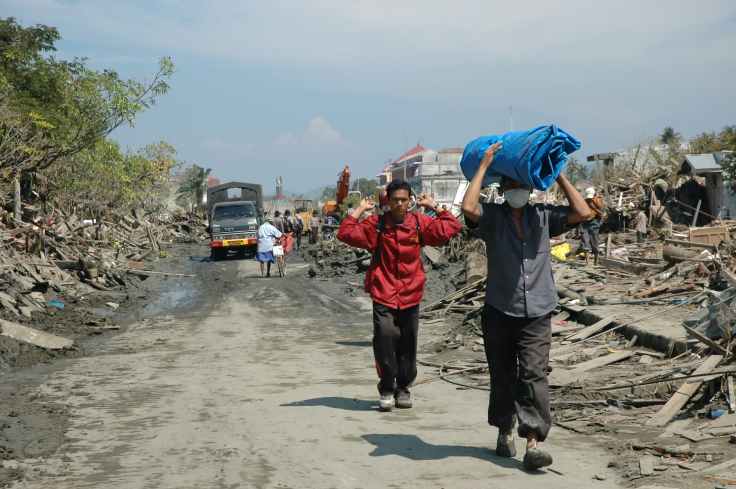
When tragedy happens, words are not enough to bring justice, resolution, and immediate peace to the situation. “I’m so sorry,” or “I’m here for you,” or “I’m praying for you…” In themselves, the words have no power to change circumstances. Words cannot bring back a lost loved one or undo a fire or earthquake or violent attack.

Yet, when we say that we are sorry, or that we are “here,” or that we are praying, we are offering more than just the words we speak. We are offering to share someone’s grief; to help in practical ways that can ease even some of the suffering; to call attention to God’s presence in every situation, no matter how dire.

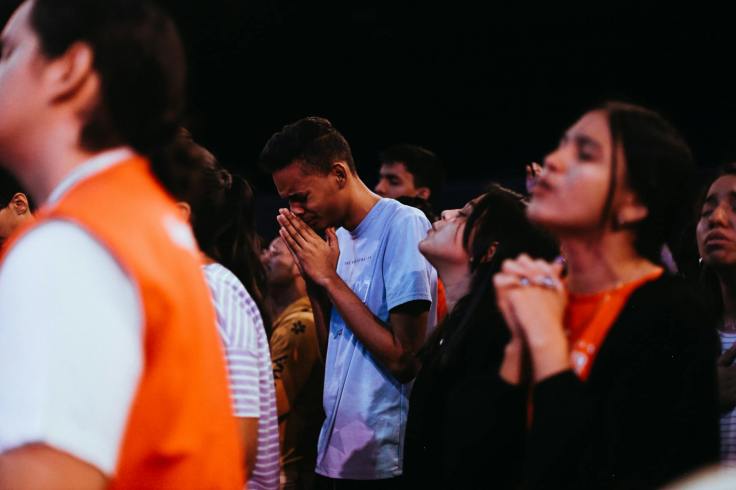
Prayers are more than just the words we speak. In Romans 8:26, the Apostle Paul says, “We do not know what we ought to pray for, but the Spirit himself intercedes for us through wordless groans.” Prayer often involves our entire being– body, soul, mind, and spirit–as we bow our heads or lift our hands, sweat, groan, go through a range of emotions from grief to praise, and try to express our heart cry in muddled words.

But prayer is not about US. It is not about our words or our emotions or even our desires. Prayer is about staying connected to God. In ourselves, we will always be insufficient. We may be able to take actions that will help others (or ourselves) achieve some measure of relief or understanding when things go terribly wrong. But we cannot bring complete justice; we cannot reverse what has already happened; we cannot guarantee outcomes. In prayer, we give outcomes and justice to the Only One who can bring true healing, justice, and peace out of our tragedies. We give up on the idea that our own thoughts and actions can overcome all the things that are beyond our control. And we lift up our questions, our fears, and our deepest hurts, with whatever measure of Faith we have, to the one we trust to make all things right. And we relinquish the idea that God MUST give us what we desire in the moment to believe that He gives us what is best according to His eternal plan.

Prayer isn’t simple. It isn’t a “cop-out.” It is a sacrifice. God may never answer our desire for an explanation, or for revenge in this life, or for a re-instatement of all that we think we deserve. But prayer connects us to the Sovereign Heart of God. Prayer doesn’t change our circumstances. It changes the way we respond to them. It changes the way we see ourselves and our own limited power. It changes the way we see others– even those who would harm (or have harmed) us.

Words are not enough– but Prayer taps into the all-sufficiency of God. That is more than enough. And the more we pursue and practice Prayer, the more we will understand its power and sufficiency.

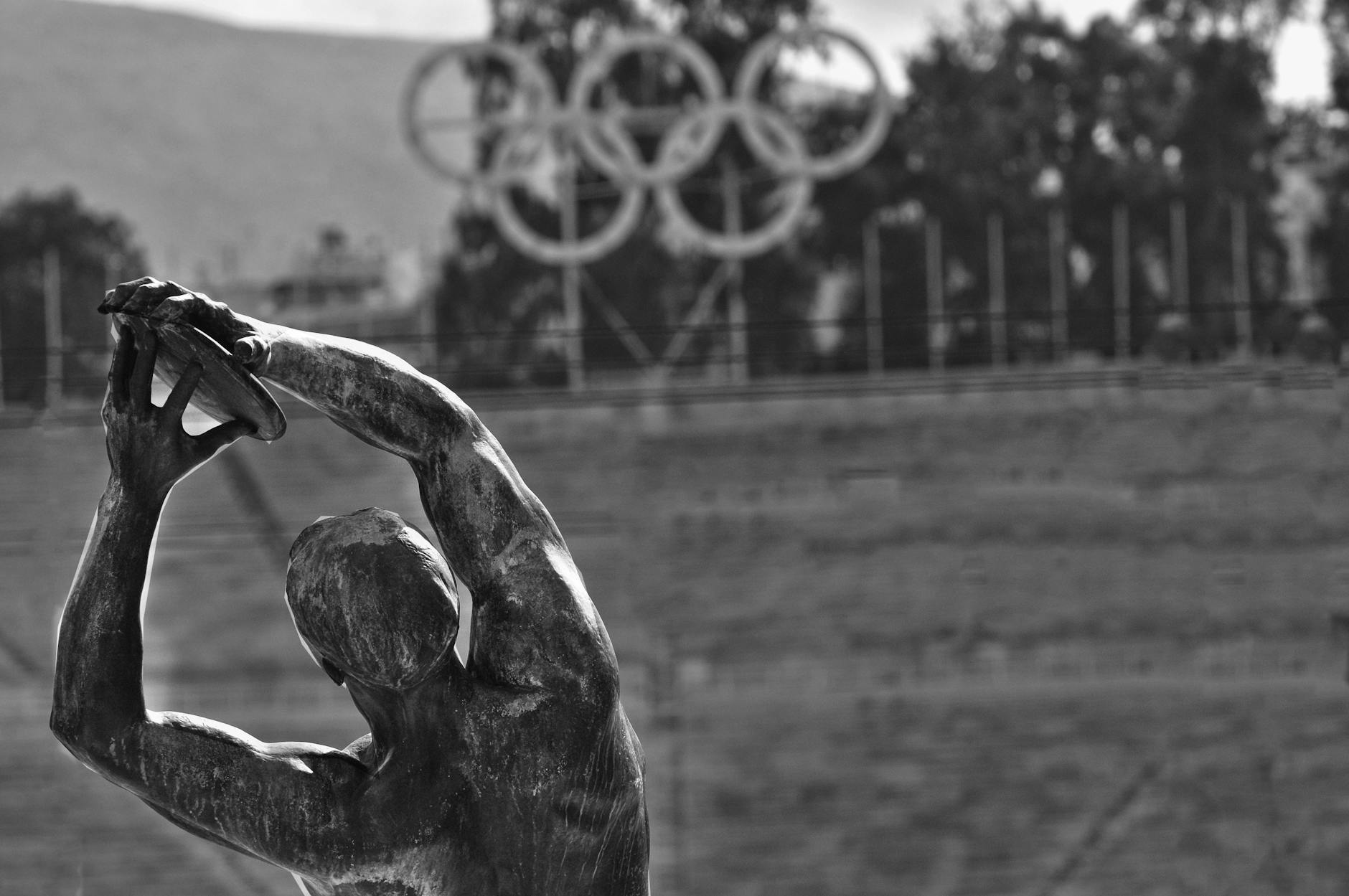
Praying for the Paris Olympics

Let me just preface this by saying that I am not watching the Olympics coverage on television this year. That is not in protest of anything, nor does it reflect a keen disinterest in sports or in global events. My husband and I simply do not watch television. But I do spend time on the internet, and I follow news there. So it was with great sadness that I learned of the controversy about the opening night ceremonies and the tableau that seemed to mock “The Last Supper.” It has been with equal sadness that I have watched the angry and offended responses from Christians. I do not mean to say that the tableau was not offensive. I found it ugly. And I think it would have been both shocking and offensive to have seen it in the midst of all the other celebration.

Many of the organizers and presenters of the Opening Ceremonies have made public statements claiming that they either didn’t realize this would be offensive to many, or they didn’t mean it to be offensive. I find this difficult to believe. If the planners, organizers, participants, and crew had absolutely no idea that their tableau had any resemblance to “The Last Supper,” they I would suggest that they are woefully ignorant of European Art and Culture, or they are perhaps unaware of the number of Christians around the world. Yet some of them claim that ignorance/intolerance belong only to those who found their display offensive. They say that their only objective was to pay tribute to the ancient gods of Olympus, for whom the Olympic games are named. They claim that any resemblance to DaVinci’s mural of “The Last Supper,” or any allusion to Christianity were unintended. But they appear to be quite pleased with the furor and controversy.

While I did not see this happen in context, I do have some thoughts on the aftermath of what I have seen this week.

First, I think that Christians, while we should be offended by this display, should perhaps NOT be shocked. We live in a post-Christian, post-religious Western World. The world, especially the Western World, thrives on divisiveness, controversy, and the “shock factor” in entertainment. The tableau that was presented wasn’t just offensive to Christians (though we were likely the primary targets). It was, in its own way, offensive to the ancient Greeks, and to the spirit of the Olympic games. The Olympics are not about Bacchanalian debaucheries, orgies, or feasts of any kind. Nor are the Modern Olympics about the gods of Ancient Greece– not in the way that the Ancient Olympics were. The Modern Olympics are meant to be inclusive to every participating nation and qualifying athlete. The opening ceremonies are traditionally meant to celebrate both the shared heritage and spirit of competition among athletes, and the unique culture of the host country. This display did neither. And the organizers had to have known that. Whatever their real reasons for including this cartoonish and puerile tableau, they had nothing to do with bringing people from all nations and cultures together, or with celebrating the highlights of French culture.

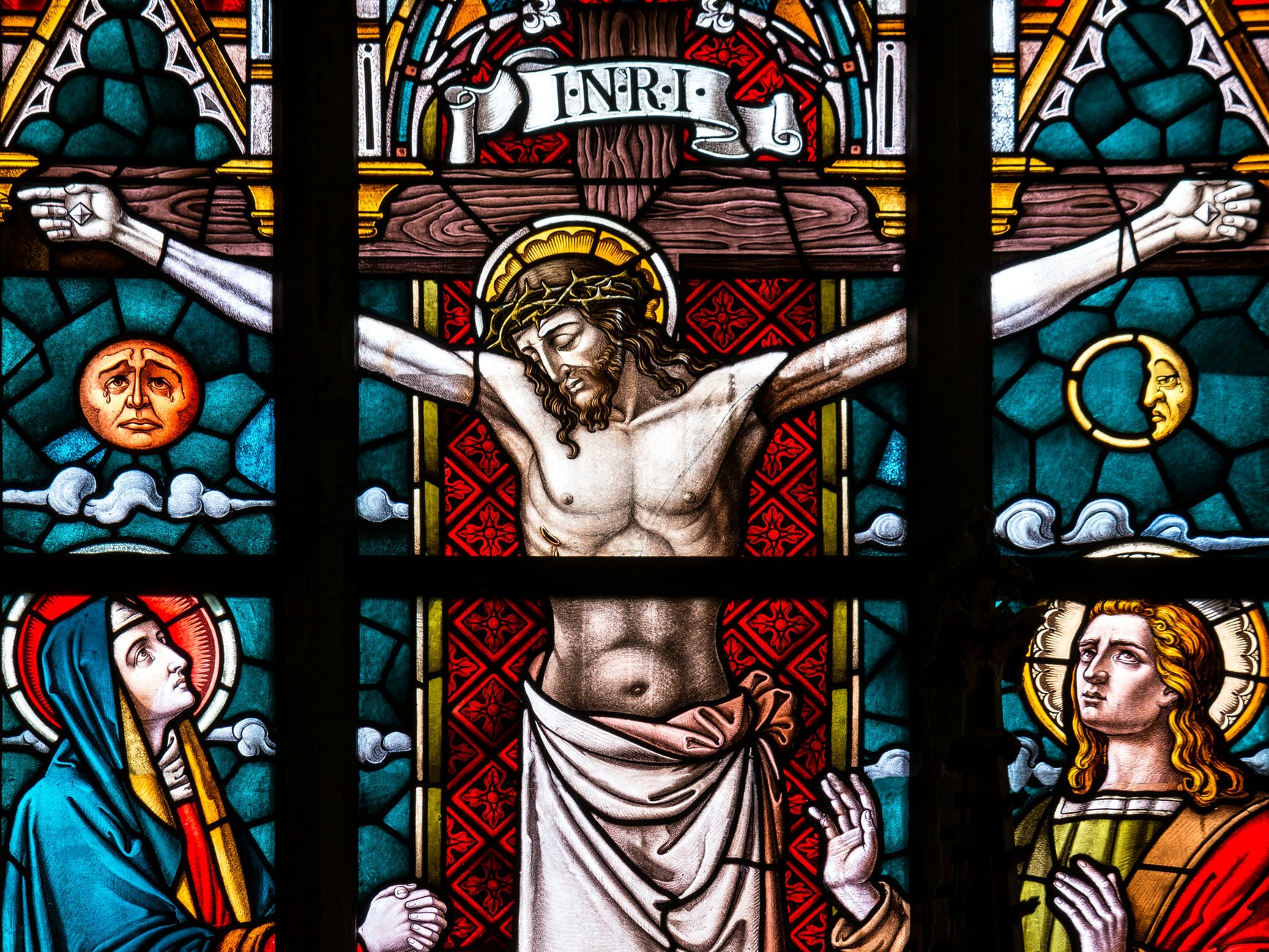
Having said all that, I am somewhat disappointed in the angry responses I see from Christians. We are reacting as though Christ promised us that we would always be respected, welcomed, and esteemed. Yet we serve a CRUCIFIED Savior! How are anger, boycotts, protests, and demonstrations showing honor to Jesus or bringing glory to God? What makes us think that reacting in anger and “playing the victim” will change the minds or hearts of those who created this mess? I believe that is precisely their “point.” They see themselves as victims of God’s righteous laws, and they are reacting TO HIM in anger and rebellion. To see US react in the same way makes them feel justified in their own anger. We live in a culture of outrage– it is our job to rise above the temptation to add to the general outrage. Jesus did not lash out as He was being whipped, taunted, and nailed to His Cross. He prayed for His tormentors, instead.

And that brings me to my final point. I think we need– especially in light of these events– to be praying for the Paris Olympics. Pray for the safety of all the athletes. Pray especially for those athletes who are being booed, taunted, and threatened because of their home country, or their religious beliefs. Pray for those who are standing up for what is right, and pray for the hearts of those who are acting in evil, anger, hurt, and deception. Pray that the spirits of division and hatred will NOT hijack this world event, as they have in the past. Pray that Christians will come together to react and to reach out as Jesus Himself did– speaking the truth in love. We do not have to embrace, condone, or accept what is evil. But we must stand firm in the armor of God, rather than attack with the enemy’s weapons!

Remember, we are to run OUR race:

24-25 You’ve all been to the stadium and seen the athletes race. Everyone runs; one wins. Run to win. All good athletes train hard. They do it for a gold medal that tarnishes and fades. You’re after one that’s gold eternally.
26-27 I don’t know about you, but I’m running hard for the finish line. I’m giving it everything I’ve got. No lazy living for me! I’m staying alert and in top condition. I’m not going to get caught napping, telling everyone else all about it and then missing out myself.–1 Corinthians 9:24-27 (The Message)

What happened in Paris last week was offensive and wrong. What we do this week needs to reflect what is right and God-affirming. We don’t need to be silent. We don’t need to be victims. We don’t need to be outraged. We don’t need to be protesting. We need to be praying.

“I Don’t Want Your Prayers!”

Have you ever offered to pray for someone– maybe they’re going through a Cancer journey or they’ve just lost their job– and they reacted with anger and indignation? I have; and it’s a very uncomfortable feeling.

Often, they may say they don’t need prayer; they don’t believe in God, therefore, they don’t believe that prayer has any power or effect. Sometimes, they feel that prayer is only for those who “can’t make it on their own,” or for those who are weak and needy– and they don’t wish to think of themselves (or to be thought of) in that way. Some people even fear prayer– that they will get their hopes up, only to have them dashed when God doesn’t give them the answer they expect or hope for.

But sometimes, they are angry– not so much at you or me, but at God. Even those who say He doesn’t exist often subconsciously “blame” Him when things go wrong. Others believe that God exists only to punish them or to make their lives miserable. They hate God and they hate anything to do with Him, including prayer. And some people have been hurt by other Christians– those who use their own perceived righteousness as a weapon. Their offer, “I’ll PRAY for you.” rings hollow, smug, and superior. Such experiences can leave such a bad impression that all offers of prayer sound ugly to them.

It is natural to be upset or hurt when someone refuses offered prayer. It can be tempting to respond by granting their wish– “Ok, I won’t pray for you!” But remember the following:

  • God doesn’t listen to our prayers based on someone else’s wishes or their attitude. God listens to OUR heart. If you feel compassion, and want to pray, and you DON’T do it, you are letting another person quench your spirit-driven desire.
  • God loves everyone. It is not His desire that anyone perish, or that they suffer needlessly. And if they won’t pray for themselves, that doesn’t mean that God can’t or won’t intervene. Don’t let their unbelief determine your level of trust!
  • “A soft answer turns away wrath, but harsh words stir up anger.” (Proverbs 15:1 ESV) Don’t match anger for anger or resentment for resentment. Hurting people hurt other people– they lash out from a place of pain. A gentle response from you may not quell their anger, but it WILL keep from adding fuel to the fire!
  • It is not our job to change people’s minds and hearts– it is our job to be witnesses of God’s love for them. Don’t withdraw your offer of prayer, but likewise don’t pummel someone else over the head with it. Simply express your empathy and your desire for their healing, or for their situation to improve, and your willingness to pray as part of that.
  • Remember that we are commanded to pray for others– it is not a suggestion. Nor is it a “strategy” meant to disarm, charm, or convict others into submission. Pray for their salvation, certainly, but don’t pray for that without also praying for their situational needs.

I know of numerous examples of people who have been led to Christ because of the faithful prayers of family or friends–even when they were in rebellion against God and angry with the Christians in their lives. That doesn’t mean that you will see immediate results– God’s timing is not ours; we may never see the results of our prayers in ways we recognize. But prayer IS powerful. Perhaps that is why so many people are afraid of it. It is beyond our power to predict; beyond our power to control; beyond our power to understand.

It’s Not Enough!

Often, when there is a disaster– especially one that seems preventable and senseless, like a mass shooting or a horrible crash–thousands of people reach out with “thoughts and prayers” for the victims and their families. And, predictably, others will angrily comment that thoughts and prayers are “not enough.” What good are thoughts and prayers in the face of senseless violence or preventable dangers? Shouldn’t we be driven to action? Shouldn’t we focus our efforts on justice or working to guarantee that such disasters can never happen again?

Such anger is natural, and such sentiments may seem more virtuous than offering nebulous emotional support. What, after all, can thoughts and prayers really DO in the face of evil, injustice, pain, and grief?

Well, I can’t speak for “thoughts”, but I have studied prayer for most of my life. I would offer the following words about the effects of prayer:

  • First, prayer reminds me that I am NOT in control of my circumstances– only my reaction to them. I cannot control what happens, what HAS happened, or what WILL happen. And my anger will not change what has already happened, nor will it prevent future disasters from happening. And while I may not be able to prove to others that prayer CAN prevent future disasters or heal present grief, I have known it to do both in my life and in the lives of others.
  • Second, prayer reminds me that there is Someone Bigger than me– Someone Bigger than my circumstances– who has the wisdom and the power to do what even thousands of well-meaning people cannot. Thousands of people coming together can make a difference over time, but God can do miraculously more than we can imagine!
  • Third, praying for others is something I CAN DO— anywhere, anytime– across distances, cultures, time zones, and circumstances. Prayer doesn’t cost anything. It doesn’t require that I have specialized skills or access to physical resources. It may not seem very active, like ranting or screaming, marching or protesting, but it isn’t the same as inaction or apathy.
  • Lastly, praying for others is a first step in helping others. My prayer alone may not seem like “enough”, but prayers have a way of multiplying, and inspiring, and intensifying in positive and impactful ways.

But more than just talking about the effectiveness of prayer, I’d like to pose a couple of questions for those who dismiss prayer as “not enough.”

  • What are you offering (instead of prayers)? Will your thoughts, plans, and actions have immediate or eternal results? Do you have the solution to all the world’s problems? Will you be able to control what happens in the future, or make sense of what has happened in the past? Will your solutions be perfect– no unintended consequences or necessary casualties?
  • If you are so angry about others praying, why waste your energy complaining about it? Go ahead with your own solution/reaction/plan.
  • Is your solution “enough?” Is your anger “enough?” Are your good intentions “enough?” Ultimately, you must wrestle with the existence of evil and injustice in this world. Senseless things happen. Good people suffer, and guilty people enjoy “success.” And nothing we offer is ever “enough” to change the world around us.

Our efforts and actions will never be “enough.” But prayer taps into the reality that God IS ENOUGH. His Grace is sufficient; His Love endures forever; His wisdom is higher than ours, and His power is boundless. He doesn’t always remove us from the chaos and suffering of this world, but He redeems us, and He enters into the circumstances of our own suffering and grief. He gives us courage, strength, hope, and a sense of purpose that goes beyond what we can find in ourselves.

Life is Pain…

“I have told you all this so that you may have peace in me. Here on earth you will have many trials and sorrows. But take heart, because I have overcome the world.” John 16:33

https://www.biblegateway.com/passage/?search=John+16%3A33&version=NLT

One of my favorite movies is “The Princess Bride.” The title character begins the story as a young, beautiful, wealthy, and spoiled young woman. She falls in love with the young farm boy who works for her father. The young man leaves to make his fortune, but word comes that he has been captured and killed by pirates. In utter despair, the young woman allows herself to become engaged to a spoiled and wicked prince. She has allowed her grief to consume her, and she cares nothing for the prince, his wealth or power, or even her own future. Before she can be married to the prince, she is kidnapped by villains, and “rescued” by a mysterious pirate. Instead of being grateful, she curses the pirate, telling him that he could never understand her great loss and pain. His answer, harsh, glib, but to the point, is to say that “life is pain, Princess. Anyone who tells you differently is selling something.”

There are certain truths in life that we would avoid if we could– death, pain, sorrow, grief, suffering, and Sin–we don’t want to hear the harsh reality of our situation. We don’t want to suffer or hurt at all; much less to discover that our suffering is commonplace or universal. Everyone will taste death; everyone will face pain and grief and suffering in this life. Everyone will suffer as a result of Sin– our individual actions have consequences, as do the cumulative actions of our culture, our ancestors, and the entire human race. Life isn’t always good, or fair, or just, or comfortable. This is a harsh truth, but it IS the truth. We will face injustice– no matter who we are. We will face suffering, illness, and death. We will face loss–loss of a loved one, loss of a job, loss of a marriage, loss of health, loss of freedom or autonomy. We will not always win. We will not always get what we want. We will not always get justice in this life.

There are four common techniques we tend to use to avoid facing harsh truths– denial or avoidance, anger, bargaining, and depression or despair. Many people know these terms from the Kubler-Ross studies on patients with terminal illnesses and the five “stages” she identified as they came to terms with their impending death. https://psychcentral.com/lib/the-5-stages-of-loss-and-grief/ The fifth “stage” was acceptance. The five stages have been applied commonly to other forms of grieving and loss, including the loss of a loved one or the break-up of a marriage. While most of us go through some or all of these stages when we face suffering, we don’t all go through them the same way or even in the same order.

Many of us live in avoidance and denial– rushing headlong into meaningless pleasure, self-medicating with alcohol or drugs, staying busy with the pursuit of wealth or power, moving from place to place or relationship to relationship. Others wrap themselves in anger– blaming everyone else for their pain, seeking revenge, driving away those who want to help. Anger may feel productive, but it limits our scope of vision and keeps us focused on the pain inside. Still others try to bargain. Some seek to avoid aging, diminished health, or death by trying every new diet or fitness routine. Others try to avoid guilt, pain, or disappointment by trying to be righteous enough to earn a supernatural blessing or “good karma.” Still many others wallow in depression and despair, lost in the swamp and mist, sinking into a pit of their own feelings. Like those who live in denial, they avoid the difficult choices that would lead to life, instead letting life wash over them and draining them of energy and joy.

These reactions are normal and human. Harsh truths hurt– they shock us, overwhelm us, shatter our trust, even shake our faith. But they ARE true. We cannot change our circumstances by running away, raging at everyone around us, or giving up. We cannot go back in time and “undo” the tragic circumstances of our lives. And our reactions have their own consequences. They cannot negate the past or change the present. They can only impact the future.

Photo by Chinmay Singh on Pexels.com

But there is another truth: God has not left us without resources, even for the harshest realities we face. Even when we are in despair, or angry, or in denial, God can give us peace and strength to go on. God isn’t “selling something” to make the pain go away or make our life “trouble-proof.”  Jesus never offered a comfortable life to His followers. In fact, He promised that our lives would be filled with trouble and pain and sorrow!  Christians who claim that they never face fear, or failure, fury or frustration, loss and sorrow– they are “selling” a false gospel.  The Good News isn’t about avoiding pain or sorrow. It is about OVERCOMING them! Jesus faced and conquered death on a cross! He could have avoided it– He could have been angry at those who betrayed Him–He could have stayed buried in despair and failure.  But He arose! We don’t worship someone who has never wept, or faced betrayal or loss. Jesus is the Way, the Truth, and the Life (John 14:6)– if anyone knows the harsh truth, it is the one who IS Truth!  And this Truth hurts– He hurts to see us grieving; He hurts when we reject Him to go our own way; He hurts even as He allows us to hurt. And He offers us His Grace to survive and thrive– not an escape, but a victory!

Photo by Pixabay on Pexels.com

Faith, prayer, worship, promises– these are not God’s way of helping us escape the reality of harsh truths.  They are His tools for helping us to overcome and be victorious in the face of trials and setbacks, grief and pain, even death!  A life of faith isn’t a life of denying the harsh realities of life, nor is it a prescription for avoiding life’s hurts. Even the faithful will someday have to taste death. Even those who pray and praise will often do so in tears of anguish and even momentary doubt. But they will reach the peace of acceptance as they wrestle with the seasons of pain, knowing that God promises healing and joy and justice– in His perfect will and timing! As Princess Buttercup discovers in “The Princess Bride”– “Death cannot stop true love!” And it cannot stop the Truth that IS Love!

“Life is pain…” In THIS fallen and broken world. But we can take heart–Jesus has overcome this world. He has won victory over sin and death, pain and loss. And He gives abundant life. Life that transcends disease, disappointment, and even death.

Holiday Poison

Yesterday was Thanksgiving across the U.S. Many families enjoyed a large dinner, surrounded by family or friends. Traditionally, this dinner might include turkey (or ham or both!), vegetables and fruits (potatoes, sweet potatoes, green beans, baked beans, corn, squash or some kind of greens, cranberries or cranberry sauce, apples or fruit salad), dressing, stuffing, rolls, and/or bread, and some dessert, such as pumpkin pie, pumpkin roll, apple pie, or cake. It’s a holiday which focuses heavily on food and eating.

Photo by Craig Adderley on Pexels.com

Because of this, it is also a holiday that carries the risk of food poisoning. Turkey and other meats, if not cooked properly or long enough, can make people sick. So can leftovers that are left out too long or not stored properly after the big meal.

Photo by Sora Shimazaki on Pexels.com

But there is another kind of poison that can ruin Thanksgiving. It may not make us immediately physically ill, but it is not less dangerous. It is the poison of ingratitude. Like salmonella or other types of bacteria, ingratitude can be invisible. It can hide, waiting to attack without warning, causing everything to have a bitter aftertaste. It may cause violent reactions, such as rage, or lie dormant, causing depression, apathy, or a general dissatisfaction. And just like food poisoning ruining a holiday built around food, ingratitude is a natural problem to have during a time set aside for thankfulness.

Photo by fauxels on Pexels.com

One of the most insidious forms of this holiday poison comes through comparisons–we gather to be near family we love, only to compare ourselves with them. Which one is happier? Wealthier? More popular? More intelligent? Better looking? Is the host’s house nicer than mine (or is my house “good enough”)? Did I work harder? Did my contribution to the meal taste “better”(or was it passed by– again)? Why am I still sitting at “the kids’ table?” The list is endless of the petty grievances that we allow to overwhelm our intentions to be thankful and live in peace. Someone says something to “push our buttons,” or they seem to ignore us completely.

Photo by Ketut Subiyanto on Pexels.com

Another form of holiday poison spreads from person to person–complaining, venting, sounding off, moralizing, criticizing, blaming…what began as a thankful, joyful gathering becomes a snake pit of biting, poisonous talk. And we react. We take the bait, become defensive, get sucked into that political discussion we vowed to avoid, or we revisit old wounds we thought we had put behind us.

Photo by Ken Ozuna on Pexels.com

But unlike food poisoning, bitterness and ingratitude are choices. We can’t always choose our circumstances, nor can we choose what others say or do. But we DO choose our reactions and our attitudes. I can blame someone else’s anger or selfishness for my bitterness, but they didn’t MAKE me succumb to their poison. I can compare myself to others and feel arrogant or inept, but no one forces me to live someone else’s life or measure up to their circumstances.

God has given each of us life and breath, and a purpose. Some of His gifts to us are universal and exactly the same for each person. He has given us each 24 hours in each day; He gives sunshine and rain, day and night, and air to breathe. But some of his gifts are unique to each individual. Our response should be to open our unique gifts, so we can enjoy them and use them, NOT waste time coveting someone else’s gift when we have neglected even to open our own.

Photo by Karolina Grabowska on Pexels.com

I wish I could say that “holiday poison” was easy to avoid– it’s not. It is human nature to grumble and whine and wish for what we do not have. But it IS possible to get healing. It starts with humble confession. We DO wish for what we do not have–and the more we deny and try to bury our failings, the more susceptible we are to the poison they can bring. If we confess our feelings of inadequacy, our desire to have “more” or “better” in life, we can turn to God freely and let Him give us a better perspective. Suddenly, we “see” blessings where we used to see burdens, we can see hope where once there was only grief, and we see opportunities where we only saw obstacles before.

Photo by Nicholas Githiri on Pexels.com

And God’s power to transform our attitude is just one more wonderful thing to be thankful for!

WWJD–Coronavirus edition

What Would Jesus Do? This question, shortened to the acronym WWJD, appeared as a fad on bracelets, t-shirts, billboards, etc., a few years ago. The idea was to ask oneself how Jesus Christ would act or react in various situations.

While I don’t disagree with the premise, I have never been a fan of this trend– mostly because it calls for people to speculate or imagine what Jesus would or might have done in their place. There is nothing wrong with wanting to act like Jesus– that’s what we’re supposed to do–to be disciples of Christ, and be His ambassadors. But our minds and hearts are not perfect; in fact they can be deceitful and arrogant, self-righteous and self-justifying. It is more common for us to justify how Jesus would act like us, than for us to adjust our thoughts and actions to those we know Jesus took during His time on earth. Would Jesus be angry about injustice– of course! Would He want us to have empathy for others– undoubtedly! But what would He actually DO? There are some pretty clear examples in the Bible– both examples of what Jesus DID, and what He DID NOT do:

  • Jesus drank wine; He visited and ate with known sinners; healed on the Sabbath (in direct violation of the church leaders of His day); interacted with the Romans (soldiers and leaders, etc.)who were oppressing the Jews– without protesting their rule or joining rebel groups; healed and performed miracles for some, but not for others; forgave sins for some, but not for others; paid His taxes without complaint; challenged religious leaders and spoke harshly against their practices; refused to get drawn into condemning and stoning a guilty adultress….
  • Jesus prayed. He want to temple regularly; read and studied God’s word; He rested, meditated, and spent time alone; He listened to strangers and treated those He met with compassion and respect; He honored His mother, but did not put her above His work; He loved his friends, even those who did not understand Him and the one who betrayed Him; He did not flatter those in power or disdain those in lowly positions; He cared deeply, wept unashamedly, and laughed heartily…
  • Jesus did not own a home. He didn’t have a “regular” job; He had no savings account or retirement fund; He had no donkey or horse for transportation; He wasn’t a member of a particular congregation or church council, like the Pharisees. Jesus didn’t have a university education; He didn’t run for public office; He never got “employee of the month;” He never married or had kids; We have no evidence that He ever gave to a particular charity, or joined any activist group. Jesus never hosted a barbecue, or led an evangelistic gathering, like His cousin, John the Baptist…
  • Jesus never addressed many of the issues we deal with today– civil rights, gay rights, abortion, health care, income inequality, democracy/socialism, smoking, drug use, pornography, violence in the media, global climate change, speed limits on highways, income tax structure, campaign finance reform, gender dysphoria, unisex bathrooms, vegans vs. meat eaters…

But the point of Jesus’ ministry on earth was to preach the coming of the “Kingdom of God,” and to fulfill His promise to go to the cross, die for our sins, and to rise again on the third day. He spent time teaching and discipling twelve very different individuals, who saw and did things very differently from each other, and differently from Jesus himself. Peter was fiery, John was a quiet observer, James was stern and concerned about actions, Matthew was concerned with history and prophecy. And all of them were loved by and commissioned by Jesus to spread the Gospel.

In these days of COVID-19, faced with fear and panic, many Christians (myself included) are struggling with the “right” response–we all want to show the love of God, and honor Him above all. In doing so, however, I find myself spending a lot of time justifying my own actions, and condemning the words and actions of others. And I find myself getting hurt and angry when someone I know and love reacts differently, uses different words or tones, or gets caught up in arguments about what “we must do.”

Photo by Korhan Erdol on Pexels.com

We MUST seek God’s wisdom in these times. And we MUST listen to and obey His word. But beyond that, I believe that God wants us to be very different “parts of the body” (see 1 Corinthians 12) https://www.biblegateway.com/passage/?search=1+Corinthians+12&version=ESV And I believe that God wants us to work together, honoring the various gifts and personalities that we have been given. Some of us are going to be fiery in our defense of health care workers, and advocating for the best and fastest medical care and treatments available. Some of us are going to be spreading small words and acts of encouragement wherever we see the opportunity. Some of us are going to be standing up against threats of corruption and injustice lurking among the actions of those in power. Some of us are going to speak boldly about our Hope in Christ, evangelizing and calling people to repentance. Some are going to be “standing in the gap” in prayer and counseling. Some are going to be providing money, food, PPE (personal protective equipment), and other services. And we must honor the other members of the body– in whatever role they take on– and seek unity, rather than division.

Photo by Pixabay on Pexels.com

Instead of blasting each other on Facebook or angry e-mails, we need to bring our initial reactions– anger, disappointment, hurt, confusion– to God. HE is the one who will judge our actions and motives in the end. Unless we see Christians who are flagrantly violating God’s laws– looting, cheating, spreading malicious lies and causing division, cursing God and/or misrepresenting Him in heretical fashion–we should ask, not just what Jesus would/might do in my situation, but what DID Jesus do in my place.

Photo by Francesco Paggiaro on Pexels.com

Because He died for me when I was still a sinner. He sacrificed His life. Not because I had done anything “right,” or “good enough.” He didn’t keep a list of all the things I got “wrong.” He did not bring condemnation– He brought forgiveness, mercy, and hope! And His mercies are new every morning. If I “get it wrong,” if I do something, or don’t do something–because I am still human and I don’t know everything about COVID-19 or the global economy or what tomorrow will bring–God will still love me. God will forgive me.

My prayer is that I will do the same for others– that I will extend Grace, and true encouragement (rather than flattery or mutual congratulation), and Love, because I know without a shadow of doubt or speculation, that this is What Jesus Would Do.

Blog at WordPress.com.

Up ↑