God Doesn’t Make Mistakes

Our current culture is obsessed with “fixing” things– including ourselves. Makeovers, plastic surgery, Botox injections, even gender reassignment. We seem to be convinced that God, who knit us together in our mother’s womb, got it “wrong.” I’m not opposed to someone wanting to look or feel more attractive, and there are many surgeries and makeover techniques that can actually improve our physical health. Not all such actions come from a rebellion against God’s design, but in many cases, people are trying to remake themselves in their own “fantasy” image– women having plastic surgery to make themselves look more like a Barbie doll, or like their online avatar; some people even risking their lives just to look like something they’re not.

The smug Christian may answer such behavior with, “God made you that way, and God doesn’t make mistakes!” But such an answer is dismissive of some very real concerns. In fact, it may lead people who experience dysphoria and chronic health crises to conclude that God either doesn’t care about them, or that He simply doesn’t exist.

What about my family member who was born with a rare condition? She experienced strokes in utero– she was stricken in the womb–and she had to have urgent brain surgery at six months. She is bound to a bed or wheelchair for life. Yet God created her. Did He make a mistake? What about the person who was born a biological boy, but an accident in his infancy crushed his “boy parts” and the doctors did emergency surgery and reassigned his gender? Was God sleeping on the job? If He knows all that will happen to us, why not just create that person to be a girl from the beginning? What about children born with a cleft palate? Or those born without hands? How can a loving God sit back and let such things happen? And how can a Christian say, “God doesn’t make mistakes.”

I don’t have a mic-drop, definitive, uncontestable answer for such questions. I don’t know why God chooses to allow certain people to suffer physically, mentally, or emotionally, through no fault of their own. I don’t understand why some people develop ALS or dementia, either. What I do know is that God’s original creation was perfect. And when Sin entered the world, it wasn’t just that people sinned– the whole world was infected. It’s not just that people are born with defects– all of nature suffers. There are diseases that cause deformity in animals, diseases that attacks certain species of trees or plants. We have earthquakes and volcano eruptions, sink holes, and hurricanes. And some people carry genetic diseases that impact their life from conception to death. Others will face mental health issues– some of which won’t show up for many years.

But God doesn’t MAKE such things happen. How do I know this? Jesus Himself addressed this issue during His ministry. In the gospel of John, chapter 9, Jesus and His disciples come across a man born blind. The disciples assume that the “cause” of this man’s affliction is a particular sin– either his own or his parents’. They assume that bad things happen to people because God is punishing them for something they’ve done. But Jesus dismisses that reasoning. “This happened so the power of God could be seen in him” (John 9:3 NLT). LIFE is God’s gift– not necessarily perfect health or a problem-free existence. In fact, later in John’s gospel, Jesus says, “In this world you WILL HAVE TROUBLE. But take heart! I have overcome the world.” (John 16:33 NIV–emphasis added)

God doesn’t make mistakes– He offers redemption. There are some things in this world that we have the power to “fix”– we can forgive those who wrong us. We can work to bring justice and peace to those around us. We can build and re-build relationships. But there are many things that only God can “fix.” God has the power to heal bodies, minds, and hearts. He has the power to give us the strength necessary to endure trials and afflictions and grief. And He can give us a peace that passes all understanding when we trust Him in the middle of life’s struggles.

That doesn’t mean that we will always understand or enjoy what life brings our way. We DO live in a fallen and disease-ridden world. But this is NOT the ultimate fate for those who trust God.

It is when we refuse to trust God and His design that we lose out on the strength, peace, and joy of walking (or even lying in bed) by His side! It is when we try to “fix” things in our own power that we miss out on seeing the mighty power of God working for our ultimate GOOD. God allows for mistakes– but His joy and His plan are to make all things NEW!

“Sheepish” Prayers

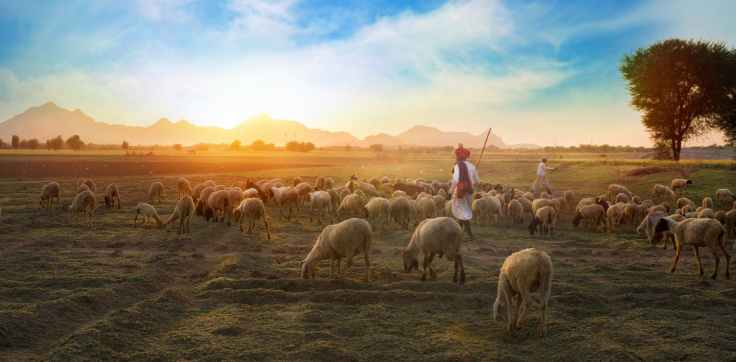
“The Lord is my Shepherd…” (Psalm 23: 1)

How often do I recite this favorite Psalm without really thinking about it? In the words of this Psalm, I am loved, cherished, sustained, and led by Him. But am I in reality? Do I submit to His leadership and guidance? When I pray, am I really coming to meet with my Shepherd, or am I trying to meet with God on some other level or in some other relationship?

I’ve been reading through the first few books of the Bible. I’m in Numbers right now, and Moses is leading the Israelites through the wilderness. The spies have just returned from Canaan, and the people have rebelled against God, weeping and accusing God of leading them to the Promised Land only to have them die in battle with the giants of the land.

I read through this and shake my head, but haven’t I done similar things in my walk with God? I want to avoid the wilderness. I want to walk in the green pastures, but I don’t want to travel through the valley of the shadow of death to get there! I look at obstacles and setbacks as though God were sitting far away, arms akimbo, laughing at my struggles; in reality, He is right beside me all the way, waiting to help me overcome each obstacle and gain victory together with Him. I’m looking at the giants, when He wants me to trust Him for the milk and honey He has promised. I still have to face the giants, and the battles ahead– but I don’t have to face them alone. I don’t have to face them in my own strength, my own limited wisdom, or my limited vision.

But here’s what I am learning as I read through this section of the Bible right now:

God IS with me. He doesn’t leave me or give me anything HE can’t handle. But I have to walk through the wilderness. I have to fight battles. I have to face giants. I have to learn to trust for my daily bread– whether it is manna or money to buy bread–daily. I have to listen to His voice; not impose my plans and ask for Him to bless them.

God doesn’t want me wrapped up or caged: He will not take away my freedom to follow (or NOT follow) Him. And when I wander, He may allow me to wander in circles for a while (hopefully not forty years!), but He will still be right there, ready to lead me when He sees that I am ready to move forward.

He will supply all that I really need– water from the rock, bread from Heaven– not because I have the money or resources, I think I’ve earned, but because He IS my provider. He can part the Red Sea; He can destroy Pharaoh’s armies. He can make the earth swallow up those who threaten me and defy Him. I am safe, even in the wilderness, when I stay close to the Shepherd!

He will counsel and correct me. He will offer forgiveness again and again. He will not leave me lost or unable to return to His side. He will be a “Presence” in my life, wherever I go– day or night.

He sees me and He hears me– which is both comforting and fear-inducing. But it is a healthy fear; an awesome and reverent fear; one that keeps me humble. After all, I am a sheep, NOT the Shepherd! I can call out to Him, and He knows where I am (because He is right there, too), and He knows what I need. God saw the Israelites worshipping the Golden Calf even as He was speaking to Moses up on the mountain. God heard Moses as he pleaded for mercy, even in His anger and wrath.

He calls me by name. The Bible, especially the Old Testament, is full of individual names. Not just the ones we study in Sunday School; not just the ones in the children’s stories; but names of the leaders of the various tribes of Israel, and names of the spies, names of craftsmen God had selected to build the Ark and all the items needed for the Tabernacle, and names of those who rebelled. I am not lost in the crowd; I am not forgotten among the many. God knows me intimately– just as He knows you!

Even when my prayers seem like whining, bleating, plaintive “baa-ing”, I know my Shepherd hears. And He delights to hear from me. He delights in leading me through the wilderness and providing for my every need. And His promises sustain me when I don’t know what’s coming next, or I fear what I see on the horizon.

So I will pray today, and tomorrow, and every day, knowing that even my– especially my– “sheepish” prayers are not in vain.

“I Would Prefer Not To..”

Years ago, our high school class read a classic short story by the American author, Herman Melville. Bartleby the Scrivener tells the story of an unusual clerk– one who begins as a good worker, efficient and conscientious, but ends up dying in prison, hopeless, ruined, and broken. His tragic downward spiral begins one day when the lawyer for whom he works asks him to examine a short document. This is a commonplace request, much like asking a writer to proofread her final draft before submitting it to the editor. However, Bartleby responds by saying “I would prefer not to.” The startled lawyer decides not to force the issue, and gives the task to someone else.

Bartleby’s refusal to do what is expected of him escalates until he no longer does ANY work. He refuses to work, refuses to leave the office, and refuses to eat. He isn’t angry or violent, but he remains defiant until the very end.

So it is with us when we are living in sin and rebellion against God. It may start out small– some little habit or attitude. We know it is wrong, but instead of obeying God’s word, we calmly say, “I would prefer not to…” not to tell the truth, not to turn away from porn, not to help my neighbor, not to agree with God about my behavior.

8 The Lord is merciful and gracious,
    slow to anger and abounding in steadfast love.
He will not always chide,
    nor will he keep his anger forever.
10 He does not deal with us according to our sins,
    nor repay us according to our iniquities.
11 For as high as the heavens are above the earth,
    so great is his steadfast love toward those who fear him;
12 as far as the east is from the west,
    so far does he remove our transgressions from us.

Psalm 103:6-12 (ESV)

God is patient. He is gracious and kind. He does not treat us as our offenses deserve. He gives us the chance to repent. He offers forgiveness. But every time we say to God, “I would prefer not to,” we get a little more like Bartleby– isolating ourselves, wasting our potential to be all that God created us to be, growing more defiant and more rebellious, until we waste away into a prison of our own making, and, finally, death.

One of the things that makes Melville’s story so disturbing is that the narrator keeps trying to explain away Bartleby’s defiance–perhaps he is having trouble with his eyesight and doesn’t want to admit it; perhaps he was traumatized at a previous job; maybe there is a reason for his passive aggression. But in all of his attempts to understand, the narrator cannot save Bartleby from prison and death.

Understanding sin cannot change us. Excusing sin does nothing to stop its consequences (see Romans 6:23). No one killed Bartleby, yet he died because he “would prefer not to” do the things he needed to do to live. His small act of defiance, which starts out singular and almost heroic (after all, who wouldn’t like to tell the boss, “I would prefer not to,” every once in awhile?), sounds innocuous. Such a little thing to refuse. Surely God would not punish us for so small a thing…until one small thing leads to another…and another; a bigger rebellion; a numbing complacency; loss of perspective; a heart of stone; isolation; starvation; imprisonment; death.

What am I refusing to do for God today? What am I refusing to give up? Refusing to admit? Refusing to listen to? Am I excusing myself? Do I tell myself I am not in rebellion because I have been polite in my refusal to obey? Do I comfort myself that my rebellion is really just a matter of “preference,” and will not be consequential? That God’s Holiness is less important than my comfort or convenience?

Many people coast through life in the belief that God is SO merciful and SO loving that He can’t also be Holy and Just– that His commands are really suggestions; that His wrath is mythical; that our own wisdom is sufficient for living a “good” life and pleasing Him. But God isn’t concerned about whether we live a “good” life– He wants us to have an abundant life– filled with joy and peace, love and relationship, both now and forevermore. In fact, He would “prefer not to” punish us. He is not “willing” (i.e. desirous) that any should perish (2 Peter 3:9), but that everyone would some to repentance. That doesn’t mean that He won’t punish those who refuse to obey Him, or those who refuse to turn from their rebellion and trust Him; only that He will continue to give us the opportunity to recognize our need for forgiveness.

10 If you keep my commandments, you will abide in my love, just as I have kept my Father’s commandments and abide in his love. 11 These things I have spoken to you, that my joy may be in you, and that your joy may be full.12 “This is my commandment, that you love one another as I have loved you. 13 Greater love has no one than this, that someone lay down his life for his friends. 14 You are my friends if you do what I command you. 15 No longer do I call you servants, for the servant does not know what his master is doing; but I have called you friends, for all that I have heard from my Father I have made known to you.

John 15:10-15 ESV– taken from biblegateway.com

God has made it possible for us to be more than servants. We don’t have to respond to God as Bartleby responded to his boss– though God has the ultimate authority to demand our loyalty and obedience. Through Jesus, we are sons and daughters and friends! When God gives us commands, like “Love one another,” they are still commands. But His heart is that we should trust that all of His commands are righteous, life-giving, and in our eternal best interest. But some of us are still saying, “I would prefer not to.”

Intelligent Fools

The fool says in his heart, “There is no God.”
    They are corrupt, they do abominable deeds;
    there is none who does good.

Psalm 14:1 (ESV)

Only fools say in their hearts, “There is no God.”
They are corrupt, and their actions are evil;
not one of them does good!

Psalm 53:1 (NLT)

One thing that seems to surprise many intellectuals is the discovery that other intellectuals are Christians! There is a certain class of thinkers who believe that only ignorant people “need” to believe in God. Many of them posit that the concept of “god” is outdated and primitive, steeped in superstition, and unnecessary for anyone. Others claim that any belief in a supreme deity, a Sovereign God who has authority over all humankind, and all of nature, is actually dangerous

If God could be discovered by intellect alone, this might be disturbing for those of us who are not certified “geniuses.” If mere knowledge about God could save us, we could trust intellectuals to be our “saviors” and spiritual guides. But just because someone is intelligent and learned doesn’t mean that they have attained wisdom. Wisdom is a gift of God, and it begins with acknowledging a simple fact– God exists. This does not come automatically with knowledge about God–such knowledge can be dismissed, twisted, and even lost. If God exists– not just as a concept or a long-lost myth–certain other truths must be acknowledged. Chief among these is the truth that I am NOT God.

Fools come in all shapes, sizes, colors, and intellects. There are people of limited intellectual capacity who are very wise. There are intelligent people who live as fools. Foolishness comes when we deny God– whether we deny His very existence, or His authority over our lives– and live as though we are the supreme authority in our own lives.

“The Fool says in his HEART, ‘There is no God.'” Foolishness doesn’t begin in the brain. It begins in the heart. The more I believe that I KNOW better than others–including God–the less I will listen to instruction, advice, and wisdom. The more I will do what I want– and justify it, even if others get hurt. The Apostle Paul–no intellectual slouch himself– warns us in 1 Corinthians 8:1 that “Knowledge puffs up..” Not all intellectuals are snobs, but it is easy to become hardened to others if they believe they know more or better than everyone they meet. And Paul’s warning is to believers! Just because we believe that God exists, we can be foolishly puffed up by our very knowledge of scripture, and ignore God’s sovereign call to love our neighbors! We can be foolish “Christians” who acknowledge that Christ exists, but deny His Lordship in our lives.

There are many intelligent Atheists. Some of them lead moral lives, and do many things that we might see as “good.” They give to charities, advocate for healthful living, a clean environment, and world peace. So why does the Bible use such strong language to denounce them as fools, who are corrupt and even abominable? Doesn’t God see their good works? Doesn’t God give them “credit” for doing the “right” things (sometimes more than their Christian neighbors!)?

God sees us from a different perspective– He looks on the heart. The heart of someone who denies God is the heart of someone in rebellion. It may be a quiet rebellion; it may be vocal and even violent. But once a person denies the very one who created her/him, their heart is corrupted and opposed to giving God His proper place. Even “good” deeds done in defiance of the God of all goodness will become twisted by the selfishness and pride of the doers. The smartest among us may have many great ideas for achieving world peace, but they do not have the power to control all of humanity, nor the authority to force others to accept their “brilliant” ideas. In the end, they will either face disillusionment and despair, or they will become tyrannical in their efforts to “fix” the world’s problems according to their own plans.

God asks us, first and foremost, to trust Him. Second, we are to obey Him. Third, we are to live with, and love, others– to share the love and wisdom He gives! Fools may know about God, but they stop short of trusting Him, obeying Him, and learning to serve others. They deny His wisdom; they deny His Grace, and their need for it. They deny themselves the joy of relationship with the God of Love. There is nothing wrong with learning and intelligence– they, too, are gifts from God–but when we depend on them ahead of leaning on God’s wisdom, we become fools.

Father, I don’t want to be a fool. Help me to acknowledge You in everything I say and do. Help me to recognize Your wisdom, and cling to it. And help me to appreciate the wisdom of Your Word in guiding my intellect and learning.

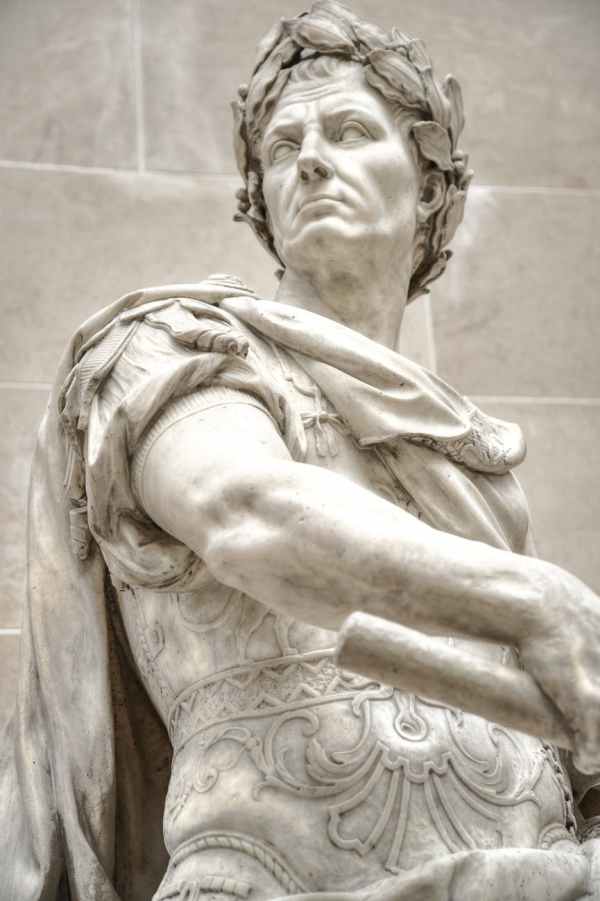
Render Unto Caesar…

I don’t like paying bills. Utility bills, insurance premiums, credit cards, and taxes– property tax, income tax, even sales tax. Every month, the bills come, and the checks go. And if we don’t pay the bills on time, there is an extra fee and interest charges. Bills and fees and payment schedules are not unusual or unexpected in this world. And we pay (if and when we can) because we are honest and upright citizens. It is a duty, but not a pleasure.

Even Jesus had to pay taxes. He was asked about it– even challenged over it. The Pharisees wanted to trap Jesus into taking a stance and offending many of His followers or running afoul of the Roman government. They asked, “Is it right to pay taxes to Caesar, or not?” (Matthew 22:17)(https://biblia.com/bible/esv/matthew/22/15-22) Of course, if Jesus said it was right to pay taxes, He would anger those who were fighting to be free of Roman oppression. Paying taxes to Caesar, in effect, legitimized Roman occupation and subjugation of the Jews. Much of the tax money was used to extend Rome’s control over the Jews, and to pay the soldiers and officials who made life miserable for Jesus’ followers on a daily basis. And it was common knowledge that many tax collectors were corrupt and cheated the people to line their own pockets, as well. The Romans worshiped countless gods and goddesses, but had no respect for the God of Israel. It was humiliating, and burdensome, and unjust to pay taxes. And yet, if Jesus said it was NOT right to pay taxes, He would be inciting open rebellion against the Roman occupation. He and His followers were be arrested and killed.

But Jesus did not fall into the Pharisees’ trap. He asked to see a common coin. He asked whose face and likeness were on the coin. “Caesar’s.” And then Jesus said, “Give to Caesar what is Caesar’s and to God what is God’s.”

I was reminded as I opened bills and wrote checks this past week, that I do NOT receive a bill from God. I owe God everything– my life, my next breath, my health, my hope of eternal life. Yet He never sends me a bill, or an overdue statement. He charges no interest, or late fees, even when I let distractions keep me from giving Him the praise and honor that is due to Him. Even when I choose to go through my day without sharing my heart’s longings with Him.

I may not like paying bills, but I do it. I “render unto Caesar,” even as I complain about taxes and interest fees. But do I “render unto God what is God’s?” And when I do, is my attitude the same as it is when paying bills? God forbid!

God never cheats; He never asks for something He doesn’t deserve. And He has given me far more than I could ever ask or imagine, through the power that is at work IN ME! God doesn’t give loans– He gives gifts of eternal value.

What can I render unto God today? Surely I can give Him praise, and share His grace and goodness with others…it isn’t impossible. It isn’t beyond my duty. It isn’t isn’t even “taxing!”

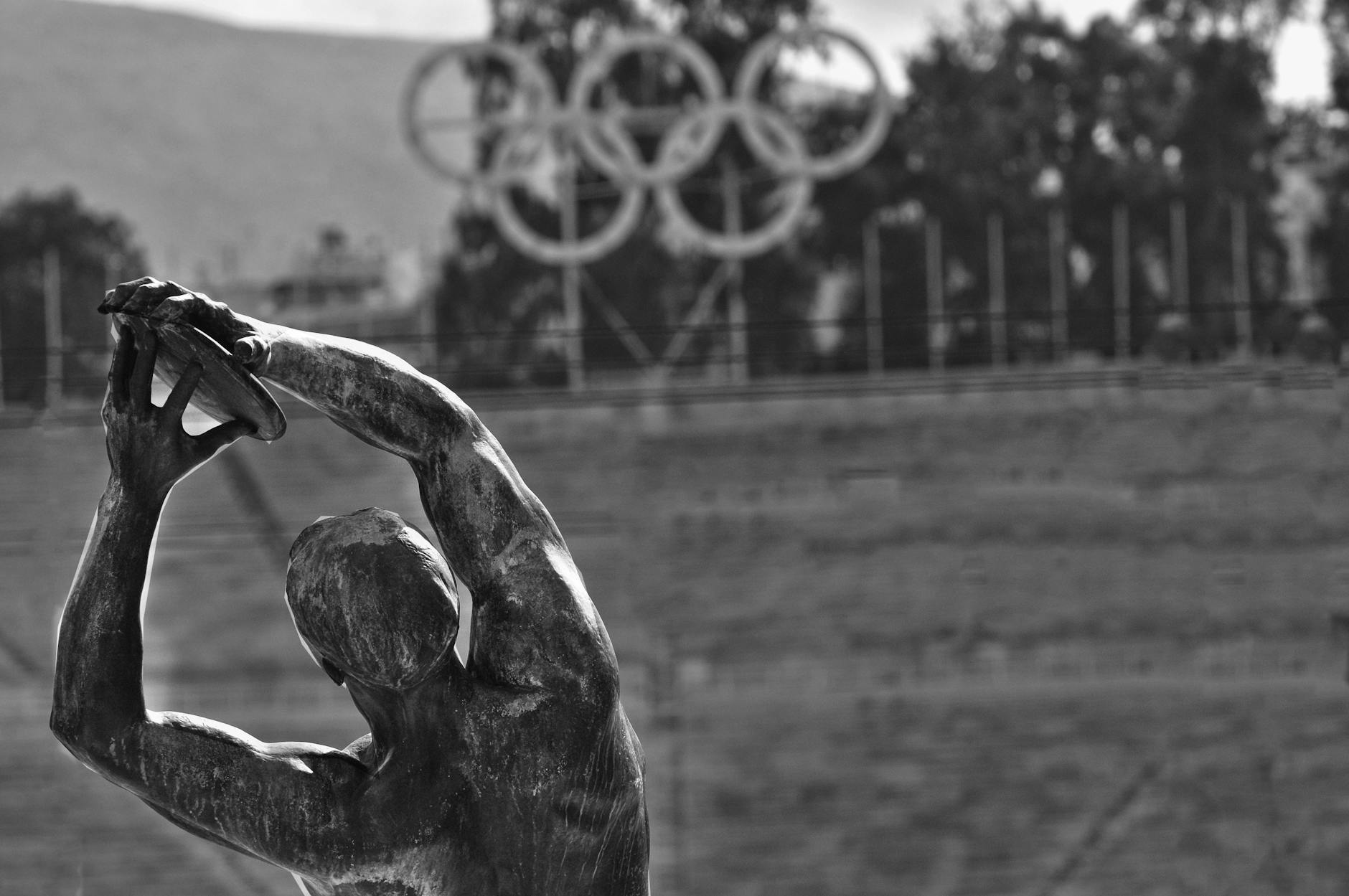
Praying for the Paris Olympics

Let me just preface this by saying that I am not watching the Olympics coverage on television this year. That is not in protest of anything, nor does it reflect a keen disinterest in sports or in global events. My husband and I simply do not watch television. But I do spend time on the internet, and I follow news there. So it was with great sadness that I learned of the controversy about the opening night ceremonies and the tableau that seemed to mock “The Last Supper.” It has been with equal sadness that I have watched the angry and offended responses from Christians. I do not mean to say that the tableau was not offensive. I found it ugly. And I think it would have been both shocking and offensive to have seen it in the midst of all the other celebration.

Many of the organizers and presenters of the Opening Ceremonies have made public statements claiming that they either didn’t realize this would be offensive to many, or they didn’t mean it to be offensive. I find this difficult to believe. If the planners, organizers, participants, and crew had absolutely no idea that their tableau had any resemblance to “The Last Supper,” they I would suggest that they are woefully ignorant of European Art and Culture, or they are perhaps unaware of the number of Christians around the world. Yet some of them claim that ignorance/intolerance belong only to those who found their display offensive. They say that their only objective was to pay tribute to the ancient gods of Olympus, for whom the Olympic games are named. They claim that any resemblance to DaVinci’s mural of “The Last Supper,” or any allusion to Christianity were unintended. But they appear to be quite pleased with the furor and controversy.

While I did not see this happen in context, I do have some thoughts on the aftermath of what I have seen this week.

First, I think that Christians, while we should be offended by this display, should perhaps NOT be shocked. We live in a post-Christian, post-religious Western World. The world, especially the Western World, thrives on divisiveness, controversy, and the “shock factor” in entertainment. The tableau that was presented wasn’t just offensive to Christians (though we were likely the primary targets). It was, in its own way, offensive to the ancient Greeks, and to the spirit of the Olympic games. The Olympics are not about Bacchanalian debaucheries, orgies, or feasts of any kind. Nor are the Modern Olympics about the gods of Ancient Greece– not in the way that the Ancient Olympics were. The Modern Olympics are meant to be inclusive to every participating nation and qualifying athlete. The opening ceremonies are traditionally meant to celebrate both the shared heritage and spirit of competition among athletes, and the unique culture of the host country. This display did neither. And the organizers had to have known that. Whatever their real reasons for including this cartoonish and puerile tableau, they had nothing to do with bringing people from all nations and cultures together, or with celebrating the highlights of French culture.

Having said all that, I am somewhat disappointed in the angry responses I see from Christians. We are reacting as though Christ promised us that we would always be respected, welcomed, and esteemed. Yet we serve a CRUCIFIED Savior! How are anger, boycotts, protests, and demonstrations showing honor to Jesus or bringing glory to God? What makes us think that reacting in anger and “playing the victim” will change the minds or hearts of those who created this mess? I believe that is precisely their “point.” They see themselves as victims of God’s righteous laws, and they are reacting TO HIM in anger and rebellion. To see US react in the same way makes them feel justified in their own anger. We live in a culture of outrage– it is our job to rise above the temptation to add to the general outrage. Jesus did not lash out as He was being whipped, taunted, and nailed to His Cross. He prayed for His tormentors, instead.

And that brings me to my final point. I think we need– especially in light of these events– to be praying for the Paris Olympics. Pray for the safety of all the athletes. Pray especially for those athletes who are being booed, taunted, and threatened because of their home country, or their religious beliefs. Pray for those who are standing up for what is right, and pray for the hearts of those who are acting in evil, anger, hurt, and deception. Pray that the spirits of division and hatred will NOT hijack this world event, as they have in the past. Pray that Christians will come together to react and to reach out as Jesus Himself did– speaking the truth in love. We do not have to embrace, condone, or accept what is evil. But we must stand firm in the armor of God, rather than attack with the enemy’s weapons!

Remember, we are to run OUR race:

24-25 You’ve all been to the stadium and seen the athletes race. Everyone runs; one wins. Run to win. All good athletes train hard. They do it for a gold medal that tarnishes and fades. You’re after one that’s gold eternally.
26-27 I don’t know about you, but I’m running hard for the finish line. I’m giving it everything I’ve got. No lazy living for me! I’m staying alert and in top condition. I’m not going to get caught napping, telling everyone else all about it and then missing out myself.–1 Corinthians 9:24-27 (The Message)

What happened in Paris last week was offensive and wrong. What we do this week needs to reflect what is right and God-affirming. We don’t need to be silent. We don’t need to be victims. We don’t need to be outraged. We don’t need to be protesting. We need to be praying.

“I Don’t Want Your Prayers!”

Have you ever offered to pray for someone– maybe they’re going through a Cancer journey or they’ve just lost their job– and they reacted with anger and indignation? I have; and it’s a very uncomfortable feeling.

Often, they may say they don’t need prayer; they don’t believe in God, therefore, they don’t believe that prayer has any power or effect. Sometimes, they feel that prayer is only for those who “can’t make it on their own,” or for those who are weak and needy– and they don’t wish to think of themselves (or to be thought of) in that way. Some people even fear prayer– that they will get their hopes up, only to have them dashed when God doesn’t give them the answer they expect or hope for.

But sometimes, they are angry– not so much at you or me, but at God. Even those who say He doesn’t exist often subconsciously “blame” Him when things go wrong. Others believe that God exists only to punish them or to make their lives miserable. They hate God and they hate anything to do with Him, including prayer. And some people have been hurt by other Christians– those who use their own perceived righteousness as a weapon. Their offer, “I’ll PRAY for you.” rings hollow, smug, and superior. Such experiences can leave such a bad impression that all offers of prayer sound ugly to them.

It is natural to be upset or hurt when someone refuses offered prayer. It can be tempting to respond by granting their wish– “Ok, I won’t pray for you!” But remember the following:

  • God doesn’t listen to our prayers based on someone else’s wishes or their attitude. God listens to OUR heart. If you feel compassion, and want to pray, and you DON’T do it, you are letting another person quench your spirit-driven desire.
  • God loves everyone. It is not His desire that anyone perish, or that they suffer needlessly. And if they won’t pray for themselves, that doesn’t mean that God can’t or won’t intervene. Don’t let their unbelief determine your level of trust!
  • “A soft answer turns away wrath, but harsh words stir up anger.” (Proverbs 15:1 ESV) Don’t match anger for anger or resentment for resentment. Hurting people hurt other people– they lash out from a place of pain. A gentle response from you may not quell their anger, but it WILL keep from adding fuel to the fire!
  • It is not our job to change people’s minds and hearts– it is our job to be witnesses of God’s love for them. Don’t withdraw your offer of prayer, but likewise don’t pummel someone else over the head with it. Simply express your empathy and your desire for their healing, or for their situation to improve, and your willingness to pray as part of that.
  • Remember that we are commanded to pray for others– it is not a suggestion. Nor is it a “strategy” meant to disarm, charm, or convict others into submission. Pray for their salvation, certainly, but don’t pray for that without also praying for their situational needs.

I know of numerous examples of people who have been led to Christ because of the faithful prayers of family or friends–even when they were in rebellion against God and angry with the Christians in their lives. That doesn’t mean that you will see immediate results– God’s timing is not ours; we may never see the results of our prayers in ways we recognize. But prayer IS powerful. Perhaps that is why so many people are afraid of it. It is beyond our power to predict; beyond our power to control; beyond our power to understand.

Fervor and Faithfulness

Do you pray fervently? Do you pray faithfully? I confess that sometimes I go through periods of fervent prayer, but it doesn’t always last. And, while my goal is to pray faithfully, I sometimes struggle with daily prayer seeming bland.

Thankfully, God does not demand constant fervor and faithfulness (though He does provide His Spirit to help us with both!) God wants us to come before Him exactly as we are; He KNOWS exactly what we are feeling, and He wants us to experience His presence THROUGH both the peaks and valleys. Experience has taught me that faithfulness in prayer can often lead to renewed fervor. Fervor and ardency can be influenced by our emotions. I pray most fervently when I feel needy, or when I am swept up in joy, or when I am surrounded by others who are riding a particular emotion. But I pray most faithfully when I choose to step out in spite of my emotions or circumstances.

Recently, I was reading in 2 Chronicles about “Good King Asa” of Judah. If you read chronologically through the Bible, you meet King Asa in 1 Kings (briefly in chapter 15), and again in 2 Chronicles (chapters 14-16) Both times, he is classified as a “good” king in Judah, one who “did what was right in the eyes of the Lord.” He reigned for 41 years, and was a champion of reform. He was a fervent and devoted king throughout most of his reign, and was mourned upon his death. But sadly, King Asa ended his reign in rebellion against the God he had so staunchly served for most of his life.

God had blessed Asa with astonishing military victories and years of peace and prosperity. But after 36 years of faithful and fervent service, Asa seems to have turned his back on his faith. Another army threatened to invade Judah, and Asa, instead of turning to God as before, brokered a treaty with another local king for protection. He sent silver and gold from “the treasuries of the House of the Lord” to King Ben-Hadad of Aram for help in repelling the army of King Baasha of Israel (the northern kingdom of the Jews). He bribed Ben-Hadad to break his treaty with Israel, and together, they sacked the fortifications and caused Baasha to back off.

In spite of King Asa’s victory, the Lord sent a prophet to rebuke him. King Asa, who had sought the Lord throughout more than three decades of devoted service, became so angry that he had the prophet thrown in jail. He then began oppressing his own people! Three years later, Asa developed a severe disease in his feet. But instead of calling on God, he consulted only his own court physicians. He suffered for two more years before finally dying. This “Good” King, famous for his passionate pursuit of reform and devotion to God, ended his life embittered, angry, diseased, and despotic.

God still chose to use King Asa for good– Asa’s reforms were a key ingredient in keeping Judah from suffering the fate of neighboring Israel. Asa’s reign was marked by years of peace and prosperity. Many of the faithful Jews living in Israel moved to Judah, where Asa’s reforms meant that could worship freely and fully. In fact, there was such a revival that people took extreme vows to follow God whole-heartedly. What a shame that the leader who inspired such devotion would himself fall victim to greed, pride, and bitterness, and fail to truly experience the blessings he had helped bring about!

I pursue fervent prayer. I want to serve God whole-heartedly, and I want all the joy and peace of a close relationship with Him. But I also want to serve God faithfully, even when I don’t feel the passion I had last week or last month. Because I know that God is both Eternally Fervent and Eternally Faithful!

If you are going through a season where the feelings just aren’t as “strong” as they have been in the past; if you are tempted to coast on the strength of past victories; if you are wondering why your prayer life is flagging, or lacking in the zeal you once had– DON’T GIVE UP! Don’t let your story end up like Asa’s.

We are called to FINISH the race. And yes, we want to race to “win the prize” (1 Corinthians 9:24). But remember that our strength comes from God, not our own desires.

Therefore, since we are surrounded by so great a cloud of witnesses, let us also lay aside every weight, and sin which clings so closely, and let us run with endurance the race that is set before us, looking to Jesus, the founder and perfecter of our faith, who for the joy that was set before him endured the cross, despising the shame, and is seated at the right hand of the throne of God. (Hebrews 12:1-2 ESV)

We don’t have to make a choice between fervor and faithfulness, but let’s not pursue one without the other. Let’s be fervent in the sprinting, and faithful in the long stretches. Let’s finish the race well!

So Close…

I’ve been reading in the book of Numbers this week. Numbers is not the most exciting book of the Bible. Many of the chapters are about the census, or about further rules and regulations concerning sacrificial offerings, etc.. But the chapters from 11-15 detail a series of rebellions– grumblings against Moses and efforts to return to Egypt. These rebellions happen after over two years after God had led the people out of Egypt. For two years, they have been protected, fed, sustained, and instructed by God himself. His spirit has appeared as a pillar of cloud by day and a pillar of fire by night throughout their journey. They have had manna and quail to eat, water from the rock to drink, and they have seen the vast army of Egypt drowned in a matter of minutes, while they were led through the sea on dry land! 

And now, they are so close to the “finish line.” They are on the very doorstep of the land of Canaan; the land God had promised to GIVE them. All that is left is for Moses to send out some scouts to bring back a report about the land– its cities and farmland, its people and its produce. Those two years must have seemed like a lifetime, but now it would be coming to an end. God would provide a homeland; a place to build houses, raise crops, rear their children, and settle into lives of peace and prosperity.

So what happened? The scouts brought back a factual report. The land had fortified cities, and lush farmland. It was already planted with plenty of fruit trees and vineyards. And there were ancient people groups with mighty warriors. Israel had just taken a census. They also had mighty warriors, and a lot of them! Moreover, they had God’s promise that the land would be GIVEN to them as their inheritance.

They were so close! Victory, rest, and prosperity were so close they should have been able to taste them. Instead, their warriors moaned and wailed like infants. The same people who had vowed to follow the Lord at Mount Sinai, now planned to walk away from His promised prize. They decided to turn around and go back to slavery in Egypt–the same Egypt that God had decimated two years earlier by sending plagues and destroying its army.

Two years of camping and living “on the road,” lost in two hours of grumbling and fear-mongering. And the punishment? Forty years of needless wandering–time to realize what had been thrown away in petty worrying and imagining the worst. Time to regret their reaction and their failure to trust God. Time for God to show them, once again, His ability to keep them safe and sound in the desert places.

And the learning curve would be a steep one. Almost immediately, a group decided that they would “prove” to God that they were ready to conquer Canaan– on their own. But it didn’t work. Then a group decided that Moses was to blame for their misfortune. But they were “swallowed up.” In the forty extra years of wandering, group after group would challenge Moses (and God) and be destroyed from within.  Moses, who had already lived forty years in the wilderness tending sheep, would have to repeat the task, shepherding the entire nation of Israel for forty long and difficult years. And even he would fall victim to his own frustrations, calling water from another rock, but doing it “his” way. Even Moses would fall in the wilderness, never getting to enter the promised land.

How many times have you noticed that the closer we get to a goal, the more likely we are to fall short. We sabotage our own efforts, or we rebel against good instruction. Sometimes we just give up a few yards short of the finish. We are just over half-way through the month of February. What goals or resolutions did you make for this year? How many of them have you stuck with?

Here are three things I take away from the lessons of Numbers 11-15:

  • Look Beyond. Don’t take your eyes off the prize! The scouts’ report was not all bad. Yes, the cities were walled and the warriors were big and fierce. But the walls of Jericho were eventually brought down without a single battering ram, siege ramp, or arrow! Don’t ignore the trials ahead, but don’t let them blind you to the blessings beyond them!
  • Look ahead, not behind. Don’t waste time living in past comforts or running from past mistakes. God has something better than whatever we’re going through now. But God isn’t waiting on the other side. He is beside us, around us, WITH us right now. He is patient with us. It may take us two years (or forty-two!) to reach a goal, but if we learn to follow God, we will never be forsaken.
  • Look UP! God’s spirit didn’t appear on the ground around the Israelite camp. He appeared as a pillar. God called Moses UP on Mount Sinai. We need to stop looking back at our past, or around, comparing ourselves to others, and look at God’s promises. In relation to our goals and dreams, we need to LIFT them up in prayer! Daily!

We are so close! Let’s keep going in the right direction towards God’s promises.

Salt of the Earth

The other day, as I was doing a Bible study on the Women of the Bible (Spangler and Syswerda, Zondervan Press, 2007), I was reading about Lot’s wife. The story is found in Genesis 19. Lot and his family were living in the wicked city of Sodom, which the Lord was getting ready to destroy. Abraham, knowing his nephew and family could face destruction, had pleaded with the Lord. God had promised that if He found even 10 righteous people in the city, He would not destroy it. But the men of the city came in a mob and tried to rape the angels of God. Only Lot tried to prevent this crime, and even offered his daughters as a substitute for the angels! No other righteous people were found. The doom of Sodom was at hand.

The Angels led Lot, his wife, and his two daughters out of the city toward the small town of Zoar. In fact, they had to take them by the hands and physically drag them away from the coming disaster. They warned the entire family to flee– take nothing with them, and don’t look back! But Lot’s wife did look back, and she was turned into a pillar of salt. In one split-second of weakness, she lost her life and her future, and left her family to unravel (see later chapters in Genesis).

I remember hearing this story as a child, and one question has always nagged at me. Why a pillar of salt?

Have you ever wondered about it? What is it about the destruction of Sodom and Gomorrah that would cause anyone to become a pillar of salt? God never does anything without a reason or a lesson to learn. So what can we learn from this?

Interestingly, the authors of the Bible study spent an entire lesson on “Salt.” They told of its importance in the Ancient World, its abundance in the Middle East, and how Jesus spoke of His disciples being the “Salt of the Earth.” (see Matthew 5:13). We are commanded to have qualities similar to salt– to cleanse, purify, and season the world around us. 

And then, yesterday, we experienced some freakish winter weather. It rained. And it sleeted. And it rained some more. And the temperature hovered just at the freezing point, causing a layer of ice to form over the roads, sidewalks, trees, power lines, cars, etc. Ice was everywhere, and I was out spreading –you guessed it– salt. Salt melts the ice that covers walkways and roads, making it safer to walk or drive.

But here’s the thing about salt. It only works when it is spread around and used. It does no good to put a pillar of salt in the middle of a highway, or on the kitchen table. A pillar of salt can make an interesting decoration, but it’s real worth is in its usefulness, and in its interaction with other elements. We don’t eat salt by itself. We use it to flavor other foods– we sprinkle it, we rub it in, we dissolve it– we don’t appreciate salt unless it works WITH something else. We use it WITH ice, to melt it off of the sidewalk. We use it ON raw meat to cure it and preserve it. We use it IN water to clean or soften items.

Lot’s wife was a pillar of salt. She had worth and value; she had a family that was being preserved to be a witness of God’s Grace and Redemption. But she turned away from God’s protection and His provision. Her value was trapped by her moment of rebellion, or curiosity– whatever caused her to look back.

How are we being salt in the world today? Are we being used to season the world around us? To help spread health, and purity, and life? Are we helping to melt icy hearts and soften hard hearts we meet? Are we willing to be spilled and spread and rubbed in to situations not of our choosing? Or are we standing as pillars of useless potential?

I pray that I will learn from the story of Lot’s wife. A new lesson. A new sense of purpose today. I hope you will be encouraged, as well. Let’s go out and “shake” things up in our world today!

Blog at WordPress.com.

Up ↑