When God Uses a “Wasted” Opportunity

God’s ways are NOT our ways. And often, we can become discouraged by things that have happened in our past or things that seem like obstacles in the present. But our vision is limited by both time and space. We can’t see things from the outside looking in, and we can’t see things unfolding before they happen. Instead, we use our imagination, which can give us a vision that is wildly out of perspective.

Photo by cottonbro studio on Pexels.com

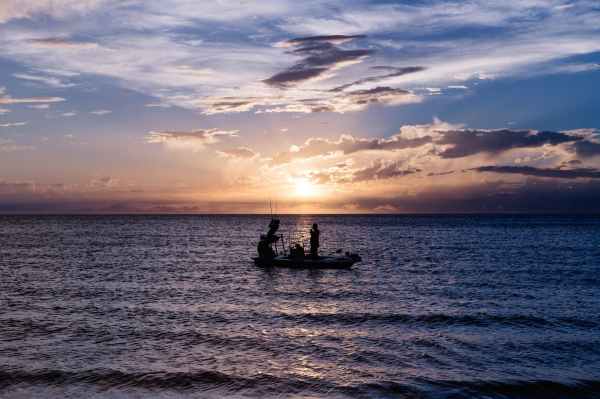
Take the case of Jonah (see Jonah 1-4). Jonah was given a clear mission from God– go to the great city of Nineveh and give them a message of judgment. Jonah could not “see” the outcome, but he could imagine a lot of things that made him run in the opposite direction! Nineveh was the capital city of his arch-enemies. The Assyrian armies had swept through Jonah’s land, and had very likely killed several of his family members. They were notoriously violent and Jonah must have presumed that there would be great danger involved in traveling into Nineveh, let alone proclaiming a message of certain doom!

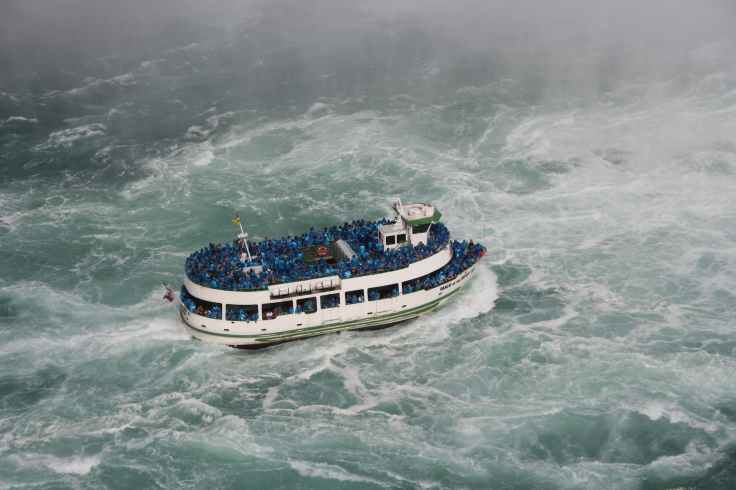
Photo by Alex Andrews on Pexels.com
Photo by Guillaume Soucy on Pexels.com

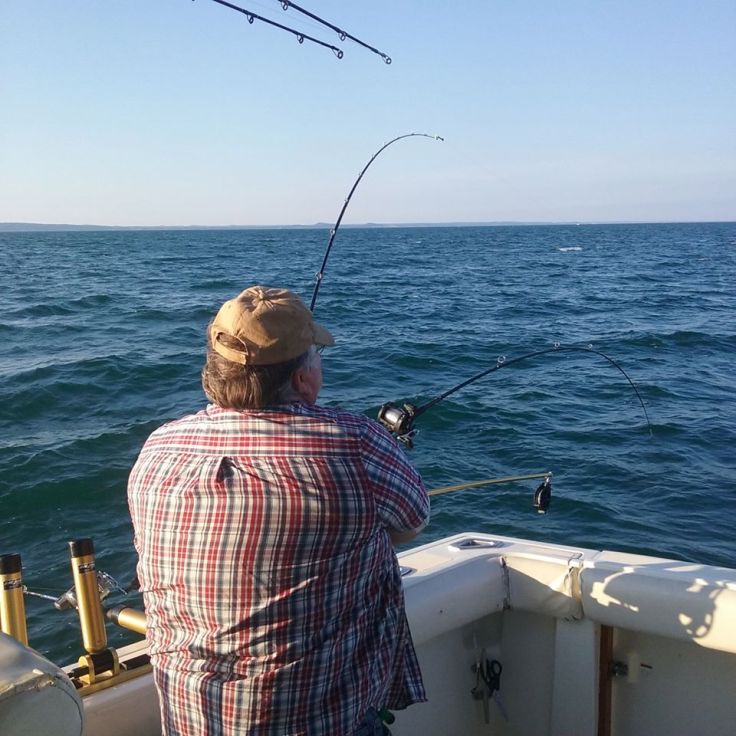
Jonah didn’t just ignore God’s command– he went as far as he could in the opposite direction. He wasted the opportunity to see what God had planned, choosing instead to run away. He boarded a ship for Tarshish. He probably thought that God would have to use someone else, or that He would bring judgment upon Nineveh without any warning. At least he, Jonah, would be safe. But God’s ways were not Jonah’s ways. God brought a fierce storm that threatened to sink the ship. The sailors were terrified, but Jonah felt the weight of his guilt. He told the sailors to throw him into the sea, and God would save them from the storm. Though the sailors probably felt they were sending Jonah to his doom, they obeyed. And they were amazed as the storm disappeared! Nothing about Jonah’s words or actions caused these sailors to see God’s glory, but see it, they did. And they worshipped

Jonah missed the opportunity to see how God worked “around” him to amaze the sailors– instead, he got another lesson in how God’s ways were not Jonah’s ways. Jonah may have expected to drown, but God sent a big fish to swallow him, instead. Jonah spent three days inside the fish, being saved from the icy waters of the sea, and transported back to land, where the obedient fish “spit” him out onto the shore.

God did not find someone else to send the message. God did not change His plans. God simply changed Jonah’s situation and gave him a second chance. This time, Jonah obeyed. And God performed another miracle. Instead of killing Jonah or ignoring his warning message from the Lord, the Ninevites believed. And they repented– from the King down to the lowest citizen. God relented and showed mercy in the face of such repentance. Jonah had the opportunity to see God’s mercy and wisdom.

Photo by Luis Quintero on Pexels.com

But Jonah wasted this opportunity, as well. Instead of seeing the gracious hand of God at work to change the hearts of his enemies, Jonah only saw that God had not acted with vengeance and harsh judgment. (Later, when the Ninevites returned to their old ways of life, God DID send destruction, but Jonah missed that, too.) In fact, Jonah was angry with God, and threw a temper tantrum as the Ninevites celebrated God’s kindness and mercy. Jonah was a prophet– he very likely had a long career doing God’s work. He probably had many successes, but the Biblical account we have of him tells only of his failure. In spite of that, we can see in the story of Jonah how God can use even failure to bring salvation and redemption to the lost. God’s ways are not our ways!

Photo by Daka on Pexels.com

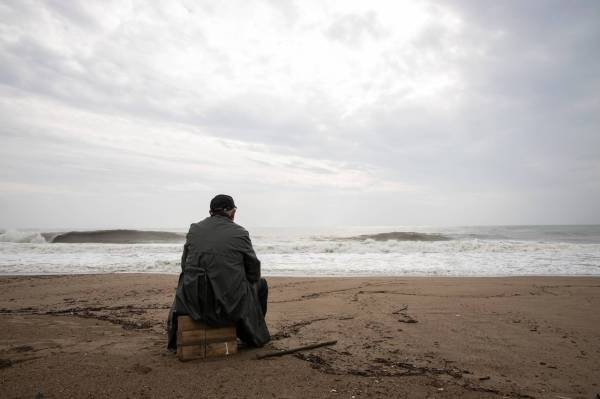
Today, I want to be encouraged by Jonah’s story. So often, I get bogged down in the mistakes of my past–missed opportunities and failures, things left unsaid, or actions that can’t be undone. It is important that we acknowledge our sins and mistakes; that we do what we can to make amends, and that we repent. But we must also acknowledge God’s power to make all things work together for good (Romans 8:28) and remember that “He who began a good work in you will be faithful to complete it.” (Philippians 1:6) Know too, that God knows the plans He has for you (Jeremiah 29:11) even though you and I cannot see the end of the story. God’s ways are not our ways (Isaiah 55:8); they are higher and Holier. His wisdom and power are infinite, and His plans are ultimately for our Good.

“Wasted” opportunities need not lead to years of guilt and self-torture. Instead, they should be learning experiences that lead us to greater faith, quicker obedience, and greater joy!

Be Sure Your Sin Will Find You Out

Photo by Monstera on Pexels.com

When I was a child, my Mom used scripture to teach and correct me. One of her favorites was found in Numbers 32:23b “..you may be sure your sin will find you out.” This was a warning not to try to hide or excuse bad behavior. I could lie about cleaning my room, but sooner or later, Mom would find out. I could pretend to eat my peas at dinner, but sooner or later, my pile of uneaten veggies would show up as evidence. And I could be nice to my little sister around company, but that wouldn’t fool those who knew us well, or convince my sister that I wasn’t going to be bossy after they left. Most importantly, God would know what I did– and I would know that God knew!
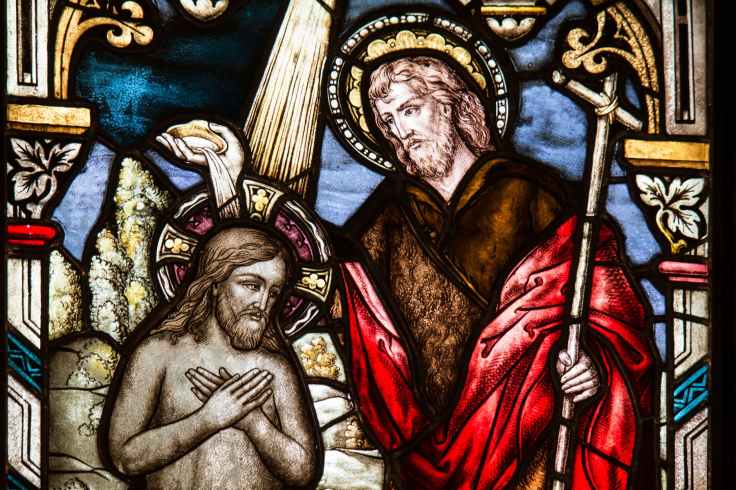
Sin is more than just a simple action, or an accident. Sin is an infection–a poison. And it leaves traces, and scars, and has consequences– not just in actions or consequences, but in the shaping of our minds, attitudes, and character. Sin– concealed, denied, ignored, or excused–breeds and grows; it poisons our thoughts and emotions. Instead of reacting openly and honestly, we become defensive, secretive, paranoid, and apprehensive.

Photo by Meruyert Gonullu on Pexels.com

Praying involves communicating openly and honestly with God. Sin will get in the way of that communication. Not on God’s part– He is unchanging. But on our part– we will not be fully open with God. We will be suspicious of His goodness, and doubtful of His mercy. We will try to hide our guilt and our true motives. As early as the Garden of Eden, this is the pattern. Adam and Eve tried to hide from God after they had eaten the forbidden fruit. “Where are you?” asked God (Genesis 3:9). Certainly He knew where they were, and why they were hiding. But Adam replied, “…I was afraid because I was naked; so I hid.” (Genesis 3:10) When God asked Cain about his brother, Cain tried to cover-up the murder with distractions. “I don’t know. Am I my brother’s keeper?”(Genesis 4:9) God never asked Cain whether or not he was responsible for his brother. But God already knew that Cain had killed Abel; Cain’s attempts to redirect the conversation did nothing to hide his guilt– it merely confirmed that Sin had wormed its way into his thoughts and attitudes. Cain never asked for forgiveness. He never confessed to the murder of his brother. Instead, he received the punishment for his sin– banishment and isolation. Later, Cain’s descendants even bragged about their family history of murder and exile! (Genesis 4:23-24)

Photo by NEOSiAM 2021 on Pexels.com

Of all the people we might try to impress, God cannot be fooled by our false righteousness. He cannot be impressed or distracted by arguments or justifications. And He can’t ignore how Sin is poisoning us, and leading us toward death– both physical and spiritual death. Even “little” “secret” sins will infect our relationships– with God and with others– and cause us to grow emotionally and spiritually numb. Unfortunately, the poison of Sin can cause us to withdraw further from the very source of healing. We attempt to bargain with God; to justify or excuse our actions in our own eyes, asking Him to ignore our condition. We may even be defiant, knowing we deserve punishment, but doubting God’s willingness or ability to bring about justice. We march boldly in the opposite direction, doubling down on our bitterness, anger, or shame.

Photo by Karolina Grabowska on Pexels.com

We need to seek God’s mercy and grace through confession and repentance. God is faithful to forgive and eager to restore to us the joy of His salvation (Psalm 51:11) He will do what all our mind-games and excuse-making cannot do–He will remove our sins from us as far as the east is from the west (Psalm 103:12). And once the poison of Sin is drawn off, we can see and hear, think and act with a clear conscience, free of guilt and shame; free of secrets and excuses. We may still face the earthly consequences of our actions– punishment for things we’ve stolen or lives we’ve hurt, broken relationships or changed circumstances–but the eternal consequences of death and separation from God have been erased by the Blood of Christ and removed forever.

Photo by Akshar Dave on Pexels.com

And that will lead us to prayers of worship and thanksgiving, freely and joyfully raised!

For more discussion on this principle, see https://www.gotquestions.org/be-sure-your-sin-will-find-you-out.html

Of Lighthouses, Watchtowers, and “Friendly” Reminders…

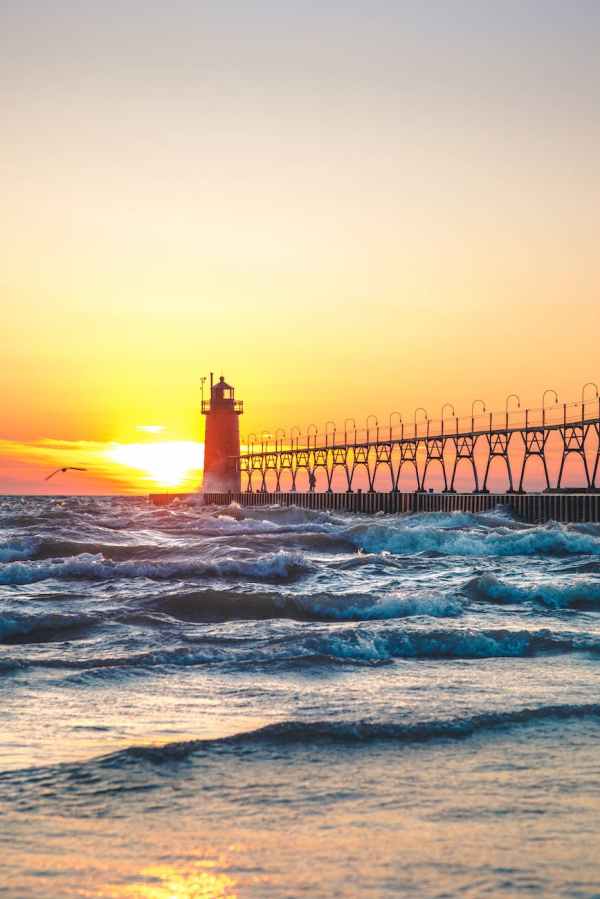
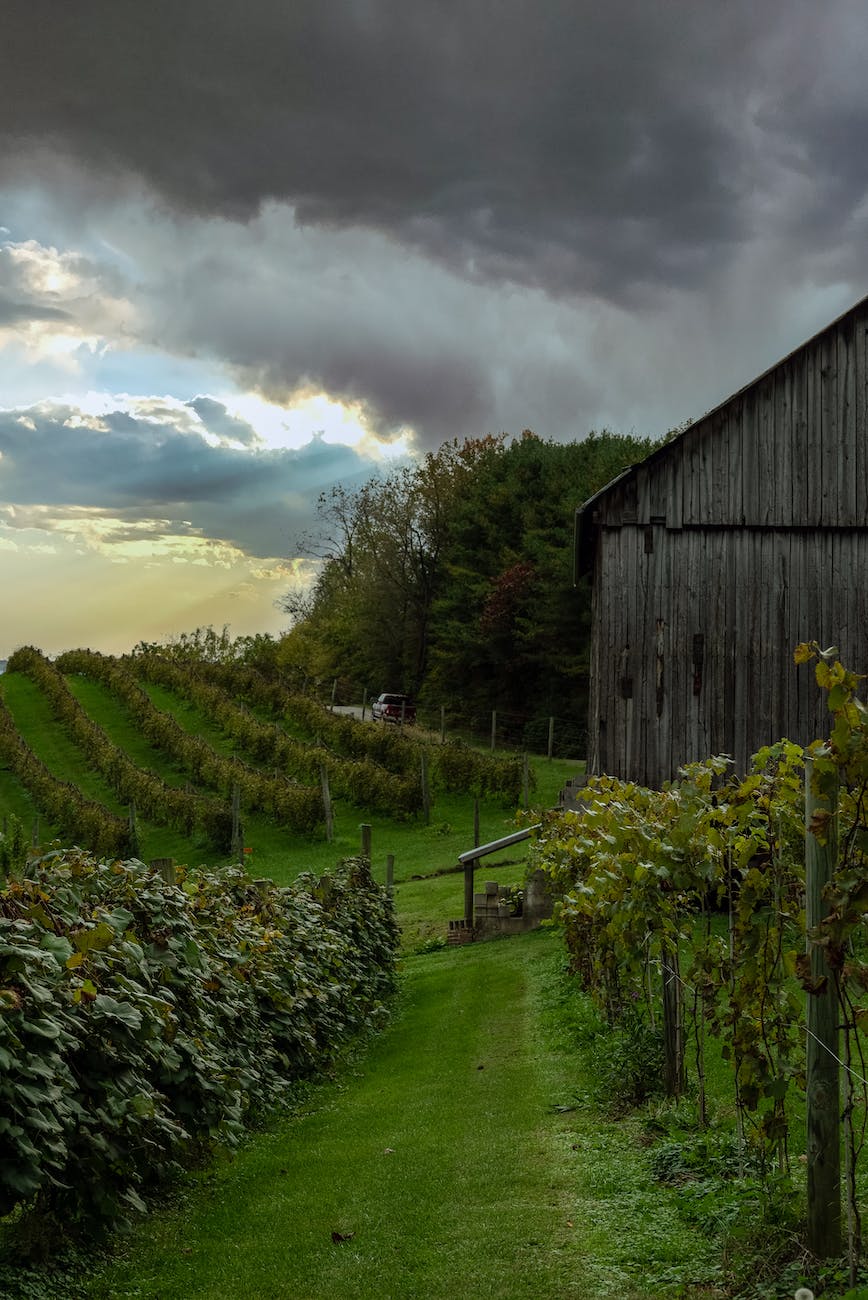
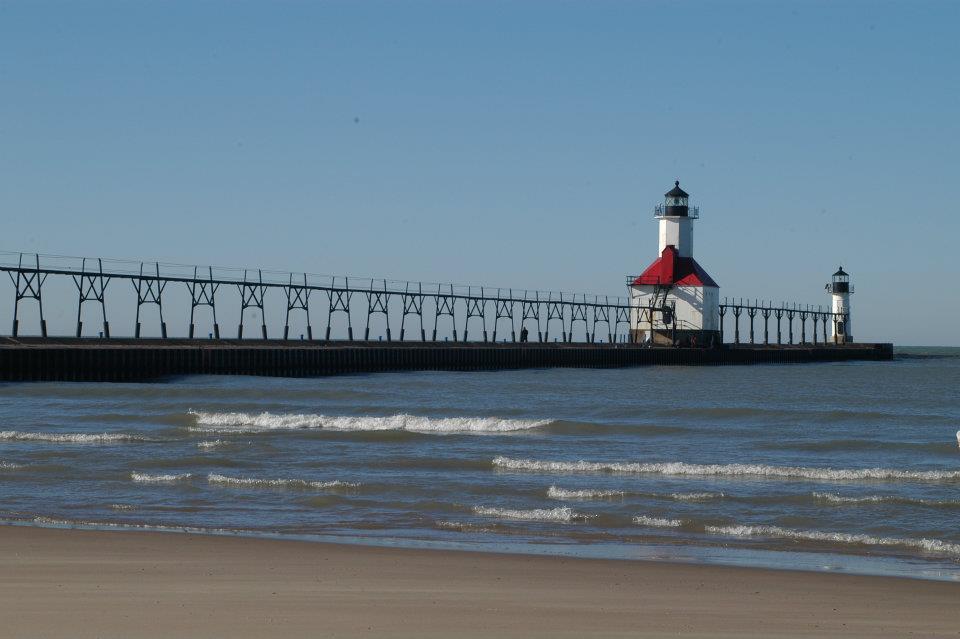
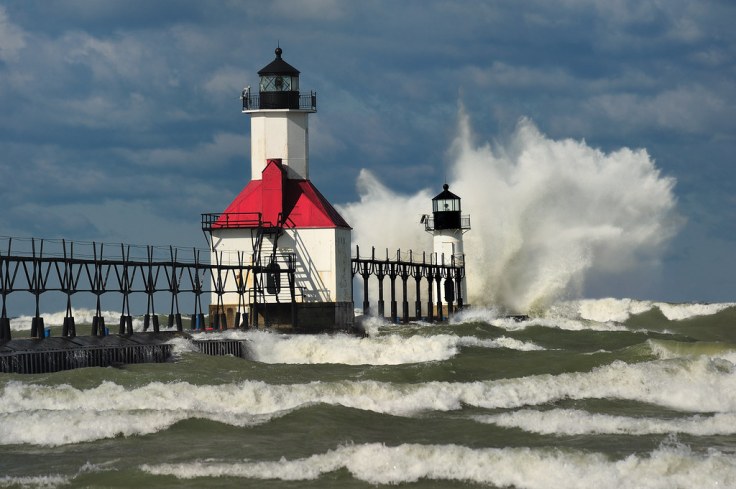
I live just about an hour away from one of the Great Lakes. Within a comfortable driving distance, there are at least three beautiful lighthouses along the lake. Driving to or from the lighthouses, we pass through an area known as the “Fruit Belt.” Orchards, vineyards, and croplands are bursting this time of year–the very air is redolent with the smell of ripening apples, grapes, corn, beans, berries, wheat, and more. Some of the orchards and vineyards still have old watchtowers, though many have been removed or replaced with digital cameras.

Photo by Chris F on Pexels.com

Lighthouses and watchtowers serve a purpose– one that is still important today. Lighthouses help ships and other lake traffic avoid dangerous reefs and rocks along the shore, as well as sandbars. They guide travelers in the dark, and through storms. Watchmen in towers protect crops from dangers such as fire and predators. They watch for storms, and signs of draught and frost. Both lighthouses and watchtowers are fixed, steady, visible, and convey safety and security.

Photo by Travis Rupert on Pexels.com

I’ve been reading through the prophets lately– Isaiah, Jeremiah, Ezekiel…the prophets were sending out a warning to the rebellious people of Israel and Judah. Even though the imagery is often graphic and stark, the message was one of steady love and warning from God. God loves us enough to guide us through the rocks and perils of life. He sends warnings– not to harm us but to keep us from harm. He sends faithful friends and other messengers to stand firm with us through the storm and drought and danger around us.

Photo by SHVETS production on Pexels.com

Just like the light from the lighthouse, or the sound of a foghorn, the message may be glaring and unpleasant, sometimes. We may be sailing along with no notion of the rocks ahead. Or we may be strolling through the vineyard, unaware of a prowling animal or a fire just over the next rise. We may even resent the warnings we read in the Bible or hear from friends. We may be afraid to BE the one giving out the warning– afraid of being misunderstood or resented or even rejected.

God asks us to be watchmen– to be lighthouses– ready to shout out a warning to those who may be in danger. He also asks us to be vigilant and ready to heed the warnings He sends through others.

Photo by Monstera on Pexels.com

How do we know when “friendly” reminders and warnings are true? How can we be sure that they are not just petty criticism or overreactions?

Check them against Scripture. And check them in the context of Scripture. A single verse, taken out of context, that seems to contradict other passages should always be suspect. But a general principle, found throughout the Old and New Testaments should be heeded.

Look for consistency. Lighthouses and watchtowers don’t bend and sway with the winds of change. “Warnings” that change with circumstances, or seem relative to certain situations should be suspect.

Listen for (and speak with) Love. Friends may speak words of warning, but they will also speak of mercy and hope.

Listen for (and speak) truth–warnings should contain specifics, rather than vague fears or blanket accusations.

Listen (and speak) with humility. That doesn’t mean that we cannot speak in our defense, but we should not be defensive or resentful– even if the warnings are spurious. Remember, Jesus was accused of being “from Satan” during His own ministry, yet He answered firmly and gently, not with anger or hatred.

Give Thanks! Give thanks that God sends us warnings, and gives us opportunities to recognize danger and error, and opportunities to repent and change course, and encourage others to do the same!

Turn, Turn, Turn

Back in the 1960s, Pete Seeger “wrote” a new folk song, later recorded by a group called The Byrds.  All but the title and the last six words of the song were taken directly (though the word order was changed) from the book of Ecclesiastes.  Essentially, Pete Seeger wrote seven words and some music; the rest was written by King Solomon almost three thousand years ago!  Learn more about the song here…

timelapse photography of stars at night
Photo by InstaWalli on Pexels.com

When God created the world, he instituted times and seasons– day and night; winter and summer; weeks and months.  We are bound by time while we live here.  Sunlight and darkness help determine when we are active or sleeping (less so since the advent of electric lighting); summer and winter (or rainy/dry seasons) determine when we plant or harvest, what we wear, how we travel, and what activities we plan.

snow nature forest winter
Photo by Pixabay on Pexels.com

But Solomon reminds us that there are also “seasons” that don’t depend on the weather or the amount of light filling the horizon.  There is a time to be born and a time to die; a time for laughter and a time for weeping; a time for war and a time for peace.  Our world is not static– it is filled with changes, and times for turning away from one thing and facing another.

For everything there is a season, and a time for every matter under heaven:

a time to be born, and a time to die;
a time to plant, and a time to pluck up what is planted;
a time to kill, and a time to heal;
a time to break down, and a time to build up;
a time to weep, and a time to laugh;
a time to mourn, and a time to dance;
a time to cast away stones, and a time to gather stones together;
a time to embrace, and a time to refrain from embracing;
a time to seek, and a time to lose;
a time to keep, and a time to cast away;
a time to tear, and a time to sew;
a time to keep silence, and a time to speak;
a time to love, and a time to hate;
a time for war, and a time for peace.

Ecclesiastes 3:1-8 (ESV)
Photo by Jenn on Pexels.com

Our prayers will change with these seasons– prayers of wonder and prayers of wondering why; prayers of great boldness and reluctant, halting prayers; prayers that come from joy, and those that come with wracking grief.  There will be seasons of chaotic busyness, and seasons of loneliness and long hours; seasons when we help lift the burdens of others before our own, and seasons where others help us lift burdens we cannot bear alone.  There will be seasons of fierce, pounding spiritual warfare, and seasons of relative peace and rest.

green grass field during sunset
Photo by Brett Sayles on Pexels.com

Solomon lays out the concept, but I like Pete Seeger’s addition of the phrase, “turn, turn, turn.”  It reminds me that the seasons of my life will change, but I need to change as well.  I need to turn, first of all, to see where God is working in my life and the lives of others– that’s where I need to be and where I need to be focused.  God will never leave me nor forsake me, but He loves me too much to “leave” me in a rut– He needs me to move on and finish the race He has set out for me.  Change can be difficult, but without it, there is no growth!

Photo by jonas mohamadi on Pexels.com

Second, I need to turn from habits and activities that are “out of season”–young parents will have a completely different way of mapping out their time, including time for prayer and Bible study, than empty-nesters.  People in mourning will have a different approach to prayer and worship than those who are in a season of celebration.  There is a season to break down–to end bad relationships and turn from bad habits–and a time to build up healthy relationships and habits.  There is a time to speak– to share prayer requests and spend time in corporate prayer; to ask questions and persist in our requests.  But there is also a time to stay silent– to meditate and listen more than we talk; to be still and know, instead of pace and ponder.  I don’t wear a heavy coat in the middle of summer or run barefoot in the snow– I need to turn in alignment with the season I am passing through.

barefoot basket blooming blossoming
Photo by Pixabay on Pexels.com

Finally, I need to turn away from temptation and sin.  God gives me the power, through His Spirit, to turn and walk away from the quicksand of complaisance, the tidal waves of desire, the live wire of unchecked rage, or the bottomless pit of envy, but I must turn away from them.

This life is full of seasons and change– some good, some dangerous.  But God is outside of time and seasons.  He provides endless variety, but He never changes His essential nature.  No matter where we turn, He can be found!

photography of maple trees
Photo by Johannes Plenio on Pexels.com

Fishers of Men

Earlier this week, my husband and I went fishing. As we were enjoying our time on the lake, and catching a few fish, I was reminded of the old song I learned in Sunday School:
“I will make you “fishers of men”…if you follow me.” Jesus said these words to His early followers, who were fishermen by trade (see Matthew 4:19). But what does it mean to be a “fisher of men?”

Photo by Public Domain Pictures on Pexels.com

The primary meaning is that we have a commission– found in Matthew 28:19: “Therefore, go and make disciples of all nations..” We are to go and “catch” men and women, taking them out of the sinful lifestyles we see around us, and bringing them into the Kingdom of God, much as fishermen take fish out of a lake or sea and bring them into the boat. But what practical implications can we take from the practice of fishing, that might help us as we carry out our spiritual commission?

  • First we much go where the “fish” are, and actively work to catch them. I can go to the lake, dip my toes in the water, even get into a boat and go sailing, and never catch a fish. The fish will not jump into my boat, or jump out of the water into a net. I must make an effort. I can follow Christ, and go to church every Sunday, participate in many spiritual activities, even pray every day, but if I never interact with lost and hurting people I am unlikely to become a “fisher of men.”
  • Next, we must recognize that we won’t “catch” all the fish! I know some Christians who become discouraged and depressed if they go out for one day of “evangelizing” and don’t make converts. They give up after one negative or unsuccessful encounter. “I’m not an evangelist.” “I can’t share the gospel– I just don’t have what it takes…” Imagine if fishermen responded that way– “I cast out three times, and never got a fish– I give up!” This is especially discouraging because our Great Commission is not to “convert” everyone; not just to go out and “catch” men and women with a hook or a net, but to make disciples. It is a process, but it comes with risks and no guaranteed “return” on our investment. Some “fish” are not ready to be caught. Some are meant for other fishermen. This should not lead us to be apathetic about lost neighbors or relatives, but it should remind us that we are God’s witnesses, not His SWAT team. Even Jesus didn’t “convert” everyone He met! But He did love them!
  • Third, and closely related, we must expect resistance. It is not natural for most people to respond immediately to the Good News of the Gospel. After all, it involves admitting our need for salvation, and submitting to the will of God. Fish that are taken from the water will die! And we must “die” to our selves and our selfish nature if we are to become Disciples of Christ.
  • Finally (and this is a bit of a stretch of the analogy, but bear with me…), we must have the right bait. This is not to say that the Gospel is inadequate or insufficient for the task. Rather, that we are not meant to hit people over the head with only our words– even when they come from Scripture! We do not create disciples by offering a bare hook. People are hungry– hungry for answers; hungry for hope; hungry for peace; and hungry for love. The Gospel lives in US– WE need to offer more than just the words of the Gospel–we need to LIVE the Gospel! To offer only condemnation or smug arrogance makes a mockery of the very Gospel we are supposed to share. Likewise, we do not create disciples by offering a shiny but “fake” gospel of easy answers and “cheap” grace without truth or repentance. It may hook a few desperate or gullible people for a moment, but once again, it is not our mission to merely “hook” people.
FISHERMAN#3/OK, 5/30/01, 3:52 PM, 8C, 8808×10935 (0+505), 150%, FISH, 1/10 s, R120.4, G94.7, B105.7

David and I enjoy fishing– we enjoy spending time in God’s beautiful nature; we enjoy the quiet and peace; and we enjoy the challenge of finding where the fish are “biting” on a particular morning. And I’m so glad that Jesus gave us such wonderful analogies and word-pictures to help us understand His love for us and His plan for spreading the Good News. Finally, I’m glad that I’ve been taken from the “lake” of sin and given new life by the great “Fisher of Men!” I pray that I can help others find and follow Christ, as well.

Building Walls

I’ve been reading in the book of Nehemiah this week. Nehemiah’s quest to rebuild the walls of Jerusalem may strike a discordant note in today’s Western culture. Back in ancient times, most cities were enclosed with high walls. This kept invaders out, and gave protection and a sense of identity to those who lived within. Today, we have cities spilling into other cities in sprawling metroplexes. We have trains, buses, and airplanes constantly shuttling between cities. Walled cities are not practical. Even the borders between nations have become porous and flexible (except during times of war or distress!) It can be difficult for modern readers to share Nehemiah’s distress at the state of Jerusalem’s wall, or his passion to see the walls rebuilt. After all, Jerusalem was a conquered city, being ruled by foreigners–the invaders had already gotten in! The project seems to us like a waste of time, materials, and energy. Even in his own day, the project seemed problematic, and Nehemiah faced resistance on many fronts.

Photo by Steven Putong on Pexels.com

Yet God put it upon Nehemiah’s heart to do this; He answered Nehemiah’s plea to soften the King’s heart, and provided Nehemiah with an abundance of materials and even protection for the journey. It seems as though it was important to God that these walls were rebuilt. Why? How does God feel about walls, anyway? Did He not give Joshua great victory by making the walls of Jericho collapse? Does He not command the Israelites to welcome and be kind to foreigners? Did the Apostle Paul not say that “there is neither Jew nor Greek, there is neither slave nor free, there is no male and female, for you are all one in Christ Jesus”(Galatians 3:28 ESV)? How do walls fit in with God’s plan for our lives?

Photo by Ryutaro Tsukata on Pexels.com

Part of our confusion may lie in our understanding of walls in ancient cities. We know they provided protection from invading armies, but they did much more–and they represent much more in the Bible. Walls not only provided protection to ancient cities– they provided structure and definition. Walls kept strangers out, but they also had a series of gates to let people come and go in an orderly fashion. There were gates used for commerce, gates that served ceremonial functions, gates that smoothed travel through the city, and even gates that were mostly used to transport garbage and dung outside of the city.

Photo by Rachel Claire on Pexels.com

Walls and gates also gave a sense of identity to people in and around the cities– some people lived close to (even in or on) the city walls. All those who lived within the city “belonged” to that city– and those who lived and farmed close by could claim the protection of the city walls in times of danger– whether from siege or natural disasters. They could also expect the city dwellers to be a ready market for their products or services. Travelers and traders could expect to be safe inside the walls of a friendly city– such protection could not be found on the open road, nor in many smaller towns. Cities tended to have more public services, better systems of laws and more stable economies. Walls could help control the flow of commerce, ideas, and loyalties.

Just before the book of Nehemiah is the book of Ezra. Ezra was a priest and historian who also traveled to the fallen city of Jerusalem. His mission was to help rebuild the Temple, and to make sure the priests were purified and re-establishing the Jewish religious practices after years of exile. At the end of the book of Ezra, it is discovered that many of the returning exiles have broken the Jewish laws by intermarrying with foreign women, and “adding” idol worship and pagan practices to their worship of the One True God. The city –and all of its structure and identity–had been destroyed; the Temple and the Walls were gone, and the area was open to all the peoples and practices of the surrounding cultures. Over time, even the priests had become defiled, no longer obeying, or even knowing, their own laws and customs! It is in this context that Nehemiah’s book begins to make more sense.

Photo by Suliman Sallehi on Pexels.com

God is concerned about the “walls” in our lives– boundaries in our behavior and worship. Some walls may need to crumble and fall like those of Jericho– walls that keep us locked away, smug and proud, defiant and unapproachable. Walls that create barriers without providing protection or shelter. Walls that stand in the way of God’s authority in our lives. Other walls may need to be strengthened and rebuilt– walls pocked with compromises that have eroded our commitments; unguarded gates where lies and confusion have stolen in and weakened our faith; areas where the pressures and stresses of life have chipped away at the building blocks of our Christian walk.

In the very first chapter of Nehemiah’s book, there is a prayer– it is not about rebuilding a wall for power or protection–it doesn’t even mention the wall– rather it is about repentance, restoration, and recommitment:

In the month of Kislev in the twentieth year, while I was in the citadel of Susa, Hanani, one of my brothers, came from Judah with some other men, and I questioned them about the Jewish remnant that had survived the exile, and also about Jerusalem. They said to me, “Those who survived the exile and are back in the province are in great trouble and disgrace. The wall of Jerusalem is broken down, and its gates have been burned with fire.”
 When I heard these things, I sat down and wept. For some days I mourned and fasted and prayed before the God of heaven. Then I said: “Lord, the God of heaven, the great and awesome God, who keeps his covenant of love with those who love him and keep his commandments, let your ear be attentive and your eyes open to hear the prayer your servant is praying before you day and night for your servants, the people of Israel. I confess the sins we Israelites, including myself and my father’s family, have committed against you.  We have acted very wickedly toward you. We have not obeyed the commands, decrees and laws you gave your servant Moses.
Remember the instruction you gave your servant Moses, saying, ‘If you are unfaithful, I will scatter you among the nations, but if you return to me and obey my commands, then even if your exiled people are at the farthest horizon, I will gather them from there and bring them to the place I have chosen as a dwelling for my Name.’ They are your servants and your people, whom you redeemed by your great strength and your mighty hand.  Lord, let your ear be attentive to the prayer of this your servant and to the prayer of your servants who delight in revering your name. Give your servant success today by granting him favor in the presence of this man.”

Nehemiah 1: 1b-11 NIV
Photo by Nicola Barts on Pexels.com

May we be willing to pray for the walls in our lives– those that need to come down, and those that need to be rebuilt!

Sifting Through the Ashes

A Poem for Ash Wednesday

Photo by Jeremy Bishop on Pexels.com

Father, I look around, and all I see are the ashes:
Broken dreams, lost opportunities, burned-out passions..
Everything else is consumed.

Photo by Karolina Grabowska on Pexels.com

I sit here, on this heap of ashes: sifting through cold dust motes–
There is no heat, no burning embers, no trace of what was.

Such is the nature of sacrifice.
You don’t desire the stench of a half-burnt ram, or a singed goat.
You don’t relish a pile of smoking bones, or a half-hearted heart.

But you honor ashes and sacrifice given
With a whole and willing heart–
Even a broken one.


Your holiness consumes all that is temporal.
The ashes left are what you desire; the essence, the emptiness.
In exchange for them, you pour out
Life and blessing, gladness and healing.

As I sift through the ashes, I will not find the life I built,
The dreams I nurtured,
The honor I sought:
Instead, I will find evidence of the Holy Fire.
The ashes will be scattered to the wind.
They will fall on the waters.
They will become incense and prayers.
I will wear them on my forehead:
Your Holiness has burned away the dross.
My sacrifice is gain, not loss.

Photo by Andrea Piacquadio on Pexels.com

Cleanliness or Brokenness?

“Cleanliness is next to Godliness.” If you grew up hearing this old maxim (as I did), it may seem like something very wise–even Biblical. After all, so many of the chapters in Leviticus talk about ritual washing and being clean (or unclean). God’s people should be clean and tidy, organized and pure. But if you continue reading through the Old Testament, God becomes very angry with His people. Sure, they are following the letter of His law. They are bringing sacrifices, making sure that they wash everything properly and measure out the right amounts of incense. In Jesus’ day, the Pharisees even tithed their spices! Yet, Jesus called the Pharisees a “brood of vipers,” (Matthew 12:34) and “whitewashed tombs, which look beautiful on the outside but on the inside are full of the bones of the dead and everything unclean.” (Matthew 23:27b NIV)

Photo by Ron Lach on Pexels.com

We spend so much time worrying about appearances. But just because our lives look “clean” and “tidy” doesn’t mean that we are close to God. God isn’t impressed by our outward observance of His laws or by our neat appearance. Jesus did not reach out to the clean and tidy Pharisees; He went out of His way to speak to lepers and tax collectors and others who were considered “dirty” and tainted.

Photo by ding lei on Pexels.com

That doesn’t give us a pass to be slovenly or careless about hygiene! But it does mean that we should care less about what others see, and more about what God sees–on the inside. God wants to see hearts that are humble and willing to serve. He doesn’t want clean hands that are unwilling to reach out in love; He doesn’t want spotless houses or cars filled with complaining, gossip, and anger. God hasn’t asked us to “tidy up” our lives or “get our act together” to impress our neighbors. He asks us to repent of our uncleanness; to be broken in spirit, so that we will submit to His yoke and follow Him. HE will provide the cleaning we need, through the power of His “once-for-all” sacrifice!

Photo by Pixabay on Pexels.com

In other words, “Brokenness is next to Godliness; and Godliness leads to Perfect cleanliness.” Our sins cannot be covered up or cleaned up by our efforts; they can only be washed away by the Blood of the Lamb. Only through Him can we become truly clean.

When we come before God in prayer, let us come, not just with clean hands, but with hearts that are open and tender, willing to listen to His words of wisdom, and follow in His footsteps.

More Evidence of Things Not Seen…

I have a story of a miracle that happened this past week.

This has been a difficult year for my husband and I. We had COVID back in February, and between hospital bills and David being unable to return to work for several weeks (and then being able to return only part-time), our finances have been rather tight. God has been faithful throughout, so it was a lack of faith that had me in a panic at the end of the week. Several of our monthly bills come due on the 10th each month, and we had only enough money in the bank to make a partial payment on one of them. David got paid on Friday (the 10th!), but that was still only enough to pay two bills. The one bill I was unable to pay was our health insurance premium– not a comfortable choice with our continuing health issues! We would be behind again, as I had paid last month’s bill a couple of days late. I had no idea when we would have enough money to make this month’s payment.

Photo by Mikhail Nilov on Pexels.com

So Friday, we got a statement from our health insurance/health share network. I was afraid to open it. It wasn’t our regular monthly statement, and it was on pink paper, which generally means a warning about a past due account, or worse, a cancellation notice. I was sick with worry– so much so that I put the statement aside, afraid to open it and read the worst.

Photo by Andrea Piacquadio on Pexels.com

By Saturday night, I was frantic. I couldn’t sleep, wondering and worrying. I “knew” that God was aware of our situation, and that He was in control. I also knew that another big bill would come due on the 15th– with no money in sight. I cried, and pleaded with God to help me trust Him, and to meet our needs.

Photo by Alex Green on Pexels.com

At that point, I heard a clear prompting from the Holy Spirit to find the statement and open it. How could I say I trusted God when I was too scared to even look at the situation? I found the statement and took it into the kitchen to open it and look, without waking my husband. My hands shook as I unfolded the pink paper.

Photo by Castorly Stock on Pexels.com

And as I read, I cried– this time tears of joy and repentance as I read the short note and saw the attached check. Our insurance comes through a health share network. The members of the network pay a base fee each month and can send extra money to help other members in need. Their generosity meant that a check– more than enough to pay our own monthly premium and the other looming bill on the 15th– had arrived just when we most needed it. My fears were turned to praise in an instant as I SAW what God had done, instead of seeing what I dreaded.

God didn’t send us thousands of dollars to meet all our desires. But He sent, through the faithfulness of strangers, enough to meet our needs, and, more importantly, enough to remind us of His power to provide and His grace to meet our spiritual needs.

I know God answers prayer. I know it because the Bible says so. I know it because I have seen it in the lives of others. And I know it from personal experience. I know that, even if that pink notice had NOT been an unexpected miracle, that God was still present, waiting for me to trust His wisdom and timing.

Photo by Munmun Singh on Pexels.com

“Faith is the substance of things hoped for; the evidence of things not seen”..(Hebrews 11:1). This weekend, what I imagined I saw through the eyes of doubt was really evidence of God’s great faithfulness. I just needed to open the eyes of faith– and open the evidence that was right before me all along!

The Whale and the Worm

Photo by Daniel Ross on Pexels.com

God keeps calling my attention to the book of Jonah. It’s not a very lengthy or in-depth book. It has only four chapters, and it tells a single story of the prophet Jonah and his mission to preach to the people of the Assyrian capital of Nineveh. But it is filled with lessons about prayer, obedience, gratitude, repentance, and Grace. https://www.biblegateway.com/passage/?search=Jonah%201&version=NIV And we learn four important things about God: He sends, He saves, He sustains, and He suspends.

  • FIrst: God sends. The book of Jonah reminds me of reading Ernest Hemingway. It is compact, terse, and to the point. The very first verse reads, “The word of the Lord came to Jonah, son of Amittai.” There is no other intro, no back story, no conversation between Jonah and God… Yet there IS a back story: elsewhere in the Bible, Jonah is mentioned as a prophet of God. Jonah wasn’t an unlikely choice to take a prophecy to Nineveh. He wasn’t new to the whole “prophet” gig– he wasn’t a farmer or a fisherman or a young shepherd boy. He was an experienced seer and prophet.
    I mention this because God sends who HE wants to send. He didn’t have to give this message to Jonah. And when Jonah ran away, God didn’t have to chase him down and give him a second chance. There were other prophets who might have delivered the message without any fuss or drama. There were priests, soldiers, merchants, and shepherds who could have done the job (and likely done a better job!) The book of Jonah reminds us that God’s purposes are often multi-faceted. God’s purpose in sending Jonah wasn’t just about the Ninevites– He wanted to work in and around and through Jonah to reveal His character. He also sent the big fish (the Bible never says it was actually a whale), and later a gourd vine and a worm– all to minister to Jonah. They all appear in the story, but only to Jonah, not to any of the others!
    God will send us–or He will send people (or big fish) TO us. He will send people and things to bless us; and to test our patience! But God sends us what is meant for our good and His glory.
  • God saves: Each chapter contains an example of God’s salvation– In chapter one, God not only saves Jonah from drowning by sending the big fish; He also saves everyone else on the ship. An entire crew of hardened seamen are stunned by God’s power and grace. In chapter two, God rescues Jonah from the fish’s belly, and gives him another opportunity to fulfill his mission. In chapter three, God sees and hears the pleas of the Ninevites–He withholds His judgment and showers the city with amazing Grace. In the final chapter, Jonah wants to die (twice!), yet God provides comfort, compassion, and correction in response. At the end of this book, in spite of storms and raging seas, prophecies of doom and destruction, dangerous journeys, scorching sun, and disobedience, rebellion, and evil– NO ONE DIES!
Photo by Scott Webb on Pexels.com
  • God Sustains: God could have rescued Jonah without the “whale.” He could have calmed the storm. He could have caused Jonah to walk on water. He could have created a path of dry land for Jonah to walk on… But God caused Jonah to be in the belly of the fish for three days– a circumstance that Jesus used to foretell His own death and resurrection. God sustained Jonah even in the midst of his bitterness, anger, depression, and rebellion. He gave Jonah a miraculous rescue– one Jonah could have shared with the Ninevites to illustrate God’s Mercy. I find it curious that the King of Nineveh invites everyone to fast and pray, saying “Who knows..” Jonah KNEW! He was a living example of God’s Grace and Power. He could have shared this wonderful news with the people of Nineveh, yet he chose to share only the message of God’s wrath. Jonah had the biggest “fish story” in history, and he chose to keep it a secret! In spite of this, God sustained Jonah’s life– against Jonah’s own wishes! How has God sustained us in moments of crisis, doubt, and infidelity?
  • God Suspends: What does that mean? Well, in this book, it means several things. God suspends His judgment against the city of Nineveh–in later Bible books, we see that the people of Nineveh and Assyria return to their evil ways. They do not turn completely from their worship of idols and their detestable practices. Within a couple of generations, they experience the total destruction that Jonah predicted. God is Gracious and Merciful; He is also Righteous and Just. Jonah’s mistake was to despise God’s Mercy toward his enemies; the Ninevites’ mistake was to forget God’s Holiness. But God also suspends Jonah’s life– three times Jonah expresses a passive desire to die: he asks to be thrown into the sea (he does not know or expect that God will rescue him); he asks to die after the Ninevites are spared; and he asks to die when the worm destroys the gourd vine. But Jonah’s desire to die goes unfulfilled. God’s purpose is not that Jonah should die, but that Jonah should learn to LIVE and love: love his life; love his God (better); and love his former enemies. Sadly, we never find if Jonah ever learned his lesson. The author of Jonah leaves us “suspended” as well.
Photo by Artem Bali on Pexels.com

Our God sends “whales” to rescue us from our rebellious wandering, and “worms” to take away those comforts that keep us from seeing our real needs. He saves us, even though we don’t deserve a second (or third or thirtieth) chance. He sustains us, even in times of failure. And He suspends us, withholding His wrath and giving us loving compassion and correction.
Jonah is not a very lovable character– and that is a great comfort to me in times when I am faced with my own failures and missed opportunities. The people of Nineveh were despicable! They deserved justice and judgment. But God loved Jonah; and He loved the people of Nineveh. And He loves us– more than we deserve; more than we can imagine. He loves the unlovable. He loves the despicable. He loves those who cannot love themselves, and those we are convinced we cannot love.

Photo by Luis Quintero on Pexels.com

May we learn a lesson today from the “whale” and the “worm”– we can trust God for Mercy and for Justice. We can trust Him to save and sustain us; to send us and suspend us. And we can rest in His love and care–whether we find ourselves in a raging sea or caught in the scorching heat, or sent on a mission that tests our heart and soul to its limit.

Blog at WordPress.com.

Up ↑