Sacrificial Prayer

I call this blog “Pursuing Prayer.” I believe prayer is a pursuit; a discipline that one can learn from, grow into, and practice faithfully in life. But prayer is also a sacrifice. It involves giving of time, space, and honest reflection.

Sometimes, prayer is a willing and joyful sacrifice. I want to come and spend time with My Father in praise and worship, adoration, and even asking for His guidance and wisdom. But sometimes, the sacrifice is hard. I may dread coming to God when I know I have been dishonest or unfaithful. Like any relationship, I cherish the easy times, the relaxing times, and the expectations of challenges met and conquered. I don’t look forward to the hard work, the waiting, or the corrections that God may have for me.

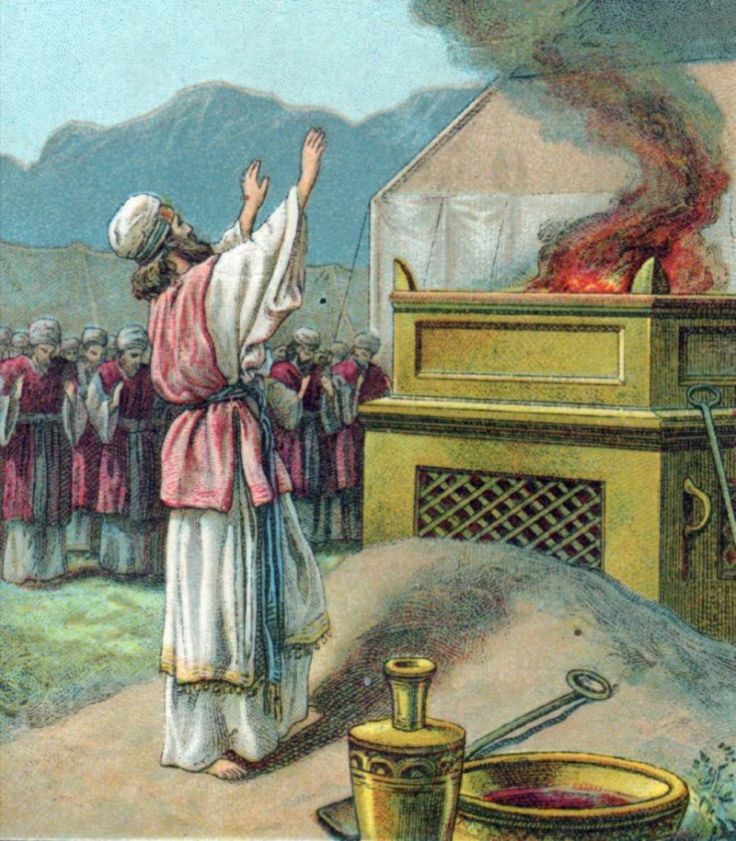
One type of sacrifice that doesn’t belong in the prayer of a believer is the Sin sacrifice. As described in the Old Testament books, the sin sacrifice had to be given to cover over the sins of individuals, priests and even the entire nation. The Israelites even had to give a sin offering for unintentional or accidental sins!

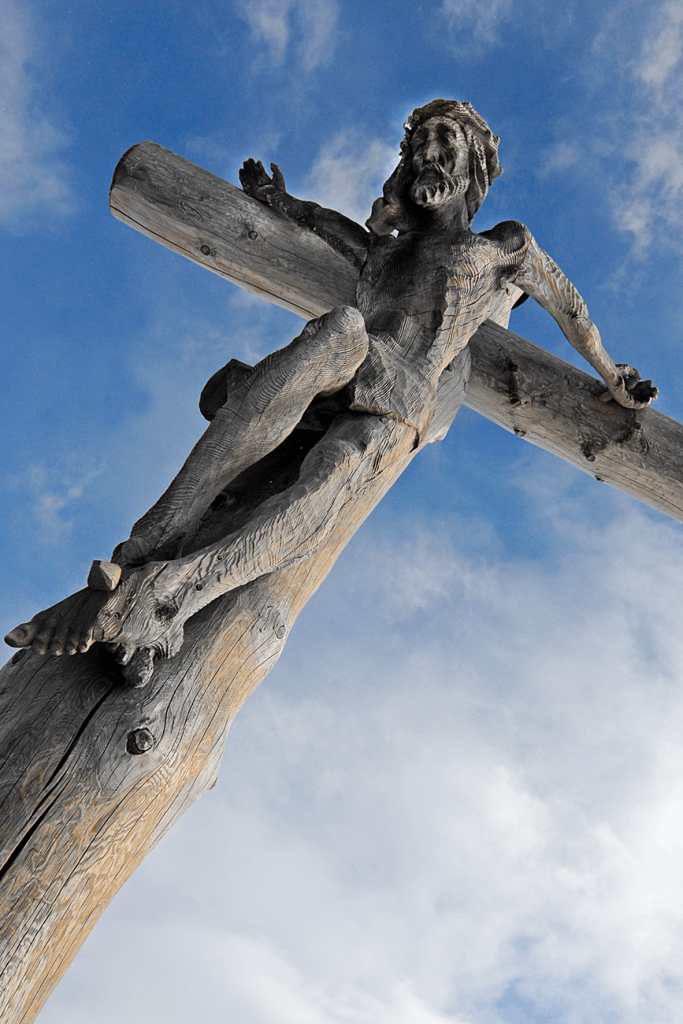
Unfortunately, I sometimes make the mistake of thinking that I must make a similar “sin sacrifice” in my prayer life– that I have to rehearse and recount all my past sins before God will hear me or act on my behalf. And that is NOT Biblical. If we are truly trusting in Jesus’ finished work on the cross, we are not obligated to offer token sacrifices as a means of covering over our past. Christ’s blood IS sufficient! (See 1 John 2:2, 2 Corinthians 5:21,1 Peter 2:24, and Romans 5:9 among others)

So when I talk about prayer of confession, I’m not talking about pouring out long laundry lists of sins I committed last week or thirty years ago. God already knows– in fact He knew about them before they happened!–and He has already forgiven me. That doesn’t mean that He wants me to pretend they never happened or that He doesn’t want me to feel the regret or understand the consequences of what I have done. Instead, He wants me to understand and rejoice in His overwhelming Mercy and Grace! My sacrifice, when I confess my sins, is a sacrifice of praise for God’s willingness to offer what I can never earn or deserve or atone for– complete forgiveness and restoration! I am agreeing with God about who I am and what I’ve done, AND about what He has done for me!

There are other times when prayer can be a difficult sacrifice. Sometimes, I am compelled to pray for those who have hurt me, or those whose actions have hurt others. I am commanded to pray for leaders– that may include church leaders who have sinned, or national leaders who have broken their promises or caused great damage. I am commanded to love my enemies, even if they never repent for things they have done.

Once again, I should be reminded of the sufficiency of Christ’s sacrifice for our sins. He didn’t just die for my Sin; He died for the sins that were committed against me. I may still feel the pain and consequences of that Sin for as long as I live on this earth. But I can trust and be confident that God has dealt with it. And that causes me to rejoice, because I can’t turn back time; I can’t undo the bad things that have happened; I can’t create perfect justice to punish my enemy. But I can let go of the burden of trying to make things “as they should be.” God will do it; He has promised! I can stop wallowing in the “what ifs” or the “what-could-have-beens;” the endless “whys” and “why me’s” that take up so much of my time and focus. Instead, I can leave them as a sacrifice on the altar of prayer, pledging my trust in the Almighty to heal and help me forgive as I have been forgiven.

We don’t practice the old animal sacrifices of the Old Testament. And we don’t have to! But sacrifice is more than just bleeding sheep and burning incense. Sacrifice is offering all of who we are to the One who created us, sustains us, forgives us, and gives us abundant life!

An Old Prayer for a New Year

Our Father,
Who art in Heaven,
Hallowed be Thy Name.
Thy Kingdom come.
Thy will be done
In Earth as it is in Heaven.
Give us this day our daily bread,
And forgive us our trespasses
As we forgive those who trespass against us.
And lead us not into temptation,
But deliver us from evil.
For Thine is the kingdom,
The power, and the glory,
Forever and ever,
Amen

Jesus taught His disciples to pray when He was on Earth. It is a simple prayer, and it is meant to be used as a guideline.

As we enter a new year, we discard many of the “old” things in our lives, but I’d like to take a close look at how this “old” prayer can breathe newness and vitality into 2025.

Our Father— When we pray, we are praying to a very personal God; one who loves us each intimately. But we are also praying to the God who loves our neighbor, and our “enemy.” He is OUR Father. We can, indeed we must pray for others as we would pray for ourselves. And we must see God as our Father– the one who has both Love for us AND Authority over us. He is not removed from us, but He is not listening for us to dictate to Him what He should do.

Who art in Heaven–Yes, Heaven seems far removed from Earth, and God remains removed from us in the sense that we cannot see him with our eyes or hear him with our ears. But God IS in Heaven– He sits on the throne; He reigns; He rules, now and forevermore. God is not trapped here on Earth; he’s not just passing through on His way to some other galaxy; some other reality. He IS and will always be accessible, glorious, all-knowing, and all-powerful over all that we can ask or imagine (see Ephesians 3:19-20)

Hallowed be Thy Name–The very first three of the Ten Commandments all deal with the Holiness of God and the Sacredness of His Name. When we lose sight of WHO HE IS– when we think of Him as “the man upstairs,” or any other image that fails to acknowledge HIS awesome and majestic Holiness, we lose the very power of prayer. Prayer is not powerful because of WHAT we pray or who we pray for, or even in relation to who WE are in relation to God–it is powerful because of His Name, and His Character, and His Authority.

Thy kingdom come–We have a tendency to pray for the kingdom WE want; the outcomes we want; the visions that we have. Prayer is about more than that– it is about being willing and eager to listen for the outcomes GOD has planned, for HIS kingdom, HIS plans, HIS timing, HIS justice, HIS healing, HIS mercy, and HIS final word.

Thy will be done in Earth as it is in Heaven— Earth, and all the systems we know on earth, are broken and tainted by Sin. When we pray, we pray for something we have not ever experienced fully– that we would know God’s perfect peace; perfect fulfillment; perfect righteousness. Often our prayers are limited by what we know, including the brokenness of our own visions and desires. Prayer should take us beyond those limitations. We need to be open to what HE can do, even when it doesn’t match our expectations.

Give us this day our daily bread— What if we were content to let God give us, not what we want, or wish, but what we NEED for each day? Just enough strength and healing to get through one day of Chemo treatments; just enough peace to deal with the uncertainties we face in the next 24 hours; just enough grace to witness to our co-worker, without expecting an immediate positive response? At the same time, what if we are open to God providing enough “daily bread” to feed 5,000! God is sovereign to give us according to the NEED He sees.

And forgive us our trespasses as we forgive those who trespass against us. When we pray this– REALLY pray this– we must examine our motives for prayer and our actions toward others. Do we want God to forgive us in the same manner and to the same degree that we forgive others? This should be a transformative prayer every time we say it.

And lead us not into temptation but deliver us from evil— Jesus never said that God tempts us, such that we should have to ask Him not to. But we are likely to walk straight into temptation if left to our own devices. We need God to lead us away from temptation and protect us– deliver us– from the evil that we will encounter in this broken world. There is a deeper prayer here, as well. We tend to think of temptation and evil coming from various people that we encounter. The prayer here is not to protect us from other people, or the influence of others, but to lead us away from our own desires and protect us from Evil. It may help us with forgiveness (above) when we remember that our true enemy is not an individual person, but the Evil working in them.

For Thine is the Kingdom, and the Power, and the Glory Forever and Ever— We must be careful not to pray for our own kingdom (selfish desires) our own power (separate from God), or our own glory. God wants to know what is in our heart, and He wants to see our heart being discipled and shaped into an accurate reflection of His humility, His mercy, and His Love– that how His Kingdom operates!

AMEN!–“May it be so.” Our prayers, like our lives, are not perfect. We have not achieved or imagined all that we “should” pray for. God’s Grace is sufficient to cover when we ask for more (or less) than God has planned for us. Our spirit should trust that God will continue the work He is doing to make us more like Him as we pursue His will and His Kingdom (see Philippians 1:6)

This year, we will be tempted to try many “new” things. Some will be good for us; others may not be in our best interest. I hope that this year, we will grow in our pursuit of prayer– that we may find new ways to draw close to God in prayer. But let us not abandon the fundamentals that are included in this “old” and dear prayer of our Lord Jesus.

And Wonders of His Love…

“He rules the world with Truth and Grace,
And makes the nations prove
The glories of His Righteousness
And wonders of His Love.”

Christmas is a time of wonder. Even stories that have little to do with the birth of the Christ Child– Frosty the Snowman, or A Christmas Carol, or The Grinch Who Stole Christmas–involve miracles and wondrously unexpected transformations. We thrill to see redemption and hope triumph over gloom and bitterness. We cheer when the Grinch’s small heart grows three sizes, or when Rudolph the Red-Nosed Reindeer makes the team and leads Santa through a snowstorm. We want to believe that there is a special magic about the first snowfall of each year; that the very coming of Christmas Eve holds a special promise of Peace and Goodwill.

But the ultimate Wonder is that of God’s Love for us:

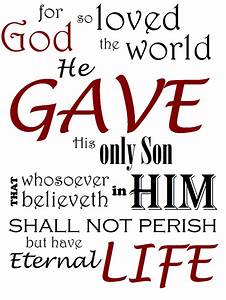
God SO LOVED the world– not because the world was lovable; not because the world’s people were just and kind and honorable; not because God was blinded to the world’s sickness and sorrows and just wanted to feel “groovy” about the world. God just loved the world SO MUCH…


That He GAVE– God didn’t just talk about Love and Joy and Peace– He GAVE–His only begotten Son. He, the creator, became the created– the ruler of the universe became a helpless baby born in a crowded city, banished to a barn because there was no room reserved for his coming. God gave lavishly, sacrificially, completely– He poured out His majesty to take on humanity, and then poured out his human life in service and sacrifice. He kept nothing back– none of his power to avoid injustice, shame, or death; none of his glory or majesty. He suffered the indignity of dusty roads, homelessness, sleepless nights, and crucifixion. He suffered the loneliness of misunderstanding and betrayal by his friends and family.


That WHOSOEVER BELIEVETH IN HIM– Whosoever! Not the noble, not the rich, not the “eminently qualified,” not the beautiful or strong or intelligent “enough.” God yearns to bring the wonder of redemption to the very ones who are ready to give up; to those who know they don’t deserve God’s love and grace; to those who have not known joy or peace, only darkness and grief– those who cannot earn God’s favor can have it in abundance, if only they believe that God exists, and that He rewards those who earnestly seek Him (Hebrews 11:6)

SHALL NOT PERISH, but have everlasting/eternal life–What a wonderful promise! Wonderful because it is beyond our ability to fathom; wonderful because it is undeserved and unexpected; wonderful because it is the ultimate expression of limitless, eternal LOVE. We think of Death as inevitable and permanent–But Christ came to show us that death is temporary and powerless! Hope and Joy, Love and Peace– they have already WON. They are the reality– the rest is only a vapor.

Christmas is so much more than any story of transformation or redemption– it is THE story of redemption; the reality upon which all other stories rest. It is THE Wonder of the Ages– That God would love us beyond limit, beyond even our imagination, and that He would do so as a helpless Baby in a Manger.

Joy to the World!

Do I Serve or “Deserve?”

It struck me just the other day how similar these two words are in English. To serve is to work for; to perform a duty; to labor on behalf of someone else. A servant performs duties for a master; a worker serves his or her employer; I serve my customers as they visit my shop. To “deserve” is to work in such a way, or to show such qualities as to merit reward (or punishment).

Much of our Christian life here on earth is centered around service. I serve at church; “I serve a risen Savior;” even this blog is a way of serving– sharing the Gospel and what I continue to learn about prayer. Praying for others is a way of serving them.

But much of our culture centers around what we “deserve.” Even our service is often qualified and judged as being more or less worthy than other service. If I serve on a board of directors, it is considered more worthy, more deserving of respect, than if I serve as a janitor, a junior clerk, or a night watchman. If I serve in a public capacity as an elected official or an ambassador, I am considered more deserving than if I serve as a humble citizen. We see some positions as deserving of more money, more power, more respect, and more worth.

But that is NOT the way God sees our service. God gives good gifts, not because we “deserve” them, but because it is His nature to give. God sends the sunshine and the rain to everyone, regardless of whether they have “earned” a sunny day or “deserve” lovely flowers to grow in their garden. Similarly, when God allows for natural disasters, they affect both “good” and “bad” people in a region. Occasionally, God will show His divine favor by sparing a group, as He did with the Israelites in Egypt. The Egyptians were victims of ten plagues, while the Israelites, living in the land of Goshen, were spared. But that wasn’t because the Israelites “deserved” to be spared, nor that every Egyptian was “deserving” of punishment. Rather, the horror of slavery and oppression of the Israelites caused God to show His righteousness and His power to save those who were being unjustly treated. (A lesson our world has yet to fully learn!) And God promised Abraham, Isaac, and Jacob that He would be with their descendants forever, saving them from those who would oppress them. But in daily life around us, innocent people often struggle, while “bad” people seem to prosper. Why doesn’t God give us what we “deserve?”

What we “deserve” in this life is the consequence of our sin and rebellion against God’s holiness–and that is DEATH. A God without any mercy would simply allow for those consequences to take effect without any opportunity to repent or to experience His Blessing. God does NOT give us what we “deserve” here on earth. However, He notices our “service”– our desire and capacity to do good–at every level. He does not give higher value to those who serve in positions of power or authority– in fact, Jesus taught just the opposite:

25 But Jesus called them to him and said, “You know that the rulers of the Gentiles lord it over them, and their great ones exercise authority over them. 26 It shall not be so among you. But whoever would be great among you must be your servant,27 and whoever would be first among you must be your slave,  28 even as the Son of Man came not to be served but to serve, and to give his life as a ransom for many.” Matthew 20:25-28 ESV

Prayer often seems like a humble service– we often pray alone or in small groups. Very few people are praised for being “prayer warriors,” and many pray without anyone even knowing about it. Except God knows. He hears and He delights in our prayers. We don’t pray in order to “earn” God’s favor, or anyone else’s approval. But we pray to a God who gives us far more than we “deserve.” And we serve a God who delights in even the humble acts we do for others. A God who has promised us Eternal life with Him in Heaven! Not as a reward for our service; not based on our worthiness or self-righteousness, but based on the worthiness of Jesus! Heaven is our reward for His great sacrifice. We don’t “deserve” it, but we can rejoice in it, even as we serve quietly and humbly here on earth.

Whom Shall I Fear?

Psalm 27

Of David.
The Lord is my light and my salvation—
whom should I fear?
The Lord is the stronghold of my life—
whom should I dread?
When evildoers came against me to devour my flesh,
my foes and my enemies stumbled and fell.
Though an army deploys against me,
my heart will not be afraid;
though a war breaks out against me,
I will still be confident.
I have asked one thing from the Lord;
it is what I desire:
to dwell in the house of the Lord
all the days of my life,
gazing on the beauty of the Lord
and seeking him in his temple.
For he will conceal me in his shelter
in the day of adversity;
he will hide me under the cover of his tent;
he will set me high on a rock.
Then my head will be high
above my enemies around me;
I will offer sacrifices in his tent with shouts of joy.
I will sing and make music to the Lord.
Lord, hear my voice when I call;
be gracious to me and answer me.
My heart says this about you:
“Seek his face.”
Lord, I will seek your face.
Do not hide your face from me;
do not turn your servant away in anger.
You have been my helper;
do not leave me or abandon me,
God of my salvation.
10 Even if my father and mother abandon me,
the Lord cares for me.
11 Because of my adversaries,
show me your way, Lord,
and lead me on a level path.
12 Do not give me over to the will of my foes,
for false witnesses rise up against me,
breathing violence.
13 I am certain that I will see the Lord’s goodness
in the land of the living.
14 Wait for the Lord;
be strong, and let your heart be courageous.
Wait for the Lord.

https://www.biblegateway.com/passage/?search=Psalm+27&version=CSB

There are a lot of scary things in our world– war, disaster, taxes, death, violence, injustice, disease, uncertainty, evil, darkness, even supernatural and spiritual darkness–enough to keep us frightened and sleepless every night! And we spend a lot of our time fearing the unknown–worrying about the future; worrying about things that have not happened, and may never happen! We worry about things that matter– the health and well-being of our loved ones, uncertainty about our job or home, crime and civil unrest in our nation or neighborhood, difficult decisions with serious consequences. We worry about things that are less urgent–someone laughing at us, hair loss, dropping a phone call, running out of gas, losing a game or an argument…

David had some real reasons to be fearful as he wrote Psalm 27–evildoers, enemies, war and armies, false witnesses, and violence. Yet, he found safety and strength in the Lord. We can take comfort in the message of this Psalm–God is faithful. He is strong. He is eternal and unchanging. He is a stronghold we can trust.

But before we get too comfortable, let’s take a closer look. David’s trust is not based on a superficial knowledge about God. David’s trust comes as a result of seeking God’s face and following in “your way” (v. 11). David’s life was proof of God’s strength and protection, because David’s life was filled with fearsome adversaries!

Many generations after David penned this Psalm, the prophet Amos wrote to the people of Israel– people who knew this comforting psalm, but had lost their fear–people who no longer sought the Lord’s protection or His ways.

Amos 5 Christian Standard Bible (CSB)

Listen to this message that I am singing for you, a lament, house of Israel:
She has fallen;
Virgin Israel will never rise again.
She lies abandoned on her land
with no one to raise her up.
For the Lord God says:
The city that marches out a thousand strong
will have only a hundred left,
and the one that marches out a hundred strong
will have only ten left in the house of Israel.

For the Lord says to the house of Israel:
Seek me and live!
Do not seek Bethel
or go to Gilgal
or journey to Beer-sheba,
for Gilgal will certainly go into exile,
and Bethel will come to nothing.
Seek the Lord and live,
or he will spread like fire
throughout the house of Joseph;
it will consume everything
with no one at Bethel to extinguish it.
Those who turn justice into wormwood
also throw righteousness to the ground.
The one who made the Pleiades and Orion,
who turns darkness into dawn
and darkens day into night,
who summons the water of the sea
and pours it out over the surface of the earth—
the Lord is his name.
He brings destruction on the strong,
and it falls on the fortress.
10 They hate the one who convicts the guilty
at the city gate,
and they despise the one who speaks with integrity.
11 Therefore, because you trample on the poor
and exact a grain tax from him,
you will never live in the houses of cut stone
you have built;
you will never drink the wine
from the lush vineyards
you have planted.
12 For I know your crimes are many
and your sins innumerable.
They oppress the righteous, take a bribe,
and deprive the poor of justice at the city gates.
13 Therefore, those who have insight will keep silent
at such a time,
for the days are evil.
14 Pursue good and not evil
so that you may live,
and the Lord, the God of Armies,
will be with you
as you have claimed.
15 Hate evil and love good;
establish justice in the city gate.
Perhaps the Lord, the God of Armies, will be gracious
to the remnant of Joseph.
16 Therefore the Lord, the God of Armies, the Lord, says:
There will be wailing in all the public squares;
they will cry out in anguish in all the streets.
The farmer will be called on to mourn,
and professional mourners to wail.
17 There will be wailing in all the vineyards,
for I will pass among you.
The Lord has spoken.

18 Woe to you who long for the day of the Lord!
What will the day of the Lord be for you?
It will be darkness and not light.
19 It will be like a man who flees from a lion
only to have a bear confront him.
He goes home and rests his hand against the wall
only to have a snake bite him.
20 Won’t the day of the Lord
be darkness rather than light,
even gloom without any brightness in it?
21 I hate, I despise, your feasts!
I can’t stand the stench
of your solemn assemblies.
22 Even if you offer me
your burnt offerings and grain offerings,
I will not accept them;
I will have no regard
for your fellowship offerings of fattened cattle.
23 Take away from me the noise of your songs!
I will not listen to the music of your harps.
24 But let justice flow like water,
and righteousness, like an unfailing stream.
25 “House of Israel, was it sacrifices and grain offerings that you presented to me during the forty years in the wilderness? 26 But you have taken up Sakkuth your king and Kaiwan your star god, images you have made for yourselves. 27 So I will send you into exile beyond Damascus.” The Lord, the God of Armies, is his name. He has spoken.

https://www.biblegateway.com/passage/?search=Amos+5&version=CSB

The people have an outward confidence– they believe themselves to be under God’s protection and blessing. They offer sacrifices and sing worship songs and revel in their success and peace. But God’s words are frightening and urgent. Those who arrogantly call for the “Day of the Lord,” expecting God to pass judgment on their enemies will find to their shock and horror, that God’s wrath falls on them as well. Their confidence has been misplaced, because it has rested on a false picture of God, and an exaggerated sense of their own righteousness. God warns them that judgment is coming– and even as He does, He issues an invitation– “Seek me and live!” (v. 4– see also v. 6 and v. 14). God has withheld judgment, He has given His people opportunity to follow His way. Instead, they have followed the ways of the very enemies they used to fear! Their feasts and festivals have become nothing but a mockery and an affront to God–the same people who claim to worship Him are perverting justice and oppressing the poor. They cheer for evil and refuse to listen to the truth.

God is a stronghold and a light to banish fear and darkness–but a stronghold or tower cannot protect you if you are wandering alone and unprotected or worse yet, if you are leaving the tower to embrace the enemy in the dark! God doesn’t just want to be a light at the end of the tunnel– He wants to be a light to show us the road right in front of us, and a light to banish the darkness where our enemy hides! When we have a proper “fear” of the Lord– when we recognize His wisdom, strength, and sovereignty– when we seek Him in humility and awe and need, and dwell with Him, we need not fear anyone or anything else. When we make empty boasts about God’s favor and protection while ignoring His ways, and we drown out His loving warning and His call to return to safety…we should be afraid– very afraid!

Father, may I find my confidence only in You. I want to dwell in Your house and seek Your face today and every day. Thank You for being eternally strong, righteous, faithful, and merciful! Thank you for giving us warnings and providing restoration, hope, and salvation. In Jesus’ Name, Amen.

The Righteous Will Live By Faith

“Look at the proud! They trust in themselves, and their lives are crooked, but the righteous will live by their faith.”

Habakkuk 2:4

Is it rational to believe in God? About three and a half centuries ago, the French philosopher, Blaise Pascal, drew up what is now known as “Pascal’s Wager.” In it, he gives a “rational” justification for belief in God (theism). In it, he posits that if God doesn’t exist, it doesn’t matter whether or not we believe that He does. But if God is real, the consequences of our belief or denial are crucial. If the God of the Bible exists (along with heaven and hell, sin and salvation), the failure to believe will lead us to lose everything; the decision to believe will lead us to gain everything…there is no in between.

I’m not a big fan of Pascal’s Wager. Not because it’s bad logic, per se, but because it depends on belief, but not faith.

What’s the difference? Belief says that God exists–that He is supreme, that He controls our destiny, and that He must be obeyed. It will produce a life of theistic obedience to God’s Law, including a life of “good” works, moral conduct, and “right” thinking. But it will not produce a Godly character. It will not be a life of righteousness.

Faith, on the other hand, believes that God not only exists, but that He rewards those who earnestly seek Him (Hebrews 11:6) and that He so loved the world, that He gave His only Son (John 3:16) to save us from Sin and Death (1 Corinthians 15:56-7). It is not our belief in God’s existence that saves us and gives us life; rather it is Faith by His Grace! (Ephesians 2:8-9) in the nature and character of God– in the atoning work of Jesus as revelation and proof of His character– that saves us from Sin and Death.

Pascal’s Wager is a way of thinking about God. It can lead someone to believe, which can produce a life of Faith. But it can also produce a kind of life that is ruled by grudging obedience, resentment, and pride in one’s own powers of self-control and understanding. Faith lives in dependence and humility, and joyous gratitude for God’s gifts.

The prophet Habakkuk, who first wrote the phrase, “the righteous will live by faith,” learned this lesson in dramatic fashion. He “believed” in God– in His righteousness and justice. He spoke to God about the wickedness he saw all around him, among his own people. God gave him a difficult answer: Justice was coming in the form of an invasion by the Babylonians– a group known for their wickedness and cruelty and lack of justice! God’s answer was shocking and counter-intuitive. But Habakkuk chose to believe and put his faith in God’s Eternal Character, as God revealed the “rest of the story.” Israel would suffer; justice would be cruel–but God’s glory and His salvation would triumph. Habakkuk’s response was a song of praise. Regardless of his circumstances, Habakkuk would wait and rejoice, knowing that God’s ways are perfect.

It’s not difficult to say we believe in God. But are we living in Faith? I find it easy to let circumstances–especially injustice and wickedness–overwhelm me and rob me of peace and joy. But I find it comforting to know that my momentary doubts cannot stop God’s promises, His Mercy, or His power to help me live by Faith. That’s due to His righteousness, not mine, but through Christ, I can trust in it, walk in it, and live in it!

Miss Whitcomb

When I was in seventh grade, I had a teacher named Miss Whitcomb. She was notorious throughout the school system as the “toughest” teacher we would ever have. She was ruthless. She demanded absolute quiet, she did not grade “on a curve,” and she never smiled. She had an ongoing war with grape-flavored chewing gum and students who were three seconds late for class. She gave impossible assignments and offered little in the way of help, comfort, or guidance. She had a point system for behavior, and most students ended up earning detentions. Everyone dreaded her class. Many normally confident and competent students failed her class. They worried themselves into sleepless nights and second-guessing their own abilities.

I suffered through two years of Miss Whitcomb’s classes. I had her for American History, English, and introductory drafting class. She was exacting and frustrating. But I learned a lot. Her assignments often seemed impossible, but some of them were creative as well as challenging. I never learned to love Miss Whitcomb’s class, but I learned to survive it– and, while I can’t say I learned to like her, I learned to respect her.

Years later, I returned to my home town as a teacher. And Miss Whitcomb was my colleague. A new generation of students were suffering under Miss Whitcomb’s impossible demands, and many were sure they could petition the school administration to get her fired. They came to me seeking support. I wouldn’t give it. I told them I remembered how difficult her classes were, but that I felt that it was important that they experience tough teachers, like Miss Whitcomb, because they would often experience tough bosses or professors, and tough situations as adults; learning to survive Miss Whitcomb’s class would give them practice for tough times in the future. And I suggested that they look at her classes as a challenge to be faced, rather than a punishment to be feared.

I had a difficult time understanding why Miss Whitcomb was so “tough.” But I got an insight from an unexpected event. A group of high school students were going on a field trip to see the hit musical, “Les Miserables” at a local university theater. They needed chaperones, and I agreed to come, as it was a wonderful chance to see a national touring company perform a terrific play. Surprisingly, Miss Whitcomb also came as a chaperone. I never thought of musicals as “her thing,” but she had decided to give it a try. Of course, the students were terrified of her, and she ended up sitting on the far side of the group (but it was a much quieter ride up to the campus!)

The play was magnificent, but Miss Whitcomb was very disturbed by it. The next day, she tackled the teacher who had organized the trip to complain. Her complaint was not with the students or the performers. It was about the story itself! She was somewhat familiar with the novel’s plot, but seeing it “live,” she was bothered by the character of Javert, and his pursuit of the main character, Jean Valjean. In the story, Javert has spent the better part of 25 years tracking Valjean, an escaped convict. When he finally finds him, Valjean ends up saving his life. Javert cannot reconcile that the “criminal” he has been looking for– his enemy– has saved him. Miss Whitcomb so identified with Javert, that she found the story untenable.

Why was she so upset? Because Javert was “righteous.” He represented the law. His quest was legal–his foe, Valjean, HAD escaped from prison. He had every “right” to pursue him and force him to complete his extra sentence (Valjean had completed his original term). But Javert was the one, in the end, who needed to be saved. And Valjean, who had every reason to let Javert die, risked his life to save his arch-enemy. This was not how Miss Whitcomb viewed life. The righteous should be the saviors; the guilty should be punished, not celebrated. Miss Whitcomb understood right and wrong– but she had no room for grace or forgiveness.

There is a Bible verse that has always caused me to be curious. Romans 5:8 is well known– “But God demonstrates His own love for us in this: while we were still sinners, Christ died for us.” But Romans 5:7 says, “Very rarely will anyone die for a righteous person, though for a good person someone might possibly dare to die.” (emphasis added) Paul is making a distinction that Jesus also often made–not everyone who is “righteous” is “good.” In Mark 10, Jesus is asked by a rich young ruler what he must do to inherit eternal life. The young man calls Jesus, “good teacher.” But before Jesus answers the question, he turns it back on the young man. “‘Why do you call me good,’ Jesus asked. ‘Only God is truly good” (v. 18). The rich young ruler does not want to know how to become “good.” He does not want to learn from Jesus. He merely wants to be judged as “good enough” to inherit eternal life. And he believes that he is “righteous” enough to have earned it.

Miss Whitcomb was a dedicated teacher. She was a “righteous” educator. But she never learned (or was able to teach) compassion, humility, or mercy. And that was a lesson her students missed. It is a lesson far greater than knowing U.S. History, or Government, or English grammar. I have heard from some of her adult education students that she was far less harsh with them. I hope this is true. She had a lot to give, and she suffered greatly from her own high standards and lack of compassion in relation to her younger students. I believe she had “good” intentions– that she believed her high standards were “right” and that any show of mercy was a weakness. But she missed out on so much– so many students who might have liked her better, and learned more from her–by putting righteousness ahead of mercy.

Photo by Ivan Samkov on Pexels.com

We serve a God who is BOTH– completely HOLY and Good, and Righteous, as well as merciful, gracious and compassionate. God forgives us without lowering His standards. He sent His Son to save us– While we were yet sinners! Romans 5 continues, “ Since we have now been justified by his blood, how much more shall we be saved from God’s wrath through him! For if, while we were God’s enemies, we were reconciled to him through the death of his Son, how much more, having been reconciled, shall we be saved through his life!” (Romans 5:9-10) We don’t have to be terrified of God. We don’t have to be constantly reminded of our past guilt and shame. We don’t have to fear that we will “fail” to please God if we choose to follow Him.

Fitting In

(Today, I am revising a post from a couple of years ago.)

Matthew 5:1-12 (NIV via biblegateway.com):

Now when Jesus saw the crowds, he went up on a mountainside and sat down. His disciples came to him, and he began to teach them.

The Beatitudes

He said:

“Blessed are the poor in spirit,
    for theirs is the kingdom of heaven.
Blessed are those who mourn,
    for they will be comforted.
Blessed are the meek,
    for they will inherit the earth.
Blessed are those who hunger and thirst for righteousness,
    for they will be filled.
Blessed are the merciful,
    for they will be shown mercy.
Blessed are the pure in heart,
    for they will see God.
Blessed are the peacemakers,
    for they will be called children of God.
10 Blessed are those who are persecuted because of righteousness,
    for theirs is the kingdom of heaven.

11 “Blessed are you when people insult you, persecute you and falsely say all kinds of evil against you because of me. 12 Rejoice and be glad, because great is your reward in heaven, for in the same way they persecuted the prophets who were before you.

No one likes to feel “left out.” We have a deep desire to be accepted, liked, loved, respected, and needed. We want to “fit in.” But sometimes, acceptance and inclusion are not possible. Sometimes, they are offered, but at a price too steep. Sometimes, we make unhealthy compromises in our efforts to avoid conflict or to win respect.

In His Sermon on the Mount, Jesus gave us at least seven principles/actions that will bring us blessing. But they are in opposition to human nature– NOT designed to help us “fit in” with most of society. Elsewhere in scripture, we are told to stand apart from what others are doing or saying. God wants people who will follow HIM, not the world.

  • People who are poor in spirit— this can be taken at least two ways: those who consider themselves poor in a material sense, and hold their money and possessions lightly; or those who are aware of their spiritual poverty, knowing that they need guidance and wisdom from above. Such people are humble–not pushy, not arrogant, not greedy, not spending time proving how clever or wealthy they are. Such people will “possess” the kingdom of heaven– not by fighting and straining and striving and grasping for sole ownership–it is God’s gracious gift to be shared by all who are poor in spirit.
  • People who mourn–not people who are eternally gloomy and depressed, but those who mourn the loss of innocence, the injustices of the world, the suffering and grief of others. Such people also rejoice at the sight of a glorious sunrise, or laugh to see children playing– but they do not deny or circumvent the realities of a fallen world. They face facts–even when those facts are convicting, grievous, and painful. And they do not react with denial or distraction, with outrage or disinterest. They mourn. Such people will be comforted, even in the midst of mourning, by God’s sovereignty and righteousness.

  • People who are meek –there is a difference between being meek and lacking confidence or being a stooge or a fool. Meek people still have boundaries– and they respect the boundaries of others. They stand up for what is right, but they don’t insist on always being “right.” Such people will not stake a claim on the earth or try to grab their “fair share.” Instead, they will inherit all that God has in store for them! Notice the parallel with those who are “poor in spirit.” Meekness and humility are despised by the proud and the loud. But they are respected and honored by God, and sought out by people of discernment. Some of the greatest leaders are not bombastic and dictatorial, but humble and wise in creating success for everyone around them– not just themselves!
  • People who hunger and thirst for righteousness–hunger and thirst are natural and ongoing processes. There are people who want “justice” or “righteousness.” They want it NOW. They want it to be retroactive. They want it to be a foregone conclusion. And they want it to be eternal. But they don’t long for personal righteousness, and they don’t want to feel hunger or thirst for it. They don’t want to seek after true righteousness; they just want the results. They just want the world to spin righteously all around them. But for those who hunger and thirst– Jesus is both the Living Water and the Bread of Life. He brings a daily portion of all-sufficient Grace, wisdom, and forgiveness to keep us filled.

  • People who are merciful–I was struck as I read this again by the term merciful. We spend a lot of time and energy talking about God’s Grace– the fact that God gives us untold blessings that we don’t deserve. But here, Jesus is talking about the merciful– not giving others the condemnation or punishment they deserve. I find it much easier to be Graceful than to be Merciful. It is easy to bless others; to be charitable, or charming, encouraging, or bountiful. It is much more difficult to bite back an insulting or critical retort, to forgive a debt, to let go of a grudge, or keep from passing on a juicy morsel of gossip. It is easier to focus on the Golden Rule of doing unto others as you would like them to do unto you, than to Love your enemies. Jesus asked us to do both– but the blessing here is for those who show Mercy!
  • People who are pure in heart–not just shiny on the surface. I can say all manner of spiritual-sounding things; I can do all kinds of good deeds; I can even write blog entries on scriptural truths– but God looks on my heart, to see if it is pure. And if I haven’t covered my heart in posturing and false rituals, justifications and excuses, denials and rebellion, I should be able to “see” God– to have a clearer picture of who He is, what He is doing in the world around me, what He wants me to do and say and become…And other will be able to see God reflected in my words and actions, as well!
  • People who are peacemakers–not just people who “go along to get along,” but people who are willing to help bring about peace, and who will create an atmosphere of unity and respect–at home, in the workplace, and in their neighborhoods. When we bring peace to a chaotic relationship, or create a peaceful atmosphere, we are doing the work of reconciliation, and we are showing others the nature of our Father.
  • When we cultivate (or allow God’s Spirit to cultivate) these characteristics in our lives, we will not “fit in” with the world around us. We will stand out and stand apart. And that will make us targets for persecution, abuse, misunderstanding, insults, and false accusations. But we can be encouraged, not only because of the blessings Jesus promises in the Beatitudes, but in the reminder that we stand in very good company. We may not fit in at the office; we may be ostracized by our family; we may be targeted in our community– but we fit in with a host of prophets, apostles, saints, and with Christ Himself!

Looking Beyond..

Have you ever tried to read through the Bible in a year? There are many programs that can help you do it–even Bibles divided into daily readings. Some are organized in segments–a short passage from the Old Testament; one from the New; a Psalm, and two or three verses from Proverbs. Mine is organized in bits from Genesis to Revelations– a few chapters or a short book each day, with every seventh day set aside for reflection.

Photo by Luis Quintero on Pexels.com

It’s curious– the Bible is organized naturally in rough chronological order. In January, as we look ahead to a new year, we are challenged to look back and read about how the world began; in December, we read about the “end” of the world as we know it. But of course, Revelations isn’t about “the End.” It is about the new beginning– a New Heaven and a New Earth.

Photo by Bich Tran on Pexels.com

As this year closes, and we naturally look ahead to next year, Revelations challenges us– not just to look ahead, but to look beyond! We can’t see the future, even if we try to prepare for it, or even control it. We can’t know for certain even what will happen in the next days and weeks of next year. But God has given us a glimpse of what will be– in His time. If this year has left us complacent, we must look beyond that complacency to see God’s righteous judgment. If this year has us frustrated about injustice, we must look beyond to see God’s coming endless reign of Peace. If thoughts of next year leave us confused or worried, we must look beyond to see how God’s plan is from everlasting, and that He is Sovereign over time and circumstance.

On January 1st, many of us will “start over” reading the Bible, with the opening of Genesis 1– “In the Beginning, God created the heavens and the earth..”, reminding us again that God has been in control all along. The story is the same–Creation, the Fall, the Promise, the Incarnation, the Crucifixion and Resurrection, and the coming Return of Christ– just as God is the same, yesterday, today, and forever (Hebrews 13:8).

We can look ahead– and hope that 2023 will bring goodness, adventures, triumphs, etc.. But we can look beyond, with a certain and sure hope that God has the future in His Mighty, Holy Hands!

Photo by Sunshine Caro on Pexels.com

Lord, Thank you for this past year. Thank you for giving us new opportunities in the coming year, whatever circumstances may bring. Thank you for your wisdom and sovereignty in all things– that we can have complete confidence in You! Help us to enter 2023 with that confidence, and honor You in the days ahead, and throughout eternity. Amen.

Author and Perfecter…

12 Therefore, since we are surrounded by so great a cloud of witnesses [who by faith have testified to the truth of God’s absolute faithfulness], stripping off every unnecessary weight and the sin which so easily and cleverly entangles us, let us run with endurance and active persistence the race that is set before us, [looking away from all that will distract us and] focusing our eyes on Jesus, who is the Author and Perfecter of faith [the first incentive for our belief and the One who brings our faith to maturity], who for the joy [of accomplishing the goal] set before Him endured the cross, disregarding the shame, and sat down at the right hand of the throne of God [revealing His deity, His authority, and the completion of His work].

Hebrews 12:1-2 (The Amplified Bible, via biblegateway.com)
Photo by Andrea Piacquadio on Pexels.com

My first job out of college was in an advertising/public relations firm. I was not a copywriter or an executive. I was a proofreader. It was not my job to write ad copy, or even edit it. But it was my job to see that the end product was perfect– no spelling or typographical errors, no missing punctuation or wrong spacing, no missing or “covered” text near the graphics.

Photo by Vlada Karpovich on Pexels.com

Most publishers don’t use proofreaders anymore. In this age of spellcheck and computer grammar programs, they no longer feel the need to hire a person to do such a mundane job. And it wasn’t a thrilling job. It was boring and repetitive to look over the same copy several times to make corrections or to sign off on corrected copy. Sometimes, I would look at the same few lines of text five or six times–a misspelling here, a missed comma there, or a client wanted to change the word order or the font, so I had to check if the typography matched the written specifications, and if the font change made any difference in the spacing and word divisions at the ends of lines.

One day, a mistake got by me, and made it into the final product. It was a “small job,” one that I had looked at near the end of a busy day. I looked at the changed copy, but not the entire text. I was distracted, and I signed off on it without giving it a complete study. The client caught the new mistake, and brought it to my boss’s attention. Suddenly, my obscure little corner of the office was a hot spot. The initial mistake wasn’t mine, but because I had not caught it, the print run would have to be destroyed and a new print run ordered at the company’s expense– a $14,000 mistake! I was not fired, but I was given a chewing-out, and I lost my chance at a raise and a promotion. Just one little mistake, but it ruined the message our client wanted to create!


Photo by August de Richelieu on Pexels.com

In Hebrews 12:2, we are told to “fix our eyes on Jesus, the author and perfecter of our faith.” (emphasis added) Instead of fixing our eyes on imperfect text, or being distracted by what we see going on around us, we are to study the life and words of Jesus– to be “proofreaders” of His perfect words. As we listen to, and read, and live out His words and follow His example, we will see– and become– “proof” of His wisdom and righteousness. As we study His perfection, we will also see how many of the world’s “answers” fall short.

Photo by Andrea Piacquadio on Pexels.com

Jesus is the author of our faith– not us. We cannot write our own story of obedience and faithfulness without falling short. We cannot live a perfect life; nor can we “perfect” the life we have already lived. We cannot undo our own mistakes; nor can we undo the wrongs that have been done to us. Finally, we do not have the authority or the power to create life, or establish the principles needed to have abundant or eternal life. We cannot create purpose or arrange circumstances to give our life meaning and perfection. Jesus writes the story; Jesus, by His blood and power, edits our story.

Photo by Magda Ehlers on Pexels.com

Jesus is also the perfecter of our faith– He gives us wisdom, and helps us build self-control, perseverance, goodness, patience, and love for others. He brings us through trials and sufferings, and allows us to see His faithfulness in the midst of even our worst pain. He redeems us, transforms us, and gives us the power to grow more like Him in Holiness. He sanctifies us, and readies us for our future life with Him in Glory. We can’t do any of this in our own power or strength of will. We still have a role to play in living out our own story, and our own faith–but the power and the results come from God’s work through our lives.

Photo by Vinu00edcius Vieira ft on Pexels.com

God doesn’t make mistakes. God never needs an editor. He doesn’t “need” a proofreader. But WE need to see the “proof” of God’s promises, His provisions, and His perfection. God sent His WORD to live among us– that is what we celebrate throughout this Advent season– God’s WORD is sufficient; it is perfect; it is true. And it is for ALL who believe!

Blog at WordPress.com.

Up ↑