Today is March 16. In my area of the world, we abbreviate it as 3/16/26, or just 3/16. So it reminds me of the most quoted verse in the Bible– John 3:16– “For God so loved the world, that he gave his only Son, that whoever believes in him should not perish but have eternal life.” (ESV) This verse is so famous and so quoted, that many times, people just skip the actual verse and just use the reference. In fact, if you just see a poster or sign of reference that says 3:16, it almost always means this verse.
Recently, I saw a short video of a person complaining about seeing such a reference on their soft-drink cup at the fast food chain In-N-Out Burger. The chain prints “John 3:16” on the inside of the bottom of their cups. They’re known for it. They don’t print out the entire verse, just the reference. It’s not blatant or over-bearing– just a modest note on the bottom of their cups. But this person wanted none of it. They started out by liking the food, but they were offended by this tiny reference to a Bible verse. “Keep your John 3:16,” they sneered. “I don’t want your John 3:16.” Apparently, it left a bad taste in their mouth just to see any reference to the Bible. They felt judged and oppressed, I guess.
But John 3:16 is not about judgment. It’s all about Love! For God SO LOVED the WORLD–take a minute to reflect on that. God, the Holy One, who created the world, only to have mankind reject Him over and over again, didn’t destroy it. He didn’t turn His back on the world. He didn’t leave us as a footnote and move on. Instead, He GAVE His ONLY begotten SON. He didn’t come up with a cheap plan for salvation that was just adequate to cover our worst sins and leave us enslaved to our old guilt and shame. He didn’t send a half-hearted emissary to show us what Heaven and Holiness were like. He sent His SON– the heir of the Universe–to live among us, show us how to love and live and worship. And that Son GAVE all of Himself as a sacrifice– not for a select few, but for WHOSOEVER would trust in Him and submit to His Lordship!
WHOSOEVER believes in Him will not perish, but have ETERNAL LIFE! How does that offend and oppress? The message of John 3:16 sums up the whole Gospel of Christ. It is NOT judgment, but Salvation. It is not oppression, but freedom from Sin and Death!
So today, I am thrilled to celebrate 3:16! It is a message of hope, joy, renewal, abundance, purpose, power, and LOVE!
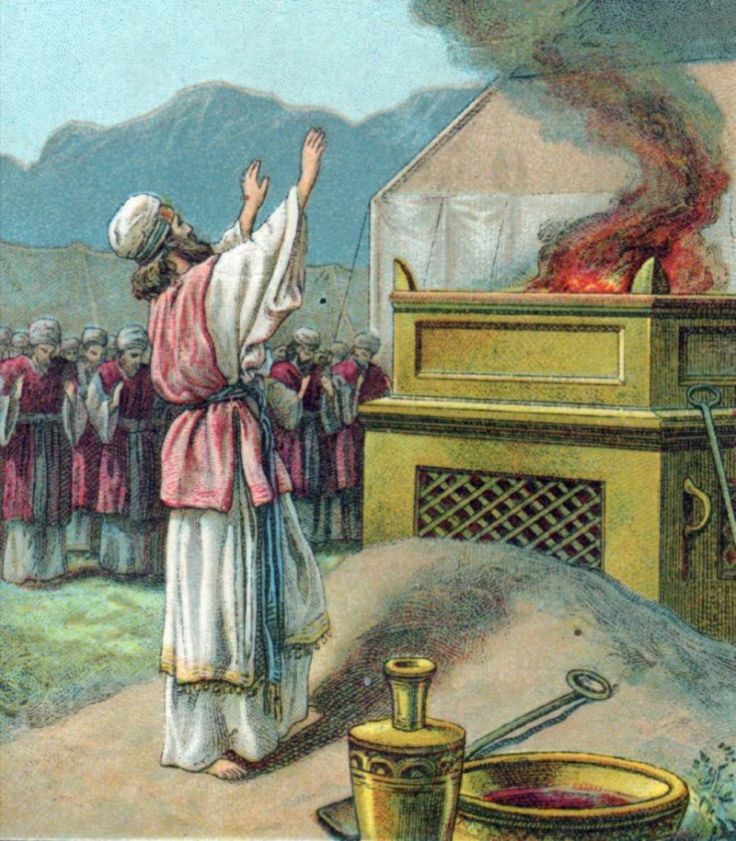
11 But Christ having come as a high priest of the coming good things, through the greater and more perfect tabernacle, not made with hands, that is to say, not of this creation, 12 nor yet through the blood of goats and calves, but through his own blood, entered in once for all into the Holy Place, having obtained eternal redemption. 13 For if the blood of goats and bulls, and the ashes of a heifer sprinkling those who have been defiled, sanctify to the cleanness of the flesh: 14 how much more will the blood of Christ, who through the eternal Spirit offered himself without defect to God, cleanse your conscience from dead works to serve the living God? 15 For this reason he is the mediator of a new covenant, since a death has occurred for the redemption of the transgressions that were under the first covenant, that those who have been called may receive the promise of the eternal inheritance.
Some chores just never end– laundry, trash, sweeping, making the bed, doing up the dishes, mowing the lawn/shoveling the drive or sidewalk– the list goes on. Simple chores, but repetitive and sometimes annoying. And they are all necessary– if someone doesn’t do them, the whole family (sometimes the whole neighborhood!) suffers.
Today, I’m so grateful for the promise that Christ’s sacrifice is sufficient– He redeemed us completely and forever through the shedding of His blood. It’s a done deal! It is FINISHED! All that the ancient sacrifices represented has been fulfilled in the death and resurrection of the Messiah. Atonement and reconciliation are available for the asking. We still need to seek His face; to turn from our sin and humble our hearts before our maker. But the Holy Spirit makes it possible to lay the guilt and burden of sin at the foot of the cross and walk away free and unencumbered.
Someday, even the mundane chores of this world will come to an end. Many of the tasks we do every day involve maintenance– maintenance of our earthly bodies (hygiene, eating and/or dieting, dressing, etc.), maintenance of our earthly homes (dusting, sweeping, washing, painting), and maintenance of the earth around us (lawn care, neighborhood beautification, trash pick-up, caring for trees, pets, gardens, etc.). But better by far, the “chore” of cleaning up after our sins and mistakes and emotional scars will be forgotten in the joy of our eternal restoration.
We live in this knowledge and hope even now– one day we will live in the full reality. Every reminder, every vestige and speck of sin will be banished, never to be dug up or brought to mind. Relationships won’t just be patched up– they will be fully restored. Consequences will be expunged; hurts and damages erased and completely healed.
Once for all–for all time, for all who place their trust in Messiah, for all the breadth and depth of words, actions, thoughts, deeds, consequences, injuries–Once for ALL!
When tragedy happens, words are not enough to bring justice, resolution, and immediate peace to the situation. “I’m so sorry,” or “I’m here for you,” or “I’m praying for you…” In themselves, the words have no power to change circumstances. Words cannot bring back a lost loved one or undo a fire or earthquake or violent attack.
Yet, when we say that we are sorry, or that we are “here,” or that we are praying, we are offering more than just the words we speak. We are offering to share someone’s grief; to help in practical ways that can ease even some of the suffering; to call attention to God’s presence in every situation, no matter how dire.
Prayers are more than just the words we speak. In Romans 8:26, the Apostle Paul says, “We do not know what we ought to pray for, but the Spirit himself intercedes for us through wordless groans.” Prayer often involves our entire being– body, soul, mind, and spirit–as we bow our heads or lift our hands, sweat, groan, go through a range of emotions from grief to praise, and try to express our heart cry in muddled words.
But prayer is not about US. It is not about our words or our emotions or even our desires. Prayer is about staying connected to God. In ourselves, we will always be insufficient. We may be able to take actions that will help others (or ourselves) achieve some measure of relief or understanding when things go terribly wrong. But we cannot bring complete justice; we cannot reverse what has already happened; we cannot guarantee outcomes. In prayer, we give outcomes and justice to the Only One who can bring true healing, justice, and peace out of our tragedies. We give up on the idea that our own thoughts and actions can overcome all the things that are beyond our control. And we lift up our questions, our fears, and our deepest hurts, with whatever measure of Faith we have, to the one we trust to make all things right. And we relinquish the idea that God MUST give us what we desire in the moment to believe that He gives us what is best according to His eternal plan.
Prayer isn’t simple. It isn’t a “cop-out.” It is a sacrifice. God may never answer our desire for an explanation, or for revenge in this life, or for a re-instatement of all that we think we deserve. But prayer connects us to the Sovereign Heart of God. Prayer doesn’t change our circumstances. It changes the way we respond to them. It changes the way we see ourselves and our own limited power. It changes the way we see others– even those who would harm (or have harmed) us.
Words are not enough– but Prayer taps into the all-sufficiency of God. That is more than enough. And the more we pursue and practice Prayer, the more we will understand its power and sufficiency.
When we hear about the Biblical story of Daniel, we usually hear only the small story of Daniel and the den of lions. Daniel was thrown into a den of lions for refusing to obey the king. God shut the mouths of the lions and Daniel was saved. It is an amazing, miraculous, even incredible story. But what makes Daniel’s story truly amazing is to see it in perspective. I’d like to spend a couple of days looking at the larger picture of Daniel’s life.
Daniel, like most prophets of the Old Testament, was an ordinary person– yet he was different, too. Daniel was from the line of kings and the royal household of Israel. He was strong and intelligent, among the elite young men of the land. According to the Bible, he was also gifted with the ability to interpret dreams and visions– a gift of extraordinary importance that set him apart from others.
But Daniel was also a slave– a captive who was ripped from his homeland and taken by force to serve in the court of the Babylonian king. He was a stranger in a strange land; he walked a very dangerous line of trying to keep the favor of the king while dealing with very powerful and resentful enemies among the king’s other courtiers. Daniel stood apart–there is little mention of a family in Daniel’s story– Daniel faced many of his trials alone (except for God). And, while Daniel survived many extraordinary trials, he never received the kind of promise or fulfillment that we see in lives like Abraham or David. Daniel spent most of his life as a captive. He never returned to his homeland. He never saw the fulfillment of his great vision– in fact, he asked for clarification, and was simply told to go his way–he would understand at the end of time.
But Daniel has a lot to teach us about prayer– its power, its peril, and its promise.
In the first chapter of the Book of Daniel, we are told a very little about Daniel’s background and how he ends up in the service of the king. https://biblia.com/bible/esv/Dan%201 One little detail that stands out is that Daniel is given a new name– not by God, but by the Babylonian official who is his new “boss”. Daniel is to be known as Belteshazzar– “Protect the life of the King”. Daniel is used by God to protect, and even warn, the foreign kings who have taken him captive. Daniel faithfully serves his oppressors– he does not seek to betray them or plot revenge against them. But the new name doesn’t stick. We still know Daniel by his original name–“God is my Judge.”
Daniel’s first trial comes when he and his friends are selected for potential service to Nebuchadnezzar. They are to be trained and fed at the king’s own palace. They are to be assimilated into Babylonian culture, history, laws, etc. But Daniel refuses to be “defiled” by the royal food and wine. Instead, he and his companions ask for a diet of plain vegetables and water. Much has been made of this– entire diets and healthy living books have been based on just this simple request. I think such plans miss the bigger picture. Daniel’s request wasn’t about veggies or “strength training.” It wasn’t about eating smarter or being stronger and healthier than the other captives. It was about obedience to God AND to the very authorities who were offering the food from the king’s table.
There was nothing nutritionally “wrong” with the king’s food or wine, nor any particular virtue in the vegetables Daniel requested. But there were at least three good, Biblical reasons why Daniel may have refused to eat the king’s food. First, the Babylonian customs called for sacrifice to their gods–even human sacrifice in some cases! But much of the meat, fruit, and grain offered at the king’s table may have come from the temples. Food that had been ritually “offered” to the gods would be fit for the table of the king. But Daniel would not want to eat the food offered to these other, false gods– it would suggest that Daniel agreed that these gods were worthy of the sacrifices that had been offered– including infants. Better to eat plain food of any type than food that had religious implications. Second, the food was likely to be non-Kosher. God’s people were to be distinct, including in their diet. There were several types of foods forbidden to the Jews that would likely be on the daily menu of the palace–not just the foods themselves, but the way they were prepared. It’s not that these foods were not edible or nutritious, but God wanted his people to demonstrate discipline and obedience. Daniel did not want to compromise or cause trouble on a daily basis rejecting first this dish, then questioning that one…easier by far to simply request what he knew was in line with God’s ways. Finally, Daniel was being offered rich and decadent food while many of his fellow Israelites were starving in their captivity. To stuff himself full of the best food in the land would not change their circumstances– but it would change Daniel’s heart. This was more important than any particular diet. Daniel did not claim that his requested diet of vegetables would make him stronger or wiser or healthier than the others– he trusted that God would sustain him to be at least as strong and healthy as anyone else. And God did more!
It is important, also, to note that Daniel did not defy the king or demand special treatment. He won the respect of the official in whose charge he was being kept. He even helped the official overcome his fear of the king. Why is this important? Daniel was in a difficult and dangerous position. He was a captive– a slave in a strange land– with a golden opportunity. He was chosen to be in the elite group of young people who could serve with power and influence in the land of their oppressors. Daniel, in fear or seeking his own advancement, could have trusted to his own wits and the favor of the Babylonians. He could have abandoned his commitment to serve God in favor of serving the immediate whims of those around him. He could have determined that in his new situation, he should adapt to the new rules, even those that contradicted God’s word. Or, he could have been defiant and arrogant–demanding that the Babylonians recognize all the customs of his native land, including his Kosher diet. He could have encouraged his friends to lead a rebellion; he could have gone on a hunger strike to protest the king’s food. But the king had never commanded that the young people eat his food– he had merely offered it as an incentive. Daniel used wisdom and tact. He won the trust of the official by suggesting a trial period of ten days to see if the “alternative” food plan would prove acceptable. He didn’t place his trust in his own actions– he placed his trust in the true Judge and offered faithful service– both to God and to Nebuchadnezzar.
No matter our circumstances today– whether we are in a palace or a prison; whether we are free or enslaved– God sees us. He will judge, not only the actions of our oppressors, but our response to oppression and hardship, and mistreatment (or our oppression and mistreatment of others). May we, like Daniel, turn to the true Judge, and walk worthy of His Name today.
Often when I am praying, I’m asking for something– “Bless this food,” “bring healing to _______,” “help the victims of (insert recent natural disaster) to find shelter, food, water, etc.,”..
God is a provider. He is the owner of everything, yet He chooses to share good things with us. He provides for the birds of the air and the flowers of the field. He provides for insects and elephants. He provides water and sunlight for all the plants– whether in the rain forest or the desert. He provides air for us to breathe and provides plants to recycle what we breathe out. He provides for the orphan and the widow, the homeless and the dispossessed. And for those who seem to “have it all”– God is the ultimate source of their riches, too.
In the book of Job, we meet a man who seemed to “have it all.” He was wealthy, healthy, respected, and surrounded by family. And when it all disappeared in a flash, his response was very telling. He said, ” Naked I came from my mother’s womb, and naked I will leave this life. The Lord gives, and the Lord takes away. Blessed be the name of the Lord.” (Job 1:21 CSB). Job had learned that in good times or bad, God was his provider. And Job’s faith in God’s provision and His faithfulness gave him hope, even in the worst of his troubles.
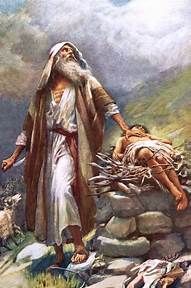
The first time we hear of Jehovah (or Yahweh) Jireh is in the story of Abraham and Isaac and the sacrifice at Mount Moriah. God asks Abraham to take his son– the son of the promise; the son for whom he had waited so long– and give him as a sacrifice. Nowhere else in the Bible does God ask for a human sacrifice– in fact, God says He detests the practices of the nations and religions who sacrifice their children to Molech or other gods. Yet, when Abraham obeys, in spite of whatever fear or horror is conjured up by the command, God stops him and provides a ram as an alternate sacrifice. Abraham names Him Jehovah Jireh– the LORD who will provide–as a result of that experience. (See Genesis 22)
But Jehovah Jireh means more than just God providing what we need in the moment or what we ask for in prayer. It also means, “the LORD who perceives, or experiences.” God does not just stand removed from our situation and write a blank check for us to cash when or how we see fit. God is with us (Emmanuel) and sees our deepest and most profound needs. He also sees our daily and even seemingly silly needs. He knows, He cares, and He provides good gifts. God did not send Abraham and Isaac alone on their perilous mission. He was right there, ready to step in and provide what was needed. What an amazing turn-around for Abraham. He went from anguish to absolute joy in those precious moments, and learned to know God in a personal, experiential, and powerful way.
Sometimes, we lose sight of that. Sometimes, it seems as though God is far away and indifferent, or even cruel. When Job accepted the loss of his wealth, his health, his status, and all of his children, it was not easy for him to say, “Blessed be the name of the LORD.” God had taken away nearly everything– in fact, the only things Job had left were some unhelpful finger-pointing friends and a complaining wife! But God restored everything that Job had lost, and then some! God does take away. And it hurts. He doesn’t stop us from experiencing heartache and grief. But even then, He is Jehovah Jireh– the LORD who experiences; the LORD who perceives. He does not leave us without hope or comfort, if we seek His face. As the Psalmist says: “The nights of crying your eyes out give way to days of laughter.” (Psalm 30: 5b The Message)
The story of Abraham and Isaac; the story of Job and his losses– each points us to another truth about how God is our provider. He provided His own Son to be our sacrifice– to pay the debt for our Sin, and to give us Eternal Life (see John 3:16). God experienced all the anguish and loss of death so that we would only have to taste it once. Jesus lost everything to gain our redemption. And He rose victorious over death, so we can have hope and joy in this life and in the life to come!
Recently, I was worried about finances– not because we had no money, but we had unexpected bills. I asked the LORD to provide, knowing that He could, but expecting that we would have to raid our “rainy day” fund to get through the week. But God had an amazing surprise– an unexpected gift of $100! Just when we needed it. God could have provided ten dollars, or a thousand dollars. He could have allowed us to dip into the “rainy day” fund and provided some unexpected money the following week. But I believe God saw, not just our monetary need, but my need to be reminded of His loving care and faithfulness. God knew what we needed. He provided what we needed. And He shared in our experience of dependence on Him and joy in His creative answer.
I don’t know where I will be today or tomorrow. I don’t know what needs are on the horizon. And I don’t know how or what God will provide. He may not provide healing for a disease, but strength for the fight. He may not provide a cash gift for our material needs, but He may provide opportunities to trade with neighbors or earn extra money when we need it next. Whatever God chooses to do– whatever He gives or takes away– He is my provider of abundant life. “Blessed be the Name of the LORD!”
Abraham put the wood on Isaac’s shoulder, but he carried the hot coals and the knife. As the two of them walked along, Isaac said, “Father, we have the coals and the wood, but where is the lamb for the sacrifice?” “My son,” Abraham answered, “God will provide the lamb.” (Genesis 22:6-8 Contemporary English Version)
The next day John saw Jesus coming toward him and said, “Look, the Lamb of God, who takes away the sin of the world! (John 1:29 NIV)
After this I looked, and there before me was a great multitude that no one could count, from every nation, tribe, people and language, standing before the throne and before the Lamb. They were wearing white robes and were holding palm branches in their hands. 10 And they cried out in a loud voice: “Salvation belongs to our God, who sits on the throne, and to the Lamb.” (Revelation 7:9-10 NIV)
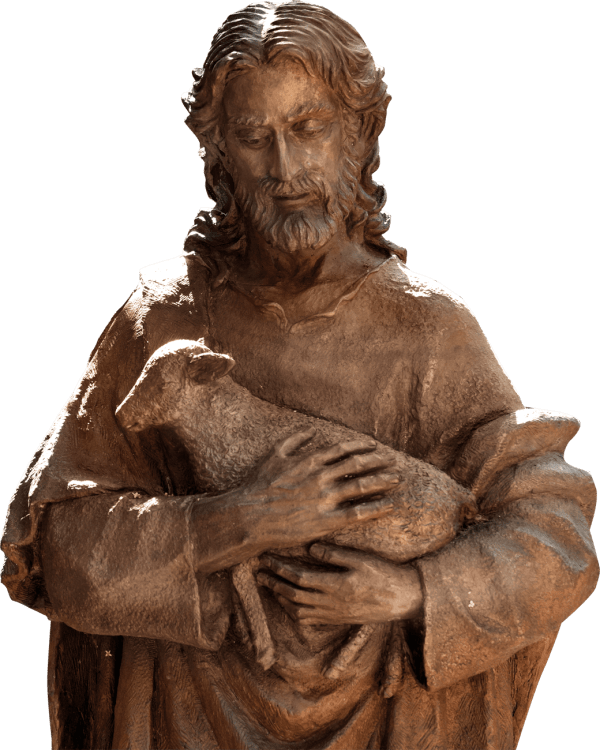
In my last post, I spoke of Jesus being “The Good Shepherd.” But He is also the Lamb– the Lamb of God, who takes away the sin of the world! This image may seem to contrast with the previous Names of God– names full of authority, power, might, wisdom, and strength. A lamb is powerless and has no authority. So, what can this name possibly tell us about God?
From the beginning, God used a lamb to represent innocence and sacrifice. Cain and Abel brought sacrifices to God– Cain brought crops he had grown; Abel brought a lamb. God was pleased with Abel’s sacrifice, more than Cain’s. The Bible doesn’t spell out exactly why, but I think the context of the rest of the Bible gives us a clue. When God gave His laws and regulations to the nation of Israel, He specified that the sacrifice for sin, for guilt, for peace, and for worship were to be animals–pure and innocent– their blood the factor that would bring atonement and peace. The innocent lambs would be killed, their blood poured out on the ground, their meat sacrificed on the altar, and the rest of their bodies (skin, bones, offal, etc.,) taken outside of the camp and destroyed. Vegetables, bread, herbs, wine– these could all be offered as free-will offerings, but they were not to be used for sacrifice. And the lambs (or other animals) had to be spotless and free of disease or disfigurement– perfect.
Sin is death– it doesn’t just bring disruption– it is fatal. Because God is HOLY, He cannot dismiss Sin with a shrug and say, “humans will be humans…”, or “it’s ok this once…” or “at least you learned your lesson.” But because the world is infected with Sin, even lambs and goats are not good enough to fully remove the stain and sentence of Sin. Only Holiness could do that.
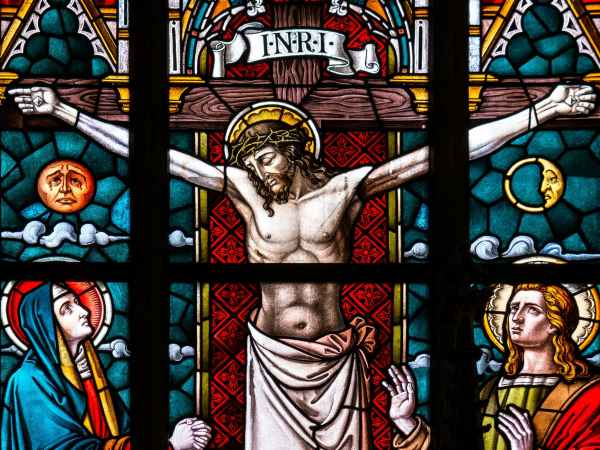
Jesus is the Lamb of God. Just as Abel offered a lamb for a sacrifice; just as Abraham was ready and willing to offer his beloved son of the promise, God offered His only begotten Son as the only possible perfect sacrifice for Sin. Jesus came as a helpless, powerless babe. He lived a humble and obedient life of service and sacrifice. And He became the ultimate Sacrifice on the Cross.
Jesus is also the victorious Lamb of Revelation, worthy of all praise and adoration! God’s Might and Power are equaled only by His Grace and Lovingkindness. He is both Shepherd and warrior– fiercely protective of His people– and the sacrificial Servant Lamb who humbly serves both God and mankind. He is NOT a lamb without power or authority. But He willingly lays aside all the trappings of authority in order to teach us how to obey and follow Him.
He is God ALMIGHTY, and Ruler of All– but He is also gentle and humble. I do not pray to a God who is far off, aloof, distant, or unfeeling. I pray to the Lamb of God who was wounded for me, who willingly offered to become the sacrifice for my sins, and who died the death I deserved. And I pray to the Lamb who rose victorious, making what should have been the darkest day of history Good Friday!
Yahweh is my shepherd; I shall lack nothing. He makes me lie down in green pastures. He leads me beside still waters. He restores my soul. He guides me in the paths of righteousness for his name’s sake. Even though I walk through the valley of the shadow of death, I will fear no evil, for you are with me. Your rod and your staff, they comfort me. You prepare a table before me in the presence of my enemies. You anoint my head with oil. My cup runs over. Surely goodness and loving kindness shall follow me all the days of my life, and I will dwell in Yahweh’s house forever. Psalm 23 (World English Bible)
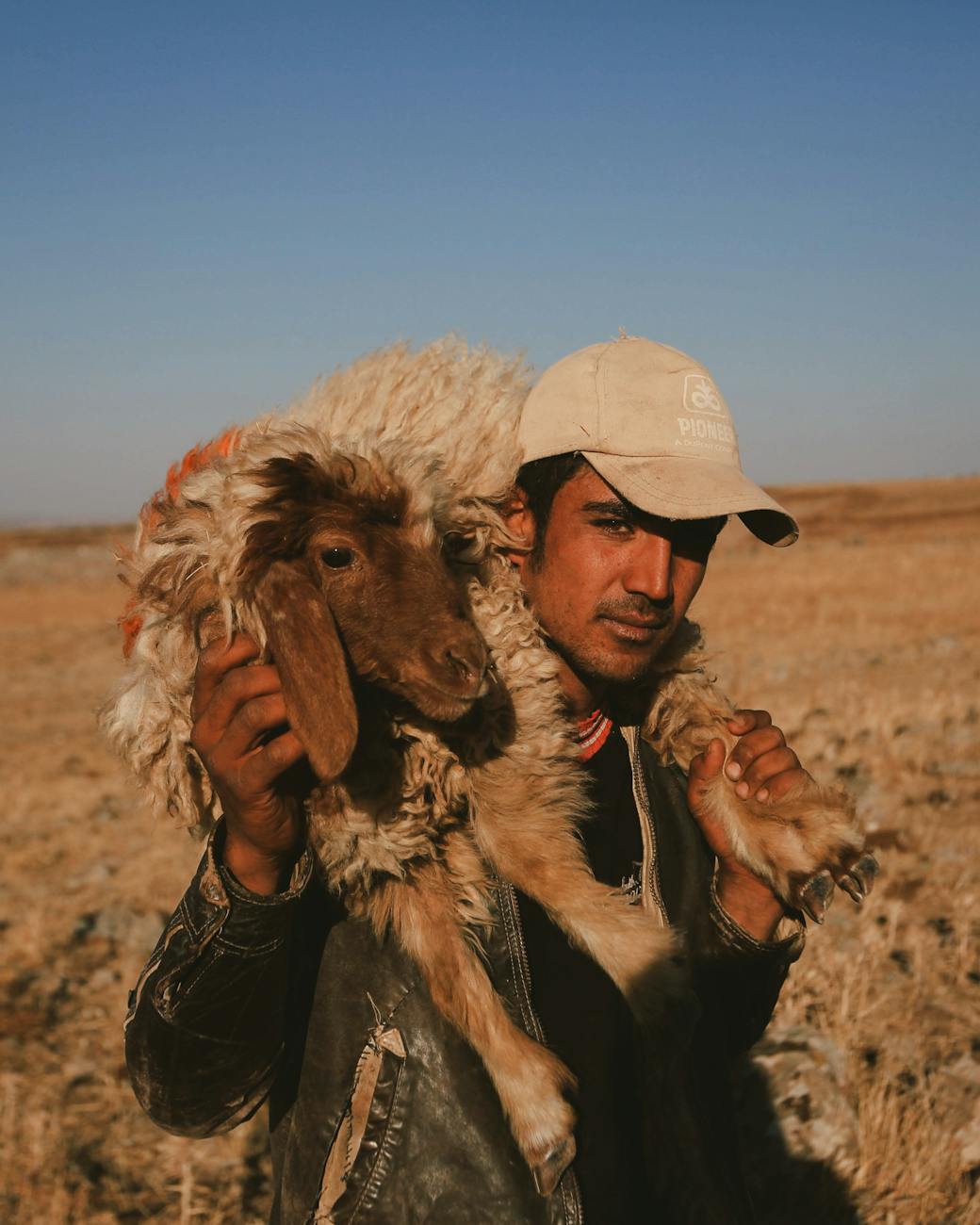
“I am the good shepherd; I know my sheep and my sheep know me— just as the Father knows me and I know the Father—and I lay down my life for the sheep. I have other sheep that are not of this sheep pen. I must bring them also. They too will listen to my voice, and there shall be one flock and one shepherd. The reason my Father loves me is that I lay down my life—only to take it up again. No one takes it from me, but I lay it down of my own accord. I have authority to lay it down and authority to take it up again. This command I received from my Father.” John 10:14-18 (NIV)
Yahweh is my shepherd…The LORD Almighty is my caretaker and protector. I don’t need to fear danger, lack of resources, darkness– even the shadow of Death!
God is Mighty and has all Authority. Yet He chooses to guide me, guard me, and provide for me. Not because of who I am– I am a wayward lamb– but because of His Loving Character. It’s literally who He IS and what He Does!
God is not distant. I may not see Him, but He surrounds me. I may not audibly hear His voice, but He speaks to me. I may not see a hand reaching down from Heaven, but He is at work all around me, and His Spirit lives inside of me! God is my Shepherd, not my “boss” or my jailor. He sees both dangers and delights which are along the path of my life, and He knows how to navigate the road ahead. And He is not a hired “master” or overseer. He is my Creator and Sustainer. He is the one who knows me, and when I follow Him, I know His voice. I know both the Authority of His voice, and the Love He has for me.
As we go through Holy Week, it is worth remembering that He is also the Shepherd who lays down His LIFE for His sheep. Willingly, lovingly sacrifices what we cannot, so that we may have the LIFE that He gives us. He is our guardian, our guide, our benefactor, and the Lover of our Souls.
When I pray to the Good Shepherd, I am praying to someone who knows all about me; my past and future, my strengths and weaknesses, every challenge I will face, and every blessing He is waiting for me to receive from Him. My prayers cannot surprise Him or baffle Him or stretch Him beyond His capacity to answer. And His answers will be wise and perfect in their scope, their timing, and their resources.
I call this blog “Pursuing Prayer.” I believe prayer is a pursuit; a discipline that one can learn from, grow into, and practice faithfully in life. But prayer is also a sacrifice. It involves giving of time, space, and honest reflection.
Sometimes, prayer is a willing and joyful sacrifice. I want to come and spend time with My Father in praise and worship, adoration, and even asking for His guidance and wisdom. But sometimes, the sacrifice is hard. I may dread coming to God when I know I have been dishonest or unfaithful. Like any relationship, I cherish the easy times, the relaxing times, and the expectations of challenges met and conquered. I don’t look forward to the hard work, the waiting, or the corrections that God may have for me.
One type of sacrifice that doesn’t belong in the prayer of a believer is the Sin sacrifice. As described in the Old Testament books, the sin sacrifice had to be given to cover over the sins of individuals, priests and even the entire nation. The Israelites even had to give a sin offering for unintentional or accidental sins!
Unfortunately, I sometimes make the mistake of thinking that I must make a similar “sin sacrifice” in my prayer life– that I have to rehearse and recount all my past sins before God will hear me or act on my behalf. And that is NOT Biblical. If we are truly trusting in Jesus’ finished work on the cross, we are not obligated to offer token sacrifices as a means of covering over our past. Christ’s blood IS sufficient! (See 1 John 2:2, 2 Corinthians 5:21,1 Peter 2:24, and Romans 5:9 among others)
So when I talk about prayer of confession, I’m not talking about pouring out long laundry lists of sins I committed last week or thirty years ago. God already knows– in fact He knew about them before they happened!–and He has already forgiven me. That doesn’t mean that He wants me to pretend they never happened or that He doesn’t want me to feel the regret or understand the consequences of what I have done. Instead, He wants me to understand and rejoice in His overwhelming Mercy and Grace! My sacrifice, when I confess my sins, is a sacrifice of praise for God’s willingness to offer what I can never earn or deserve or atone for– complete forgiveness and restoration! I am agreeing with God about who I am and what I’ve done, AND about what He has done for me!
There are other times when prayer can be a difficult sacrifice. Sometimes, I am compelled to pray for those who have hurt me, or those whose actions have hurt others. I am commanded to pray for leaders– that may include church leaders who have sinned, or national leaders who have broken their promises or caused great damage. I am commanded to love my enemies, even if they never repent for things they have done.
Once again, I should be reminded of the sufficiency of Christ’s sacrifice for our sins. He didn’t just die for my Sin; He died for the sins that were committed against me. I may still feel the pain and consequences of that Sin for as long as I live on this earth. But I can trust and be confident that God has dealt with it. And that causes me to rejoice, because I can’t turn back time; I can’t undo the bad things that have happened; I can’t create perfect justice to punish my enemy. But I can let go of the burden of trying to make things “as they should be.” God will do it; He has promised! I can stop wallowing in the “what ifs” or the “what-could-have-beens;” the endless “whys” and “why me’s” that take up so much of my time and focus. Instead, I can leave them as a sacrifice on the altar of prayer, pledging my trust in the Almighty to heal and help me forgive as I have been forgiven.
We don’t practice the old animal sacrifices of the Old Testament. And we don’t have to! But sacrifice is more than just bleeding sheep and burning incense. Sacrifice is offering all of who we are to the One who created us, sustains us, forgives us, and gives us abundant life!
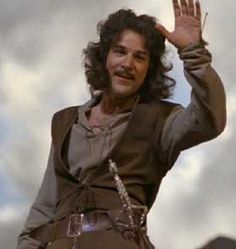
One of my favorite characters from “The Princess Bride” is Inigo Montoya. He has a few redeeming qualities– he is a loyal friend; he is intensely (obsessively) loyal to his father’s memory; he is basically honest; and he has a soft spot for lost causes, including a tender-hearted giant and a (mostly) dead pirate/rival/would-be hero.
But Inigo has many failings, as well. He is a drunkard, he lacks the skills to plan great achievements, and he has an over-developed sense of revenge that gets him in a lot of trouble. Also, he hates waiting. And he has done a lot of it– he’s waited over 20 years to track down his father’s killer and challenge him to a duel (the above-mentioned revenge).
When he first meets Westley (the above-mentioned pirate/rival/would-be hero), Westley is climbing a treacherous cliff. Inigo waits at the top as Westley struggles up the rocky crag, trying not to fall to his death. Inigo, ever concerned, calls down to ask how it’s going. He wants to know if Westley can “a-speed things up.” He REALLY hates waiting. Later, as he seeks to rescue Westley, he is told that he must wait at least 15 minutes for the magic potion to work and for Westley to regain consciousness. Inigo is delighted when Westley can talk and move his head a little, but he cannot wait for Westley to regain the use of his arms or legs before “storming the castle!”
Not many of us enjoy waiting. Some of us are better at it than others. And it is a character quality that God asks us to develop. Several times in the Bible, God asks us to “wait” or “wait on the LORD.”
When we pray, it is tempting to expect or even demand an immediate, clear answer. If we don’t get it, we fall into two temptations. The first is to despair and/or lose faith. If God doesn’t “show up” right away, we are tempted to believe that He just isn’t listening or doesn’t care about our situation. As time goes by, we may become bitter, angry, sullen, and depressed. We stop calling out to God; we turn away and seek answers (or escape) elsewhere.
The second temptation, the one I believe Inigo falls into, is to stop depending on God and carry the burden of our pain, our grief, or our situation all by ourselves. Inigo’s father was killed when he was eleven years old–his entire adult life has been wasted on a quest to avenge his father’s death. He hasn’t developed a life of his own– he has no career (he does odd jobs for crooks like Vizzini), no family, no plans for a sustained future– only his anger and bitterness over a twenty-year-old tragedy. And only when, in desperation, Inigo pauses for a moment and prays, does he find any real help in achieving his goals. In fact, at the end of the story, when Inigo finally achieves his revenge on Count Rugen, he is left with a dilemma. He admits to Westley that he has no idea what to do with the rest of his life! He has allowed the past to consume both his present and his future.
Another story that illustrates this temptation is the story of King Saul. In 1 Samuel 13, Saul has begun to attack the enemies surrounding Israel. He and his troops are hiding in caves and waiting for the prophet Samuel to offer a sacrifice and seek God’s counsel. The enemy is camped nearby with thousands of troops and chariots, and Saul’s men are beginning to panic and desert him. When Samuel doesn’t come at the appointed time, Saul disobeys God’s law by offering the sacrifices himself, even though he is not of the priestly line. Instead of standing firm, and encouraging his men, Saul gives in to the general panic and takes matters into his own hands. He takes a visible action — offering the sacrifice– without taking the right attitude of seeking God’s counsel.
Waiting can be difficult– especially when we are faced with fear, anxiety, danger, and lack of plan or purpose. But learning to wait for God’s ways and timing will teach us how to grow in Faith and confidence. Today, instead of asking God to “a-speed things up,” may we thank Him for all the times He has been faithful in the past, and trust that He will “arrive” at just the right time!
I like having choices. When I go to a restaurant, I get a menu, with several choices– appetizers, entrees, beverages, desserts. I have choices at the grocery store– brand X cereal or brand Y, different sizes of laundry detergent, which cucumber to put in a produce bag– sometimes even a choice between paper and plastic and reusable bags! I have a choice to buy or rent a house or apartment/condo. I have a choice about the car I drive or the choice not to drive, but to walk or take public transportation. I choose which church to attend, or not to attend at all. I choose when I get up in the morning and when I go to sleep. I choose what to wear each day. I choose to obey the law, including speed limits on the highway and slowing down in school zones, paying whatever taxes are due, and registering for the census, voting, and other civic duties.
Many of these choices seem benign. It doesn’t really matter to anyone else which brand of cereal I buy or when I eat it, or even if I decide not to eat it, but end up throwing it out. It doesn’t matter to most people where I live, or go to church, or what I am wearing. It doesn’t hurt anyone else if I drive a couple of miles faster than the speed limit on a back road somewhere.
But some choices DO matter– they matter a lot. If I choose to drive at high speed through a school zone, I might end up accidentally killing a student or school worker. If I live in a house or apartment I cannot afford, or if I refuse to maintain my house or apartment, I may end up evicted or homeless. If I choose to use drugs– even prescription drugs– in an unwise manner, I may end up in the hospital or in the cemetery! And I may hurt others around me in the process.
I live in a nation that prizes “freedom” and “freedom to choose.” But in the past century, more and more voices are being raised in an effort to make all choices “equal.” And they are not. Many of our “choices” are in direct contradiction to the Word of God, to traditional values, and even to common sense! Our choices have consequences– some benign, and some catastrophic. Voices are shouting about their “right to choose” even as they are also raised in righteous indignation about others’ rights and choices.
I could speak to this for days on end, defending my own choices, and pointing out which “choices” break my heart or offend me. But I feel compelled to point out just three things to consider about individual choices:
How does this choice honor God? I think it is easy to focus on “big” choices when we think of this, but I have been challenged lately to see how even my “easy” and “little” choices honor Him. Does it really matter which brand of cereal I eat in the morning? Probably not. But what about brands and manufacturers that support causes that do not honor God? Most of the time, I am unaware of such considerations. But the money I spend on my favorite sugary breakfast treat may help sponsor evil. And if I am aware of which manufacturers are giving large donations to causes I despise, but I am still buying their products every week, I am helping to sponsor that evil.
How does this choice impact others? We DO have the freedom to choose our actions, but we do NOT have freedom from the consequences of those actions. “My Body, My Choice” looks good on posters and banners, but things like abortion or gender reassignment have an impact beyond a single person. Abortion always ends with the death of a second “body”– one without any choice in the matter. Gender reassignment impacts more than just one person– it impacts their present and future relationships, as well as impacting their future physical health and reproductive system. It is also important to establish whether my choices are made to try to please or influence others. It’s easy to blame others after the fact, citing “peer pressure” or claiming “I didn’t have another choice,” but is that really true, or was one choice just a lot easier or more popular than another? That same group that pressured you make certain choices– will they be there for you afterward? No matter the consequences? Will they still be your friends if you make a different choice?
Does this choice help me grow into a better person? Many of our choices come from wanting to be a happier, wealthier, or more popular person– NOT a healthier, more mature, or wiser person. And most of our choices focus on immediate gratification, rather than long-term growth. Doing something because you have the “right to choose” is not the same as “doing the right thing.” Doing the right thing often involves sacrifice and even a season of suffering. Our present choices–even the small ones– will impact our future circumstances, and our development as an individual. Eating a donut today may be tasty, but eating donuts every day may lead to obesity, diabetes or heart disease, and even a lessening of enjoyment for donuts– they’re no longer a tasty treat, but a habitual threat to my health!
Am I angry and defensive about my “choice?” Years ago, I was stopped for speeding on my way to work. Of course, I had been running a little late, and being stopped made me even later. I had to explain my tardiness to my boss, who dismissed the whole incident with a sly “next time, don’t get caught..” But one of my co-workers self-righteously handed me a two-page pamphlet on the evils of driving over the speed limit. At that time, I was indignant and offended. (I still would be a bit miffed– I don’t agree with either of the reactions I got that day, but that’s another post…) As I have grown older, however, I have come to value the three questions above– and it changes my perspective. I KNOW it’s “wrong” to drive over the speed limit. I know many people do it anyway and get away with it. But the bottom line is this–speeding does not honor God. It does not help anyone else, and could potentially harm someone. And it does not grow my character. I don’t automatically become a “good” person if I DON’T speed– let me be clear about that. But I do grow in character when my choices are made out of a heart that prioritizes God and others over my own selfishness (and procrastination!) When I find myself getting angry and defensive, I need to consider whether or not it is really guilt. If I wasn’t speeding that day, I wouldn’t have had any reason to be angry with my co-worker or ashamed of being “caught.” If someone is angry and defensive about his or her behavior, it is often brought about by guilt, shame, and a rebellious spirit, tired of defending what everyone else (and sometimes their own conscience) tells them is “wrong.”
We make choices every day– some benign, some “good,” some “bad.” Let’s pray for wisdom to make the best choices, confess the “wrong” choices, and offer encouragement and truth, rather than judgment, to those around us.
Today, I’m praying about the “choice” of abortion and its impact on my nation (as well as worldwide). In the 50+ years since Roe v. Wade attempted to make abortion “legal” in all 50 of the United States, over 60 million abortions have been reported in the U.S. during those years.* This figure does not include other nations, unreported (back alley or non-clinical) abortions, or natural miscarriages. Not only does this represent the “choice” to end the lives of over 60 million precious individuals, it represents millions of women (along with men and other family members) who have been impacted by the deceptive offer of “freedom” and the increasing pressure to make this “choice” seem both normal and healthy. For my friends, family, and others who have made this choice– my heart aches for what you have been through, and I rejoice with those of you who have found Grace and renewed hope through Jesus. God loves you– YOU, not your past choices– and welcomes you to choose Him today and every day. For those who have not been in a position to be tempted by this “choice”– I pray that we live with compassion, and that we stand up for and speak up for TRUTH and LIFE– not self-righteousness and fear. * A more conservative estimate still places the number at well over 40 million https://www.pewresearch.org/short-reads/2024/03/25/what-the-data-says-about-abortion-in-the-us/ https://www.statista.com/statistics/185274/number-of-legal-abortions-in-the-us-since-2000/
The Offer of Life or Death
11 Now what I am commanding you today is not too difficult for you or beyond your reach. 12 It is not up in heaven, so that you have to ask, “Who will ascend into heaven to get it and proclaim it to us so we may obey it?” 13 Nor is it beyond the sea, so that you have to ask, “Who will cross the sea to get it and proclaim it to us so we may obey it?” 14 No, the word is very near you; it is in your mouth and in your heart so you may obey it. 15 See, I set before you today life and prosperity, death and destruction. 16 For I command you today to love the Lord your God, to walk in obedience to him, and to keep his commands, decrees and laws; then you will live and increase, and the Lord your God will bless you in the land you are entering to possess. 17 But if your heart turns away and you are not obedient, and if you are drawn away to bow down to other gods and worship them, 18 I declare to you this day that you will certainly be destroyed. You will not live long in the land you are crossing the Jordan to enter and possess. 19 This day I call the heavens and the earth as witnesses against you that I have set before you life and death, blessings and curses. Now choose life, so that you and your children may live 20 and that you may love the Lord your God, listen to his voice, and hold fast to him. For the Lord is your life, and he will give you many years in the land he swore to give to your fathers, Abraham, Isaac and Jacob. Deuteronomy 30: 11-20 (NIV)
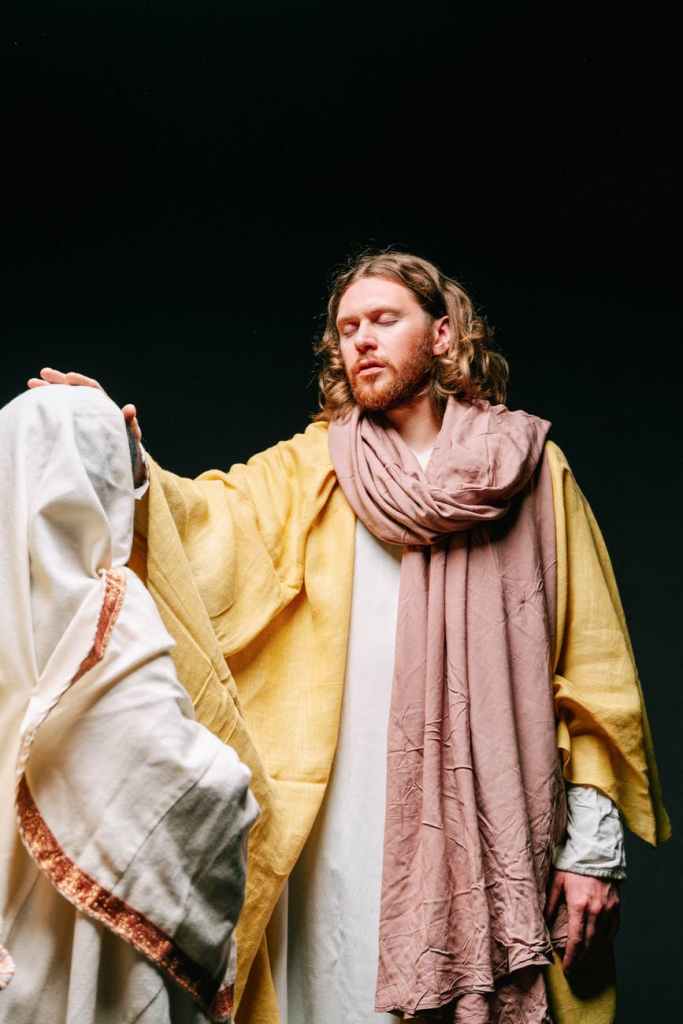
2 At dawn he appeared again in the temple courts, where all the people gathered around him, and he sat down to teach them.3 The teachers of the law and the Pharisees brought in a woman caught in adultery. They made her stand before the group4 and said to Jesus, “Teacher, this woman was caught in the act of adultery.5 In the Law Moses commanded us to stone such women.Now what do you say?”6 They were using this question as a trap,in order to have a basis for accusing him. But Jesus bent down and started to write on the ground with his finger.7 When they kept on questioning him, he straightened up and said to them, “Let any one of you who is without sin be the first to throw a stoneat her.”8 Again he stooped down and wrote on the ground. 9 At this, those who heard began to go away one at a time, the older ones first, until only Jesus was left, with the woman still standing there.10 Jesus straightened up and asked her, “Woman, where are they? Has no one condemned you?”| 11 “No one, sir,” she said. “Then neither do I condemn you,”Jesus declared. “Go now and leave your life of sin.” St. John 8:2-11




































 Pursuing Prayer