
Sacrificial Prayer

I call this blog “Pursuing Prayer.” I believe prayer is a pursuit; a discipline that one can learn from, grow into, and practice faithfully in life. But prayer is also a sacrifice. It involves giving of time, space, and honest reflection.

Sometimes, prayer is a willing and joyful sacrifice. I want to come and spend time with My Father in praise and worship, adoration, and even asking for His guidance and wisdom. But sometimes, the sacrifice is hard. I may dread coming to God when I know I have been dishonest or unfaithful. Like any relationship, I cherish the easy times, the relaxing times, and the expectations of challenges met and conquered. I don’t look forward to the hard work, the waiting, or the corrections that God may have for me.

One type of sacrifice that doesn’t belong in the prayer of a believer is the Sin sacrifice. As described in the Old Testament books, the sin sacrifice had to be given to cover over the sins of individuals, priests and even the entire nation. The Israelites even had to give a sin offering for unintentional or accidental sins!
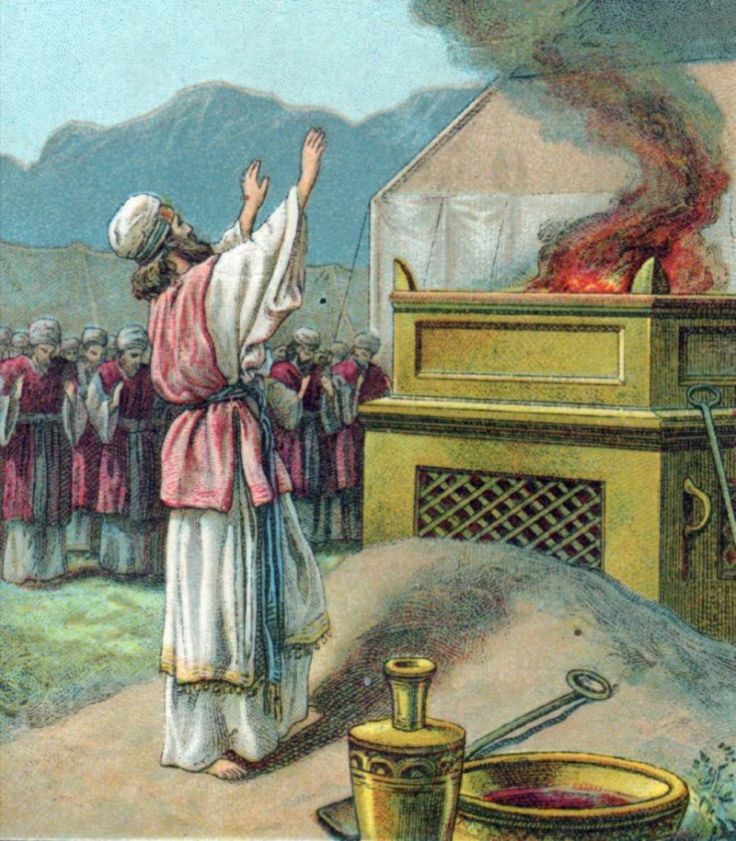
Unfortunately, I sometimes make the mistake of thinking that I must make a similar “sin sacrifice” in my prayer life– that I have to rehearse and recount all my past sins before God will hear me or act on my behalf. And that is NOT Biblical. If we are truly trusting in Jesus’ finished work on the cross, we are not obligated to offer token sacrifices as a means of covering over our past. Christ’s blood IS sufficient! (See 1 John 2:2, 2 Corinthians 5:21,1 Peter 2:24, and Romans 5:9 among others)

So when I talk about prayer of confession, I’m not talking about pouring out long laundry lists of sins I committed last week or thirty years ago. God already knows– in fact He knew about them before they happened!–and He has already forgiven me. That doesn’t mean that He wants me to pretend they never happened or that He doesn’t want me to feel the regret or understand the consequences of what I have done. Instead, He wants me to understand and rejoice in His overwhelming Mercy and Grace! My sacrifice, when I confess my sins, is a sacrifice of praise for God’s willingness to offer what I can never earn or deserve or atone for– complete forgiveness and restoration! I am agreeing with God about who I am and what I’ve done, AND about what He has done for me!

There are other times when prayer can be a difficult sacrifice. Sometimes, I am compelled to pray for those who have hurt me, or those whose actions have hurt others. I am commanded to pray for leaders– that may include church leaders who have sinned, or national leaders who have broken their promises or caused great damage. I am commanded to love my enemies, even if they never repent for things they have done.

Once again, I should be reminded of the sufficiency of Christ’s sacrifice for our sins. He didn’t just die for my Sin; He died for the sins that were committed against me. I may still feel the pain and consequences of that Sin for as long as I live on this earth. But I can trust and be confident that God has dealt with it. And that causes me to rejoice, because I can’t turn back time; I can’t undo the bad things that have happened; I can’t create perfect justice to punish my enemy. But I can let go of the burden of trying to make things “as they should be.” God will do it; He has promised! I can stop wallowing in the “what ifs” or the “what-could-have-beens;” the endless “whys” and “why me’s” that take up so much of my time and focus. Instead, I can leave them as a sacrifice on the altar of prayer, pledging my trust in the Almighty to heal and help me forgive as I have been forgiven.

We don’t practice the old animal sacrifices of the Old Testament. And we don’t have to! But sacrifice is more than just bleeding sheep and burning incense. Sacrifice is offering all of who we are to the One who created us, sustains us, forgives us, and gives us abundant life!

The Power of “Thank You”

It happened that as he made his way toward Jerusalem, he crossed over the border between Samaria and Galilee. As he entered a village, ten men, all lepers, met him. They kept their distance but raised their voices, calling out, “Jesus, Master, have mercy on us!” Taking a good look at them, he said, “Go, show yourselves to the priests.”They went, and while still on their way, became clean. One of them, when he realized that he was healed, turned around and came back, shouting his gratitude, glorifying God. He kneeled at Jesus’ feet, so grateful. He couldn’t thank him enough—and he was a Samaritan. Jesus said, “Were not ten healed? Where are the nine? Can none be found to come back and give glory to God except this outsider?” Then he said to him, “Get up. On your way. Your faith has healed and saved you.”

Luke 17:11-19 (The Message)

Have you ever been thanked for doing your job? I don’t mean praised or tipped or even promoted…have you ever had someone look you in the eye and thank you for a job you did? Not because they had to, or because it was expected–not because they were trying to flatter you– but because they were genuinely grateful? It is a powerful, humbling, and even startling experience. I can count in the fingers of both hands the number of times I have been genuinely and personally thanked for things I did in the course of various jobs. Such expressions have come from unexpected sources, and have made lasting impressions.

Photo by cottonbro on Pexels.com

Our culture has been one of polite gratitude– I grew up being reminded to thank salespeople, waitresses, bellhops, bank tellers, gas pump attendants (yes, I’m THAT old!), ushers, and anyone who held a door, or provided a small service. We’ve lost a lot of that– we EXPECT good service (some of us expect even more than that) and are more prone to complain if we don’t get it. And, in the age of self-service and entitlement culture, we are less likely to receive the kind of good service I remember as a child. The end result is a lot of complaining and resentment. But even “good manners” is not the same as genuine, heart-felt gratitude. Someone can say all the right words and still leave you feeling drained and even hurt. Someone can leave a huge tip after being beastly–you still remember the abuse. And someone can be grateful but leave you unsure if they even noticed your effort.

The Gospel of Luke tells a story that illustrates this well. Jesus, while traveling through the region between Galilee and Samaria, comes to a village with ten lepers. Keeping their distance, but wanting to catch Jesus’s attention, they shout out and ask for a miraculous and merciful healing. Jesus takes pity on them. He doesn’t shun them, but He doesn’t make a big fuss, either. He simply sends them on their way to show themselves to the local priest and be declared healed. It is after they leave that they realize they are indeed clean! Nine if the men continue on, grateful (we assume) and overjoyed. But one man makes the decision to turn around and thank Jesus face-to-face. He shouts and glorifies God and thanks Jesus repeatedly. And he was a Samaritan–an outsider; a rogue Jew–the type of person who wouldn’t be expected to show “good manners” to a Jewish teacher. Jesus points out to His disciples that there were ten men who were healed, and only one who came back to show his gratitude. He then speaks directly to the healed man, and assures him that his faith has both healed him and saved him.

This story does not go on to tell us whether or not the ten men offered the “appropriate” thank offerings that were set up in the Laws of Moses. It does not mention whether or not these men spoke of their healing or their gratitude among their friends and neighbors. We should not assume that the nine others were ungrateful in any way. Yet Jesus calls attention to the tenth man. Not because he was more important than the others, or felt more gratitude than the others, but because he took the effort to show it in person. It didn’t cost him any money or a lot of extra time, but it made an eternal impression that was recorded for us to learn from centuries later.

What a small thing, to say “thank you” for a helping hand, or friendly advice, or good service. It doesn’t require a costly demonstration, or empty flattery. Just a simple, direct, and heart-felt expression of gratitude. But what a powerful gesture. One so powerful, even Jesus was moved to stop and comment on it. Think how much good we could do if we took the extra moment to say, “thank you” to someone today? Think how much we have to be thankful for!

Photo by cottonbro on Pexels.com

Heavenly Father, THANK YOU for all that You do and have done; for all that You ARE! Thank you for those who do good, who show kindness, and who give their time and effort in service. May we be truly grateful, and quick to show our gratitude today. Amen.

Blog at WordPress.com.

Up ↑