The Weight of Prayer

Have you ever carried a burden that just got heavier each minute? Some pressing need, or a load of guilt and shame, or an unresolved issue that has been hanging over you for years with no relief. Sometimes, prayer is very heavy. It is a sacrifice, and a burden to keep praying for an unsaved loved one, or to fully confess the shame you have carried for years. Your needs (or the needs of loved ones) can push down on your spirit and make it difficult to even want to pray. Pain, grief, or persecution can cause you to shrivel up inside and even though you want to pray, you just can’t seem to find the words.

But oh! The relief of carrying our burdens to the throne of Grace! God may not give us immediate relief from the burdens of pain and suffering, but He will come alongside and shoulder a God-sized portion of our load. He has promised this. Jesus Himself said, “Come to me, all you who are weary and burdened, and I will give you rest. Take my yoke upon you and learn from me, for I am gentle and humble in heart, and you will find rest for your souls.  For my yoke is easy and my burden is light.” (Matthew 11:28-30 NIV)

Not only will God come alongside us as a result of prayer, His Spirit will help us in our weakness and inability to express our deepest emotions. “Likewise the Spirit helps us in our weakness. For we do not know what to pray for as we ought, but the Spirit himself intercedes for us with groanings too deep for words. And he who searches hearts knows what is the mind of the Spirit, because the Spirit intercedes for the saints according to the will of God.” (Romans 8: 26-7 ESV)

I have found this to be true through experience. And I have also found great relief when I can share my burdens with other Christians and know that they are praying for me and for my loved ones. One of the greatest burdens we can bear is that of isolation and hopelessness. Finding a trusted group of fellow believers can ease the pain of bearing such burdens alone. Often, Christian friends can offer limited practical help for immediate needs or provide counseling and wisdom in our next steps. Two words of warning– no group of friends, even Christian friends, can substitute for God. Friendship should not substitute for prayer and Godly wisdom. And true friends will always point you to God rather than trying to fix everything in their own power and time frame. A true friend will not only share the “weight” of your burden, but also the “wait” for God’s answer! Secondly, “sharing” is not the same as rehearsing the same guilty secrets over and over for attention, shock value, or entertainment. It is not gossiping about the same horrible boss or nosy neighbor you can’t seem to forgive or lamenting over all the things you might have done differently as a parent (or spouse or co-worker) last week.

Prayer is deep. It is heavy. And it is powerful. But it can also be freeing, removing the burden of worry, shame, guilt, and isolation. We may enter prayer with groaning and exit with praise! God inhabits our prayers! He is with us in the groaning and in the struggle. He sends us friends and “angels unaware.” And He remains with us in victorious celebration. He provides comfort, strength, and peace as we lay our burdens down. He provides companionship, help, and hope as He shares the weight of whatever we bring to Him.

Don’t “wait” to share your burdens. Let God do the heavy lifting!

Coming Out of the Closet

For anyone who is reading this expecting a big announcement or a shocking confession– please don’t read too much into the title…this is a blog about a lifestyle of prayer, not about gender identity or sexual orientation.  I want to talk about the benefits of communal prayer as opposed to prayer that is deeply personal, and takes place in isolation.

There is a time and place for solitary meditation and prayer, and it should become our habit and practice to meet with God daily.  But we are told that we should also meet with and interact with others– and this includes sharing our prayer life.  For many years, I was one of the “lone rangers.”  I rarely met with others specifically to pray or even share prayer concerns.  I would get notices on FB or e-mail, or in the church’s weekly newsletter, but it wasn’t the same.  Just as God wants to hear our hearts and share communication and communion with us, he wants us to share closeness with others.

gracelady

Why isn’t it enough to just go into the closet (or other quiet space) to pray?  What are the benefits of praying with a small group?  Here are some:

  • We need social interaction– FACE-TO-FACE interaction.  God did not create us to live in isolation. We need to have eye contact, hear inflections and tones of voice from others, and to have others listen to ours.  We need to share more than just stories on a screen– we need to share laughter, tears, and common ground.  We make deeper friendships when we share concerns (not gossip), struggles, and triumphs (not bragging).  And we can share burdens, recipes!, helpful tips, jokes, and more
  • Meeting with others helps us keep our perspective–when we are alone, our problems become bigger; our joys fade, and our talents waste away.  Meeting together helps shrink our worry and pride, ignite our hope, and drive our confidence.  It also opens up our world to the experiences and concerns of others and teaches us about differences and commonalities
  • Our faith is strengthened to hear from others who are “in the same” place in their walk; it encourages us to hear from others who have been “through the fire”; it reminds us to be grateful, and gives us an opportunity to build someone up if we have been in their shoes; and it amazes us to hear again what a mighty God we serve, and how he has been faithful
  • Communal prayer creates a time to break us out of our routine– whether that routine is zooming or “glooming”– we need to mix things up and get out of our rut
  • God commands us to meet together, to live in unity, and to lift each other up

Can you think of other benefits?  Are you in the habit of praying with others?  If not, you may be wondering– how do I find others?  What are the ground rules (if any)?  Are there issues I should be aware of?

Once again, I can list a few that come to mind or that have arisen from experience:

To find others:

  • Join an existing group– a Bible study group that includes prayer time; a weekly or monthly prayer meeting group; a special interest group within a local church– Moms of Pre-schoolers, or a Dorcas group, or a volunteer group that includes prayer
  • Start up a group!  Meet weekly, twice a week, monthly– whenever, wherever, and whatever works for you and a few others.  If you don’t have a space in your home or don’t want to meet at a church, be creative– meet at a park or a local coffee house, or take turns hosting a prayer meeting with others in your group.  Don’t be discouraged if there are only two in your “group”; and don’t feel bad about keeping your group limited– you may find enough interested people to form two or three groups in your neighborhood!
  • Think outside the box– you may stumble on to a group during your commute to work each day; in your child’s play group; at the gym; at a neighborhood church you have never visited (it doesn’t mean you are being “unfaithful” to your church to reach out to fellow brothers or sisters throughout the week!)

Ground rules:

  • Groups should have some structure, leadership, and accountability
  • Participants (including leaders) should be careful not to confuse gossip for “concerns”, or use the group for a sounding board, on-going therapy, or a captive audience for their personal drama or their political or social agenda
  • Group leaders need to create boundaries, so participants feel free to share real burdens and concerns but take responsibility for others’ privacy and vulnerability
  • Groups should be open to visitors, new members, and seekers of all backgrounds
pexels-photo-754769.jpeg

Issues to watch for–Any group that is made up of humans can fall victim to unhealthy and unwholesome practices.  Just because a group meets with good intentions and calls itself a prayer group doesn’t mean that it is a “safe” place to meet.  Keep your eyes and ears open for the following:

  • Groups that make you feel uncomfortable for showing up, or for sharing (or not sharing every one of) your authentic concerns, your questions, or your feedback.  Sometimes, we can feel uncomfortable sharing about ourselves because we feel shame or guilt about our past or about our lack of knowledge or experience; sometimes we’re defensive or hypersensitive because we’re in a new situation.  But if you are being made to feel ashamed or isolated or patronized, especially if you are being labeled or discriminated against, get out.  LEAVE– shake the dust off of your shoes as you go  (One caveat here– there are groups that meet for specific issues (see below)…if the group is meeting to pray as parents of toddlers, and you aren’t a parent or grandparent or aunt or uncle of a toddler– not only will you feel uncomfortable, but so will the rest of the group.  You should still leave this group, but you can forego the shoe shaking…)
  • Groups that have one or two members who dominate and intimidate the other members.  Leaders need to provide boundaries and structure, but they should not squash authentic dialogue or force everyone to listen to someone else’s “true confessions” (especially if it’s a repeat of the last meeting!)  This is more a “comfort zone” issue than the first one– some groups just have a couple of “talkers” and a couple of “listeners”–the point here is that there needs to be a balance so that all members have a chance to contribute
  • .
    arrogant
  • Groups that get “taken over” or sidetracked by a single issue– unless that is what you signed up for.  If you are a group whose purpose is prayer, it’s not safe to assume that everyone in your group will also want to go on a protest march or volunteer an entire Saturday at the soup kitchen.  There’s nothing wrong with other activities, but it shouldn’t be a requirement of your prayer group (see above)
  • Groups that are only “token” prayer groups–they may “share” what’s going on in their families as “requests” but they don’t actually take time to pray about them in the group setting.  They talk and eat, and maybe even say “spiritual” things.  There’s nothing wrong with friends getting together, whether they pray or not, but if you’re going to call it a prayer group or a prayer meeting….
  • pexels-photo-618544.jpeg
  • That brings me to the group that uses “prayer” as a cover for gossip or grumbling.  Prayer should be constructive and God-centered.  If it isn’t either, it isn’t really prayer.  Even if it sounds positive and holy, if it is centered on how “blessed” you are, or what you know God needs to do in someone else’s life– it isn’t really prayer unless His name is magnified and ours is minimized.
  • Any group that does not honor God’s word, God’s sovereignty, or God’s goodness–Not every group that prays is praying to Almighty God, in the name of Jesus Christ, or for His will to be accomplished.  While prayer groups should be open to all people, and there are wonderful opportunities for ecumenical and all-faith prayer in the public forum, a weekly or monthly prayer group is probably not the best venue.  That being said, I recommend exposure to various Christian prayer styles and practices– formal and ritual prayer, spirit-filled worship prayer, gospel-infused crying out, simple “popcorn” utterances, and eloquent prayers that roll off righteous tongues in an engaging crescendo, punctuated with holy hushes.
pexels-photo-267559.jpeg

Sacrificial Prayer

I call this blog “Pursuing Prayer.” I believe prayer is a pursuit; a discipline that one can learn from, grow into, and practice faithfully in life. But prayer is also a sacrifice. It involves giving of time, space, and honest reflection.

Sometimes, prayer is a willing and joyful sacrifice. I want to come and spend time with My Father in praise and worship, adoration, and even asking for His guidance and wisdom. But sometimes, the sacrifice is hard. I may dread coming to God when I know I have been dishonest or unfaithful. Like any relationship, I cherish the easy times, the relaxing times, and the expectations of challenges met and conquered. I don’t look forward to the hard work, the waiting, or the corrections that God may have for me.

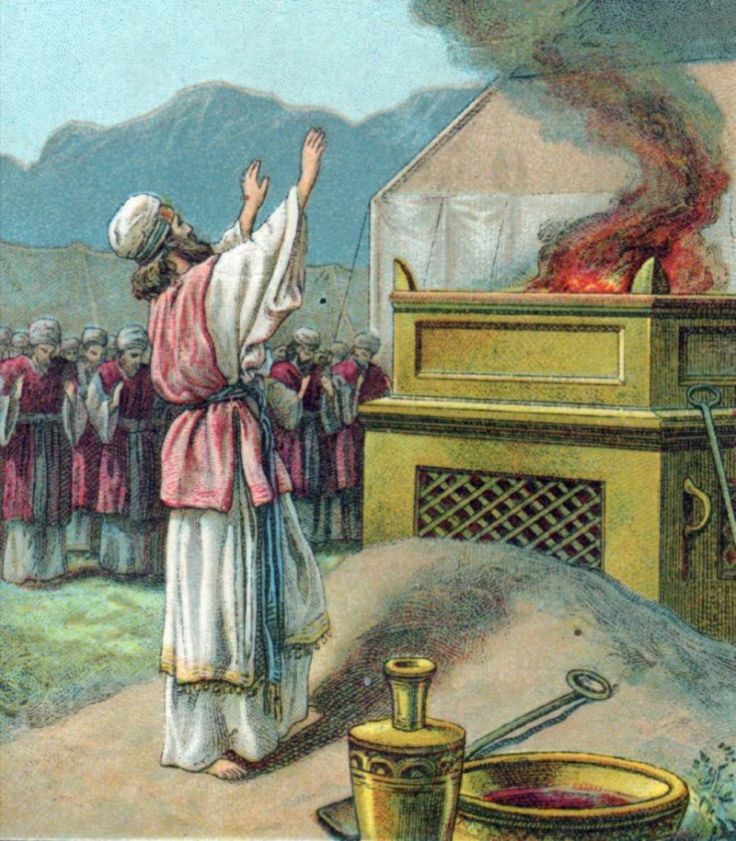
One type of sacrifice that doesn’t belong in the prayer of a believer is the Sin sacrifice. As described in the Old Testament books, the sin sacrifice had to be given to cover over the sins of individuals, priests and even the entire nation. The Israelites even had to give a sin offering for unintentional or accidental sins!

Unfortunately, I sometimes make the mistake of thinking that I must make a similar “sin sacrifice” in my prayer life– that I have to rehearse and recount all my past sins before God will hear me or act on my behalf. And that is NOT Biblical. If we are truly trusting in Jesus’ finished work on the cross, we are not obligated to offer token sacrifices as a means of covering over our past. Christ’s blood IS sufficient! (See 1 John 2:2, 2 Corinthians 5:21,1 Peter 2:24, and Romans 5:9 among others)

So when I talk about prayer of confession, I’m not talking about pouring out long laundry lists of sins I committed last week or thirty years ago. God already knows– in fact He knew about them before they happened!–and He has already forgiven me. That doesn’t mean that He wants me to pretend they never happened or that He doesn’t want me to feel the regret or understand the consequences of what I have done. Instead, He wants me to understand and rejoice in His overwhelming Mercy and Grace! My sacrifice, when I confess my sins, is a sacrifice of praise for God’s willingness to offer what I can never earn or deserve or atone for– complete forgiveness and restoration! I am agreeing with God about who I am and what I’ve done, AND about what He has done for me!

There are other times when prayer can be a difficult sacrifice. Sometimes, I am compelled to pray for those who have hurt me, or those whose actions have hurt others. I am commanded to pray for leaders– that may include church leaders who have sinned, or national leaders who have broken their promises or caused great damage. I am commanded to love my enemies, even if they never repent for things they have done.

Once again, I should be reminded of the sufficiency of Christ’s sacrifice for our sins. He didn’t just die for my Sin; He died for the sins that were committed against me. I may still feel the pain and consequences of that Sin for as long as I live on this earth. But I can trust and be confident that God has dealt with it. And that causes me to rejoice, because I can’t turn back time; I can’t undo the bad things that have happened; I can’t create perfect justice to punish my enemy. But I can let go of the burden of trying to make things “as they should be.” God will do it; He has promised! I can stop wallowing in the “what ifs” or the “what-could-have-beens;” the endless “whys” and “why me’s” that take up so much of my time and focus. Instead, I can leave them as a sacrifice on the altar of prayer, pledging my trust in the Almighty to heal and help me forgive as I have been forgiven.

We don’t practice the old animal sacrifices of the Old Testament. And we don’t have to! But sacrifice is more than just bleeding sheep and burning incense. Sacrifice is offering all of who we are to the One who created us, sustains us, forgives us, and gives us abundant life!

Prayer Requests

As someone who pursues prayer passionately, you might suspect that I hear a lot of prayer requests. And I do. And even so, it’s not enough. I always look for more! I admit to trolling on Facebook for prayer requests; following the church newsletter for prayer requests; and even asking friends if they have any requests when we chat. But what about prayer requests that aren’t exactly requests–

“Oh. It’s really nothing. I’m not worried about it or anything…”
“We’re just going through a rough patch. Nothing to be really concerned about…”
“It’s just something I have to deal with..”
“The doctor says it’s a chronic condition, so it’s just something I have to get used to…”
“I know so many other people who are hurting worse than we are…”

Sometimes, prayers are shortened or even missed because we are looking for prayer requests instead of prayer opportunities. Prayer is an opportunity to talk to God about anything that is on MY mind or in MY heart. Often, it comes in the wisp of a stray thought about someone else. Maybe I haven’t heard from them in weeks (or even years!), but suddenly, they are on my mind. Suddenly, I have an opportunity to pray for them. Do I know what is on their heart or mind? Probably not. But God knows! That schoolmate from fifth grade? Pray for them. So what if I only remember their first name– or their maiden name or their childhood nickname–God knows! That former co-worker who was having a rough time with her teenage son ten years ago? Ten years have passed! I know the son is now an adult. I don’t know if the relationship is better or worse now than it was a decade ago. I don’t even know for sure that the co-worker or her son are still alive. But God knows! My neighbor who seems to be doing fine, but I keep thinking about them, and I don’t know why– God knows! Each one is an opportunity to pray– nothing elaborate or specific– just to lovingly lift them up before God’s throne!

And what about the “actual” requests that I hear or see on-line? Sometimes, there are no details or specifics about “what” I am praying for. But it doesn’t matter. Because God already knows. Even more, He knows the end from the beginning, even if it isn’t exactly what is being requested. I can lift up in prayer situations about which I know very little– because God knows. And for those situations that seem dire or impossible– God knows those, too. And I can lift them up with confidence, even when I have no answers and the problems seem overwhelming.

This sounds easy, but it’s not. It forces me to step away from each request, each situation in which I might try to stake my own “claim.” Yes, I want my friend’s cancer to disappear, or my co-worker and her daughter to have a repaired and healthy relationship. But I don’t have the first clue how to make that happen. I don’t have any answers. I don’t know what GOD has planned in those situations. And while I know what sounds or feels good in the moment, I don’t know what is best in the grand scheme of things. But God knows! He doesn’t want me to solve each problem; He doesn’t need me to offer my “best” suggestion of how He should solve it. All He wants is for me to trust HIM to care for each need. In HIS way, in HIS time, and in the fulness of HIS love!

During Jesus’ ministry here on earth, He prayed many times, but His prayers rarely dwelt on details about specific situations. In fact, in teaching His disciples how to pray, He included the phrase, “THY kingdom come, THY Will be done in earth as it is in Heaven.” (Matthew 6:10) And that is a perfect phrase to exercise, whether I have a specific request, or a flash of memory, or a nagging worry about someone or something.

The same is true when it is my turn to request prayer. There are many times I find myself like the people I quoted above– trying to make light of a situation or avoid actually requesting prayer. It may sound humble and self-deprecating, but there is an element of arrogance in saying “I don’t need prayer for …”(whatever situation). We ALL need prayer. We ALL need to live in the assurance that we can “cast all our cares upon Him, for He cares for us” (1 Peter 5:7 paraphrased). And we need to acknowledge that we should share our cares with others as they share their cares with us. And that we need to allow for God to involve others in the way He cares for us. Asking for prayer is a way of allowing others to share our concerns– and share in our joy of receiving answers to prayer! Requesting others to pray for us is not a weakness. We are not being a burden on others when we allow them to pray for us.

That is not to say that I need to publish every problem and concern on Facebook or in the Church Newsletter! Nor should I try to dictate how or when or what others should pray for me. But it does mean that I must be open to sharing the very real struggles I have with trusted friends, especially if they ask how they can pray for me. Even the “chronic” ones; even the “silly” ones. Because I don’t know how God may use that opportunity in THEIR life; nor do I know how God may use their prayers to bless my life.

But GOD knows!

All I Want for Christmas…

Children are busily writing letters to Santa and making lists for their parents– “I want…” We’re listening to “Christmas Classics” on the radio– “All I Want for Christmas is My Two Front Teeth.” “All I Want for Christmas is You,” “I’ll be home for Christmas…Please have snow and mistletoe and presents on the tree…” “Christmas, Christmas time is here; time for toys and time for cheer. We’ve been good but we can’t last– Hurry, Christmas. Hurry fast!”

Advent is a time of expectation and hope. But it can also be a time of selfishness and greed. “I want…” “I’m dreaming…” Even if the things we want and wish for are not ‘bad’ things, we can get so caught up in the wanting and wishing, that we forget the deeper meaning and purpose– not just of Christmas, but of life! Life isn’t about getting things– even good or nice things. And Christmas, while it is a season of gifts, is primarily a season of giving.

Turning the radio to a Christian station, I can hear old familiar carols reminding me of the real reason for this season. “O Come, O Come, Emanuel!” “Joy to the World!” “Hark, the Herald Angels Sing–Glory to the Newborn King!” “What Can I Give Him, Poor As I Am?” “Yet In Thy Dark Streets Shineth the Everlasting Light…” “This, this is Christ the King; whom shepherds guard and angels sing.”

Even so, it is tempting to spend time this Advent season thinking and praying about all the things we want– noble things like Peace on Earth, Good Will to Men, and good things like health and happiness for our loved ones, and even selfish things, like a new toaster or a new pair of gloves. But what about what GOD wants this Christmas?

Photo by Wolf Art on Pexels.com

God wants us to enjoy the blessings He sends our way. But He also wants us to be grateful for the blessings we already have; the ones we have enjoyed (and even taken for granted) all year long. He wants us to take time in this busy season to reach out, not just with gifts and cookies and lights and greeting cards, but with compassion, warmth of heart, a willingness to listen, an invitation to share tears as well as joys, and efforts to heal old wounds and make peace right in our own families and neighborhoods. Christmas isn’t just about the baby in the manger– it’s about the Christ of the Cross, and the Return of Christ the Triumphant. And this is Our Advent season– awaiting and preparing for His Return!

There are many good things to “want” this Christmas. But all I really want is to be ready for His Coming– ready to receive His Grace, His Hope, His Joy, and to point others to “Thy Glorious Light!”

Fuzzy Socks

Every year at about this time, people come up with lists of “Things For Which I Am Thankful.” Some lists are elaborate. Some are short. Some are earnest; others are tongue-in-cheek– “Thanks for nothing.”

A few years back, one of my former students started posting on Facebook about her “thanks” list. She started on November first and listed one thing for every day of the month. I liked the idea, so I began doing the same. I’ve done it for a few years now. It’s not really difficult to find things to be thankful for– but it can be frustrating trying to come up with 30 different things that don’t end up overlapping or repeating. I could list individual family members on different days, but if I’ve already listed “Family” or “Grandkids” (as I did this year), it seems repetitive to list them separately. Also, what if I list some family members and leave others out? Won’t someone be hurt?

I began to realize, as well, that posting every day can become somewhat self-indulgent. What about those who are alone in the world? My rhapsodizing about family, good food, good health– isn’t that really just a subtle way of bragging about my blessings? The real goal of Thanksgiving shouldn’t be about WHAT, but about WHO? WHO is the source of all these blessings? WHO deserves to be thanked for any of the wonderful people, things, and situations in my life?

In the middle of all this second-guessing and self-righteous reflection one year, I was suddenly struck with a strange and ridiculous thought. I am really thankful for fuzzy socks! I used to run around barefoot every chance I got. But in the past few years, I’ve developed neuropathy in my feet from diabetes. My feet are often numb and cold. They aren’t so painful that I can’t walk, but sometimes the least little thing on the rug or floor can suddenly feel painful to my bare feet. Fuzzy socks are a treasure to me. They keep my feet warm, and cushion against some of the tiny antagonists– the pile of the carpet, the mote of dust on the floor, or the early morning temperature of the bathroom tile.

And it hit me. Thanksgiving is not just about the “important” things in life– though it’s wonderful to take the time to evaluate how much God has given me, and how many “big” things I often take for granted. But Thanksgiving is also about the little things– like fuzzy socks– that touch our lives. God cares about my neuropathy. He cares about my likes and dislikes, my comforts and my aches and pains.

And Thanksgiving is not just about “fun” or “pleasant” things. I am thankful for the times when God has disciplined me; when I have had to struggle to find the answers, when I have had to ask for help. I am thankful that God is with me in every situation. I am grateful to remember how much He REALLY cares about me. And in remembering all this, I want to share with as many people as I can reach how truly thank-full we ALL can be for the Love, Mercy, and Grace that is showered on us by God every day. Even when we are not aware; even when it involves something as simple as “fuzzy socks.”

So, I still post about 30 things every November. I discuss my thankfulness for family and friends, for vision and mobility, for a roof over my head, and for transportation, and the freedom to come and go. I list “Godly” things like prayer and my Bible or my Church. But I also list “fuzzy socks.” And pizza, and crossword puzzles, bird song, snowflakes, and books. Such things truly make me grateful.

Leaning…

(Note: this is an edited and updated post from a couple of years ago.)

“What a fellowship; what a joy divine,
Leaning on the Everlasting Arms…”

Bethel Church, Penn Twp., Michigan

Years ago, growing up in a small community, and attending a tiny rural church in southwestern Michigan, we sang this song often at church. As a child, I liked the tune, but had little idea what the song meant. In fact, when I was very small, before I could read, I misunderstood the lyrics– I thought the congregation was singing “wienies” on the everlasting arms. I made my grandmother laugh when she heard my interpretation! She helpfully corrected me. So I knew the basics. I knew the word fellowship– that was what we called the pot-luck meals and social times we had in the church basement. I knew that Joy was like happiness, only better. I knew that “divine” referred to God and Heaven, and Holy things. But I also knew that leaning was frowned upon– I was told to stand up straight, sit up straight, and never lean back on the two hind legs of the chair in class. How could there by fellowship, and divine joy in leaning? And what were the Everlasting Arms? It sounded like the name of a hotel. It was a long time before I began to understand the joy of leaning, or even falling into the “everlasting” arms of the Savior.

As I have lived, I have grown to understand and cherish these words. There IS a fellowship and a joy divine in learning to lean on the Everlasting Arms of Jesus; to experience the strength and peace that passes my own understanding when I trust fully in Him, instead of in my own plans, whims, dreams, or wishes. There is no shame in leaning on God– in fact, if we don’t learn to lean on the solid wisdom and faithfulness of God, we will slouch into bad habits, “fall” into false teaching, or simply collapse in our own limitations and weaknesses, much like a chair leaning on just two legs! And this fellowship is not only with my Creator, Sustainer, and Savior; it is with all the brothers and sisters around the world who have learned to trust Him, too. I can travel to foreign countries, with different languages and customs, and still feel the kinship and “belonging” with other Christians. It is deeper and more mysterious than just the recognition that we are fellow human beings. It goes even deeper than the love for others who are loved by God. It is the recognition that God’s Holy Spirit surrounds us, flows in and through us, strengthens us, and unites us IN HIM. We are fellow travelers; fellow workers; fellow members of a universal family– one that is more inclusive than nationality, race, ethnicity, language, ideology, or denomination. We can (and do) lean on the ONE who is eternally trustworthy, eternally faithful to walk beside us, empower us, comfort and heal us, and lead us home. And we can lean on each other, knowing that our mutual strength comes from Him.

I love worship services, and I’m thankful that we have an active church where people worship; where the Bible is taught and revered; where families and individuals are welcomed and loved. But I sometimes miss the old “prayer meetings” in the church where I grew up. Every Wednesday night, while the children were (supposedly quietly) playing games, singing songs, and listening to the great stories of the Bible, a faithful (and sometimes rag-tag) group of adults were upstairs in a huddle. Some pulled up chairs and sat in a circle; others knelt the whole time. They prayed for nearly an hour–prayers of thanksgiving and prayers of urgent needs; prayers expressing worship, and prayers expressing inadequacies and failures; prayers for the children downstairs, for other members of the church family; prayers for the community, the country, and the world. As I became a teenager and a young adult, I was privileged to join in. I watched wise, older men and women express their confidence in God’s provision, and pour out their hearts for their children and grandchildren. I listened to young adults asking for wisdom and guidance as they raised families and witnessed to co-workers. I felt the joy and grief and true “fellowship” that came when several hearts turned as one to God.

I have since attended many “prayer meetings”– some planned, some spur-of-the-moment; some held in churches; others held in homes or dorm rooms, even on street corners or grocery stores; some lasting only a few minutes; others lasting hours. I am blessed to be able to attend a weekly “prayer meeting” on Wednesday mornings at my local church. There is something mystical about communal prayer– listening and sharing in prayer with others. The prayers of God’s people are compared to incense– and communal prayer is like a delicately-balanced blend of fragrances, infusing the very room with blessing, and even a touch of Glory. (For more about how prayer is likened to incense, see https://the-end-time.org/2017/06/13/how-is-incense-like-prayer/) It is yet another miracle of the power of prayer, that we can combine hearts and voices to honor God; to lift up very human concerns to the One powerful enough to hold each one in the palm of His hand. It should not replace personal prayer and Bible Study, or communal worship services, but it is a wonderful practice for any Christian to “come alongside” in prayer with fellow believers. It is also humbling to think about how such a seemingly small act can have far-reaching consequences.

God “inhabits” the praises of His people (Psalm 22:3). When we show up and participate in communal worship and prayer, we get a greater sense of God’s presence, His power, His Glory, His Love, and His eternal purpose. What a Fellowship! What a Joy, Divine!

Why Say Grace?

When I was growing up, we always said grace before our meals. It wasn’t an afterthought; it wasn’t an affectation. It was just part of the meal. We sat down, said grace, and started eating. Sometimes, Dad did the honors; sometimes, it was Mom. And sometimes, my sister or I were asked to say it. It was usually something simple, though it wasn’t always the same. We would say grace at home, around our own table, and we would say grace at restaurants– wherever and whenever our family was together for a meal.

Today, my husband and I have the same tradition. We don’t have children in the house, but he and I take turns saying grace, and if one of the grandkids happens to visit, they know they may be asked to take a turn, as well. If David and I are eating out, we still take a quiet moment to hold hands, close our eyes, and say grace. Some times, other diners or wait staff will stare (or glare) or comment, but most of the time, they don’t even notice.

So why do we do it? Is it no more than force of habit? Are we just “holier” than other diners? Do we really think it impresses God if we say grace, or that God will be angry if we don’t say it?

No. But we believe saying grace is important. Here are some reasons why:

  • Grace is about gratitude. In our busy lives, it can be tempting to take things for granted– even things like food and family. We are BLESSED to have food to eat, and family with whom to share it. We are blessed when we go out to eat to have others cook and clean up for us. We are blessed whenever our family or neighbors can share a meal with us. God is a loving and gracious God, and grace is a time to remember our blessings.
  • Grace slows us down for just a minute to REMEMBER who we are, and who God is! All our blessings– including food and family and time to share them– come from God. Grace reminds us to be humble as well as thankful. It reminds us to see God’s hand at work in even the smallest and most mundane happenings in our lives. And it reminds us that God is faithful in all things, big and small.

  • Grace also helps us to remember to thank the people involved in our meals– the ability to buy groceries; the work it takes to prepare our food; friends and family who share our meals; neighbors who have given or traded with us for food; the cooks and wait staff that serve us at restaurants. Saying grace helps us SEE how we are interconnected; how we depend on God and on others in every area of our lives.
  • Grace gives us the opportunity to lift up our immediate worries and give them to God, instead of holding on to them. Grace is more than just a quick word about food. It is a time for us as a couple (or a family) to pray together about worries that are on our minds. Then, instead of being stressed as we eat, we can stay “in the moment” with each other, and enjoy mealtime together! It’s also a great way to share our thoughts, feelings, and concerns in a safe and informal environment. How much better mealtime is when stress and frustration are diminished, and joy and peace are given a seat at the table, instead!

Saying grace is much more than just a quaint habit from a bygone era. It is a vital part of our growth as individual Christians, and as a Christian couple. I believe it is a simple and quiet witness to others. I believe it has benefits for our digestion, our attitudes, and our emotions, as well.

Grace– not just the mealtime prayer, but the concept of Grace– is not loud or showy. It is, however, consistent, lovely, and powerful. May we say grace; may we show grace; may we live in the power of Grace today!

Unspoken

What does it mean when someone says they have an “unspoken” prayer request? If you are new to Christianity or to prayer, this can seem confusing. Aren’t we supposed to present our requests to the Father? Aren’t we supposed to pray for one another? How can we ask someone to pray for us, and then hold back on giving a reason? Is that “cheating” somehow?

There are several reasons why someone may ask for “unspoken” prayer, and there is no reason why we should not pray just as fervently for an unspoken request. So why would someone be reluctant or even unable to speak their request?

  • Sometimes, they are passing along a request from another. Someone has shared a burden, and it seems too large for just one or two people. But the original request was not shared publicly, nor did the sharer give permission to share details in a group. It is important to honor the other person’s attempt to avoid gossip and oversharing.
  • Sometimes, the request involves a delicate personal situation– an unsaved spouse, an aging parent facing financial difficulties, etc.– and the details of a request might cause unnecessary pain or shame to another, or strain an already tenuous relationship.
  • Sometimes, the person asking for prayer cannot put their request into words. They know there is a problem, but they may not fully understand what they need or even want. Sometimes, a sudden change throws them into turmoil. Other times, an unrecognized problem has been looming, and they are taken by surprise. Sometimes, there are multiple issues and layers of issues that can’t be explained easily.
  • Sometimes, the person is ashamed of asking. They may feel like a failure for even asking. It may be an issue they thought they had overcome, and they are reluctant to admit that it isn’t resolved. They may not be ready to confess a secret sin, but they know they need help.

Whatever the reason, we should always be willing to pray, especially when asked to do so. But how can I pray for someone who won’t or can’t tell me what they need? 

In many ways it is the same– If I know that “Sue” is battling cancer, I am still praying to the same God as I am for “Janet” who can’t tell me about her recent diagnosis or her ongoing battle with a wayward teenage daughter. Yes, I can be more specific in my prayer for Sue, but I can still lift up Janet as someone who needs God’s care, protection, and encouragement. I can acknowledge that God loves both women, and that God is the only one who can meet their needs. I can praise God that HE knows all; that He is sovereign over all, and that He cares about Sue and Janet (and Me) far more than I can understand. 

What are some practical guidelines when praying for “unspoken” requests?

  • Honor the other person’s privacy. Don’t try to drag a confession or sordid details from someone who is already struggling to share their need for prayer. Your “need to know” all the details is less than another person’s need for earnest encouragement, compassion, and support.
  • Concentrate on the basics— don’t try to “guess” at specifics. Pray for their general health, well-being, growth, encouragement, and strength to persevere. If you know of an ongoing situation, don’t get bogged down on praying for just that issue. Use this opportunity to uphold your friend or neighbor, brother or sister in loving prayer, not intense scrutiny.

  • Do not cast judgment. It is NOT your place to decide whether or not the other person “should” be more open or share more details. It is NOT your place to decide whether or not the other person “really” needs your prayer. We all know people who “overshare,” and we all know people who seem addicted to drama. We all know other people who never open up or seem independent and self-contained. Their “unspoken” requests are still “real” requests– even if they are making the third one this week. Lift up your sister or brother with love, not exasperation or comparison with anyone else. Remember, you would not want someone else dissecting your life trying to decide if your prayer requests are “worth” their time.
  • Thank God for the opportunity to join God in loving others! If someone is asking for your prayer, it generally means that they respect and trust you to respond. God is giving you a unique and wonderful opportunity to join in His work! Prayer of this type is not a burden or an obligation. It should be a joyful experience.
  • Follow up. Let the other person know that you are praying for them. If possible, pray with them, remembering that this is not an opportunity to pry, poke, or condescend, but to uplift, encourage, and invite God to act! If you get the opportunity to do so, check in with the other person in a few days or a week, to let them know you are still praying.
  • Use this opportunity to build your relationship. ”In what other ways can I be praying for you?” ”Is there anything I can do for you?” Don’t make a fuss. They may (even probably will) say no. Don’t pry about details, but offer practical assistance, as well as prayer, whenever possible.

I try to use this model whenever I get an “unspoken” request– whether in person, as part of a prayer chain, or scrolling through social media. EVERY request is an opportunity. EVERY request deserves my eager and faithful response.

O, Christmas Tree

As I look out my window today, the sun is shining on hundreds of bare branches. The sky is blue-gray, and the branches are brown and mostly lifeless. Occasionally, a breeze will stir the thin upper branches, or the very last of the dead-looking leaves. When the snows come, the branches and twigs will glisten and stand out against the white-covered ground and slate-gray skies above.

But elsewhere in town, and in the forests and woods just outside of town, there are evergreens! Their green needles and sturdy, squat shapes may go unnoticed in spring and fall, when the other trees show off their glorious changing colors and elegant branches. Soon it will be their time to stand out. Their low branches help break the snow drifts, and increase visibility. Their greenery reminds us that life endures and continues.

I hesitated to write about Christmas Trees. There are no Christmas Trees in the Bible story of the Nativity. Decorated trees have a connection with pagan rituals from long ago. It wasn’t until the first half of the 19th century that Christmas Trees really became a tradition throughout most of Europe and spread to America. What connection do they really have with pursuing a Christian Walk? Only the ones we choose to apply…

  • Evergreen trees are a symbol of eternal faithfulness. They stay green year-round. They do not lose “leaves” like other trees (though they drop needles and cones). This can be a reminder to us of God’s faithfulness and His unchanging nature.
  • Evergreen trees are generally the “newest” trees. After a fire, for instance, pine and fir trees will be the first trees to spring up. Hardwoods take longer to recover and regenerate after a disaster. Just as the birth of Jesus represented the coming of new life and hope, an evergreen tree can symbolize new, fresh growth.
  • While there is no “Christmas” Tree in the birth of Christ, there is a tree in His death on a wooden cross. Hidden in the greenery and lushness of a Christmas Tree is the solid trunk that symbolizes the Cross that Jesus bore, and the Cross that bore Him. Even the needles on the tree call to mind the crown of thorns– sharp, painful, prickly. Jesus came to serve; He came to bear the shame and humiliation, the pain and suffering that WE deserve.
  • Christmas Trees “point” upwards. Unlike many other trees, they get narrower as you look up, and are broad near the bottom. This is a reminder that here on earth, we are to spread out–spread the Gospel, spread the Love of Christ to as many as we can. And our focus should be drawn up to God in Heaven. That is why we traditionally “crown” our trees with stars or angels– to remind us that Heaven should be our “top” focus.

This year, if you are putting up a Christmas Tree, I pray that your focus would not be on the tree itself. It may be real or artificial; green or white or some other metallic color. It may be decorated with glass bulbs, funky home-made crafts, expensive, individualized ornaments, chains of cranberries or popcorn, bright ribbons or twinkle-lights, paper chains, or even photos of loved ones. But all that can be distracting from the true meaning of a Christmas Tree and WHO it represents. And I pray that your focus would not be on the gifts placed in or around the tree, but that those gifts would truly remind us of the greatest Gift of all– Jesus! I pray that the tree would be another wonderful reminder of the one who created trees, knowing He would one day die on one! I pray that you would be encouraged to share new and enduring life and growth to others. I pray that you would be encouraged that God’s plans are eternal, and His Promises faithful and sure.

Blog at WordPress.com.

Up ↑