Always Remember, Pray, Give Thanks

The Apostle Paul is consistent in opening most of his letters with a phrase that uses the same four key words– Always, Remember, Prayers, and Thank. The order of the words may change, but the idea stays the same. Paul is always remembering others, always praying for them, and always thankful to God for them.

Photo by John-Mark Smith on Pexels.com

Paul uses similar phrasing whether addressing individuals, like Timothy or Philemon, or church groups, like the Ephesians or Philippians. But the message is always very personal. He is not saying a general “Thank You” to God for people “like” Philemon, or “like” the church in Ephesus. He is remembering shared burdens, shared laughter, shared experiences, and thanking God for those deeply held memories. He is lifting up individual burdens, such as the on-going disagreement between Euodia and Syntyche in Philippi (Philippians 4:2), or Timothy’s stomach problems (1 Timothy 5:23).

Photo by RF._.studio on Pexels.com

It is easy, and costs nothing, to pray generic prayers for a large, faceless mass of strangers. It is easy to love humanity from afar. It is another thing to enter into another person’s “messiness” and “bear one another’s burdens” (Galatians 6:2); to remember struggles and sacrifices made on behalf of others (or to remember being the one in great need of another’s sacrifices). Life– abundant, vibrant, and glorious–calls us to get involved. Not just from the sidelines, not just when it’s convenient, but “always.”

Photo by Helena Lopes on Pexels.com

Prayer calls us to be involved. That doesn’t mean we can’t pray “general” prayers– for peace in foreign lands, or and end to drought or hunger, etc. But we must not neglect “wrestling” prayers–prayers for our unsaved loved ones, prayers for persecuted believers (whether next door or around the world), prayers for our community workers, and prayers for those who are in need. Nor should we neglect prayers of remembrance and thanksgiving for those who have come into our lives. Finally, we need to be willing to let individuals KNOW that they are being remembered, prayed for, and appreciated.

Photo by Design Killer on Pexels.com

One of the greatest blessings I know is remembering all the special people who have crossed paths, shared the journey, and borne shared burdens with me, and knowing that each person, each memory, each moment, is eternally and infinitely precious to God! What a privilege it is to share good times and even “battle scars” with so many amazing, unique, beloved people! What a privilege to lift them up before the throne of grace!

An Empty Cup

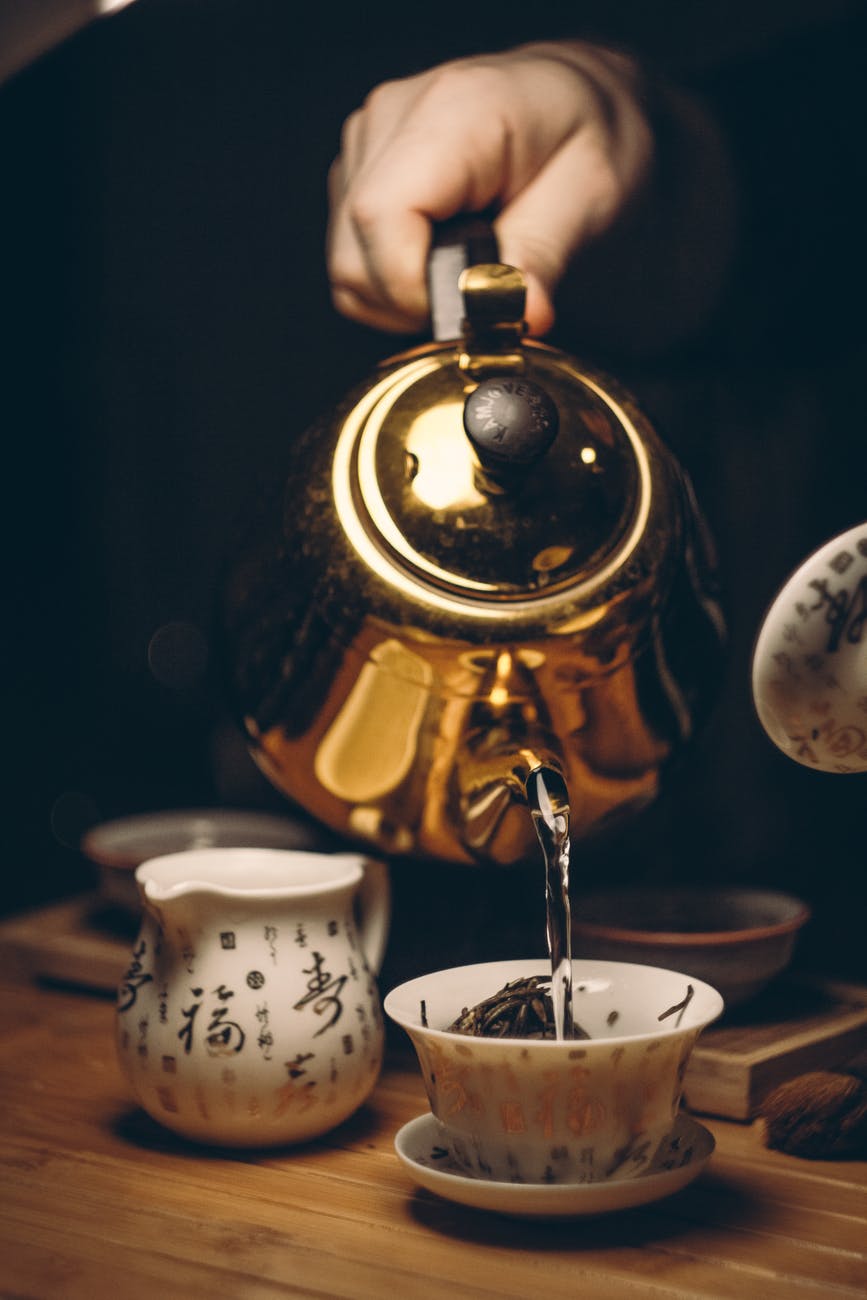
Sometimes, I come to God full– full of joy, full of worry, full of praise, full of confession. But sometimes, I come to God feeling very empty. I am worn out, tired, depressed, inadequate, and lacking. My cup is very empty.

Photo by Madison Inouye on Pexels.com

The Bible is filled with images of cups and pouring out– have you ever noticed? “My cup runneth over” (Psalm 23:5) “Let this cup pass from me.” (Matthew 26:39) “Take this cup..” (Luke 22:19-20) “I am being poured out like a drink offering..” (Philippians 2:17) (and many others).

Photo by Linnea Herner on Pexels.com

My husband and I went out to lunch recently. The hostess took our drink orders while we looked at the menu. By the time we were ready to order our food, there were glasses of ice water, lemonade, and hot coffee already at our table. Our waitress came over often to check on our food and drink. Before I had finished my lemonade, there was another glass waiting! Before David had finished his coffee, there was more– fresh and piping hot! We came into the restaurant hungry and thirsty– we left refreshed and full. Imagine if our hostess had brought us cups with only a small amount of water or drink, and refused to give us more. We would be disappointed, even surprised. And often, the hostess would come around to a table to find that no one wanted or needed a refill. There was plenty of water to satisfy thirst, yet some people drank sparingly, or left their drink nearly untouched. We take for granted that there will be plenty to drink at the restaurant, yet we often come to God expecting only a little of His rich blessings.

Photo by sergio omassi on Pexels.com

When we come to God empty, He is always ready to fill our cup to overflowing. God’s blessings are abundant. He fills us to overflowing, so the blessings can be shared. Jesus said to the woman at the well, “Everyone who drinks this water will be thirsty again, but whoever drinks the water I give them will never thirst. Indeed, the water I give them will become in them a spring of water welling up to eternal life.” (John 4:13-14 NIV via biblegateway.com)

Photo by Tuu1ea5n Kiu1ec7t Jr. on Pexels.com

I feel guilty when I come to God feeling empty and needy. I don’t deserve a full cup of God’s blessing. But I must come willing to accept, not what I think I deserve, but what God is pleased to give. Even if I feel empty, I may be ignoring a cup filled with pride, shame, guilt, or self-dependence. God cannot fill a cup already full of such things. But God is pleased to fill to overflowing the cup that is ready to receive Him! And He is not just filling my cup to overflowing– He is filling my cup so that I have something to pour out to others!

Photo by Cameron Rainey on Pexels.com

Sometimes, my cup seems empty because I have been pouring myself out. I can do this in good ways or bad, for the right reasons or in self-abasing ways. But Jesus poured Himself out for others–figuratively and even literally, spilling His blood for our atonement. We are to share our lives and resources with others– to pour out of our abundance. Sometimes this leaves us feeling empty–temporarily. God does not mean for us to live in emptiness, but He also doesn’t mean for us to hoard His blessings. The more we pour out, the more there is to refill our cup!

Photo by NIKOLAY OSMACHKO on Pexels.com

But there is another blessing– the blessing of another empty cup. There is a cup of wrath that should be ours– a cup filled with bitterness, regret, punishment, and pain–a cup of eternal thirst for justice and salvation–one that Jesus willingly drank for us. The cup He extends is the cup of blessing and joy that was His from the foundation of the world; a cup we could never have tasted but for His sacrifice.

Before us are two cups– one that can be forever filled to overflowing, and one that can remain empty of the bitter dregs of sin.

Photo by Karolina Grabowska on Pexels.com

Blog at WordPress.com.

Up ↑