It is supposed to be springtime in my neck of the woods. We’ve had two days of snow this week, chilly winds, and frost/freeze warnings. Fruit farmers are worried about losing the fragile blossoms that we need for apples, peaches, and cherries later this year. Many of the spring flowers are also in jeopardy. People are joking that we need to “unplug” springtime and “reboot” it, because it seems not to be working! The seasons seem “out of time.”
Sometimes our lives seem the same. We expect a season of growth or warmth, only to feel the cold winds, or we experience drought when we expected rain. Our prayers will change as the seasons come and go– young parents pray for patience as their days are hectic; aging parents pray for visits from their busy children and grandchildren. We go through seasons of success, seasons of stress, seasons of forced immobility, seasons of grief, and seasons of distracted activity.
Throughout the Psalms, David and the other psalm writers sang of woes and wonders, praises and problems– sometimes within a single Psalm! We have seasons of questioning, and seasons of confidence. Sometimes, we feel close to God; other times, we wonder why He seems so far away. Our “songs” and prayers will change over the course of our lives and according to our moods and circumstances– desperate, worshipful, even indignant. Yet God hears them all– He wants us to pour out our hearts in all seasons!
Our seasons may change, but God is Eternally Loving and Sovereign. Our moods and changing circumstances cannot remove us from His watchful eye or His tender care. Our momentary anger and doubt are not beyond His willingness–even eagerness– to forgive and redeem! God is Lord of all the Seasons– seasons of snow and sunshine; seasons of joy and sorrow. Even when our seasons seem “out of time,” we can lift our voices to a God who never changes.
Prayer can take many forms and be many different things. I write about prayer as a pursuit– something done with purpose and with some kind of discipline. Prayer is not meant to be just another discipline in the life of a believer. “Pray without ceasing,” Paul says in 1 Thessalonians 5:17; but this is not meant as an exercise to pursue quantity of prayer over quality, or to spend every waking moment consumed with prayer to the exclusion of all else.
However, we are called to be disciples– and that necessarily entails learning discipline. Any activity taken on without discipline can’t really be called a pursuit. It may be a hobby or an entertainment, but pursuit involves direction, dedication, and focus. And this includes our prayer life.
I want to be very careful in discussing this aspect of prayer, because I believe that there is a real danger of letting the discipline overshadow the purpose of prayer. HOW we pray is never more important than WHY we pray, or to WHOM we pray! But failing to make a plan for prayer can cheat us of the benefits of learning to pray deeply, consistently, and with greater focus.
With this in mind, I want to spend some time each month talking about ways to “grow” a life of prayer. Today, I want to focus on journaling as a way to pursue prayer.
As with any discipline, the key is consistency. That’s why journaling can really help. Keeping a record every day of things to pray about, of reasons for praise, of people or issues to bring before the throne of Grace, can keep us focused. It can also help us chart God’s answers and His work in our lives and the lives of others. I keep four separate notebooks– one for each quarter of the year. But there are wonderful daily journals and notebooks that can work as well. Some come pre-printed with scripture or prayer prompts for each day. Some people use a pocket calendar or calendar app on their phone or computer. The method isn’t as important as having a planned approach.
I recommend having a daily focus that is consistent from week to week. For instance, on Sunday, I focus on The Church– missions, local church congregations, persecuted churches, evangelism effort, etc.. On Monday, I focus on Family and Friends. Tuesday, I pray for the Government– local, state, federal, and leaders of other nations. Wednesday is Community–community services, schools, businesses, neighbors, even roads and parks and utilities! Thursday is Global Day– things like war and drought, natural disasters and diseases. Friday, I focus on business and finances– my own, and others. Saturday is a day to pray about cultural issues, like abortion, marriage, gender issues, etc. That doesn’t mean that I don’t pray about family members on Thursday, or about a school shooting on Sunday. But it means that I pay special attention to those matters on particular days. Here are some reasons why:
God wants to hear from me about everything. But without a plan, I tend to pray about the same few things over and over. I pray about whatever is worrying me in the moment. And only that. God wants me to be aware of all that He is doing. He also wants to remind me that He is LORD of everything; big and small, immediate and long-term, far away or around the corner.
God wants me to be consistent and persistent in praying. But that doesn’t mean praying obsessively. Obsessive prayer can become nagging, doubt-ridden, desperate pleas. God listens to our prayers. And we can trust Him, even when we don’t get immediate answers or relief. We don’t stop praying, but we also don’t stop trusting Him for the next step in the journey. God is bigger than just one aspect of my life– no matter how urgent or overwhelming that aspect may seem today. My focus needs to be on God’s sovereignty, and not just my immediate circumstances.
God works in mysterious ways. I may not feel like praying for my Governor, or my neighbor, but it may be that my faithful prayer today is what God will use to make changes in some other aspect of my life. Praying for what I have on my list, rather than just what pops into my mind may actually remind me of something else, and help me see how God is working in an area I might have missed otherwise!
By practicing this discipline in prayer, I am learning discipline in other areas of my Christian walk.
I read an interesting article on-line the other day about the late Duke of Windsor. Born as the heir to the throne of Great Britain, he was trained from an early age. His father, the King, wanted him to learn discipline and honor, so as to be prepared to assume his role. But Edward despised his father’s training. He found his father to be harsh and critical, prim and joyless. And he rebelled. He took little interest in the affairs of state, preferring to focus on his own pleasure. As his father grew older and weaker, Edward was asked to take on more royal duties. He enjoyed making appearances at parties, but despised many of the other tasks– letter writing, or visiting factories or various parts of the Commonwealth. He refused to settle down and marry, until he met Wallis Simpson, who was twice-married, and separated from her second husband. She was also an American citizen.
Edward VIII wanted to defy the laws and traditions of his own nation in order to marry. When this proved to be contentious, he decided to abdicate his throne, marry Mrs. Simpson, and live abroad. Instead, his brother became the next king (George VI), guiding his nation and the commonwealth through the difficult days of the second world war.
For many years, the myth of a king who gave up his throne to be with “the woman I love” has prevailed. But there was more to Edward’s abdication than blighted love. Edward was not incapable of ruling, but he was unfit to rule it well. His lack of dedication to his duties and citizens became evident in the very first crisis. Those who were working with him during his short reign witnessed his lack of care or concern about paperwork, and his selfish insistence on doing what he wanted to do, and not what was expected of him or of benefit to his people. He was a man without discipline and without a clear moral compass https://www.dailymail.co.uk/news/article-417388/Prince-Charmless-A-damning-portrait-Edward-VIII.html.
The Bible is filled with many examples of kings throughout the history of Israel and Judah who also failed to learn discipline or restraint. Their desire to reap the benefits of their position without learning to fulfill their responsibilities led to the moral, and eventually the physical and political collapse of their nations. They did not make a habit of seeking God, or of listening to His prophets. They sneered at good advice, and defied the laws of Moses and the rules God had given for the kings. Some of them worshiped other gods; some even sacrificed their own children to foreign gods or goddesses. They failed to keep the sacred holidays; they failed to read the Word of God; they failed to pray– except as a last resort!
We often perceive prayer as a personal practice– and it is. But how we choose to develop our prayer life may be tied to how we choose to develop the rest of our lives. We don’t need to be rigid and legalistic about it. But we do need to live– and pray– with purpose, if we wish to follow the example of Jesus and grow in our walk with Him. Not only does it impact our life and growth– it impacts our witness and our influence as well. Pursuing prayer in a disciplined way may have a far-reaching impact on our life and the lives of others– even in the generations to come. For more, see the page Why I Keep a Prayer Journal
When violence strikes, I want justice. I want action. I want to make the evil stop.
Just the other day, there was another school shooting in the news. At least six innocent people lost their lives, and another community was ripped apart by grief, shock, and anger.
But is it really justice that I am seeking? Or is it vengeance?
Justice is permanent. Justice is final. Justice takes time. Vengeance is visceral and immediate. Vengeance is a reaction; a retaliation. Justice, on the other hand, is blind to the emotions of the initial event. Vengeance is driven by emotion. Justice comes through the objective application of the law.
Justice is God’s business. I do NOT understand why or how God allows evil to happen in the first place. It hurts. It doesn’t make sense. It is destructive. But it is the nature of Sin. And Sin infects the entire world. We cannot escape from it. We cannot deny its existence. We cannot put an end to it. We can only follow the arduous and imperfect justice systems that are in place for our community or our country. We cannot achieve perfect justice. But God can. And He has promised to do so– in His time, and in His way. This can be comforting, but it can also be frustrating.
Vengeance is also God’s business. God has emotions, just like we do. But His are always under perfect control. God’s wrath is frightening in its power, and paralyzing in its purpose.
Beloved, never avenge yourselves, but leave it to the wrath of God, for it is written, “Vengeance is mine, I will repay, says the Lord.”
As imperfect as our systems of justice may be, they are still systems, with order and time to look at the total situation. Vengeance doesn’t stop to count the cost. It doesn’t stop to listen to the full story. It seethes and coils like a rattlesnake, waiting to inject venom into the first victim to cross its path. Human vengeance never leads to peace.
Also, vengeance is limited to the strength and resources of the avenger. If a shooter takes the life of my loved one, my vengeance is limited to the actions I can take. I may kill the shooter; I may take the life of their family members; but I cannot bring my loved one back, nor can I guarantee that the killer will suffer the same amount or the same way I do. Vengeance never looks forward, and it never offers a solution to move forward. It lives in bitterness and anger and discontent.
As followers of Christ, we are asked to take a stance that seems impossible from a human standpoint. We are asked to keep our hands clean, to keep our minds at peace, and to give our grief, our anger, and our craving for vengeance over to God with no reservation and no option to set the limits or timelines.
To the world around us, this seems weak and even unjust. What if the evildoer “gets away” with her/his crime? What if the victim never gets “justice” in their (or our) lifetime? What if we never “see” justice done? What if God “fails” to avenge us or our loved one? What does the Christian “do” in the face of evil? Nothing?! Fall on our knees and pray?! Offer lukewarm assurances and empty promises?
The problem with evil– especially shocking violent events– is that we can’t see beyond the immediate shock and pain. That doesn’t mean that there IS no pain or shock or anger or frustration if we choose not to react with vengeance. The pain is still very real, and overwhelming. But we choose to make room for faith that sees the larger picture. Faith makes room to see not just justice, but mercy. It allows us to see the overall tragedy of Sin, beyond our immediate tragedy of an individual act. Faith sees beyond our helplessness to God’s Sovereignty. It sees beyond the present pain to future healing.
I pray for the families of the victims in this latest shooting– and for all those who have experienced such violence. And I pray that God will show me what I can do to make a positive difference going forward. I pray for the strength and the faith to let go of hatred, bitterness, malice, and outrage. Finally, I praise God, even in the middle of pain and shock, knowing that He can be trusted to bring perfect Justice– and perfect vengeance–the kind that leads to a peace beyond our understanding. These are not “easy” prayers. They are not blind prayers, or prayers prayed without tears and groaning and questions. But they are real prayers, not empty wishes that I could avoid all unpleasantness or that I could exempt myself (or others) from tasting sorrow, grief or pain. Rather they are prayers that acknowledge that Life is more than struggle; that Love and Mercy are stronger than despair, and God has already won the ultimate victory.
10-14 I’m glad in God, far happier than you would ever guess—happy that you’re again showing such strong concern for me. Not that you ever quit praying and thinking about me. You just had no chance to show it. Actually, I don’t have a sense of needing anything personally. I’ve learned by now to be quite content whatever my circumstances. I’m just as happy with little as with much, with much as with little. I’ve found the recipe for being happy whether full or hungry, hands full or hands empty. Whatever I have, wherever I am, I can make it through anything in the One who makes me who I am. I don’t mean that your help didn’t mean a lot to me—it did. It was a beautiful thing that you came alongside me in my troubles.
Philippians 4:10-14 (The Message)
I know many Christians who quote Philippians 4:13–generally in the King James or New King James versions: “I can do all things through Christ, who strengthens (strengtheneth) me.” It is a powerful verse, but taken out of context, it can become twisted and lead to unrealistic expectations. In context, Paul is not talking about achievement, but about endurance. “I can endure all things…” or “I can cope with all circumstances…” is a better understanding, which is why I chose to quote from The Message, instead of another translation. Many times, however, we co-opt this familiar verse to fill our calendar with busy plans for our own achievements, trusting in God to give us the strength to multi-task our way past exhaustion. We end up frustrated, disappointed, and even questioning our faith.
God never meant for any of us to do “all things..” In fact, He wants us to trust Him to direct our paths– even when He directs us away from achievement and into rest or even need. Paul was a doer. He loved to be on the road, preaching and teaching, building up churches, and making new converts. But the letter to the Philippian believers was written from a jail cell. Paul could not be there to minister to them, but they had ministered to him, instead! Paul was thanking his friends for the help they gave him, not because he was abandoned or starving, but because their gifts reminded him of their care for him, and of God’s care for all of us. God had given Paul a season of rest from the road– imposed rest, but rest that gave him time to reflect on God’s goodness in solitude.
When we set ourselves up to “do all things,” it usually means “all the things I think I can or ought to do,” or “all the things I am asked or expected to do as a volunteer or a friend or neighbor or parent…” God is more concerned with our “being” than our “doing.” He wants us to be seeking after righteousness, not self-righteousness. He wants us to be growing in our love for others– even if we can’t “do it all.” He wants us to follow Him, not impress Him!
I’m in a season of “can’t” right now. It’s not that I can’t do anything, but I can’t do “all things.” That’s not a result of my lacking faith or having a wrong view of God– God CAN do anything and “everything.” But I can’t. And God’s plan isn’t to empower me to be autonomous, self-sustaining, or self-righteous. I NEED others! And I NEED Him! What I CAN do, is trust in His timing and His resources to be sufficient for my daily needs. I can get “enough” done today, with God’s wisdom and strength. I can do “enough” to overcome anxiety or depression– with the help that God provides. That may mean allowing someone else to do simple tasks that I can’t do today. It may mean accepting medical help. It may mean changing my schedule or my expectations for today. But I can endure all the setbacks, and the moments of grief or weakness that keep me from “doing” what I had planned. I can weather it all in the power of Christ. And so can you! If you are finding yourself in a season of “can’t,” don’t skim over Philippians 4– study it. Claim it! Christ’s power isn’t for those who “can.” It’s for those who ask!
It’s a great thing to have a “can-do” attitude. But sometimes, we need a season of “can’t do” in order to step back and see what we “can BE” in the power of Christ!
I found a penny lying on the pavement the other day. It was a little dirty, and only a penny, but I picked it up anyway, put it in my pocket, and said a quick prayer of thanks.
When I was growing up, my grandfather had a real gift for spotting dropped coins. We would walk along the sidewalk or in the parking lot, and he would stop and point out a penny or nickel that someone must have dropped and others must have overlooked. He’d let us pick it up and put it in our pockets, feeling like we had stumbled upon a treasure. There it was, lying in plain sight– for anyone looking for it! As a grown-up, I have often found loose coins, and they remind me of Grandad’s love of simple gifts and unexpected pleasures.
Some people won’t pick up such coins. “They’re filthy!” “It’s not your money.” “Who knows where that money’s been, or where it came from?!””It’s just a penny. Big deal.” That’s okay. I’ll never get rich picking up stray coins, and I wouldn’t keep someone’s lost wallet. It’s not really about the money. It’s about the adventure of an unexpected blessing. Grandad was equally excited about sharing other interesting finds–a four-leaf clover, a robin’s nest, spotting a family of bunnies at the edge of the garden,
I read an anecdote once about a wealthy man who always picked up stray pennies. Someone asked him why, with all his wealth, he chose to pick up such small change. He pointed out that each coin was stamped with the phrase, “In God we Trust.” He said the coins reminded him that God was the author of all his wealth, and that God’s blessing were like the coins–there for anyone who was looking for them! And so, each penny WAS indeed a treasure– not in material value, but for the reminder of God’s faithful provision and His goodness. I think that was what my Grandad was trying to teach us.
God gives good gifts– whether they are worth a lot materially, or good for our physical, emotional, or spiritual health. God gives freely, and often unexpectedly. I am reminded of how God provided Manna in the wilderness. It didn’t look like food. It was lying on the ground and had to be gathered up. It was there in the morning, and gone with the hot sun. Anyone could gather it, but not everyone gathered wisely. It was an unlooked-for gift: a reminder that God saw His people, cared for them, and provided for their needs.
Another time, God sent healing to a man named Naaman (see 2 Kings 5). Naaman was looking for a miracle cure, but was told to dip himself in the Jordan River seven times. The miracle wasn’t in the Jordan River–Naaman himself complained that there were more important (and cleaner) rivers back in his own home country. But the miracle was in the willingness to trust God’s instruction. Naaman did what God commanded, and his leprosy disappeared! Sometimes, God’s provision doesn’t seem to make “sense” in human terms. Naaman expected something magical and showy–something complex and important. And he got a miracle– but one that came from simple faith and humble circumstances.
24 When they came to Capernaum, the collectors of the two-drachma tax went up to Peter and said, “Does your teacher not pay the tax?” 25 He said, “Yes.” And when he came into the house, Jesus spoke to him first, saying, “What do you think, Simon? From whom do kings of the earth take toll or tax? From their sons or from others?” 26 And when he said, “From others,” Jesus said to him, “Then the sons are free. 27 However, not to give offense to them, go to the sea and cast a hook and take the first fish that comes up, and when you open its mouth you will find a shekel. Take that and give it to them for me and for yourself.”
Matthew 17:24-27 ESV
In another instance, Jesus sent Peter on a miraculously small adventure. Peter was a fisherman, so it was no great adventure to catch a fish. But in this case, the fish had, in its mouth, the exact amount of money needed to pay the Roman tax for himself and His master! Jesus could have made the coin appear from nowhere. He could have refused to pay the tax. He could have asked one of His other wealthy followers to pay the tax. Instead, He had Peter do something so ordinary as to be ridiculous. But the result was just what was needed. Peter didn’t catch a fortune. But he caught a blessed reminder of God’s care and provision.
In the same way, we can ask God for good sense– wisdom and discernment– as well as good “cents”. God will meet our needs. Often He will do it in unexpected and surprising ways. Sometimes, it will require us to look down, stoop, and even get our fingers in the dirt (or the river, or even a fish’s mouth!). But we can rejoice to remember that God sees us, knows our needs, and sends us Manna, or sometimes pennies from Heaven, when we least expect it!
A few years ago, singer and songwriter Matt Redman came out with a worship tune that has become a favorite for many. It’s called “10,000 Reasons.” But, while the song is recent, the idea and sentiment is not. In fact, it reminds me of at least two older hymns I remember from my childhood.
There is nothing particularly “magical” or spiritually significant about the number 10,000–it appears several times throughout the Bible, and usually signifies a large number or amount–it’s a number big enough to be impressive; it is difficult for most of us to imagine having 10,000 cattle on a farm, or 10,000 trees in an orchard, or 10,000 children to feed and clothe and house! It would be difficult to remember 10,000 names or 10,000 different passwords, or phone numbers– we can write them down or store them, but to remember them all on our own? Nearly impossible. And try to sit down and write out the titles of 10,000 books or movies of songs–or 10,000 people you have met in your lifetime. It might take days (unless you cheat and use a database), and even then, you probably would end up listing items that wouldn’t “count”– people you had not actually met or titles that were unfamiliar to you.
We live in a world of huge numbers– millions and billions and trillions– numbers so huge that they don’t really seem “real.” The Bible doesn’t use a lot of these numbers; instead, God uses pictures and metaphors, like “stars in the sky” or “grains of sand on the seashore:” objects beyond counting and beyond comprehension. Yet there are large numbers in the Bible– specific numbers of warriors, priests, and people in the nation of Israel at various times in their history; large amounts of money owed or gifts given; large distances…and God is a God of them all. God knows the exact number of hairs on each head (sometimes many thousands, and sometimes just a handful!); He knows the number of grains of sand on each beach on every seashore and lake shore, and the amount of water in each lake and pond and sea. He knows the name and size and position of every star and every planet and all their satellites.
If we were to list all the many reasons that God is great, and good; kind and loving; powerful and majestic and holy– if we found one new reason every day, it would take more than 27 years to find 10,000 reasons! And we would only be getting started!
But here’s the catch: we will never find 10,000 reasons if we never begin to search for them. God will still be the “fairest of 10,000;” He will still be majestic and faithful; sovereign and glorious– but we can miss it all, and waste our life on 10,000 trivialities, or 10,000 complaints, or 100,000 lesser things.
God doesn’t publish a list of 10,000 (or 100,000 or a million) reasons to worship Him– but He gives us the opportunity to discover new reasons each and every day. And He invites us– all of us– to come and discover “10,000 charms” in the loving embrace of His Son! We are never more than a prayer away from another reason to sing His praises!
We spend a lot of time wondering about God’s timing– usually when we are waiting for God to act as we expect! But there are times when God acts before we expect– sometimes before we even ask!
Peter’s situation was dire. Herod had already killed James, the brother of the Apostle John; he was planning to make a spectacle of Peter, likely by having him executed at the time of Passover. In verse 5, we see that earnest prayers were being made for Peter’s rescue. But just a few verses later, when Peter shows up at the prayer meeting, everyone is incredulous– “you are out of your mind,” they told poor Rhoda when she brought the good news. They left Peter standing outside knocking and trying to gain entry to the prayer meeting being held for his rescue!
(Point of clarification— in verse 17, Peter says to “Tell James and the brothers” about his release…this is NOT the James who was martyred, but likely either James the son of Alpheus, or James, the brother of Christ, both of whom were leaders in the early church.)
God’s timing is not our timing– but God is ALWAYS “on time.” This can be difficult for us to accept. We may be waiting for a loved one to be cured, or for an abusive situation to be ended. When it ends in tragedy or death, we feel that God “didn’t show up on time.” But the same can happen when God seems to show up “too early.” We may wonder whether the rescue was really “of God” or just “coincidence.”
We must remember that God is not bound by time the way we are. We see time in one dimension–from the present going backward through the past. We cannot see the future; we cannot see “what might have been.” We cannot see at what moment God’s intervention will have the greatest impact.
The rest of Acts 12 tells the “rest of the story,” one often overlooked. Peter reassured the believers, and then quietly escaped from Jerusalem. The next day, there was a massive search for Peter, which resulted in a sentence of death for the guards who “let him escape.” Herod’s campaign against the early Christ-followers was interrupted by political turmoil. But Herod, in his success and in his arrogance, failed to turn to God. “Immediately an angel of the Lord struck him down, because he did not give God the glory, and he was eaten by worms and breathed his last.” (v.23) The earnest prayers of the believers were answered in a way that far surpassed their expectations– not only was Peter rescued in a miraculous way, but God eliminated one of their fiercest enemies in a dramatic (and graphic) way! Not only that, but “the word of God increased and multiplied.” (v. 24)
Someone might say, “God could have removed Herod from authority long before He did.” Or, “God could have rescued Peter in a different way.” But who can argue that God was “early” or “late” in doing what He did? Who can argue that God “should” have acted differently?
As difficult as it may be to accept in the moment, we can learn to trust God’s timing and His ways. And when we pray, we must remember that God will answer us as He chooses–and it will always be “on time.”
When I was growing up, I knew three important things about my father: I knew he loved me–and the rest of our family–faithfully and truly. I knew he loved God–He was a man of faith, prayer, integrity, and obedience to the Word. I knew he would do anything to protect and provide for our family.
But I also knew that my Daddy wasn’t perfect. He was not the strongest man in the neighborhood; or the fastest, or richest, or most respected. He wasn’t the tallest, or most athletic. He wasn’t a leader in local politics or a chamber group or fraternal organization. He didn’t have a string of degrees, or a fleet of fancy cars. He didn’t even have a lot of hair, or perfect teeth. But he had a gentle laugh, a deep wisdom, and a hug that made me feel safe and precious. He had a enormous heart– one that was easily touched, but firmly committed. He was humble and kind; he was loyal and brave and joyful.
I was blessed to have such a Dad. I know people whose earthly fathers were distant, disapproving, absent, or even abusive. Earthly dads, even one like mine, are still human. They make mistakes and bad choices; they carry baggage from their own childhoods; they carry fears and failures; they fall short of our expectations, and their own hopes and dreams. And yet, we long to have a father we can trust; a father who won’t fail us, even in the little things; a father who will perfectly understand us, provide for our needs, and protect us. No matter how old we are, or how successful we may be, our need for a father’s love and approval never end.
Our mental and emotional picture of God is often shaped by our relationship with our earthly fathers. Especially if our father was abusive, it can be difficult to believe that God really loves us. After all, if God loves me, why did He give me an abusive Dad? If God can protect me, why did He allow me to go through a journey with Cancer? Or poverty? Our fallen world leads us into circumstances that cause us to doubt God’s goodness and His ability to redeem our broken past. But, while God sees our painful circumstances, He also sees things that we can’t. He sees the pain that our fathers feel in their own brokenness and inability to “fix” their own past. He sees the kind of growth and compassion that we can learn in our difficulties– lessons that we would not learn in ease and apathy.
God is a different kind of Father. He is eternally sovereign; the King of Kings, and the Creator of the Universe. There is no comparing Him with anyone else’s father– because He is the Ruler and Father of all! Yet, He wants a close loving relationship with each one of us– with me! With you! He is not just committed to doing His best to provide and protect some of us– He is fully capable of providing ALL our needs and protecting us against ALL enemies, including sin and death! For those who have grown up with a distant or abusive father, it can be difficult to hear of God as our “Father” and feel the kind of comfort and trust that we are meant to have. Yet God invites us into His very presence– ALL the time; ANYTIME. He is everything that the word “Father” was meant to be!
Someone once used the analogy of President John F. Kennedy to describe how we can relate to God as “Father.”. As President, JFK was arguably the most powerful man in the world– the leader of the most powerful nation on earth. At his command, soldiers, sailors, pilots, and even nuclear missiles, could be deployed. The stroke of his pen could sign bills into law, grant pardons, and appoint powerful positions. To enter the Oval Office and have an audience with the President was an honor reserved for rulers and generals and authorities– and his children.
There is a picture of JFK, Jr. as a small boy, peeking out of the Resolute Desk, as his father sits behind the desk conducting the business of the nation. The son had complete access to his father’s presence– access to the most powerful man on earth–his Daddy. He may not have fully understood what his father was doing, or even how important his father was– but he knew that he could spend time with his Dad.
Of course, President Kennedy was not God. He was fallible, and terribly mortal, as the nation learned to its grief. But the idea that God is distant and uncaring, or even vindictive and petty, is belied by the many Psalms and hymns and prayers throughout the ages. And the idea that God is just another “pal”, or “the man upstairs”–someone who loves us, but has no real power to command our obedience or rescue us from our enemies–is also belied by the many miracles and examples of His power in nature and in history. And unlike the exclusive nature of the relationship between JFK and his biological children, God invites ANYONE who calls on Him through His Son to be adopted as a son/daughter with the same intimate privilege of total access. https://www.biblegateway.com/passage/?search=John%201:11-13&version=HCSB (John 1:12)
So when I pray today, I’m not praying to my “Daddy” in any earthly sense. As much as my earthly Dad loved me, I am praying to someone who loves me more, and better, and perfectly. I am praying to the King of Kings, who also invites me to call him, “Abba”– “Dad.”
What does it look like (or feel like) to pursue consistent, fervent prayer? Is it an endless repetition of the same words? Is it mindless pleading, mixed with angst and flowing tears? Is it rehearsing the same requests over and over in an attempt to “get the right words” that will cause God to act?
No. Jesus addressed this very issue in His Sermon on the Mount, and just before He gave us a wonderful example of how we can pray:
7 And when you pray, do not keep on babbling like pagans, for they think they will be heard because of their many words. 8 Do not be like them, for your Father knows what you need before you ask him.
If God already knows our needs, why SHOULD we practice consistent, fervent prayer in the first place? Because God desires to hear our heart cry. When something touches our heart– even though God already feels our sadness, pain, and fear–God wants to SHARE it in personal and intimate detail. What He does not want is for us to use prayer to try to manipulate a particular outcome, or to push our own desires and agenda ahead of His wisdom and sovereign will.
Instead, we should meet with God as our Father, knowing that He knows us, cares for us, and cares about the things that concern us. Consistent, fervent prayer is simply sharing our concerns with a loving God honestly over time.
Whining and “babbling” shows that we don’t trust God’s wisdom. It’s like a toddler, who keeps saying, “Please….pretty please…pretty please with sugar on top…” “But I want it…I REALLY need it… REALLY…”
Saying nothing is no better. It is closing our hearts away from the one who loves us unconditionally. Sometimes, we try to over-spiritualize, saying that because God already knows our needs, we need not mention them again.
We need to find a middle ground. We need to be humble enough to say that we need God’s help and His wisdom, and huble enough to accept that His ways and timing are not the same as ours.
So what DOES it look like? Probably a little different for each person, but I think there are some guidelines:
Consistent prayer means that we pray every day, throughout the day. About everything! Not just obsessively about our worries or needs, but about our joys and sorrows, as well as our questions, wonders, adoration, praise and confessions. Much like speaking with our best friends–the best ones are willing to listen to the same story about our cat even if we’ve told it twice before. They will cry with us next week as we share our continuing frustration with a rebellious teen or our parent’s journey with dementia. The difference is that God has a purpose and a plan in sharing our grief and our weakness beyond anything we can imagine. He is the “God of all Comfort” (2 Corinthians 1:3-5) as well as a God of healing.
Fervent prayer isn’t just anguished prayer or dramatic, emotional prayer. It is intensely humble and full of faith. The Apostle James gives an excellent example in chapter 5 of his epistle: 17 Elijah was a human being, even as we are. He prayed earnestly that it would not rain, and it did not rain on the land for three and a half years. 18 Again he prayed, and the heavens gave rain, and the earth produced its crops. (James 5:17-18 NIV) When Elijah faced the pagan prophets of Baal and Asherah, he prayed fervently, but he left the drama to the others. Elijah chided the prophets of Baal, because they prayed with raving, shouting, dancing, and cutting themselves in an effort to get Baal to hear them. Elijah’s prayer, while simple, was answered immediately and with dramatic effect. This wasn’t just a show of God’s awesome power through His chosen prophet. It was also a clear sign that Elijah was in constant communication with the One True God. He didn’t have to “get God’s attention.” He knew God was right there with Him. (See 1 Kings 18 for the whole story.)
Consistent, fervent prayer is part of a journey, not a destination. The same Elijah who was able to call down fire from Heaven, ran and hid in a cave and prayed to die! God wants us to pursue prayer the same way we pursue righteousness– knowing that God is the source of our wisdom and strength. He wants our anguished prayers as well as our prayers prayed in absolute trust– He wants them all!
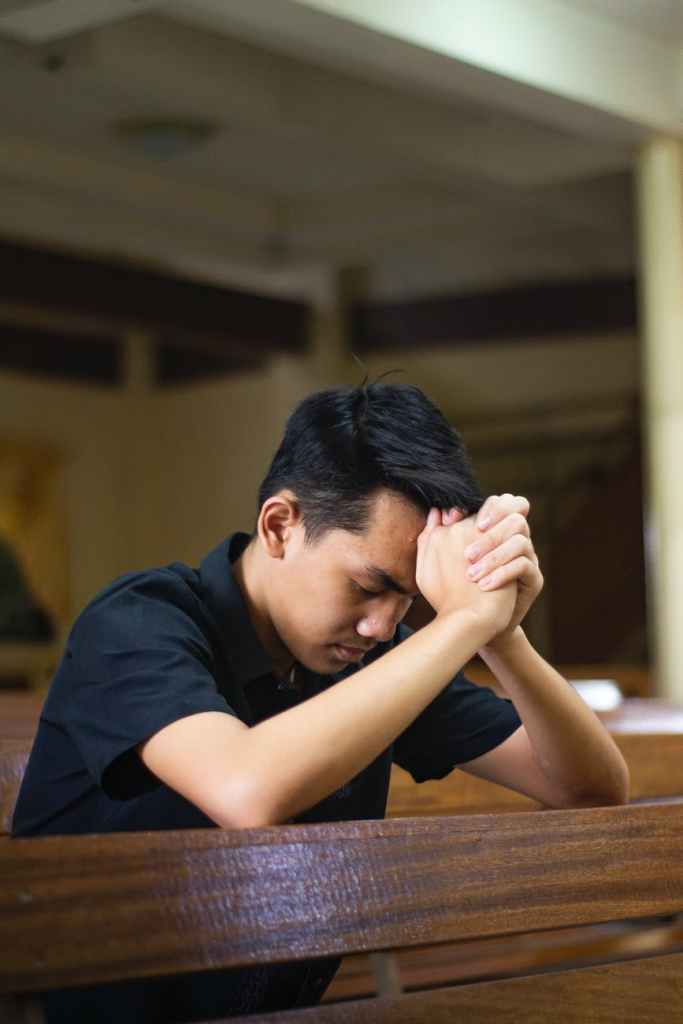
I find it helpful in my personal prayer to have a journal. In it, I keep a list of people and places, concerns and requests. Each day of the week, I have a focus point for my prayers, and a list of specific people to lift up, plus a place for immediate and ongoing concerns. This does the following for me:
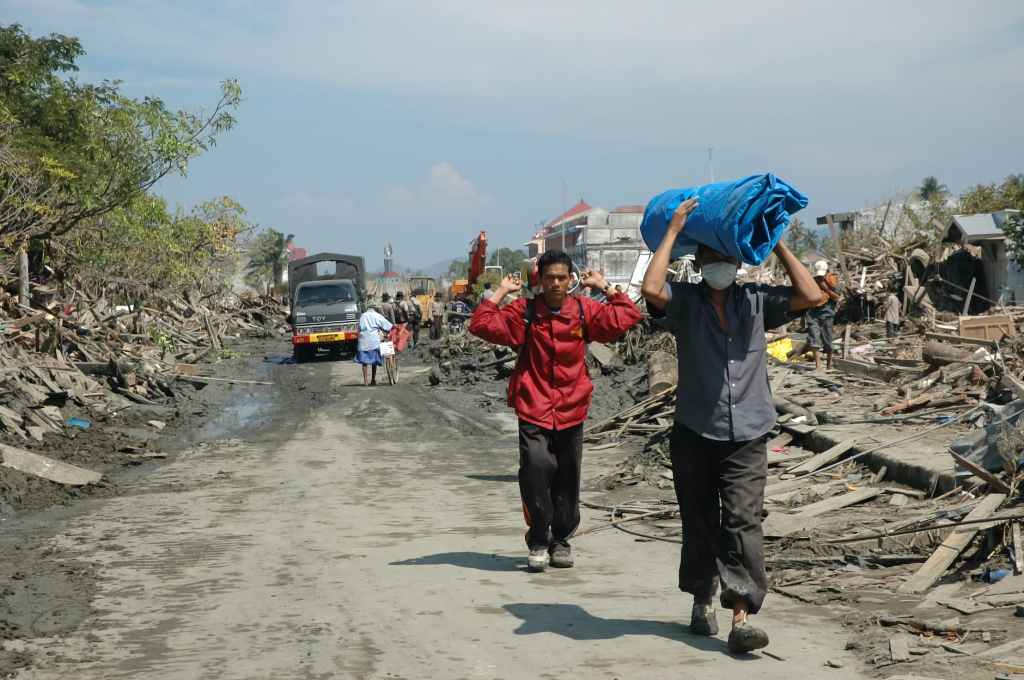
It allows me to put concerns into perspective. On Mondays, I concentrate on family and friends. That doesn’t mean that I don’t pray for my family on other days, but Mondays are focused on family and friends. On Wednesday, I concentrate on praying for my community. On Thursdays, I pray for global issues. This doesn’t preclude urgent requests or needs, but it keeps me from obsessing about some concerns at the expense of others. And it reminds me that God is the God of my family, AND my community, AND those suffering from a recent earthquake or famine.
A Prayer Journal gives me a place to write out my requests. Sometimes, seeing it in writing reminds me that God already knows– my concerns are written on His heart! No need to use the same words over and over again–but God may want to hear how MY heart has changed since I wrote the request. Maybe I have new information that changes my outlook. Maybe I can see how God is already working in the situation…which brings up another advantage of journaling:
I have a space in my prayer journal for answered prayer. Sometimes, I’m praying for someone from my church with a health issue. I can come back and write out God’s response– maybe He provided miraculous healing; maybe He took them “home.” Maybe He is causing them to travel a long road — giving them opportunities to bear witness to His faithfulness in every situation. Perhaps He is causing their family or caregivers to see Him in a new way!
Finally, a Prayer Journal helps me to be more consistent. I can turn to it every day for prompts and reminders of God’s love and faithfulness. God IS Fervent and Consistent– He is Faithful, and His Love is limitless. And He is the one who can teach me to be the same!
As I type this, I am eating leftovers. I made a big pot of beef stew the other night, and we’re making another meal out of what was left. Some things, like beef stew, often taste just as good (or even better) warmed up again. And it’s very convenient not to have to make a new meal from scratch. We like leftovers, and I am very thankful that we are able to have an abundance of good food. But today’s leftovers started me thinking…
Did you know the Bible has something to say about leftovers? I’ve been reading in Exodus and Leviticus lately, and as God was giving instructions for the Passover Seder, the gathering of Manna in the desert, and the priestly sacrifices, He spoke about leftovers. During the Passover, all the meat was to be eaten on the night of the Passover Seder. Any meat left over was to be thrown away. Several families could share a Passover meal, in order to avoid waste, but the meat was to be eaten in one meal. Similarly, Manna was to be gathered and eaten for a single day (except over the Sabbath). No leftovers! The priests were allowed to eat leftover meat for a single day after the sacrifice, but no more than that.
So often, the “rules” of the Old Testament seem strange to us– arbitrary and even harsh. But in context, they paint a picture of God that we would do well to study. So what do the rules about “leftovers” teach us about God and our relationship to Him?
First, God knows what we need. We may often plan too much or too little, or use more or fewer of our resources, but God knows exactly what is necessary. And if we are listening to and trusting God, we can be sure that His plans and resources are sufficient!
Secondly, God PROVIDES what we need. Our tendency to store extra food and other resources “just in case” may be motivated by a sincere desire to help our neighbors in times of trouble– there’s nothing wrong with that– but often we are motivated by fear or pride, instead. We fear not having enough, instead of trusting God to provide. Or we pride ourselves on our ability to provide, rather than acknowledging that our resources and abilities all come from God.
God’s ways are NOT our ways. God sent the entire nation of Israel into the wilderness. They had all their animals with them– but no place to plant, grow, or harvest wheat or other grain. God could have ordered them to slaughter their animals for meat, or sent them with huge stores of harvested grain, or led them through areas with gardens and orchards. But instead, He sent Manna and quail for them to eat. He provided in ways that they could NOT.
God’s mercies (and provisions) are “new every morning.” (Lamentations 3:22-23) God doesn’t give us the “leftovers” of His abundance. He lavishes us with Love and Grace. Every day!
God isn’t impressed with my “leftovers.” My leftover offering; my leftover time spent in prayer or Bible Study; my leftover interactions with others, my leftover discipline.
And that brings me around to prayer and giving. Do I give God my “leftover” praise and thanks? My “leftover” confession (after I’ve pouted and argued and justified by actions to myself)? Do I lift up “leftover” requests–those things I think I’m “supposed to” pray about, but not those I judge unworthy of MY time or attention? After all, would I want God’s “leftover,” absent-minded help? Would I want His half-hearted blessing? Do I give “leftovers” to my family, friends, and neighbors? Or mere scraps to those in need?
The other day, I was on Facebook, and one of my friends requested prayer. It was something I felt was a trifling situation, and I scrolled past her post. But then I realized that I was scrolling past an opportunity to join God in what He would do for my friend. It might not have felt like a big deal for me, and certainly it wasn’t beyond God’s ability to work in that situation. Why did I hesitate? Did I feel I had the right to judge either my friend’s motives or her situation? Did I think I could lift up a “leftover” prayer– “God, help _________. Amen.” I stopped, scrolled back and took a moment to lovingly lift her up, and pray that God would intervene in her situation and forgive me for presuming to judge.
Leftovers are not “bad” or “wrong” in and of themselves. They are blessings. But we should not live on “leftovers”– especially when it comes to our relationships with God and others! Like God, let our mercies be “new every morning,” and let us share gladly from the abundance God has given, not grudgingly or half-heartedly.