I write about prayer as a pursuit. Prayer is, at once, both simple and mysteriously complex.
It is a simple thing to pray–to direct one’s thoughts and words toward God. It is no more difficult than having a conversation with another person.
And yet it is not the same as talking to another person. God’s ways are not our ways. He is Holy, Sovereign, and Almighty. We come to God in need, but God has no “needs.” He has no need to confide in us, or ask for our help, or plead with us. Instead, He chooses to share with us His promises and His plans. He allows us to be part of His great work, and asks us to be His hands and feet and voice in this world. He pleads with us to come and spend time with Him and walk in relationship with Him.
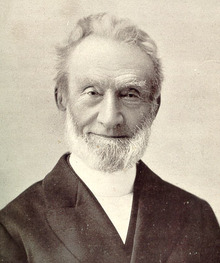
I spent some time recently reviewing the life of George Muller. https://www.georgemuller.org/ George Muller was born over 200 years ago. He was, by his own admission, a liar and a thief in his early years. But when we came to Christ, his life changed dramatically. His life was a series of miracles that attested to his great faith and active practice of prayer. Muller founded several orphanages in England, and he did all of it through prayer. He never did traditional fund-raising: he never asked anyone for money or donations, he didn’t take out loans, he didn’t find “partners” or “sponsors” to pay for any of the needs. He simply prayed. He prayed for money to buy buildings. He prayed that God would send workers. He prayed for food and clothing and furniture that the children would need. And he vowed to take in any (and as many) children who came.
The stories of George Muller’s faith are legendary. He prayed for money to start one orphanage– he ended up with enough for several! He prayed for supplies– people came and gave furniture. Milk wagons broke down and the milk was donated to the orphanage. One story states that there was no food one morning. Muller prayed. Shortly afterward, he went to the door, and there, on the doorstep, lay a 50-lb. bag of rice. No one knows who left it or how it got there. God showed up in miracle after miracle in Muller’s life. And that doesn’t mean that his life was without struggle or heartache. He agonized over friends who were unsaved; he prayed for them over a period of years. One close friend remained unsaved until after Muller’s death. He experienced the heartbreak of losing his wife. But he was consistent in his witness about the power of prayer.
Muller prayed about everything– as we all should, all the time. (Philippians 4:6, 1Thessalonians 5:17) Little, seemingly unimportant things; huge, seemingly impossible things. God cares about them all. He is the Almighty– there is nothing so big (or so tiny) that He cannot do it! There is no heartache or struggle that He doesn’t want to hear about! Nothing can separate us from His Love (Romans 8:38). No matter what we’re going through, we can bring it to God.
But God’s ways– powerful, compassionate, miraculous– remain mysterious. We can trust that God will hear our prayers. But we cannot predict how, or when, or if He will let us see the answers we seek. Nor can we predict how God will use our simple prayers to impact the world around us! George Muller’s orphanages helped more than 2,000 homeless children survive, grow, and in many cases thrive and contribute to the lives of countless others. And the stories of his faith and the hundreds of small but significant miracles he experienced have inspired generations of people for more than a century and a half! And his story is not unique–we have an amazing “cloud of witnesses” (Hebrews 12:1) throughout history testifying to the power of God to hear and answer prayer in mysterious, miraculous, even mischievous ways! From finding lost keys to feeding multitudes; from protecting kittens to rescuing captives; from stretching budgets to saving souls– God’s ways are mysterious, Holy, and wholly good.
Prayer can be such a simple thing– and it can have eternal impact!
“Now unto him that is able to do exceeding abundantly above all that we ask or think, according to the power that worketh in us,”
Ephesians 3:20 (KJV)
What do I expect as I pray? What is the outcome that I hope for? Most of the time, it looks like one of the following:
I expect to praise and worship God; I hope that He will hear my heart of gratitude and worship, and that He will be pleased with my words and actions
I expect Him to act on or through a particular circumstance, such as providing healing or guidance to someone in need
I expect to hear from Him, or to gain wisdom or guidance for myself
I expect that He will honor His promise to forgive my sins when I confess them
I expect to grow closer to God as I speak to Him and wait to hear from Him
But Paul reminds us in the book of Ephesians that God is able, through the power of Christ at work in us (emphasis added), to do much more than anything we can imagine or ask! What does that mean in my pursuit of prayer?
Well, it means more than I can explain in any blog entry, but let me attempt to imagine a few outcomes that go beyond my normal expectations:
Prayer is a matter of choice. It is also a matter of obedience and acknowledgement. No matter how short, or faltering, or disorganized it may be, each prayer proclaims that God is GOD–worthy of praise, able to save and forgive, supremely authoritative over my life and the lives of others, and ever present to listen to every voice that calls out to Him. And it proclaims this both to the physical world (if we’re praying aloud or with others) and to an unseen and metaphysical world inhabited by spiritual beings who also owe God their worship and obedience.
Prayer is a partnership. In some mysterious way, God allows us to participate in His ongoing work– whether it is bringing healing, joining the chorus of angels in songs of praise, praying for God’s hand to move in global and historical affairs, or developing our personal relationship with Him–God chooses to let us “have a voice” in what He does. God is still in charge. Our prayers will not cause Him to go against His own will. But as we pray, we grow to understand God’s heart. We begin to want what He wants, and to ask for His will because it is what we want most. As we see and hear about miracles, we can know that we are “part of the team.”
Prayer changes things–often in ways we cannot ever see or measure. Someone may pray for years to see a relative or neighbor come to Christ– seemingly without success. What they may NOT see is how their testimony, though spurned by the object of their prayers, has brought others to Christ over the years. And each one of THOSE people has the potential to witness to others– including the one who rejected the original efforts! A prayer for healing that seems to go unanswered may inspire someone to commit their life to researching a disease of find a cure so that thousands of others may be spared the suffering you prayed to alleviate. Praying for peace or justice may not have immediate effect. But we cannot know or imagine the cumulative effect of such prayers in bringing lasting peace or more perfect justice to our children or future generations.
Prayer changes people– especially us! If I am praying for someone, my thoughts and actions will follow. I will take a more active interest in those for whom I pray. I will (or should!) reach out with practical efforts and partner with others who share my concerns. I will give, share, encourage, work, and advocate– not just pray and move on unchanged.
Prayer has substance. We imagine prayer to be ethereal and mental or spiritual. But the Apostle John, writing in Revelation 8:3-4, describes the prayers of the believers (saints) as incense. Our prayers have a pleasing odor, and they rise like smoke into the presence of God. There is nothing empty or “fake” about prayers lifted to Almighty God. Our prayer is not just an exercise in wishful thinking or the power of group-think or “positive vibes.”
We serve an amazing, limitless, all-powerful, all-wise God! Our prayers may seem like just words–humble, inadequate, or even unintelligible– but in God’s hands, they are mighty tools, bringing Him glory in ways we can’t even begin to explain or imagine!
Prayer is an exercise in juxtaposition–we seek to have intimate conversation with a mysterious and unknowable God. He INVITES us into this mystery. He pursues us, seeks us out, surrounds us with His Presence, yet He hides His face from us and shrouds Himself in light and cloud.
God is Spirit– He is Eternal, Omnipresent, and Invisible. Yet He chooses to reveal Himself– in the beauty of Nature, in the smile of a stranger, in His revealed Word, and through His Son. Everything we need, we can find in and through Him, yet we cannot say that we comprehend Him, because He is so far above and beyond anything we can imagine.
Prayer is a humbling experience– to approach the Throne of the One who holds the Universe in the palm of His hand; but it is also an intimate and very personal experience– to run into the arms of the One who knit us together and knows the very hairs on our head (or lack thereof!).
After a lifetime of praying and pursuing prayer, I still marvel at the complexity, majesty, mystery, and fragility of prayer. That God should desire to listen to me–whimpering, questioning, confessing, and even offering my best and inadequate praise– it astounds me. And yet it also sustains me, strengthens me, and stimulates me. This same God who holds the stars and planets inhabits the tiniest of atoms in the air I breathe. The same God who ordered the first sunrise, and has watched empires rise and fall, cares when I shed a tear and rejoices when I laugh. God who is perfect, has mercy on me when I confess my pettiness and offers forgiveness when I throw tantrums. The same God who bore the pain and agony of betrayal and crucifixion promises eternal life to those who have rejected Him– if only they will listen, turn, and follow Him.
Today, let the awe of Who God IS– both sovereign, unknowable, and mysterious, AND intimate, loving, and gracious–wash over you as you enter into prayer.
There is a saying: “I don’t care what you know, until I know that you care.” I went to the bank yesterday, and there was a line. There were only two tellers available (other bank workers were dealing with larger issues in their offices, so there was no back-up, either). Both drive-thru windows had lines, as well. This is a small bank, but a recent closure of a nearby branch means that it is now busier than before, with the same amount of staffing.
The woman ahead of me in line was impatient and angry. She kept repeating the obvious– “They need more tellers! There aren’t enough tellers!” She was rude and demanding, and when she finally got to the front, and a teller (harassed and overworked) patiently and politely asked how she could help, the customer repeated, “You need more tellers here!” The teller explained that corporate policy allows only so many workers per shift, and they were all busy. It was the first of the month– one of their busiest days for cashing checks and dealing with monthly payments. The customer, somewhat abashed, apologized for her rudeness.
The customer “knew” that she would have been served faster if there were more tellers at the front. She knew how SHE would like to have the bank policy play out in her favor. But she didn’t really know the whole story. Her snap judgment wasn’t based on complete knowledge, but on emotion and assumption.
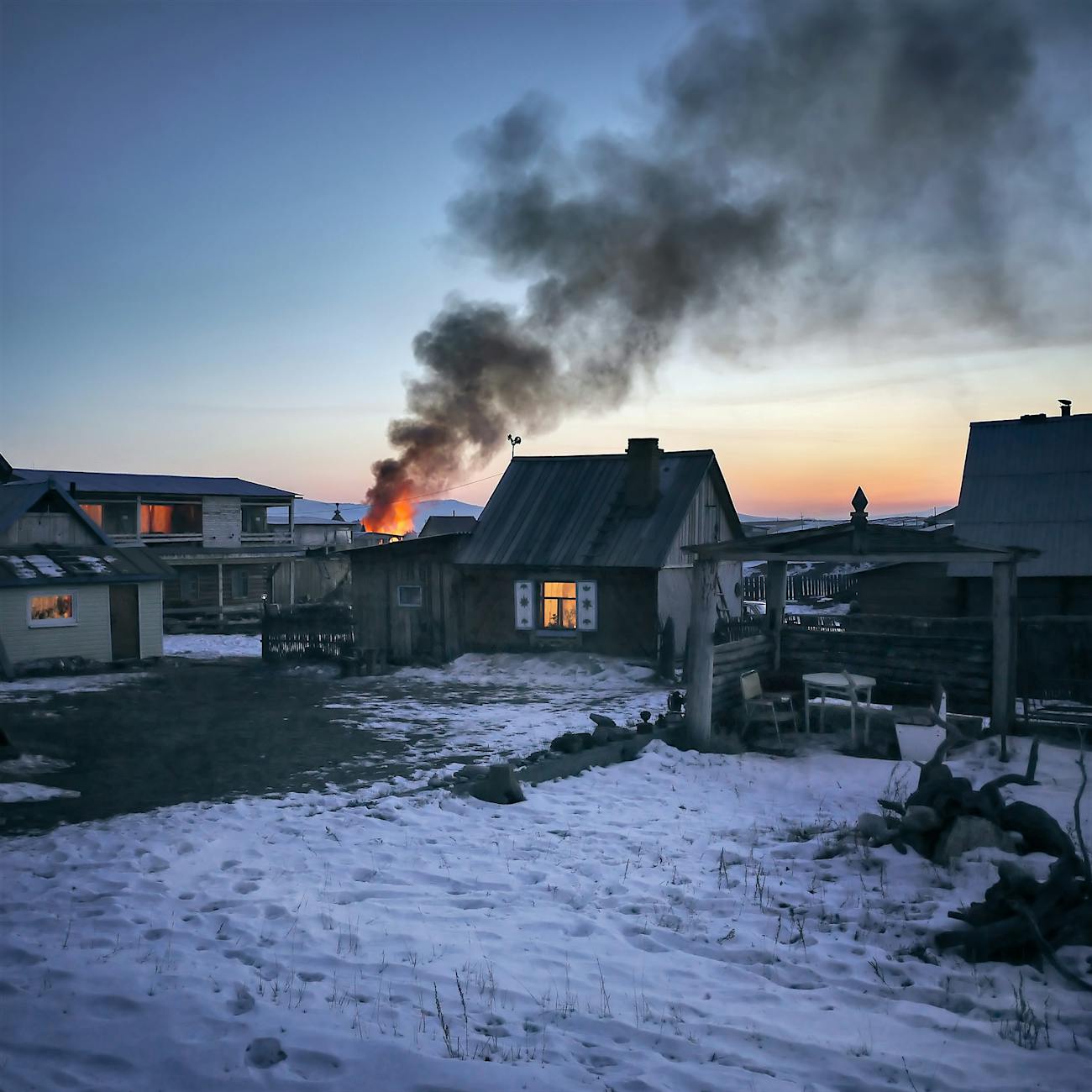
Earlier this week, I was praying about a woman I know slightly. I had heard that she was in a bad housing situation. Her house needed major repairs, and she could not afford them. I prayed that God would act, providing her with “better living conditions.” I assumed that God might provide for her to get a new roof or water heater, or pay down some of her bills. The next day, I heard that her house burned down!
What should I make of God’s response to my prayer? Did He not hear me? Doesn’t God care? Is He laughing at this woman’s misfortune? Is He laughing at my feeble and vague prayer request? Someone reading just the details I have provided (my prayer, and the incident of the fire) might decide they “know” that God is malicious or that He simply doesn’t exist or answer prayer. But are they correct in that conclusion?
NO! God cares. He cares deeply. I was moved out of concern to pray for a woman I barely know. Many others have been praying for her for several weeks, as well as offering her counsel and help in trying to find alternative housing or financial assistance. I don’t know the true extent of her needs– not just housing, but her spiritual, emotional, and other physical needs. God does! We tend to put our hope and trust in our circumstances– even desperate ones– and our ability to control, manipulate, or just survive them. This house had been a burden for a long time, yet the woman steadfastly endured high bills, bad roofing, and poor conditions.
God IS answering my prayer– and the prayers of many others– as help is pouring in for this woman. She was uninjured in the fire, and she has a temporary place to stay. Furthermore, she has people helping her plan ahead for permanent housing, financial needs she will have in the next few weeks and months, and making sure she does not have to face this tragedy alone.
Sometimes, God’s blessings are wrapped in sorrows. Sometimes, we must endure waiting, hardship, and even loss in order to experience growth and peace. Sometimes, we have to deal with impatient customers, long lines, or personal tragedy. God KNOWS. He doesn’t just know our present circumstances and pain. He knows the final outcome, and all that He wants to accomplish THROUGH our present circumstances. And God CARES. He cared about the angry customer in front of me at the bank. He cared about the overworked teller waiting on us. He cared about the woman who lost her house. He cares about each one– no matter what circumstances may suggest. He does not leave us alone in our trials– even when it may feel like He has abandoned us. There are people somewhere in the world praying for you right now. They don’t know what will happen to you today or tomorrow, but they know that God is sovereign. And the Holy Spirit prompts them to pray, even when they don’t know, for God to bless you, protect you, and watch over you.
Two things I have taken away from my experiences the other day: First– God is ALWAYS Trustworthy! I said a quick prayer for the harassed teller and her customer as I waited in line (it’s not like I didn’t have any time to pray!) And sure enough, as she waited on the woman and then on me, the lines at the drive thru windows melted away. She was able to take time to explain her situation to the customer ahead of me, and she was able to take her time waiting on us both. She kept her temper in check and managed to smile through the transactions! And her calm response helped the customer realize her rudeness and apologize. I don’t think that was just coincidence. And I don’t think it was coincidence that several people have been praying for weeks about the other woman’s housing situation. The fire wasn’t an answer to our prayers– our prayers were preparing for an answer to the fire!
The second reminder– Pray without ceasing (1Thessalonians 5:17). While my experience at the bank called for immediate prayer and found an immediate response, my other prayers have been going on for weeks and months. Nothing seemed to be happening. Yet God was preparing for an event I had no way of foreseeing. We want quick answers to prayer. We want easy answers to our prayers. But God’s ways are not our ways. His ways are mysterious to us, but they are for the best, not just the most convenient.
When we pray, God doesn’t care what we KNOW (or think we know). And He doesn’t always give us the knowledge we’re looking for. But He KNOWS! And He CARES! He honors the prayers we lift up because we know Him, and because we care about others.
We are a curious race, humans–we ask a lot of questions of ourselves, each other, and even of God. How did He make the universe? When will Jesus return? Who can we trust in this world? Where is Heaven? What must we do to be saved? But the majority of our questions are “Why” questions. Why did Jesus come? Why did He have to die? Why did God make snakes and mosquitoes and platypuses? Why are men and women so different? Why am I… (short/tall, fat/thin, clumsy, “odd,” misunderstood, etc.)? Why are You so mysterious? Why do bad things happen to “good” people?
I was thinking about this last question this week. I don’t have any definitive answer to that– no one I know has any better answer. God has not given us a definitive answer, either. We are to trust that His ways are wise and best and perfect, but faith and trust require–well, Faith and Trust! We know God has done good things in the past. We know He has redeemed what seemed like hopeless situations. We know His promises, and we have seen some of them fulfilled. Still, such a question can often leave us blindsided and tongue-tied.
There are many learned thinkers, philosophers, and apologists who have written whole books on this subject, but I want to just pose a couple of ideas to help us, not ANSWER the question, but understand the question a little better.
First, the question, “Why do bad things happen to good people?” is really two questions: “Why do ‘bad’ things happen?” AND “Why do they happen to ‘good’ people?” So let’s look at the questions separately.
“Why do ‘bad’ things happen?” What do we mean when we say “bad things?” There are many circumstances, events, diagnoses, and occurrences that may be called “bad.” Death is “bad.” Indigestion is “bad.” Stubbing one’s toe is “bad.” Being diagnosed with Alzheimer’s Disease is “bad.” Divorce is “bad.” Slavery and abuse are “bad.” House fires, job losses, being mugged, being stranded without heat in a blizzard, an outbreak of acne, being laughed at– all these are “bad.” But they are all different. Many “bad” things are the direct result of sin–we suffer the consequences of our own sin; we are the victims of the sins of others. The consequences of addiction can be horrific, but we often lack compassion for those who are suffering, because “they brought it upon themselves.” But what about the innocent victim of rape or child sex trafficking? Such acts leave victims traumatized and broken. Both are “bad,” but we are angered and frustrated even more when “bad” consequences also seem unjust and unfair. And what about natural disasters? Are they the result of sin, as well? The Bible suggests that they are. When God placed Adam and Eve in the Garden of Eden, they lived naked, carefree, and unafraid. Only after their sin did God place a curse on the land– Adam would now have to cultivate the land in order to get food. There would be enmity between the woman and the serpent. Eve (and all women after her) would have pains in childbirth. (see https://www.biblegateway.com/passage/?search=genesis+3%3A+14-20&version=NIV) There is no mention of hurricanes, blizzards, or earthquakes prior to the Fall of mankind, though it is speculation on my part, to say that there were none.
God has promised to make all things new. There will be a time when the consequences of Sin will be eradicated. We will not even remember the suffering we endured in life, in light of the blessings of eternity. So, though God doesn’t answer our question of why “bad” things happen, He does give us the assurance that such “bad” things do not determine our destiny, nor do they happen without His knowledge or outside of His will! We cannot understand God’s purposes in allowing us to suffer, though sometimes we may see a hint of good even in the midst of tragedy.
And God is loving and gracious in the face of our confusion and pain. We CAN ask God “Why?!” “Why me?” “Why this?” “Why now?” “Why them?” Why, O Lord!?” Many of the Psalms speak to this very question. But in the middle of his anguish, the psalmist often finds comfort and renewed strength to face the struggle, when he turns to God. Asking why is not always a sign of weak or failed Faith. Instead, it is acknowledging before God that we ache. We grieve. And we NEED HIM!”
And what about the second part of the question: “Why do (bad things) happen to ‘good’ people?” What makes a person “good?” Jesus was “Good,” And yet He questioned the rich young ruler, “Why do you call me good? No one is Good– except God alone.” (see https://www.biblegateway.com/passage/?search=Luke+18%3A18-27&version=MSG) We tend to think of the people we know and like as “good.” And we have a natural expectation that their lives should be “good” also– free of pain or struggle. But that is not realistic in this world. The actor, Michael J. Fox has been suffering for years with Parkinson’s Disease. This seems unfair and cruel. How could God let him suffer like this? But there are many thousands of people suffering from Parkinson’s Disease. Some of them are homeless addicts; some are in prison for rape or embezzlement. Is their suffering any less than that of Mr. Fox? Is it somehow less tragic or unjust?
The sad and shocking truth is that none of us “deserves” a pain-free, struggle-free life. Bad things DO happen. And they happen to people we like, and people we hate; people we judge to be “good” and people we judge to be “bad.” God does not “play favorites.” Yes, God can, and often does intervene on someone’s behalf through prayer, or for His own bigger purposes. But He does not “dish out” suffering to those He dislikes out of spite or revenge. Nor does He cause His faithful to float through life without ever tasting bitterness and grief. Jesus made many promises, but one of them was this: “in this world you will have trouble; but be of good cheer, I have overcome the world.” (John 16:33) He didn’t promise that you might have a little spot of trouble, or that you might look around and see others in trouble– He promised that we would have trouble. Not because we are “bad” or “good” but because that’s the way this world is.
I find it odd that atheists often pose this question as a way of trying to “prove” that God doesn’t exist. They pose the question as an accusation. “If there is a kind and loving God, why do bad things happen to good people?” But if they believe that there ISN’T a kind and loving God, how do THEY explain why bad things happen to good people? How do they define “good” people and “bad” things? Without a Good God, where is the expectation of good things happening to good people? Without God, there are no objectively “good” things or “bad” things happening– only random events without divine cause or purpose. You can’t blame a non-existent God for things He either caused or didn’t prevent. Such questions are meant to plant doubt in the mind of a believer, but they fail to answer the greater question– Why do Good things happen to undeserving people? Why do we sometimes find joy and peace and strength in the midst of our suffering? Why do human beings continue to Hope?
Finally– the ultimate example of God letting something “bad” happen to someone “good” can be seen in the central image of our Faith– the crucifixion of Jesus Christ. Jesus was sentenced unjustly to a torturous death and public humiliation. He was separated from God the Father, and carried the punishment for OUR sins so that WE could be reconciled to God. Even though the purpose of Christ’s suffering has been revealed to us, it doesn’t negate the agony and trauma He faced. And even HE cried out from the Cross– “My God, My God, WHY have YOU forsaken ME?!” (Matthew 27:46)
God does not answer the question of why “bad” things happen in this world. But in the crucifixion, Jesus proves to us that He shares and understands our suffering; that He has the power to overcome and redeem our traumas; and that He will hear our sincere cries of “WHY?!” He will hear when we turn toward Him, instead of turning our back on Him. He will hear our broken heart. He will heal our broken heart.
Father, I’m too busy today. I have filled my life with too many urgencies And obligations. I can’t take the time to quiet my soul And just meditate on You.
I have a checkup appointment with the doctor this morning. (Thank you for my health and wellness, and Give the doctor insight and wisdom to see What I need to do to stay healthy.)
And then, I have a busy day at work, To make up for the time off… (Thank you, Father, for employment!) (Thank you for time off!) (Thank you for travel mercies.)
Tonight, I have to catch up on all the housework… (Thank you for a home, and clothing, and dishes, and furniture…) (Thank you for family to share it all with!) And I promised our neighbor I’d check on their cat while they are on vacation. (Thank you for good neighbors, and the opportunity to serve them.)
Lord, forgive me… I’m just too busy to pray today. (Father, thank you for a busy life– a life with purpose and activity. Thank you for your Presence throughout the day!)
Father, thank you for the truth– I am NOT too busy to give you praise I am NEVER too busy to turn my thoughts and my heart to YOU, even on this busy day!
Tomorrow, we will celebrate Independence Day, in America. Much will be made of the freedoms we enjoy here. Many are freedoms we take for granted; others are freedoms that have been twisted or abused by our citizens, residents, and visitors.
I am very grateful for the freedoms of America. As a citizen of the U.S., I enjoy Freedom of Speech and Assembly; Freedom of Religious practice; the Right to Bear Arms; the Right to a Jury Trial with representation; the Right to Vote and participate in the democratic process; the freedom to move freely and do business across state lines, and so much more that I take for granted. But I want to be very careful to keep a proper perspective on civil and national freedoms, and citizenship in the United States. My citizenship here comes with many opportunities and freedoms, but it is not perfect. It is also not eternal– my perfect and eternal citizenship is in Heaven.
The founders of the United States, in their Declaration of Independence, listed three “unalienable” rights– “Life, Liberty, and the Pursuit of Happiness.” But they were clear about where those rights come from; not from a government, or a king, but from The Creator. Only God can give “unalienable” rights and freedoms. Governments can topple; Kings can be deposed; Laws and Constitutions can be overturned. The rights and freedoms we will celebrate this week were written on parchment, not stone. Even now, many forces are at work to “redefine” our freedoms; to alter the Constitution and the Bill of Rights– people say they are outdated, or too restrictive (or not restrictive enough!). Many want the government to have more power to define, create, and alter the rights granted in the original Constitution.
When I pray, I don’t pray to a government–even one founded on solid principles and good intentions. As much as I love my country, and support the principles of its founders, I recognize that any government can be corrupted. I may not always enjoy the freedoms I currently cherish. But even a corrupt government cannot take away my freedom in Christ to call on My Creator. I cherish the freedom I have to attend worship service, and to pray with my husband in public, or meet with other believers to share prayer requests openly. But even if those freedoms were curtailed by a corrupt government, I could still commune with God– there is no prison, or dark corner, or hospital bed, or place of exile where God cannot meet with me, hear my heart, and answer my requests.
And it is THIS freedom that I fear I take for granted most of all– that I can freely and confidently approach the very Throne of the Almighty, Sovereign God, and expect to be heard and even welcomed. I don’t have to apply for permission from a priest or the angels to pray. I don’t have to bribe someone to allow me to speak to God. I don’t have to fear that my very act of prayer will cause God to cut me off from His blessings or His presence. The Ruler of the Universe, who has the authority over not only my life and death, but my eternal existence, wants me to seek Him and talk to Him. The one who has the authority to force my obedience wants me to choose to listen to Him and follow Him.
This incredible Freedom is available to every person, regardless of their nationality. As an American, I have the freedom to speak and write, and otherwise tell about and show others about this much greater Freedom. Am I using my civil freedom to point others to eternal Freedom? Am I using this incredible Freedom to seek God’s wisdom and grace to follow Him?
21 “Not everyone who says to me, ‘Lord, Lord,’ will enter the kingdom of heaven, but the one who does the will of my Father who is in heaven. 22 On that day many will say to me, ‘Lord, Lord, did we not prophesy in your name, and cast out demons in your name, and do many mighty works in your name?’ 23 And then will I declare to them, ‘I never knew you; depart from me, you workers of lawlessness.’ –Matthew 7:21-23 (ESV)
As someone who spends her time “in pursuit” of prayer, I pay close attention when I hear others praying. People use many different phrases to address God when they pray– “Our Father in Heaven,” “Father God,” “Heavenly Father,” “Daddy,” “Papa God,” “Lord Jesus,” and many others. And there is no “right” phrase or “wrong” phrase to use. But there definitely IS a right and wrong mindset and heart attitude!
Jesus himself, shortly after teaching His disciples what is known as “The Lord’s Prayer,” talks about those who go around calling Him “Lord, Lord.” But they do not obey God, and they will not enter the Kingdom of Heaven. This suggests that that have “prayed” in some form or other, but it is merely a formality or a ritual, and not something that comes from a humble heart. Jesus goes on to tell of their insistence that they “deserve” to enter Heaven based on the incredible things they have done “in (your) name.” Most people, looking at their outward success and good works, would surely assume that they are sincere followers of Christ– after all, how else could they perform such miracles? They have called on the Name of Jesus and they have called Him, “Lord.” Yet, Jesus says of them, “I never knew you.”
What terror those words strike in the heart of those who desire to follow Christ! Is it possible that God will reject those who have called on His Name and believed on Him?
Well, Yes and No… Later in Matthew, Jesus is teaching His disciples about the final judgment, and He tells a similar story, but with more “context:” In the following parable, both the sheep and the goats claim to have done good works and both groups believe they will enter into the Kingdom of Heaven. It can be assumed that both groups have prayed at various times and believe themselves to be “known” to the Father…
31 “When the Son of Man comes in his glory, and all the angels with him, then he will sit on his glorious throne. 32 Before him will be gathered all the nations, and he will separate people one from another as a shepherd separates the sheep from the goats. 33 And he will place the sheep on his right, but the goats on the left. 34 Then the King will say to those on his right, ‘Come, you who are blessed by my Father, inherit the kingdom prepared for you from the foundation of the world. 35 For I was hungry and you gave me food, I was thirsty and you gave me drink, I was a stranger and you welcomed me, 36 I was naked and you clothed me, I was sick and you visited me, I was in prison and you came to me.’ 37 Then the righteous will answer him, saying, ‘Lord, when did we see you hungry and feed you, or thirsty and give you drink? 38 And when did we see you a stranger and welcome you, or naked and clothe you? 39 And when did we see you sick or in prison and visit you?’ 40 And the King will answer them, ‘Truly, I say to you, as you did it to one of the least of these my brothers, you did it to me.’ 41 “Then he will say to those on his left, ‘Depart from me, you cursed, into the eternal fire prepared for the devil and his angels. 42 For I was hungry and you gave me no food, I was thirsty and you gave me no drink, 43 I was a stranger and you did not welcome me, naked and you did not clothe me, sick and in prison and you did not visit me.’ 44 Then they also will answer, saying, ‘Lord, when did we see you hungry or thirsty or a stranger or naked or sick or in prison, and did not minister to you?’ 45 Then he will answer them, saying, ‘Truly, I say to you, as you did not do it to one of the least of these, you did not do it to me.’ 46 And these will go away into eternal punishment, but the righteous into eternal life.” –Matthew 25:31-46 (ESV)
We can call Christ “Lord” without actually making Him our LORD. We can pray to God without seeing Him for who He really IS. And we can follow “Christianity” without actually following CHRIST.
I think the phrase that Jesus uses in the first quote is very telling. The people call Him “Lord, Lord.” And then, they go into a litany of things “WE have (done) in your name” (emphasis added). They do NOT call Him “Father” or even “LORD” (In the Bible, the term, “LORD” is “Adonai”, which is the substitute for Yahweh– the actual NAME of God, sacred to the Hebrew authors. It is not like “lord” as we might use for any nobleman or someone in authority, but is reserved only for the One with ultimate authority and majesty. In other words, not “Lord, Lord” but “LORD– the ONLY LORD”). Instead, they call Him, “Lord, Lord”. And they boast of the spectacular and even superhuman things THEY have done. But one of the things they fail to mention is prayer. They have used His name, but they have not necessarily called on His name– except as a formality. They have not spent time in communion with Jesus. They have not asked for His will to be done. They have not come to Him in humility or praise for HIS mighty works, only in arrogance of how they have done miracles similar to His. Nowhere do they mention following in service, as Jesus taught His disciples, nor do they mention suffering in His Name! In the later parable, both groups (the “sheep” and the “goats”) were startled by the examples Jesus gave of what they HAD or HAD NOT done. These were simple acts– humble acts rendered to outcasts, rather than showy acts of power. They were acts that materialized (or didn’t!) out of humility and compassion, rather than power or favor.
True followers of Christ will take up His yoke. They will listen for His voice, and they will be eager to obey. They will serve like Him– they will stay yoked to Him in humility and in submission. If you wonder whether or not you are truly following Christ– this is a good test. Satan will always try to make us feel as though WE must carry the load, proving ourselves worthy. He may tempt us to compare ourselves with others who seem to be “winning” at Christian service by getting noticed or listing multiple achievements. But our eyes should not be on others or even on ourselves or our accomplishments. Our eyes should be focused on God– what He has done for us on the Cross; what He is doing in our lives as we obey Him; and what He chooses to do through us as we continue to follow Him–even when it seems that we are doing very little things. We may never know in this life how important our small acts of service really are. In God’s economy, they are huge. Heaven rejoices over such small things as giving a cup of water to a thirsty child, or smiling at a lonely person on the bus, or visiting someone in the hospital or in a jail cell. The world needs more humble servants and fewer TV evangelists. (Note: I am not saying that TV evangelists cannot be doing the work of God– but I am saying that I see very few humble celebrity pastors…just an observation.) And, as the Apostle Paul reminds us, God’s strength is shown best in our weakness. (see 2 Corinthians 12:9) As we come to Him in prayer, in dependence and in humility, God’s power is perfected. As we respond in obedience, our life is brought into conformity with His.
Today, as I pray, “Lord Jesus” or “Heavenly Father,” I pray that I will do it with the right spirit. I pray that I will be quick to praise, quick to obey, and eager to seek my Father’s face, instead of my own validation. After all– Jesus is LORD!
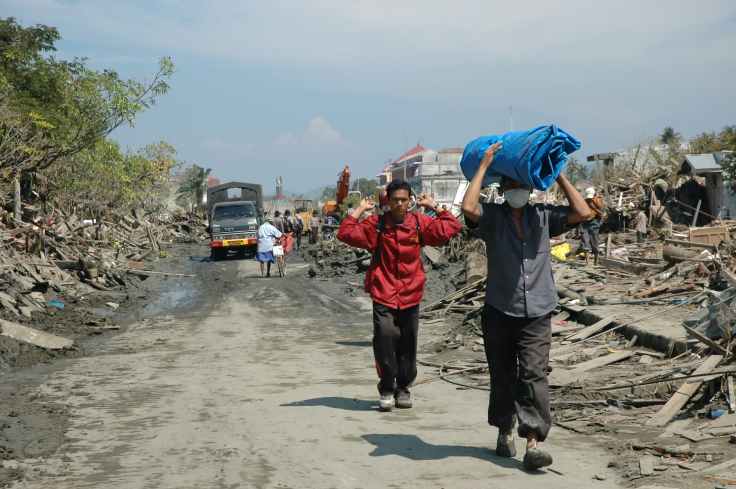
Often, when there is a disaster– especially one that seems preventable and senseless, like a mass shooting or a horrible crash–thousands of people reach out with “thoughts and prayers” for the victims and their families. And, predictably, others will angrily comment that thoughts and prayers are “not enough.” What good are thoughts and prayers in the face of senseless violence or preventable dangers? Shouldn’t we be driven to action? Shouldn’t we focus our efforts on justice or working to guarantee that such disasters can never happen again?
Such anger is natural, and such sentiments may seem more virtuous than offering nebulous emotional support. What, after all, can thoughts and prayers really DO in the face of evil, injustice, pain, and grief?
Well, I can’t speak for “thoughts”, but I have studied prayer for most of my life. I would offer the following words about the effects of prayer:
First, prayer reminds me that I am NOT in control of my circumstances– only my reaction to them. I cannot control what happens, what HAS happened, or what WILL happen. And my anger will not change what has already happened, nor will it prevent future disasters from happening. And while I may not be able to prove to others that prayer CAN prevent future disasters or heal present grief, I have known it to do both in my life and in the lives of others.
Second, prayer reminds me that there is Someone Bigger than me– Someone Bigger than my circumstances– who has the wisdom and the power to do what even thousands of well-meaning people cannot. Thousands of people coming together can make a difference over time, but God can do miraculously more than we can imagine!
Third, praying for others is something I CAN DO— anywhere, anytime– across distances, cultures, time zones, and circumstances. Prayer doesn’t cost anything. It doesn’t require that I have specialized skills or access to physical resources. It may not seem very active, like ranting or screaming, marching or protesting, but it isn’t the same as inaction or apathy.
Lastly, praying for others is a first step in helping others. My prayer alone may not seem like “enough”, but prayers have a way of multiplying, and inspiring, and intensifying in positive and impactful ways.
But more than just talking about the effectiveness of prayer, I’d like to pose a couple of questions for those who dismiss prayer as “not enough.”
What are you offering (instead of prayers)? Will your thoughts, plans, and actions have immediate or eternal results? Do you have the solution to all the world’s problems? Will you be able to control what happens in the future, or make sense of what has happened in the past? Will your solutions be perfect– no unintended consequences or necessary casualties?
If you are so angry about others praying, why waste your energy complaining about it? Go ahead with your own solution/reaction/plan.
Is your solution “enough?” Is your anger “enough?” Are your good intentions “enough?” Ultimately, you must wrestle with the existence of evil and injustice in this world. Senseless things happen. Good people suffer, and guilty people enjoy “success.” And nothing we offer is ever “enough” to change the world around us.
Our efforts and actions will never be “enough.” But prayer taps into the reality that God IS ENOUGH. His Grace is sufficient; His Love endures forever; His wisdom is higher than ours, and His power is boundless. He doesn’t always remove us from the chaos and suffering of this world, but He redeems us, and He enters into the circumstances of our own suffering and grief. He gives us courage, strength, hope, and a sense of purpose that goes beyond what we can find in ourselves.
In 2 Kings, chapters 18 and 19, we can read about the reign of King Hezekiah of Judah. During his reign, a mighty king, Sennacherib of Assyria, came to lay siege to Jerusalem. Sennacherib taunted King Hezekiah, sending him a letter boasting about the might of the Assyrian army, and all its conquests. In the letter, he also taunts King Hezekiah about trusting in God to save Jerusalem, suggesting that God was unable to rescue the Jews, while simultaneously suggesting that God had given the Assyrians His blessing.
Hezekiah had already made some provision for the coming siege. He had his workers divert the water supply that flowed out of the city, creating a system of tunnels that kept the water inside the city walls and filled pools and wells for the people to withstand the siege while depriving the invaders of a crucial resource. (Evidence of these tunnels has been discovered by archaeologists, including carvings by two work crews who were “competing” to see who could complete their part of the tunnel fastest!)
Entrance to Hezekiah’s Tunnel in Jerusalem
But Hezekiah did not trust in his preparations. He did not trust in diplomacy or alliances. He took the offending letter from King Sennacherib into the Lord’s temple and spread it out before the Lord (2 Kings 19:14). He prayed earnestly, never mentioning his own efforts and preparations, but reminding himself of God’s power and glory. He even acknowledged that the Assyrians had been victorious in their other conquests! But then he asks for God to rescue the nation– “then all the kingdoms of the earth will know that you alone, O Lord, are God. “(v. 19).
I was struck as I read this recently. Hezekiah was a king. He had done a great deal to bring reform and renewal to the kingdom of Judah. He could have appealed to God on the basis of his own efforts. He could have asked for God’s help for his own sake, and for the sake of his people. He could have spoken about how Sennacherib taunted the army, or the king. He could have cried out in panic and outrage that God would allow Judah to be invaded. But he put it all on the table, literally, asking God to judge Sennacherib’s words and respond for the sake of His Sovereign Glory.
God DID respond, and the Assyrian troops were routed by the Angel of the Lord. Sennacherib returned to his home, and was assassinated in the temple of his false god by his own sons. Hezekiah’s troops didn’t even have to lift a finger!
What situations am I facing today, that need to be brought to God in prayer? What threats seem to hover over me? Do I respond as Hezekiah did? Or do I try to bring only the part that seems “too much” for me to handle? Do I bring my own agenda, or my own efforts to cloud the issue? Do I worry more about my own reputation than I do about God’s honor?
Lord, may I be more like Hezekiah–may I lay everything on the table before You, knowing that Your power is more than sufficient, and that Your honor and glory are greater than any force at work against me. Protect and defend those who humble themselves before You. Destroy those forces that would seek to exalt themselves and taunt Your Holy Name. Rise up, that “all the kingdoms of the earth will know that You alone, O Lord, are God!”

































 Pursuing Prayer