I keep a prayer journal. Every day, I have a list of people, places, and issues that prompts me to pray. Of course, I can pray about other things, as well. I can praise God for the day’s blessings, the weather (or provision in spite of the weather); I can confess failings and ask for God’s forgiveness. I can lift up things that are not on “today’s” list. But the list reminds me of so many things– the blessings of family and friends; the richness and vastness of God’s power and sovereignty; His faithfulness over so many years…
In my journal, I also keep a “running tab” of God’s many answers to prayers. Some of the answers bring joy; some bring wonder; some even bring tears. I have prayed for several people battling cancer. Many have gone into remission, but most have eventually died. I prayed for people during COVID. Many recovered– some slowly, some miraculously– but many others died. I have prayed for “little” things, like finding my keys (YES!), or making a sales goal at the store (NO). And some prayers have yet to be answered–I don’t know why or when, but I trust God has heard them all, and that His will and His answers will come– in His good time.
Often, I will look at the front side of the journal page (requests and reminders), and some of the requests are a year or more old. Then, I turn to the back side and look for the answer. Sometimes, in my haste, I have neglected to write the answer, so I will add it, with a small prayer of thanks. Sometimes, I have forgotten the exact outcome. Sometimes, I am encouraged to keep praying for a clear answer or outcome for an ongoing situation. But I am amazed at the number of prayers I have prayed over a year’s time, and how God has provided answers, big and small.
It is sometimes easy to forget the answered prayers amidst the worries of daily life. We are more concerned with the next crisis or the immediate needs before us. But it is helpful to record God’s answers (even the “NOs”) as we receive them. When we “count our blessings,” we can often stand amazed at some of the ways that God has “moved in mysterious ways” to answer things we once thought impossible, or overwhelming in the moment. Looking back, we can sometimes see how, and even why God has allowed us to go through experiences that seemed strange or unwelcome. And we can be reminded that the same God who answered all those prayers is listening to our current requests (and praises!).
God DOES answer prayer. He IS faithful. And when we keep a record of it, it increases our faith for the moments when we are still waiting on His answers!
One of the prayer models I like to use often is based on the acronym ACTS. ACTS stands for Adoration, Confession, Thanksgiving, and Supplication. I like this model because it is well-rounded. It works like this:
ADORATION–I love to begin prayer by remembering and acknowledging God’s worth, His supremacy, His Holiness, and His majesty. It sharpens my focus on the WHO of prayer, rather than the WHAT of my worries or doubts. And it puts everything in the proper perspective. Sometimes, I come to God by praying a Hymn, or praying a Psalm, or remembering the many names of God.
CONFESSION–Confession is important in prayer, and since I want to concentrate on it, I’ll come back to this element below.
THANKSGIVING– Thanksgiving returns me to remembering what God has already done– for me, for others, throughout history, and just yesterday in my life. Instead of prayer being all about my needs, wants, or concerns, prayer should be an honest conversation with God. And that must include gratitude, because God is truly GOOD! If you ever doubt that, think about the first five minutes of your morning. If you awoke, you are alive (thank you, God!). If you heard your alarm, opened your eyes and saw anything, if you were lying on a bed, in a shelter with a roof, if you were able to sleep through the night without the terrors of war, slavery, starvation, torture, or chronic agonizing pain, you have much for which to be grateful. If you were able to get out of bed on your own, able to eat breakfast, get dressed, and you have a job to go to or a purpose to fulfill in this day, you are among the blessed. To withhold praise and thanksgiving is to miss one of the privileges of life.
SUPPLICATION–Yes, we bring requests to God. And He already knows what we need, what we desire, and what He has planned for us. So supplication is not about making God aware of our needs. But it is another act of acknowledging that God hears and responds to us. Because that’s the kind of God He IS! And because we have spent time Adoring, Confessing (to), and Thanking God, we know that we can present our requests without fear or doubt.
Most of us are fine with Adoring, Thanking, and Saying our requests, but Confession can be tricky– especially in our culture. What are the elements of Confession that trip us up? Mostly, I think, it’s a misunderstanding of what confession is (within the element of prayer) and what it is NOT.
Confession is defined as admitting to guilt, or to a crime or sin or wrongful act. But, even more basically, confession is an admission that we are not the ultimate authority over our lives or the lives of others. As such, we must confess before we can accept God’s atonement for our Sin. If we do not confess our need for God, we cannot accept, understand, or appreciate the depth and nature of His sacrificial Love for us. So when we pray, we must confess, not only God’s Glory in the heavens and the Earth, but His Sovereignty in our lives; His authority over our emotions, our thoughts, and our actions. King David gave us many great examples of confession in his Psalms– and they can be terrific models to use in our own prayers. (See Psalm 6, Psalm 32, Psalm 38, Psalm 51, and others.)
Confession in prayer is not primarily a list of our petty missteps– though we should be willing and able to name them, rather than denying what we’ve said and done–but a daily admission of God’s right to determine how we conduct our thoughts, our habits, our priorities, and our relationships, and acknowledging that God is Merciful, Gracious and Loving– beyond all our failures, mistakes, and even past rebellion. Confession shouldn’t focus so much on what we’ve done, as on how God is able to free us from guilt and shame, and how we intend to move on away from the past. We confess that our ways are not Holy, and in doing so, we underscore that God’s ways ARE Holy, perfect, wise, and good. God already knows our thoughts and actions, but WE need to be reminded of our goal– to run the good race (see Hebrews 12:1, and 1 Timothy 6:12) to follow Christ; to become more like God each day!
Confession is primary to the Christian Life– we confess that ONLY by the work of Jesus (the cross and resurrection) can we be reconciled to God. We cannot pray openly to God if we don’t believe–and confess– that this is true. God is not fooled by sweet talk or glib arguments. We cannot believe that Jesus’ atoning death and resurrection saved us if we don’t believe that it was necessary and good for Him to do so. And besides, confession is good for the soul!
“If we confess our sins, he is faithful and just to forgive us our sins and to cleanse us from all unrighteousness.”
1 John 1:9 (KJV)
Confession has a negative reputation in many Christian circles, and it is misunderstood in others. Just listing our sins or admitting we did something wrong doesn’t have any value without the positive confession that Jesus is “the way, the truth, and the life.” (see John 14:6) In fact, a better definition of Christian confession is this– agreeing with God about who I am (a sinner/imperfect/unable to attain Holiness on my own), and who HE is (perfect/Holy/Sovereign/the One who Loves me absolutely)
When we pray today, I hope we will confess– positively, profoundly, willingly, and whole-heartedly. I hope we will humbly and honestly confess any actions or habits that are interfering with our Christian walk. And I hope we will joyfully confess that Jesus is LORD; that we are trusting in Him to guide us, intercede for us, and give us the power to live more abundantly in this life, and throughout eternity. What a great way to pray!
18 Mary Magdalene went to the disciples with the news: “I have seen the Lord!” And she told them that he had said these things to her.
John 20:18 (NIV) via biblegateway.com
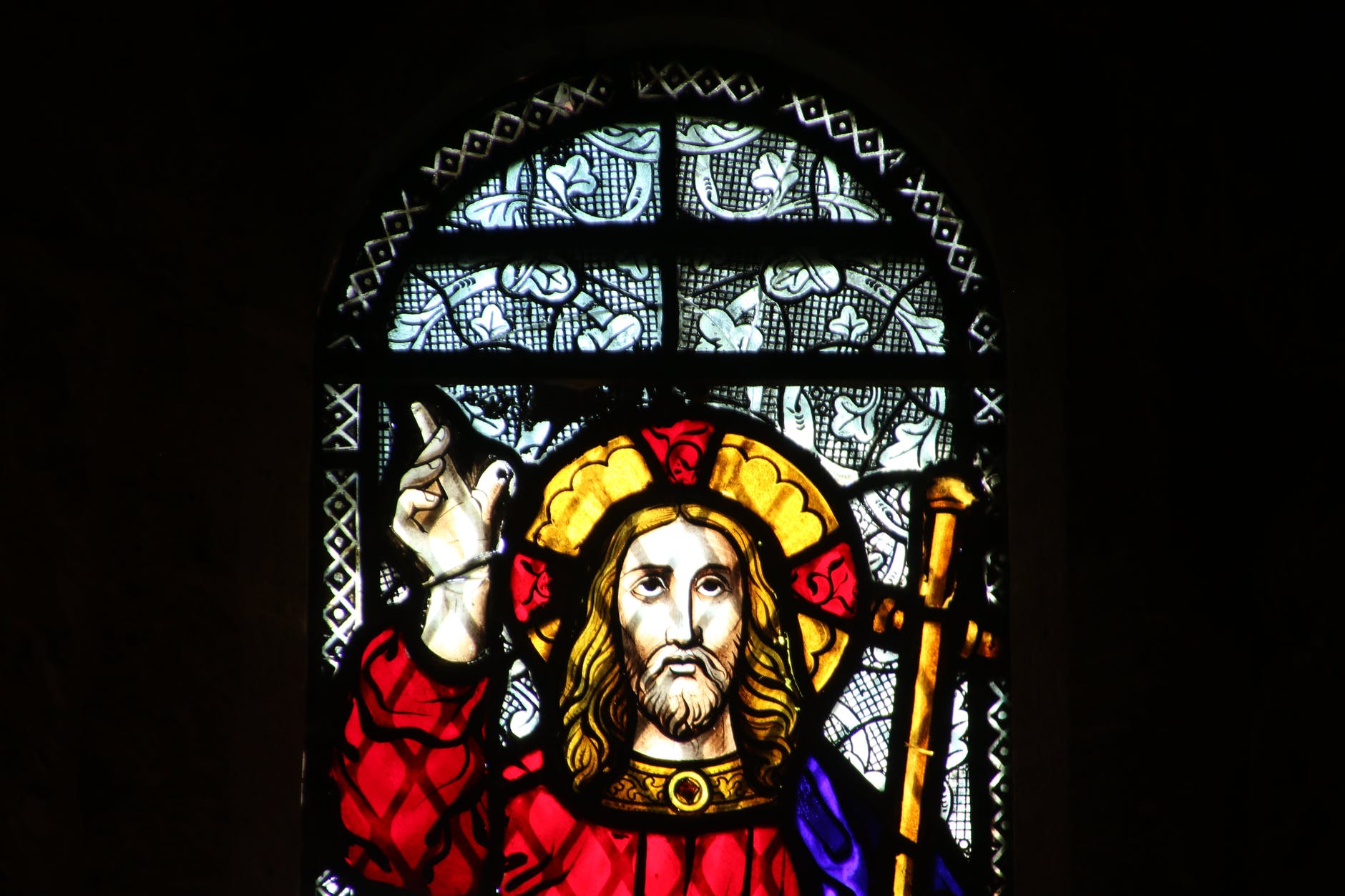
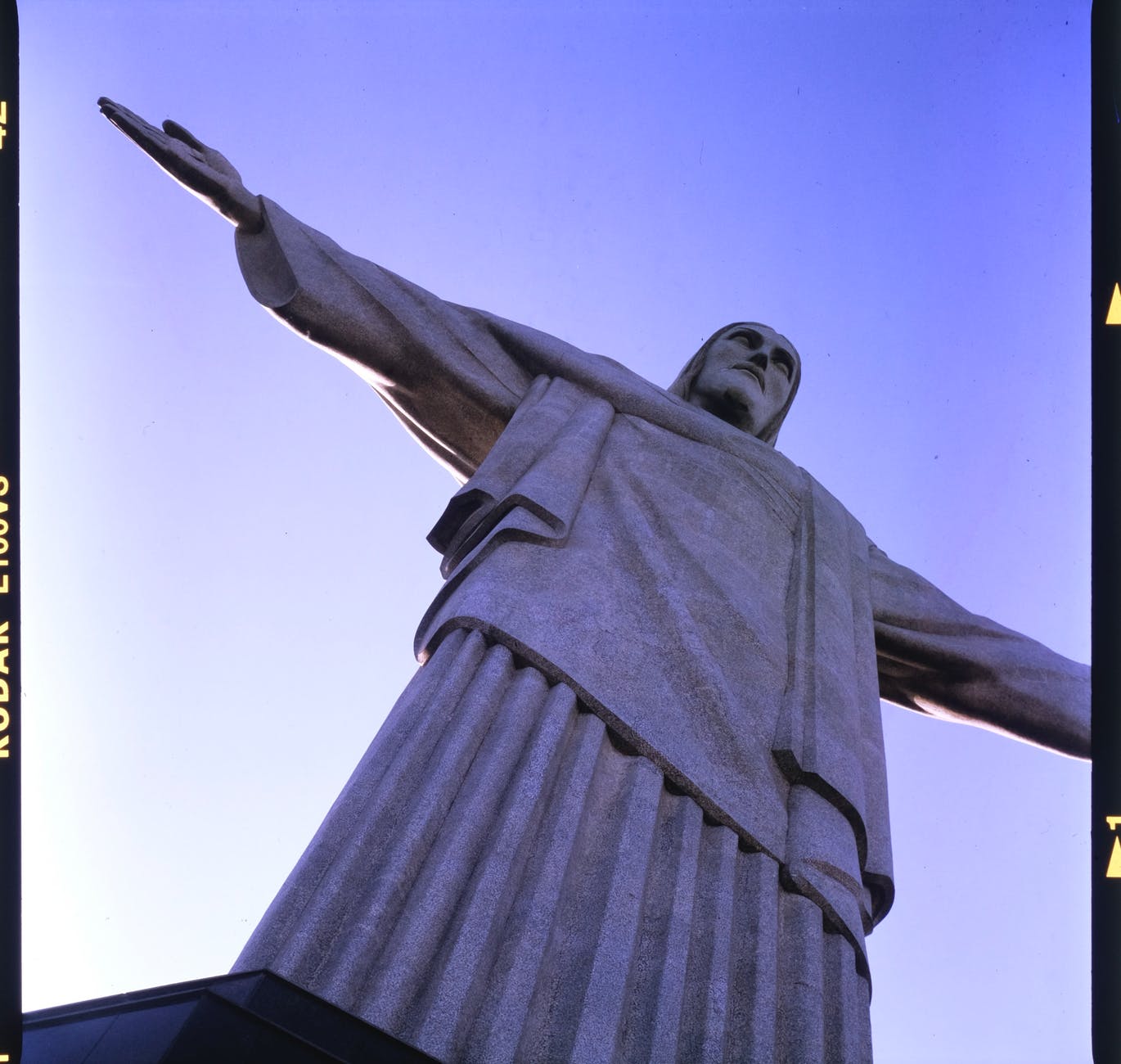
Over the past few weeks, there have been images of Jesus Christ all over– Jesus looking very gentle and passive as He rides a donkey into Jerusalem; Jesus teaching vast crowds and looking wise and unflappable. Thousands of images of Jesus the Suffering Servant– bruised, bloodied, yet meek and forgiving–carrying a Cross through the streets, or hanging between the two thieves. And the images of a risen Christ–glowing and serene and unearthly.
These are not false images, by any means. Jesus is all of these things: the Lamb of God, the Suffering Servant, the Son of Man…He came to experience full humanity, and to live as an example, die as our atonement, and ascend to Heaven as our intercessor and Savior. But there is more to the story. Our images of Jesus are often passive, and belong in the past tense. We have baby Jesus, parable-telling Jesus, humble Jesus nailed to the cross. The Bible also gives us images of Christ the Conqueror; Jesus as Warrior; Jesus as the King of Kings, and final authority.
When Jesus makes His return to Earth, He will come as LORD– victorious ruler of His creation–judge and final authority. We make a grave error if we only see Jesus as the Lamb of God, and not also the Lion of Judah. Jesus was meek and humble as a man, but He was always fully GOD as well. When Mary Magdalene finally recognized the Risen Jesus, she recognized Him as “the Lord.” All those who saw the Risen Christ recognized Him, not just as their friend or even as their teacher, but as their Lord. No earthly authority dared approach Him, question Him, try to re-capture Him, or hold Him. He appeared at will to those who were waiting for Him. He stopped telling parables, and started commissioning His disciples to spread the Gospel. Even those who knew Him had trouble at first recognizing this “Risen” Christ.
Do we? Does our focus on Holy Week end with Easter as the “Happy Ending?” Or do we see in the Risen Lord the beginning of the next chapter in God’s Story? Yes, “It is Finished.” But the final act is yet to come.
2 Beloved, we are God’s children now, and what we will be has not yet appeared; but we know that when he appears we shall be like him, because we shall see him as he is. 3 And everyone who thus hopes in him purifies himself as he is pure.
1 John 3:2-3 (ESV-emphasis added)
When we look at images of Jesus Christ, — when we pray “in Jesus’ name”–do we see a kind teacher? A humble servant? A “Good” example to follow? Someone willing to lay down His life for us? Those are all accurate descriptions– but do we recognize Him as The Lord? He is the King of Kings and the Ruler of All Creation. Do we speak to Him as we would to an earthly King or Ruler? Do we give Him the Honor we would give an earthly celebrity or hero? Do we seek to know everything about Him? Do we seek to please Him? Obey Him? Magnify Him?
It is easy to get caught up in a “Jesus and Me” theology that celebrates the intimate and close relationship that Jesus offers to us; but do we lose some of the awe and majesty of who we are really following? Was this, at least in part, what happened to Mary and the others after Jesus’ death on Good Friday? Had they gotten so comfortable with seeing Jesus as a man, that they couldn’t really see Him as the Messiah? Or did they only see in Him what they wanted to see– a prophet sent from God who would fulfill their longing for freedom from the Romans, or the miracle worker who would feed them bread and fish and take away their pain? When they went to the tomb on Easter morning, they expected to see the dead body of their friend, not the glorified body of their Creator!
When we seek Jesus today, are we looking for a friend and counselor? Are we looking for someone to meet our needs or fulfill our longings? Or are we looking for our Lord in all of HIS Glory? Do we come away feeling better about ourselves, or are we “bowled over” by spending time with the Alpha and Omega? What a different testimony we might have if we could say, every day, “I have seen The Lord!”
16 Shadrach, Meshach and Abednego replied to him, “King Nebuchadnezzar, we do not need to defend ourselves before you in this matter. 17 If we are thrown into the blazing furnace, the God we serve is able to deliver us from it, and he will deliver us[c] from Your Majesty’s hand. 18 But even if he does not, we want you to know, Your Majesty, that we will not serve your gods or worship the image of gold you have set up.”
Daniel 3:16-18 (NIV)
I hear a lot of American Christians complaining about the “dark days” in which we live. And indeed, they are dark. There is great evil in the world– wars, famines, injustices, hatred, division, greed, and immorality. But, along with complaints, I hear a note of whining. Isn’t God supposed to deliver us from just such evil? Isn’t He supposed to clear the way for us to love one another in peace and harmony? Surely, it can’t be His will for us to be laughed at, spit upon, misunderstood, and treated with contempt?!
The ancient nation of Israel was conquered and sent into exile. Israelites who had abandoned their faith, as well as those who had steadfastly served the Lord, were ripped from their homeland and marched to Babylon. Worship in the Temple of Jerusalem ceased. The Temple itself had been destroyed. There were no tabernacles, no festivals– none of the systems and structures of worship left available to God’s people. Yet some still worshipped– in homes, isolated from their fellow Jews, or in secret groups. They were not surrounded by reminders of when “their” religious beliefs were considered the cultural norm. Nor did they live in a culture that practiced religious “toleration” as we understand it today.
In the book of Daniel, the commitment of s handful of exiles is detailed as it comes in conflict with the oppressive control of the Babylonian (and later the Persian) Empire. Daniel and his three friends are challenged by the pressure to compromise and adapt to their surroundings. They are tempted and bribed by the promise of power in the court– if they can compete with other Babylonians. But they secretly hold fast to their “old” diet, and religious practices. They refuse to eat the rich food of Babylon– or bow to its gods.
In Chapter 3 of Daniel, the three friends, Shadrach, Meshach, and Abednego, refuse to bow to a golden statue of Nebudchadnezzar, the megalomaniac for whom they worked. Even though he had appointed them to high offices, he refused to “coddle” them in their worship of a foreign god. He demanded that they bow to his statue– something God had commanded them NOT to do.
It might have been easy enough to secretly meet in homes and celebrate Passover without alerting those around them. It would have been possible for them to hide scrolls containing the ancient words of their historians and prophets, to be read or studied. But they were being asked to publicly bow to a statue of their King– to acknowledge him as a “god.” And they refused. As court officials, their refusal was not just a minor snub, but a scandalous insult. Yet they stood firm.
Shocked and angered, Nebuchadnezzar, a notoriously cruel and impulsive king, gave them a generous “second chance” to save their careers and lives by obeying his orders. Amazingly, the three did not even spend a moment considering their options. They answered, boldly, courageously, and graciously, that they would not bow down to the statue. And God rescued them from the fiery furnace, so that not even their hair was singed by the flames– even though their captors were killed in the very act of pushing them into the furnace! God not only rescued them– He appeared WITH them in the midst of the flames. This so astonished Nebuchadnezzar, that he ordered them released and proclaimed that no one should say anything against the God of Shadrach, Meshach, and Abednego–an incredible act of religious toleration for that culture and time.
The story of The Fiery Furnace is well-known. I’ve used it before in my posts. But today, I’d like to focus on just one little phrase that stood out to me this week. When brought before Nebuchadnezzar the first time, the three men said, “we do not need to defend ourselves before you in this matter…” (v. 16).
How tempting it might have been to have defended their refusal– to give Nebuchadnezzar a lecture on God’s Law and His past miracles. But they refused to explain or defend their actions. They merely gave testimony of their faith that God COULD save them, and that, “even if He does not..” they were willing to die rather than dishonor Him. And Nebuchadnezzar SAW the proof of their faith in a way that their words and arguments could not have accomplished!
Most of the time, when I hear Christians talking about this story, they focus on the miraculous deliverance of the three men from the flames. The lesson is that God will be with us, no matter what. He can deliver us FROM the flames, but often, He chooses to deliver us THROUGH the flames. And that is a wonderful lesson and a true promise.
But that deliverance should not overshadow the quiet dedication of the three men. Before God joined them in the fire, they were already committed to dying in silence to obey God rather than their earthly king. They stood to lose everything– their lives, their legacy of faith, their service, their families (who might have been left destitute or even subject to punishment)– all of it was riding on their willingness to suffer injustice and torture. We know that God “showed up”– literally– in their defense. And they certainly knew that God COULD save them. But they also acknowledged that “if He does not..” they were still willing to die. And they were willing to do so, not acknowledged as martyred heroes, but as convicted criminals.
Centuries later, Jesus Christ would appear before Pontius Pilate, who asked Him to give a defense. Astonished at Jesus’ refusal to argue and plead for His life, Pilate came to the conclusion that “I find no fault in Him.” (John 19:4) Jesus willingly accepted an unjust sentence of Death, offering no argument or defense, except the Truth. No one came to His rescue. And God did NOT spare His life! The Son of God died as a criminal on a Roman cross, betrayed by Jewish leaders. Yet, Jesus’ obedience; His willingness to die brought US life, and forgiveness and peace!
There are millions of believers in Christ today who must be prepared to face a “fiery furnace” moment–maybe it involves death or torture. Perhaps it only involves being teased or despised by a neighbor or a classmate at school. And we may pray for deliverance–that is natural. But how often do we give up the chance to argue, and justify our diligence, our “right” to worship “our” way? How ready are we to be seen as foolish, or even rebellious to the culture of the day? We long for God to come to our physical rescue– to join us IN the fire– but are we willing to let Him be our defense? Are we willing to be humble in the face of obvious injustice, and let God speak up on our behalf? And what if He does not?
The Apostle Paul also faced this dilemma. Not only were there Greek and Roman officials who thought him a fool, there were Jews– his own people– who were going around defaming him, denouncing him, and spreading lies and rumors. Paul (never one to let a good argument go unargued!) spent much of his time in letters writing out his defense of the Gospel. But, in his own defense, he downplayed his position and his great knowledge of the scripture. He was not defending himself “in these matters”– he was defending the Truth of the Gospel! He also acknowledged that God could use even detractors and tormentors to spread the Gospel. And he often urged fellow believers to live in peace with their unbelieving neighbors, even those who taunted them!
It is tempting in Western Culture, where Christianity has been normalized, to think that when we defend ourselves, we are defending Christianity. But what if, like Shadrach, Meshach, and Abednego, we let God be our defense– in the flames, in the courtroom of public opinion, in our own families? What if we followed Jesus’ example and remained calm and confident, even under duress? What if we lived humble and quiet lives of integrity, ready to submit even to the flames or the cross, serving even those who would stoke the fires or pound the nails? God might just “show up” in ways we never could have imagined! Courage is often seen as boldness and speaking up in our own defense. But, sometimes, it takes greater courage to stand silent and let our actions– even when they are disparaged and misinterpreted– speak as a testimony of God’s power.
Prayer is a conversation with God. But sometimes it can seem like a one-sided conversation. We have pressing needs for healing, or strength to bear up under stress or oppression. Sometimes, we pray for our loved ones’ struggles against addiction or wrong choices. And God seems silent.
Sometimes, it’s better to get an answer we don’t like than no answer at all. When I was younger, I prayed for a family– a dream family with a handsome husband (preferably wealthy), three adorable and well-behaved children (I already had names picked out..), and maybe a beloved family pet, all living in a beautiful house with a big back yard, and maybe a small woods. I waited and prayed; prayed and waited. When I was in my thirties, still waiting and praying, I found out that I have several health problems– none of them life-threatening, but they mean that the chances that I would ever have had children are slim to none. I would never have the pleasure of watching my own children grow up; never know the joy of having a little voice calling me “mommy.”
But God had not abandoned me. In my careers as a teacher and a children’s librarian (careers I had begun before I knew I couldn’t have children of my own), I had the joy of working with hundreds of children across a spectrum of ages, from nearly newborn through college! My memories are filled with a choir of voices calling me Miss Toney or Miss Lila (as I was known then). God had not closed the door on my dream– he had opened a window.
It wasn’t the answer I had hoped for, but it was an answer. However, I was still single. I didn’t want to be single. I didn’t feel it was what God wanted for my life, yet He didn’t seem to be listening or giving me any sign that He heard or understood. There was only silence. No promising relationships– only a few scattered dates over the long years–a few budding friendships, and many lonely days and nights.
There were many helpful friends and family with suggestions, ideas, advice, comforting thoughts, or “explanations.” “God is waiting for you to become more mature in your walk with Him.” “God is saving the best for last.” “You’re too picky (I was never quite sure what that meant in light of the scarcity of dates, but…)” “You need to ‘get out there’ more–have you tried on-line dating? (I did. It was ‘meh’..).” “You should change jobs– single men are not hanging out at the library.” “You should change churches– find one with more single men.” But God stayed silent through my thirties and into my forties.
I did take some of the very good advice I received. I signed up to do short term missions trips. I traveled when I could, with family and friends, and even on my own. I read and went back to college. I spent time in the woods and at the beach, meditating, singing, or just enjoying God’s nature. I got “involved” in various volunteer opportunities. I joined the church choir. And I continued to pray.
By the time I was squarely in my forties, I had decided to stop praying for a husband, to stop hoping, and praying, and seeking, and dreaming. And God said nothing. But I began getting phone calls from an old friend– someone I had known in childhood–in fact, the very first boy I had ever dated, nearly 30 years before! At first, I listened to his voice-mail messages, but didn’t return his calls. I was annoyed, and even a bit angry. After all this time, was God laughing at me? Did He really expect me to go all the way back to the very beginning and start over?
David and I on our wedding day.
Finally, I let go of my pride, and my ancient dream– I decided to give David a chance. Maybe it would lead to another (renewed) friendship. Maybe it would be another disappointment. But it led to a new dream. It led to marriage, and a huge extended family, including David’s wonderful children, and three adorable (and mostly well-behaved) grandchildren. My husband is kind, and honorable, and Godly. He is a treasure. And God’s timing is perfect, even as it is mysterious. God didn’t withhold marriage as a bargaining chip to get me to “grow up,” or grant it as a “reward” for going on a couple of mission trips. God was silent–but He wasn’t absent. He saw every teardrop, rejoiced in every busy child-filled day at work, smiled at every snapshot of every natural wonder, every Teddy Bear picnic, every Bible School. He want along on every date, kept track of all the hundreds of books I read over the years, and hovered over the dinner table set for one every night. I committed my life to serving Him– whether I was single or married, alone, or surrounded by children. His ways are higher, and better, and wiser than mine.
I may never understand why God allowed me to travel the roads that have been set before me. And my roads could have looked much different. I could have married young, unaware of my barrenness, and ended up bitter and feeling guilty about my body for years before I was diagnosed. I might have had a child (or children), and become proud and controlling and fearful. I might have made idols of my “dream” husband and family.
I know many dozens of people who are praying into the “silence” and waiting for God’s answer. Some are praying for healing. They may pray for days in the hospital, only to lose their loved one. They may pray for weeks or months, as their child battles chronic illness. They may pray for years as they battle depression and loneliness. God may seem silent. But He is never absent. His ways sometimes lead to a happy ending in this life. Sometimes, they lead us to have greater understanding and compassion for others. Sometimes, they lead us to unexpected purposes and goals– adventures beyond what we have ever dreamed of. Sometimes, they lead to a legacy that we cannot see this side of death. He does not promise us the answer we want, when or how we want it. He doesn’t promise us an easy or “happy” answer on the road ahead of us in this life. What He does promise is that He will never forsake us. Long after we have been tempted to give up, to doubt, to turn away, God will still be waiting– sometimes in the silence– for the perfect moment, the perfect justice, the perfect word, the perfect solution.
Sometimes, I am impulsive. I blurt out my thoughts and emotions; I end up buying a candy bar as I finish checking out my groceries; I decide to turn left at the intersection instead of going straight. Generally, impulsive actions are frowned upon. They can be foolish, wasteful, even dangerous. God does not call on us to be foolish or thoughtless, but there are times when He wants us to act on HIS impulse– to obey without stopping to weigh the pros and cons, without stopping to consider how we will appear to others or how obedience might “mess up” our carefully planned day.
Have you ever felt the “impulse” of God’s love moving you to an unexpected action? Maybe you had a sudden urge to speak to a stranger on a train, or get in touch with an old friend. Maybe you felt compelled to give a gift to someone or stop and offer to help carry a load for them. Maybe you saw a news story and it caused you to pray– and to remember someone’s need and pray some more!
Our own selfish impulses can get us into a lot of trouble. But God’s impulses can lead to blessing beyond our understanding. Just remember:
God’s impulses will never cause you to act contrary to His word. Buying things you know you can’t afford (especially for yourself!), or blurting out judgmental and hurtful comments– such impulses are NOT Godly. “Speaking the truth in Love” is not the same as spewing finger-pointing condemnation and self-righteous justification. Trusting that “God will provide” is not the same as assuming He wants you to have everything you desire.
Delayed obedience is the same as disobedience. God’s impulses are meant to be spontaneous moments of joyful service– not grudging acceptance of an imposition. That doesn’t mean that we can’t take a split second to discern God’s voice (see above) and respond appropriately. But God wants our “moments” as well as our “days”–He knows our plans. But He also knows His plans are better. If we are not willing for our plans to be redirected, then God is not really our Lord.
God’s impulses almost always involve others. God is LOVE. His impulses, therefore, are all about showing love–HIS LOVE–giving, serving, listening, helping, sharing, encouraging! God’s impulses will be directed outward, either toward others or toward God on the behalf of others. Amazingly, in God’s economy, we often reap a residual reward when we put aside our own plans. Sometimes the reward is not immediate or obvious–we may seem to meet with rejection, or even failure at first. Our actions may be misunderstood; our offers to help may fall flat; our prayers may seem to go unheard. But the love we show is not empty or worthless. We may never see the fruit of our actions or prayers, but we can still plant the seeds and water them!
God is a God of Grace and Mercy. Did you fail to act on a Godly impulse today? Stop. Take a moment to repent. Learn from today. Ask for wisdom to do better at the next opportunity!
I’m always amazed at the miraculous opportunities God has given me to bless others, and to learn more about His amazing Love. From unexpected encounters in faraway places, to reminders and prayer requests on Facebook or local news stories, to a sudden urge to do a random act of kindness– God’s impulses give us the opportunity to participate in His miracles!
A few years ago, I got really ambitious and decided I would take up crocheting. My grandmother taught me the basics many years ago, and I thought I would be able to pick it back up and make delightful scarves and mittens and maybe even afghans… Except, when I started a scarf, I ended up with a nice start attached to a horribly snarled up ball of yarn. No problem. I would simply work at the snarl until it melted away, and continue with my scarf. Except it didn’t melt away. I was able to “move” the snarl a foot or so down from where it was, but I couldn’t work it all the way out.
I struggled with that snarl far longer than I should have, and eventually gave up the project and moved on to making candles (another story for another time). But I learned a painful lesson. I would love to say that I prayed about the snarl and God unraveled it for me, but that didn’t happen. I prayed– yes; but God allowed me to continue in my stubbornness and self-confidence to do battle with a few yards of green yarn for days, when I could have been doing more productive things.
I have a great need to try to “fix” things– I think most of us do at some level. We live in a broken world, and we know that there are things that are “snarled” all around us–relationships, situations, circumstances–that need fixing. And God has given us opportunities to do good works that can make the world around us better. But it is not our job to “fix” the brokenness in the world. Only God can really “fix” it–even though He may give us work to do along the way.
And that brings me back to prayer. No, God didn’t “fix” the snarl in my yarn. And He didn’t “fix” my stubborn attitude or my willingness to finish the project another way or ask for help from someone else. God isn’t interested in making our lives (or our projects) easier for us by removing our problems. And God isn’t impressed by our stubborn efforts to “fix” the situations in our lives. God’s ways are not our ways (see Isaiah 55:8-9; and check out https://blackaby.org/gods-ways-are-not-our-ways/.
So many times, we think of prayer as a last resort, as a crutch to fall back on when our efforts seem to be failing, or when we think a situation is “too big” for us to handle on our own. Even in the things of Christ, we tend to plan first, and pray later. Prayer becomes our Plan B. But what if, in the grand scale, prayer was always our Plan A? What if we started the morning, not looking at our planners and calendars, but listening for God’s direction? Even if it meant scrapping our own plans and leaving the “snarls” to God? What if, as our churches planned for programming and outreach, we resolved to do nothing until we had prayed for a month about our goals for the coming year? What if our churches had more people coming to prayer meetings than coming to Family Game Nights or Teen Overnight Parties? In my own life, what if I spent less time writing in my prayer journal than actually asking God to inhabit my prayers?
In the book of 1 Samuel, King Saul undertook a mission for God– God had chosen him to be King over all Israel, and to lead the nation against the wicked peoples in their midst. Saul led his warriors in battle, and even had success, but God rejected Saul because of his disobedience. Saul wanted victory to confirm his status as a warrior and a king. He listened to God’s instructions– superficially. He even insisted that he had followed God’s instructions– after all, he defeated the enemy! But he didn’t do it God’s way or for God’s glory. God gave him victory in many battles, but Saul was impatient, imprudent, and impudent. Saul ended his reign in shameful defeat because he wanted to “fix the snarls”– his way.
I’m not saying that my prayer blog and prayer journal are wrong, or that churches shouldn’t do programming– not at all. But it is something to think about, before the next yarn snarl comes along… Am I busy trying to “fix” a situation that I can’t (or shouldn’t) fix, when I should be watching for God’s next assignment? Am I trying to win a battle to prove myself worthy, or am I letting God set the terms and take the Glory that is rightfully His? Am I busy asking God to unsnarl yarn, when He wants to move mountains?
We like to point out scripture that assures us that God will hear (and answer) our prayers. We like to remember God’s promises of blessing and peace and grace. And we tend to ignore or forget that there are some prayers that God has said He will not hear or answer.
God will not answer prayers that are selfish, or hypocritical. He will not answer prayers offered in pride, self-righteousness, or unbelief (see Luke 18:9-14, and Hebrews 11:6). He will not listen to prayers offered by those who oppress the poor, those who worship idols, or those who practice violence. And He will not listen to the prayers of those who reject Him, and remain in sin. https://www.gty.org/library/questions/QA160/does-god-answer-the-prayers-of-unbelievers (Please note: I don’t totally agree with the general conclusion here, but there are several great references for the individual points..)
Please note that God does not say that He will not answer prayer based on WHO a person is–God does not refuse to answer prayers based on a person’s age, nationality, gender, physical health, mental health, height, weight, social status, or any other label, including their past religious affiliation! This means that a sincere prayer of a person who is seeking God may be heard ahead of (or instead of) a prideful prayer of someone who claims to be a Christ-follower.
God is sovereign and omniscient– He knows what is in each heart, and He answers, not according to who we are, but according to who HE is. And just as He can separate our sins “as far as the east is from the west” (Psalm 103:12), and “remember (our) sins no more”(Hebrews 8:12), He can choose not to hear prayers that are offered with wrong motives or offered in defiance of His sovereignty and holiness.
None of this takes away from the fact that God DOES hear and answer prayer…God LOVES to hear from anyone and everyone who seeks His face. Nothing external can separate you from His love. Come with your anger, questions, sorrows, pains, gratitude, hope; bring your failures, your fears, and your triumphs. But God, like a wise father, doesn’t suffer fools and fakers. Even if you can fool your neighbors, friends, family, or yourself, you cannot fool God. He doesn’t want a false narrative– He wants you as you really are. He wants you to acknowledge who He REALLY is. And He will listen with an everlasting love and compassion to all such prayers!
“A Mighty Fortress is our God; a bulwark, never failing..” These words are known and sung (in various translations and languages) around the world. But Martin Luther wrote this song over four hundred years ago. What relevance can these words have in an age of nuclear bombs and globalized economies and climate change? What do they mean to us today?
I don’t live in a nation of many castles. There are two stone “mansions” in the small town where I live. They seem tiny compared to mansions in other parts of the U.S. and the world. And we have a small armory; home to a National Guard outpost. But a mansion (or even an armory) is not the same as a castle or a fortress. Mansions are built to be impressive; armories are built to be immediately prepared for disasters or attacks; castles are built to be impregnable and permanent. Our God is not just a fortress; one outpost among many mighty gods– He is The Mighty One–uniquely sovereign, eternally victorious, and perfectly protecting all within His power.
And this protection doesn’t depend on my might or fighting ability, or my weapons or strategies. It depends on my being inside the fortress, safe and sound. The war rages all around, but it cannot defeat me, so long as I am in the fortress.
There are mighty castles, forts, towers, citadels, and walls around the world– all built by people and victims of the ravages of war, time, weather, fire, bad management, etc. Over the years, types of fortresses have given way to new weapons designed to bring them down. Wooden forts are susceptible to fire; stone castles can be brought down by catapults, battering rams, and bombs. Underground bunkers can even be ruined by earthquakes or nuclear assault. And yet, we are still amazed at the power and legacy they represent. Many have stood for hundreds or even thousands of years. But God is eternal; His might and protection will never fail. No weapon forged or imagined can triumph over His power and sovereignty.
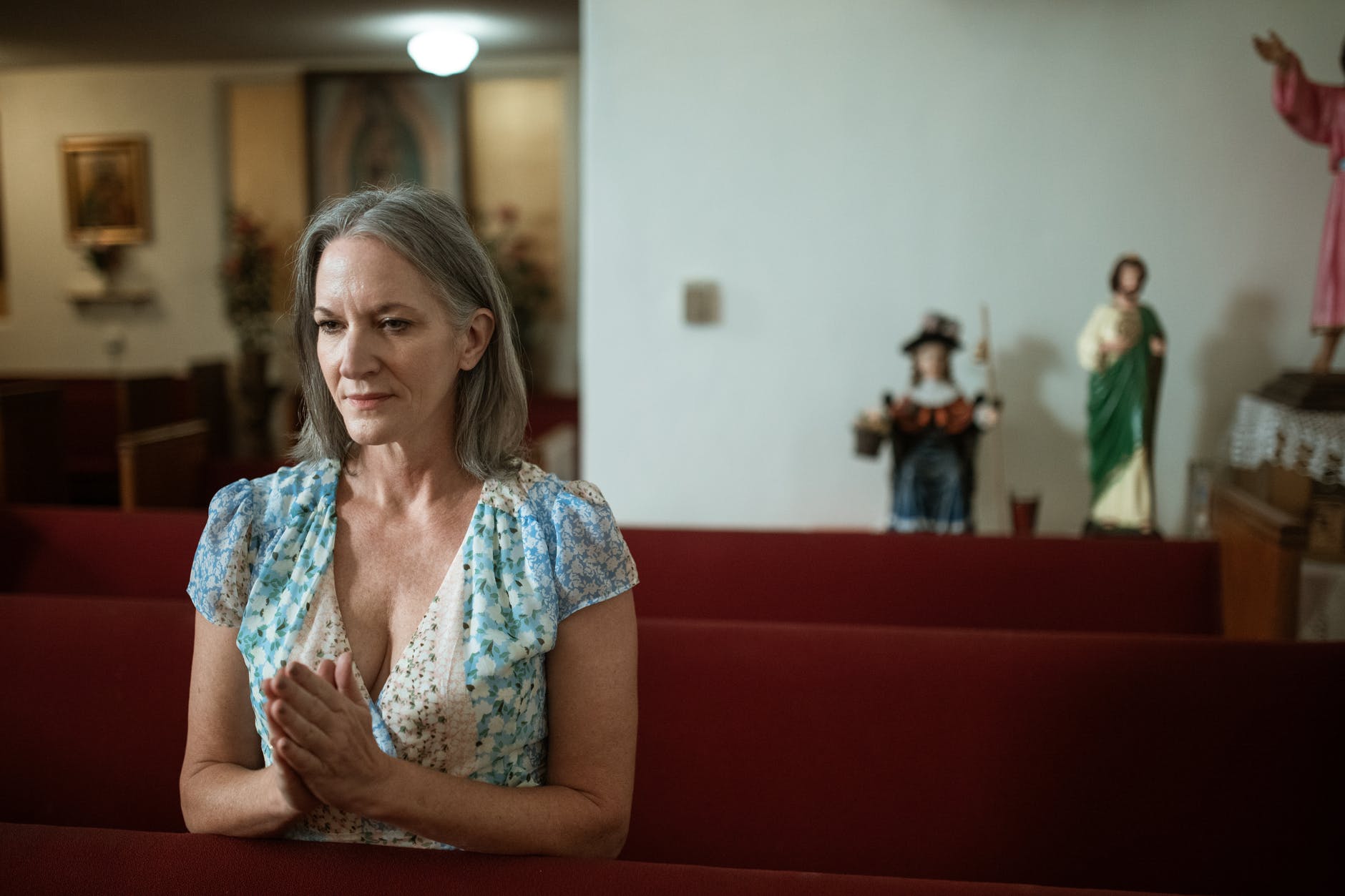
Prayer brings us into the safe and powerful presence of God Almighty. There is nothing of our worries, our guilt, our doubts, or the accusations of the enemy that can shake the foundations of God’s fortress. And the cornerstone is none other than Jesus Christ– unshakable, victorious, and eternally one with the Father and the Spirit.
That doesn’t mean that we won’t ever find ourselves in battle, trusting in God’s armor against the arrows of the enemy. But the war is already won– His Kingdom is forever! And ever!
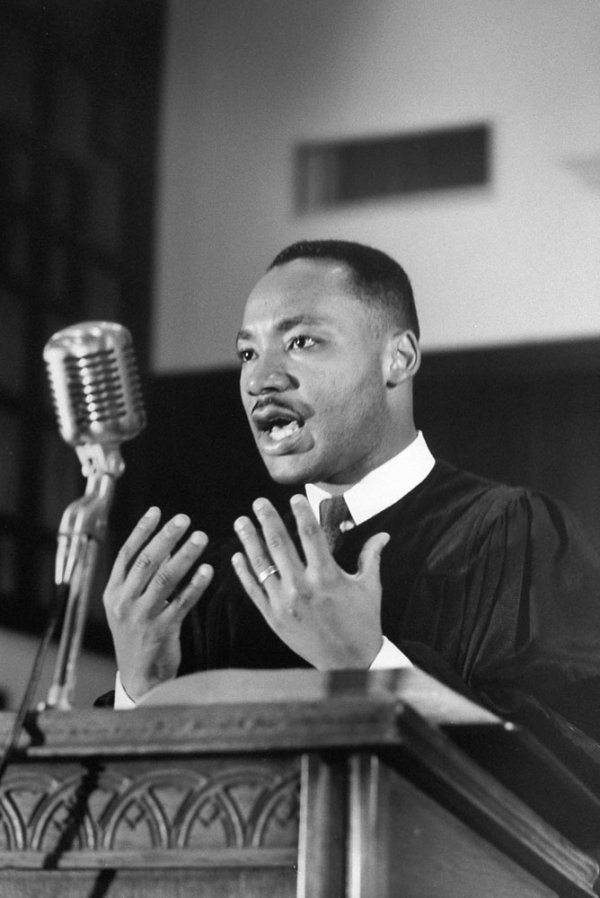
Today in America, we celebrate the life of Dr. Martin Luther King, Jr. Dr. King was a minister, a brilliant writer and student of theology, a leader in the Civil Rights movement of the late 1950s and early 1960s, a noted speaker, and man who arguably made a difference in the world. Dr. King was murdered in 1968, at the age of only 39, leaving a family and a nation devastated by his loss.
Next Monday, we will observe the 51st anniversary of the Supreme Court decision Roe v Wade, in which nine judges effectively legalized abortion in the U.S. for over half a century. Even though this decision has been overturned, many states, using the precedent of Roe v Wade, have changed their state laws to allow for abortion. In many states, it is now legal to abort a child right up to the moment of birth!
What is the value of a single life? Who gets to decide that they have the right to take another person’s life– whether by assassination, capital punishment, abortion, murder, or euthanasia?
It is a question that our society has struggled with for centuries. Who can give life? Who can take life? Who can determine the conditions of another person’s existence? And, for those who live, what is the “value” of their life–to their family, to their neighborhood, to their nation, or to history? Who gets to set the standard of what constitutes a “worthwhile” life or the “quality” of life for someone else? For themselves?
I’ve been reading through the book of Genesis this month, and, according to the Bible, this subject is as old as human life on earth. Cain decided that Abel’s life was expendable, so he killed him– the first murder. The people of Sodom and Gomorrah felt they had the right to enslave and rape anyone they wanted to. Joseph’s brothers plotted to kill him, before selling him into slavery, instead.
The Bible doesn’t hide this history, nor does it sugar-coat the actions of those featured in its pages. But, the Bible offers us a clear picture of WHO gives life, and WHO has the authority to decide what life is worth. God alone has this authority. It is God alone who can create and sustain life. Mankind has the choice– to protect life or destroy it; to treat life with respect or with disdain; to honor the Giver of Life, or to rebel against Him.
All the atrocities of the Old Testament lead to the ultimate decision on the value of a single life. Jesus lived a simple, ordinary human life. He lived with compassion, with purpose, and with humility. And He was willing to GIVE His life to atone for all the murders, all the abortions, all the slavery, all the injustices in history, so that WE could enjoy abundant, eternal life with Him. By looking to this singular life, and trusting in the power of His death and resurrection, we can choose to honor all life. We can make a difference. We can live with purpose and joy.
Dr. King’s legacy is one of honoring life, and pointing out the evils of those who seek to devalue the lives of others based on the color of their skin. Abortion’s legacy is one of destroying life, and promoting those who devalue the rights of the helpless.
The choice is still before us. How will we determine the value of a single life in the coming week? How will be add value to life on earth? How will we live for more than just the moment?
































 Pursuing Prayer