
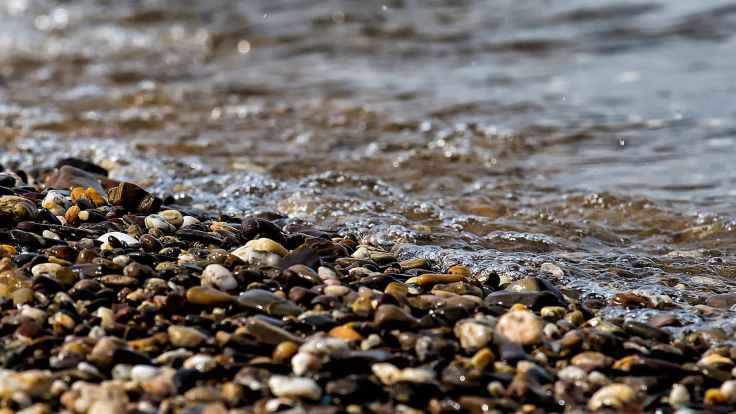
We’ve been cleaning out my Mom’s house for sale, and we came across a couple of shoeboxes of old rocks. I’m not sure which of us kids gathered them up, or when, but at some point, one of us excitedly gathered and saved some “pretty” rocks, thinking they might contain gold or crystals or some other special treasure. And Mom saved them.
I still like rocks– gemstones, geodes, fossils, etc. I like interesting and unusual rocks. My husband and I have several boxes of “pretty” rocks around the house. Some of them we polish and tumble to bring out more of their inner beauty; others we leave in their natural state.
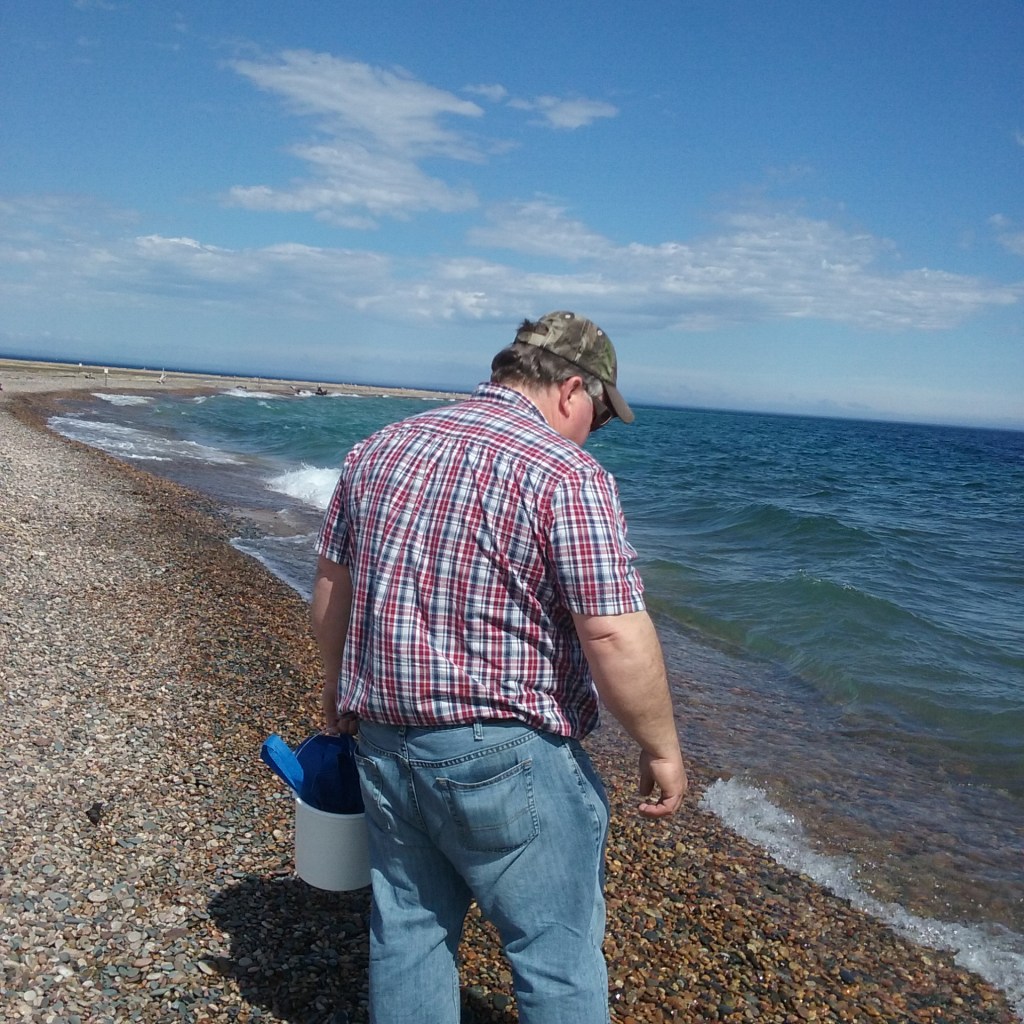
When I was in college and early in my teaching career, it was common for young people to say that something “really rocks!” if they were impressed or excited. Of course, this phrase wasn’t referring to rocks and stones, but to rock and roll music, but the phrase has stuck with me. There is very little about most rocks that would cause me to say that they “Rock!” But that is my point. Jesus thinks a lot about rocks– even ordinary ones.

I was reminded today about some of what Jesus said about rocks and stones:
When he came near the place where the road goes down the Mount of Olives, the whole crowd of disciples began joyfully to praise God in loud voices for all the miracles they had seen:
Luke 19:37-44 NIV (emphasis added)
“Blessed is the king who comes in the name of the Lord!”
“Peace in heaven and glory in the highest!”|
Some of the Pharisees in the crowd said to Jesus, “Teacher, rebuke your disciples!”
“I tell you,” he replied, “if they keep quiet, the stones will cry out.”
As he approached Jerusalem and saw the city, he wept over it and said, “If you, even you, had only known on this day what would bring you peace—but now it is hidden from your eyes. The days will come upon you when your enemies will build an embankment against you and encircle you and hem you in on every side. They will dash you to the ground, you and the children within your walls. They will not leave one stone on another, because you did not recognize the time of God’s coming to you.”
And do not presume to say to yourselves, ‘We have Abraham as our father,’ for I tell you, God is able from these stones to raise up children for Abraham.
Matthew 3:9 ESV
But all those who come and listen and obey me are like a man who builds a house on a strong foundation laid upon the underlying rock. When the floodwaters rise and break against the house, it stands firm, for it is strongly built.
Luke 6:47-48 The Living Bible (emphasis added)
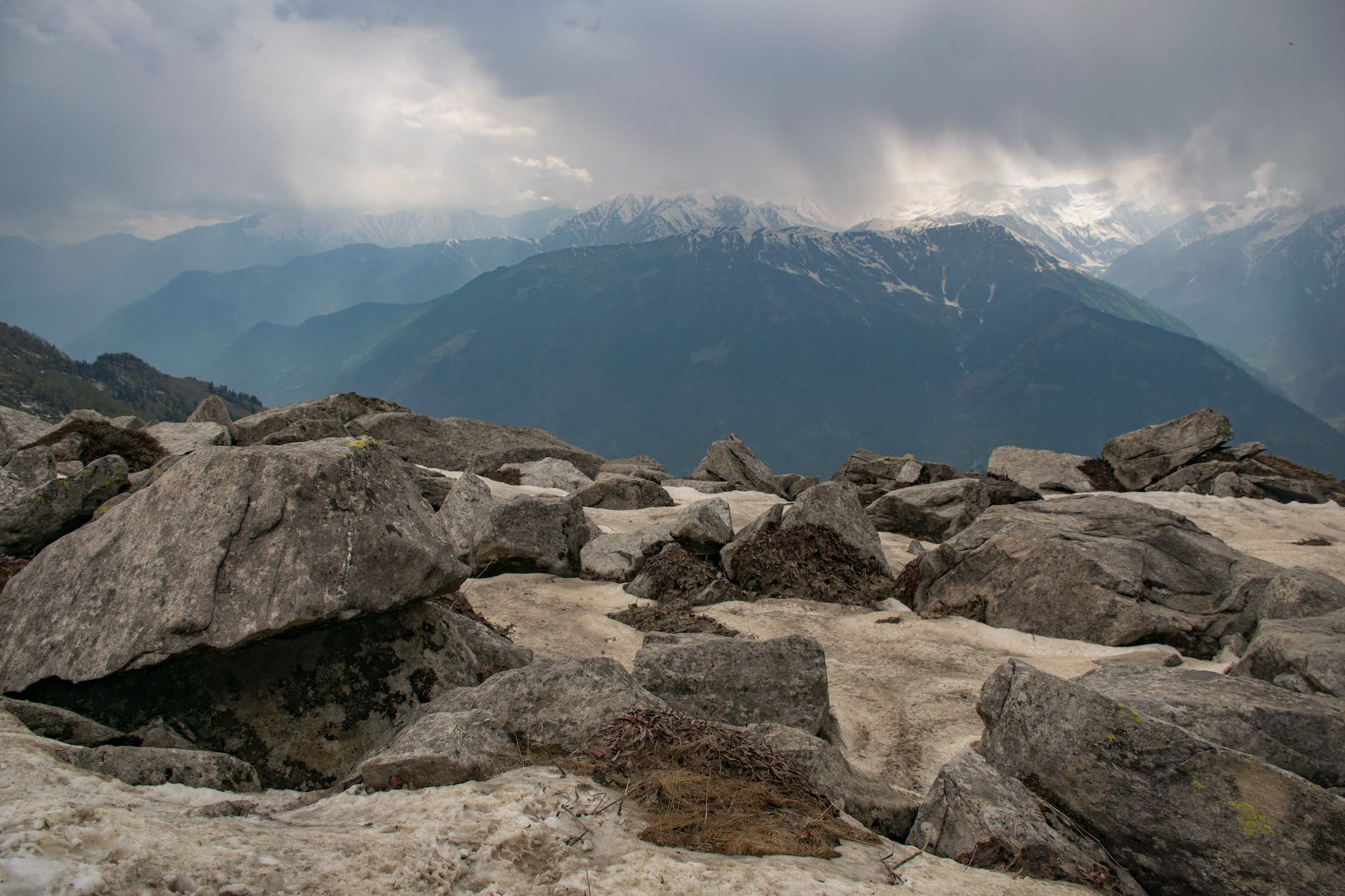
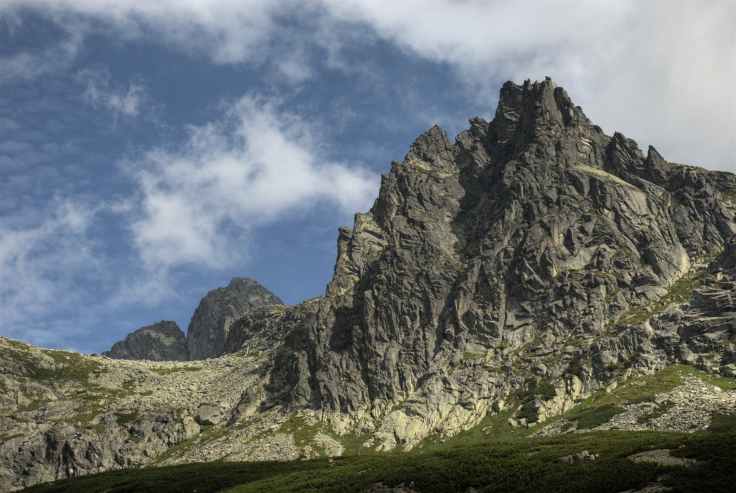
We spend most of our lives surrounded by rocks, but we rarely take notice. Rocks are generally ugly, hard, and inconvenient. We stumble over them (see many other scripture references!), pile them up, remove them from our gardens and fields, and throw them or kick them out of our way. But Jesus sees rocks just as He does all of His creation. Rocks serve as an enduring foundation for buildings– making them a visual reminder of God’s enduring strength and faithfulness. And did you know that rocks may literally “cry out” in testimony of God’s power?! https://www.templeton.org/news/can-the-rocks-cry-out https://www.icr.org/article/stones-cry-out-what-rocks-fossils-say/

As I was thinking of rocks and stones– how common and ordinary they seem– I was also reminded that Jesus relished in using the ubiquitous and ordinary things around us to teach lessons. Seeds, rocks, sheep, trees– all were used in Jesus’ parables to give us practical ways of understanding God’s mysterious nature. And the same is true today. I often learn more about God by interacting with ordinary people and performing humble tasks than I sometimes do at “religious” retreats or doing “holy” work.
There are days when I don’t feel very “successful” in sharing the Gospel message or helping shape disciples for Christ; when I feel like I’m writing to an invisible audience of one or two people, and saying the same things over again. And yet, God called Peter a “Rock” upon which He would build His church– Peter the fisherman; Peter the one who denied Christ three times during His moment of greatest crisis; Peter who had no formal training in theology. And this same Peter calls us “living stones” building up the Church. I am not called on to be sparking like a gem, but I am called on to be like a stone– resting on Jesus the Cornerstone (see 1 Peter 2 :4-8). So God calls me to continue to write, even as I go about my other daily work.

And God can use the “rocks” in our lives– the things we stumble over, the things that seem hard and even useless–to do amazing things. That neighbor who seems stubborn and resistant…that problem that just doesn’t seem to go away… that nagging pain…those voices telling us that we are not enough. God can turn them into “children of Abraham.” God can use them to build us up. God can change hearts of stone into hearts of flesh, overflowing with compassion (see Ezekiel 36:26) God can cause even the rocks to cry out in praise!

And in all that I do, I too want to “cry out”– both in prayer TO God and in testimony ABOUT God. And my testimony is that Jesus ROCKS!


 Pursuing Prayer