What a Wonderful World

Years ago, Louis Armstrong recorded a song, called “What a Wonderful World.”  Video and lyrics here.  It’s a pleasant song, pointing out all the wonderful things to see and hear in the world around us…people sharing greetings, day and night, rainbows, children…but it is also a wistful song.  Armstrong sings it as an observer, more than a participant.  He sees all the wonder of the world around him, and he sees hope for the future.  The flowers and rainbows are there for all to see; but the greetings are not for him; the children are not his and will surpass him in knowledge and opportunity.

man beside window wearing black jacket

I could name a dozen other songs or poems with similarly ambivalent messages; songs about smiling, hiding one’s tears, hoping for tomorrow and happy days returning.  Such songs acknowledge that our world is filled with wonder, beauty, and joy; they also acknowledge that sprinkled amid the wonder there is heartache and disappointment.

city man person people

It is tempting in times of hardship to focus on the negative and miss the wonder that still exists around us.  It can also be tempting to resent the joy others experience as they soak in the wonder that seems to taunt us.

Some people ask, “How can you believe in God when you see all the pain and suffering and evil in the world?”  And others answer, almost flippantly, “How can you doubt God when you see all the beauty and grandeur in the world?”  To someone who is in pain, this is the kind of answer that rubs salt in open wounds.  It’s not that the answer lacks logic or merit, but it is devoid of compassion.

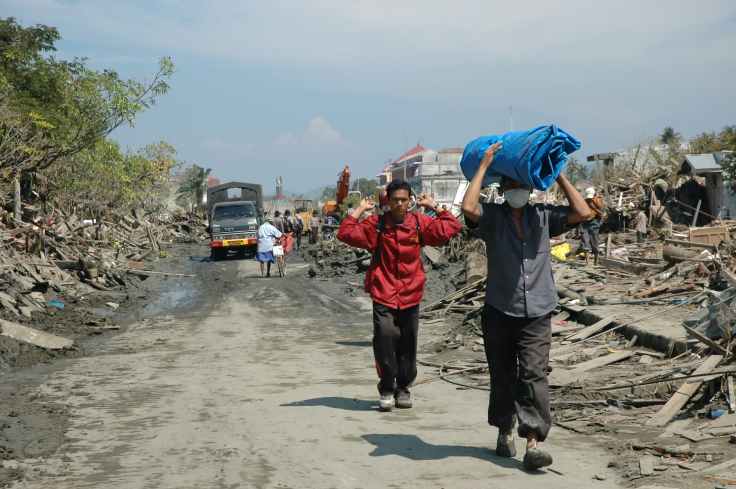
The truth is, that even in the midst of extreme suffering, we DO live in a wonderful world.  The sun still shines, there are still rainbows, and happy children, and, most of all, HOPE.

The Bible speaks of hope as one of the “remaining” virtues– Faith, Hope, and Charity (or Love).  We hear this, and study it, and recite it, but do we really appreciate it for the wonder it is?  Hope may fade in the midst of chaos, but it is not easily suppressed or smothered.  Hope gives us strength when we are struggling; it gives us a reason to look up from the ashes and see the sun.  Hope gives us the motivation to work and build after a disaster; to risk new adventures; to plan for a future.

adult bridal bride brunette

Our world needs hope–we need encouragement to reach out; to build and rebuild our communities; to look forward with vision, and set goals to reach that vision.  And we need hope to turn our eyes to the source of that hope– for we do not hope in vain!

big wooden cross on green grass field under the white clouds

Our Hope as Christians is based on God’s eternal faithfulness. God has given us promises– promises that He will keep, just as He has kept all His promises in the past! Our hope is solid. Our Joy is not dependent on what “may” happen in the future. Even in our fallen world, God is wooing us with wonder, beauty, joy, and HOPE.  It IS a wonderful world! But it pales in comparison with what is to come. What we will find in the redeemed world is beyond our wildest imagination.

“For this light momentary affliction is preparing for us an eternal weight of glory beyond all comparison, as we look not to the things that are seen but to the things that are unseen. For the things that are seen are transient, but the things that are unseen are eternal.” 2 Corinthians 4:17-18 (ESV)

Words Are Not Enough

When tragedy happens, words are not enough to bring justice, resolution, and immediate peace to the situation. “I’m so sorry,” or “I’m here for you,” or “I’m praying for you…” In themselves, the words have no power to change circumstances. Words cannot bring back a lost loved one or undo a fire or earthquake or violent attack.

Yet, when we say that we are sorry, or that we are “here,” or that we are praying, we are offering more than just the words we speak. We are offering to share someone’s grief; to help in practical ways that can ease even some of the suffering; to call attention to God’s presence in every situation, no matter how dire.

Prayers are more than just the words we speak. In Romans 8:26, the Apostle Paul says, “We do not know what we ought to pray for, but the Spirit himself intercedes for us through wordless groans.” Prayer often involves our entire being– body, soul, mind, and spirit–as we bow our heads or lift our hands, sweat, groan, go through a range of emotions from grief to praise, and try to express our heart cry in muddled words.

But prayer is not about US. It is not about our words or our emotions or even our desires. Prayer is about staying connected to God. In ourselves, we will always be insufficient. We may be able to take actions that will help others (or ourselves) achieve some measure of relief or understanding when things go terribly wrong. But we cannot bring complete justice; we cannot reverse what has already happened; we cannot guarantee outcomes. In prayer, we give outcomes and justice to the Only One who can bring true healing, justice, and peace out of our tragedies. We give up on the idea that our own thoughts and actions can overcome all the things that are beyond our control. And we lift up our questions, our fears, and our deepest hurts, with whatever measure of Faith we have, to the one we trust to make all things right. And we relinquish the idea that God MUST give us what we desire in the moment to believe that He gives us what is best according to His eternal plan.

Prayer isn’t simple. It isn’t a “cop-out.” It is a sacrifice. God may never answer our desire for an explanation, or for revenge in this life, or for a re-instatement of all that we think we deserve. But prayer connects us to the Sovereign Heart of God. Prayer doesn’t change our circumstances. It changes the way we respond to them. It changes the way we see ourselves and our own limited power. It changes the way we see others– even those who would harm (or have harmed) us.

Words are not enough– but Prayer taps into the all-sufficiency of God. That is more than enough. And the more we pursue and practice Prayer, the more we will understand its power and sufficiency.

God’s Mighty Right Hand

“Your right hand, O Lord, glorious in power, your right hand, O Lord, shatters the enemy.” – Exodus 15:6

“You give me your shield of victory, and your right hand sustains me; you stoop down to make me great.” – Psalm 18:35

“So do not fear, for I am with you; do not be dismayed, for I am your God. I will strengthen you and help you; I will uphold you with my righteous right hand.” – Isaiah 41:10

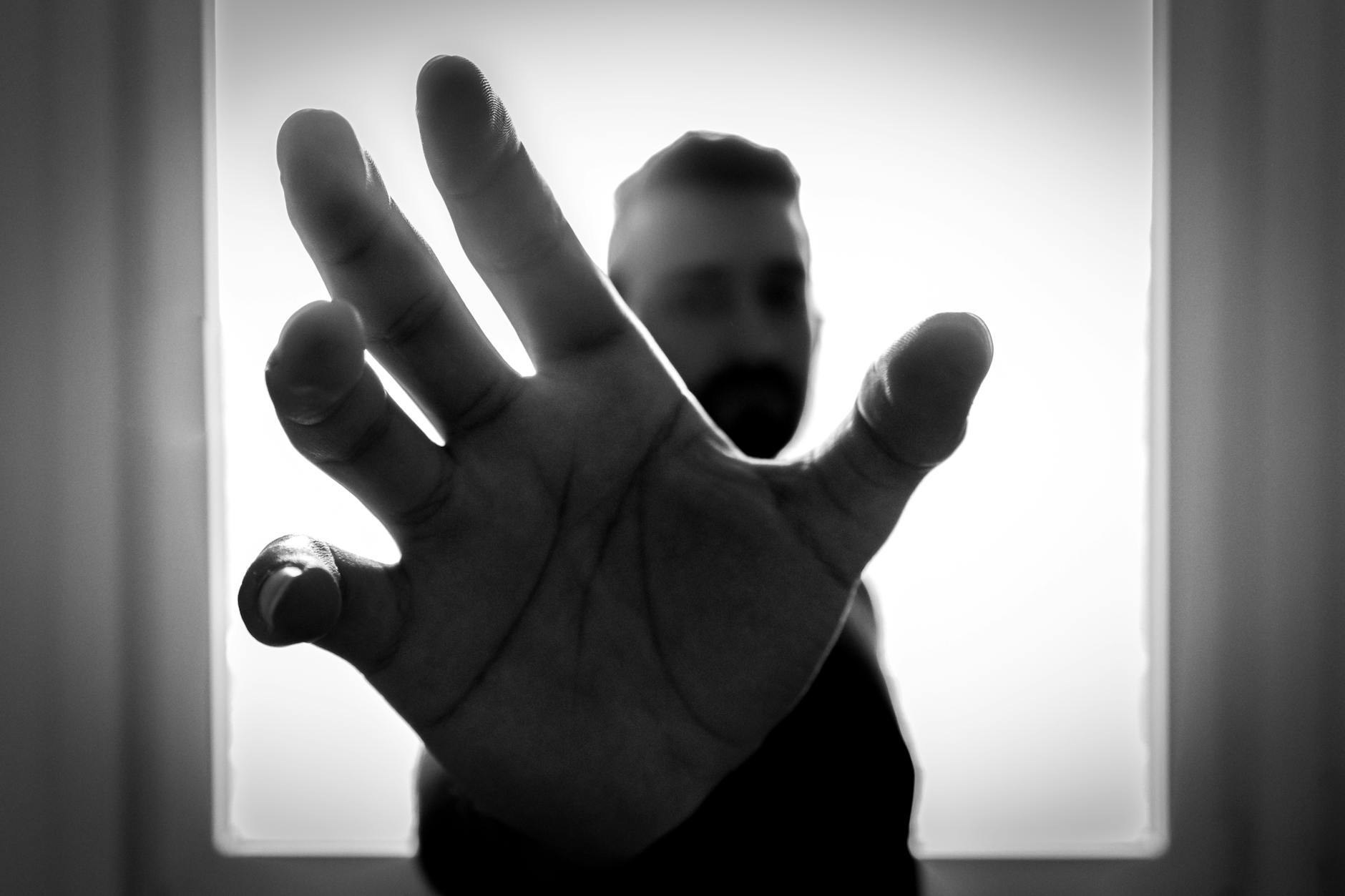
There are many verses in the Bible about the mighty right hand of God. God’s might and power, His authority and sovereignty are all represented by his “right hand.” It is His right hand that protects us, upholds us, and gives us victory over the Enemy. God’s right hand spread out the heavens, and rules over the stars.

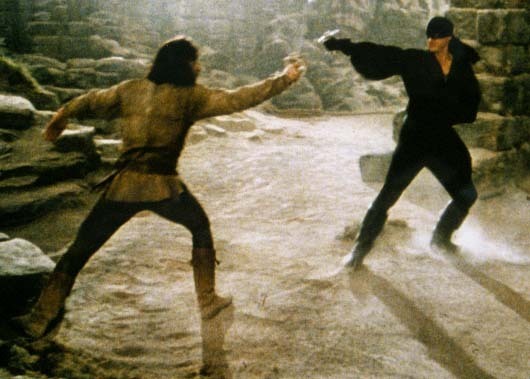
Today, I was thinking about one of my favorite movies– The Princess Bride. In one scene, two mighty swordsmen are fighting a duel. They are fighting with all their might, but they are evenly matched, and neither one is winning. Then, with a flourish, the challenger moves the sword from his left hand (which he had been using) and confesses that he is really right-handed. To his surprise, his opponent does the same! Each man has been fighting with his “lesser” hand, giving his opponent a (supposed) advantage. The fight continues with a similar ferocity. The two opponents later become allies in finding and saving the Princess.

So what if God fought for us with His left hand? What if (and I suppose He is) God is ambidextrous? God could defeat the enemy blindfolded and with one arm tied behind His back! Yet God assures us that His protection and provision are never second-best. If we suffer the attacks of the enemy, it is NEVER because God just didn’t fight hard enough, or that He didn’t have the means to win that battle. He doesn’t send in a junior varsity team of Angels to fight on our behalf. He doesn’t call a “time out” in the middle of fighting to catch His breath or re-evaluate His strategy.

God’s “Mighty Right Hand” isn’t just a metaphor for super-human physical power. He isn’t a muscle-bound hero in a comic book or legend. His mighty right hand is not an eternal fist. God is the One who holds the entire universe in His Hand. It is open. He doesn’t hold us in a choking grip; He holds us in the same gentle hands that hold a newborn chick or a delicate snowflake. God’s mighty right hand is also our safe haven. God’s hand guides and directs, as well.

God IS powerful and sovereign. He could choose to use His mighty right hand to squash us, or pound us into dust. He could hold us in a suffocating grip. But God’s mighty right hand is always directed by His LOVE. His Love cradles us, defends us, lifts us up, encourages us, works alongside us, and welcomes us into His arms!

For more about God’s Mighty Right Hand, see https://explainingthebible.com/bible-verses-about-right-hand/

When “Mother’s Day” Hurts

baby-boy-child-cute-40998.jpeg

Yesterday was Mother’s Day here, celebrating and honoring the mothers in our lives. Mother’s Day can be a wonderful day of celebration.  But it can also be one of the most painful days of the year.  Millions of women each year face acute heartbreak on this day– instead of celebration, they face the haunting memories of abandonment or separation, infertility, miscarriage, infant deaths, broken relationships, missed opportunities, regrets, suicide, and the loss of their own mothers.  There are no cheery greeting cards or perky flower baskets that can erase that kind of gut-wrenching pain– no pithy words or consolation gift that makes this day easy or comfortable.

I have an awesome mother-in-law, the world’s best sister, world-class sisters-in-law, a remarkable step-daughter, daughter-in-law, granddaughter, and a host of other wonderful women in my life.   I love being an auntie, step-mom, daughter-in-law, (step) grandma, great-aunt, and great-grand-aunt! I love that I am still in touch with former students and story hour kids, Sunday School and Bible School attendees, and others I have had the honor to mentor.  So I celebrate Mother’s Day and honor those people and all the ways their lives have impacted mine, and (hopefully) my life has connected with theirs.

But none of that chases away the ache of never having a child of my own– never knowing the joy of tucking my own child into bed; never being able to kiss away a boo-boo or a bad dream and say the words, “Mommy loves you.”  None of that will bring back my beloved mom or grandma my favorite aunts, mentors and friends who are gone.  I miss them more each year; I miss their wisdom, their strength, their comfort.

Maybe because of my own experience, I’m more attuned to it, but I see and hear a lot of pain around this time each year.  My heart goes out to all of the women with empty arms– the women who had to bury a huge chunk of their heart along with a child they can never hold; the women who had to say goodbye to the only one who could ever reassure them that, “Mommy loves you.”

My prayer today is that you would know that even in those moments when your heart is crushed, and your arms ache to hold or be held, that you are not alone; you are not forgotten.  God knows the aching loss of seeing his only son on the cross as he took his last gasping breath before he died.  Jesus experienced the sting of rejection from the people who should have called him brother, and “Father.”  Throughout the Bible, God gave us examples of women (Eve, Sarah, Hagar, Rebecca, Leah, Rachel, Hannah, Elizabeth, Mary and others) who knew the ache of barrenness, rejection, strife, and loss of children.  God saw their pain; he heard their cries of distress and their prayers.  He sees you too.  He hears you.  He loves you beyond anything you can imagine, and beyond where any grief, guilt, or despair can take you.

More than this, he has promised to be close to the poor in spirit, those who mourn, the broken-hearted, and to those who need rest and comfort.  He promises his presence, and he promises to turn our mourning into joy and bring us peace.  He is eager to restore us, to renew our strength, and to reassure us that we are loved with an everlasting love.  God created us in his image– and that includes the image of a mother hen gathering chicks, It includes the image of Mary who wrapped the God of the Universe in swaddling cloths and tucked him into a manger of hay, and who watched as that same God of the Universe died for her.

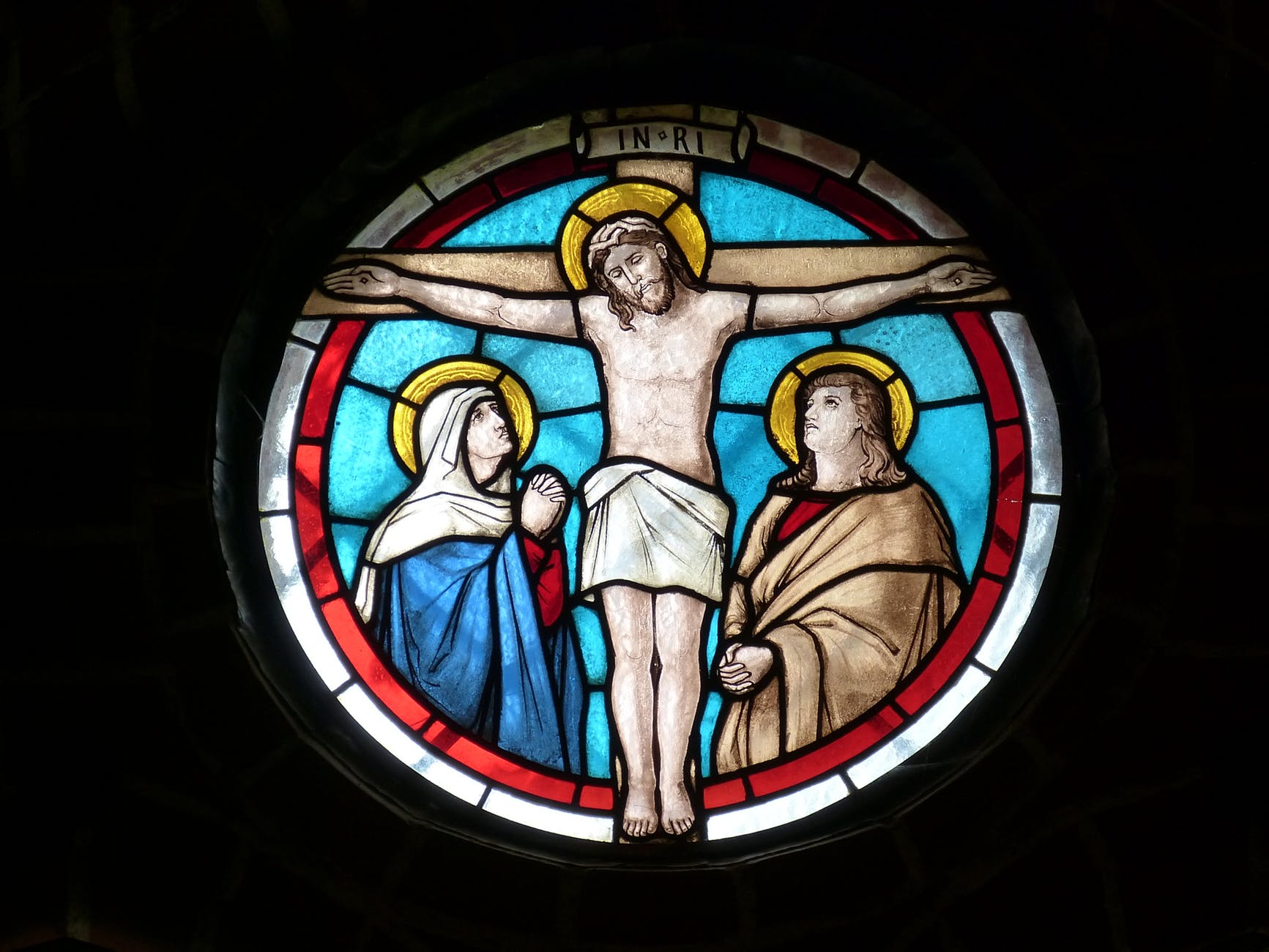
church-window-church-window-stained-glass-46154.jpeg

God knows the passion, the pain, and the pure love of a woman’s heart– even when “Mother’s Day” hurts.

A Mighty Fortress

  1. A mighty fortress is our God, a bulwark never failing;
    Our helper He, amid the flood of mortal ills prevailing:
    For still our ancient foe doth seek to work us woe;
    His craft and pow’r are great, and, armed with cruel hate,
    On earth is not his equal.
  2. Did we in our own strength confide, our striving would be losing,
    Were not the right Man on our side, the Man of God’s own choosing:
    Dost ask who that may be? Christ Jesus, it is He;
    Lord Sabaoth, His Name, from age to age the same,
    And He must win the battle.
  3. And though this world, with devils filled, should threaten to undo us,
    We will not fear, for God hath willed His truth to triumph through us;
    The Prince of Darkness grim, we tremble not for him;
    His rage we can endure, for lo, his doom is sure,
    One little word shall fell him.
  4. That word above all earthly pow’rs, no thanks to them, abideth;
    The Spirit and the gifts are ours through Him Who with us sideth;
    Let goods and kindred go, this mortal life also;
    The body they may kill: God’s truth abideth still,
    His kingdom is forever.

I love old hymns– I love music in general, but there is something powerful and “grounding” about old hymns and ancient praises that stick with us through thick and thin.

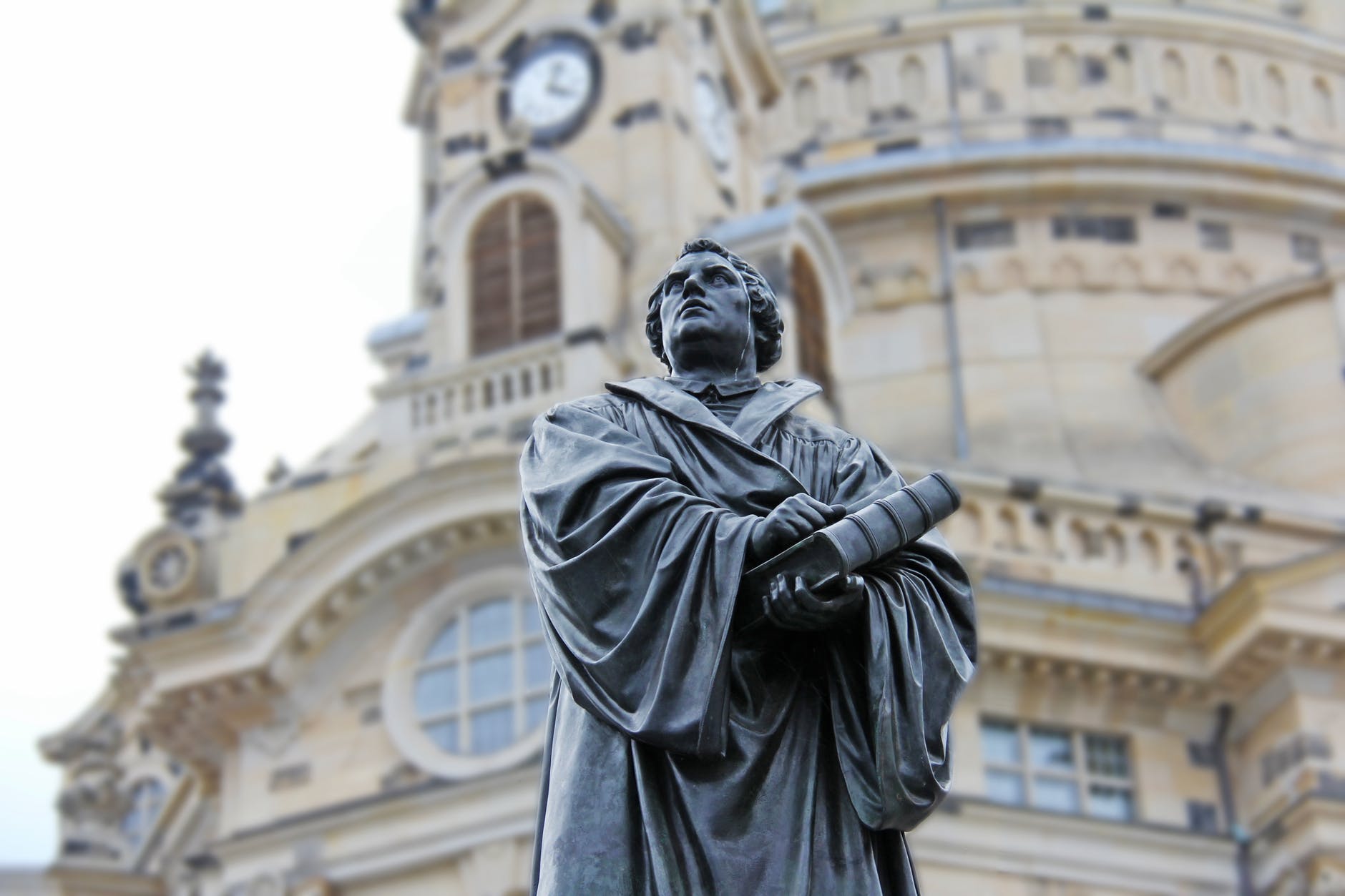
Martin Luther, author of “A Mighty Fortress”
gray concrete statue of man holding book beside brown building

This ancient (nearly 500 years old!) hymn has been attacked often.  I saw an article recently that said it should be kicked out of hymnals and never sung.  The author’s reasons:  It had “old” words and it was gloomy and aggressive in its tone.   True, it has words like “abideth”, “grim”, “kindred”, “battle”, and “doom”.  (Although the song has been “rewritten”– not only translated into English, but “modernized” to take out the “old-fashioned words”–it’s not like you have to put up with the archaic words you don’t like or understand.) And it isn’t an upbeat anthem about dancing and lifting our hands in celebration.  It’s not about daisies and unicorns and good vibes.  It was written in a time when worship wasn’t about luxurious auditoriums and customized T-shirts with your church’s logo.  Worship wasn’t “cool”–it was deadly serious.

And this hymn doesn’t celebrate the kindness and gentleness of God. It celebrates His Strength and Power; it celebrates Him as a warrior and a conqueror. It also reminds us that we have an Enemy; that we are involved in a pitched battle between Good and Evil– a battle we cannot win in our own power and with our limited resources.

brown violin

Good hymns are not just there to help us celebrate the good times; they are there to remind us to keep going during the struggles and bad times that are sure to come in life.  It doesn’t help that many times this hymn gets shortened. If you only read or sing the first and last verses, it can be confusing. It sounds grim. It assaults the ears and its words pound into our seemingly safe and comfortable worship.

In its entirety, however, the hymn reminds us of a very real spiritual battle being waged for our souls, and the victory that is already ours through Jesus (“that little word!”).  Jesus is not just a “crutch” for weak sinners.  He is a mighty fortress for battle-scarred and wounded warriors.  He is a refuge in the middle of a field of war between good and evil, and the garrison for the army of Goodness.  He is the battlefield hospital, providing healing; he is the supply station, offering armor and weapons of war.

pexels-photo-190576.jpeg

The outcome of war is already decided– the victory is sure–but the battles are still raging.  Innocent people are dying today in the Middle East and Eastern Europe.  History has left us with few illusions about lasting peace in this world.  That doesn’t mean that we should not work to pursue peace in our time.  But it does mean that our real peace comes from seeking shelter within the “never failing” bulwark that is Christ Jesus, and drawing power from Him to go back out and fight the battle before us.

God is our Fortress and our Deliverer (2 Samuel 22:2). He is an ever-present help in times of trouble (Psalm 46:1) and His Name is our strong tower (Proverbs 18:10). Today, I will take shelter in the Hope and Promise of God as I pray. I need not fear or be depressed about the evil in this world. God still Reigns!

4:13

My husband and I spent last week suffering from the flu. We slept– a lot! And we woke up at odd times, day and night, with coughing fits, getting medication, etc., only to fall back to sleep in minutes. One such time, I woke up and looked at the bedside clock– 4:13 a.m.

But the numbers stood out to me, not as a reminder that it was the early part of a new day, but as a reminder of a Bible verse– Philippians 4:13: “I can do all things through Christ, which strengtheneth me”(KJV).

Growing up, we attended a small country church, and every summer, I attended Vacation Bible School, where we got points and prizes for memorizing certain verses. I also joined my mother in participating in a Bible memorization program sponsored by our church. We memorized entire passages and chapters, as well as several key verses, like the one above. I say all this, not to brag about myself, my mother, or our church, but to testify to the power of memorizing scripture– especially when one is young. It’s been nearly 50 years since we did the program, and I don’t remember all the verses we studied. But often, in moments when I’m not even thinking clearly, those sacred words are still stored away in my heart and mind. Something as simple as a clock’s numerals can unlock the truth of scripture. I was certainly not rehearsing Scripture’s promises as I woke up nauseous and achy, but three numbers were enough to give me a lifeline of hope!

Did I feel as though I could “do all things” at 4:13 in the morning as I fled to the bathroom? Not a bit. But I took great comfort in the remembering that I can do all things “through Christ, who gives me strength (NIV)” I can trust HIM for healing, and that He will be present even when– especially when– I have no strength of my own.

Later in the day, reflecting on the way that just a few numbers can redirect my thoughts to God’s promises, I remembered other “timely” hints. I’ll leave just a few here below:

  • 1:03– 2 Peter 1:3 “His divine power has given us everything we need for a godly life through our knowledge of him who called us by his own glory and goodness.”
  • 1:09– Joshua 1:9 “Have I not commanded you? Be strong and courageous. Do not be afraid; do not be discouraged, for the Lord your God will be with you wherever you go.”
  • 3:23– Lamentations 3:23 “They (Your mercies/Your compassions) are new every morning’.; Great is your faithfulness.”
  • 4:18–Proverbs 4:18 “The path of the righteous is like the morning sun, shining ever brighter till the full light of day.”
  • 4:19– 1 John 4:19 “We love because He first loved us.”
  • 5:25– Galatians 5:25 “Since we live by the Spirit, let us keep in step with the Spirit.”
  • 6:33– Matthew 6:33 “But seek first his kingdom and his righteousness, and all these things will be given to you as well.”
  • 8:28–Romans 8:28 “And we know that in all things God works for the good of those who love him, who have been called according to his purpose.”
  • 9:25– Luke 9:25 “ What good is it for someone to gain the whole world, and yet lose or forfeit their very self?”
  • 10:10– John 10:10 “The thief comes only to steal and kill and destroy; I have come that they may have life and have it to the full.”
  • 11:01– Hebrews 11:1 “Now faith is confidence in what we hope for and assurance about what we do not see.”
  • 11:25– John 11:25 “Jesus said to her, “I am the resurrection and the life. The one who believes in me will live, even though they die”
  • 12:12– Romans 12:12 “ Be joyful in hope, patient in affliction, faithful in prayer.”

Why, O Lord?

We are a curious race, humans–we ask a lot of questions of ourselves, each other, and even of God. How did He make the universe? When will Jesus return? Who can we trust in this world? Where is Heaven? What must we do to be saved? But the majority of our questions are “Why” questions. Why did Jesus come? Why did He have to die? Why did God make snakes and mosquitoes and platypuses? Why are men and women so different? Why am I… (short/tall, fat/thin, clumsy, “odd,” misunderstood, etc.)? Why are You so mysterious? Why do bad things happen to “good” people?

I was thinking about this last question this week. I don’t have any definitive answer to that– no one I know has any better answer. God has not given us a definitive answer, either. We are to trust that His ways are wise and best and perfect, but faith and trust require–well, Faith and Trust! We know God has done good things in the past. We know He has redeemed what seemed like hopeless situations. We know His promises, and we have seen some of them fulfilled. Still, such a question can often leave us blindsided and tongue-tied.

There are many learned thinkers, philosophers, and apologists who have written whole books on this subject, but I want to just pose a couple of ideas to help us, not ANSWER the question, but understand the question a little better.

First, the question, “Why do bad things happen to good people?” is really two questions: “Why do ‘bad’ things happen?” AND “Why do they happen to ‘good’ people?” So let’s look at the questions separately.

“Why do ‘bad’ things happen?” What do we mean when we say “bad things?” There are many circumstances, events, diagnoses, and occurrences that may be called “bad.” Death is “bad.” Indigestion is “bad.” Stubbing one’s toe is “bad.” Being diagnosed with Alzheimer’s Disease is “bad.” Divorce is “bad.” Slavery and abuse are “bad.” House fires, job losses, being mugged, being stranded without heat in a blizzard, an outbreak of acne, being laughed at– all these are “bad.” But they are all different. Many “bad” things are the direct result of sin–we suffer the consequences of our own sin; we are the victims of the sins of others. The consequences of addiction can be horrific, but we often lack compassion for those who are suffering, because “they brought it upon themselves.” But what about the innocent victim of rape or child sex trafficking? Such acts leave victims traumatized and broken. Both are “bad,” but we are angered and frustrated even more when “bad” consequences also seem unjust and unfair. And what about natural disasters? Are they the result of sin, as well? The Bible suggests that they are. When God placed Adam and Eve in the Garden of Eden, they lived naked, carefree, and unafraid. Only after their sin did God place a curse on the land– Adam would now have to cultivate the land in order to get food. There would be enmity between the woman and the serpent. Eve (and all women after her) would have pains in childbirth. (see https://www.biblegateway.com/passage/?search=genesis+3%3A+14-20&version=NIV) There is no mention of hurricanes, blizzards, or earthquakes prior to the Fall of mankind, though it is speculation on my part, to say that there were none.

God has promised to make all things new. There will be a time when the consequences of Sin will be eradicated. We will not even remember the suffering we endured in life, in light of the blessings of eternity. So, though God doesn’t answer our question of why “bad” things happen, He does give us the assurance that such “bad” things do not determine our destiny, nor do they happen without His knowledge or outside of His will! We cannot understand God’s purposes in allowing us to suffer, though sometimes we may see a hint of good even in the midst of tragedy.

And God is loving and gracious in the face of our confusion and pain. We CAN ask God “Why?!” “Why me?” “Why this?” “Why now?” “Why them?” Why, O Lord!?” Many of the Psalms speak to this very question. But in the middle of his anguish, the psalmist often finds comfort and renewed strength to face the struggle, when he turns to God. Asking why is not always a sign of weak or failed Faith. Instead, it is acknowledging before God that we ache. We grieve. And we NEED HIM!”

And what about the second part of the question: “Why do (bad things) happen to ‘good’ people?” What makes a person “good?” Jesus was “Good,” And yet He questioned the rich young ruler, “Why do you call me good? No one is Good– except God alone.” (see https://www.biblegateway.com/passage/?search=Luke+18%3A18-27&version=MSG) We tend to think of the people we know and like as “good.” And we have a natural expectation that their lives should be “good” also– free of pain or struggle. But that is not realistic in this world. The actor, Michael J. Fox has been suffering for years with Parkinson’s Disease. This seems unfair and cruel. How could God let him suffer like this? But there are many thousands of people suffering from Parkinson’s Disease. Some of them are homeless addicts; some are in prison for rape or embezzlement. Is their suffering any less than that of Mr. Fox? Is it somehow less tragic or unjust?

The sad and shocking truth is that none of us “deserves” a pain-free, struggle-free life. Bad things DO happen. And they happen to people we like, and people we hate; people we judge to be “good” and people we judge to be “bad.” God does not “play favorites.” Yes, God can, and often does intervene on someone’s behalf through prayer, or for His own bigger purposes. But He does not “dish out” suffering to those He dislikes out of spite or revenge. Nor does He cause His faithful to float through life without ever tasting bitterness and grief. Jesus made many promises, but one of them was this: “in this world you will have trouble; but be of good cheer, I have overcome the world.” (John 16:33) He didn’t promise that you might have a little spot of trouble, or that you might look around and see others in trouble– He promised that we would have trouble. Not because we are “bad” or “good” but because that’s the way this world is.

I find it odd that atheists often pose this question as a way of trying to “prove” that God doesn’t exist. They pose the question as an accusation. “If there is a kind and loving God, why do bad things happen to good people?” But if they believe that there ISN’T a kind and loving God, how do THEY explain why bad things happen to good people? How do they define “good” people and “bad” things? Without a Good God, where is the expectation of good things happening to good people? Without God, there are no objectively “good” things or “bad” things happening– only random events without divine cause or purpose. You can’t blame a non-existent God for things He either caused or didn’t prevent. Such questions are meant to plant doubt in the mind of a believer, but they fail to answer the greater question– Why do Good things happen to undeserving people? Why do we sometimes find joy and peace and strength in the midst of our suffering? Why do human beings continue to Hope?

Finally– the ultimate example of God letting something “bad” happen to someone “good” can be seen in the central image of our Faith– the crucifixion of Jesus Christ. Jesus was sentenced unjustly to a torturous death and public humiliation. He was separated from God the Father, and carried the punishment for OUR sins so that WE could be reconciled to God. Even though the purpose of Christ’s suffering has been revealed to us, it doesn’t negate the agony and trauma He faced. And even HE cried out from the Cross– “My God, My God, WHY have YOU forsaken ME?!” (Matthew 27:46)

God does not answer the question of why “bad” things happen in this world. But in the crucifixion, Jesus proves to us that He shares and understands our suffering; that He has the power to overcome and redeem our traumas; and that He will hear our sincere cries of “WHY?!” He will hear when we turn toward Him, instead of turning our back on Him. He will hear our broken heart. He will heal our broken heart.

WHY?– Because He loves us!

These Three Remain.. Hope

I have to start this by saying I don’t always feel particularly hopeful as I look around and hear all that is happening. There are a lot of reasons to be discouraged, even depressed. Upheaval, suffering, injustice, disasters, anger, death, and evil surround us at nearly every turn. I can say that my Faith sustains me, and it does, but I still feel beaten down and exhausted by all the chaos and hurt and anger and misunderstanding.

Faith sustains us in times of trouble, but our hearts can still feel heavy. Faith tells us that God is in control, but we can feel powerless in the midst of suffering. What keeps us motivated to look for the best on even the worst of days? What allows us to have joy even as we grieve and strain and suffer? Faith is our anchor, but what renews our strength, and keeps us looking beyond the storm?

In 1 Corinthians 13, the Apostle Paul talks about things that are temporary– possessions, knowledge, gifts, prophecies– and three things that remain: Faith, Hope, and Love. Last time, I wrote about Faith. But Hope is a more difficult and more nebulous concept. The writer of Hebrews defines Faith for us– “the substance of things hoped for; the evidence of things not seen” (Hebrews 11:1). But there is no substance or evidence for Hope. Hope is not a physical anchor; it is not a realization. Neither is it a mere wish, or dream; at best, it is an expectation. Yet Paul says it “remains,” even when other things pass away.

How is this possible– that a Christian should Hope after all else has been lost, abandoned, or destroyed? Isn’t Faith more solid, more important, than Hope? Aren’t knowledge, obedience, and perseverance more important and more tangible? Isn’t hope wispy, fleeting, and conditional? Lately, it sure seems so. I say that I hope we all get through these tough times; that we will come through all this stronger, wiser, more compassionate, more just, more prepared, etc., but what am I really hanging on to? Where is my Hope?

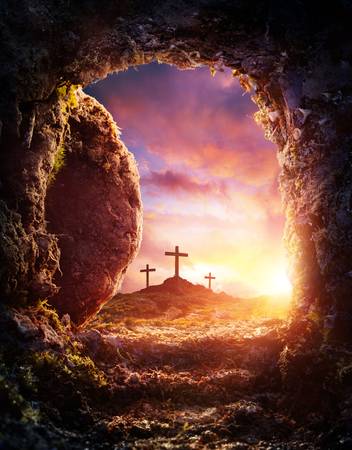
My Hope DOES have substance and a sure foundation–in the life, death, and resurrection of Jesus Christ, and in the sure promises of my Heavenly Father! I may have wispy dreams and half-formed wishes of what I would like to see in my life or in the world around me tomorrow, or next year. I may have dreams and visions of what Peace and Justice and Health look like– and I may never see them materialize in my lifetime. I may have to adjust my vision within the temporary world of possessions, and gifts, prophecies and human systems of government and society. But I can remember the life of Christ; in spite of His circumstances, He remained true to His purpose. In His death, He remained compassionate, humble, and loving toward those who hated Him. In His resurrection, He brought eternal Hope to all who choose to trust Him. I can Hope because He fulfilled God’s promises. He WAS Hope. He gave Hope, and He demonstrated Hope. And He pointed to the Hope of His return and our eternal destiny!


I can be inspired by the dreams and hopes of other Christians throughout the years, even if their dreams have not been realized. I can be inspired by the prophecies of others, even if they don’t match my visions. And I CAN see beyond the darkness of the moment (or the year) to see that people (even I) can change; situations can change; circumstances can change; rhetoric and tone can change for the better. Painful valleys and unexpected upheaval may not be what I would want, but sometimes, it serves to clear out the “sinking sand” where dream houses would otherwise be built.

And Hope is necessary to Prayer– Faith tells us that God hears, even when we can’t see Him or hear His answer. Hope tells us that God cares. He is not aloof in hearing our prayers. He doesn’t answer us out of some worn sense of duty or obligation. He doesn’t just give us His law or even His forgiveness– He gives us restoration and Hope and abundant life! Hope for change in our own lives; hope for progress and healing in our world; hope for victory over sin and evil. Most of all, hope for eternity. God is just and merciful, but He is also gracious and loving beyond all measure. I can cry out when all other hope is gone– His Hope Remains! His Hope is a Solid Rock. His Hope comes with an eternal guarantee.

It’s Not Enough!

Often, when there is a disaster– especially one that seems preventable and senseless, like a mass shooting or a horrible crash–thousands of people reach out with “thoughts and prayers” for the victims and their families. And, predictably, others will angrily comment that thoughts and prayers are “not enough.” What good are thoughts and prayers in the face of senseless violence or preventable dangers? Shouldn’t we be driven to action? Shouldn’t we focus our efforts on justice or working to guarantee that such disasters can never happen again?

Such anger is natural, and such sentiments may seem more virtuous than offering nebulous emotional support. What, after all, can thoughts and prayers really DO in the face of evil, injustice, pain, and grief?

Well, I can’t speak for “thoughts”, but I have studied prayer for most of my life. I would offer the following words about the effects of prayer:

  • First, prayer reminds me that I am NOT in control of my circumstances– only my reaction to them. I cannot control what happens, what HAS happened, or what WILL happen. And my anger will not change what has already happened, nor will it prevent future disasters from happening. And while I may not be able to prove to others that prayer CAN prevent future disasters or heal present grief, I have known it to do both in my life and in the lives of others.


  • Second, prayer reminds me that there is Someone Bigger than me– Someone Bigger than my circumstances– who has the wisdom and the power to do what even thousands of well-meaning people cannot. Thousands of people coming together can make a difference over time, but God can do miraculously more than we can imagine!
  • Third, praying for others is something I CAN DO— anywhere, anytime– across distances, cultures, time zones, and circumstances. Prayer doesn’t cost anything. It doesn’t require that I have specialized skills or access to physical resources. It may not seem very active, like ranting or screaming, marching or protesting, but it isn’t the same as inaction or apathy.
  • Lastly, praying for others is a first step in helping others. My prayer alone may not seem like “enough”, but prayers have a way of multiplying, and inspiring, and intensifying in positive and impactful ways.

But more than just talking about the effectiveness of prayer, I’d like to pose a couple of questions for those who dismiss prayer as “not enough.”

  • What are you offering (instead of prayers)? Will your thoughts, plans, and actions have immediate or eternal results? Do you have the solution to all the world’s problems? Will you be able to control what happens in the future, or make sense of what has happened in the past? Will your solutions be perfect– no unintended consequences or necessary casualties?
  • If you are so angry about others praying, why waste your energy complaining about it? Go ahead with your own solution/reaction/plan.
  • Is your solution “enough?” Is your anger “enough?” Are your good intentions “enough?” Ultimately, you must wrestle with the existence of evil and injustice in this world. Senseless things happen. Good people suffer, and guilty people enjoy “success.” And nothing we offer is ever “enough” to change the world around us.

Our efforts and actions will never be “enough.” But prayer taps into the reality that God IS ENOUGH. His Grace is sufficient; His Love endures forever; His wisdom is higher than ours, and His power is boundless. He doesn’t always remove us from the chaos and suffering of this world, but He redeems us, and He enters into the circumstances of our own suffering and grief. He gives us courage, strength, hope, and a sense of purpose that goes beyond what we can find in ourselves.

Surprise!

Have you ever been the “victim” of a surprise party?  Maybe you sensed that something was “up”, but you were still shocked and elated to see old friends or family all wanting to wish you well on (or near) your birthday, anniversary, wedding, retirement, or even “just because”.  Even if you “catch on” or if someone “spoils” the surprise, it can be a wonderful celebration.  (Or, on occasion, a disaster.)

pexels-photo-764340.jpeg

Have you ever been on the planning side of a surprise party?  Several years ago, we threw a surprise birthday/retirement party for my father.  It required several months of planning.  We invited cousins from out of town, co-workers, neighbors, and old friends.  We gathered old pictures and mementos to display, ordered cake and balloons, and tried to keep the excitement under wraps, lest my father guess our intentions.  All the details fell together, except we couldn’t figure out how to get him to the party without guessing.  Dad was a genius at “sussing out” secrets and surprises, and also at setting them up.  We wanted to turn the tables and give him the best surprise of his life.

Then, less than a week before the party, my aunt (my mom’s sister) died in a car accident.  The funeral was arranged for the same day as Dad’s celebration.  We suddenly had to wrestle with a decision– to cancel or to forge ahead.  With so many coming from out of town, we decided to stick with the original plan.  It would be difficult– my aunt’s funeral was scheduled earlier in the day, and there would be about an hour to drive from one event to the other.  Dad was certainly surprised–already dressed in his best suit, he drove from a funeral in one town to a party in his honor 20 miles away.  From flowers and tears to laughter and cake…it was a day unlike any other.  The first several minutes were surreal and jarring.  But it was also cathartic.  As difficult as the day was, we honored both my father and my aunt.  Being surrounded by family and friends, some of whom joined us for both events, became a healing and encouraging experience.
It was not the surprise we expected–certainly not the surprise we had planned.

chocolate cupcake with white and red toppings

Several years later, (in fact, after my father had passed away) we planned another surprise party– this time for my mother.  Mom had, of course, been part of the planning (as well as the trauma) of the first event.  As with the first party, we invited family from out of town, ordered cake and balloons, gathered photos and memorabilia, and wondered how to get her to the event without suspicion.  All went as planned, and we had a wonderful time.  Mom was delightfully surprised, and even more so for having been through the experience of the prior party.

What does any of this have to do with prayer?
Well…we prayed for both parties.  We prayed that all would go well, that Dad and Mom in their turn would be surprised, that guests would arrive safely, and that the parties would both please and honor the recipient. God answered both prayers. His ways are not our ways– but He is eternally good. He gave us strength for each day in its turn, in the midst of surprises– pleasant, painful, and both together!

But, far more, the two parties offer an illustration of God’s grace in the area of knowledge and foreknowledge.  “If I had only known…” is a common phrase, and one that we could readily apply to the Dad’s party.  But if we had known the end from the beginning, would we have changed our plans?  When we say that we want to know the future, we’re generally asking to know a specific outcome of a specific event– without considering the greater consequences and impact of that outcome.  When we pray, we generally pray for a specific outcome, again without knowing the full consequences.  What seems like a disastrous outcome to us may be God’s way of preparing us for an unexpected blessing.  God doesn’t send bad gifts– disasters come (and God allows them in His sovereignty)–but He doesn’t send disaster and pain to mock us or ruin our lives.  Instead, in the midst of tragedy, He gives us unexpected strength, comfort, and sometimes, even joy.

pexels-photo-145378.jpeg

If we had known that Dad’s party would be shadowed; that my aunt would die so suddenly, we might have given in to despair and bitterness.  And though the party brought unexpected comfort, it did nothing to erase the overall grief of my aunt’s passing.  But we learned so many things that day.  We were reminded that our time with Dad was precious– that life itself is precious– in a solemn and powerful way.  We were able to receive comfort from unexpected sources.  We would not have shared our tragedy in such a public way with those who did not even know my aunt.  But circumstances forced us to do so, and in the process, we were able to continue to honor her in the celebration.

If we had known all that would happen at Dad’s party, and not seen it through, we might never have risked planning a party for Mom.  If we knew in advance all the joys and tragedies we would face, we would never learn how to trust God for the next step in life.  Even more, we would live in constant dread of looming tragedies and negate all the joy of discovery and wonder.  We might not be driven to take risks if we already knew their outcome, and we might not learn from our mistakes if we already knew their consequences…and because our lives are so short, we might only see the short-term consequences, and never see the ultimate outcome.

abstract art astronomy background

God is above and beyond time– He is the creator of all things, including time.  He has decreed for us a beginning and an end to life on earth, and He has decreed that we should life our lives with a certain amount of suspense– of not knowing what the future holds.  It holds both triumph and tragedy– trial and temptation.  Life is filled with surprises– catastrophes, ecstatic joy, and “a-ha” moments–as well as peacefully uneventful moments to reflect and enjoy.

As we pray today, we can be thankful that God’s knowledge is perfect, and that His power is sufficient to hold us in the midst of shock, lift us in the midst of tragedy, and surprise us with joy along the way.  And we can ask Him to grant us the wisdom to trust Him fully when we don’t see the end from the beginning– or from the middle–of the storm.

Blog at WordPress.com.

Up ↑