A Prayer For Fathers

Photo by Pixabay on Pexels.com

We are approaching Father’s Day. It is a day of celebration for many people, but it can also be a day of sadness for others. This year will be a milestone for our family, as my father passed away 25 years ago; and yet–we are preparing to celebrate the birth of my grand-nephew’s first child. This will make him a father, my nephew will become a grandfather, and my brother will become a great-grandfather! My husband is a father and grandfather, and so are three of his brothers. We also have brothers, brothers-in-law, nephews and cousins who are great dads. So we really have a lot to celebrate!

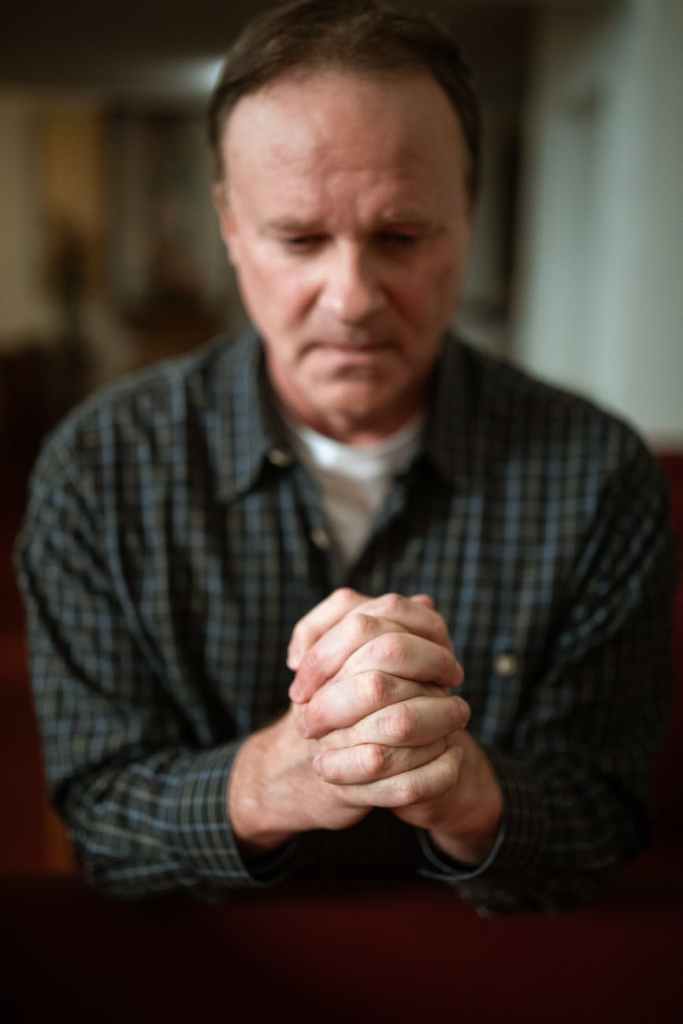
Fatherhood– the kind we celebrate– is more than just contributing genetic material to a new life, or claiming a child on an income tax statement, or showing up once in awhile for major events. Fatherhood involves sacrifice. It requires wisdom and patience. It involves ongoing commitments, and the tough love that says, “No” because it’s the right thing, rather than the easy thing to say. Fatherhood requires a man to be a teacher, provider, protector, defender, coach, and disciplinarian. It also requires humility, and grace, encouragement and sometimes tears. In addition, fatherhood requires prayer. No father is perfect, and no father can do all that he needs to in his own power. Fathers need our support and encouragement, our grace, and our prayers.

Photo by Kaysha on Pexels.com

It is tempting to label our fathers. I have known “good” fathers. And I have known fathers who have abandoned or even abused their responsibilities, causing trauma, anguish, and hurt to their families, lasting for generations. My own father wasn’t perfect, but he was a “good” father. He was a man of humor and integrity, faithful, honest, loving and humble; a man of faith, and a man of honor. My father-in-law was the same. They left wonderful legacies of wisdom, hard work, and quiet strength. But I know of other fathers who have ruined the lives of their children (as well as their own lives) through fear, selfishness, addictions, abuse, anger, greed, and pride. Father’s Day can cause regret, envy, and bitterness in the hearts of many fathers and children alike. Many people would like to forget about their fathers on Father’s Day. Some don’t even know how to celebrate– they’ve never seen or heard from their father; some don’t even know his name!

Photo by Ketut Subiyanto on Pexels.com

But Father’s Day is not only for “good” fathers. It is a time to honor those who have been faithful, but it is also a time to reach out to those who need help. Good fathers are needed! And “bad” fathers need to be called out– not indulged or ignored, but held, guided, rehabilitated, or even incarcerated, for the good of their children. Hurting boys often grow up to be hurtful fathers. Hurting girls often end up in hurtful relationships. Hurtful fathers often struggle with their own baggage of hurt and disappointment from past generations, without knowing how to change. Fathers need more than a “day”, a cook-out, or another tie. They need a mission and a purpose; they need respect and forgiveness; they need encouragement and accountability.

My prayer today is that this Father’s Day can be a day of honor AND of healing for fathers and their children. I pray that struggling fathers will be encouraged and strengthened; that hard-working, faithful fathers will see the rewards of their efforts and find hope to keep going; that absent and apathetic fathers will wake up to the challenge and the gift of fatherhood; that broken fathers will find help and healing for themselves AND for their families; that hurting sons and daughters will find the grace to move beyond the pain of unmet expectations and abuse to become better men and women.

Photo by Anna Shvets on Pexels.com

All that I pray for is made possible because we have a Heavenly Father– a perfect, loving, eternally wise Father– who loves us through our struggles and our pain. He knows our every need, sees our every tear, and hears our every prayer. He is ready to be our coach, our provider, our healer, our disciplinarian, and our protector. No matter our experiences or how we feel about our earthly fathers, or about being a father, we can trust Him to be all that we need. Our Heavenly Father will never abandon us, reject us, abuse us, or despise us. He will comfort, encourage, uplift, and guide us– now and forever. All we need to do is pray and accept Him for all that He is!

Dust in the Wind

Several years ago, there was a popular song lamenting that, “all we are is dust in the wind.” The song evokes a feeling of hopelessness– we are weak, small, and helpless as dust in the wind. It speaks of impermanence, brevity, sadness, and despair in the face of forces greater than ourselves, and offers a warning not to “hang on” to earthly vanities.

The Bible speaks to this –God told Adam in the Garden of Eden that he would die and return to the dust from which he was formed (Genesis 2:7 and 3:19). Abraham was told that his seed would be “like the dust of the earth;” spread out across the earth and unable to be counted. The book of Job is filled with images of dust and ashes, as Job, homeless and afflicted, sits covered in them, talking of his life and death, and the emptiness of loss.

Photo by Skitterphoto on Pexels.com

But there are surprisingly few references to dust in the New Testament. Jesus tells his disciples to visit cities, and where the people will not listen, the disciples are to leave and “shake the dust from (their) feet” as a testimony against them (Matthew 10:14; Mark 6:11; Luke 9:5)

There are two aspects of dust I want to look at today. First, as the song suggests, dust is carried along by the wind. It has no permanence, no weight, no importance, no resistance, and is swept away by a chance wind, or by design with a broom or dust cloth. Dust is not cherished, but discarded. But dust is not destroyed by the wind– it is carried, lifted, moved, and dispersed, but not destroyed. The dust of today will be somewhere else many generations from now, and the dust that settles on our floors, tables, and under the bed may have been blown there from thousands of miles and centuries away! In just such a way, our lives– fragile and brief, leave traces of words spoken, kindnesses shared, and sacrifices made, that live long after our bodies return to ashes and dust. There is an amazing glory in a mote of dust carried by the stillness into a beam of sunlight. It sparkles and dances and drifts in a graceful spiral, suspended in light and air. And there is glory in a life lived in the light, seeking stillness and grace, being carried by the slightest whisper of God’s eternal love.

Secondly, dust that is not in motion, not in the light, IS discarded, unwanted, corrosive, and dead. There is no glory in layers of accumulated dust covering the beauty of an antique dresser or building up in the corner of a room. Dust that is NOT carried on the wind sits, worthless and destructive. It gets absorbed into an unsightly pile of sad, dead matter, and it sits– going nowhere, doing nothing. We shake it off, brush it off, wash it off, sweep it away, and get rid of it.

Photo by Darius Krause on Pexels.com

Dust comes from death– dead skin cells, dead plant and animal matter–and I think there is a very real reason it is mentioned so often in connection with sin, sickness, unbelief, judgment, and death (though not in all cases). God does not want to leave us unmoved and dead– He wants to bring us to glory and give us new life in Him. We are dust in the wind– but that is not all we are. Instead, it is what we are for a brief moment in time– being carried to a new destination, or sinking and settling into despair.

Photo by Анна Васильева on Pexels.com

I pray that we will be lifted up in prayer and faith today, to dance in the light of God’s glorious grace, and carry our mote of glory and grace to wherever God my send us.

“I’m Praying For You!”

Each month, I want to give some practical suggestions on ways we can better pursue a lifestyle of prayer.

Photo by Tima Miroshnichenko on Pexels.com

This month, I want to encourage you to let people know you are praying for them. This seems like such a simple thing, and not necessarily a way to improve one’s prayer life. After all, didn’t Jesus teach us not to brag about our praying? Aren’t we supposed to pray in private, not calling attention to ourselves? (See Matthew 6:1-15)

There are four “do’s” and a couple of “don’t’s” when it comes to telling others about praying that I want to emphasize today. Not because I have a perfect formula, but these are things I have found true in my own experience, and I think they line up with Biblical principles:

DO:

  • When you hear a need, pray about it. Don’t put it off; don’t promise to pray at a more convenient time. Do it now. If that means stopping in the middle of a conversation and praying with someone who is pouring out their heart– do it (assuming that it is possible). Not only is this practicing obedience to the prompting of the Holy Spirit, but it is honoring the importance and value of the other person. (see Philippians 4:6; Romans 12:12; Ephesians 6:18; others…) Showing others that their needs are important and that God cares about their needs is NOT boasting or being hypocritical. Just remember to approach with humility. Don’t be offended if they refuse in the moment; don’t use the opportunity to pray “over them”– pray beside them; pray with them; pray for their needs, not your own virtue-signaling. If you are worried about your actions being misconstrued or offensive in some way, ask first. “May I pray for you right now?” “Would you mind if we just stopped and said a quick prayer about this situation?” They can always refuse to let you pray immediately, but at least they will know you sincerely want to bring their burden before God. Also, if there is practical help you can give in the moments following, don’t hold back. Maybe their need is beyond your ability, but if you can direct them to counseling, aid from a local church group or non-profit, or offer to follow-up, you should do what you honestly can. Don’t promise beyond your ability, but don’t just pray and walk away, either.
  • The same goes for on-line requests for prayer. Don’t just scroll past someone’s need. It takes three seconds or less to type, “Praying”, or “I’m praying for you.” Again, if there is practical help you can offer, this is an opportunity to do so. There is no need to go overboard– but letting others know that someone “out there” is praying can be an enormous encouragement.
  • Be specific. Generic prayers aren’t “bad,” but they are often hasty and leave something lacking. The same goes for practical help. One of the mistakes I often make is to say, “If there’s anything I can do, give me a call.” I mean it– I want to help, and don’t know just how. But this puts the burden of asking on the person you meant to help! If you don’t know what to do– say so– but give them something solid to go on. It may be a phone number or e-mail, or an idea of a service you are able to offer–“I have Wednesday afternoons off if you need someone to drive you/go with you to an appointment.” or “If you ever want to meet for coffee…” or “I know the church has a Benevolence fund for unexpected bills and expenses. I could contact someone or give you their contact information,” etc..
  • Follow through! If someone asks for prayer for an ongoing concern, make a point of checking in every so often. Call, send a note or text, stop them at church and let them know you are still thinking of them and praying for them. This can also be another opportunity to offer practical help, a hug, or other form of encouragement. Often a week or two can be time enough to reveal practical steps to meet some of the smaller needs related to a big crisis or situation.

DON’T:

  • Say you will pray and then forget to do it. I used to be bad about this on-line. It only takes three seconds to promise to pray or to type a message about prayer, but don’t say it/send it if you aren’t going to act on it. Either stop then and there to pray about it, or stop and write it down where you will see it later and act on it! Good intentions are NOT enough to bring real encouragement and change. And good intentions do not form a disciplined and growing pursuit of prayerful living. In fact, such lost opportunities can become a barrier to our prayer life AND our relationships with others.
  • Break confidences. If someone asks publicly for prayer, it is fine to respond publicly that you will pray or are praying. It is NOT fine to then share someone else’s burden with ten of your other neighbors or closest friends. It is not fine to repost someone else’s request without their permission. It is not fine to publicize others’ private burdens, confessions, or pain. You may want to ask others to join in prayer, but don’t share details and names. Even if you have permission to share a prayer request, it is not for you to pour out someone else’s feelings, relationships, or struggles. This is another area in which I’ve had to learn a lot. I tend to over-share my own struggles when asking for prayer, and I want others to be concerned, so they will pray also. But it is very easy to fall into gossip, oversharing, and speculation, which has no place in prayer– and no place in my relationships! Share only those specifics that are helpful– “S______ is battling cancer. She has an appointment with her oncologist this week and would like prayer.” It is tempting to give the time and date of the appointment– and S______ may be ok with you doing this so people can be praying “in the moment.” However, she may be concerned about too many people knowing when she will or won’t be home, which might tempt a burglar. She may not want to receive a host of phone calls later that afternoon from people wanting “updates” or wanting to “cheer her up” when she is exhausted. Respect others’ privacy.

We are commanded to pray for one another (see Galatians 6:2; Colossians 4:2, etc.) And prayer is the most powerful tool we have to help those around us. Even though I recommend “practical” help along with prayer, I do not mean to say that prayer is impractical. Prayer IS practical and powerful. It should never be dismissed as “lesser than” other forms of help. But neither should it be used as an excuse not to meet needs in others ways as God gives us resources.

Photo by Luis Quintero on Pexels.com

Making a habit of praying for others– really responding to needs immediately and faithfully in prayer– is a great way to experience its power. We will see God working through the prayers we offer– not just in the way He answers in the lives of others, but in the way He will change our hearts and minds about situations, relationships, and in growing Faith and confidence. It will train you to listen for needs, and to prepare to help. It will also train you to see needs in your own life, and make it easier to trust God with the needs in your life. You will find it easier to share your needs with others, and to accept help when you experience how much your efforts (even small ones) can encourage others. It may even encourage you to begin networking with others to meet needs and be proactive, instead of just reacting to needs after they are felt! If you are already strong in this area, be grateful for the way God is using you in the lives of others. If you are struggling in this area, I hope you will persevere. God is gracious in giving us opportunities to grow and serve!

But Did I Pray?

I cried a bit.
I threw a fit.
Made a fuss;
Kicked up some dust…
But did I pray?

I made a plan.
I took a stand.
I marched around;
Made some sound.
But did I pray?

Photo by Andrea Piacquadio on Pexels.com

I went on-line;
Looked for a sign.
I read a book;
Took another look.
But did I pray?

I hit a wall.
I made some calls.
I spoke to friends.
I followed trends.
But did I pray?

I shook my head
And then I said
A hasty word.
I felt unheard.

I wondered why;
Had another cry.
I drove my car
And searched the stars.
But did I pray?

Prayers are simple.
Prayers are quiet.
I wanted answers.
I wanted a riot.

My heart was proud.
My voice was loud.

But what can I say?
I didn’t pray.

“Be still, and know that I am God..” Psalm 46:10

It Is Well With My Soul

I’ve been reading through the book of Job this past week. Job’s story challenges us– especially if we trust in our circumstances to confirm God’s love for us. Job was a seeming pawn in a situation beyond his control or understanding. He lost nearly everything– his cattle, flocks, all his children, and even his health. The only thing he did not lose was his nagging wife, and his faithful, but very unhelpful friends.

Photo by Parij Photography on Pexels.com

At first, Job’s friends seem very supportive. They stay with him, saying nothing, just offering their presence for a week! But then, they start spouting the kind of useless aphorisms and accusations that make Job’s bad situation infinitely worse. They “remind” him that good people don’t suffer–only the wicked experience pain and loss. This knowledge, they assure him, comes from their own experience, and the wisdom of the past. When Job protests that he is innocent, that his suffering is NOT because of his own wickedness, they become increasingly angry and irrational– making up accusations and heaping blame on Job for daring to “question” God.

But Job’s friends, even though they speak with confidence and sound very much like many people we hear today, are wrong. Job’s experience is real–suffering comes to the innocent, while the wicked often “get away with” their sin, living lives of ease and comfort at the expense of others. We see it in the world around us– innocent people are the targets of mass shootings, or war, or famine, or disease. Meanwhile, criminals get “off” on a technicality; decorated war “heroes” destroy entire cities; powerful tyrants bend laws and oppress the helpless.

Photo by Ron Lach on Pexels.com

Where is God in all this? WHO is God in all this? There are many different responses, but I want to look at three that are all present in the book of Job:

  • Mrs. Job: “Curse God and Die.” Some people look at evil and suffering, and they decide that God must be a fraud. Either He cannot or He will not destroy evil, or He would have done so before now. They declare with great defiance that either God does not even exist, or He must be malicious, capricious, petty, and weak.

  • Job’s friends: “Everyone knows that God rewards good and punishes evil.” Doesn’t the Bible say this? Isn’t this what we learned in Sunday School? Surprisingly, most of us would say, “Yes, that is exactly what I learned as a child, and it is exactly what the Bible says!” But look closer. The Bible says that “All have sinned and fall short of the glory of God.” (Romans 3:23) It goes on to say that “The Just shall live by faith” (Habakkuk 2:4 and Romans 1:17)–not their good works. God DOES reward goodness, and he DOES punish evil– but He also redeems the wicked and causes the good to go through times of trial and suffering. God is more than a two-dimensional dispenser of rewards and punishments. God’s ways are not our ways (Isaiah 55:8), and there are times that He chooses not to explain His ways “in the moment” of our suffering, or in the moments when wickedness seems to be “winning.”
    Unfortunately, when bad times come; when we experience pain, or watch someone else going through inexplicable suffering, if our view of God is incomplete or two-dimensional, we are left repeating the little we KNOW (or think we know) about God, and defending, not God’s character, but OUR knowledge. This is especially true if we have not been tested ourselves.
  • Job: “Though He slay me, yet will I trust in Him.” (Job 13:15) “I know that my redeemer lives, and that in the end he will stand on the earth. And after my skin has been destroyed, yet in my flesh I will see God; I myself will see him with my own eyes—I, and not another. How my heart yearns within me!” Job 19:25-27 Even when Job struggled with his pain and suffering–even as he defended his character to his accusing friends, Job KNEW that God was GOD. He knew all that his friends were saying ABOUT God, but he also knew God–even when he didn’t understand His actions. And after all the arguments had been made and all the “easy” answers had been spilled out, GOD did not slay Job; he did not leave him in his agony. Neither did He provide Job with detailed answers or explanations. But He redeemed the situation– Job ended up with more blessings than before. More importantly, Job ended up with a greater understanding of who God is.

When all is not well with our health, or our finances, or our safety, or our relationships, it can still be “well with (our) Soul.” God does not change, but He does ask us to trust Him, even when His ways are not our ways. God will reward good and punish evil– but it may not be in our lifetime or as we imagine. God may stay silent during times of great stress and pain, but He will not leave us! In every situation, we can trust Him.

Will we?

When Prayer is Not Enough…

“Stop praying and DO something!”

“I’m sick of thoughts and prayers…it’s time for action.”

“Prayer doesn’t work!”

Photo by Markus Spiske on Pexels.com

What happens when your prayers don’t seem to make any difference? People around you complain that you are passive, even apathetic about critical needs. “People are dying!” “People are suffering, and you want to stop and pray?!”

YES! Buy why do I continue to advocate for prayer in the face of overwhelming injustice and evil? Shouldn’t I be talking about action? Shouldn’t I be posting plans to end injustice or poverty or war? Shouldn’t I be willing to say that sometimes, prayer just isn’t enough?

Well, firstly, I believe that Prayer is far more powerful than most people know. Prayer IS enough, because GOD IS ENOUGH! I can’t stop gun violence, or human trafficking, or an epidemic. I can’t– not with all the resources in the world; not with all the action I can muster; not with any effort or plan or army of willing human helpers. And neither can anyone else. I can march in protest, I can write and call and badger legislators to change laws or enforce the laws we already have. Such actions might make me feel better– they might even have some immediate effect. But they won’t “fix” the continuing and underlying problem of Sin. Only God can do that, and He WILL do it. He may choose to work through human agency to right some wrongs or change the immediate future, but our world is broken, and God’s ultimate plan is bigger than just a convenient patch for Sin’s consequences.

Photo by Pavel Danilyuk on Pexels.com

However, I will concede that sometimes prayer, by itself, is not nearly “enough.” Prayer must be paired with Faith. I know many people who say that prayer “doesn’t work,” not because they didn’t pray, or weren’t sincere in their desire or their wish for God to act on their behalf, but because they believe in their desire– their wish or their plan– more than they believe in God’s goodness or His ability to bring good out of whatever struggle we are facing.

This is not a simple concept– that God is eternally good even in the midst of evil and horror– it can be painful beyond words. God may choose to allow the sin of drunk driving to take the life of an innocent person in our family, or leave us permanently paralyzed. Or He may allow war to strip us of all that we own– our home and our freedom. How can we possibly view such circumstances as “good?” Why does God allow for violence and injustice? Why does He allow it to continue– seemingly unabated and unchecked? How can God call Himself “Good” while letting evil touch our lives and the lives of millions innocent people? Praying — and continuing to pray– in such circumstances seems like a mockery of our pain and grief. It seems like God is deaf to our cries– indifferent, or even watching smugly from a distance. Why pray to such a God?

But IS this what God is really like? And why do we believe the worst about Him, rather than trust that His wisdom and Love are actually greater than what we can comprehend or experience in the present? Why do we blame God for the evil we see in others? Why do we ignore our own actions or inaction that often contribute to our situation? Why do we believe that God “owes” us a life without sorrow and pain– even as we see others suffering the consequences of sin– sometimes because of our failures? Why do we insist that God always act in accordance with OUR desires, when we often will not act in accordance with His? Why do we “test” God with prayers in our times of trouble, when we will not trouble Him with our prayers in times of peace and plenty? If anyone should have led a life without sorrow or pain, it should have been Jesus. Jesus prayed all the time– He even taught others how to pray (Matthew 6:9-15). He was completely obedient to His Father. Yet God’s own Son faced heartbreak, betrayal, and a painful, unjust death on the Cross. He wept over the death of a close friend– a death He Himself could have prevented (and later reversed)! (John 11) He was in such deep distress in the Garden of Gethsemane that He sweat blood! (Luke 22:44) God’s plan is not for us to live a life free of trouble, but a life of victory OVER despair and doubt!

Seeking “more” than prayer is often seeking “more” than God–as if we can do better on our own. As though we can out-love, out-give, out-do, and over-power the God of creation;the God of the Cross, and the God of the Resurrection and the Life. Deriding prayer is deriding the God to whom we pray– we minimize His power and His compassion while inflating our own. If God doesn’t exist, one might argue that it doesn’t matter– but then, why waste time deriding what doesn’t exist?! Prayer matters because God DOES exist, and because God matters Trusting God means being willing to wait and accept His will; even if we don’t get the answer we want. God’s ways are not our ways, but that doesn’t mean they are inferior or ineffective. God will not “undo” our circumstances, but He will help us through our circumstances. He won’t take away our grief. But He will shape it into something with purpose– if we let Him.

Finally, there are times when prayer must be paired with action. It IS enough to pray for God to act. But when God prompts US to act, and we do not, our prayers are empty words. Faith may lead us to wait, but it won’t lead us to sit idly by when we have the opportunity to help. Faith may lead me to keep taking the next step– even when I can’t see the way forward. Faith may lead me to let go of a dream I thought would be “enough.” It may lead me into the valley of the shadow of death– in my own life, or on behalf of someone else. I can’t take away someone’s grief at the loss of a child– but I can share in it. I can listen and offer friendship, rather than a quick platitude and a few empty words. I can continue to be there when others fade away. I can’t undo the horrors of war– but I can help care for refugees, and I can work to build peace in my neighborhood, even as I pray. I can take the next step in making someone else’s burden just a little lighter, and making the world a little brighter wherever God gives me the chance. And prayer is one way I can focus on the source of strength, wisdom, and compassion to allow me to do my part better.

Photo by Liza Summer on Pexels.com

The next time you hear someone saying that prayer is “not enough,” remember that no human effort will ever be “enough” to do what only God can do! But prayer taps into the power and grace that is “sufficient” for all our greatest needs.

Pursuing Discipline

Prayer can take many forms and be many different things. I write about prayer as a pursuit– something done with purpose and with some kind of discipline. Prayer is not meant to be just another discipline in the life of a believer. “Pray without ceasing,” Paul says in 1 Thessalonians 5:17; but this is not meant as an exercise to pursue quantity of prayer over quality, or to spend every waking moment consumed with prayer to the exclusion of all else.

Photo by Karolina Grabowska on Pexels.com

However, we are called to be disciples– and that necessarily entails learning discipline. Any activity taken on without discipline can’t really be called a pursuit. It may be a hobby or an entertainment, but pursuit involves direction, dedication, and focus. And this includes our prayer life.

I want to be very careful in discussing this aspect of prayer, because I believe that there is a real danger of letting the discipline overshadow the purpose of prayer. HOW we pray is never more important than WHY we pray, or to WHOM we pray! But failing to make a plan for prayer can cheat us of the benefits of learning to pray deeply, consistently, and with greater focus.

Photo by Claire Morgan on Pexels.com

With this in mind, I want to spend some time each month talking about ways to “grow” a life of prayer. Today, I want to focus on journaling as a way to pursue prayer.

As with any discipline, the key is consistency. That’s why journaling can really help. Keeping a record every day of things to pray about, of reasons for praise, of people or issues to bring before the throne of Grace, can keep us focused. It can also help us chart God’s answers and His work in our lives and the lives of others. I keep four separate notebooks– one for each quarter of the year. But there are wonderful daily journals and notebooks that can work as well. Some come pre-printed with scripture or prayer prompts for each day. Some people use a pocket calendar or calendar app on their phone or computer. The method isn’t as important as having a planned approach.

Photo by Bich Tran on Pexels.com

I recommend having a daily focus that is consistent from week to week. For instance, on Sunday, I focus on The Church– missions, local church congregations, persecuted churches, evangelism effort, etc.. On Monday, I focus on Family and Friends. Tuesday, I pray for the Government– local, state, federal, and leaders of other nations. Wednesday is Community–community services, schools, businesses, neighbors, even roads and parks and utilities! Thursday is Global Day– things like war and drought, natural disasters and diseases. Friday, I focus on business and finances– my own, and others. Saturday is a day to pray about cultural issues, like abortion, marriage, gender issues, etc. That doesn’t mean that I don’t pray about family members on Thursday, or about a school shooting on Sunday. But it means that I pay special attention to those matters on particular days. Here are some reasons why:

  • God wants to hear from me about everything. But without a plan, I tend to pray about the same few things over and over. I pray about whatever is worrying me in the moment. And only that. God wants me to be aware of all that He is doing. He also wants to remind me that He is LORD of everything; big and small, immediate and long-term, far away or around the corner.
  • God wants me to be consistent and persistent in praying. But that doesn’t mean praying obsessively. Obsessive prayer can become nagging, doubt-ridden, desperate pleas. God listens to our prayers. And we can trust Him, even when we don’t get immediate answers or relief. We don’t stop praying, but we also don’t stop trusting Him for the next step in the journey. God is bigger than just one aspect of my life– no matter how urgent or overwhelming that aspect may seem today. My focus needs to be on God’s sovereignty, and not just my immediate circumstances.
  • God works in mysterious ways. I may not feel like praying for my Governor, or my neighbor, but it may be that my faithful prayer today is what God will use to make changes in some other aspect of my life. Praying for what I have on my list, rather than just what pops into my mind may actually remind me of something else, and help me see how God is working in an area I might have missed otherwise!
  • By practicing this discipline in prayer, I am learning discipline in other areas of my Christian walk.

I read an interesting article on-line the other day about the late Duke of Windsor. Born as the heir to the throne of Great Britain, he was trained from an early age. His father, the King, wanted him to learn discipline and honor, so as to be prepared to assume his role. But Edward despised his father’s training. He found his father to be harsh and critical, prim and joyless. And he rebelled. He took little interest in the affairs of state, preferring to focus on his own pleasure. As his father grew older and weaker, Edward was asked to take on more royal duties. He enjoyed making appearances at parties, but despised many of the other tasks– letter writing, or visiting factories or various parts of the Commonwealth. He refused to settle down and marry, until he met Wallis Simpson, who was twice-married, and separated from her second husband. She was also an American citizen.

Edward VIII wanted to defy the laws and traditions of his own nation in order to marry. When this proved to be contentious, he decided to abdicate his throne, marry Mrs. Simpson, and live abroad. Instead, his brother became the next king (George VI), guiding his nation and the commonwealth through the difficult days of the second world war.

For many years, the myth of a king who gave up his throne to be with “the woman I love” has prevailed. But there was more to Edward’s abdication than blighted love. Edward was not incapable of ruling, but he was unfit to rule it well. His lack of dedication to his duties and citizens became evident in the very first crisis. Those who were working with him during his short reign witnessed his lack of care or concern about paperwork, and his selfish insistence on doing what he wanted to do, and not what was expected of him or of benefit to his people. He was a man without discipline and without a clear moral compass https://www.dailymail.co.uk/news/article-417388/Prince-Charmless-A-damning-portrait-Edward-VIII.html.

Photo by nappy on Pexels.com

The Bible is filled with many examples of kings throughout the history of Israel and Judah who also failed to learn discipline or restraint. Their desire to reap the benefits of their position without learning to fulfill their responsibilities led to the moral, and eventually the physical and political collapse of their nations. They did not make a habit of seeking God, or of listening to His prophets. They sneered at good advice, and defied the laws of Moses and the rules God had given for the kings. Some of them worshiped other gods; some even sacrificed their own children to foreign gods or goddesses. They failed to keep the sacred holidays; they failed to read the Word of God; they failed to pray– except as a last resort!

We often perceive prayer as a personal practice– and it is. But how we choose to develop our prayer life may be tied to how we choose to develop the rest of our lives. We don’t need to be rigid and legalistic about it. But we do need to live– and pray– with purpose, if we wish to follow the example of Jesus and grow in our walk with Him. Not only does it impact our life and growth– it impacts our witness and our influence as well. Pursuing prayer in a disciplined way may have a far-reaching impact on our life and the lives of others– even in the generations to come. For more, see the page Why I Keep a Prayer Journal

Lord, I’m Tired

This past month has been tiring for me. I’ve been clearing out two “estates.” My mother died at the end of last month. She was a hoarder– she saved everything, and it was kept in piles and drawers and closets. My brother, sister, and I (and our families) must sort through all the “junk” to find things of importance or value, and decide how to share it, dispose of it, or give it away. Old books, old clothes, old papers– some have sentimental or material value. Others have been exposed to mildew or they’ve been torn or damaged or stained. Mom had a big house, and she had lived there for over 60 years, so the piles are tall, deep, and everywhere!

At the same time, we had a loss in my husband’s family that required that we clean out the family homestead. This home had been in the family for over 5 generations, and included a farm and workshop, complete with machinery, vehicles, and furniture that had to be removed in less than 30 days! While not as cluttered with old papers and clothes, this estate included bigger, bulkier items, often covered with grit, grime, oil, and dirt.

Photo by Andrea Piacquadio on Pexels.com

We had to finish up with the old homestead earlier this week. And we are exhausted. I have found it difficult to concentrate on this blog, on Bible study, on personal prayer time, and just getting “normal” things done around the house. I’m sore, I’m trying to fight off an early Spring cold, and I’m mentally and emotionally drained.

Photo by Andrea Piacquadio on Pexels.com

BUT

Photo by Ketut Subiyanto on Pexels.com

God has sent wonderful reminders of His comfort, His strength, His peace, and His care in the past few weeks. My prayers may have been hurried or shortened lately, but I can FEEL the prayers of others on our behalf. As tired as we have been lately, we have also been blessed. Wonderful family (even under difficult and trying circumstances!), kind and helpful friends, unexpected (and much needed) resources–God has not left us to face this season alone.

It is not God’s will or His plan that we should exhaust ourselves. That doesn’t mean that He won’t allow us to travel through periods of stress, work, grief, pain, or even temporary exhaustion. Jesus himself stayed in the wilderness for 40 days without food. He was exhausted and hungry when Satan tried to tempt Him to turn His back on the Father. Satan’s temptations are no different today. He tempts us with empty promises of ease and rest– IF we depend on someone or something other than God! He tempts us with the idea of fame and fortune– IF we abandon God’s provision and His purposes. He tempts us with immediate solutions–IF we stop waiting on the Lord to come to our rescue.

The Test

1-3 Next Jesus was taken into the wild by the Spirit for the Test. The Devil was ready to give it. Jesus prepared for the Test by fasting forty days and forty nights. That left him, of course, in a state of extreme hunger, which the Devil took advantage of in the first test: “Since you are God’s Son, speak the word that will turn these stones into loaves of bread.”

Jesus answered by quoting Deuteronomy: “It takes more than bread to stay alive. It takes a steady stream of words from God’s mouth.”

5-6 For the second test the Devil took him to the Holy City. He sat him on top of the Temple and said, “Since you are God’s Son, jump.” The Devil goaded him by quoting Psalm 91: “He has placed you in the care of angels. They will catch you so that you won’t so much as stub your toe on a stone.”

Jesus countered with another citation from Deuteronomy: “Don’t you dare test the Lord your God.”

8-9 For the third test, the Devil took him to the peak of a huge mountain. He gestured expansively, pointing out all the earth’s kingdoms, how glorious they all were. Then he said, “They’re yours—lock, stock, and barrel. Just go down on your knees and worship me, and they’re yours.”

10 Jesus’ refusal was curt: “Beat it, Satan!” He backed his rebuke with a third quotation from Deuteronomy: “Worship the Lord your God, and only him. Serve him with absolute single-heartedness.”

11 The Test was over. The Devil left. And in his place, angels! Angels came and took care of Jesus’ needs.

Matthew 4:1-11 (The Message)

I’m tired today. But God knows better than I do how to give me rest, how to “recharge my batteries,” and how to guide me through the days ahead. I don’t think God is “testing” me in the same way He allowed Jesus to be tested. But I think He has allowed me to experience a season that is testing me. Will I keep looking for Jesus in my weariness and grief? Will I be tempted to find my rest in someone or something other than Him? Will I recognize the resources and help He sends during this time? One of the things He has provided is this blog– a chance for me to stop, reflect on, and write about what’s going on. I’m tired, but I’m also being held in God’s Almighty and capable hands. God has provided helpers, counselors, friends, and family to lean on, and who can lean on me in turn. God has laid out His promises for a bright future and eternal Joy, Peace, and Rest. God has given me a moment to reflect on His Goodness! Now, back to work for today!

AMEN!

When I Can’t Do “All Things…”

10-14 I’m glad in God, far happier than you would ever guess—happy that you’re again showing such strong concern for me. Not that you ever quit praying and thinking about me. You just had no chance to show it. Actually, I don’t have a sense of needing anything personally. I’ve learned by now to be quite content whatever my circumstances. I’m just as happy with little as with much, with much as with little. I’ve found the recipe for being happy whether full or hungry, hands full or hands empty. Whatever I have, wherever I am, I can make it through anything in the One who makes me who I am. I don’t mean that your help didn’t mean a lot to me—it did. It was a beautiful thing that you came alongside me in my troubles.

Philippians 4:10-14 (The Message)

I know many Christians who quote Philippians 4:13–generally in the King James or New King James versions: “I can do all things through Christ, who strengthens (strengtheneth) me.” It is a powerful verse, but taken out of context, it can become twisted and lead to unrealistic expectations. In context, Paul is not talking about achievement, but about endurance. “I can endure all things…” or “I can cope with all circumstances…” is a better understanding, which is why I chose to quote from The Message, instead of another translation. Many times, however, we co-opt this familiar verse to fill our calendar with busy plans for our own achievements, trusting in God to give us the strength to multi-task our way past exhaustion. We end up frustrated, disappointed, and even questioning our faith.

God never meant for any of us to do “all things..” In fact, He wants us to trust Him to direct our paths– even when He directs us away from achievement and into rest or even need. Paul was a doer. He loved to be on the road, preaching and teaching, building up churches, and making new converts. But the letter to the Philippian believers was written from a jail cell. Paul could not be there to minister to them, but they had ministered to him, instead! Paul was thanking his friends for the help they gave him, not because he was abandoned or starving, but because their gifts reminded him of their care for him, and of God’s care for all of us. God had given Paul a season of rest from the road– imposed rest, but rest that gave him time to reflect on God’s goodness in solitude.

When we set ourselves up to “do all things,” it usually means “all the things I think I can or ought to do,” or “all the things I am asked or expected to do as a volunteer or a friend or neighbor or parent…” God is more concerned with our “being” than our “doing.” He wants us to be seeking after righteousness, not self-righteousness. He wants us to be growing in our love for others– even if we can’t “do it all.” He wants us to follow Him, not impress Him!

Photo by Karolina Grabowska on Pexels.com

I’m in a season of “can’t” right now. It’s not that I can’t do anything, but I can’t do “all things.” That’s not a result of my lacking faith or having a wrong view of God– God CAN do anything and “everything.” But I can’t. And God’s plan isn’t to empower me to be autonomous, self-sustaining, or self-righteous. I NEED others! And I NEED Him! What I CAN do, is trust in His timing and His resources to be sufficient for my daily needs. I can get “enough” done today, with God’s wisdom and strength. I can do “enough” to overcome anxiety or depression– with the help that God provides. That may mean allowing someone else to do simple tasks that I can’t do today. It may mean accepting medical help. It may mean changing my schedule or my expectations for today. But I can endure all the setbacks, and the moments of grief or weakness that keep me from “doing” what I had planned. I can weather it all in the power of Christ. And so can you! If you are finding yourself in a season of “can’t,” don’t skim over Philippians 4– study it. Claim it! Christ’s power isn’t for those who “can.” It’s for those who ask!

Photo by Luis Quintero on Pexels.com

It’s a great thing to have a “can-do” attitude. But sometimes, we need a season of “can’t do” in order to step back and see what we “can BE” in the power of Christ!

Trusting God for Common “Cents”

I found a penny lying on the pavement the other day. It was a little dirty, and only a penny, but I picked it up anyway, put it in my pocket, and said a quick prayer of thanks.

When I was growing up, my grandfather had a real gift for spotting dropped coins. We would walk along the sidewalk or in the parking lot, and he would stop and point out a penny or nickel that someone must have dropped and others must have overlooked. He’d let us pick it up and put it in our pockets, feeling like we had stumbled upon a treasure. There it was, lying in plain sight– for anyone looking for it! As a grown-up, I have often found loose coins, and they remind me of Grandad’s love of simple gifts and unexpected pleasures.

Some people won’t pick up such coins. “They’re filthy!” “It’s not your money.” “Who knows where that money’s been, or where it came from?!””It’s just a penny. Big deal.” That’s okay. I’ll never get rich picking up stray coins, and I wouldn’t keep someone’s lost wallet. It’s not really about the money. It’s about the adventure of an unexpected blessing. Grandad was equally excited about sharing other interesting finds–a four-leaf clover, a robin’s nest, spotting a family of bunnies at the edge of the garden,

Photo by Pixabay on Pexels.com

I read an anecdote once about a wealthy man who always picked up stray pennies. Someone asked him why, with all his wealth, he chose to pick up such small change. He pointed out that each coin was stamped with the phrase, “In God we Trust.” He said the coins reminded him that God was the author of all his wealth, and that God’s blessing were like the coins–there for anyone who was looking for them! And so, each penny WAS indeed a treasure– not in material value, but for the reminder of God’s faithful provision and His goodness. I think that was what my Grandad was trying to teach us.

God gives good gifts– whether they are worth a lot materially, or good for our physical, emotional, or spiritual health. God gives freely, and often unexpectedly. I am reminded of how God provided Manna in the wilderness. It didn’t look like food. It was lying on the ground and had to be gathered up. It was there in the morning, and gone with the hot sun. Anyone could gather it, but not everyone gathered wisely. It was an unlooked-for gift: a reminder that God saw His people, cared for them, and provided for their needs.

Another time, God sent healing to a man named Naaman (see 2 Kings 5). Naaman was looking for a miracle cure, but was told to dip himself in the Jordan River seven times. The miracle wasn’t in the Jordan River–Naaman himself complained that there were more important (and cleaner) rivers back in his own home country. But the miracle was in the willingness to trust God’s instruction. Naaman did what God commanded, and his leprosy disappeared! Sometimes, God’s provision doesn’t seem to make “sense” in human terms. Naaman expected something magical and showy–something complex and important. And he got a miracle– but one that came from simple faith and humble circumstances.

24 When they came to Capernaum, the collectors of the two-drachma tax went up to Peter and said, “Does your teacher not pay the tax?” 25 He said, “Yes.” And when he came into the house, Jesus spoke to him first, saying, “What do you think, Simon? From whom do kings of the earth take toll or tax? From their sons or from others?” 26 And when he said, “From others,” Jesus said to him, “Then the sons are free. 27 However, not to give offense to them, go to the sea and cast a hook and take the first fish that comes up, and when you open its mouth you will find a shekel. Take that and give it to them for me and for yourself.”

Matthew 17:24-27 ESV

In another instance, Jesus sent Peter on a miraculously small adventure. Peter was a fisherman, so it was no great adventure to catch a fish. But in this case, the fish had, in its mouth, the exact amount of money needed to pay the Roman tax for himself and His master! Jesus could have made the coin appear from nowhere. He could have refused to pay the tax. He could have asked one of His other wealthy followers to pay the tax. Instead, He had Peter do something so ordinary as to be ridiculous. But the result was just what was needed. Peter didn’t catch a fortune. But he caught a blessed reminder of God’s care and provision.

Photo by cottonbro on Pexels.com

In the same way, we can ask God for good sense– wisdom and discernment– as well as good “cents”. God will meet our needs. Often He will do it in unexpected and surprising ways. Sometimes, it will require us to look down, stoop, and even get our fingers in the dirt (or the river, or even a fish’s mouth!). But we can rejoice to remember that God sees us, knows our needs, and sends us Manna, or sometimes pennies from Heaven, when we least expect it!

Blog at WordPress.com.

Up ↑