Finding Beauty in the Broken

The other day, a local artist stopped by our shop. He commented on the giant mirrors we have lining the north wall of the store. I explained that when we first moved in, the mirrors were left over from a dance studio that had once inhabited the space. They left the mirrors and the barres on the opposite wall. We liked them and left them in place. The mirrors bring in a lot of extra light, and they make our space look bigger than it actually is. The barres make convenient spaces to hang linens and other items for display.

The artist nodded. I went on to explain that we hated the thought of someone removing the mirrors (four panels that run about 7 feet in height and stretch about 30 feet along the wall) because of the risk that they would be shattered and ruined. Then, the artist told his story. One of his early studios was in a small garage lined with large mirrors. Like us, he liked that the mirrors made the small space feel lighter and larger. The extra light was also helpful in creating his art. But when he moved to another studio, the panels were removed, and they broke into several pieces. Instead of throwing them out, however, he glued them into a new pattern on the walls of his now larger studio. He used the broken mirrors to create light and beauty– different from before, but with new meaning and renewed purpose.

And it reminded me of what Jesus does for us. We were created to reflect the light of God’s love, to bring light into a dark world. But often, we feel shattered and useless. Sometimes, God is trying to move us into a different space; different circumstances; a different outlook. From our perspective, it looks like failure. We might even try to glue ourselves back into the same old pattern, but without success. And often, we expect God to see us as just so many shattered pieces, ready to be swept up and thrown out. Or something so broken that we no longer have the power to reflect His light.

But God is an artist. He delights in rescuing those of us who are broken. God redeems our purpose and our worth, giving us new and abundant life. He finds beauty in the broken, and a message in our mess. The prophet Jeremiah speaks to this through the artistic metaphor of the Potter and the clay. (see Jeremiah chapter 18) God molds us and shapes us; He has the power and authority to reshape us for new beauty and usefulness. God was speaking to Jeremiah about the nation of Israel. They had broken their covenant with God, and He was about to punish them. But God still had plans for their renewal and their future– including their ultimate redemption at the hands of His Son! God doesn’t give up on us. Of course, God’s message through Jeremiah is not only about renewal, but about submitting to His design and purpose for us. We cannot reshape ourselves– whether clay pots or shattered mirrors. Only God has the power to shape our purpose.

But more than that, God can reshape our outlook, so that WE too can see the beauty around us, in spite of the brokenness. We see people differently; we see situations differently. We see possibilities where we used to see only problems. We see hope, where there used to be despair. And we are empowered to reflect that hope to those around us. Even though we have been broken, we can still fulfill our God-given purpose of reflecting light and love and beauty.

God has been preparing me for a big move lately. After several years, David and I will be closing our shop at the end of this year. Someday, another renter or owner may remove the lovely mirrors that line our north wall. And part of my heart feels broken at the thought of “moving on” and starting a new chapter. But my artist neighbor reminded me that there is often great beauty in the broken– if we have the eyes to see it. God isn’t finished with me– I will find a meaningful way to serve and share and reflect His love. It may be in a different way or a different place. And our shop will go on to be used for another purpose at some point. And even if the lovely mirrors are no longer in place, the north wall will have beauty and purpose for someone else.

Salt of the Earth

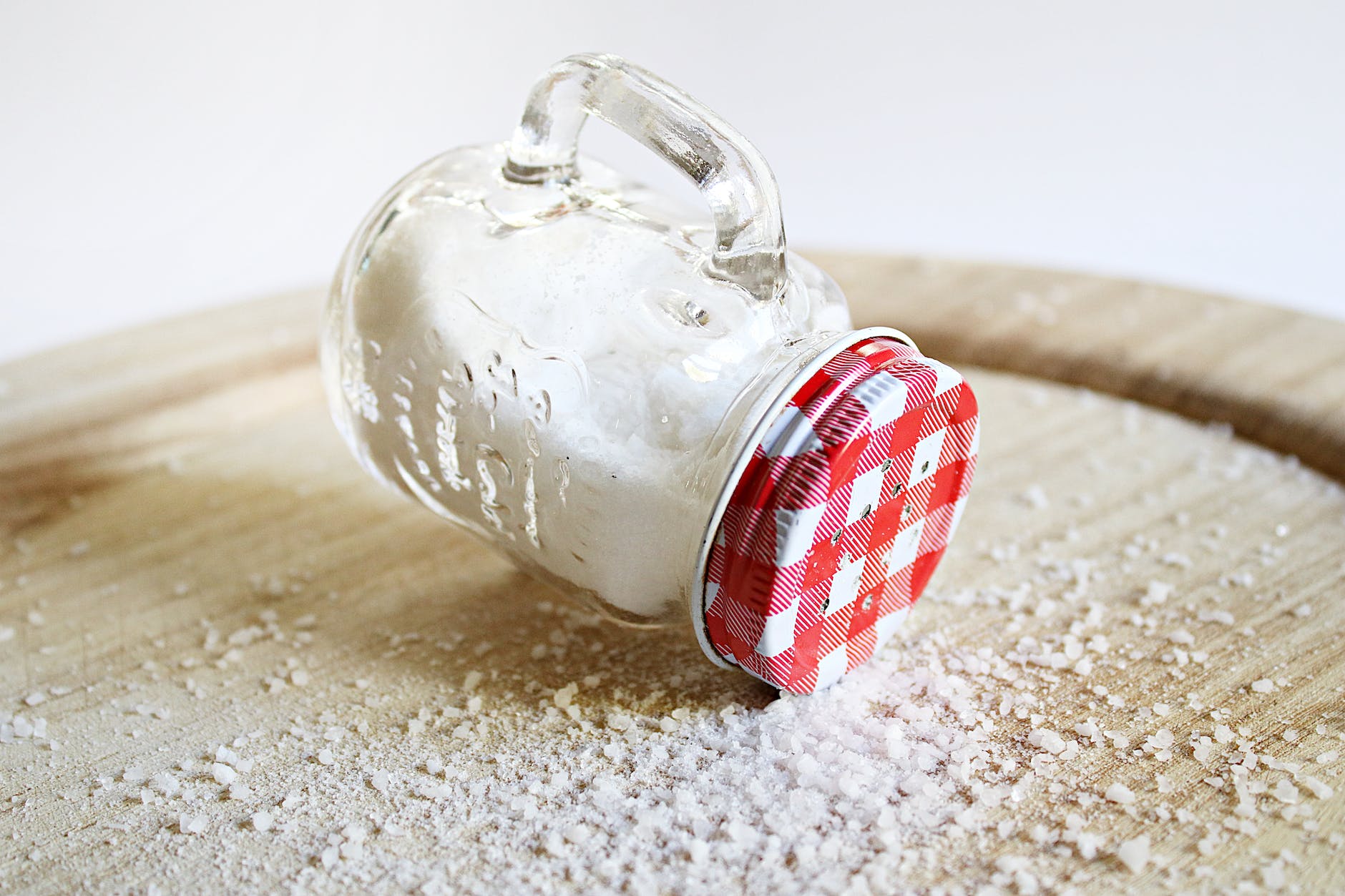
The other day, as I was doing a Bible study on the Women of the Bible (Spangler and Syswerda, Zondervan Press, 2007), I was reading about Lot’s wife. The story is found in Genesis 19. Lot and his family were living in the wicked city of Sodom, which the Lord was getting ready to destroy. Abraham, knowing his nephew and family could face destruction, had pleaded with the Lord. God had promised that if He found even 10 righteous people in the city, He would not destroy it. But the men of the city came in a mob and tried to rape the angels of God. Only Lot tried to prevent this crime, and even offered his daughters as a substitute for the angels! No other righteous people were found. The doom of Sodom was at hand.

The Angels led Lot, his wife, and his two daughters out of the city toward the small town of Zoar. In fact, they had to take them by the hands and physically drag them away from the coming disaster. They warned the entire family to flee– take nothing with them, and don’t look back! But Lot’s wife did look back, and she was turned into a pillar of salt. In one split-second of weakness, she lost her life and her future, and left her family to unravel (see later chapters in Genesis).

I remember hearing this story as a child, and one question has always nagged at me. Why a pillar of salt?

Have you ever wondered about it? What is it about the destruction of Sodom and Gomorrah that would cause anyone to become a pillar of salt? God never does anything without a reason or a lesson to learn. So what can we learn from this?

Interestingly, the authors of the Bible study spent an entire lesson on “Salt.” They told of its importance in the Ancient World, its abundance in the Middle East, and how Jesus spoke of His disciples being the “Salt of the Earth.” (see Matthew 5:13). We are commanded to have qualities similar to salt– to cleanse, purify, and season the world around us. 

And then, yesterday, we experienced some freakish winter weather. It rained. And it sleeted. And it rained some more. And the temperature hovered just at the freezing point, causing a layer of ice to form over the roads, sidewalks, trees, power lines, cars, etc. Ice was everywhere, and I was out spreading –you guessed it– salt. Salt melts the ice that covers walkways and roads, making it safer to walk or drive.

But here’s the thing about salt. It only works when it is spread around and used. It does no good to put a pillar of salt in the middle of a highway, or on the kitchen table. A pillar of salt can make an interesting decoration, but it’s real worth is in its usefulness, and in its interaction with other elements. We don’t eat salt by itself. We use it to flavor other foods– we sprinkle it, we rub it in, we dissolve it– we don’t appreciate salt unless it works WITH something else. We use it WITH ice, to melt it off of the sidewalk. We use it ON raw meat to cure it and preserve it. We use it IN water to clean or soften items.

Lot’s wife was a pillar of salt. She had worth and value; she had a family that was being preserved to be a witness of God’s Grace and Redemption. But she turned away from God’s protection and His provision. Her value was trapped by her moment of rebellion, or curiosity– whatever caused her to look back.

How are we being salt in the world today? Are we being used to season the world around us? To help spread health, and purity, and life? Are we helping to melt icy hearts and soften hard hearts we meet? Are we willing to be spilled and spread and rubbed in to situations not of our choosing? Or are we standing as pillars of useless potential?

I pray that I will learn from the story of Lot’s wife. A new lesson. A new sense of purpose today. I hope you will be encouraged, as well. Let’s go out and “shake” things up in our world today!

Celebrate Variety

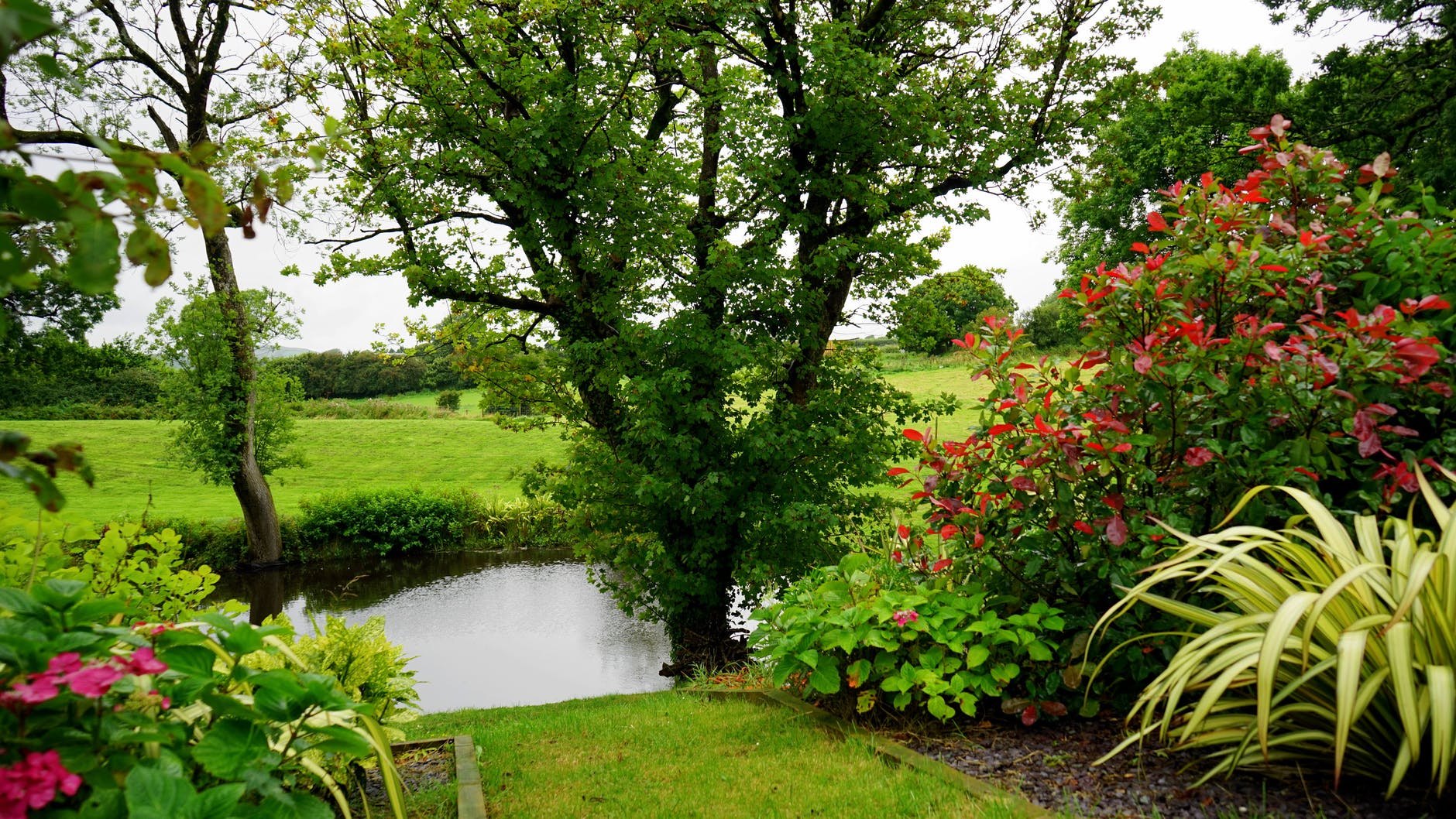
It’s growing and harvesting season in our area for many vegetables. Gardens have been spilling over with zucchini, cabbages, carrots, summer squash, onions, green beans, peas, tomatoes, potatoes, sweet corn, and much more. Similarly, the flower gardens are blooming with every color and variety imaginable– bright yellow sunflowers, tiny blue and white blossoms, and red cardinal flowers. I’m amazed at the variety of wonderful things God designed for us.

Photo by Solare Flares on Pexels.com

Did you know there are dozens of different varieties of just carrots?! Orange, yellow, purple, red, white, long and skinny, or short and fat, rounded ends or tapered…and that doesn’t begin to cover varieties of tomatoes, potatoes, squash, etc. Not to mention fruits, nuts, grains, herbs, flowers, fungi, and bark that are edible. Plants of every size, color, shape, taste, and texture. And many plants have other uses– medicine, fibers for clothing and rope, dyes, wood for building or burning as fuel, oils, and so much more.

Photo by Mike on Pexels.com

And that’s just the plant world. There are millions of different varieties of insects in the world, and animals ranging from bats to butterflies, pandas to pigs, geese to giraffes, wolves to whales, ocelots to octopuses, and ponies to platypuses.

God could have provided only grass or leaves for us to eat, instead of giving us such a variety of tastes and textures for our nourishment. He could have made all trees look alike with the same texture of leaves/needles, and wood. He could have made just one kind of fish to swim the lakes and oceans. In the same way, God could have created us to act and look just the same. But God loves variety. He loves for us to discover and celebrate all the uniqueness of His creation– including our neighbors and family and friends.

Photo by cottonbro on Pexels.com

We have a tendency to look down on or make fun of differences– we say that some people are a little “corny,” while others are just plain “nuts,” or go “against the grain.” But the truth is, God designed each of us to reflect His nature in all Its infinite, glorious variety. We shouldn’t try to be someone else, or belittle someone else for not being just like us. Instead, we should reach out and celebrate those fellow “human beans” who carry a unique imprint of God’s image.

Photo by Meruyert Gonullu on Pexels.com
Genesis 1:27-30 NIV
Photo by Ron Lach on Pexels.com

“Seasoning” Prayer

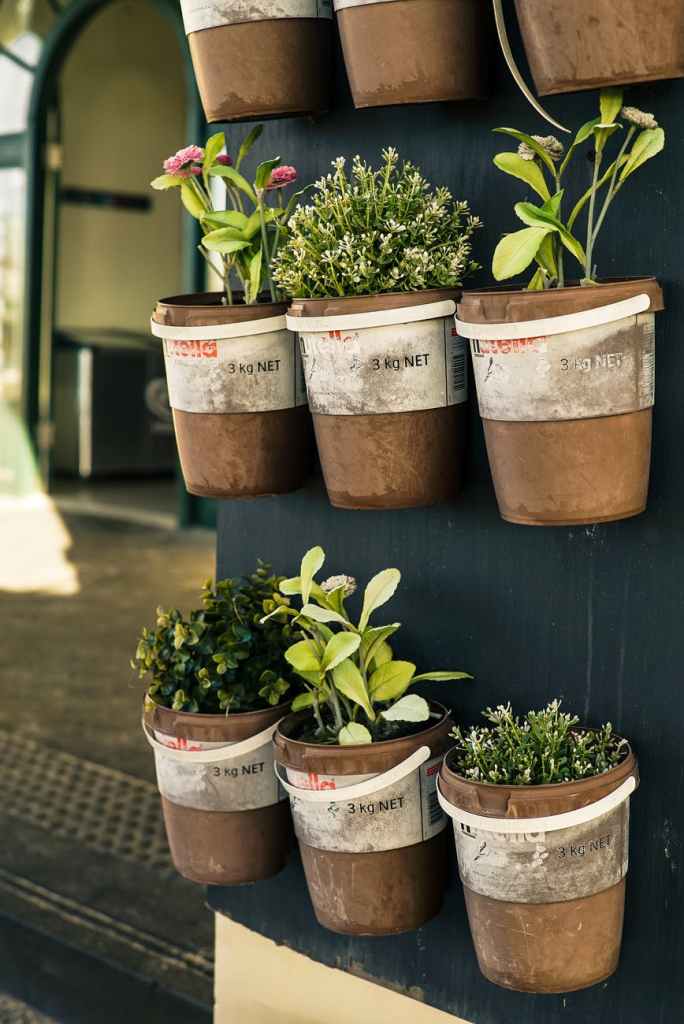
Today, my husband was finally able to get out and go to the grocery. He saw that they were unloading some herbs, already started and ready to plant. It got me thinking about various herbs and their symbolism. What we plant in our garden; what we use in our cooking; how we “season” our prayer life– it all makes a difference. So here are some tips for “seasoning” our prayers…Make sure to add:

Photo by Markus Spiske on Pexels.com
  • Rosemary– for remembrance. Remember and worship God for who He is. Remember His past goodness. Remember His faithfulness. Remember His Great Love. Remember that He sees and hears you; He knows you intimately, and loves you eternally.
  • Sage– for wisdom. Ask for it. God longs to give you stores of wisdom and guidance. He longs for you to seek His wisdom every day.
  • Fennel– for praiseworthiness. God is worthy of all our praise and worship. Prayer is just one way of expressing His worthiness and glory!
  • Mustard seed– for faith. Faith grows exponentially larger and stronger when it is tended. One seed of faith can produce a large plant, which in turn produced hundreds of new seeds. Don’t let the weight of doubt crush that little seed–it really is enough! Not because of the size of your faith, but because of the size of the One in whom it rests.
  • Horseradish/radishes– for bitterness and contrition. A Holy God can only be approached by those whose sins have been forgiven. God offers mercy and grace in abundance– for those who acknowledge their sin and wish to be restored in Grace. Confession and repentance should be a regular part of our prayer life… and this leads to..
  • Hyssop– for cleansing. King David prayed: “Cleanse me with hyssop, and I will be clean; wash me, and I will be whiter than snow…Create in me a pure heart, O God, and renew a steadfast spirit within me.” (Psalm 51: 7, 10) May we seek to have a pure heart and a steadfast spirit. And as we are cleansed, we will have…
  • Parsley– for gratitude and joy. Parsley brightens and garnishes; it brings a finishing touch and its bright green color suggests growth and abundance. Prayer should result in thankfulness and rejoicing as we enter into the very presence of the Giver of All Life.
  • Thyme–for, well, time. Take time every day to meet with God. Make both “quality time” and “quantity time” when you can, knowing that God wants to be part of your day, all day, every day.
  • Chives– for usefulness and peace. Chives add flavor and balance when used in cooking. Bring your daily tasks, your goals, even your everyday worries to God in prayer. Pray as you work, as you run, as you do useful things throughout the day. This will lead to peace and purpose.
  • Garlic– for strength and healing. Especially in times when people are experiencing sickness and confusion, prayer brings strength. As we pray for healing– physical, emotional, and spiritual– we cast our cares upon a Loving and Omnipotent God.
Photo by Wendy Wei on Pexels.com

For some more interesting symbolic meanings of herbs and flowers, you can visit the following sites:
https://theherbalacademy.com/the-secret-meaning-of-herbs/
https://www.richters.com/show.cgi?page=InfoSheets/d9003.html
and many others.

Blog at WordPress.com.

Up ↑