Our family had a funeral this week. One of my mom’s cousins passed away. We are a close family– distance-wise, as well as emotionally close. So the funeral was huge…hundreds of people coming to pay their last respects. And most of us spouting the same old phrases and platitudes: “So sorry for your loss.” “She will be greatly missed.” “At least she’s not in pain anymore.” “It’s so hard to lose a loved one.”
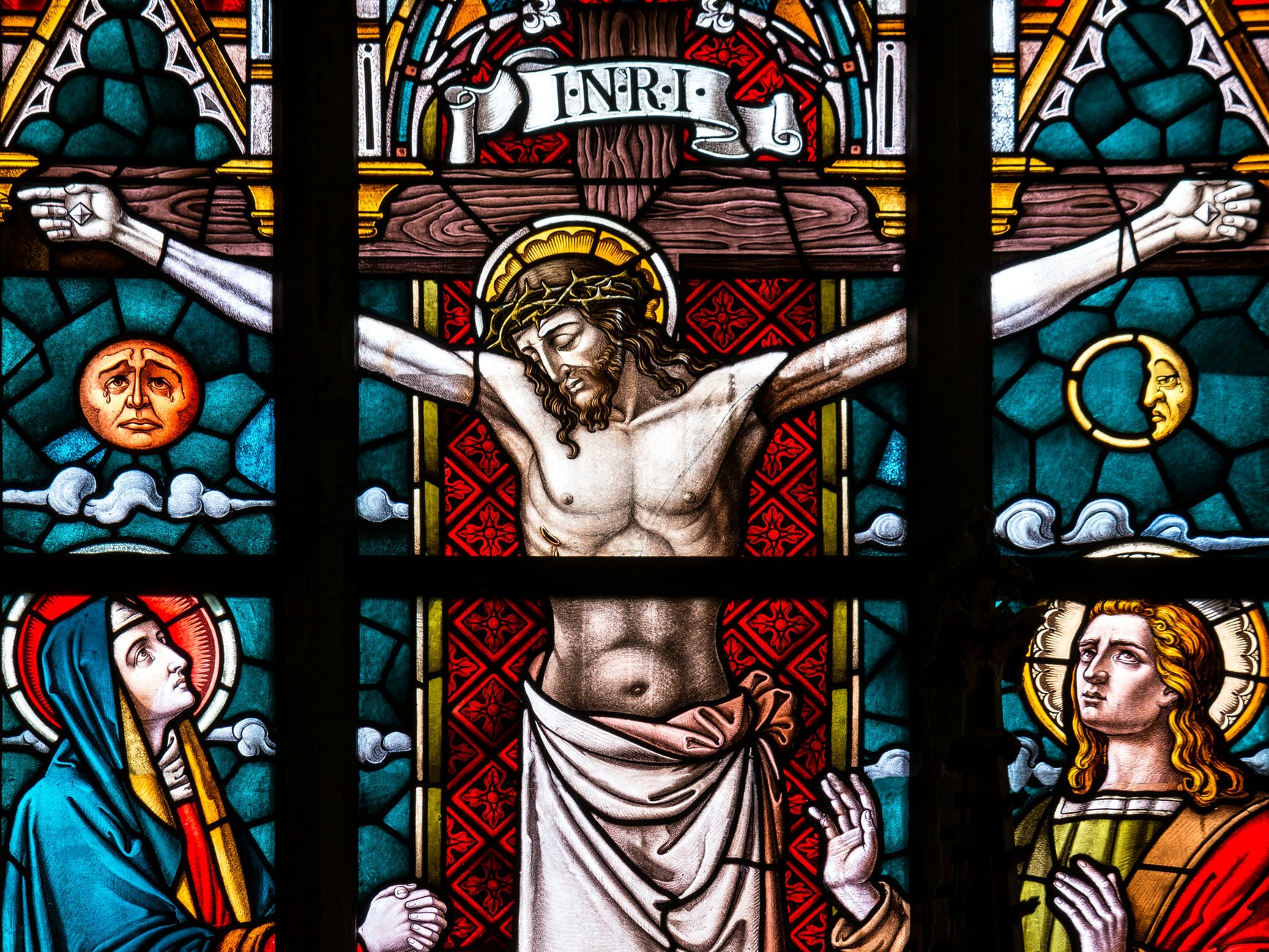
Except– she’s not lost! She hasn’t gone missing. She died. And, because she is a believer, she is HOME! Yes, WE experience a sense of loss. We grieve and mourn her absence from us. And the pain and grief is very real. I still find myself grieving the “loss” of my dad after 25 years, and the more recent death of my mom earlier this year. But sorrow and grieving for us as Christians is tempered with hope, comfort, peace, and even joy and amazement. Linda, Mom, Dad, Grandma and Grandpa, and so many other precious believers are not Lost. They are not the victims of Death. In fact, as part of the funeral service, we were reminded of the words of the Apostle Paul in 1 Corinthians:
54 When the perishable has been clothed with the imperishable, and the mortal with immortality, then the saying that is written will come true: “Death has been swallowed up in victory.” 55 “Where, O death, is your victory? Where, O death, is your sting?” 56 The sting of death is sin, and the power of sin is the law. 57 But thanks be to God! He gives us the victory through our Lord Jesus Christ. 58 Therefore, my dear brothers and sisters, stand firm. Let nothing move you. Always give yourselves fully to the work of the Lord, because you know that your labor in the Lord is not in vain.
1 Corinthians 15:54-58
Yet Death does claim victims, and there are people who are “Lost,” who will be “greatly missed.” They are the ones who have died without hope, without peace, and without eternal life. In fact, many of them are still walking around– the living dead– the unsaved. I shed far more tears over those who are forever lost– those who will not accept the free gift of eternal life– than I will for those loved ones who have died in Christ. God welcomes us to be “found” in Him. He went to great lengths to defeat the power of Death, to bring true justice, and to shower us with Grace beyond our wildest imaginings. It is His gift to anyone who will trust Him. Yes, we will still taste death– and suffer pain and injustice, heartbreak and grief in this life. But these are the shadows. What comes after is the Light!
We shed some tears at the funeral this week, but we also laughed, hugged, sang, and said, “AMEN!” Linda ran the race, and she did not die (or live) in vain. She left a legacy of love and kindness that was celebrated this week. Heaven “gained” a loved one. And, while it hurts us not to be able to see her or laugh or sing with her right now, we know we will be reunited. And she is reunited with loved ones who have passed on before. But most of all, she is united with her Creator, her Redeemer, the Lover of her Soul, and her Lord. And ten thousand years from now, Linda will still be singing His praises!
How firm a foundation, ye saints of the Lord, Is laid for your faith in His excellent word! What more can He say than to you He hath said— To you who for refuge to Jesus have fled?
“Fear not, I am with thee, oh, be not dismayed, For I am thy God, and will still give thee aid; I’ll strengthen thee, help thee, and cause thee to stand, Upheld by My gracious, omnipotent hand.
“When through the deep waters I call thee to go, The rivers of sorrow shall not overflow; For I will be with thee thy trouble to bless, And sanctify to thee thy deepest distress.
“When through fiery trials thy pathway shall lie, My grace, all-sufficient, shall be thy supply; The flame shall not harm thee; I only design Thy dross to consume and thy gold to refine.
“The soul that on Jesus doth lean for repose, I will not, I will not, desert to his foes; That soul, though all hell should endeavor to shake, I’ll never, no never, no never forsake.”
“How can you believe in a God who lets bad things happen?” We live in perilous times; dangerous times. Fires have swept through Canada and Hawaii (and elsewhere); massive heat waves have caused drought and death in many parts of the world; hurricanes have hit California and and the Caribbean, and another threatens Florida even as I write this. Wars rage in Ukraine and elsewhere; crime seems rampant in major cities on every continent. Diseases– even those we considered eradicated or “tamed” are making a comeback. Waste and pollution devastate our oceans, rivers, woodlands, and even the air we breathe. Often, it seems as if God is absent or powerless–sitting on the sidelines and letting bad things happen. Those of us who claim faith in an omnipotent, loving, and gracious God are mocked and challenged. How can we believe in the face of such evil, disaster, and injustice? How can we offer the empty comfort of prayers and assurances?
It can be very difficult to face such challenges– there are no easy answers and “mic-drop” moments for us in this world. But that doesn’t mean that there are no answers or that our faith is “blind” or without merit.
The Bible is filled with examples of people who followed God in extraordinary circumstances, often in the face of great evil and with little logical expectation of God’s blessing or help. Abraham traded a wealthy, safe, and honorable life in his native land to live as a stranger and a nomad among foreigners. Even after God seemed to fulfill the promise of a son, he tested Abraham’s faith, asking him to sacrifice his only son Read the complete story here... Many people see this story as a horrific example of injustice and cruelty– and if Abraham had been required to go through with the sacrifice, it might seem even more unjust and cruel. However, there are two points to consider:
God clearly planned to rescue Isaac–there was a ram in the thicket all ready and waiting. Abraham may not have known God’s purpose in asking such a thing, but he had faith that “God will provide for himself the lamb…” God may have been “testing” Abraham, but he already knew the outcome. The “test” was not for God–perhaps not even for Abraham–the test was for Isaac and all who would follow and experience the blessings that came through this amazing act of faith.
The story of Abraham, like so many others, is given to illustrate difficult truths– sometimes about God’s character, or OUR character, or the nature and consequences of Sin. These stories also often form patterns of allegory, foreshadowing, or illustrations of key principles and events. Abraham was told to sacrifice his only and very beloved son– a horrible prospect for any father. But God provided a substitute sacrifice– a lamb– allowing Isaac to live and become the father of many nations. God’s plan for the salvation of the world was built on the same pattern. God sent his only and very beloved “son” to be the substitutionary sacrifice for the sins of all mankind– a horrible prospect for a loving Heavenly Father. And this time, the son willingly gave His life to become the fulfillment of the promise acted out in Abraham’s story.
And, of course, there are hundreds of other stories– throughout the Bible, and throughout history– that demonstrate the blessings that come through radical and even tiny acts of faith in God.
Hebrews, chapter 11 lists several examples. And a key verse in the chapter points out:
13 These all died in faith, not having received the promises, but having seen them afar off, and were persuaded of them, and embraced them, and confessed that they were strangers and pilgrims on the earth.
Hebrews 11:13 (KJV)
These great examples of faith died without seeing the end results..but the end results are there for US to see! Faith in humanity– faith in Science– faith in ourselves– these are doomed to end in disappointment. Not because we don’t believe enough; not because these things are “bad”– but because faith needs an unshakeable, immovable, solid, and eternal foundation. Our faith in Christ is not a blind faith, an empty faith, or a desperate faith– it is a Faith that is firmly rooted in history, in observable facts, and in revealed truth. And even in the fiercest storms, the worst of disasters, and the overwhelming flood of hatred and evil in the world, our faith stands firm and sure– not because it is “our faith”, but because it is built on Him who is before and above all things–yesterday, today, and forevermore.
Our very firm foundation may seem invisible to the world, but that doesn’t change its reality or its power. We pray to the ONE who calms storms, who tears down and builds up kingdoms, and who holds all of eternity, including our future, in His hands. Fires, floods, trials, and terrors cannot overwhelm those who put their trust in Jesus. We may still get wet, singed, singled out, persecuted, and knocked down, but we will never be abandoned or defeated, or forsaken. Even if it seems like God is holding a knife to our neck– remember how the story ends! There is a lamb who has taken our place. God will not put an end to our hope. Even death cannot separate us from His Love and His Purpose for eternity. It’s all there– in His Excellent Word!
What happens when your prayers don’t seem to make any difference? People around you complain that you are passive, even apathetic about critical needs. “People are dying!” “People are suffering, and you want to stop and pray?!”
YES! Buy why do I continue to advocate for prayer in the face of overwhelming injustice and evil? Shouldn’t I be talking about action? Shouldn’t I be posting plans to end injustice or poverty or war? Shouldn’t I be willing to say that sometimes, prayer just isn’t enough?
Well, firstly, I believe that Prayer is far more powerful than most people know. Prayer IS enough, because GOD IS ENOUGH! I can’t stop gun violence, or human trafficking, or an epidemic. I can’t– not with all the resources in the world; not with all the action I can muster; not with any effort or plan or army of willing human helpers. And neither can anyone else. I can march in protest, I can write and call and badger legislators to change laws or enforce the laws we already have. Such actions might make me feel better– they might even have some immediate effect. But they won’t “fix” the continuing and underlying problem of Sin. Only God can do that, and He WILL do it. He may choose to work through human agency to right some wrongs or change the immediate future, but our world is broken, and God’s ultimate plan is bigger than just a convenient patch for Sin’s consequences.
However, I will concede that sometimes prayer, by itself, is not nearly “enough.” Prayer must be paired with Faith. I know many people who say that prayer “doesn’t work,” not because they didn’t pray, or weren’t sincere in their desire or their wish for God to act on their behalf, but because they believe in their desire– their wish or their plan– more than they believe in God’s goodness or His ability to bring good out of whatever struggle we are facing.
This is not a simple concept– that God is eternally good even in the midst of evil and horror– it can be painful beyond words. God may choose to allow the sin of drunk driving to take the life of an innocent person in our family, or leave us permanently paralyzed. Or He may allow war to strip us of all that we own– our home and our freedom. How can we possibly view such circumstances as “good?” Why does God allow for violence and injustice? Why does He allow it to continue– seemingly unabated and unchecked? How can God call Himself “Good” while letting evil touch our lives and the lives of millions innocent people? Praying — and continuing to pray– in such circumstances seems like a mockery of our pain and grief. It seems like God is deaf to our cries– indifferent, or even watching smugly from a distance. Why pray to such a God?
But IS this what God is really like? And why do we believe the worst about Him, rather than trust that His wisdom and Love are actually greater than what we can comprehend or experience in the present? Why do we blame God for the evil we see in others? Why do we ignore our own actions or inaction that often contribute to our situation? Why do we believe that God “owes” us a life without sorrow and pain– even as we see others suffering the consequences of sin– sometimes because of our failures? Why do we insist that God always act in accordance with OUR desires, when we often will not act in accordance with His? Why do we “test” God with prayers in our times of trouble, when we will not trouble Him with our prayers in times of peace and plenty? If anyone should have led a life without sorrow or pain, it should have been Jesus. Jesus prayed all the time– He even taught others how to pray (Matthew 6:9-15). He was completely obedient to His Father. Yet God’s own Son faced heartbreak, betrayal, and a painful, unjust death on the Cross. He wept over the death of a close friend– a death He Himself could have prevented (and later reversed)! (John 11) He was in such deep distress in the Garden of Gethsemane that He sweat blood! (Luke 22:44) God’s plan is not for us to live a life free of trouble, but a life of victory OVER despair and doubt!
Seeking “more” than prayer is often seeking “more” than God–as if we can do better on our own. As though we can out-love, out-give, out-do, and over-power the God of creation;the God of the Cross, and the God of the Resurrection and the Life. Deriding prayer is deriding the God to whom we pray– we minimize His power and His compassion while inflating our own. If God doesn’t exist, one might argue that it doesn’t matter– but then, why waste time deriding what doesn’t exist?! Prayer matters because God DOES exist, and because God matters Trusting God means being willing to wait and accept His will; even if we don’t get the answer we want. God’s ways are not our ways, but that doesn’t mean they are inferior or ineffective. God will not “undo” our circumstances, but He will help us through our circumstances. He won’t take away our grief. But He will shape it into something with purpose– if we let Him.
Finally, there are times when prayer must be paired with action. It IS enough to pray for God to act. But when God prompts US to act, and we do not, our prayers are empty words. Faith may lead us to wait, but it won’t lead us to sit idly by when we have the opportunity to help. Faith may lead me to keep taking the next step– even when I can’t see the way forward. Faith may lead me to let go of a dream I thought would be “enough.” It may lead me into the valley of the shadow of death– in my own life, or on behalf of someone else. I can’t take away someone’s grief at the loss of a child– but I can share in it. I can listen and offer friendship, rather than a quick platitude and a few empty words. I can continue to be there when others fade away. I can’t undo the horrors of war– but I can help care for refugees, and I can work to build peace in my neighborhood, even as I pray. I can take the next step in making someone else’s burden just a little lighter, and making the world a little brighter wherever God gives me the chance. And prayer is one way I can focus on the source of strength, wisdom, and compassion to allow me to do my part better.
The next time you hear someone saying that prayer is “not enough,” remember that no human effort will ever be “enough” to do what only God can do! But prayer taps into the power and grace that is “sufficient” for all our greatest needs.
“I have told you all this so that you may have peace in me. Here on earth you will have many trials and sorrows. But take heart, because I have overcome the world.” John 16:33
One of my favorite movies is “The Princess Bride.” The title character begins the story as a young, beautiful, wealthy, and spoiled young woman. She falls in love with the young farm boy who works for her father. The young man leaves to make his fortune, but word comes that he has been captured and killed by pirates. In utter despair, the young woman allows herself to become engaged to a spoiled and wicked prince. She has allowed her grief to consume her, and she cares nothing for the prince, his wealth or power, or even her own future. Before she can be married to the prince, she is kidnapped by villains, and “rescued” by a mysterious pirate. Instead of being grateful, she curses the pirate, telling him that he could never understand her great loss and pain. His answer, harsh, glib, but to the point, is to say that “life is pain, Princess. Anyone who tells you differently is selling something.”
There are certain truths in life that we would avoid if we could– death, pain, sorrow, grief, suffering, and Sin–we don’t want to hear the harsh reality of our situation. We don’t want to suffer or hurt at all; much less to discover that our suffering is commonplace or universal. Everyone will taste death; everyone will face pain and grief and suffering in this life. Everyone will suffer as a result of Sin– our individual actions have consequences, as do the cumulative actions of our culture, our ancestors, and the entire human race. Life isn’t always good, or fair, or just, or comfortable. This is a harsh truth, but it IS the truth. We will face injustice– no matter who we are. We will face suffering, illness, and death. We will face loss–loss of a loved one, loss of a job, loss of a marriage, loss of health, loss of freedom or autonomy. We will not always win. We will not always get what we want. We will not always get justice in this life.
There are four common techniques we tend to use to avoid facing harsh truths– denial or avoidance, anger, bargaining, and depression or despair. Many people know these terms from the Kubler-Ross studies on patients with terminal illnesses and the five “stages” she identified as they came to terms with their impending death. https://psychcentral.com/lib/the-5-stages-of-loss-and-grief/ The fifth “stage” was acceptance. The five stages have been applied commonly to other forms of grieving and loss, including the loss of a loved one or the break-up of a marriage. While most of us go through some or all of these stages when we face suffering, we don’t all go through them the same way or even in the same order.
Many of us live in avoidance and denial– rushing headlong into meaningless pleasure, self-medicating with alcohol or drugs, staying busy with the pursuit of wealth or power, moving from place to place or relationship to relationship. Others wrap themselves in anger– blaming everyone else for their pain, seeking revenge, driving away those who want to help. Anger may feel productive, but it limits our scope of vision and keeps us focused on the pain inside. Still others try to bargain. Some seek to avoid aging, diminished health, or death by trying every new diet or fitness routine. Others try to avoid guilt, pain, or disappointment by trying to be righteous enough to earn a supernatural blessing or “good karma.” Still many others wallow in depression and despair, lost in the swamp and mist, sinking into a pit of their own feelings. Like those who live in denial, they avoid the difficult choices that would lead to life, instead letting life wash over them and draining them of energy and joy.
These reactions are normal and human. Harsh truths hurt– they shock us, overwhelm us, shatter our trust, even shake our faith. But they ARE true. We cannot change our circumstances by running away, raging at everyone around us, or giving up. We cannot go back in time and “undo” the tragic circumstances of our lives. And our reactions have their own consequences. They cannot negate the past or change the present. They can only impact the future.
But there is another truth: God has not left us without resources, even for the harshest realities we face. Even when we are in despair, or angry, or in denial, God can give us peace and strength to go on. God isn’t “selling something” to make the pain go away or make our life “trouble-proof.” Jesus never offered a comfortable life to His followers. In fact, He promised that our lives would be filled with trouble and pain and sorrow! Christians who claim that they never face fear, or failure, fury or frustration, loss and sorrow– they are “selling” a false gospel. The Good News isn’t about avoiding pain or sorrow. It is about OVERCOMING them! Jesus faced and conquered death on a cross! He could have avoided it– He could have been angry at those who betrayed Him–He could have stayed buried in despair and failure. But He arose! We don’t worship someone who has never wept, or faced betrayal or loss. Jesus is the Way, the Truth, and the Life (John 14:6)– if anyone knows the harsh truth, it is the one who IS Truth! And this Truth hurts– He hurts to see us grieving; He hurts when we reject Him to go our own way; He hurts even as He allows us to hurt. And He offers us His Grace to survive and thrive– not an escape, but a victory!
Faith, prayer, worship, promises– these are not God’s way of helping us escape the reality of harsh truths. They are His tools for helping us to overcome and be victorious in the face of trials and setbacks, grief and pain, even death! A life of faith isn’t a life of denying the harsh realities of life, nor is it a prescription for avoiding life’s hurts. Even the faithful will someday have to taste death. Even those who pray and praise will often do so in tears of anguish and even momentary doubt. But they will reach the peace of acceptance as they wrestle with the seasons of pain, knowing that God promises healing and joy and justice– in His perfect will and timing! As Princess Buttercup discovers in “The Princess Bride”– “Death cannot stop true love!” And it cannot stop the Truth that IS Love!
“Life is pain…” In THIS fallen and broken world. But we can take heart–Jesus has overcome this world. He has won victory over sin and death, pain and loss. And He gives abundant life. Life that transcends disease, disappointment, and even death.
Because of the Lord’s great love we are not consumed, for His compassions never fail. They are new every morning; Great is Your faithfulness. I say to myself, “The Lord is my portion; Therefore I will wait for Him.”
We live in a world of seemingly finite resources. We work hard to save money, save time, protect our joints, take care of our teeth, maintain our house or yard, repair our vehicle, conserve water, protect our air quality, etc.. And we work hard to ensure that we get our “fair share”–vacation time, wages, tax breaks, sale prices, the best return on our investments, the lot with the best view, the window seat on the plane or bus, credit for our hard work, and more.
God’s resources are unlimited and bountiful. Through Christ, we are joint heirs to all the riches of God. God is our “portion.” And no one who trusts in Him will be left with less than a cup filled to overflowing (Psalm 23:5). We may not fully comprehend or receive our great good fortune in this life, but we will enjoy it the next for eternity! And there is no need to scramble and scrimp, worry, or wrangle trying to get it– it’s our promised “portion” and our inheritance.
What a world of worry, stress, desperation, and trouble we might avoid if we carried this promise in our memory and LIVED it out. The prophet Jeremiah wrote these words– Jeremiah, the weeping prophet; Jeremiah, whose life was in constant danger as he watched his homeland being invaded, conquered, and exiled. Jeremiah, in the midst of his anguish, took time to write some of the most hopeful and joyful words of prophecy. Jeremiah knew that, even if the nation of Judah was conquered and destroyed, the LION of Judah would still bring ultimate victory. And to the victor belong the “spoils!” Jesus is our victor and our victory. His are the spoils of war to lavish upon those He chooses.
Jesus (called the Lion of Judah, an image found in both Genesis and Revelation) has already given us victory over Sin and Death. And the “Lion’s Share” of the spoils– abundant life, restoration, redemption, and the Righteousness of God– are for all those who call on His name and worship Him in Spirit and in Truth! He’s reserved a “Lion’s Share” for each of us.
“The Lord is my portion; Therefore, I will wait for Him.” ” I will trust and not be afraid.” (Isaiah 12:2) “You too be patient; strengthen your hearts, for the coming of the Lord is near.” (James 5:8) https://bible.knowing-jesus.com/topics/Waiting-On-The-Lord (See also Psalm 37)
Instead of scrambling for a “lion’s share” today, let’s call on the Lion, and allow Him to give us our “daily bread,” knowing that His portion is more than sufficient today and forever!
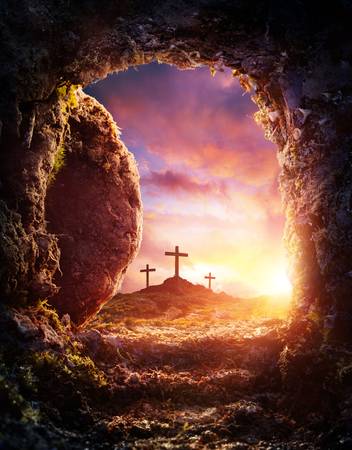
Yesterday was Easter (in parts of the world)–the celebration of Christ’s resurrection and victory over Sin and Death. We have much to celebrate. But we also have a mission. We have the assurance of eternity in Heaven, but in THIS world, Jesus warned us, “you will have trouble.” (John 16:33). We will be misunderstood, mocked, and persecuted. We will have to face the temporary consequences of living in a fallen world– anger, greed, abuse, violence, betrayal–even bad weather and natural disasters!
In giving the Beatitudes, Jesus turned common expectations upside-down. Blessed are the poor in spirit; blessed are the meek; blessed are those who are persecuted for righteousness’ sake… We don’t consider poverty, powerlessness, suffering and persecution blessings to be desired. Yet Jesus, the One we follow, gladly endured all of these for our sake! Notice that the “blessing” is the same here as in the first of the Beatitudes– “for theirs is the kingdom of heaven.” The Kingdom of Heaven is not reserved for those who are victorious in their own power or through force of will or extraordinary effort. But it is reserved for those who persevere in the face of evil–those who lean, and those who rest, and those who stand IN THE POWER of God.
Notice, too, that we are blessed if we are persecuted “for righteousness’ sake.” There is no blessing for suffering due to our own stubbornness or foolishness. There is no blessing for those who are persecuted for their own pride and judgmental nature and unforgiveness toward themselves or others. (see 1 Peter 3) https://www.biblegateway.com/passage/?search=1+Peter+3%3A8-17&version=CEV
We live in a culture that celebrates “victimhood.” Those who suffer injustice– even perceived of implied injustice–are considered to have a special status. Those who claim to have been offended or hurt by individuals or groups often demand recognition for their “bravery” or retribution for their suffering. This happens even among certain Christians, who claim to be “persecuted,” when they are merely suffering the consequences of their own hubris and self-righteous posturing. This is a monstrous injustice to fellow Christians who are truly suffering persecution “for righteousness’ sake.”
My prayer today is that I will emulate the example of Christ– that I will serve, humbly, willingly, sacrificially, enduring any persecution that comes as a result, and lifting up fellow Christians who are suffering, as well as their persecutors! For righteousness’ sake– for the sake of the Kingdom of Heaven.
I was reading from the book of Judges today, and a curious phrase jumped out at me. The entire book of Judges is filled with the failure of the people of Israel to fully claim their promised inheritance from God. Generation after generation passes, with a cycle of sin, enslavement, and deliverance as God raises up various judges and heroes, like Gideon, Deborah, or Samson.
Already in chapter one, there is a hint of the trouble to come. The book begins with several successful battles after the death of Joshua. The people of Israel consult the Lord, who fights with them in several key battles. But in verse 19, it says: “The Lord was with the men of Judah. They took possession of the hill country, but they were unable to drive the people from the plains, because they had iron chariots.”
Say what? The Lord was with the men of Judah– the LORD! They had taken possession of the hill country– rough terrain that would have been filled with natural barriers, rocky fortresses, and literal “uphill battles.” They had destroyed massive cities like Jericho less than a generation before. They had defeated armies far larger and better positioned. They had defeated giants! And now, suddenly, they are “unable” to drive the people from the plains– because the enemy had chariots of iron?
https://www.biblestudytools.com/commentaries/gills-exposition-of-the-bible/judges-1-19.html I think this commentary says it well. The chariots of iron became the excuse for the Israelites’ unwillingness to obey; to trust in God’s strength instead of their own. After all, it wasn’t that long before in their history when God had drowned the entire Egyptian army, including all its chariots, in the Red Sea.
I don’t think it was about the chariots of iron. I think it was about the plains. I think sometimes it can be more difficult to fight on “the plains.” When God sends us on an “impossible” mission, we must face our own fears and acknowledge our weaknesses– we KNOW we cannot do it in our own power. But when we face an enemy on “equal footing,” we are tempted to trust in our own resources– the toughness of our armor, the skill of our generals, the speed of our horses, and the superiority of our weapons. We hope and expect God to fight for us where we cannot hope to win alone, but we don’t ask for God’s help or protection in areas where we believe our own strength should be sufficient. Israel had a fine army– seasoned veterans of battle. If they HAD iron chariots of their own, victory might have been expected– with or without God’s divine intervention. But victory eluded them, because they didn’t finish the fight!
We do the same thing today–we fail to march into battle because the enemy has “chariots of iron.” Maybe they have more social status, more political or economic power then we have. Perhaps we see that they have the means to make our lives painful “on the plains.” We see their arrogance, and their wealth and success, and we let ourselves be intimidated. We know that God has promised never to leave us or forsake us, but He has not given us chariots of iron to match those of the enemy. We don’t pray for the courage to face their chariots, or the wisdom to trust that the battle belongs to the Lord. Instead, we make excuses for not fighting the battle at all.
The rest of the book of Judges is filled with war, slavery, corruption, death, and evil. The very last verse sums it up: “In those days Israel had no king; everyone did as he saw fit.” (Judges 21:25)
20 Then Job arose and tore his robe and shaved his head and fell on the ground and worshiped. 21 And he said, “Naked I came from my mother’s womb, and naked shall I return. The Lord gave, and the Lord has taken away; blessed be the name of the Lord.”
The book of Job presents us with a startling picture. Job is a godly man; a righteous man; a man of faith and good works. And yet, God allows him to experience loss upon loss– Job loses everything, short of his life and his nagging, bitter wife. His first response is praise and worship! But as the losses sink in; as the pain and agony and grief continue, Job questions God’s justice and wisdom. Job, like us, wants answers that make sense. He is willing to suffer– even greatly–IF he can see the purpose of his suffering, and justify it to himself.
We are getting ready to celebrate Thanksgiving tomorrow in the U.S.– a day when we celebrate what God has given us. We normally celebrate family, health, good food, material blessings, etc. We celebrate abundance and comfort; peace and plenty; family and freedom. But his year, our celebration will be quite different. The Lord has taken away…
Some of us have lost jobs, or we’ve lost our good health to COVID or related factors, or we’ve lost loved ones, often without the chance to say our final “goodbyes”. Millions of us have lost the ability to move about freely and conduct “normal” errands and activities. Schools and businesses are closed or operating from a distance. Families and friends have been kept apart. Much that gave us comfort and happiness has been “taken away” this year. And God has allowed it all to unfold. He has not “taken away” this disease or its consequences. He has not “taken away” floods, or fires, or hurricanes. He has not given us answers or explanations.
Job’s initial praise turns to questioning. While he does not “curse God and die,” as his wife suggests, Job spends his time wondering, “Why me?” His friends try to find answers– “you must have done something to deserve this, Job.” Because God does not “punish” the righteous. It isn’t logical; it isn’t fair; it isn’t just.
Except that God laid on His own Son– on Himself– the guilt and punishment for all those who are unrighteous. What Job went through–unknown and unseen to him and his friends–was a glimpse into what God Himself would suffer. Christ lost everything–INCLUDING his life– in order to bring salvation to all those who are willing to believe and receive it. Christ was willing to give away His dignity, His power, His friends and family, and His life. And the Lord allowed it all to be taken.
Many people read the story of Job– his loss and all his questions and complaints–and conclude that God is not fair or just. They find Him to be capricious and unwilling to ease Job’s suffering or answer his questions. They conclude that God is wicked and unworthy of Job’s praise or trust.
But to do so is to ignore the end of the story– God DOES “answer” Job; He gives Job a chance to justify himself and bring his case. And more than that– He gives Job more than he had before. Job ends up with more children to love, renewed health, and even more wealth than he lost. https://www.biblegateway.com/passage/?search=Job+42&version=CSB And the same is true of Jesus Christ. Because of His “loss,” the world has gained the priceless gift of Salvation by Grace. Christ has become the first of millions to taste victory over death and enter into eternal life. https://www.biblegateway.com/passage/?search=1+Corinthians+15%3A20-23&version=NIV
Loss and grief still exist in this world; disease and suffering and hardship still plague us this year. But we have SO much to celebrate at Thanksgiving. When the Lord “takes away,” it is not because He is capricious, or jealous of our wealth or happiness. It is not because He is unkind or uncaring. At just the right time, and forever more, the Lord will Give without end– lavishly, extravagantly, abundantly. Nothing He takes away in this life– even a cherished love one–is beyond all hope of comfort, redemption, or restoration. Our losses cannot compare to the riches of His Grace and Love. This is a great mystery, but as Job discovered, God WILL DO IT!
Sin isn’t a popular topic of conversation. Most of us would rather talk of victorious living; of accomplishments, righteous thoughts, life choices that “worked out” to our benefit. If we must talk of wrongs, we prefer to speak of “shortcomings,” or circumstances “forcing” us to make bad choices. We point fingers at those who could have/should have helped us, or warned us, or given us better guidance. We may even acknowledge shame or guilt for choices we’ve made, and speak of atonement, or lessons learned.
But God has provided for forgiveness–not a denial of our guilt; not a “free pass” for our actions–something beyond our capacity to give or “earn.” God alone is capable of perfect judgment. He never makes excuses; nor does he accept them. He knows every detail of every choice you’ve ever made–the motivations, the circumstances, the alternatives–and He has the power to pronounce eternal judgment AND eternal forgiveness.
We have a tendency to give partial forgiveness, because we do not have God’s perfect knowledge or judgment. We get trapped in a cycle of guilt and shame, or blame and bitterness, because we want to see a perfect justice that is often missing in our fallen world. We tend to forget the benefits of God, instead focusing on the deficiencies of ourselves and our neighbors.
God forgives ALL our sins–but we must seek that forgiveness and accept it! God heals all our diseases– some of them here and now; others in eternity. God redeems our lives from Hell–something we could never do on our own. God crowns us (read that again!) with love and compassion. He pours His love all over us– lavishly, unreservedly, undeservedly–and raises us up to eternal life.
Why do we fear to confess our sins to such a Loving God? It’s not as though He cannot see or know them. It’s not as though He is powerless or unwilling to forgive them. He wants to remove our sins “as far as the east is from the west” (v. 12) And only He can do this. When we deny or ignore our sins, they are not removed, only suppressed. When we wallow in our guilt and shame, our sin is constantly present in our mind. Only God’s perfect forgiveness can free us to make courageous and compassionate choices, confident in His love and power to heal and guide us in His ways.
Sin is ugly. And its power is too great for us to overcome on our own. Its consequences are deadly, and far-reaching– too great for us to make atonement in a lifetime. But its power is broken in the light of Christ’s crucifixion and resurrection. The sentence is commuted. We are reconciled to the God of Holy, Righteous Perfection. The consequences now belong to Christ yoked with us, working in and through us. We cannot perfectly atone for our actions; but we can give the burden of atonement to the One who can– and the One who can give us His power to bring healing.
When I was just a girl, many of my cousins and playmates were fans of comic-book heroes: Superman, Batman, Wonder Woman, X-Men, Spiderman, and many others. In fact, in second grade, we had a “superhero” club that met at recess and played out scenarios. Most of us got to be heroes; a few had to take turns being villains. We ran as fast as we could; we pretended to fly; we pretended to save the world!
Each super hero has a special super power (or several super powers), and each one has a “fatal flaw”– some weakness that could keep him (or her) from easy victory over a villain. Superman can fly; but he cannot overcome the effects of Krypton. Batman has a seemingly endless array of cool gadgets, but they are not always enough to counter the cool gadgets of his foes. Spider-man can spin webs, but being a superhero doesn’t pay his bills. Wonder Woman has a lasso of truth and an invisible airplane, but she must struggle between promoting peace and fighting to stop violence and war.
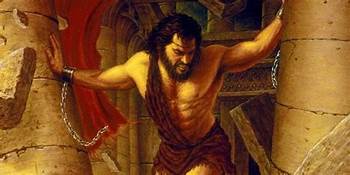
I was reminded recently that we often confuse Biblical characters with comic-book superheroes. Abraham had extraordinary faith. Moses had his staff. Samson had great strength. David wrote poetry and killed giants…and so on. And each “hero” of the faith seemed to have a “fatal flaw”– Abraham did not wait for God’s promise of Isaac. Moses had a temper. Samson was arrogant and forgot the source of his strength. David was tempted by lust, which led him to commit adultery and murder!
There is nothing wrong with honoring men and women of faith and courage and obedience. The entire eleventh chapter of Hebrews is devoted to “heroes” of the faith, and the faith of Godly heroes.
But we can turn heroes into idols, and that leads us to false thinking. We falsely believe that God only calls those who are already heroic and strong. We sometimes feel that God cannot use us unless we first show that we have some super power. We also carry a false guilt about our “fatal flaws,” feeling that we have somehow ruined God’s plans or let the enemy “win” whenever we stumble. Finally, we fail to see that our ordinary obedience–even our shaky and stumbling faith– IS heroic.
Superheroes are not Biblical, and Biblical characters were never “super” heroes. Most of them spent their lives doing mostly ordinary things– farming, fishing, carpentry, tax collecting, herding sheep! There is only one “superhero” in the Bible– God himself–and He has no fatal flaw. Instead, He chooses flawed and ordinary people to obey Him as HE does extraordinary things through them.
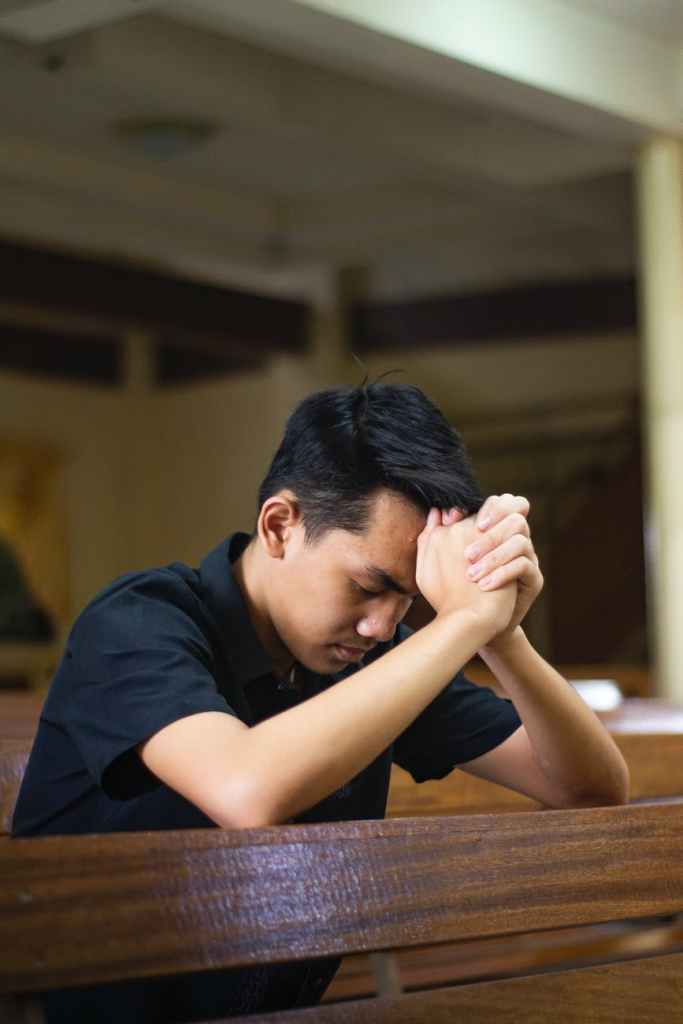
One consistent thing about the people we celebrate as “heroes” in the Bible– they all prayed! They all knew that real power (and wisdom and help) comes from God alone. Prayer and obedience are not guaranteed to make us famous or heroic. But God can use the simplest acts and the smallest measure of true faith to do great things in, and around, and through ordinary people just like us!






































 Pursuing Prayer