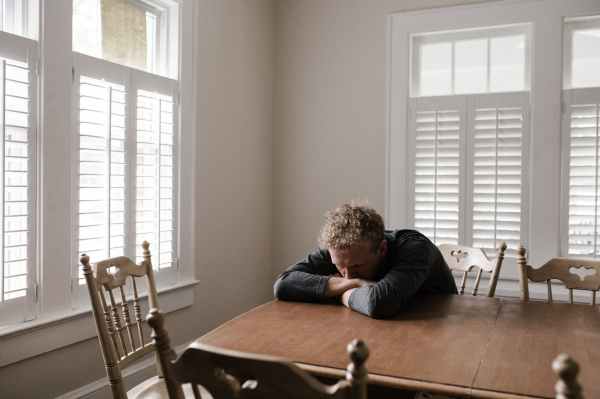
Have you ever noticed in reading through the Bible how often God shows up, not on the occasion of fanfare and praise, but on the occasion of a whimper? When all hope seems lost, and a heart is so broken it can no longer call out– when words are useless and all that is left is a dull, exhausted moaning?
God “inhabits the praise of His people” (Psalm 22:3), but He is also “close to the brokenhearted” (Psalm 34:18). We work so hard to get close to the heart of God, but sometimes, we need to be broken to actually get there. We need to experience the God who finds us in our failures and rescues us from disasters– even those of our own making. God loves us enough to come to us in our brokenness– and He loves us too much to leave us there. God is not a “fairy godfather” who will magically make our circumstances comfortable and painless. But He is a true Father, who will provide comfort and strength to get back up and face the future with hope and courage.
Long ago, a woman named Hagar was despondent. She was a slave who was told by her mistress to sleep with the master so he could have a son. Hagar got pregnant when her mistress couldn’t, and she became proud and disdainful toward her mistress. When she was punished for her arrogance, she ran away into the desert–a foolish and impulsive act, as she had nowhere to go and no one to support her or her unborn son. An angel found her by a spring of water and told her to return and submit to her mistress. Several years later, she and her son, Ishmael, were sent into the desert because of Ishmael’s contempt for his brother. Ishmael was near death, and his mother in despair. Not being able to watch her son die, she moved a short distance away and began to sob. But another angel came and showed Hagar a well of water. He reminded her that God had seen her the first time she ran to the desert, and He had heard her crying this time, too. Hagar was not a queen; she was not a warrior princess or the daughter of a noble. She was not righteous or innocent. She was a rebellious slave; the victim of a sinful scheme, but headstrong and rash. God did not stop her from running away; He did not give her victory over her mistress. But God rescued Hagar and Ishmael. And He blessed them both– on the occasion of a whimper. (See Genesis 16 and Genesis 21)
Today, don’t be afraid to whimper. Don’t pretend that everything is under your control– it isn’t. But be willing to look and listen for the ways that God will show himself. It may be in the words of a stranger; it may be in the beauty of a sunset; it may even be that song on the radio, or a cool drink of water in the middle of a desert. God doesn’t always rescue us from sorrow and pain. Sometimes He rescues us through it.
We had a leaky faucet the other day–drops of water dripping into the sink, “plink…plink…plink.” It was an annoyance. I put a container under the faucet to catch the water as it came out. It wasn’t a large container, but it filled up and had to be emptied, before it could overflow. It seemed such a waste; each drop just dribbling away to no good purpose.
Sometimes, I feel like my prayers must be like those drips from the faucet; that they are just drops in a huge ocean of prayers and requests being poured out by people all over the planet. But that is not true. According to the Bible, God experiences our prayers as an aroma, like incense, rising up to Heaven, where He breathes them in. (See Psalm 141:2 and Revelation 5:8, among others.)
My prayers may feel small and insignificant, but they blend with the prayers of others into an intoxicating aroma of praise, worship, dependence, submission, obedience, sacrifice, awe, reverence, reflection, repentance, joy, and even grieving tears. My prayers are part of something magnificent and mysterious. So are yours!
To pray is to offer ourselves to God– our thoughts and emotions, our time, our gratitude, our honesty, our humility, and our joy.
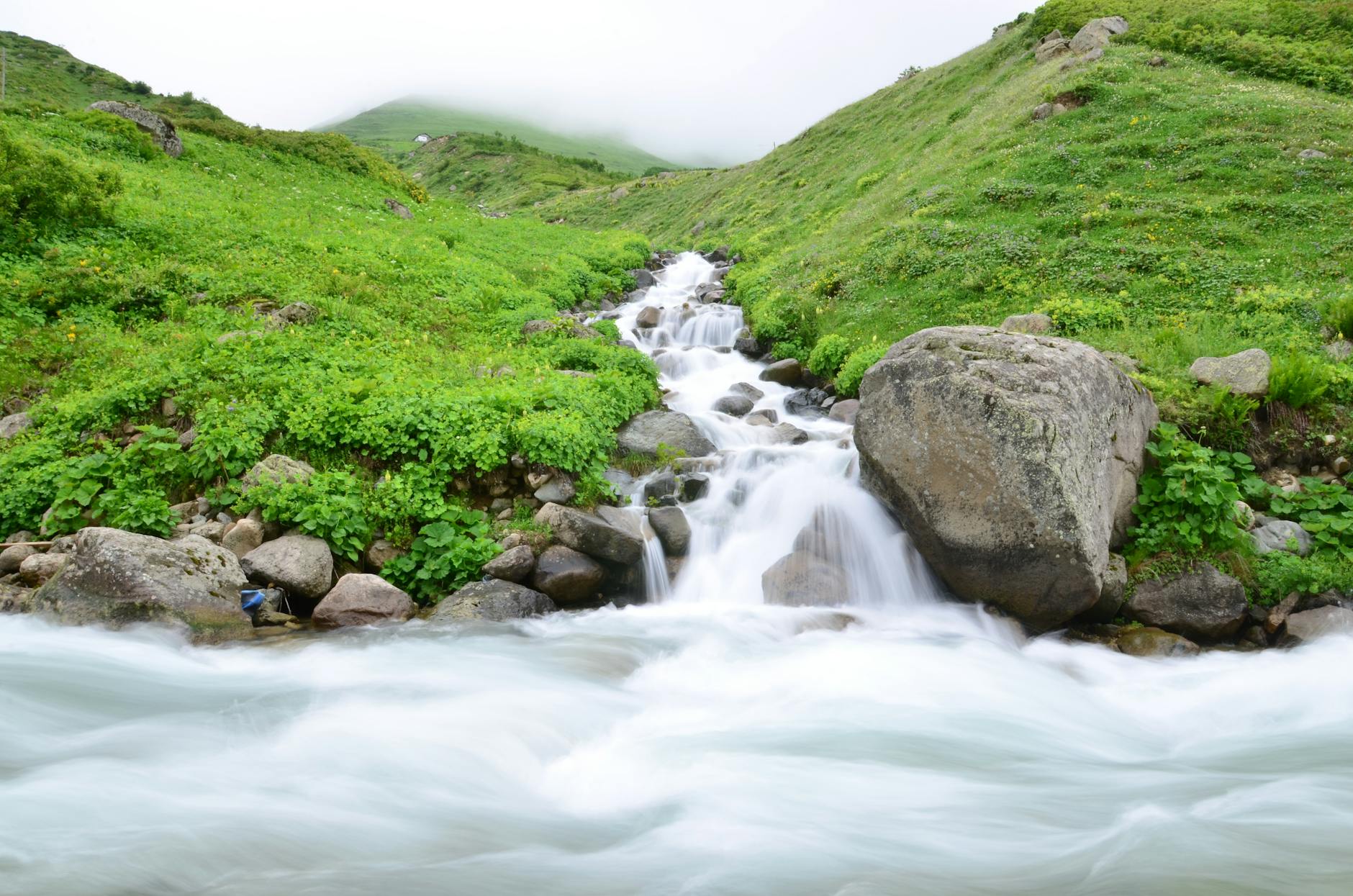
Just think of the power of a majestic waterfall, or the might of the ocean waves– all made up of tiny individuals drops of water. Water can turn turbines to produce electricity; water can carve canyons our of rock; and water can change landscapes or reshape landforms. And there is power in the volume of water, or of prayer. But there is also the mighty power of the Holy Spirit inhabiting our individual prayers. Each single “drop in the bucket” holds amazing worth and power in God’s hands.
So don’t turn off the spigot of prayer today. Let each drip and drabble do a mighty work!
We were reviewing last week’s VBS at our church–sharing stories, “crunching” numbers, evaluating the various elements that made up each day… One of the phrases that came out of our various talks and meetings was that Bible School week had been “bathed in prayer.” What does that actually mean?
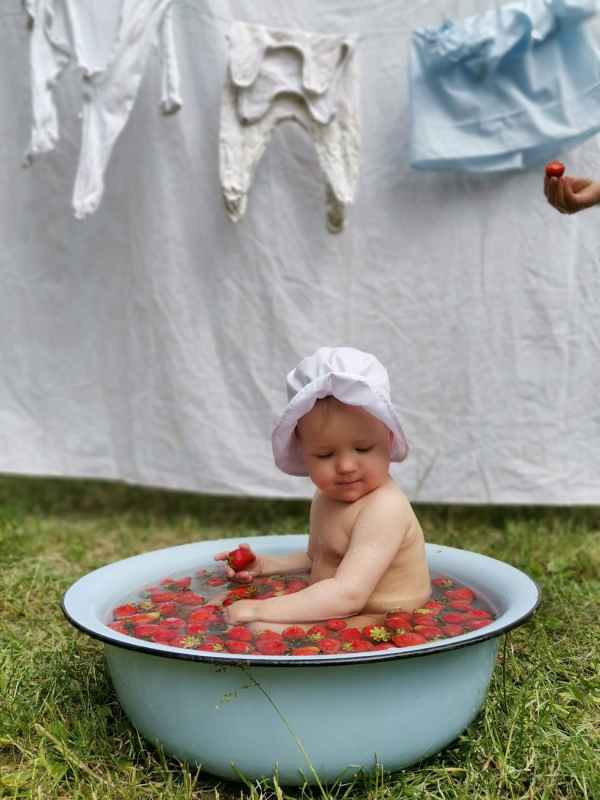
For me, it represents how prayer surrounded us– much like bath water.
It covered every part of our efforts– we prayed for the children who were registered– and those who came unexpectedly as guests. We prayed for the families of the children–those from our church, those from neighboring churches, and those who are unchurched. We prayed for all the volunteers– teens, adults, those who where there each day of VBS, and those who helped before and after with decorations, building, providing supplies and funding, advertising, etc. We prayed for each team– teaching, drama, singing, videography, sound and lights, registration, group leaders, science and crafts, snacks, sports and games, record-keeping, security, and more! We prayed weeks before VBS, and we are still praying that the seeds planted last week will grow and produce a harvest!
It flowed freely. We had organized prayer meetings, and spontaneous outbursts of prayer. We prayed in the “opportune moment” and in the planned schedule. Prayer was a consistent part of each day, but came in random bursts, as well. It came from staff, from volunteers, from children and retirees. Everyone can’t work at VBS– but everyone can pray!
It “cleansed” our efforts. It is easy to get side-tracked with the chaos and fol-de-rol of an event like Bible School. It is easy to lose focus and let stress, frustration, and even bitterness worm their way into our efforts. On the very first day, our registration and check-in system crashed– and this could have been a disaster. But we had prayed before; we prayed during our confusion, and we praised God that, system or no, HE knew who was there, where they should go, and how we should respond to THEM. We are in the middle of a construction project in our children’s wing– we had to plan around fewer classrooms available, and less indoor space. On the hottest week of the summer (so far) we had to hope that the weather would cooperate for our games. God provided cloud cover on at least two of the mornings, and overnight showers– we did not have to deal with heavy rains or the worst heat of the day on any of our days! And (at least partly) because we had prayed in advance, we were grateful instead of stressful about our circumstances, marveling at God’s provision.
Praying brings peace– like the clean and relaxed feeling you have after a good soak in the bath! And I hope that peace was reflected in the way we welcomed each child each day– in the way we listened, and in the way we spoke; in the way we encouraged, and in the way we taught; in the way we interacted with the children, and with the other volunteers.
We tend to “bathe” our “big concerns” in prayer. But what about our “little things?” What if we spent as much time praying about our next doctor appointment? Our next church service? Our next family outing?
We NEED prayer! Our efforts, without prayer, humility, and submission to the Spirit of the Lord, will be fruitless. With prayer, our lives, efforts, and plans will be clean, and bring Glory to God!
Just a thought– but if we bathed more things in prayer, we might just receive more “showers of blessing!”
My church is offering several fitness challenges this month. I’m working on two of them, walking, and “water.” Walking seems self-explanatory–the challenge is to walk more, with more focus, etc.. We get daily updates with great tips on walking safely, facts on the benefits of walking (as opposed to running or strength-training), and additional challenges for focus, finding a walking partner, and more. My job is largely sedentary, so even though I try to walk around somewhat at work, I enjoy the challenge of finding ways to get more steps/more time spent walking each day.
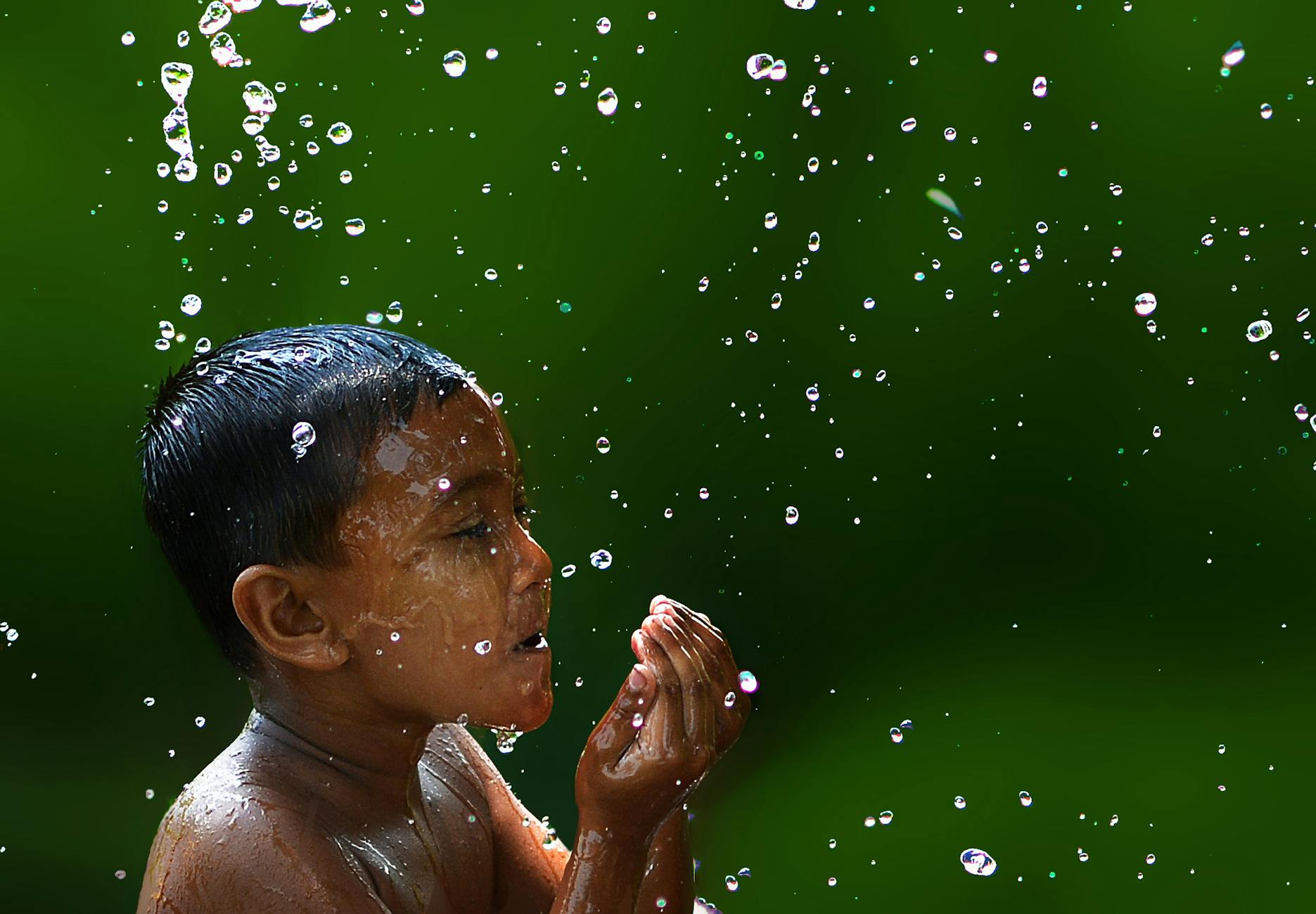
The “water” challenge seems a bit harder to explain. In fact, when I signed up, I got a message saying something like, “Congratulations! You signed up for the one fitness challenge that doesn’t involve fitness!” But I am finding the water challenge to be both physically and spiritually enriching. The challenge is to drink “enough” water. Seems easy, right? But it turns out that I haven’t been drinking enough water each day. And the effects are subtle, but dangerous– everything from dry skin to constipation; damage to the kidney and liver (who knew?), sluggishness and fatigue, weight gain, “brain fog,” irritability, muscle cramps, and more, https://steptohealth.com/consequences-drinking-little-water/#google_vignette Of course, all of these symptoms can be caused by other factors, but drinking more water can help alleviate many of them without medications or more extreme treatments. It IS possible to drink too MUCH water during the day, but most of us have the opposite problem. Why are we depriving ourselves of something so crucial to our health?
In my case, one of the leading reasons I wasn’t drinking enough water is that I simply wasn’t thirsty. I work indoors in a temperature-controlled environment. I don’t do heavy manual labor. I don’t work up a sweat. And it simply didn’t occur to me to drink at regular intervals. I would drink water or sugary drinks with meals, or when I “felt” thirsty, and when I developed diabetes, I cut out the sugary drinks– without replacing them with the same amount of water!
I have been challenged this month to drink eight ounces of water each hour for eight hours of my day– a total of 64 ounces, or a half-gallon! I make sure at least some of the water contains electrolytes, which help keep me from deficiencies in key minerals like potassium and magnesium (see more info here: https://microsoftstart.msn.com/en-us/health/ask-professionals/in-expert-answers-on-Electrolytes/in-Electrolytes?questionid=9toqf9mo&type=condition&source=bing_expertqna_ac ) It may sound easy, but I have to remind myself to drink, even if I don’t feel thirsty; even if I’m “busy” with something else. At first, there were “uncomfortable” side effects– I had to use the restroom more often, for starters. And I didn’t feel the positive side effects right away. But over two weeks in, I’m seeing some real benefits. I still use the bathroom more frequently during the day, but less frequently at night! I wasn’t expecting that! And I’m developing a rhythm in my water intake that keeps me from feeling “empty” in the mid-afternoons, when I am tempted to snack, which has helped me lose a little weight–by drinking more! Combined with the walking challenge, I am finding myself with more energy and a brighter outlook, especially in the mornings.
So what does all this have to do with Pursuing Prayer?
Well, the Bible talks a lot about water– a LOT– and about thirst. Not just a thirst for water, but a spiritual “thirst.”
Blessed are those who hunger and thirst for righteousness, for they will be filled. (Matthew 5:6)
Behold, the days are coming, declares the Lord GOD, when I will send a famine on the land— not a famine of bread or a thirst for water, but a famine of hearing the words of the LORD. (Amos 8:11)
Just as we can fall into the bad habit of ignoring our body’s need for water, we can ignore our soul’s need for communion with God. We can neglect reading Scripture, or spending time in prayer and meditation, and it can lead to serious side effects.
I don’t always “feel” like praying. I don’t always have a natural “thirst” for reading the Bible (I fell asleep this morning reading in 1 Chronicles…) But when I DON’T take time to read or pray, I have even less “thirst” for it– even though my need is still as great or greater!
We can’t spend all our lives on our knees and ignoring our daily tasks. We can’t always carve out hours or days to spend in meditation and Bible study. There are seasons of life where we will remain “thirsty” for a while. But let’s be vigilant to create habits that help us stay both physically and spiritually healthy.
One of the ways we were challenged in the first week of the month was simply add one glass of water to our routine each day. Even if we weren’t drinking a lot of water, just one glass more would help. Let me offer a similar challenge to pray “one more prayer” each day. If you normally pray in the morning or evening, add a “prayer break” to your afternoon. Treat it just like a coffee break (or water break?!) Add a prayer of thanks as you pull in the drive after the work day or after a trip to the grocery store. Write out a prayer request and tape it to the bathroom mirror to remind you to lift up one extra prayer today.
Let’s get thirsty! After all, Jesus Himself is the “Living Water.” He will satisfy!
4-5 Celebrate God all day, every day. I mean, revel in him! Make it as clear as you can to all you meet that you’re on their side, working with them and not against them. Help them see that the Master is about to arrive. He could show up any minute! 6-7 Don’t fret or worry. Instead of worrying, pray. Let petitions and praises shape your worries into prayers, letting God know your concerns. Before you know it, a sense of God’s wholeness, everything coming together for good, will come and settle you down. It’s wonderful what happens when Christ displaces worry at the center of your life. 8-9 Summing it all up, friends, I’d say you’ll do best by filling your minds and meditating on things true, noble, reputable, authentic, compelling, gracious—the best, not the worst; the beautiful, not the ugly; things to praise, not things to curse. Put into practice what you learned from me, what you heard and saw and realized. Do that, and God, who makes everything work together, will work you into his most excellent harmonies. 10-14 I’m glad in God, far happier than you would ever guess—happy that you’re again showing such strong concern for me. Not that you ever quit praying and thinking about me. You just had no chance to show it. Actually, I don’t have a sense of needing anything personally. I’ve learned by now to be quite content whatever my circumstances. I’m just as happy with little as with much, with much as with little. I’ve found the recipe for being happy whether full or hungry, hands full or hands empty. Whatever I have, wherever I am, I can make it through anything in the One who makes me who I am. I don’t mean that your help didn’t mean a lot to me—it did. It was a beautiful thing that you came alongside me in my troubles.
Philippians 4:4-22 (The Message)
I have been blessed with the opportunity to do a couple of short-term mission trips. I am not a “Missionary” in the traditional sense. I have not left friends and family behind to move to a new culture or live among strangers for years to spread the gospel. I basically took some working vacations, met dozens of wonderful new friends, learned about the work they are doing in their community, and joined in helping them with a couple of small projects (painting, sorting donated clothes and shoes, working in the school, helping organize a library, putting together scrapbooks, etc.) I was able to go back and visit five times over a dozen years and watch as the children grew up, the school added on, the staff changed, and the mission work focus became broader and more community-focused.
Two things about visiting the mission field– you meet amazing people and you hear amazing stories. Some people will become life-long friends. Some people teach you and touch you in unexpected ways, even if they cross your path only on a single day. Some stories make you re-evaluate all the things you take for granted. Some stories leave you laughing or crying along with your new friends. Some just leave you speechless.
One such story happened on my first visit. We went on a “field trip” to see a developing community not too far from the border between the Dominican Republic and Haiti. Hundreds of Haitian refugees had flooded into the D.R., and at least two mission groups from the U.S. and Canada were working to provide housing, healthcare, and schooling for homeless families. Several teams of workers had already started building small cinder-block houses, a couple of bath houses/bathroom facilities, etc. in an area that used to be a sugar cane field. The houses were serviceable, and had basic electricity and running water. However, the water was only good for washing, not for drinking. The houses were close together, with very small plots for gardening, but the land was rocky and dusty. There was a centralized “administration” building, with a small clinic and other basic community services, a small elementary school, and a small chapel. Most of the homes had an electric light bulb hanging from the ceiling, but no other appliances. Meals were still cooked over a small open fire in the main room of the house. Cots or bed rolls took up most of the other room. The bathrooms were in the communal bath houses.
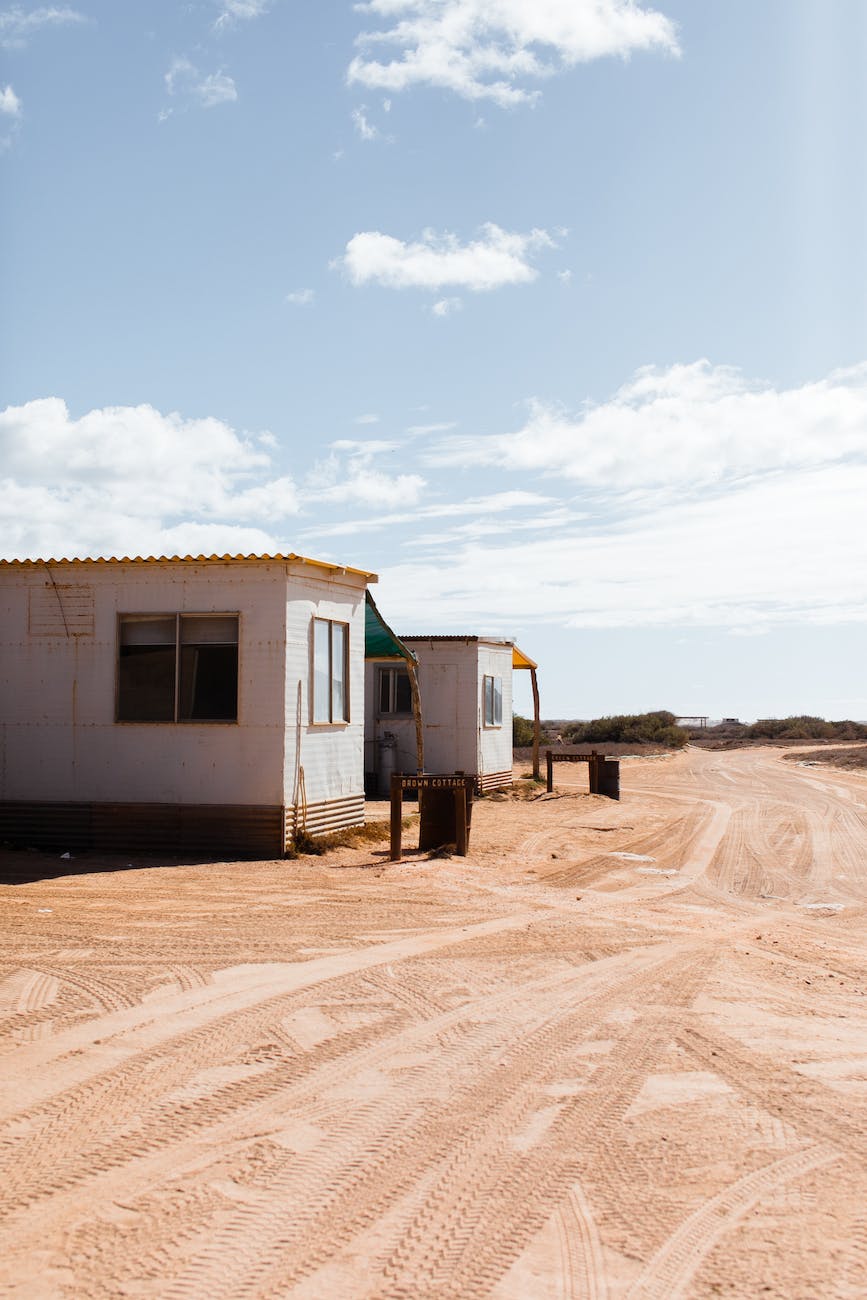
Not the actual location, but this is not too different from what the first houses were like– very basic.
I set the scene above so the circumstances are clear. These families were happy to be alive, and to have any shelter at all, but they were not living in luxury, nor were they moping and in despair about their condition. Part of our visit was to bring awareness to what efforts were already underway, and what needs were still outstanding. Medicine was scarce; many of the families had at least one person who was HIV positive, and many of the others had issues resulting from malnutrition and untreated childhood diseases. Jobs were hard to come by– the sugar cane plantations and rum factories had a history of exploiting their workers, and very few other jobs were open to Haitians who either didn’t speak the language or had no work permit/official identification. The mission organizations were not set up to provide jobs, income, or food and water. They were surviving on donations, which were sporadic and usually consisted of non-perishable items like clothes and hygiene items (toothpaste and soap).
Into this scene, the mission had received a princely donation of several hundred pairs of flip-flops. One of the bigger department store chains in the states and an overstock of black and white flip-flops– different sizes, but all the same style and colors. There were enough that everyone in the community could have a new pair of shoes! However, after the shoes were distributed, the administrators noticed that people were still going around barefoot. Very few of the people were wearing the new shoes. Finally someone asked if there was a problem with the shoes.
The answer they received is the heart of the story, and a lesson I have never forgotten. The people were very grateful for the shoes. But their greater need wasn’t for shoes. God had heard their prayers and supplied their need. Several enterprising members of the community had bundled dozens of pairs of flip-flops, carried them nearly eight miles into the nearest beach-front town, and found a spot along the beach where they sold the shoes to foreign tourists. Other groups did the same thing. Using the money from the sale of the flip-flops, they bought bottled water and produce at other roadside stands, carried them back to the community. This way, such items would be readily available while they waited for crops to grow in their gardens or a closer source of drinking water could be found.
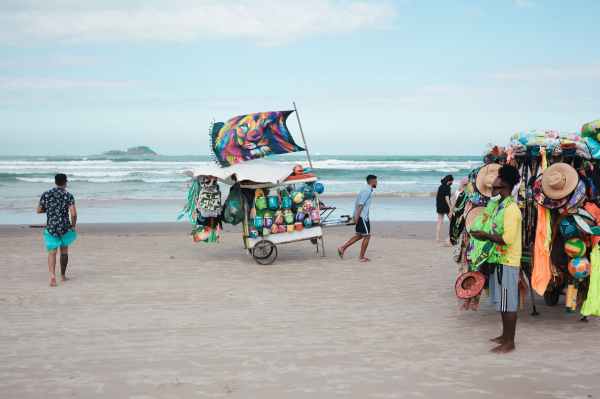
On a later trip, we visited this community again. There were flowers, gardens, and two or three “colmados” (Dominican-style corner markets), which had grown out of two or three houses being torn down and reassembled. The community was flourishing. The “administration” center was still used mostly as a clinic and community meeting center, but some of the community members were administrators there. The school and church had grown, and there was now an arts and crafts center; community members were making candles, necklaces, wood carvings, and other items for sale at the beach, where they now had an established booth. God had used hundreds of unwanted, discarded shoes to supply an opportunity for people to work together and build a thriving community. There are still issues– health issues, domestic issues, economic issues– plaguing this settlement. But it is now “home” to hundreds of families who once had nowhere to go, and it is a beacon to surrounding communities, giving hope to hundreds more in the area. And, while some of the community members still go barefoot, most have shoes– shoes they chose and bought and paid for with their own money!
I’ve told this story before, because it is such a strong lesson in looking for and making use of every opportunity. God’s gifts are never wasted on us IF we choose to see them as gifts. Even our abundance– our “leftovers” and “overstocks” can benefit others in ways we might never imagine. And our efforts– even small ones taken in the midst of struggles– will pay dividends when we trust in God to supply our true needs.
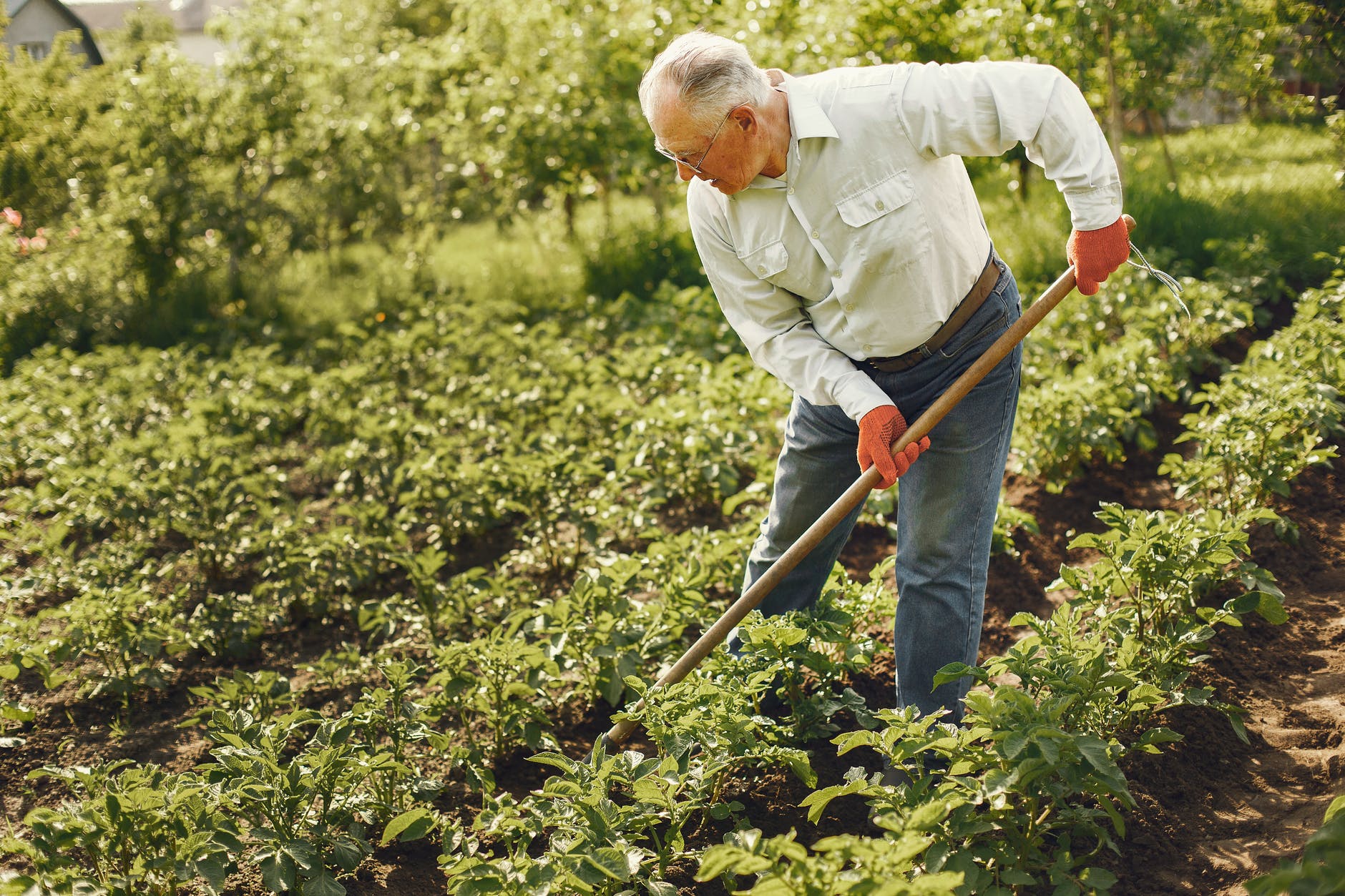
It’s gardening season– many with gardens are reaping an early harvest of tomatoes, peas, beans, and other vegetables. I live in town, and have no space for a garden, but I have memories of working in my mom’s and grandma’s gardens. Gardening takes a lot of work, and involves a lot of elements. A life of prayer also requires a lot of discipline and certain elements:
Plowed ground– we need hearts that are softened and humble, ready to listen and respond.
Seeds of faith– even those as small as a mustard seed!
“Son”-shine–we can follow the examples of the prayers of Jesus, as well as His teachings on prayer.
Living Water–Jesus gives us living water in His words and His life. The more we spend time with Him (through prayer and in His Word), the more we will experience the nourishment He provides!
Cultivation– it is not enough just to plant a seed and leave it. We need to spend time in devotion, worship, prayer, scripture reading, and fellowship daily if we want growth. We also need to “weed out” sinful habits and thoughts that keep us from trusting God’s will and timing.
Workers for the harvest–Our lives should be producing fruit. But fruit that isn’t harvested and shared will go to waste! And we should also be ready to harvest the fruit of others– encouraging and building one another to better growth and adding to the Kingdom.
9 With it we bless the Lord and Father, and with it we curse those who are made in God’s likeness. 10 From the same mouth come blessing and cursing. It should not be like this, my brothers! 11 A spring cannot pour both fresh and brackish water from the same opening, can it? 12 My brothers, a fig tree cannot produce olives, nor a grapevine figs, can it? Neither can a salt spring produce fresh water.
James 3:9-12 (International Standard Version) via biblegateway.com
We live in a culture of complaint and condescension. We pass judgment on people we’ve never met, based on stories we read second- or third-hand on Facebook or in a magazine, or hear on a gossipy talk show. We complain about situations we’ve never been in, on behalf of yet more people we’ve never met. We take pleasure in tearing down the reputation and character of people who don’t even know we exist.
I have caught myself in the middle of criticizing someone, as the Holy Spirit reminds me that God LOVES that person. Jesus DIED for that person, just as He died for me. Even if my criticism seems “valid,” it is not for me to pass judgment– especially to others and behind their back.
James (the brother of Jesus) wrote about our words coming out of our mouths like water pouring forth from a spring. We cannot pour forth pure, fresh water and brackish, salty water from the same spring. Similarly, we cannot pour forth praise and wholesome words, and turn around and trash-talk our neighbor–people will “taste” what pours out, and judge the whole spring.
This seems like such a small thing in our culture–surely a sarcastic comment about someone “everyone” dislikes can do no lasting harm, right? Yet an old proverb my parents taught me still rings true: “If you can’t say anything nice about a person, say nothing at all.” Imagine the difference it would make in the world if we all followed that advice. The silence would be deafening!
Yes, it’s tempting to add our “two cents” to a conversation that is filled with criticism and complaint– but the price we pay in the long run is just not worth it! When we give in to temptation, snarling and sniping and slandering others, we ruin our own reputation. We become known for gossip and sarcasm, and ill-will. Like saltwater flowing from a spring, we bring a bad taste– and bad results to everything we touch. God wants us to bring forth pure water– encouragement, truth, and justice– when we speak. God knows each person — there is no hiding from HIS judgment. But He will not be snide, or clever, or nasty. He will be righteous and Holy in His judgment, not petty or vindictive. As followers of Christ, we should strive to do the same.
Father, guide my tongue. Purify it, so that I speak words of life and healing; words that honor you AND those you have created in your image. Help me to remember that words matter. Words hurt, and words heal– words give life and hope, or they bring darkness and dissension. May my words reflect the True Word–Christ– in me. Amen.
I don’t think it’s any accident that God placed Adam and Eve in a garden, or that Jesus used so many farming metaphors in his teachings. There are a lot of Biblical lessons to be learned in gardening and farming–lessons about living, about relationships, and, of course, about prayer.
Start by preparing the soil. No good crop comes from randomly throwing seeds up in the air and leaving them untended. We cannot expect our lives to produce peace, love, patience, and joy if our hearts are hard, unbroken, and unable to accept God’s mercy, wisdom, conviction, and discipline. We cannot expect friendships or family ties to grow without time, effort, and vulnerability. And prayer requires faith and a sincere desire to meet with God–to listen, learn, and draw near. https://www.biblegateway.com/passage/?search=Hosea+10%3A12&version=ESV See also https://www.biblestudytools.com/bible-stories/parable-of-the-sower.html
Plant seeds! It seems almost too basic to list, but how many of us (and I count myself) have a tendency to hold on to our faith, to the wonderful promises of God, to the grace He has given, to the love we should be sharing with others? How many opportunities do we lose because of fear, busyness, or self-interest over the interests of others? Today will soon be yesterday– it will never return to give us another, better chance to make a difference. Small steps taken are better than grand plans that never come to fruition! ” Whatever you do, work at it with all your heart, as working for the Lord, not for human masters.” Colossians 3:23 Pray boldly, pray deliberately, pray consistently.
Seek (and give) nourishment. Just as seeds and plants need light and water, we need to take in the nourishment of scripture, meditation, prayer, and fellowship. We need to spend time with the one who is “the light of the world”, and “the living water”. Even so, we will experience seasons of drought and shadow. We need fellowship with others who can keep us in touch with the true source of light and life– and we need to be there for others in their time of need.
Expect a harvest–but expect some surprises, too! God’s ways are not our ways (https://bible.knowing-jesus.com/topics/God~s-Ways-Beyond-Human-Understanding) God often chooses to answer our prayers or alter our circumstances in ways that defy or exceed our expectations. God never answers our prayers only to gratify us in the moment– His plans are mysterious and eternal. They are also righteous and perfect and just.

























 Pursuing Prayer