The Ghost of Christmas Present

If you missed my last blog post, I’m looking at the story of A Christmas Carol, by Charles Dickens. It may not seem like a “jolly” Christmas story, or even a “religious” story, but it is “spiritual.” Ebenezer Scrooge is literally haunted by three spirits over the course of Christmas Eve. Last time, I spoke of the Ghost of Christmas Past. Today, I’d like to look at the Ghost of Christmas Present.

I know, Christmas was a few days ago– we’re currently at the cusp of New Year’s Eve, but these few days between Christmas and New Year’s Day can often feel jumbled up and run together. And, traditionally, the Christmas season is not just one day, but twelve days, stretching from December 25 to January 6. So today is still technically part of “Christmas.”

In “A Christmas Carol”, Scrooge is actually visited by four spirits. The first is the ghost of his old friend, Jacob Marley, who offers Scrooge both a dire warning, and a chance of redemption. Scrooge has already been visited by Marley, and by the ghost of Christmas past– a look at the moments and people who have shaped Scrooge’s life up to the present. Scrooge has seen both happiness and tragedy in his life, but the “light of truth” carried by the first ghost has shown how Scrooge has rejected happiness, instead embracing a life of fear, loneliness, and greed.

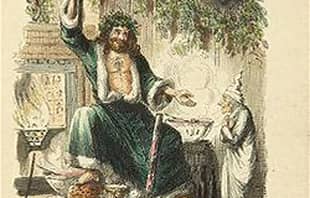
The next spirit, the Ghost of Christmas Present, focuses less of Scrooge himself, and more on the people he has ignored or rejected. This spirit shows Scrooge what he is missing by hoarding his wealth and isolating himself from the rest of the world. It is a picture that many of us would do well to study!
One of the first stops is the home of Bob Cratchit, Scrooge’s underpaid, put-upon clerk. Scrooge makes use of Bob’s time and skills, without ever showing any interest in him as a person. Scrooge is oblivious to Bob’s existence outside of the counting house. He assumes that Bob has a family, but he has no idea who makes up that family. The Ghost of Christmas Present forces Scrooge to see that Bob and his wife have several children, including a sickly and crippled son named Tiny Tim. Though they have very little money (thanks in part to Bob’s meager wages!), they have plenty of love and happiness. Scrooge fears many things that may happen, while his clerk faces very real fears that “haunt” him every day. Yet Bob does not complain, does not exhibit bitterness, and does not hide away from the world.

Next, the ghost takes Scrooge to see his nephew. Scrooge keeps his nephew at a distance because of his bitterness and fear. But in doing so, he is missing out on his nephew’s kindness, wit, and warm circle of friends. Scrooge has treated his nephew with disdain, fearing that the younger man is jealous of all his riches. But the ghost shows Scrooge that his nephew actually feels sorry for his uncle. Again, Scrooge has great wealth, but his nephew is content, and even very happy with his lower station in life. He loves his wife and enjoys friendships that make him wealthier in many ways than his uncle!

Finally, the ghost of Christmas Present shows Scrooge a sight he would never willingly see– the suffering and neediness of the poor, whom Scrooge has sneeringly consigned to death. Rather than seeing humanity, Scrooge sees only people who might drain him of his wealth– the undeserving poor who “cost more than they are worth.” The ghost reminds Scrooge of an earlier off-handed remark about helping those who would rather die than go to workhouses: “If they’d rather die, then let them do it–and decrease the surplus population!” The ghost warns Scrooge that he should be very careful in declaring who is among the ‘surplus population’. In heaven’s eyes, Ebenezer Scrooge himself might have less worth than ‘the least of these.’

 And the King will answer them, ‘Truly, I say to you, as you did it to one of the least of these my brothers, and sisters you did it to me.’ “Then he will say to those on his left, ‘Depart from me, you cursed, into the eternal fire prepared for the devil and his angels. For I was hungry and you gave me no food, I was thirsty and you gave me no drink, I was a stranger, and you did not welcome me, naked and you did not clothe me, sick and in prison and you did not visit me.’ Then they also will answer, saying, ‘Lord, when did we see you hungry or thirsty or a stranger or naked or sick or in prison, and did not minister to you?’ Then he will answer them, saying, ‘Truly, I say to you, as you did not do it to one of the least of these, you did not do it to me.’ (Matthew 25:40-45 ESV)

Scrooge’s feelings and senses are overwhelmed by what he experiences. The present surrounds him– the sights, the smells, the laughter, the cold of a dark winter’s night, and the heat from a roaring fireplace; the stench of the docks and homeless camps, and the aromas of Christmas dinner; the colors and lights of decorations, toys, and costumes; the ringing of bells, and the singing of Christmas Carols. Once again, Scrooge can hear music and laughter, he can sense the love and compassion, but he can only participate on the periphery. The music haunts him, but it comes from others, not from his own frozen heart.

So, what happens to us in this Christmas present? Do we feel connected to the joy and gratitude, the love and hope of the season? Or are we isolated by worry, frozen in fear, enslaved by anger or greed? Christmas is often a time of great sadness and loneliness. And sometimes, the laughter and the lights seem hollow and fake. Especially in the days just after Christmas, we can feel let down, abandoned by the promise of merriment and fulfillment brought by parties and gifts and feasting and entertainment. Outside, the winter is still cold, the bills keep coming in the mail, and fears and worries cloud our days. Some of our fears are very real– disease, grief, loss, sudden changes in circumstances and relationships–Christmas lights and music alone cannot cut through the fog.

My prayer for today, and for the New Year at our doorstep, is that we would open our ears and eyes and hearts to what is around us– acknowledge that we live in a fallen and often worrisome world, but recognize that there are opportunities all around us, as well. We don’t have to isolate. We don’t have to live in constant fear. Christmas isn’t just a day; it isn’t just a season– Christmas is about Christ coming to dwell with us!

Open your ears! Listen to the music of the season– “Peace on Earth! Good Will to Mankind!” “JOY to the World! The LORD has come!” “Let Heaven and Nature Sing!” “Glory to the Newborn King!” Keep listening to the promises of God’s Word– “Never will I leave you nor forsake you!” “Lo, I am with you always!”

Open your eyes– see the wonderful opportunities to share both joy and sadness with others. Seek out the great opportunities to give and receive help and love and fellowship! See the good things that the LORD has done– the friendships and family in your life; the beauty of nature, the ‘wonder of His Love!’.

Open your heart– Receive the greatest Gift! Redemption; new birth; eternal and abundant Life! Choose life and gratitude and humility. Practice childlike faith, hope, and JOY!

What Can I Give Him?

In the Bleak Midwinter

words by Christina Rossetti


1 In the bleak midwinter, frosty wind made moan, 
earth stood hard as iron, water like a stone; 
snow had fallen, snow on snow, snow on snow, 
in the bleak midwinter, long ago.

2 Our God, heaven cannot hold him, nor earth sustain; 
heaven and earth shall flee away when he comes to reign. 
In the bleak midwinter a stable place sufficed 
the Lord God Almighty, Jesus Christ. 

3 Angels and archangels may have gathered there, 
cherubim and seraphim thronged the air; 
but his mother only, in her maiden bliss, 
worshiped the beloved with a kiss. 

4 What can I give him, poor as I am? 
If I were a shepherd, I would bring a lamb; 
if I were a Wise Man, I would do my part; 
yet what I can I give him: give my heart.


United Methodist Hymnal, 1989

I love this Christmas Hymn, though it creates a picture that is likely very false.  Historically, we have no reason to believe that Jesus’ birth occurred on the 25th of December, or even in the winter at all.  And even if it was December, it is very unlikely that the Middle-Eastern countryside was experiencing frosty moaning winds or icy waters on the night of Christ’s birth.
In addition to Mary, the Bible tells us of others who came to worship that night– the shepherds in the nearby hills.  The wise men likely came days, weeks, or even months later to bring their gifts.  And Joseph would certainly have been there, as well.

The song is still lovely, and the last verse is the key.  Christ poured out all that He was; taking on the form of a helpless baby, He lived among those who rejected and mocked Him.  He served those whom He had created, healing their wounds, forgiving their sins, providing for their eternal redemption.  He died, betrayed and despised by His own chosen people, and dismissed by the rulers and authorities of the day.  He never owned a home, built monuments, carved his name in stone, or wrote books to preserve his legacy.  He had no dynasty or even children to carry on his name; at the time of his death, all his friends and followers had abandoned him– all but one disciple and his mother.  Yet his birth (the actual date of which has been obscured by history) is synonymous with generous gifting, rejoicing, singing, worship, and renewed hope.  So what could any of us possibly give that could even begin to match what His life, death, and resurrection gave us?

He asks for only one thing– everything we have: all the failures, mistakes, good intentions, bad choices, selfish desires, and hurts of the past–and in return, He gives us everything beyond our wildest imaginations: eternity with Him; all the riches of His Glory; all His holiness and majesty imputed to us; peace with Him; rest and restoration in Him; and His Spirit to guide and sustain us!

The bleakness of midwinter may not have been the physical setting of Christ’s birth, but it represents the spiritual setting of our lives without Him.  In that sense, Christ comes in the bleak midwinter of our rebellion, our despair, and our isolation, and offers to give us everlasting light, hope, peace, and joy!

That’s worth celebrating every day throughout eternity!

Prayer-Drifts

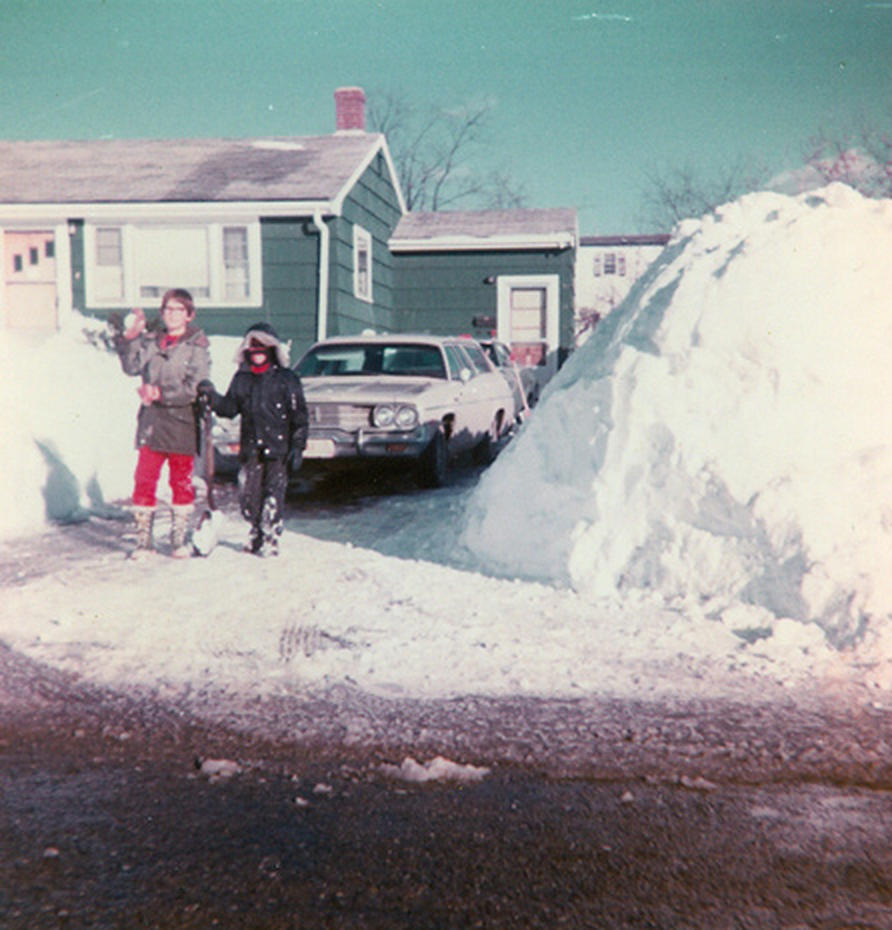
It’s winter here in Michigan. The season of snow. I’m old enough to remember the infamous snowstorm of 1978. I remember, because it began on the Sunday before we were to return to school from Christmas Break. I imagine many children were praying for a snow day to extend the time they had to enjoy their new Christmas toys and games. But we got far more than we bargained for! In fact, the snow drifts were so high and so long that the Road Commission had to send front end loaders to finish digging out our section of road! We were walled in with snow drifts towering over 8 feet, and 15 or more feet where the roads dipped. I know that’s not spectacular in other areas of the northern great plains and Michigan’s upper peninsula, but around here, that was a snow-pocalypse of epic proportions! We were snowed in for an extra week of “Christmas Break” that year.

Stock photo from CBS News from 1978

We haven’t gotten that much snow in several years– at least not all at once. But it doesn’t take much for snow to pile up into drifts that can slow down and even stop traffic for a bit. And it seems that the smaller and lighter the snowflakes the faster and easier they drift.

I’m not sure why I’ve been thinking about snowdrifts today, but as I did, I was reminded of how prayer can be like snow. Imagine each person’s prayer over a certain issue or for a certain person as a single snowflake. Now imagine that each of those prayer requests “drift” together as they rise toward Heaven. Your simple and sincere prayer, mingled with those of many others, and magnified by the working of the Holy Spirit–suddenly, there is a massive drift!

Each prayer is SO important! Each heartfelt thought and spoken word; each awkward attempt to find the “right” words…God gathers them up like glittering jewels or sparkling snowflakes.

I confess that I often think of my prayers as being tiny and unimportant, but God is the master of multiplying small things. Think of what Jesus did with five loaves and two fish! Remember how He used David’s five small stones to slay a giant. He used 300 of Gideon’s men to defeat an army, and He used 12 committed disciples to change the world! My prayers– Your prayers–ARE important. God has storehouses of snow (see Job 38:22), and I believe He also collects and cherishes all the prayers of His people. I also believe that He keeps the prayers we send from one day to another, piling them into drifts as well. So, it is important never to give up praying. Just because we haven’t seen the answer yet, it doesn’t mean that God isn’t listening or is unwilling to act. It may be that we can’t see the “dip in the road” where our prayers are still piling up!

Let’s keep praying today as if we were children praying for a “snow day!”

Casting Shadows

Today is “Groundhog Day.” Tradition says that on this day, if a large rodent called a groundhog peeks out of its hibernation burrow to see its shadow, there will be six more weeks of winter. For more history about this observation, see https://www.yahoo.com/lifestyle/groundhog-day-five-things-didn-095407401.html?fr=sycsrp_catchall .

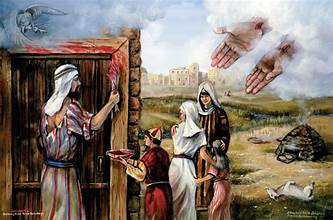
Candlemas, the celebration on which Groundhog Day is founded, is actually the day of the Baby Jesus’ presentation in the Temple (see Luke 2:22-40). Forty days after his birth, every first-born male child in Israel was to be presented at the temple, and a sacrifice was to be made for his redemption. This traces back to the Passover tradition, when the angel of death passed over the houses of the Jewish families who had painted their door frames with blood. Meanwhile, the first born sons (and animals) throughout Egypt were slaughtered. In this way, God showed His Power and His Mercy, leading Israel out of Egypt in triumph, while showing judgment on the Egyptians. (See Exodus 12).

History and tradition cast long shadows. The Jews had been slaves in Egypt for nearly 400 years. A new tradition helped them remember where they had come from and celebrate the promise that God would lead them to their own land. The Jewish people had kept this sacrificial tradition for centuries, reminding them of God’s mercy in saving their sons, and in redeeming them as a people from slavery in Egypt. Christians, realizing that this tradition “foreshadowed” the coming of Christ, adapted it into a new celebration. Christians celebrated Candlemas for centuries, remembering that Jesus was presented as OUR sacrifice, OUR redemption from Death into eternal Life Jesus came to be our Sacrifice, and also our Light. 

But somewhere along the way, pagan beliefs and rituals were woven into the story of this day, until it has become “Groundhog Day.” Instead of the Lamb of God, we celebrate a common rodent. Somewhere in Pennsylvania (Punxsutawney), a small crowd gathers as someone lifts up a frightened groundhog and pronounces a weather prediction (one that is less than 50% accurate!) And everyone is looking for a shadow, instead of celebrating the Light.

The thing about shadows is that you cannot see them when you are looking INTO the light. You have to look away, turn around, look back, to see a shadow. Shadows are cast when something gets between the source of light and a flat surface. History casts shadows. Memories cast shadows. Sin casts a huge shadow. But Jesus is pure light. The Word of Life came to be a “lamp unto (our) feet and a light unto (our) path” (Psalm 119:105 KJV). We are meant to learn from the shadows of the past, but not to walk in them. We are to walk in the light, looking forward to the fulfillment of God’s promises, even as we celebrate the faithfulness of His past actions in the lives of others.

Light casts no shadow. But it banishes the darkness where shadows live. Our choices have consequences. We can turn away from the light, or step in opposition to the light, and cast shadows that may follow for generations–cycles of abuse, isolation, hatred, anger, or regrets. Or we can choose to follow the light, and banish the shadows of the past– bringing peace, repentance, reconciliation, and hope.

Heavenly Father, today, I pray that I will be a reflection of Your light in the world; that my actions would help banish shadows of doubt and despair, and shine with Your truth and hope for others to see. Where there are shadows in my life from the past, may I learn from them and leave them behind as I follow you more closely. Where I have cast shadows in the lives of others, help me to bring light and healing in Your name. Amen.

Ugly Christmas Sweaters

It’s that season of the year, when several companies have their annual “Christmas Parties.” Some companies, in an effort not to offend any of their employees, investors, etc., have stopped calling them “Christmas” parties– they are “holiday” parties or “year-end” celebrations. In fact, at one place I worked, they stopped having any parties for the employees, claiming it was a “bad look” to “waste” money on such nonsense! Bah, Humbug!

But company Christmas/Holiday parties have a tendency toward the silliest and least meaningful ways of celebrating what this season and its holidays are all about. Often, the festivities involve a cash (or open) bar, some sort of anonymous gift exchange– white elephant or “secret Santa” with a spending limit of $5 or $10 dollars, and an ugly sweater contest.

And there is an entire industry predicated on the modern tradition of the “ugly” holiday sweater. Garish, loud, often bedecked with pom-poms, tinsel, or even battery-operated flashing lights, such sweaters can cost a minor fortune. They get worn once a year (twice if you have to go to a second party with a spouse, friend, or as a chaperone). And, while I don’t want them banned, I think they represent some of the worst excesses of our modern first world. They serve no higher purpose than to draw attention to bad taste and mock the core values of Christmas, Hanukkah, and other seasonal holidays. They are about tacky and fleeting entertainment, at the expense of higher virtues. 

I’m not trying to be a Scrooge or a Grinch. The holidays should be a time of joy and laughter. But is a tacky sweater really the best we can come up with? Is it in the top ten best ways to enjoy a season of miracles, love, light, giving, and hope? (I feel the same way about the focus on drinking– waking up hungover and sick; not being able to remember the end of the party– how is this “fun?”)

In our effort to have “Christmas” without “Christ” or Hanukkah without miracles; in our efforts to erase God from the celebrations of HIS goodness, we have created a level of fake celebration that echoes the story of “The Emperor’s New Clothes.” We’re walking around with ugly sweaters, each more elaborately ugly than the one before, considering it a triumph to be the biggest fool in a forest of foolishness.

Imagine giving that ugly Christmas sweater to someone who was homeless and had no warm clothes. Would it make you laugh to see someone in those circumstances wearing your once-a-year indulgence? Would your ugly sweater bring hope and healing to those who are refugees this season? Do you wear it when no one else can see it? The sweater isn’t about the season. It really has nothing to do with the meaning of the Holidays. It’s about impressing people with your willingness to stand out; your ingenuity in finding an uglier sweater than anyone else; it’s about YOU.

What would happen if, instead of an ugly sweater contest, seeing who can drink the most before passing out, or a white elephant exchange of worthless gifts, companies celebrated with worthwhile activities– building community ties, honoring achievements, or maybe even reflecting on miracles in our midst? What if our celebrations were less about empty amusements and more about reflecting on what is genuinely worth celebrating–health, friendships, family, hope, and purpose? They might be less amusing, but they might also be more memorable and meaningful.

There’s nothing “wicked” about ugly sweaters or white elephants– but they are becoming symbols of the kind of “Christ-less” Christmas that offers mild entertainment, but no hope for the dark days of a long winter. They are some of the symbols of excessive economic wealth in the midst of emotional and moral poverty. Naked and empty entertainment, pretending to offer light and satisfaction, but settling for glitter and gluttony.

Today, I’m going to wear a sweatshirt to keep warm, and I’m going to spend some time with my family– building memories that will last much longer than last season’s ugly sweater! And I will spend some time thanking God for the sweatshirt, my grandkids, and for the incredible gift of His Son–the real meaning of this season of love, gifts, miracles and hope–our real reason for celebrating Christ-mas!

O, Christmas Tree

As I look out my window today, the sun is shining on hundreds of bare branches. The sky is blue-gray, and the branches are brown and mostly lifeless. Occasionally, a breeze will stir the thin upper branches, or the very last of the dead-looking leaves. When the snows come, the branches and twigs will glisten and stand out against the white-covered ground and slate-gray skies above.

But elsewhere in town, and in the forests and woods just outside of town, there are evergreens! Their green needles and sturdy, squat shapes may go unnoticed in spring and fall, when the other trees show off their glorious changing colors and elegant branches. Soon it will be their time to stand out. Their low branches help break the snow drifts, and increase visibility. Their greenery reminds us that life endures and continues.

I hesitated to write about Christmas Trees. There are no Christmas Trees in the Bible story of the Nativity. Decorated trees have a connection with pagan rituals from long ago. It wasn’t until the first half of the 19th century that Christmas Trees really became a tradition throughout most of Europe and spread to America. What connection do they really have with pursuing a Christian Walk? Only the ones we choose to apply…

  • Evergreen trees are a symbol of eternal faithfulness. They stay green year-round. They do not lose “leaves” like other trees (though they drop needles and cones). This can be a reminder to us of God’s faithfulness and His unchanging nature.
  • Evergreen trees are generally the “newest” trees. After a fire, for instance, pine and fir trees will be the first trees to spring up. Hardwoods take longer to recover and regenerate after a disaster. Just as the birth of Jesus represented the coming of new life and hope, an evergreen tree can symbolize new, fresh growth.
  • While there is no “Christmas” Tree in the birth of Christ, there is a tree in His death on a wooden cross. Hidden in the greenery and lushness of a Christmas Tree is the solid trunk that symbolizes the Cross that Jesus bore, and the Cross that bore Him. Even the needles on the tree call to mind the crown of thorns– sharp, painful, prickly. Jesus came to serve; He came to bear the shame and humiliation, the pain and suffering that WE deserve.
  • Christmas Trees “point” upwards. Unlike many other trees, they get narrower as you look up, and are broad near the bottom. This is a reminder that here on earth, we are to spread out–spread the Gospel, spread the Love of Christ to as many as we can. And our focus should be drawn up to God in Heaven. That is why we traditionally “crown” our trees with stars or angels– to remind us that Heaven should be our “top” focus.

This year, if you are putting up a Christmas Tree, I pray that your focus would not be on the tree itself. It may be real or artificial; green or white or some other metallic color. It may be decorated with glass bulbs, funky home-made crafts, expensive, individualized ornaments, chains of cranberries or popcorn, bright ribbons or twinkle-lights, paper chains, or even photos of loved ones. But all that can be distracting from the true meaning of a Christmas Tree and WHO it represents. And I pray that your focus would not be on the gifts placed in or around the tree, but that those gifts would truly remind us of the greatest Gift of all– Jesus! I pray that the tree would be another wonderful reminder of the one who created trees, knowing He would one day die on one! I pray that you would be encouraged to share new and enduring life and growth to others. I pray that you would be encouraged that God’s plans are eternal, and His Promises faithful and sure.

That Makes Me White as Snow…

What can wash away my sin?
Nothing but the blood of Jesus;
What can make me whole again?
Nothing but the blood of Jesus.
Oh! precious is the flow
That makes me white as snow;
No other fount I know,
  Nothing but the blood of Jesus.
For my cleansing this I see—
Nothing but the blood of Jesus!
For my pardon this my plea—
Nothing but the blood of Jesus!
Nothing can my sin erase
Nothing but the blood of Jesus!
Naught of works, ’tis all of grace—
Nothing but the blood of Jesus!
This is all my hope and peace—
Nothing but the blood of Jesus!
This is all my righteousness—
Nothing but the blood of Jesus!

What Can Wash Away My Sin (Nothing But the Blood of Jesus) by Robert Lowry (emphasis added)
Photo by Sergey Platonov on Pexels.com
Photo by Liza Summer on Pexels.com

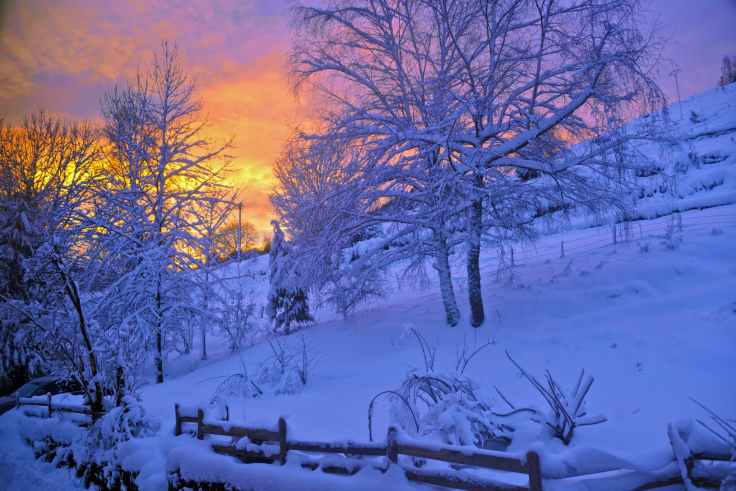
Last week, I was out shoveling snow. It is not unheard of for us to get snow at this time of year, but it is not usual to have this much, this early. I don’t like shoveling, but I love watching the snow fall– thousands of individual flakes floating around, glinting in the light, and turning everything a pure, sparkling white.

It doesn’t last– the snow gets blown around, and the snow near the streets gets brown and dingy from the traffic. It turns slushy or gets piled up into heaps like so much garbage. The snow in the country gets crusty, even if it stays relatively white. It looks colder, harder, more brittle. There is something pure and magical in new-fallen snow that even snow itself can’t replicate. Artists have tried to capture it in paintings; scientists have tried to study it and replicate it; Hollywood has tried to use substitutes in movies (sometimes painted corn flakes, or sometimes soap flakes). There is still something about real, new snow that is unique and fragile and filled with promise–even in its coldness, it speaks of laughter and joy. (Maybe not while I am shoveling it, but…)

Photo by Pixabay on Pexels.com

God is the creator and sender of snow. He has storehouses of it (Psalm 135:7; Job 38:22) And it is the image God gives us of forgiveness. (Isaiah 1:18) The purity and softness; the glimmer and weightlessness; the crisp, other-worldliness of falling snow–that is the picture of a forgiven heart! Just as God sends snow to refresh the earth when it looks the most bleak and dead, so God sends forgiveness to hearts that feel cold and dead inside, weighted down and dirty with guilt and shame and Sin. God covers our sins with His forgiveness– and He brings renewal from the inside; new growth, new blossoms, new fruit from what was empty, barren, and used up. And even when snow gets dirty, or crusty– a fresh blanket of new snow revives, cheers, and brightens the landscape.

Photo by RFA on Pexels.com
Photo by Maria Orlova on Pexels.com

God’s forgiveness is compared to snow, but it is far more powerful. White snow can cover up brown and barren trees and gray streets for a f, but God’s forgiveness comes, not in white, but in bright red. It comes through the shed blood of Christ, freely and lavishly given to wash away the scarlet stain of Sin. Red cancels out red, leaving purity and newness that comes from no other source. No artist can capture it; no scientist can discover its makeup; no Hollywood studio can recreate it; nothing on earth can compare or compete with its wonder and power.

Today, I am thankful for the message of snow, and even more thankful for the forgiveness that God offers. He may have storehouses for the snow, but His power to forgive is beyond measure, and His mercies are new every morning! (Lamentations 3:23)

A Mighty Wind

It’s been very windy here lately. Even when the sun is shining, the wind still makes it feel like winter (which, technically, it still is)! I don’t know that I have ever bothered to thank God for wind. After all, most of the time, we think of wind as being destructive–tornados, hurricanes, typhoons–winds tend to blow things over, knock things down, and they are often accompanied by water in the form of rain, waves, or hail.

Photo by Harrison Haines on Pexels.com

God created wind. He uses it for many good purposes that we may ignore or take for granted:

  • God used winds to dry up the waters after the great flood. (see Genesis 8:1)
  • God used a strong wind to blow locusts into Egypt as one of the plagues demonstrating His power to Pharaoh. He used another strong wind to blow them back out of the land and into the Red Sea. (see Exodus 10: 13-19)
  • God used a mighty wind to blow on the Red Sea, dividing the waters and allowing the Israelites to escape from the Egyptian army that pursued them. (Exodus 14)
Photo by Ricardo Esquivel on Pexels.com

  • God used a wind to blow thousands of quail into the Israelite camp, providing so much meat that they got sick from it! (Numbers 11)
  • God often demonstrates His power, authority, and judgment through wind. (see Amos 4:13; Psalm 78:26; Jeremiah 10:13; Jonah 1 and 4; etc.)
  • God sent His Holy Sprit on Pentecost with a sound like a mighty rushing wind (Acts 2:2)
Photo by BARBARA RIBEIRO on Pexels.com

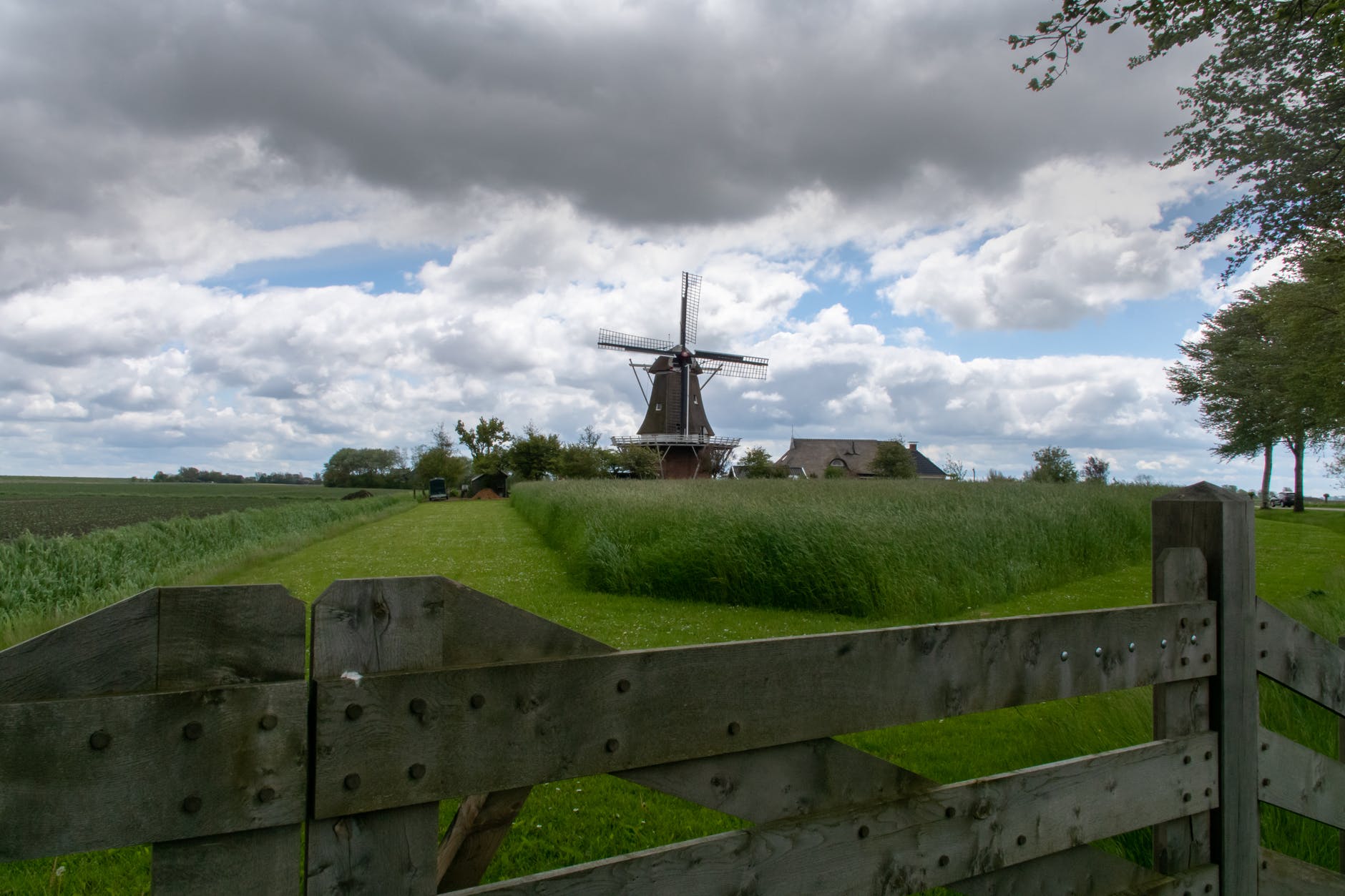
Wind moves things. Without at least some wind, the air becomes stagnant, wind-borne seeds cannot find a home, and flying creatures must work harder to stay aloft. Wind can act as a cleanser, blowing away dead leaves and dust so that new growth can occur. Wind moves the waters– from gentle ripples to white-capped waves–pushing along the boats and ships over lakes and seas. Wind bears clouds and brings gentle rains and shade from the harsh sun. Wind can be directed for power in windmills and wind tunnels. Wind can even “sing” as it whistles through bare tree branches or moves wind chimes.

Photo by Ylanite Koppens on Pexels.com

One of the most unusual uses of wind in the Bible happened to the great prophet Elijah. In 1Kings19:11, God told Elijah to stand on the mountain. Elijah had fled for his life from the wrath of Jezebel and Ahab. He was discouraged to the point of death. God sent a strong and destructive wind, but His presence wasn’t in it. He sent an earthquake, but His presence wasn’t in that, either. Finally, in the stillness, God appeared to Elijah and gave him a message of hope and encouragement. Sometimes, the winds come, not as a judgment, not as a message, but as a signal that God wants us to be still. HE is the mover; HE is the wind– but He is also in the middle of the stillness, if we are ready to listen!

Photo by John Diez on Pexels.com

I don’t know that I have ever bothered to thank God for wind. I take it for granted when it is gentle, and I dislike it when it is destructive– even when it just musses my hair or makes me shiver on an otherwise sunny day. But today, I thank God that He has the power, wisdom, and authority to use wind for His purposes. May He blow away all that is old and stagnant in my life, and move me to see His power at work in the world around me today. Thank You, God!

Shadows…

Today is a day of shadows.

Photo by Aaron J Hill on Pexels.com

In the U.S. and Canada, it is “Groundhog” Day: on this day, tradition says that if a groundhog (a rodent also known as a woodchuck) comes out of its burrow and sees its shadow, we will have six more weeks of winter. (If it doesn’t see its shadow, we’re supposed to have an earlier spring, but I have never known this to be the case.) Supposedly, the groundhog is frightened of its shadow and returns to hibernate for six weeks. It seems sort of counter-intuitive: a sunny day should indicate that spring is just around the corner. Seeing its shadow should be a “good” sign for the groundhog.

Today is also a special day in the global Church calendar. Known as “Candlemas” or Presentation Day, it represents the day that Jesus was presented in the Temple and Mary went through the purification rites required for Jewish women after the birth of a son. (see Leviticus 12:1-8; Luke 2:22-40) The gospel writer includes two other encounters that took place in the Temple courts. A man named Simeon, and a woman named Anna both offer praises for this child– the fulfillment of hundreds of years of prophecy, dating back to the Mosaic Laws. And Simeon also offers a warning to Mary– a “shadow” of things to come and prophecies yet to be fulfilled (v. 35).

Photo by Martin Mariani on Pexels.com

Winter can be dreary, and filled with shadows– both real and figurative, natural and spiritual. But shadows only appear when there is also light. May we be reminded on this day– whether it is a day of shadows, sunshine, or cloud cover– that Jesus came to be the “Light” of the world. And we should never be “afraid of our own shadow.” Indeed, as we cast our own shadows through our words and actions, may they point others toward the true light. And as we face the shadows that fall in our way, may we remember that they are only that– shadows– Light has overcome the darkness!

Photo by Pixabay on Pexels.com

Whiter Than Snow

Today, I am choosing to be thankful for snow. I don’t really like driving in it, or shoveling it, but there are some wonderful things about snow. God made it– in fact, the Bible says He has storehouses full of it (Job 38:22)! So what are some of the wonders of snow?

Photo by Haoshuang Lou on Pexels.com
  • Snow acts as a natural insulator of soil, roots, and underground bulbs and plants. When temperatures plummet, the snow acts as a blanket, protecting all that lies below ground.
Photo by Maria Orlova on Pexels.com
  • Snow– especially new-fallen, clean snow, reflects light and brightens the landscape. With less natural sunlight, this is very important, not just for plants, but for people. Physical and mental health is enhanced when we get adequate amounts of light. Visibility is also enhanced– even at night!– when there is a snowy ground-cover.
  • Snow is a better way to add moisture to the air and ground in winter–when winter rainfall freezes, it is much heavier and more dangerous than snowfall.
  • Snow can be fun! Skiing, sledding, making snowmen, and snow forts– it’s not just fun for children.
Photo by Jill Wellington on Pexels.com
  • Snow can be good for business! Ski resorts, plowing services, parks with cross-country ski trails, and many others depend on snow.
  • Snow accumulates– especially in mountainous regions– and refreshes rivers and lakes as it melts in the spring. Running water from snowmelts feed brooks and streams, and replenishes underground springs and wells as it seeps in. In this way, God gently wakes up mountainside forests and glens, turning them from white (or gray) to vibrant green.
Photo by David Dibert on Pexels.com
  • Snow is beautiful! (Especially if I don’t have to drive in it or shovel it.) It glistens on the bare tree branches and settles in mounds on the fields. It sparkles in the moonlight and glories in the sunrise. It delights us as it dances on the air, swirling and hovering and settling on our eyelashes or fingertips, only to melt away like a dream. We hear often about the marvel of snowflakes– each one is completely unique in its design and makeup. We may even take it for granted– especially after a particularly large snowstorm! But God chooses to lavishly pour out His creativity and love into each tiny flake that falls to the ground and melts with a mere breath. How much more does He pour out His love on each one of us!
  • God uses snow as a metaphor for His forgiveness. See Psalm 51:7, Isaiah 1:18. “Snow” white is considered pure, radiant, and refreshing. In just such a way, God can take our failures and mistakes, and replace them with His righteousness, making us pure, radiant, and able to be refreshed and to offer refreshment to others!
Photo by Liza Summer on Pexels.com

Blog at WordPress.com.

Up ↑