Praying in the Dark

(This post is an updated version of one that first appeared three years ago, during the COVID pandemic. I have updated a few of the references to reflect the change. There is still a lot of darkness and confusion in the world, but some of the sources have changed a bit.)

The past few days have been a dark place for me. I don’t mean that something horrible has happened, or that my life has been upended. But things seem dim and indistinct. Some things I took for granted turn out to be less than sure. Events have been chaotic and tinged with evil and sadness. The present economy seems far from certain, and rumors swirl around the upcoming elections. Many places around the world are at war, and there is violence, unrest, crime, and uncertainty nearly everywhere. Even traditionally “safe” institutions like the family and the Church are under constant attack. It is difficult to know who or what to trust– everything seems shadowed and indistinct.
I read a novel a while ago, set in the early days of World War II in London. Because of the threat of air raids from Germany, the people were required to “black out” their windows at night, and drive with no headlights. People who had driven or walked around the streets of London with confidence just weeks before were being injured or even killed because they could no longer trust the once familiar streets. Craters and rubble from bombing raids, or hastily built ditches and barricades; hidden dangers filled neighborhoods. And people could not count on streetlights, headlights, or lights in windows to guide them safely home. At the same time, thousands of people, fearing that the Germans would use deadly gas, were carrying around gas masks (just in case!), and leaving them on buses or at pubs or train stations, because they were unused to the extra responsibility. Suddenly, the gas mask they were depending on was lost, and all the extra preparation turned out to be useless, anyway.

It reminds me how often I would see people just a couple of years ago, getting ready to enter a store, only to return to their car for their required mask. Many people wore them “the wrong way:” others wore them for months longer than necessary. Still others wore the same mask for several days but failed to wash their hands. Some people stayed in their homes for weeks, even when they could have spent some time getting fresh air at a park or one their porch or stoop. Others took great risks going to stores where other customers were sick. And many workers had no choice but to report to work, knowing they would be exposed to COVID. Many people refused to get the vaccines once they became available, while others were demanding that everyone had to get the vaccine or be charged with a crime. No one was sure if they were “safe”– even with masks, vaccines, and other protocols. It was a very dark time.

Hard times and difficult situations can cause us to shift our focus and have to learn new routines–even new vocabulary! At certain times, life almost seems “normal.” At others, we seem to be tossed by every new wave that comes along. It can be easy to lose one’s way in the fog and darkness of chaos and changing times.

The Psalmist and King, David, had words of wisdom for times like these: “Thy word is a lamp unto my feet, and a light unto my path.” (Psalm 119: 105 KJV)

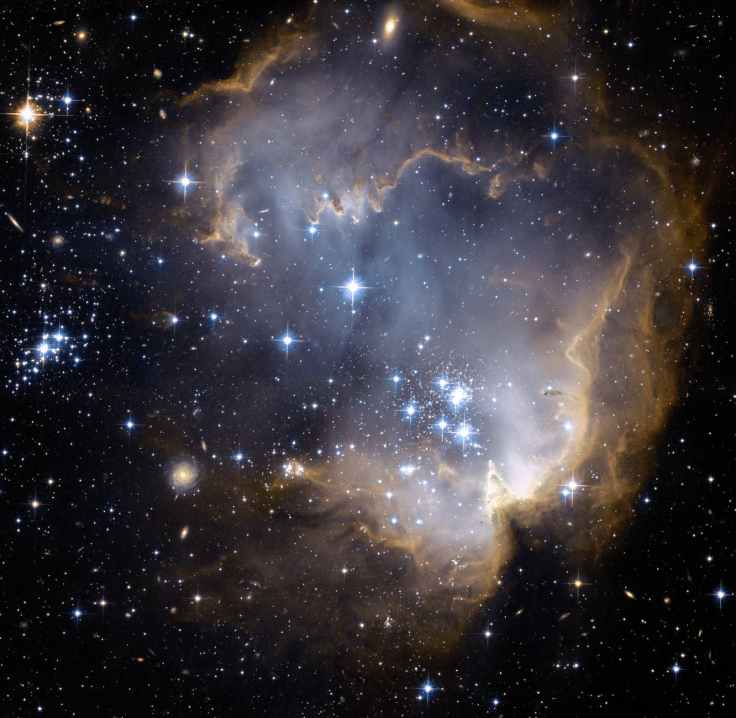
Even when things seem dark and it feels like I’ve lost my way, God is right beside me. If I have no other “light” to see by, God’s word will be enough to guide me on. When I pray– even in the dark–God sees me clearly, and knows the way ahead.

Photo by Pat Whelen on Pexels.com

And I needed to be reminded of that again this week.

All Things New

Every year, I try to read the Bible from cover to cover…a little each day, beginning with Genesis on January 1, and ending with the last of Revelation on December 31. So yesterday, I finished the last verse of Revelation 22– AMEN! And today’s reading begins with “In the beginning…”

Once again, I will read the Bible as a cycle– “beginning” to “AMEN.” But the Bible, like most other books doesn’t really have a beginning and an end. Things happen “before” the beginning, and things happen after “the end.” The Bible tells us of the beginning and the end of our created earth. But where Genesis begins with darkness and void, Revelation ends with light and joy and victory! ”They all lived happily ever after…”

And I am reminded that God’s character shines through every page of His Word. He makes all things new! He creates! He redeems! He Blesses!

Photo by Munmun Singh on Pexels.com

As we go into a new year, we can take great encouragement from the message of the Bible. Every year– every day, and even every moment–is filled with God’s presence and His promise of eventual renewal and redemption. We face an uncertain year in terms of human achievement and “progress.” War, famine, economic collapse, natural disasters, disease, heartbreak, and death– all are possibilities and even probabilities in our fallen world. But the Bible teaches that our problems, as enormous as they seem to us, are not outside of God’s power to redeem and redress. 

His plan is to recreate, rejuvenate, and replenish. All our relationships; all our ambitions; all the landscapes of all our dreams– will one day be reshaped. All the terrors and tribulations of Sin and Death will be vanquished. There will be no more need for fear or distrust or even cautious optimism. It will be NEW– not just “new and improved”, but new and perfected! Whatever we pray for in the coming year, we can know that God will bring situations full circle from tragedy to eventual triumph. It may not happen today; it may not happen this year or even in this lifetime. But God keeps His promises from “the beginning” to the Final “AMEN!”

And on this first day of a New Year–let’s rejoice that God is the God of all New Things; the Maker of All Good and Perfect Gifts; the God who is able to do exceedingly abundantly above all that we ask or imagine (see Ephesians 3:20-21)!

…And the Word Was With God…

We get excited about Christmas coming–we put up trees and decorations, and often a manger scene or Creche, with Mary and Joseph and the baby Jesus in the manger. But Jesus didn’t start as a baby. Long before He ever came to Bethlehem, Jesus was one with the Father. He ruled from the heights of Heaven. He saw the first dawn of the first day on Earth. He walked in the Garden with Adam and Eve. He was a witness to all the events leading up to His own birth.

Photo by Pixabay on Pexels.com

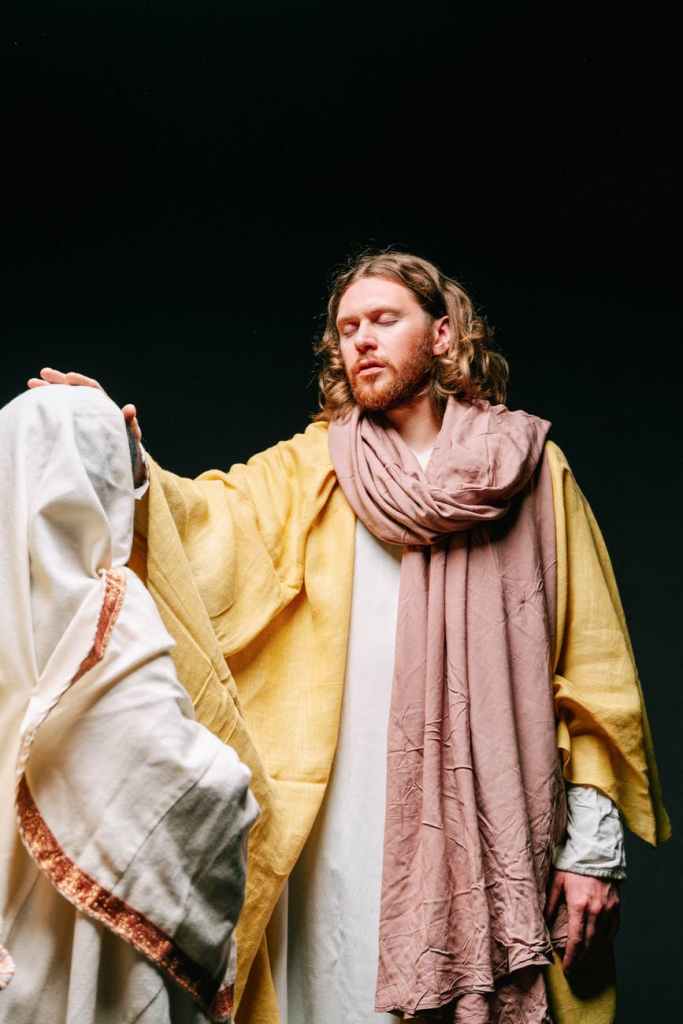
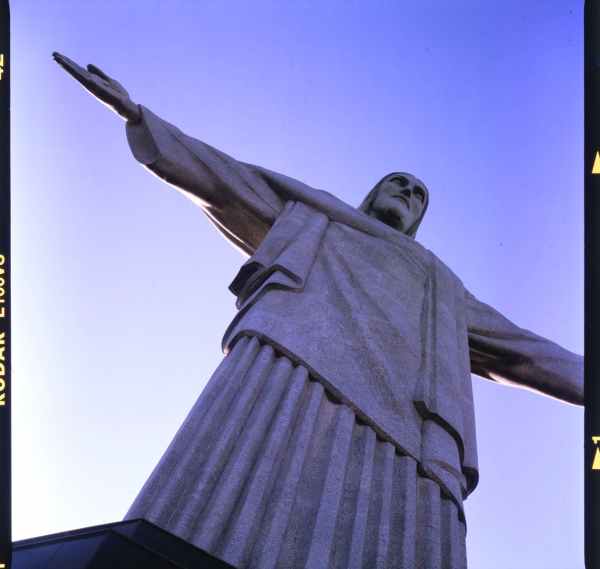
We like to picture Jesus as a baby. We like to picture Him as a man. We like to think of Him as a good teacher. And these are all correct. But we miss the full picture if we never imagine Jesus with God before He ascended to Heaven. The Ascension was Jesus returning to His rightful place, after the work of Salvation was accomplished in chronological, Earthly time. Jesus walked with His disciples. He ate with them, He laughed and talked with them. But He spent His earthly life talking and walking and relating with His Father, too. Nothing separated them, until that moment when Jesus became Sin for us so that we could be restored to a relationship with the Father.

Photo by RFA on Pexels.com
Photo by Ivan Samkov on Pexels.com

On the Cross, Jesus cried out, “My God, My God, why have you forsaken ME?”(Matthew 27:46 or Mark 15:34). God was not just “sending” His son as an emissary or a benign sacrifice to demonstrate how much He could love us. Jesus came, fully intending to be a living sacrifice. He endured the “imposed” separation of a human body, bound by time and place, separated physically from the glories of Heaven. But this separation– this knowledge of being forsaken, banished to Hell and Death–was what Jesus came to take upon Himself. The one who had eternally existed in loving harmony with the Father and the Spirit, had to be ripped away from Himself, forsaken by the Father and Spirit as one condemned. The one who had lived a perfect life of obedience had to be shunned as one who was unclean and unworthy of life, so that WE could have the right to be adopted as sons and daughters of God. We can be “with God” because He chose to endure the inconceivable pain of the rejection that we deserved. But there is another miracle of the Birth of Jesus that we overlook.

At the moment of Jesus’ birth, He was Emmanuel– God with US. Just by entering into a human existence, God already fulfilled His promise to bring us to Himself. When Jesus ate with His disciples, God was eating with them. When He laughed with them and walked side by side with them, the fullness of God was there. By His death, He continued “with us” to the grave and beyond. There is not a single moment of life –or death– that God, through Jesus, has not experienced and shared with us. In His resurrection, Jesus broke the power of Sin and death to separate us from God. Even the power of God’s justice cannot condemn those who put their trust in the finished work of Jesus, because Jesus has paid the debt in full. There is NOTHING that can ever separate us from God’s love and His loving presence. The Word was with God– and that same Word was with us. That same Word lives with, and in, and through us throughout our days on earth. And, if we have put our faith in this same Emmanuel, we will be “with God” throughout eternity.

Photo by Marcelo Moreira on Pexels.com

I need to meditate on this truth today. Even in the Holiday season, I can feel very separated from God–surrounded by stress and worries; focused on my own struggles and goals; chasing after a temporary joy in the busyness of preparations. Jesus has not forsaken me to return to Heaven– He is no less “with me” for being once again “with God.” No, He doesn’t physically walk beside me and eat with me, or talk audibly to me. But His presence is constant, steady, and promised.

Photo by Alena Shekhovtcova on Pexels.com

The Word– the same Word that spoke galaxies into being; the same Word that conquered Death and Sin–is “with us!” Today. Every moment! We will never have to cry out, “My God, my God, why have You forsaken me?” And we know this because Jesus CAME! He didn’t just “say” it. He gave us “His Word.”

In the Beginning Was the Word…

1 In the beginning was the Word, and the Word was with God, and the Word was God. 2 The same was in the beginning with God. 3 All things were made by him; and without him was not any thing made that was made. 4 In him was life; and the life was the light of men. 5 And the light shineth in darkness; and the darkness comprehended it not. 6 There was a man sent from God, whose name was John. 7 The same came for a witness, to bear witness of the Light, that all men through him might believe. 8 He was not that Light, but was sent to bear witness of that Light. 9 That was the true Light, which lighteth every man that cometh into the world. 10 He was in the world, and the world was made by him, and the world knew him not. 11 He came unto his own, and his own received him not. 12 But as many as received him, to them gave he power to become the sons of God, even to them that believe on his name: 13 which were born, not of blood, nor of the will of the flesh, nor of the will of man, but of God. 14 And the Word was made flesh, and dwelt among us, (and we beheld his glory, the glory as of the only begotten of the Father,) full of grace and truth.

John 1:1-14 (Authorized KJV)
Photo by Jeswin Thomas on Pexels.com

We celebrate Christmas as the “birth” of Christ. Yet, the Bible tells us that Jesus (Christ) was in the beginning with God: Jesus had no beginning and no end. He is eternal with the Father and Spirit. We call this season before Christmas “Advent”– we await and celebrate, not the birth of a new being, but the advent of His coming from Heaven to earth.

Photo by Pixabay on Pexels.com

Jesus came to Earth for many reasons– some of which are given in the Bible, and some of which are likely beyond our comprehension. He came to live among us as a man of flesh and bone (John 1:14); He came to bring life and light (vv.4-9); He came to live a sinless life, which He sacrificed as a ransom for the sins of the those who repent: and He came to serve others–to model the kind of service that God desires from us (Matthew 20:28). Jesus came in obedience to the Father (John 6:38). Finally, Jesus (as a member of the Triune Godhead) came because “God so Loved the World” (John 3:16) –He Wanted to come! The Advent was part of God’s perfect plan. It was not Plan B, developed after the fall of man. It was so “from the beginning.” It was foretold and prophesied. It was planned down to the tiniest detail.

Photo by Ketut Subiyanto on Pexels.com

Jesus has always been. He has always been The Word of God. Jesus speaks. Jesus listens. When we pray, it is natural to speak words to The Word. Jesus created us to communicate. Unlike any other creature on earth, mankind chooses to communicate through complex and subtle language, as well as through art, music, dance, architecture…even food! We chatter about trivia; we choose to wear certain colors to express our moods; we make silly faces at infants and delight in their own facial contortions.

Photo by Antoni Shkraba on Pexels.com

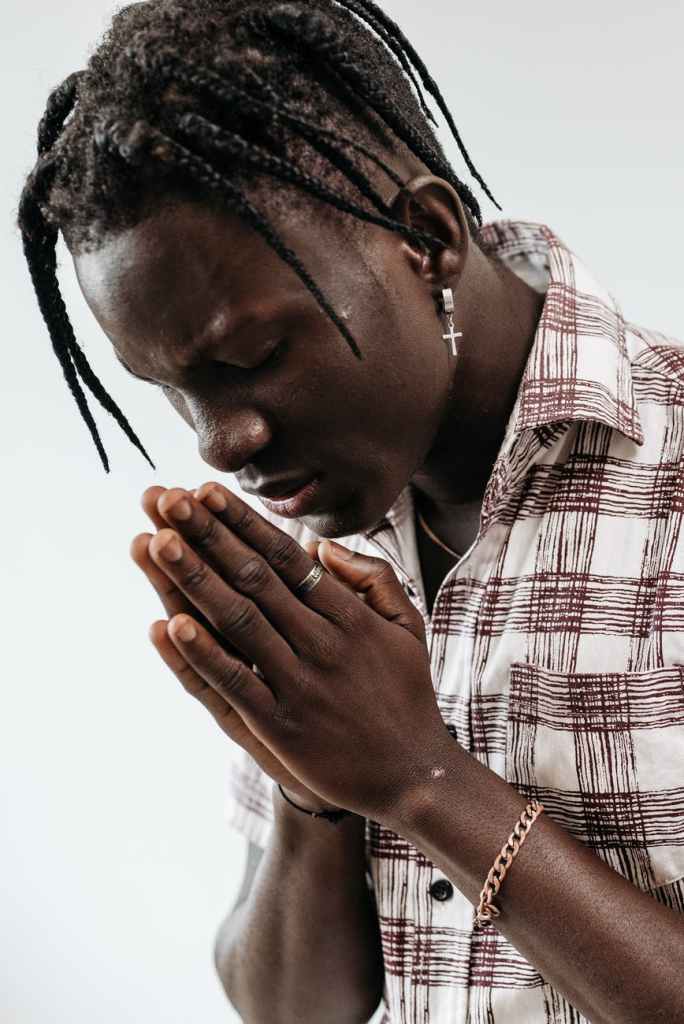
Prayer is so important, because it is the essence of expressing our hearts and minds to the very one who created us to BE communicators. God listens through all the words of all the languages we use (or the non-verbalized thoughts, groanings, etc.) to hear our true heart-cry.

Photo by Pavel Danilyuk on Pexels.com

This season, we take time to reflect on just what it means that Jesus was “In the Beginning…” as well as in the manger. We reflect that “before Abraham was”–He IS (John 8:58). We glory in the knowledge that He is the same yesterday, today, and forever! (Hebrews 13:8). These “words” give us life and hope and joy– not just now, but throughout all the years of our lives.

What a reason to say just a few words today in prayer!

Blog at WordPress.com.

Up ↑