An estimated 50,000,000 people died in the influenza pandemic of 1918-1919. Nearly 20 percent of the world’s population was infected/attacked by this virus. A reported 7,097,851 deaths (.1 percent of the population) resulted from the COVID-19 virus a hundred years later, while 777 million people were infected– roughly 10 percent of the world population at that time. **This results from a number of different factors–the Influenza pandemic of the twentieth century followed on the heels of WW1 and happened when the total world population was much smaller; also, the advances in medicine, communication, hygiene, etc., meant that fewer people died from the virus, more people were generally healthy and had better immune systems, and more treatments were available.
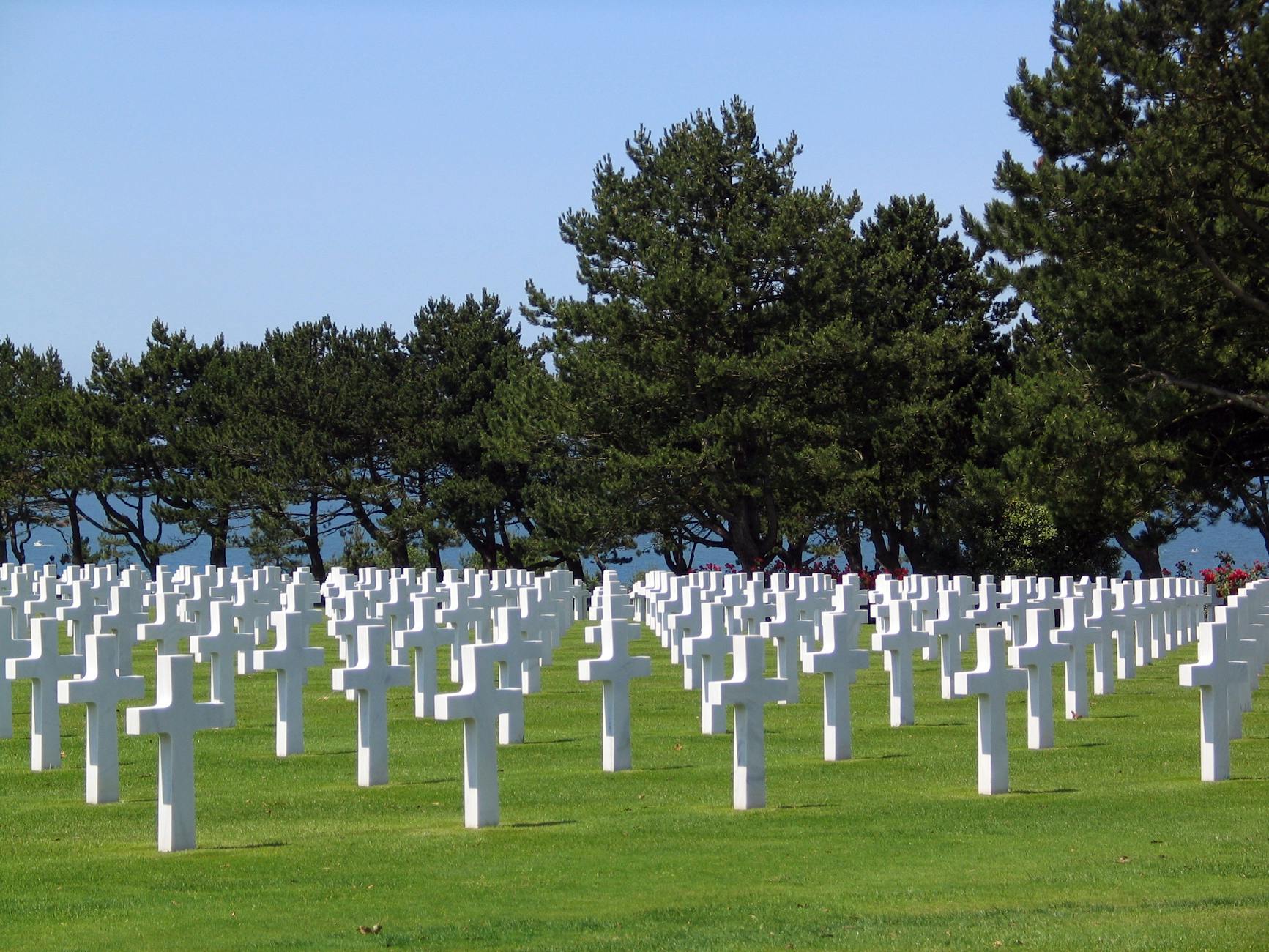
Over 60,000,000 lives were lost in World War II (Some estimates run as high as 80 million) This includes soldiers, civilians, detainees, prisoners of war, and victims of the Holocaust.
48,692,183,040 — the number of water drops/teardrops it would take to fill an Olympic sized swimming pool for Baby Shark. calculation here
70 x 7–(490)—-The number of times Jesus suggested we forgive our brother who offends us.
53– the number of words in the Lord’s Prayer (Matthew 6:9-13 NIV)
757,514– the estimated number of words in the English Standard Version of the Bible (Old and New Testaments, without the Apocrypha).
10 — the number of Jesus’s original disciples who were martyred (Judas hanged himself, and John died in exile on Patmos).
3,000 –the number of converts on the day of Pentecost. From this number, the Church has spread to nearly every corner of the earth, and lives, communities, nations, and people groups have been radically transformed.
1—Lord and Savior, ruler and sustainer of all the earth, whose death and resurrection wipes away the curse of death, disease, and Sin! (See Deuteronomy 6:4 and Ephesians 4:5-13)
Over there, over there, Send the word, send the word over there, That the Yanks are coming, the Yanks are coming, The drums rum-tumming everywhere. So prepare, say a prayer, Send the word, send the word to beware, We’ll be over, we’re coming over, And we won’t come back till it’s over over there.
“Over There” by George M. Cohan, 1917
In 1917, as war was raging in Europe, songwriter George M. Cohan wrote a song urging young men in America to take up arms and fight in a war that seemed remote and unconnected with American interests (at that time). Americans were reading about the atrocities and massive numbers of dead and dying in the fields and trenches of France, Germany, Belgium, and Russia (among other places), and they were moved to do something bold and dramatic. Little could they imagine the true horror that awaited them in the mud- and blood-covered lands across the sea. Driven by emotion, rage, and a certain optimism that came from being an emerging “world power,” the “Yanks” swept into Europe, and they fought and died to bring an end to “the war to end all wars.”
Of course, they didn’t abolish war– less than a generation later, Europe and Asia were engulfed in World War II. Wars have been almost constant– somewhere in the world– throughout history. Violence, vengeance, terror, torture, oppression and lawlessness well up and spill over all the time. Just over the past weekend, terrorists carried out vicious attacks on Israel, and Israel has responded with vicious retaliation.
The soldiers who went “over there” in WWI and WWII were no safer or braver or smarter than the many thousands who had already died. They arrived, and they were forced to march through mud, suffer through trench warfare, breathe in deadly mustard gas, and risk dying in order to bring peace–just like their European counterparts. Many of them died within days, never knowing the outcome of their sacrifice. And many of them were too young to remember first-hand stories of our own horrible Civil War and the devastation in our own land, or the full-scale destruction of the Napoleonic, Germanic, and Crimean wars of the nineteenth century.
I have seen memes and posts, sent from Americans, asking for prayers for Israel, prayers for Gaza, prayers for Palestine, and prayers for peace in the Middle East. We are moved and horrified by what we see and hear on TV or over the internet. Some of us are moved to pray; some are moved to seek governmental or even military intervention. And this is natural– we can only imagine what horrors have already taken place, and what others await as the violence continues to escalate.
But, in another sense, it is all happening– “Over There.” We see footage of atrocities– families being ripped apart or slaughtered in front of cameras– many recorded precisely to amplify the terror of their actions. But we sit in comfort and safety. We imagine that such viciousness would not happen in our own neighborhood; would not affect our own families–not that it NEVER could; but that it would not– not here; only “over there.” The Middle East, or central Africa, or Eastern Europe.
Among American Christians, there is a dangerous mindset that such atrocities might not happen here because we are a “Christian” nation, or just because of our geographical distance from some of the current “hot spots.” But God has no sacred contract with the United States. There is nothing sacred about the North American continent that God will not allow terror to overwhelm us (We should know this from 9/11)! He does not “owe” us His sovereign protection; we do not “deserve” a pass on hard times, violent conflict, or upheaval. And we must resist the urge to “explain” away such horror. “Oh, they’ve always had conflict in the Middle East.” “Well, if ________(event) hadn’t happened, this wouldn’t have been necessary.” There were many here in America who tried to rationalize the wars of the 20th century by referring to colonialism and reparations– as though war and violence, genocide and massive destruction are rational acts.
We SHOULD be praying for the region of Israel and Gaza– as well as the conflicts going on elsewhere around the world. We should speak out against the horrors and atrocities of terrorism and war– wherever we find them. But we must do so with the humility and humanity that recognizes the following:
God is still sovereign– these attacks and retaliations have not taken God by surprise. The chaos and bloodshed break His heart– but they do not change His plans, or alter His Holiness, or nullify His mercy. We can pray with hope and confidence in His timing and judgment, but we cannot pray in our own “righteous” opinions or knowledge. He is God– We are NOT.
God sends rain and sunshine on both the “righteous” and the “wicked.” We can take sides in any conflict, but we cannot know God’s full plan or His purposes in letting conflict arise, or letting it continue. Our prayers should reflect that, even as we pray for peace.
God’s message to us is the same as always– Trust Him and Obey His Word. Go, and preach the Gospel; make disciples, and BE disciples. Whether we are called to fight, to provide help and support, or even to wait in silence, we need to seek God’s wisdom, not our own.
God Loves Israel with an everlasting covenant–that does not mean that God does not love other nations and peoples, but it should cause us to remember that His covenant is with the descendants of Abraham and Isaac– not because they are holier or more worthy of His love, but because God chose them to be an example of His Mercy and His Wrath.
God is omnipresent– He is WITH all those who are suffering during this time. He is not willing that any should perish, not willing that any should succumb to hatred and destruction. Yet He is willing to allow for free will and giving people a chance to repent and turn from the path of violence and death. And, if such horrors rise up “over here,” God will still be the same God, the same all-knowing, all-seeing, all-powerful, and all-gracious God He is now, and always has been.
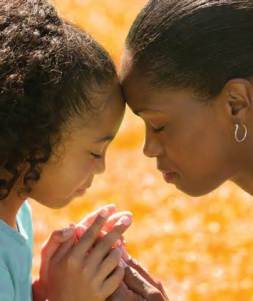
Prayer can take many forms and be many different things. I write about prayer as a pursuit– something done with purpose and with some kind of discipline. Prayer is not meant to be just another discipline in the life of a believer. “Pray without ceasing,” Paul says in 1 Thessalonians 5:17; but this is not meant as an exercise to pursue quantity of prayer over quality, or to spend every waking moment consumed with prayer to the exclusion of all else.
However, we are called to be disciples– and that necessarily entails learning discipline. Any activity taken on without discipline can’t really be called a pursuit. It may be a hobby or an entertainment, but pursuit involves direction, dedication, and focus. And this includes our prayer life.
I want to be very careful in discussing this aspect of prayer, because I believe that there is a real danger of letting the discipline overshadow the purpose of prayer. HOW we pray is never more important than WHY we pray, or to WHOM we pray! But failing to make a plan for prayer can cheat us of the benefits of learning to pray deeply, consistently, and with greater focus.
With this in mind, I want to spend some time each month talking about ways to “grow” a life of prayer. Today, I want to focus on journaling as a way to pursue prayer.
As with any discipline, the key is consistency. That’s why journaling can really help. Keeping a record every day of things to pray about, of reasons for praise, of people or issues to bring before the throne of Grace, can keep us focused. It can also help us chart God’s answers and His work in our lives and the lives of others. I keep four separate notebooks– one for each quarter of the year. But there are wonderful daily journals and notebooks that can work as well. Some come pre-printed with scripture or prayer prompts for each day. Some people use a pocket calendar or calendar app on their phone or computer. The method isn’t as important as having a planned approach.
I recommend having a daily focus that is consistent from week to week. For instance, on Sunday, I focus on The Church– missions, local church congregations, persecuted churches, evangelism effort, etc.. On Monday, I focus on Family and Friends. Tuesday, I pray for the Government– local, state, federal, and leaders of other nations. Wednesday is Community–community services, schools, businesses, neighbors, even roads and parks and utilities! Thursday is Global Day– things like war and drought, natural disasters and diseases. Friday, I focus on business and finances– my own, and others. Saturday is a day to pray about cultural issues, like abortion, marriage, gender issues, etc. That doesn’t mean that I don’t pray about family members on Thursday, or about a school shooting on Sunday. But it means that I pay special attention to those matters on particular days. Here are some reasons why:
God wants to hear from me about everything. But without a plan, I tend to pray about the same few things over and over. I pray about whatever is worrying me in the moment. And only that. God wants me to be aware of all that He is doing. He also wants to remind me that He is LORD of everything; big and small, immediate and long-term, far away or around the corner.
God wants me to be consistent and persistent in praying. But that doesn’t mean praying obsessively. Obsessive prayer can become nagging, doubt-ridden, desperate pleas. God listens to our prayers. And we can trust Him, even when we don’t get immediate answers or relief. We don’t stop praying, but we also don’t stop trusting Him for the next step in the journey. God is bigger than just one aspect of my life– no matter how urgent or overwhelming that aspect may seem today. My focus needs to be on God’s sovereignty, and not just my immediate circumstances.
God works in mysterious ways. I may not feel like praying for my Governor, or my neighbor, but it may be that my faithful prayer today is what God will use to make changes in some other aspect of my life. Praying for what I have on my list, rather than just what pops into my mind may actually remind me of something else, and help me see how God is working in an area I might have missed otherwise!
By practicing this discipline in prayer, I am learning discipline in other areas of my Christian walk.
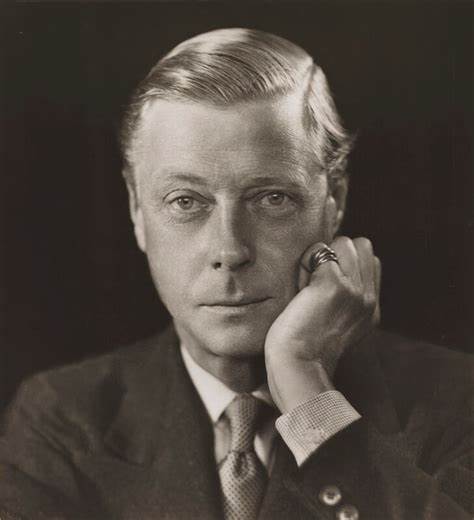
I read an interesting article on-line the other day about the late Duke of Windsor. Born as the heir to the throne of Great Britain, he was trained from an early age. His father, the King, wanted him to learn discipline and honor, so as to be prepared to assume his role. But Edward despised his father’s training. He found his father to be harsh and critical, prim and joyless. And he rebelled. He took little interest in the affairs of state, preferring to focus on his own pleasure. As his father grew older and weaker, Edward was asked to take on more royal duties. He enjoyed making appearances at parties, but despised many of the other tasks– letter writing, or visiting factories or various parts of the Commonwealth. He refused to settle down and marry, until he met Wallis Simpson, who was twice-married, and separated from her second husband. She was also an American citizen.
Edward VIII wanted to defy the laws and traditions of his own nation in order to marry. When this proved to be contentious, he decided to abdicate his throne, marry Mrs. Simpson, and live abroad. Instead, his brother became the next king (George VI), guiding his nation and the commonwealth through the difficult days of the second world war.
For many years, the myth of a king who gave up his throne to be with “the woman I love” has prevailed. But there was more to Edward’s abdication than blighted love. Edward was not incapable of ruling, but he was unfit to rule it well. His lack of dedication to his duties and citizens became evident in the very first crisis. Those who were working with him during his short reign witnessed his lack of care or concern about paperwork, and his selfish insistence on doing what he wanted to do, and not what was expected of him or of benefit to his people. He was a man without discipline and without a clear moral compass https://www.dailymail.co.uk/news/article-417388/Prince-Charmless-A-damning-portrait-Edward-VIII.html.
The Bible is filled with many examples of kings throughout the history of Israel and Judah who also failed to learn discipline or restraint. Their desire to reap the benefits of their position without learning to fulfill their responsibilities led to the moral, and eventually the physical and political collapse of their nations. They did not make a habit of seeking God, or of listening to His prophets. They sneered at good advice, and defied the laws of Moses and the rules God had given for the kings. Some of them worshiped other gods; some even sacrificed their own children to foreign gods or goddesses. They failed to keep the sacred holidays; they failed to read the Word of God; they failed to pray– except as a last resort!
We often perceive prayer as a personal practice– and it is. But how we choose to develop our prayer life may be tied to how we choose to develop the rest of our lives. We don’t need to be rigid and legalistic about it. But we do need to live– and pray– with purpose, if we wish to follow the example of Jesus and grow in our walk with Him. Not only does it impact our life and growth– it impacts our witness and our influence as well. Pursuing prayer in a disciplined way may have a far-reaching impact on our life and the lives of others– even in the generations to come. For more, see the page Why I Keep a Prayer Journal
Yesterday, my wonderful maternal grandmother would have celebrated her 110th earthly birthday. I have so many happy memories of times spent with her– of shared laughter and tears, walking barefoot through many yards and gardens, “overnights,” looking through her button tin, or her old jewelry box, helping her make homemade egg noodles, or cherry pie… But more than all these, I remember the feelings of peace, joy, and unconditional love whenever she was near.
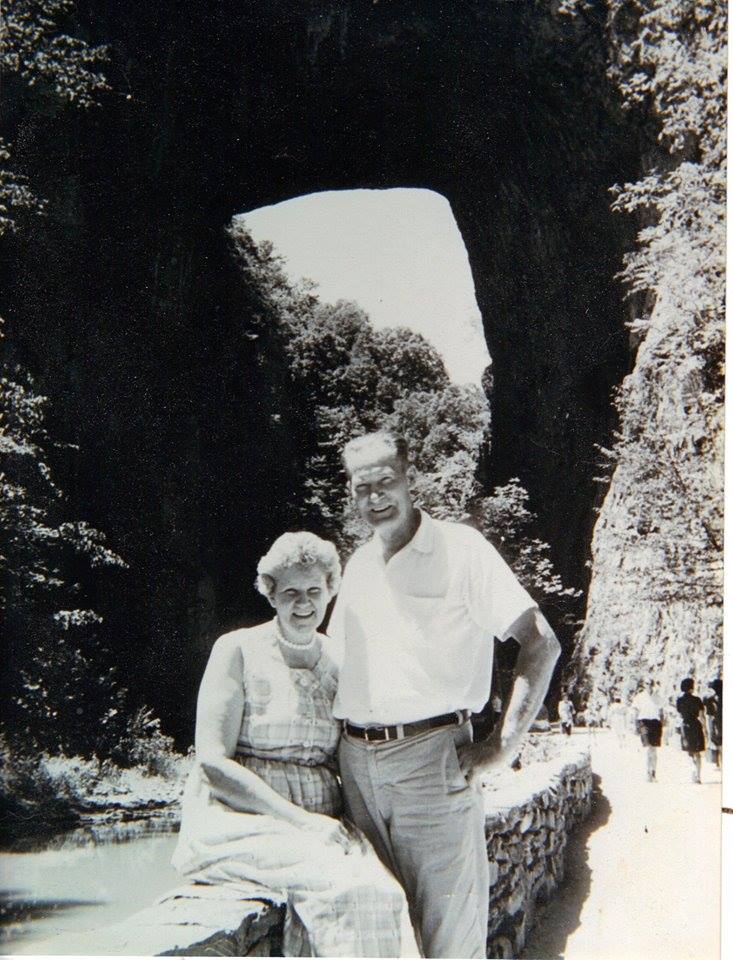
My Grandmother, Beulah B.
Gram was one of the wisest persons I ever knew. She was patient and kind with everyone. I cannot remember ever hearing her say a spiteful or sarcastic word. She had a quiet sense of humor, and made everyone feel welcome and valuable. She was generous– not just with gifts, but with time and attention, especially for children. She was a hard worker, but she never seemed to look frenzied or “overworked.”
She and my grandfather were married for almost 63 years. She lived with him through many difficult times– during the Great Depression, there were many times when they could not be sure where they would live or what they would eat. Many nights were spent sleeping in spare rooms with family members. Grandad went to war in 1942, and Gram “held down the home front”– taking care of two little girls, and working the night shift as a riveter, while living with her parents. Things were better financially after the war, but Gram kept working– this time as a secretary. She and Grandad still moved around a lot–rented homes, apartments, mobile homes–each time making it look and feel better than it had ever been, or ever would be again. Gram planted flowers everywhere; Grandad collected animals. At the time of her death, Gram and Grandad were living in a rented house– the very house where Gram had been born 82 years earlier!
Gram’s given name was Beulah, named for her paternal grandmother. Her name means “married.” And Gram lived up to her name, and all it suggests. She was faithful, fruitful, and a wonderful companion and champion in her marriage. When she died, my grandfather was lost without her. We nearly lost him that very day. He only lived another four months after she passed.
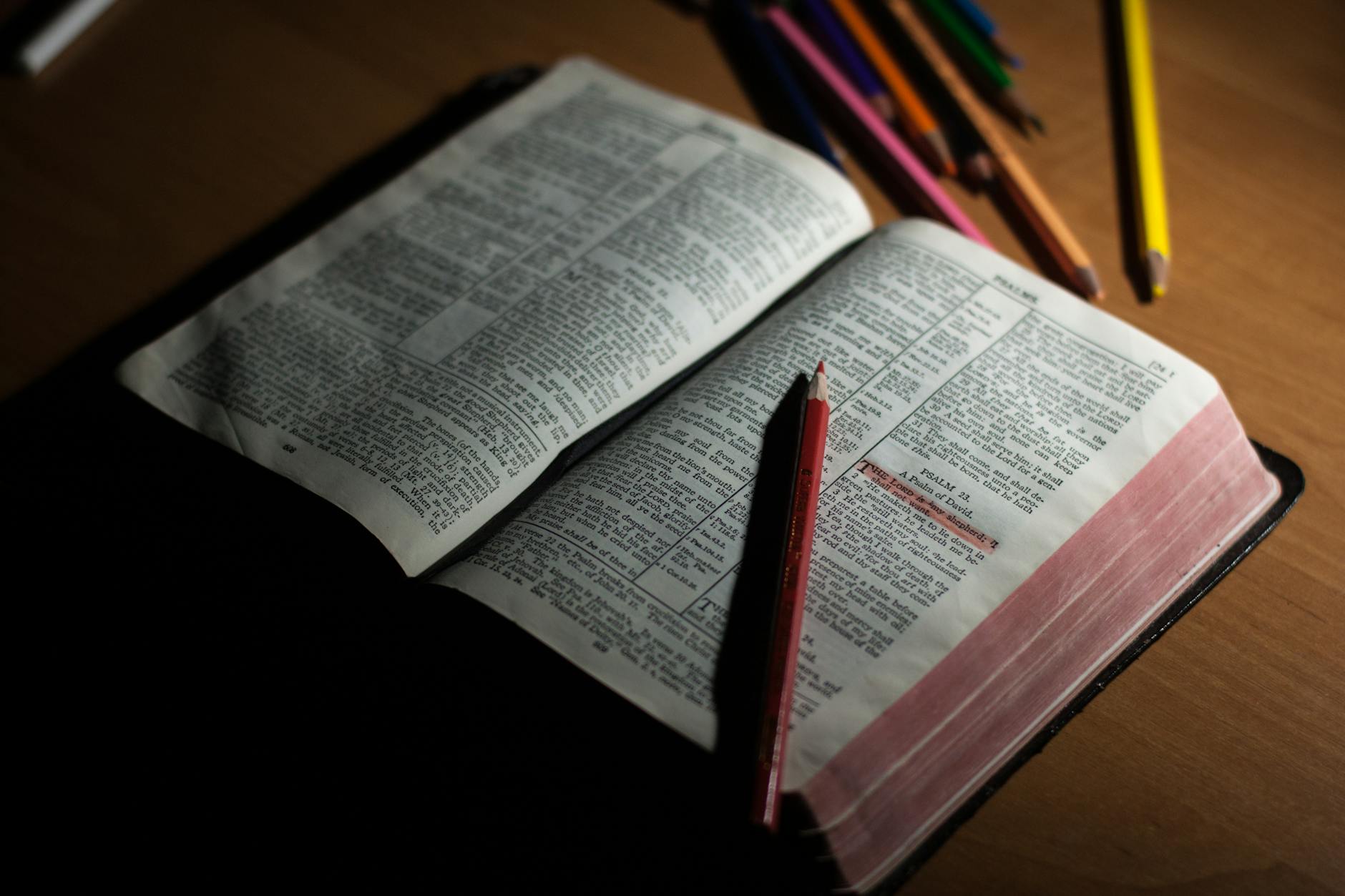
If I had to choose a word to describe Gram, above all others, it would be faithful. She was faithful in everything she did– faithful to her marriage, faithful to her children and extended family, faithful at work, and faithful to God. Gram’s Bible was worn, and old, but she lived out its pages every day. Her trust in God was absolute– and it had been tested through all the hard times she had experienced. She KNEW she could trust in God’s provision and timing, because she had experienced it first hand. She did not make a fuss about her deep faith, nor did she ever deny the source of her peace and strength. Her life was not easy, but it was bountiful!
Today, as I reflect on her legacy, I am so grateful for her quiet example in my own life, and in the lives of others. I pray that I may leave such an impression before I pass on– that someone will be inspired to a lasting faith and find joy in their life’s journey because I have been faithful. Below is one of her favorite hymns: (I especially enjoy the piano in this clip, because it is close to how my Gram would have played it!)

















 Pursuing Prayer