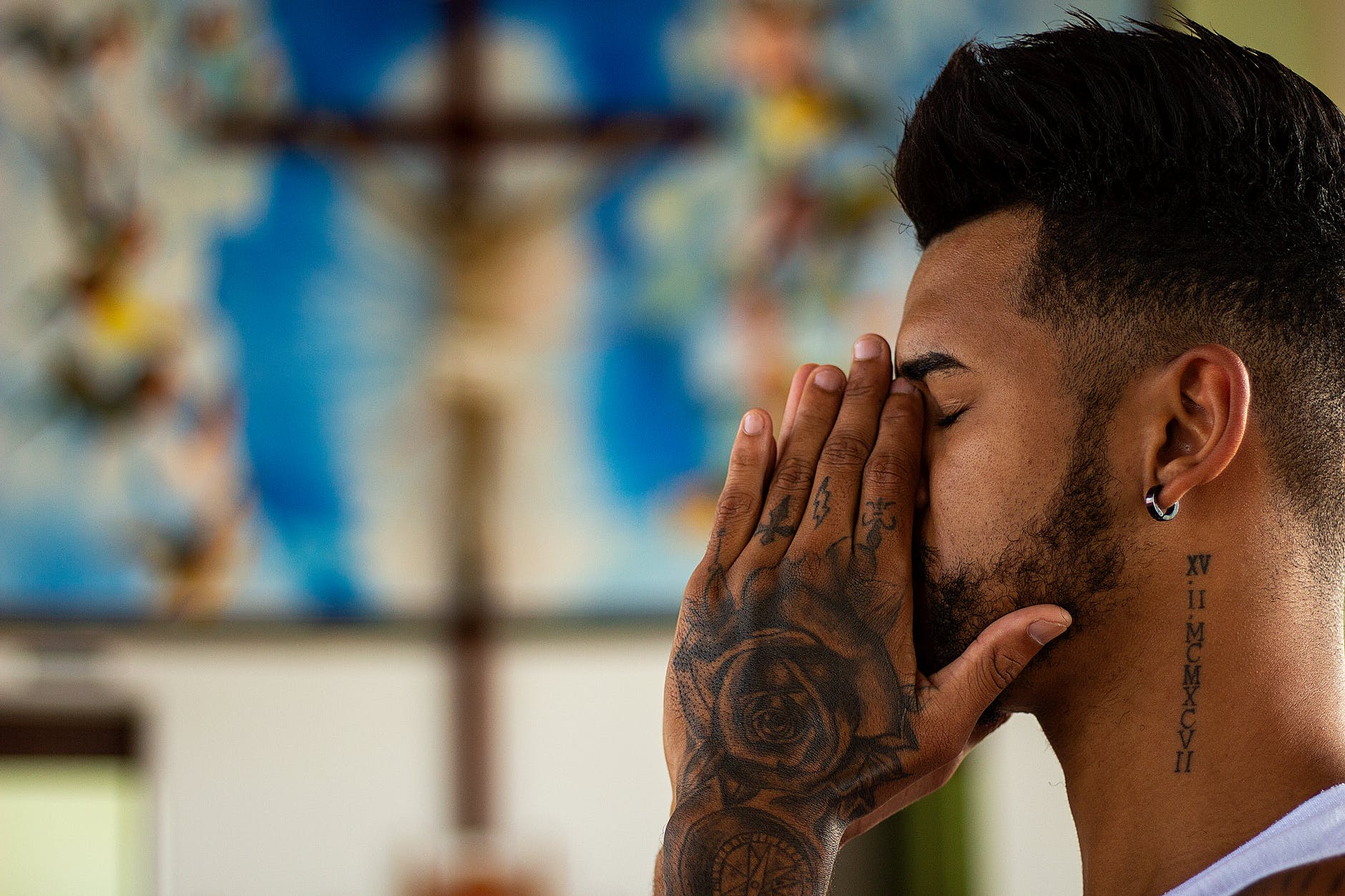
“Ever Hearing”

Have you ever tried to have a conversation with someone who just pretended to listen? They nod or make a sympathetic face, but clearly they have no idea what you are saying. Maybe they nodded at the wrong time, or even interrupted you with some comment that was completely off-topic.

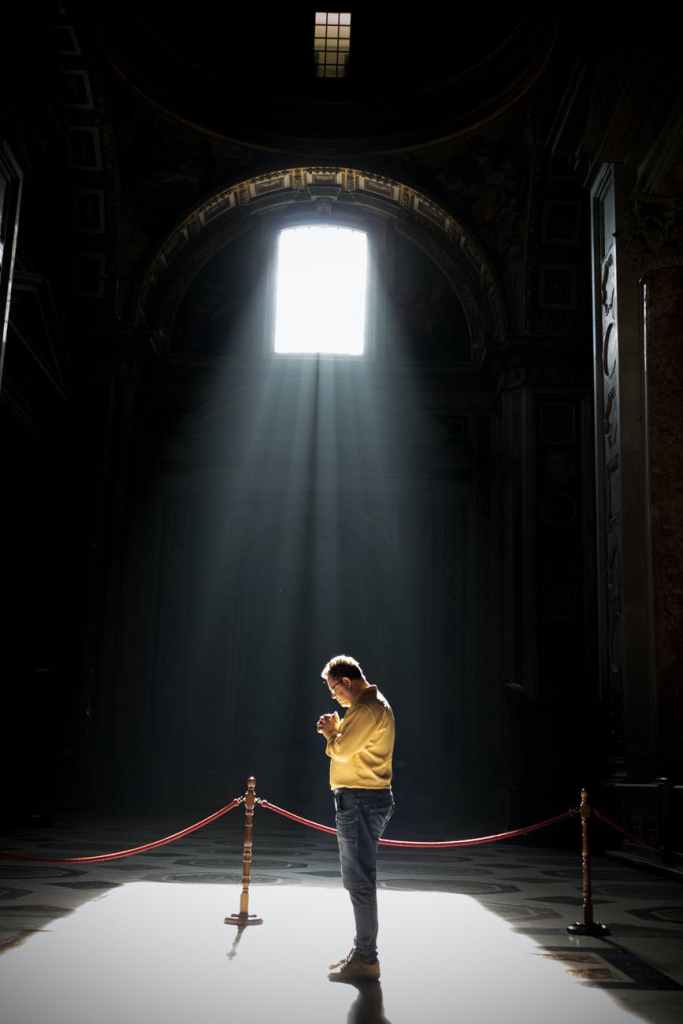
Photo by Ketut Subiyanto on Pexels.com

God not only hears what we say to Him, He understands better than WE do!

That is not the case with us. We can be “Ever Hearing” but “Never Understanding,” just like the people of Israel during the ministry of the prophet Isaiah. (see Isaiah 6: 9-13) Isaiah brought warnings and prophetic judgments from God–calls for repentance and warnings of impending punishments. He spent years delivering the same message to hundreds of people. They heard his message, but they did not listen, understand, or repent. Jesus, in Mark 4:12 alludes to this passage in Isaiah– clearly, the people of his day were equally “deaf” to the truth, even though thousands came to hear Jesus speak

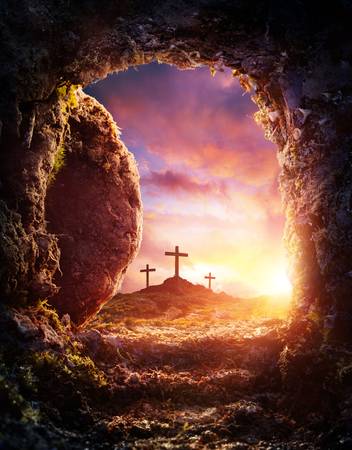
Photo by Matheus Bertelli on Pexels.com

Jesus’ brother James, in his epistle, rephrases the same idea– “But be doers of the word, and not hearers only, deceiving yourselves.” (James 1:22 ESV) Just because we have believed the Good News does not make us immune to hearing without listening, understanding, and obeying.

Photo by Ksenia Chernaya on Pexels.com

We have thousands of Bible study books, websites, videos, broadcasts and webcasts, blogs, and live meetings–and, for many of us, they are free and easy to access. There are billboards, memes, t-shirts, Christian radio stations, and more, sharing scripture, testimonies, cartoons, songs, prayers, and more, 24 hours a day in almost every corner of the world and in most of the world’s languages.

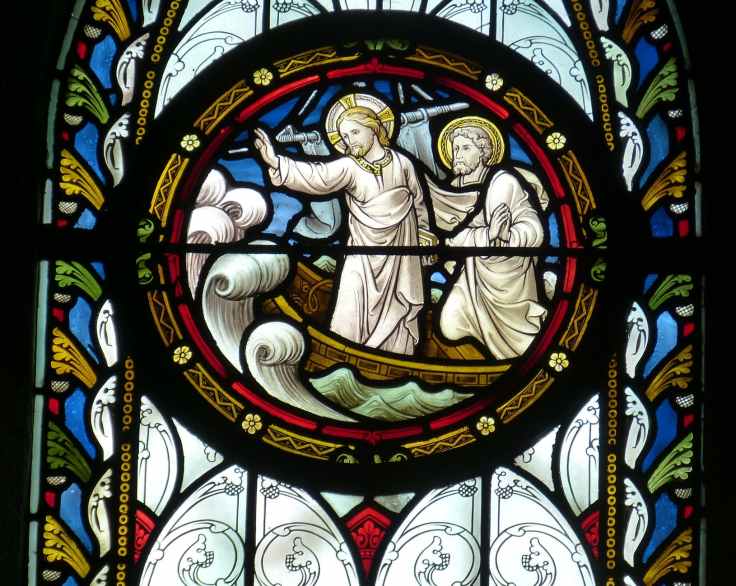
Photo by Laura Stanley on Pexels.com

But sometimes, the very prevalence of such material causes us to take it for granted; and our hearts and minds become numb to the glory of God’s wisdom and the urgency of His warnings. We hear that God is sovereign– and we say that we believe–but we act as though we know better than God how the world “should” be. We hear that God is gracious and merciful– and we sing praises for His mercy toward us– but we have no mercy for others who fall short of our expectations. We hear that God is close to the broken-hearted (Psalm 34:18), but we act as though God favors the proud and self-sufficient.

Why would God command Isaiah to continue preaching to those who refuse to listen and obey? And why would Jesus follow in Isaiah’s footsteps– relying on parables and teaching the masses who misunderstood His Gospel?

Scholars have different theories, but I think there are two main reasons:

  • We know from examples and from experience that the same message that falls on “deaf”ears over many years can suddenly “click.” God know this better than anyone. He is patient and humble. God’s message doesn’t change, but sometimes, it takes a while to “seep in” to the heart and mind. Someone who is “ever hearing” may be processing more of the message than we know. God’s spirit whispers, and His truth can be drowned out, but it cannot be silenced. It is important for us to continue to speak, to write, and to LIVE the truth– not just for others, but to make sure we are still listening, understanding, and obeying the truth.
  • God IS truth. And God may whisper, but He will not be silent. God is mysterious, but not absent, or cold, or withdrawn. In Romans 1: 18-32, Paul says that God has revealed all of His invisible qualities in all of nature throughout all of time. We cannot say that we NEVER saw the glory of a sunset, or heard the power of thunder, or felt the warm kiss of the sun, or in some other way experienced the loving and majestic reality of God. We CHOOSE to ignore or rebel against God’s ever-present, all-gracious love.
Photo by ROMAN ODINTSOV on Pexels.com

What glories will we see, hear, and experience today? Will we be “ever hearing” but “never understanding” “how wide, and long and high and deep” (Ephesians 3:17-19) is the Love of Christ? I hope we will take every opportunity to listen, understand, and obey His call today!

TGIF

Ahhh…Friday. End of the work week, beginning of the weekend. Payday, too, for some. For many people, their goal is just to get through Friday at work, and spend time doing whatever they want until they have to return to work on Monday. Of course, some people have to work weekends, and others don’t have a job at all. Some have other responsibilities on the weekends– caring for aging parents, or shuttling kids to ball games; volunteer projects, working on home improvement tasks, or mowing the lawn. But Friday has become such a special day in our culture that we even have a phrase, “Thank God it’s Friday” (TGIF for short). And we have special Fridays–Good Friday (the day of Christ’s crucifixion), and “Black” Friday (the huge shopping day after Thanksgiving). And several movies about Fridays– Freaky Friday, His Girl Friday, Friday Night Lights, and a string of Friday the 13th horror flicks. And most of the associations with Friday are positive, even festive. For some people, Friday is the high point of their week!

Photo by Hamann La on Pexels.com

But what about the other days of the week? Do we thank God for Tuesdays, or Saturdays, or Sundays? Shouldn’t we be grateful every day? God gave us seven days each week, and He even sanctioned one of those days each week for rest and reflection. When Jesus spoke of the concept of a “sabbath,” He made clear that a weekly day of rest was God’s gift to US (Mark 2:27 https://www.biblegateway.com/passage/?search=Mark+2%3A27-28&version=ESV) But every day is a gift– filled with God’s presence and promises, even when it may seem like an endless series of chores, mishaps, and personal failures.

Photo by Polina Zimmerman on Pexels.com

God gives us each day, and whether it is payday, Monday, a “bad-hair” day, or a holiday, every day is an opportunity to live, love, and learn. And every day, we have the privilege and the opportunity to spend time in prayer with our Loving Heavenly Father.

Photo by Andrea Piacquadio on Pexels.com

So, yes, Thank God that it’s Friday today. And use this day (and every day) to honor Him, obey Him, and walk in joy with Him. Tomorrow, Thank God it’s Saturday!

Where Two or Three Are Gathered…

Something curious has been happening to “The Church” in the age of COVID. In many areas, public gatherings have been limited or even prohibited, leaving local churches scrambling to re-invent their worship services and other programs. For a few weeks last summer, my local church was “closed” to the public, but sermons and worship songs were filmed and sent out as podcasts. Families could stay at home and still “come to church.” Since our congregation is made up of many large families and many elderly couples who are at high risk for getting or spreading COVID, this seemed like a safe alternative. However, for those who are single or just a couple living alone, we were encouraged to find another couple or family and “do church together.” (My husband and I watched the podcasts, but we didn’t gather with any other couples.) I knew of several small churches that continued to have “regular” live services– with congregations of fewer than 50, and plenty of space, they could meet the state guidelines. Others had “Zoom” services, or live streaming services for their sermons and a small praise team. David and I visited a couple of small churches, and, as our church opened up for limited seating, we happily attended in person. The larger the congregation, the more difficult it has been to have “live” church. Many are still struggling to find a “safe” alternative for congregational worship.

Photo by Josh Sorenson on Pexels.com

Most of the churches in my area are currently open and trying to “get back to normal.” But something is still different. My husband and I went to Easter Service this year, and it felt really good to worship with familiar faces, even if they were still behind masks. There weren’t as many hugs or handshakes, and not as much “fellowship” before or after the service. The Joy of Easter was mingled with caution; the joy of seeing others was mixed with the fear that some familiar faces were still “missing.” We waved at familiar faces, and we sang familiar songs. But for me, at least, it seemed that we were still isolated from others. We “showed up” for church; we didn’t really “gather together.” I don’t know that anyone else felt what I did– and I don’t think this was any “lack” in our local congregation. But I think it will take some time and effort to reclaim “togetherness” in the sense that we used to take for granted at church.

Photo by Mary Taylor on Pexels.com

As I reflect on all this, I feel a sense of sadness and loss. And yet, I also sense a wonderful opportunity to rebuild and redefine our church community; one that remains close, not based on familiarity or shared worship style or similarity of situation or culture, but IN CHRIST! “Where two or three are gathered”…(see Matthew 18:20) We often use this verse as a promise of God’s presence whenever we have a service or a fellowship meeting. But the verse reads, “For where two or three are GATHERED IN MY NAME, there am I among them.”(ESV– emphasis added). This seems obvious, but I think we have a great opportunity to reflect and re-think what it means to “gather” in Christ’s name.

Photo by Andrea Piacquadio on Pexels.com

We have amazing opportunities to “gather” via social media, live streaming, digital sharing, etc., with brothers and sisters around the world. We have the opportunity to develop friendships and relationships around the world, and worship with thousands of others simultaneously. And that’s wonderful. But Jesus’s promise is not made to mega-gatherings of believers “showing up” for a worship “experience.” Jesus promised to be where “two or three” are gathered in His name. And that doesn’t just mean that we need to get involved in a small group Bible study or “plug in” to a small fellowship group– though both are great opportunities.

But what happens when Jesus shows up at the grocery store when you run into your neighbor and share a prayer request, or at the restaurant, when your family says grace, inspiring others to do the same? What happens when “IN MY NAME” becomes a bigger part of our everyday life? What happens when that friend on social media becomes a prayer partner, instead of someone who just “likes” our jokes and photos? What happens when we make an effort to gather with a few neighbors for Bible study– even if we all go to different churches for worship?

Photo by Anna Tarazevich on Pexels.com

Two are better than one, because they have a good reward for their toil. 10 For if they fall, one will lift up his fellow. But woe to him who is alone when he falls and has not another to lift him up! 11 Again, if two lie together, they keep warm, but how can one keep warm alone? 12 And though a man might prevail against one who is alone, two will withstand him—a threefold cord is not quickly broken.

Ecclesiastes 4:9-12 (ESV via biblegateway.com)
Photo by Helena Lopes on Pexels.com

I confess that COVID has shown me how much I’ve been living life and pursuing prayer in a bubble. I need to “gather” and interact one-on-one and in small groups with other believers. How much of Christ’s presence have I halved by hoarding it to myself or searching for Him in the church pews–how much more I can pursue relationships that include and invite Jesus to be “among” us, rather than just “with me.”

Fast Forward

I’ve written dozens of blog posts about prayer, and very little about fasting. Fasting is a practice that is often coupled with prayer, but fasting rarely appears in my blog.

There are several reasons for this. I don’t make a practice of dedicated fasting, so I don’t feel comfortable writing about something I don’t know well. or practice often. I also don’t want to give fasting equal time or importance, because I feel it can become a substitute or even an obstacle to prayer if done for the wrong reasons.

Photo by RODNAE Productions on Pexels.com

The Lenten season is fast approaching, and it is a time when many people choose to fast, so I am stepping out of my comfort zone a little to give more time and effort to fasting (and discussing it here). Here are a few things I have found:

Photo by Marx Alexei Illaconza on Pexels.com
  • While we often think of fasting as going without food or water (or both), there are actually many kinds of fasting. Fasting simply means that we do without or set aside something as an act of obedience, reverence, contrition, or worship. Fasting should be done with the goal of getting closer to God, increasing our focus and our dependence on Him. When we fast, we are creating a “space” of dependence– separating ourselves from one thing to be available for another thing– namely prayer and worship. It isn’t about not eating, so much as not allowing food and drink (or other things) to call us away from time with God.
  • Fasting is Biblical. It was practiced by Biblical figures from Moses to King David, Ezra, Daniel, Nehemiah, Esther, and the entire nation of Israel! Jesus fasted and members of the early church practiced fasting as well. Fasting is encouraged, but not required. It is never prohibited, but there are several biblical warnings about improper fasting (see below).
  • For an excellent discussion (by people who have studied longer and know far more than I do), see: https://www.biblestudytools.com/bible-study/topical-studies/what-exactly-is-fasting-all-about.html or any number of other excellent blogs and websites, many of which are linked in the site I’ve listed.
  • Fasting is NOT meant to be an end in itself. There are many people who use fasting as a diet plan, or as an exercise in self-control. This is NOT biblical fasting. Whatever you are “setting aside” in your fast should be “filled” with prayer, meditation, and worship, and that should always be your focus. If you have health issues, a history of eating disorders or obsessive behavior, you should be very careful about fasting. Consider seeking advice or an accountability partner to help you remained focused on the real goals.
  • Fasting will not make you more righteous, or better than someone else who does not practice fasting. In fact, Jesus warned that when we fast, we should not do anything to call attention to the fact– no moaning or sighing, etc. Fasting isn’t about impressing others with our religious devotion. God knows our actions, but He also knows our heart.
  • Fasting is a commitment, and should not be taken lightly. If you decide to do a fast, and you’ve never done one, it’s best to start small and complete it, than to jump in headfirst and fail to keep your commitment. Not because God will be angry or disgusted– remember that God LOVES you and wants you to desire a closer relationship. But God wants each of us to grow to maturity. God will give us grace to do what He asks us to do; but He won’t honor our efforts to “outdo” Him.
Photo by Paulo Mu00e1rcio Dos Santos on Pexels.com

In taking a closer look at fasting, I am encouraged to do it more often. I have done short fasts, food fasts, and fasting from activities, and I can say that such practices often have surprising results. If you are planning to do any kind of fast for Lent, I pray that you will find it brings you closer to God and helps you in your own pursuit of prayer.

Photo by John Ray Ebora on Pexels.com

The Lord Has Taken Away…

20 Then Job arose and tore his robe and shaved his head and fell on the ground and worshiped. 21 And he said, “Naked I came from my mother’s womb, and naked shall I return. The Lord gave, and the Lord has taken away; blessed be the name of the Lord.”

Job 1:20-21 ESV (via biblegateway.com)
Photo by Pixabay on Pexels.com

The book of Job presents us with a startling picture. Job is a godly man; a righteous man; a man of faith and good works. And yet, God allows him to experience loss upon loss– Job loses everything, short of his life and his nagging, bitter wife. His first response is praise and worship! But as the losses sink in; as the pain and agony and grief continue, Job questions God’s justice and wisdom. Job, like us, wants answers that make sense. He is willing to suffer– even greatly–IF he can see the purpose of his suffering, and justify it to himself.

Photo by RODNAE Productions on Pexels.com

We are getting ready to celebrate Thanksgiving tomorrow in the U.S.– a day when we celebrate what God has given us. We normally celebrate family, health, good food, material blessings, etc. We celebrate abundance and comfort; peace and plenty; family and freedom. But his year, our celebration will be quite different. The Lord has taken away…

Photo by Karolina Grabowska on Pexels.com

Some of us have lost jobs, or we’ve lost our good health to COVID or related factors, or we’ve lost loved ones, often without the chance to say our final “goodbyes”. Millions of us have lost the ability to move about freely and conduct “normal” errands and activities. Schools and businesses are closed or operating from a distance. Families and friends have been kept apart. Much that gave us comfort and happiness has been “taken away” this year. And God has allowed it all to unfold. He has not “taken away” this disease or its consequences. He has not “taken away” floods, or fires, or hurricanes. He has not given us answers or explanations.

Photo by Collis on Pexels.com

Job’s initial praise turns to questioning. While he does not “curse God and die,” as his wife suggests, Job spends his time wondering, “Why me?” His friends try to find answers– “you must have done something to deserve this, Job.” Because God does not “punish” the righteous. It isn’t logical; it isn’t fair; it isn’t just.

Photo by Alem Su00e1nchez on Pexels.com

Except that God laid on His own Son– on Himself– the guilt and punishment for all those who are unrighteous. What Job went through–unknown and unseen to him and his friends–was a glimpse into what God Himself would suffer. Christ lost everything–INCLUDING his life– in order to bring salvation to all those who are willing to believe and receive it. Christ was willing to give away His dignity, His power, His friends and family, and His life. And the Lord allowed it all to be taken.

Photo by Andrea Piacquadio on Pexels.com

Many people read the story of Job– his loss and all his questions and complaints–and conclude that God is not fair or just. They find Him to be capricious and unwilling to ease Job’s suffering or answer his questions. They conclude that God is wicked and unworthy of Job’s praise or trust.

But to do so is to ignore the end of the story– God DOES “answer” Job; He gives Job a chance to justify himself and bring his case. And more than that– He gives Job more than he had before. Job ends up with more children to love, renewed health, and even more wealth than he lost. https://www.biblegateway.com/passage/?search=Job+42&version=CSB And the same is true of Jesus Christ. Because of His “loss,” the world has gained the priceless gift of Salvation by Grace. Christ has become the first of millions to taste victory over death and enter into eternal life. https://www.biblegateway.com/passage/?search=1+Corinthians+15%3A20-23&version=NIV

Loss and grief still exist in this world; disease and suffering and hardship still plague us this year. But we have SO much to celebrate at Thanksgiving. When the Lord “takes away,” it is not because He is capricious, or jealous of our wealth or happiness. It is not because He is unkind or uncaring. At just the right time, and forever more, the Lord will Give without end– lavishly, extravagantly, abundantly. Nothing He takes away in this life– even a cherished love one–is beyond all hope of comfort, redemption, or restoration. Our losses cannot compare to the riches of His Grace and Love. This is a great mystery, but as Job discovered, God WILL DO IT!

Photo by mentatdgt on Pexels.com

Blessed be the name of the Lord! Let us Thank and Praise His Holy Name!

My Father’s World

As I look outside, there are bare branches on the trees, and the grass is covered in fallen leaves. The beauty of early autumn has almost gone, and winter is coming. The air is brittle and chilly, but not as cold as it will be in another month.

Photo by Alexander Butenko on Pexels.com

Yet, this is My Father’s world. I trust that winter will come, and pass. Spring will follow, and the trees will once again be covered in leaves and filled with birdsong and new life.

Photo by Lina Kivaka on Pexels.com

As I listen to the news, I hear of COVID deaths and hospitals filled with the sick and suffering. I hear of political unrest, and people spewing hatred, anger, and fear for the future. There is chaos and uncertainty, injustice, and pain. There are hurricanes and fires, floods, and earthquakes.

Photo by Inzmam Khan on Pexels.com

Yet, this is My Father’s world. He sends rain on the just and the unjust; He brings healing and hope, even in the darkest hours. This world does not belong to any one nation, or political party, or natural disaster, or epidemic. Such circumstances have the power to cause destruction and fear, but they do not have power over the Creator of all things. Their reign is temporary and limited. And ” ‘tho the wrong seems oft so strong,” God is eternally sovereign– nothing that happens today can either take God by surprise, or cause Him to quake.

Photo by Pixabay on Pexels.com

I meet with people who are discouraged, angry, bitter, and scared. And I cannot “fix” the world around me with good intentions, or hard work. I cannot give assurance based on my own efforts or my own wisdom. I don’t know the answers, and I don’t have the solutions. I will make mistakes. I will say things that cause confusion, or even offense.

Photo by Ken Ozuna on Pexels.com

But this is not my world; and it isn’t the world of those who try to discourage me, judge me, take advantage of me, or manipulate me. This is My Father’s world. And in this moment, I will choose to look for His hand and listen for His voice.

Photo by Magda Ehlers on Pexels.com

AMEN!

Praying in Perspective

Have you ever seen a photo collage–a large picture made up of hundreds or thousands of tiny photos? If you stand back, you can see a large picture– a face, or a landscape, perhaps–but when you get closer, you can see the many smaller photos that make up the details.

Photo by Brett Sayles on Pexels.com

Prayer is like that. Each of us is a tiny details in the grander scope of the world’s population. Millions of people are praying at any given time on any given day. And we don’t see all of the others– sometimes we don’t see or hear or think of anyone else as we pray. But God sees and hears them all–moreover, God weaves and blends our prayers into something amazingly more than meets our awareness. Prayers of thanksgiving add a dash of bright color; prayers of anguish sound a minor tone; prayers of confession rise like incense, and prayers of worship wrap around all the colors and sounds and scents.

Photo by Pixabay on Pexels.com

Yesterday, I was feeling very depressed and small. It was difficult to pray. My perspective was off, and I could only see my own problems and emotions. Prayer helped change my perspective. As I spoke to God; as I thought about His power and omniscience, I began to see that I WAS small–but my God is enormous! And while He sees the entire picture– all places and times and peoples–He also looks on every tiny detail. He knows my name; He knows my every thought. He knows my needs and my desires; He knows my weaknesses and my unique gifts– gifts He has given! Even if no one else noticed, God would be able to pick out the smallest detail in His amazing creation, and bring it into perfect focus.

See Isaiah 55

Just Another Haunted House?

He said to them, “It is written, my house will be called a house of prayer, but you are making it a den of thieves!”

Matthew 21:13 (Christian Standard Bible, via Biblehub.com)
Photo by Marta Dzedyshko on Pexels.com

It’s October. Time for apple cider, falling leaves, pumpkin spice cookies, bonfires, corn mazes, and “haunted houses.” I don’t know about other parts of the world, but in my neighborhood, we usually have dozens of local charities decorating barns or old factories or houses, and charging people to visit in the nights leading up to Halloween. They hang cobwebs and mirrors, create mazes and special effects– creaky doors, moving floors, glowing objects, eerie moans, flashing lights, and pop-up creatures , along with volunteers dressed up as ghosts or mummies or zombies to guide them along the way. Hundreds of people tromp and shudder, laugh and scream, as they travel through the house. They come back and bring their friends, eager to watch their reactions, and see if they can remember all the “surprises” to come.

Photo by Jack Gittoes on Pexels.com

I’m not a big fan of haunted houses. I don’t like being frightened for “fun.” And I don’t like giving money, time, and thought to making “fun” of death and evil spirits. This year, with COVID still a factor, many of the haunted houses are closed or operating very differently. So are many other venues, including churches.

Photo by Adrien Olichon on Pexels.com

Which brings me to a startling thought–have some of our churches become nothing more than a kind of haunted house? People come to be entertained; to feel their pulse beat faster, or get excited about a particularly good worship sequence. They may even come to be “frightened” a little by sermons about hell and death, sort of like watching a spooky movie or listening to ghost stories by the campfire. They meet up with their friends, and go out together afterwards to their favorite restaurant. The service is filled with special effects– lights and videos, booming bass lines and dynamic guitar solos, volunteers dressed up to greet visitors, serve coffee and donuts, collect money, and take attendance; sometimes even gimmicks, and props, and prizes.

Photo by Josh Sorenson on Pexels.com

I’m not saying it’s wrong for churches to be warm and welcoming; I don’t think they have to be gloomy and boring. But we’ve spent so much time making our churches “attractive;” put so much of our time and effort into making worship thrilling and fulfilling, that we’ve lost our focus. This isn’t “the people’s house.” It isn’t a “fun house.” It is God’s house. A house of prayer. A house of honor and reverence. A Holy place. We’ve made our churches places of basketball courts and coffee bars; playrooms and gift shops; social networks and small business incubators…

Photo by Vova Krasilnikov on Pexels.com

We read about Jesus chasing the moneychangers out of the Temple, but we erect huge signs in front of the church tracking our fundraising efforts for a new roof. We are not a “den of thieves.” But are we a “house of prayer?” Are we meeting together to pray, or to be entertained? To meet with God, or to meet up for fellowship? Are we creating a maze of mirrors and gimmicks, instead of calling out in urgency and humility to Almighty God? Are the pews, or chairs, or stadiums, filled with the (spiritually) walking dead?

Photo by Foss Valentine on Pexels.com

Jesus created a stir when He rebuked the money changers. They hadn’t suddenly appeared and set up shop. They didn’t see themselves as “thieves.” After all, they weren’t stealing from anyone. They were buying and selling items connected with the Temple worship–animals for sacrifice, incense, food for hungry travelers… They weren’t stealing money– not exactly. Maybe they charged extra for their services; for the convenience. Maybe they had bribed someone or used their influence to get a prime marketing spot inside the Temple perimeter. But that’s just business. And, until Jesus kicked up a fuss, no one seemed to notice or mind.

Photo by Igor Ovsyannykov on Pexels.com

Jesus wasn’t upset about money– He was upset about those who were stealing from the Father. Cheapening His glory, crowding in on His House, bringing the noise of everyday commerce into the court of contemplation. Bringing dust and pettiness into His Holy presence. Trading the Awe of His Majestic Temple for the “aw, shucks” of a day at the mall– or a trip to the Haunted House.

Photo by Ric Rodrigues on Pexels.com

We have a real opportunity as “The Church” to take a close look at what we have become, and how we want to adjust to “life after the pandemic.” If Jesus were to visit our church, would He find it a House of Prayer, or a Haunted House?

Amen!

It’s the last word in the Bible. It’s normally the last word of our prayers. It is frequently used by the congregation during a particularly inspiring part of a sermon.

Photo by Binti Malu on Pexels.com

But what does it mean to say, “Amen!”? The original Hebrew word means, “so be it,” or “let it be so.” It is spoken to express confirmation, solemn ratification, or agreement. Saying, “Amen!” is saying that we agree with the words the pastor has spoken, or the words that someone else has just prayed. But, ultimately, it is confirmation that we agree with what God will choose to do, and how He will choose to answer the prayer or speak to us.

Photo by Flickr on Pexels.com

When we say, “Amen,” we are letting go of our will and trusting our prayers, our thoughts, our feelings, and our desires to God’s hands. God is sovereign. He can do anything He wants, regardless of our desires or plans; regardless of our feelings or our actions. He can thwart our plans, upset our circumstances, and set His face against us. But that’s not HIS desire. He wants our willing cooperation and approval. He doesn’t need it, but He desires it. He wants to hear us echo His heart, and respond to His loving care with a hearty “Amen!” Not because He needs it– but because WE need it. We need to rest in His sovereign power instead of trying to fight blindly against our circumstances. We need to wake up and act in accordance with His design, instead of wasting time in apathy and disdain.

Photo by Andrea Piacquadio on Pexels.com

But “Amen!,” like any other word, shouldn’t be used lightly. “Can I get an Amen?” “In Jesus’ name, Amen” These are solemn oaths. “Amen” isn’t just a word of cheer or enthusiasm. It is an acknowledgement of God’s right to rule our lives. Even when it brings testing; even when it involves struggle and pain. All the time, God is in charge, and His ways can be trusted. “AMEN!”

Every Day Counts

Tomorrow, my mother will celebrate her 87th birthday. Her life spans an incredible period of history. She can remember times of poverty and hardship during the Great Depression. She remembers hearing about the attack on Pearl Harbor on the radio, and worrying about her father in the Navy, and her mother working long hours in the factory. As a young wife, she sent a husband to fight in Korea, while she awaited the birth of their son. In her day, she cooked on a coal-fired stove, attended a one-room schoolhouse, wore poodle skirts and saddle shoes, and used outhouses. She has lived through the age of television and the internet– she watched a man walk on the moon (in black and white) and watched the World Trade Center towers burn and collapse (in color) on TV screens in real time. She learned to take shorthand in pencil, to type on a manual typewriter, and has done data-entry on a desktop computer.

Photo by Pixabay on Pexels.com

Mom has seen a lot of changes in her life. But years ago, she developed habits that have not changed. Every day, she reads a passage of scripture, and every day, she spends time in prayer and meditation. That doesn’t mean she is perfect–some days she misses, due to illness or unexpected interruptions–and this practice, in itself, doesn’t make her a “better” person than anyone else. But daily habits do matter. When Mom lost her parents and her only sister in a matter of nine months, and then lost my Dad just three years later, her faith was tested. But it never wavered. When she had to undergo heart surgery a few years ago, her faithful habits made an impression on the hospital staff, as well as her friends and family. Throughout the recent COVID-19 lockdown, when Mom has lived alone and had to deal with cancelled doctor’s appointments, limited access to medicines, changing her routines, not being able to socialize, not being able to attend worship services, losing a close friend, etc., she has shown resilience, patience, and faith that set a marvelous example to anyone who knows her. Whether her day turns out to be momentous, boring, disastrous, or just ordinary, Mom determines to spend part of it connecting to, and worshiping, her Savior.

This seems like simple advice, but it takes practice and determination, and help from the Holy Spirit. It is tempting to look at our lives in hourly increments, trying to fill each moment and each day with meaningful activity. It is tempting to make prayer and Bible study “part of the plan,” two of the many activities in our busy schedule. And when things don’t go according to our plan, we wring our hands and lament the “waste.” Even when things go “as planned” we still consider worship and meditation one of many routine practices, like exercise, or dusting, or taking a shower. But each day is a gift– each moment is more than an opportunity to be busy “doing” and “making plans.” Each day– even the ones we think of as failures and wasted time–matters. Every day is a new opportunity to see God or to hear His voice–whether in the beauty of a sunrise, or the tears of our children; in the aftermath of a disaster, or an unexpected promotion at work; in stillness, or the noisy commute; in success and in setbacks.

Photo by Pixabay on Pexels.com

Daily habits like prayer and Bible study won’t change the circumstances that come our way; they won’t necessarily help us make plans that make life easier or less frustrating. But they will teach us to place our focus where it truly belongs–on the One who is with us every day and every moment, through good times and bad–on the One who holds today (and tomorrow) in His hand. It doesn’t matter that we fill out a chart, or make a certain goal of pages read or half-hours spent on our knees– it DOES matter that we make it the cry of our heart to seek God every day that we can. Seek His wisdom, seek His mercy, seek His glory. Today.

Blog at WordPress.com.

Up ↑