The air is different.
Cooler
Scented with readiness…
Waiting
The birds are restless of wing;
Apples hang heavy
As people and days
Move a little faster.
Anticipating the season;
Bringing in the harvest
Preparing to face
The cold gray of winter.
This short burst of color–
This cacophony of bird chatter
And swinging scythes–
Will give way to moaning winds
And skeletal branches reaching out
To empty skies.
Autumn is here– you can feel it in the air and see it on the trees here. It’s coming on to “sweater” weather. Football, the smell of vineyards heavy with grapes and orchards filled with apples and pears. Gardeners and farmers are tripping over pumpkins and squash, and preparing to bring in the corn, wheat, and beans. Squirrels are starting to zip about and look for nuts and seeds to store.
There is a sense of urgency about this time of year– the harvest is ready to bring in; it will not wait for a more convenient moment. Preparations for the coming winter must be completed while the good weather holds.
There is also a sense of completion and evaluation. We look back at the summer with longing–did we make the most of sunny days and delayed sunsets? Did we bring in a bumper crop? And we look forward with a little anxiety– are we ready to weather the biting winds and bleak days ahead?
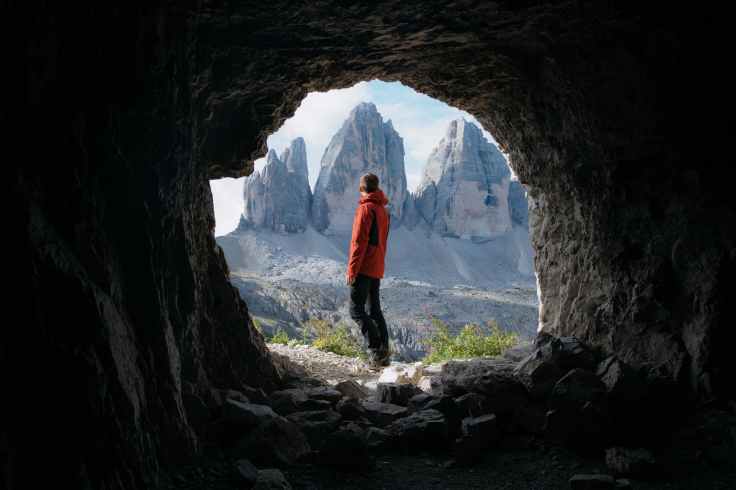
God has given us seasons– where I live, there are dramatic changes from summer to autumn– in other regions, there are changes from rainy season to dry season. Each change gives us time to pause and notice where we have been and where we are headed.
The same is true in our personal lives– we go through seasons of change. Children grow to adulthood; young parents become empty-nesters (eventually); hectic days at the office give way to days at the doctor’s office; bank accounts and circles of friends grow or shrink.
In every season, we should give thanks– for health, youth, and wisdom, as well as trials that refine us, and discipline that shapes us.
In reply Jesus said to the disciples, “If you only have faith in God—this is the absolute truth—you can say to this Mount of Olives, ‘Rise up and fall into the Mediterranean,’ and your command will be obeyed. All that’s required is that you really believe and have no doubt! (Mark 11:22-23– The Living Bible)
Have you ever said to a mountain– “Rise up and fall into the Mediterranean?” I doubt any of us have done so. But is that what Jesus really meant when He gave this instruction to His disciples? What was He really trying to say?
The Bible is crammed full of literary devices– metaphors, parables, hyperbole, personification–and yet people get criticized for reading it too “literally” or too “literarily.” In this passage, Jesus uses hyperbole to show that we can boldly pray about ANYTHING– there is nothing too big or too impossible for God to accomplish. But Jesus is not suggesting that we foolishly ask God for ridiculous things just to demonstrate His power. In fact, Satan tempted Jesus in this very way in the desert (see Matthew 4:1-11 and Luke 4:1-13). He asked Jesus to throw Himself off the highest point of the Temple, to prove that angels would come to His rescue and He wouldn’t be hurt. But Jesus rebuked him, saying, “it is also written, ‘Do not put the LORD your God to the test.'” So, it seems that Jesus is not “literally” asking His disciples to move physical mountains just to prove it can be done.
To put this scene in context, Jesus had passed by the same road just a day before, and looking for a snack, He had passed a fig tree, but the tree had no fruit. Jesus casually made a pronouncement– “You shall never bear fruit again!” When He and the disciples pass that way again just a day later, the tree has withered, and the disciples are astonished. But the lesson here is not about trees and mountains– it is about Faith and about the power of our Words.
We may never have cause to move an actual mountain, but there are many metaphorical “mountains” that we must climb or go around in life. And many people will sneer at Jesus’s assurance that if we have faith, such mountains can be told to “Rise up and fall into the Mediterranean.” That cancer diagnosis; the horrible boss at work; those medical bills that seem impossible to pay off; the pain of abandonment when your spouse demands a divorce– we can pray fervently, tearfully, desperately, only to see the mountain seem just as immovable as ever.
So, what DOES Jesus really mean? Is He lying about the power of faith? Is He setting us up to pray for disappointment? What can we learn from the mountain analogy? What can we learn from the fig tree?
I don’t have a complete or definitive answer. But I can share a couple of insights. As I said above, I don’t believe the lesson here is about the tree or the mountain. It’s about Faith, the power of words, and ultimately, about perspective.
Let’s start with the tree. Jesus is hungry. He goes to a tree, where he hopes to find a fig. But the tree offers nothing. Jesus could walk away, grumbling about the tree. “Stupid tree! I wanted a fig, but NOOOO!” What a childish outburst that would have been. And I have been guilty of this very kind of silly complaining and grumbling over a car that doesn’t start, or a weed that pops up in my garden, or a co-worker who said something that hurt my feelings. Notice what Jesus DID– He addressed the tree. He did not complain to the gardener or punch the tree trunk or rant in the street or spend the rest of the day nursing His disappointment. By the next day He had completely forgotten the incident– it was His disciples who were still interested in the tree. Jesus had moved on.
How often do I wallow in hurt, frustration, or guilt? How often do I replay conversations in my head, or waste time trying to assign blame for my circumstances? How often do I go behind someone’s back to complain, instead of asking for clarification or confronting a misunderstanding? How long do I chase down an apology or an explanation from someone else for my own hurt feelings and bruised ego? Jesus asks us to be proactive–to speak up in prayer, in conversation, and yes, sometimes even in confrontation.
A final thought about the withered fig tree. The same Jesus who used His words to heal lepers and forgive sins, used His words to wither the fig tree that had not served Him. He did not scorch the fig tree or take and ax to it and chop it down, but in judgment, He caused the tree to wither. Jesus had the power to judge the Pharisees, the demons who tormented people, the tax collectors with whom He dined, and the prostitutes He forgave. With a single breath, He could have destroyed the Roman oppressors, wiped out the corrupt priests, and cleaned up the masses of beggars and thieves of Jerusalem. But instead, He told stories. He fed the hungry. He gave sight to the blind. And He warned the hypocrites of the judgment to come if they did not repent. Words are so very powerful. What we say, (and what we listen to) we will come to believe. The Bible tells us that “Nothing is impossible with God.” (Luke 1:37; Matthew 19:26)
The disciples were focused on the fig tree when Jesus dropped a bombshell pronouncement. “Say to this mountain…” But it wasn’t about the mountain. It was about the “impossible” power of God. It was about looking beyond the mountain and addressing the real obstacle– lack of faith and perspective.
The Apostle Paul spoke of a “thorn in the flesh” (see 2 Corinthians 12:7-10). Three times he prayed that God would remove it, and God said, “No.” But God also gave Paul a different perspective– it wasn’t about the “thorn,” it was about pride. Paul’s continuing struggle with his “thorn” meant that he had to rely on God’s power to overcome his physical weakness. Paul’s “mountain” of pain could have stopped him from doing God’s work. But God moved the real “mountain”– Paul’s reliance on his own passion and drive– and threw it into the sea, so that Paul could move on in his real purpose.
In a very small way, I had a “mountain moving” lesson years ago at work. I clashed with my “new” boss. I found her verbally harsh toward my fellow co-workers, and I disagreed with her vision for the future of our workplace. I campaigned and complained, and I prayed that God would expose her corruption and remove her from our workplace. But it wasn’t about the “mountain” I saw in my boss. God moved me (and later her) out of that job and into new opportunities. And He showed me how my own attitude had contributed to the problem and not the solution. I had to track her down and apologize for MY actions and forgive her. And suddenly, the “mountain” I had made of the situation was gone! But I had to come to the point of believing that God would remove the actual “mountain” and not the one I had created.
In larger ways, I have seen cancer patients who have thrived in spite of their condition; I have seen others pronounced cancer-free. I have seen lost family members restored to Faith and relationships healed. I have seen God’s provision and protection in seemingly impossible situations. God CAN move mountains! And God WILL make a way, where there seems to be no way! But I have to ask, and believe, instead of complaining and isolating, or hiding in the shadow of my own “mountains.”
Will I believe that today, even when I can’t see how He will do it? Will I ASK Him to move my mountains– both large and small? Will I ask God to show me all that is possible through His power? In His way and in His time? Will I ask Him, not just for what I think I want or need, but for ANYTHING that HE wants for me? Because when I do, when I turn my focus from the mountain to the Mover of Mountains– Amazing things WILL happen!
17 As iron sharpens iron, so a friend sharpens a friend.
I’m not really sure why this single verse, this single idea, has been rattling around in my mind lately, but this is the phrase that keeps coming back. So here’s what I’ve been thinking:
Iron –God uses a lot of imagery, analogy, parable, and metaphor throughout the Bible. What does this image suggest? Iron is hard. Iron is used for tools and (in Bible times) weapons. Iron is strong. Iron is forged in the fire. Iron being sharpened can bring out sparks. Iron crafted by a master blacksmith can be forged, shaped, smoothed, hardened, and, yes, sharpened.
God calls us to be useful– light, salt, vessels, iron, hands–we have purpose; we have work to do during our time on earth. Sometimes, that work calls for us to be steadfast, immovable– like iron. But iron that is not being used can become brittle, or rusty, and lose its edge.
“Iron sharpens iron“– We don’t always use iron to sharpen iron– sometimes we use honing stones or grinding wheels or even strops. But we don’t use cheese to sharpen iron– it won’t work. We don’t sharpen it with paper or “positive energy” or a block of wood. How are we staying “sharp”? Do I make an effort to sharpen my skills, my knowledge, my service, my body, mind, and spirit? Am I using the right method and materials to stay sharp?
Who or what do I turn to when I want sharpening? Do I have friends who keep me accountable (and vice versa)? Do I even WANT to stay sharpened and ready for service? Or do I serve without guarding my edge until it becomes dull and useless?
Iron sharpens iron– but not always. Sometimes iron blunts iron. Sometimes it cuts away at it. Sharpening is not accomplished by just banging pieces of iron together randomly. There are circumstances, habits, people, or activities that try to chip away at my surface, that try to crush or bend or destroy. There are others that are not made of iron; they cannot help me stay strong and sharp. I need to be deliberate and careful about what and who I include in the sharpening process. I also need to be as deliberate and as careful about who I “sharpen”. We are here to live, and work, and build relationships together. But I need to learn when and how to “sharpen” others in my life. Otherwise, I can cause great damage to others and to my own soul.
What can I do to keep sharpened and help others stay sharp?
Pray. I don’t have answers, I don’t have the power to stay sharp on my own. But God is the one who can give us wisdom, power, and send us all we need (2 Peter 1:3) Also, seek out a prayer partner or prayer group.
Get involved in Bible Study– seek out a Bible Study group or an on-line resource where you can ask questions, have meaningful discussions, and share insights.
Seek out “iron” friends– friends who will hold you accountable, who will offer support, but also share their own struggles. We all have friends who fill one or the other of these roles, but seek out friends who are not merely takers or givers, but true brothers and sisters in the faith.
Don’t run away from challenges, “tough” questions, and earnest discussions–that doesn’t mean that we need to get pulled into senseless arguments, either; but we are disciples— that’s the same root word as discipline! We need to come out of our comfortable corners and exercise our faith.
As iron sharpens iron, so a friend sharpens a friend— such a short verse, but it’s packed with wisdom and promise.
Everything I thought I wanted
Was more important than
Spending time in prayer that day.
The noise of the radio in the background;
The daydreams and worries in my head-
Drowned out
That still small voice.
As the day passed by
My thoughts and actions
Turned…
Your presence
Nowhere to be found.
My worries and fears
Cancelling out
Faith.
UNTIL– I saw Your power in someone else’s life, giving ever increasing
Faith;
Cancelling out
My worries and fears–
(Nowhere to be found).
Your presence
Turned
My thoughts and actions
As the day passed by.
That still small voice
Drowned out
The daydreams and worries in my head;
The noise of the radio in the background.
Spending time in prayer that day
Was more important than
Everything I thought I wanted.
Mid-term elections are coming up! I have been bombarded lately with political ads–and that takes some doing, since I don’t have television and don’t listen to the radio– still two major sources of “coverage” used by most candidates. And many of the political ads are deceptive, in that they don’t seem to be “for” or “against” a particular candidate– rather they are trying to encourage me to see a particular issue (healthcare, immigration, gun control, education, taxes, etc.) in a particular way, or vote based on a single polarizing issue. I get very frustrated with the intense saturation and obvious propaganda, but overall, I am thankful that we have the freedom to state our political preferences and encourage everyone to vote– hopefully based on thoughtfully looking at the issues, policies, and consequences of the actions proposed by the candidates.
One thing that frustrates me is the conflation of politics with religion and Christianity in particular. God is apolitical…He is not a Republican or Democrat, a Socialist, Fascist, Capitalist, or even monarchist. He is not American, Canadian, British, Honduran, Somalian, Laotian, Korean, German, Bolivian, Syrian, New Zealander, Nigerian, Greek, or Pole. His Kingdom is a Theocracy– He is the sovereign and absolute ruler. He does not consult with a Senate, or Assembly, or Cabinet, or Ministry. He cannot be “voted” in or out, succeeded, or supplanted. He allows for and even institutes worldly governments– He raised up priests and prophets in Israel and founded their Monarchy–but He also tears down corrupt governments and destroys empires.
So, when we pray for government officials, we are not doing so based on their merits in our eyes. We’re not praying for them based on their religious or political party affiliation. We’re not even praying for them based on what we perceive to be their merit in God’s eyes! After all, when the Israelites were exiled to Babylon, Daniel prayed for his mentally unstable, oppressive, captive ruler, Nebuchadnezzar! When we pray for upcoming elections, we do not pray for the best result, based on our personal political preferences…or we shouldn’t. We should be praying that God will be honored by our vote; that our nation (and its leaders) will recognize God’s sovereignty and act in obedience to His will; and that we will be prepared for God’s blessings or corrective punishments as He sees fit to bring them…that we will learn from those in authority, pray for them with sincerity and good will, and use our vote as stewards of Grace, and not as power-hungry, politically rabid puppets trying to create a substitute Kingdom of God within our own state or nation.
Consider King David– God had anointed him King of Israel to succeed King Saul, who had fallen out of favor with God. David was hunted down as a traitor by Saul, his own father-in-law, and forced into exile. Yet he continued to faithfully pray for and speak kindly of Saul. When given the opportunity to kill his tormentor and take the crown, he refused– even though God had promised him the kingdom BECAUSE Saul had become corrupt. (see 1 Samuel, chapters 16, 19, 23 and 24) David still prepared to become King–he learned many lessons during his exile that made him an excellent king– diplomacy, warfare, economics, and listening to his future subjects. Most importantly, he learned from the bad example of King Saul that he should not second-guess God’s purposes and timing.
Prayer isn’t about asking God to give us what we want– not on a personal level and not politically. It is about asking God to help us want (and learn from) what He gives!
Bow, kneel, stand; hands folded, hands raised, hands clasped–there are many positions we assume when praying. And different types of prayer seem to have different positions. We tend to say grace seated or standing behind our chair at the table. Some families hold hands; others bow their heads and fold their hands. Some corporate prayers call for kneeling; others are said standing. Some people bow, some kneel on the floor with arms outstretched; some curl up in their favorite easy chair; some face east or toward a certain focal point; some touch or hold an object, like a rosary or a Bible, or the wall or surface of a sacred place. Some pray with eyes closed; others with eyes raised toward Heaven.
Does any of this posturing and positioning really matter? Does God have a preference? A requirement? Does He get offended if I stand, or keep my eyes open or neglect to hold my hands a certain way?
The answer is not as easy as one might think–The Bible has many specific accounts of prayer, as well as many commands and guidelines. Hebrew priests stood with hands raised to pronounce blessing and to seek God’s favor. King David’s psalms are poetic prayers. They don’t often describe a position of standing or kneeling, but many of them imply a position of lying down, pacing, clapping, shouting, climbing, etc. Jesus often prayed alone, and spoke of praying privately– in corners and closets away from prying eyes and listening ears. On the night of the Last Supper and in the Garden of Gethsemane, the Bible describes Jesus as praying while “looking toward Heaven” (John 17:1), and later, “he fell with his face to the ground and prayed.” (Matthew 26: 39)
All this indicates that positions matter in relation to the function or the nature of the prayer. And that’s where I want to focus my thoughts today.
God isn’t displeased if I stand to pray, rather than kneel–unless I am standing in pride and arrogance. He is pleased if I kneel in humble and contrite spirit, but not if I kneel out of false humility or to impress others with my self-righteous posturing. If I bow my head at the table out of habit, and forget who I am supposed to be talking to, or “pretend” to kneel instead of leaving the comfort of my chair– then I may need to take a new position; a new attitude of prayer.
God isn’t impressed with our physical position in prayer– but I believe he wants our whole self, our undivided attention and our physical and emotional expression and attitude. Sometimes, the physical position comes as a natural extension of our grief, our joy, our reverence, and our stillness before His throne. Other times, our physical position brings us out of our pride, our busyness, and prepares our heart attitude.
I have had moments–even days– when I was not naturally motivated to quiet my spirit, bow my head or my heart, and kneel before my Maker. But in kneeling, and bowing my head, and closing my eyes, I was positioning more than just my body. I was coming in obedience to the one– the only one– who can transform my mind, renew my spirit, and soothe my restless heart. Other times, I could not kneel for the joy and exuberance of the moment. Standing on tiptoe, hands raised, head raised, and heart raised, I sang out to my Father in gratitude and awe.
So the answer to the question– Does our position in prayer matter?– would seem to be, “no.” What matters is our attitude. God is not impressed or fooled by an outward show–he is concerned with our heart’s desire to be close to him. There is, however, one position that is pivotal in the pursuit of prayer. That is the position of Faith. In Hebrews, we are told that “without Faith, it is impossible to please God, for whoever comes to him must believe that he exists, and that he rewards those who earnestly seek him..”(Hebrews 11:6) Jesus spoke of faith that can move mountains, even if it is the size of a mustard seed. Whether kneeling or standing, grieving or rejoicing, our prayers must be accompanied by faith– faith that God exists; that he is loving and gracious and all-powerful to save; faith that our “position” in him is one of reconciliation and renewed life through his grace and the finished work of Jesus Christ; faith that he will hear our prayers and answer according to his will; faith that his will is altogether good and perfect– even when we don’t understand it in the here and now.
One final thought–though the Bible does not specifically require that we kneel to pray as we pursue a relationship with him, it does declare that one day, “at the name of Jesus, every knee should bow, in heaven and on earth, and under the earth, and every tongue confess that Jesus Christ is Lord…” (Philippians 10-11a). I can practice kneeling in this life, knowing that it won’t go to waste!
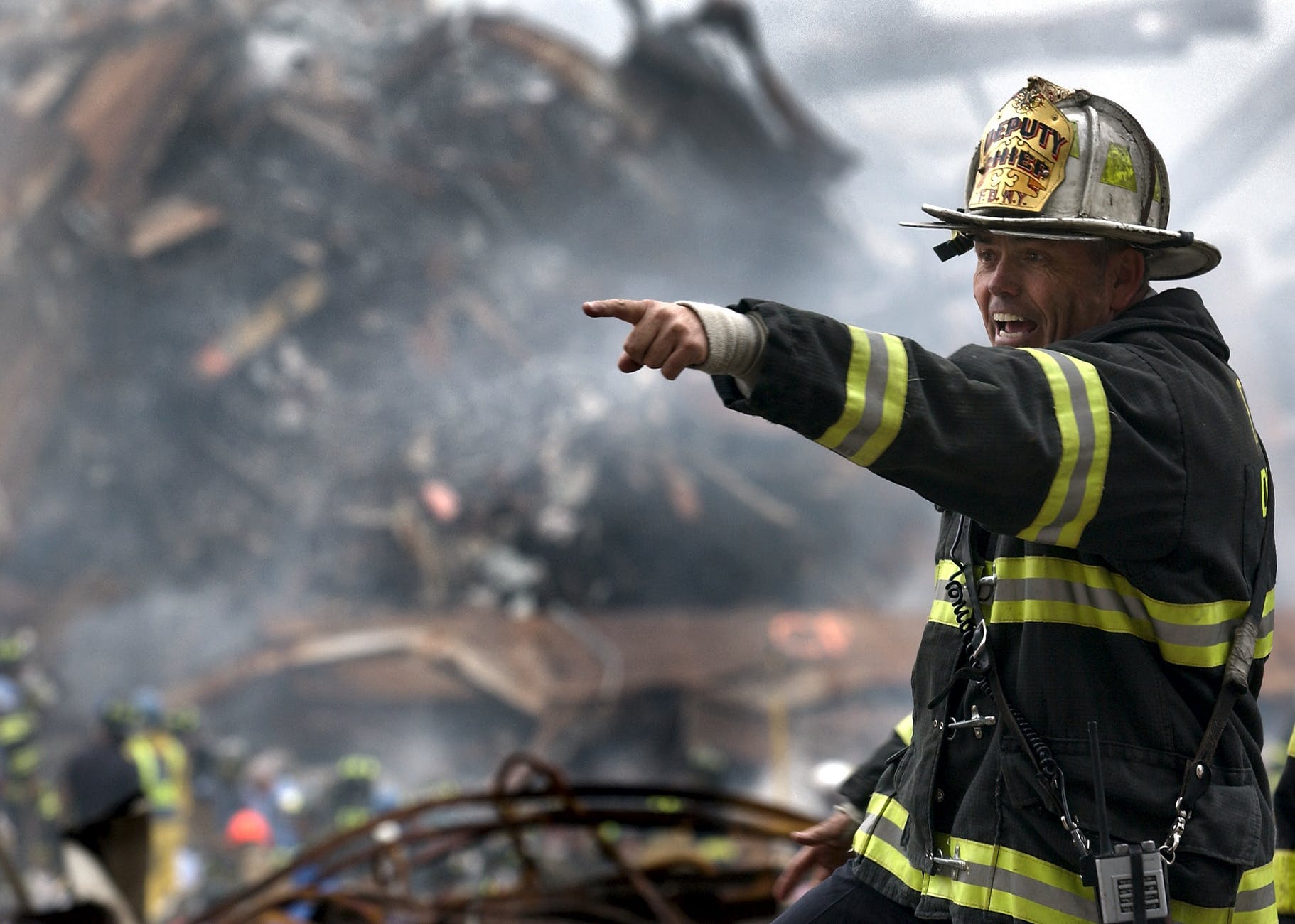
Twenty-five years ago today, I was, like many people around the world, glued to a TV watching with horror as the Twin Towers of the World Trade Center in New York City were spewing fire, ash, paper, and even bodies before collapsing. I sat in shock as I watched footage of the second plane smashing into the south tower. People running away as rescue vehicles rushed toward the panic. And as the towers fell, the smoke rose, filled with the last breaths of those trapped inside, along with the collective breaths of their families, friends, and the world. A silent gray gasp– a frozen moment of silence in the midst of sirens and screams. Time stopped at least twice that day. Motions and emotions were suspended in those columns of smoke– love and memory, hopes and dreams– all drifted silently away from the open wound that was lower Manhattan.
Reports came of further hijackings and an attack at the Pentagon. We were stunned; we were horrified; we were helpless.
And then, amazing things started to happen. Stories of heroism and miraculous rescues. The initial estimates of people killed ranged in the tens of thousands–all morning, they climbed higher– by Wednesday, they began to fall as more people were located. Others were rescued from the debris as thousands of workers poured in to help. Caravans and convoys of supplies– food, water, medical supplies, rescue workers and excavators– rolled, sailed, walked, or were ferried in. In the first years, more stories emerged. As horrific and tragic as the events of 9/11 were, they could have been even worse. The initial panic morphed into resolve. People who wouldn’t have spoken to their neighbors now worked side by side in shelters and clean-up efforts. People who shouldn’t have lived through it did, while others who wouldn’t have cared willingly shared their time, their resources, their skills, their homes, and even their lives to help others.
Ironically, the buildings were designed to withstand a hurricane. The buildings of the World Trade Center were built with the hope that they would be strong enough to survive high winds and floods; able to provide emergency shelter and protection to thousands in the event of a natural disaster. They were leveled by an unnatural force of evil and hatred meant to destroy life, liberty, and the pursuit of happiness.
There are no man-made towers that can protect against the force of evil in our world– mighty winds of change, forces of nature, powerful attacks, acts of war, and collapse can occur without warning. There is only one strong tower that can withstand the deadly forces of sin and hate and despair. God stands firm and unshakable, offering to save all who come within His embrace. He may not bring us through without wounds; He may even allow us to go through the valley of the shadow of death. He doesn’t promise perfect weather or days without struggles. He won’t remove us from the storm, but He invites us to take our shelter in Him. He won’t make you take shelter; he won’t make you evacuate your house built on the sand. He may calm the storm or stop the winds and waves. He may ask us to weather them in their full force. We may even lose this mortal life, but He will keep the soul that is stayed on Him. And He won’t leave us to face the storm alone.
Today, storms are ravaging other parts of our country. I pray for those who are remembering that horrible day in 2001, and those who are facing an uncertain 9/11 today. May each one feel God’s strength, shelter, and comfort in the midst of this life’s storms.
The world is full of surprises– some good, some bad. Open your mailbox on any given day, or walk down the street…you are bound to see something unexpected. You may get a bill you forgot about, or run into an old friend. There are surprises in the weather patterns, in traffic patterns, in relationships, in jobs, all around our houses and neighborhoods, in world events. Some are shocking, some delightful, and any of them can change our days or even our lives.
We like pleasant surprises; we fear the unpleasant ones. But most of us don’t pray for them. We pray for miracles–healing and rescue and transformation–pleasant outcomes that we hope for or imagine. We pray for ease and comfort, or wisdom and strength to face the bad times. But we don’t ask God to surprise us.
Why don’t I ask God to awe me? Dazzle me? Surprise me? Sometimes I fear that he might surprise me with what my past actions deserve. More often, I simply want to stay in the comfort and simplicity of what I already know. I don’t want to be delighted; I just want to be entertained.
One thing I know, but I need to be reminded: God does not give bad surprises. He does not send ANYTHING into my life that can’t be used for my good and his glory. The world will send tragedy and I will have to face the consequences of Sin– mine and others’. I may be unfairly treated at work; I may be struck by a drunk driver and paralyzed. I may face difficult losses, and inexplicable circumstances. And the mistake is to see these as “surprises” from God. God never promised a pain-free, problem-free life in this world, but he surprises us with the kind of gifts that overcome and even confound our tragic circumstances– the power to forgive, to be joyful, to have peace, and share love.
John 16:33English Standard Version (ESV)
33 I have said these things to you, that in me you may have peace. In the world you will have tribulation. But take heart; I have overcome the world.”
Matthew 7:9-11New International Version (NIV)
9 “Which of you, if your son asks for bread, will give him a stone?10 Or if he asks for a fish, will give him a snake?11 If you, then, though you are evil, know how to give good gifts to your children, how much more will your Father in heaven give good gifts to those who ask him!
The road ahead is full of surprises–that’s a great reason to pray. God loves to surprise us with good things– that’s another great reason to pray for them!
Have you ever been puzzled by prayer? Prayer is very mysterious. It’s difficult to explain how it “works.” I ask God to do something– sometimes I ask for very specific things. And if God chooses, He sends me exactly what I have asked for. But what if He doesn’t? Does that mean that He didn’t hear? Or does it mean that I am “out of favor” with Him? If God answers a very specific prayer, is it because I prayed for that specific answer or would He have done it anyway? Does my prayer change God’s plans, or does God cause me to pray what He wanted to do from the start? I can’t give a definite answer, because God’s ways are NOT my ways. I don’t fully understand how prayer operates.
But I don’t have to puzzle about prayer. I don’t have to analyze and dissect the various elements of prayer or of God’s Sovereign will in order to pursue prayer. Prayer has very little to do with any of the variables I can understand or control. Prayer is communicating (hopefully in an intimate and worshipful way) with a Sovereign and Holy God. If I could figure out the “how” I would not so treasure the WHO!
There are some guidelines, however, that make prayer a bit less puzzling and more practical:
Prayer isn’t about ME. I don’t have to be perfect, or eloquent, or righteous in order to call out to God. His answers don’t depend on who I am (status) or what I’ve done (performance). He doesn’t “grade on a curve,” and He doesn’t have favorites. “Whosoever” is a word that comes up often in Christ’s teachings, and I need to remember that NOTHING can separate me from the Love of Christ (see Romans 8:38-39), and ONLY Christ has made that possible (see John 15:5 and Acts 4:12)
Prayer isn’t about me, but it is FOR me. God already knows my thoughts, feelings, and attitudes. But He invites me to pray, so that WE can enjoy a relationship. God can survive and thrive without me, but I can’t live an abundant (and certainly not an eternal) life without Him. We were created to live in relationship– with others and with Him– and you can’t have a relationship without communication. And you can’t have a fulfilling relationship if the communication is only one-sided! God communicates with us in many ways– He’s given us His Word, He sends us the Holy Spirit, and He sends wisdom and encouragement through other people. But prayer is our way of responding! Browse through the Psalms and see how deeply personal prayer can be!
Prayer ISN’T transactional. Because prayer is meant to be relational, it is deep and personal– not shallow and transactional. In other words, it isn’t about WHAT I’m praying for or WHAT God gives in response. It is about sharing WHO we are– prayer may or may not answer my immediate circumstances, but it WILL answer (eventually and satisfactorily) the cry of my heart and allow me to know God more fully. While I can keep a record of how and when God has provided answers to my prayers, to remind me of His tender care or to encourage me as I face new challenges, I do not need to keep a “scorecard” of God’s answers– it is not a competition or a power play.
Because prayer is not transactional, it’s not really about the results. Of course, that is what we, in our lack of knowledge and understanding, can point to and keep track of, but Faith causes us to “see” the results that don’t yet exist (see Hebrews 11:1 and 6), and have confidence that God WILL act according to His Holy character and perfect will (see Hebrews 11:39-40). We pray BEYOND what we can see and know, because God is greater than our circumstances!
Prayer isn’t a procedure; it is a process and a pursuit. Because prayer is part of an ongoing and deepening relationship with God, it is never finished. We may say “Amen” at the end of each prayer, but really, prayer is a continuing conversation, not a task to complete. God may not answer a single “chat” when He wants to develop a conversational thread or an ongoing discussion.
God’s ways and plans are mysterious and majestic in ways my mind cannot grasp. I can puzzle and protest and whine about what God chooses to do, and when and how He chooses to do it, but I cannot tell Him how or when or why He MUST do anything. Because I can only guess at outcomes and results. God KNOWS. And even when His ways don’t seem to make sense, I can trust Him, not because I know the answers, but because I know HIM!
What do I mean by “paltry” prayer? “Paltry” is more than just small or weak. It is “inferior; trashy; trivial; measly; despicable…” (Merriam Webster dictionary)
Paltry prayer is generic and insubstantial. It’s like the horrible small talk at a social event one doesn’t want to attend, but feels obligated to show up at, because it’s expected. When we throw up a prayer, but we really don’t want to get “real” before God, we’re offering crumbs instead of a sacrifice; face-time, instead of intimate conversation.
There are times when we cry out in desperation; we have no words or fleshed-out thoughts, only groans. That’s not what I’m talking about. I’m talking about the times when we want to reassure ourselves that we’re one of the good guys– that our plans and wishes have God’s stamp of approval–without actually risking God’s authoritative answer. “God, help me to do your will today,” sounds like a great prayer, but do we really mean what we’re saying? Or are we really asking God to approve of our own will and plans as we go through the day?
I’m especially concerned that we are offering paltry prayers in regards to evangelism and revival. We want it to come– we want God to send a fresh wave of revival to our communities, our country, and our world– but let it begin and end without making us too uncomfortable, too aware of our own need for confession, forgiveness, or change. We want our neighbor to be saved– without the pain of witnessing and being laughed at or ostracized. We want to be emboldened to witness, but we don’t want to be humbled into listening. We want to be blessed; we don’t want to be tested.
I get very discouraged sometimes, when I realize that my own prayers have been paltry. But there is good news– the same loving Father that wants deeper conversation with me is endlessly forgiving, encouraging, and loving. And I am not alone in offering meager conversation or selfish complaints before His throne.
Jonah (yes the “Big Fish” guy of the Bible) was a prophet– a very successful one, except for the episode with Nineveh. Not only did Jonah run as far from Nineveh as a ship could take him; he basically committed suicide to avoid doing God’s bidding. When his shipmates are in a panic, Jonah demands that they throw him in the sea. This is not as a result of consulting with God, nor does the Bible suggest that it is at God’s command. The sailors continue to panic at the thought of throwing Jonah overboard, and are astonished when the storm stops as Jonah sinks toward the ocean floor. If not for the fish, Jonah would have drowned. God sent the fish to save Jonah, but there is nothing to suggest that Jonah had any idea of being rescued. However, from the belly of the fish, Jonah lifts up a poetic prayer, in which he sings the praises of the God who spared his life. He marvels at his rescue and restoration, and vows to go back to Nineveh and fulfill his destiny. His prayer strikes all the “holy” notes one would wish to see, but I would contend that this is, at its heart, a paltry prayer– sincere in the moment, but not the prayer of a man fully transformed by his near-death experience.
Fast forward to the fourth chapter of the book of Jonah. Nineveh has heard Jonah’s message about God’s wrath and impending judgment; the people have had a miraculous change of heart, and God has agreed to spare them from destruction (for a time– the Ninevites went back to their old habits and were eventually destroyed). Imagine if the late Billy Graham had held a rally in Moscow or Tehran or Los Angeles and the ENTIRE CITY had repented?! This is success beyond imagination. But we don’t find Jonah grateful and poetic as he was at the end of chapter two– instead, he is hateful and bitter, and praying for death! God causes a small vine to grow and provide some shade for Jonah as he sits and sulks, but then he sends a worm to chew up the vine so it withers. Jonah is more heartbroken at the loss of the vine then he was over the possibility of the destruction of an entire city. Jonah’s story doesn’t end in triumph, but in triviality.
Prayer is a great opportunity to pour out our hearts before God– but it also reveals the content and character of our hearts. If our prayers are paltry and our hearts shallow, God will often humble us. But he will also rescue us from our own sinfulness and sulking, and give us all that we need to finish victoriously. The book of Jonah is a great cautionary tale– let’s learn from it, today.
What can we do to make our prayers less “paltry” and more proactive? Check out the suggestions on the attached pages of this blog, or look online for prayer groups and prayer sites that offer constructive ideas.