The Just and the Unjust

“God isn’t Fair!”  I hear this often from angry and bitter people who have suffered losses or disappointments in life.  Some of their losses are heavy and come with great pain– loss of a child, loss of a home, loss of health…these are legitimate losses, and there are no conclusive, comprehensive or comforting answers.  In fact, in many ways, God is NOT “fair”– as we usually define “fair.”  God sends life, health, happiness, sunshine and rain to both the “just” and the “unjust”; to both rich and poor, tall and short, ugly and good looking, gracious and annoying, kind and cruel…  Tragedy strikes at random, some are touched by it, others seem to be plagued by it, and still others skate through life unscathed.

God may not seem “fair”, but let’s look at it from another angle.  God sends rain and sunshine on the just and the unjust.  He sends gifts, and we use, abuse, accept, or reject them.  Circumstances and outcomes are not always pleasant, but does this mean they are “bad?”  And when they are easy, and comfortable, does this always make them “good?” Good people have to endure tragedy– this is usually what we focus on when we talk about God being “unfair.”  And we generally put ourselves in the “good” category.  Why should we have hardship and pain, while “bad” people seem to get a “pass?”    Shouldn’t bad things only happen to bad people, while good people enjoy only good things?  Sounds “fair”, doesn’t it?

But what happens when the world operates on that principle?  If “bad” people are the only ones who get sick, then they deserve to be sick– not healed.  If “bad” people are the only ones to experience poverty, then we don’t need to help the poor or the needy.  Good people should be rich and healthy.  But what if we are sometimes good, and sometimes selfish?  Do we deserve to keep all that’s good if we misuse it, or lose all that’s good if we go astray and then repent?  Is that fair?!  Where is the motivation to cure diseases, share resources, or enforce laws?  Who decides whether your “good” idea is “good” for everyone around you?  Who can ascend to heaven and tell God what is “fair?”

God created us in His image, and that means that we have a spirit that longs for justice and fairness.  It’s how we recognize evil and injustice.  But sin clouds our eyes, and poisons our world–pollution doesn’t just hurt the people who pollute; arson doesn’t just burn the arsonist; drunk drivers don’t just hurt themselves; and so on.  We don’t look at the evil or thoughtless or “unfair” things we have done or said that went unpunished or unnoticed.  And we discount all the unmerited blessings that have come our way– God is often “unfair” in our favor!  We don’t complain about that.

God is not the author of “unfairness”, though He allows it.  And, while I can’t explain away pain and suffering when they occur, I know two things:

God is Gracious– If God’s justice were not tempered by mercy, every mistake, every sin, would be unforgivable and eternally ours to bear.  Every random thoughtless action, and all its consequences, would weigh us down forever.

God is Just–Jesus’s death was about redemption and restoration– He didn’t just die to “save” you from hell– He died to restore you to the person and position for which you were created– whole, pure, unstained and uncorrupted.  This wasn’t “Plan B”– this was His eternal plan, and it includes perfect justice and perfect restoration.

cross jesus summit cross

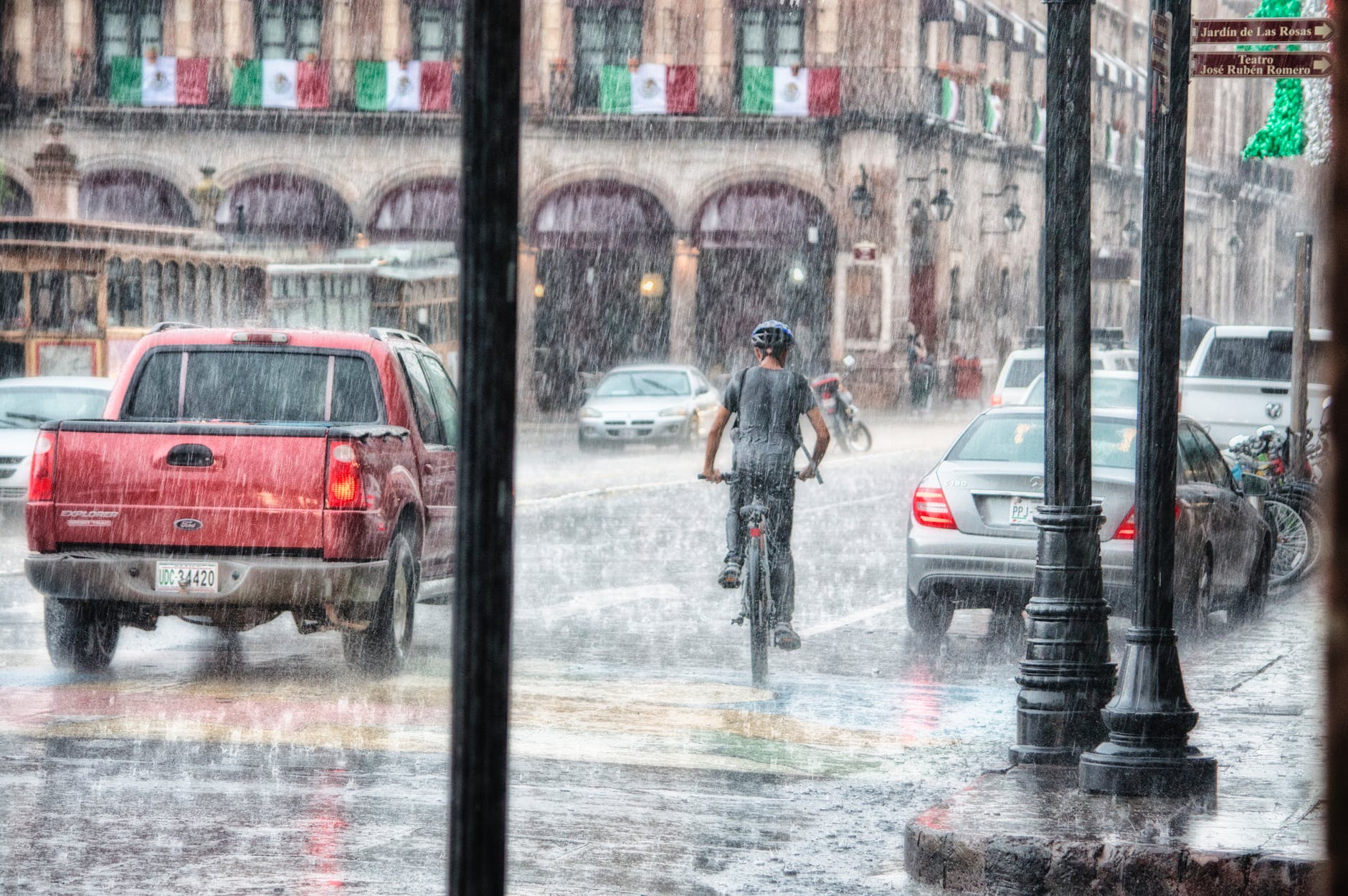
Knowing these things does not take away the pain of the present.  It does not make suffering easy; it does not erase the loss.  But it can allow us to take the next step, and the next, on our journey.  Rain or shine.


Looking Back

pexels-photo-273011.jpeg

In my pursuit of prayer, I have found it helpful to keep a Prayer Journal.  One of the reasons is that I can look back and see what prayer concerns and issues I prayed for weeks, months, or even years ago.  I also save space in my journal to go back and fill in how God answered those requests, or what progress has been made in those areas of concern.  see also: Proactive Prayer Points

The Bible warns us to be very careful about looking back…the most famous example is the tragedy of Lot’s wife (Genesis 19).  In looking back, she lost her chance to rebuild a life after the destruction of Sodom and Gomorrah, and was turned into a pillar of salt.  In the book of Exodus, the newly freed Israelites grumbled about their circumstances and looked back with fondness on their lives in Egypt, forgetting their oppression in their homesickness for certain foods (Exodus 16).  Spending too much time and energy on the past leaves us with little motivation and energy for the present or future.  The past should never become more important to us than moving forward.  If we long for the past, if we romanticize it or cling to it, fearing the changes and opportunities to come, we can stagnate, and miss the blessings playing out right before our eyes.

pexels-photo-191842.jpeg

But we should take some time periodically to look back in order to gain perspective.  The same Children of Israel who grumbled about leaving Egypt, once they arrived in the Promised Land, were commanded to remember their wandering in the wilderness, and told to teach their children about the past (Deuteronomy 8).  Holidays and religious rites were instituted as reminders of the past.  But this kind of looking back gives us renewed encouragement, incentive, and momentum to keep going by showing us how far we’ve come, and reminding us of God’s faithfulness.

One of the great benefits of reading through the Bible is that we are reminded of all the times God acted on behalf of His people– from providing for the Israelites in their 40-year desert odyssey, to protecting Christ’s early disciples as they spread the Gospel. God’s faithfulness is demonstrated time and again– for His Glory, and for Our benefit. God was at work then, and He is still at work in our own time! One great old hymn challenges us to “Count (our) blessings– name them one by one. Count (our) many blessings; see what God has done!” It is encouraging and inspiring to call to mind all the times that God has “shown up” in difficult circumstances or protected us from other dire events or losses that we don’t even know about.

I am especially encouraged when I see how God has answered prayer–so often, I’ve forgotten about trials and struggles that have come my way–issues that seemed huge in the moment, but in hindsight look insignificant.  Sometimes, God’s answers were immediate and breath-taking.  Sometimes, they were subtle and were revealed in several stages.  Sometimes, the answers revealed how God was working beyond anything I imagined!  Often, the requests reveal how I have grown (or not!) to trust him more or to listen better to those around me.

pexels-photo-1007977.jpeg

And, just like that, I also have material to add to today’s prayers– gratitude for prayers answered, hope for new growth, praise for God’s faithfulness, and confession for times I have doubted or looked back in envy or regret.

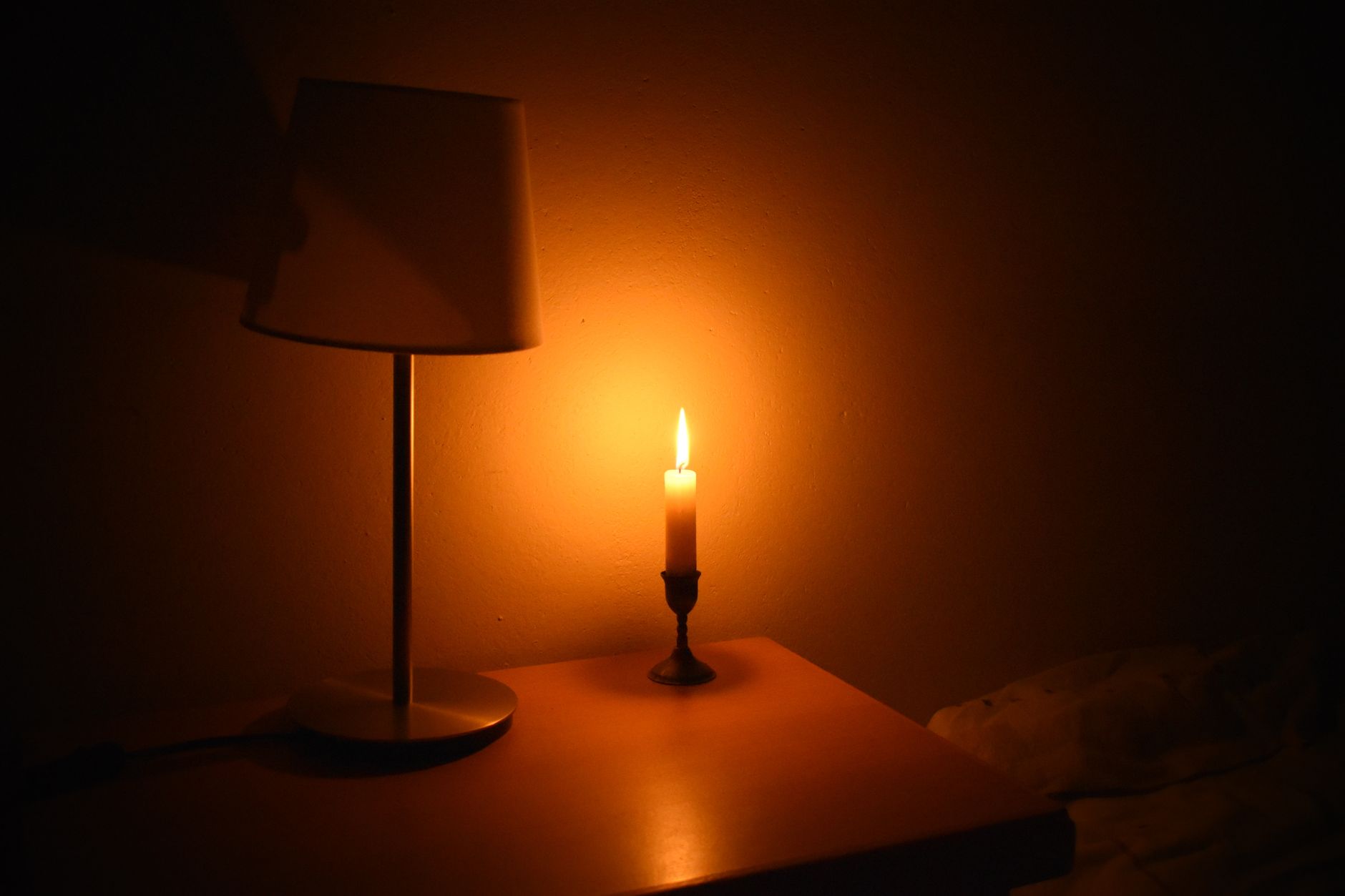
Prayers in the Dark

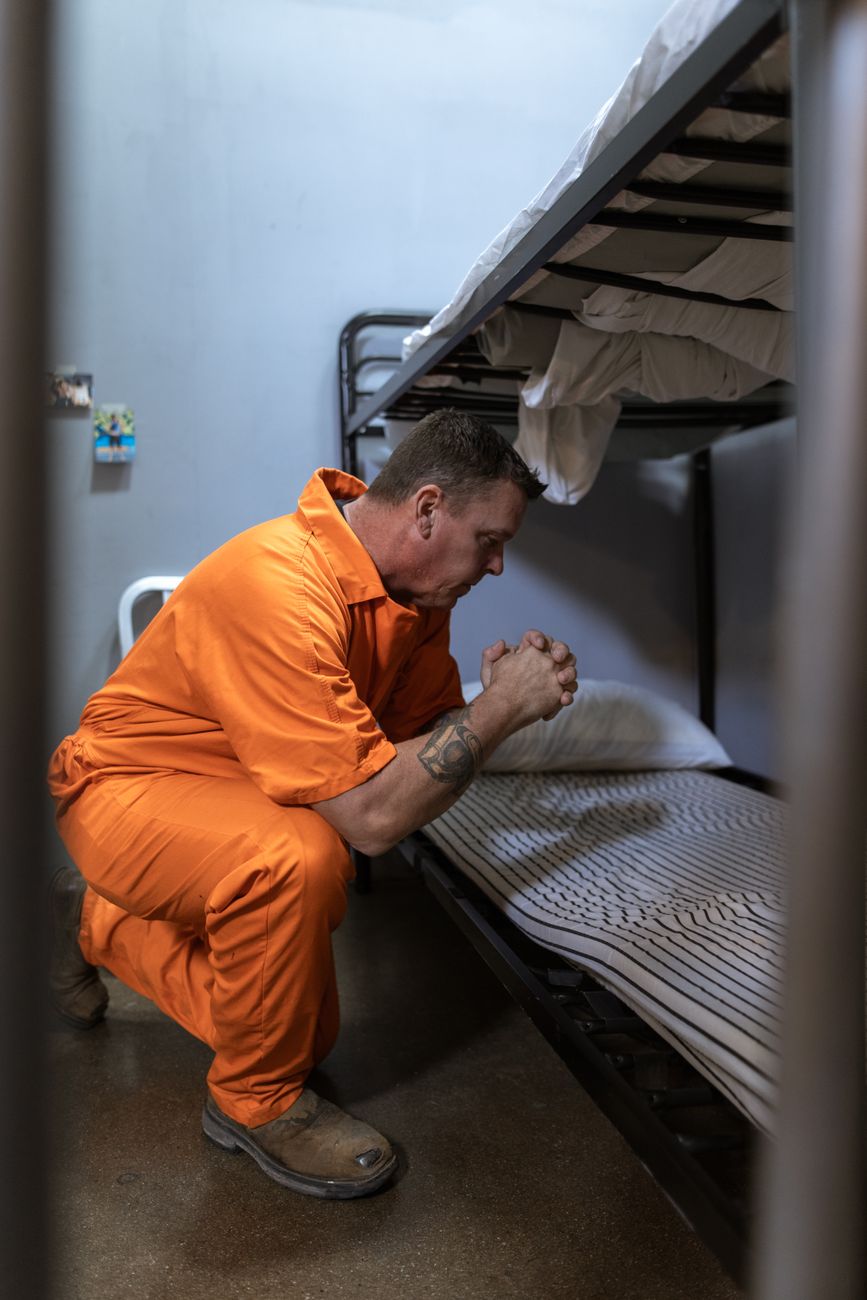
We live in dark times. War, hatred, terrorism, oppression, destruction, and despair– they are all around us. And yet, we pray. We do not succumb to the darkness, but we seek out the light. Many Christians pray in literal darkness, as they have no electricity, or they are in dark prisons, or they worship in secret locations and inner rooms. But many of us pray in figurative darkness– our minds and eyes clouded with overstimulation and muddied theology. And we may pray “in the dark” about the situations faced by our brothers and sisters in other parts of the world– even in other parts of our local communities!

Praying in the dark, much like walking in the dark, involves a lot of caution, and a lot of trust. We pray strategically, knowing there are unseen obstacles and dangers around us, but confident that, with God’s wisdom and presence, we can avoid them and reach our goals.

What are some specific features that prayer should have when we find ourselves in the dark places of life?

  • Fervency–There is a quality of urgent and whole-hearted commitment to seeing God’s face, God’s wisdom, God’s will, God’s timing, and God’s guidance as we pray. “Not my will, but THINE, be done!” Christ, as He prayed in Gethsemane (see Matthew 26:36-46) We may not sweat drops of blood, but we should pray with a fervent desire to offer our bodies as living sacrifices (Romans 12:1)
  • Focus– Sometimes, we can “see” more clearly in the dark. This is because we have fewer (visual) distractions. When we are overwhelmed with darkness, we let go of lesser things and concerns, and we pray for those things we really need, rather than those things we desire. We also have a greater sense of God’s provision and power, so we grow more grateful and joyful for what we DO have.
    ” For the sake of Christ, then, I am content with weaknesses, insults, hardships, persecutions, and calamities. For when I am weak, then I am strong.” 2 Corinthians 12:10 (ESV)
  • Frequency–I pray almost constantly when I am burdened or facing obstacles that seem impossible to overcome. Dark times can remind us that God alone can be trusted to lead us through. HE is God, and I am NOT! And like the men and women of the Bible who faced incredible odds, I can trust Him to hear and act. He sees me, He hears me, He Loves me, and He has a plan for my life that includes being with Him for Eternity!
    “Whom have I in heaven but you?
        And earth has nothing I desire besides you.
     My flesh and my heart may fail,
        but God is the strength of my heart
        and my portion forever.” Psalm 73:25-26 (NIV)
  • Fellowship– This one may seem counter-intuitive. Many times, I feel more alone in the dark. But I have learned that I can actually feel just as lonely in a crowd and in the light. Dark times may make our “circle” smaller, but we may find that our few relationships grow stronger, and we open ourselves up to suffering in others that we would ignore in our carefree days. I think of those who end up on refugee camps or cancer treatment centers– the friendships made there are sometimes stronger than family! 
    “Every time you cross my mind, I break out in exclamations of thanks to God. Each exclamation is a trigger to prayer. I find myself praying for you with a glad heart. I am so pleased that you have continued on in this with us, believing and proclaiming God’s Message, from the day you heard it right up to the present. There has never been the slightest doubt in my mind that the God who started this great work in you would keep at it and bring it to a flourishing finish on the very day Christ Jesus appears.” Philippians 1:3-6 (The Message)

Darkness and trials can drive us away from help and hope. But when we learn to Pray in the dark– to seek God with a whole and undivided heart– He will be our light in the darkness and our hope in the midst of desperate circumstances. And we can take comfort, even in the midst of pain and danger, in knowing that we are NEVER alone when we pray– even in the dark! We may not know the perfect words or have the perfect circumstances; we may not be able to see our next step– but we serve a perfect God, who will never let us go. There is no darkness– no circumstance– that can separate us from God’s love or His salvation, or keep our prayers from reaching Him.

Where’s the Joy?

I love puns– friends from all over the world send me the craziest puns, “punny” images, silly videos, and awful jokes.  Except for those that are patently offensive and find their humor at someone else’s expense, I really enjoy them all.

clear bubble

Someone has said that puns are the lowest form of humor, but I disagree.  In fact, I often find that puns, like humor in general, can cause us to explore a serious topic in ways we would otherwise avoid.  The image above tickled my funny bone, but it also caused me to think.  Where is my Joy?  Do I bottle it up and hide it down in my cart, or does it bubble up, iridescent and smelling of sunshine (and possibly lemons) from deep down in my heart?

I especially find myself looking for joy in the ordinary tasks of life. I really do not enjoy doing dishes, for example. But I can find joy– not the brand of dish soap, but the real thing!– even in such an ordinary chore. I can find joy as I clean the toilet, as I sort clothes for the wash, as I drive around town to do errands, and as I set aside time to pray for family and friends who are hurting and discouraged.

Prayer is a serious topic, but it shouldn’t be joyless.  Even in our troubles, we can be confident that we are loved, cherished, and precious.  In our grief and sorrow, we are not overwhelmed (though it often feels as if we are) when we have this kind of joy.  It will wash away despair, anger, doubt, and weariness, as it rises up.  We pray for so many other things– health, wisdom, forgiveness– we should also pray for Joy.  Not the false and fleeting joy of a silly pun, or the veneer of joy that lies and says that “everything is great.”  We need the kind of joy that sings through tears, laughs at storms, defies despair, and shakes the rafters! 

Many people read about Jesus and conclude that He was a great teacher, but very sober and serious. And the Bible describes Him as a “man of sorrows” and one “acquainted with grief.” (Isaiah 53:3). Yet the Gospels also show Jesus as a man who welcomed children, shared meals with His friends, entered into wedding celebrations, and told His disciples to rejoice in the midst of persecution. Jesus was not a man who took life lightly, but He was a man who felt joy in simple things. He was able to relax in the joyful knowledge that even grief and pain are temporary, and our circumstances do not define our life. And joy is also listed as a fruit of the Spirit (see Galatians 5:22-23–“But the Fruit of the Spirit is Love, Joy Peace, Patience, Kindness, Goodness, Faithfulness, Gentleness, and Self-Control. Against such things, there is no law.”

We need the quiet, blessed assurance that God is in His Heaven and even if all is not well with the world, God still has everything well in hand. Such joy, lodged deep in our heart and soul can keep us from buckling under the weight of loss, the exhaustion of stress, and the threat of chaos.  It can fill us with peace and contentment, even as we go through ordinary or even dreary days. We need a new “Dawn” of “Joy” (yes, I had to include another pun). We need to pray for joy. We need to cherish it.  And we need to pass it on.

The world could really use it!

The Prayers of the Righteous

adult back view bald crowd

James 5:16 Modern English Version (MEV)

16 Confess your faults to one another and pray for one another, that you may be healed. The effective, fervent prayer of a righteous man accomplishes much.


Romans 3:10-11 Modern English Version (MEV)

10 As it is written:“There is none righteous, no, not one;
11 there is no one who understands;there is no one who seeks after God.

Anyone can pray.  God hears our prayers.  God answers prayer.  But He doesn’t answer all prayers equally.  That doesn’t mean that God is unfair or unjust.  It means that God listens beyond our words and prayers– He knows our thoughts, He perceives our motives and inmost desires.  He also knows the consequences of all that we ask.

photo of a hippie woman

James 5:16 (above) is sometimes misused by Christians to boast in their “effectiveness”: in essence, saying “If God answers my prayers for a comfortable lifestyle or good health, it proves that I am righteous.”  But this is putting the cart before the horse.  The last phrase is contingent upon the first– “Confess your faults to one another, and pray for one another, that you may be healed.”  It is the effective (prayers designed to effect others), fervent (heart-felt, committed) prayer of a righteous (cleansed, renewed in spirit and mind and heart) man (or woman) that accomplishes much (for the kingdom, for healing, for grace, unity, or renewal).  The effectiveness comes after the confession; after the renewal, and through the Holy Spirit.  If we are boasting about our effectiveness, we’re missing the point.

lion sleeping beside rock

It is the humble seeker who prays for and with others, pours herself/himself out for “one another” who accomplishes much.  Such men and women spark movements and revivals, not in their own power or wisdom, but in allowing the Holy Spirit to work in their lives, and in their prayers for others.  Which is more “effective”– getting what I want for myself, or bringing lost souls to new life?

If your prayers seem to lack power, consider the following:

Who am I praying for today?  What am I praying for myself?  For others?  For the Glory of God?  Am I praying fervently?  Diligently?  Righteously?  In confession and gratitude, as well as supplication?

girl-praying-hands-eyelashes-41942.jpeg

Next, consider what it means to be “effective.”  Are you praying for a healing that doesn’t happen immediately or completely?  God may be using your prayers to great effect in ways you do not expect.  God can bring spiritual and emotional healing even in physical suffering.  He can also bring healing to others as they see our faith and hope at work in difficult circumstances.


woman wearing sleeveless dress

Finally, ask if there is something else you should be doing in addition to praying about the situation.  Are you ignoring a clear call from God to do something (or stop doing something) in obedience to His Word?  Are you harboring a grudge against someone?  Do you need to make things right with someone?  With God?

The effective, fervent prayer of a righteous person WILL accomplish much more than we can imagine.  What would our neighborhoods look like if we spent more time on our knees than pointing fingers or shaking fists?


On the Occasion of a Whimper

Have you ever noticed in reading through the Bible how often God shows up, not on the occasion of fanfare and praise, but on the occasion of a whimper? When all hope seems lost, and a heart is so broken it can no longer call out– when words are useless and all that is left is a dull, exhausted moaning?

God “inhabits the praise of His people” (Psalm 22:3), but He is also “close to the brokenhearted” (Psalm 34:18). We work so hard to get close to the heart of God, but sometimes, we need to be broken to actually get there. We need to experience the God who finds us in our failures and rescues us from disasters– even those of our own making. God loves us enough to come to us in our brokenness– and He loves us too much to leave us there. God is not a “fairy godfather” who will magically make our circumstances comfortable and painless. But He is a true Father, who will provide comfort and strength to get back up and face the future with hope and courage.

Long ago, a woman named Hagar was despondent. She was a slave who was told by her mistress to sleep with the master so he could have a son. Hagar got pregnant when her mistress couldn’t, and she became proud and disdainful toward her mistress. When she was punished for her arrogance, she ran away into the desert–a foolish and impulsive act, as she had nowhere to go and no one to support her or her unborn son. An angel found her by a spring of water and told her to return and submit to her mistress. Several years later, she and her son, Ishmael, were sent into the desert because of Ishmael’s contempt for his brother. Ishmael was near death, and his mother in despair. Not being able to watch her son die, she moved a short distance away and began to sob. But another angel came and showed Hagar a well of water. He reminded her that God had seen her the first time she ran to the desert, and He had heard her crying this time, too. Hagar was not a queen; she was not a warrior princess or the daughter of a noble. She was not righteous or innocent. She was a rebellious slave; the victim of a sinful scheme, but headstrong and rash. God did not stop her from running away; He did not give her victory over her mistress. But God rescued Hagar and Ishmael. And He blessed them both– on the occasion of a whimper. (See Genesis 16 and Genesis 21)

Today, don’t be afraid to whimper. Don’t pretend that everything is under your control– it isn’t. But be willing to look and listen for the ways that God will show himself. It may be in the words of a stranger; it may be in the beauty of a sunset; it may even be that song on the radio, or a cool drink of water in the middle of a desert. God doesn’t always rescue us from sorrow and pain. Sometimes He rescues us through it.

Out of the Blue

There is an English phrase for something that happens completely unexpectedly; we say that “it came out of the blue.” I thought I understood that phrase, but I got a deeper understanding this past Friday. My husband and I were in Elkhart, Indiana, just across the border from our home county in Michigan. We often drive the 20 miles or so to Elkhart for shopping, banking, eating out, and more. The weather was surprisingly warm and humid for March, with a light breeze and blue skies dotted with light gray clouds. David and I had eschewed both coats and jackets for the day– nearly unheard of for this time of year in our area.

But as we prepared to return home, we noticed that the gray clouds to the north of us had grown darker and heavier. And lower. Still, there was blue sky above us and to the south. It wasn’t raining and there was only a light breeze. We were listening to a radio talk show, which was suddenly interrupted by a high-pitched alarm. The announcer said that there was a tornado warning for our county– the one we were driving through!– and that we should be looking for rain and hail, strong winds, and possible tornadic activity.

We searched the skies– the same clouds we had seen in the north looked darker than normal, but we experienced no strong winds and no rain. About a mile later, we saw evidence that it had rained recently, but otherwise, it was calm. The sky above us was blue. Birds were singing. The air seemed fresh and calm. Still, the weather alert kept giving details. A tornado warning was in effect for the next 35 minutes for our county and the one directly east of us. But we kept driving. A couple of miles later, we saw a small patch of damage– a few twigs and dead leaves had blown across the road in one spot. The evidence of rain became clearer– there were large puddles. We drove through some of the area that had been mentioned in the alert– we skirted Edwardsburg, Diamond Lake, and Cassopolis. We saw small spots of rain and wind damage, and we came into some rain that was still falling, but it was gentle. Behind us to the south and west, the skies were blue.

When we arrived home, we looked at the recent news posts. We were shocked to see that several houses on either side of our path had been touched by hail and tornadoes just before came home, and that tornadoes were still doing damage to the east– in the town where our son lives! We watched as video footage showed the grocery store where I had shopped just days ago losing parts of its roof, while the DIY store across the street lost its entire roof and some of the west wall! Power lines were down, cars and small buildings were being lifted, twisted, and thrown back down on the ground. This was only a mile from our son’s house! And now, our cell phones weren’t working, so we couldn’t call him to see if he was ok. And our skies were blue–someone close by even posted pictures of rainbows!

It turned out our son and his home were fine– they were out of power for a few hours, but no damage to the roof or house or vehicles. Some of my cousins, who also live in that city reported on-line that they were also safe. Whew!

Long story– scary afternoon and evening– but it got me thinking. We were right at the edge of a dangerous storm path, and without the radio warning, we would have concluded that there had been no more than a rain shower around us. Had we been traveling just a few minutes earlier, we might have been taken unawares. This storm came with very little warning, and did a lot of damage, yet people were going about their daily lives– unprepared and unaware of the danger.

Tornadoes are scary because they often come like that– with little warning, and little way of predicting how strong or fast or dangerous they will be. But how many other things in life hit us “out of the blue?” A heart attack, an auto accident, a house fire–suddenly our life spins out of control. How will we react?

After the first shock, we can become lost in the immediate chaos– everything we depend on can vanish in an instant. “Out of the blue” we can lose our health, our job, our home, our relationships, our bank account, and anything else where we find our security. OR, we can rediscover our strength, our hope, and our trust in a God who is more powerful than a tornado; more solid and eternal than any building, and constantly aware of our circumstances– whether we are enjoying blue skies or looking at threatening clouds from the ruins of our family home.

I am praying for the families who were impacted by the recent storms– especially those families who lost homes or loved ones. I can’t offer the comfort of knowing why this happened, or what exactly will come next. But I can offer the hope of knowing the One who knows all things, and whose love is greater than anything else we could ever trust.

Sometimes, bad things come “out of the blue.” Bad things happen to people– not just “bad” people, or “good” people–for reasons that make no earthly sense. But such things, like tornadoes, pass away, die out, leave their mark, or move on. And if we look again, we will be able to see the “blue” sky– the good things that remain, and the hope of renewal.

The Lord is My Shepherd…

The Twenty-third Psalm is one of the most quoted and well-known poems in the Bible. In its short six verses are contained some of the deepest truths and most beautiful images in scripture.

Today, I want to look at just the first five words of the psalm: The Lord is my shepherd. Familiarity with these words can rob them of their true power. Imagine if we used a modern-day analogy: The Prime Minister (or King or President) is my life coach, or home health care nurse, or bodyguard. Can you imagine!?

How often do we gloss over these words and fail to see the amazingly powerful message there. The LORD– Yahweh, the Almighty, Ruler of the Universe– is MY shepherd. He does all the kind of things a shepherd does for his sheep– feeds, leads, protects, and provides. He fights off predators, binds up wounds, and shears off the extra wool that can get us entangled in briers or slow down our progress. He stands with us in the heat and cold, and finds shelter for us from the wind and rain. He does all of this for me, when I can’t; because I can’t. He knows everything about me– my strengths and weaknesses and limitations. He knows everything about what I need– where the best grass and water are and how to get there; how much rest I need before the next stage of our journey; the likelihood that I will wander off and need to be called back to the flock. He knows what dangers lie ahead, and how to deal with them.

The Lord IS my shepherd– He is always on the job. He hasn’t left me alone in green pastures, or sent someone else to take me through the valleys. He didn’t start out as my shepherd and then decide to quit. He isn’t waiting for me to reach a certain stage or measurement before I qualify to be His sheep.

The Lord is my Shepherd– not my task-master, nor yet my servant. He is both my Lord and my caretaker– my master and my minister. When I pray today, it is not to someone remote and aloof or powerless and malleable– I am bleating in my sheepish voice all my praise, my love, my irrational worries, and my sincerest gratitude, to the eternal and all-powerful shepherd who calls me by name.

Prayer In the Digital Age

Wilt thou love God, as He thee? then digest,
My soul, this wholesome meditation,
How God the Spirit, by angels waited on
In Heaven, doth make His Temple in thy breast.
The Father, having begot a Son most blest,
And still begetting (for he ne’er begun),
Hath deigned to choose thee, by adoption,
Coheir to His glory and sabbath’s endless rest;
As a robbed man which by search doth find
His stol’n stuff sold must lose or buy again,
The Son of glory came down, and was slain,
Us whom He had made, and Satan stol’n, to unbind.
‘Twas much that man was made like God before,
But that God should be made like man, much more.
John Donne, Holy Sonnets 1633, No. 11


In the Garden

1 I come to the garden alone,
While the dew is still on the roses;
And the voice I hear, falling on my ear,
The Son of God discloses.

Refrain:
And He walks with me, and He talks with me,
And He tells me I am His own,
And the joy we share as we tarry there,
None other has ever known.

2 He speaks, and the sound of His voice
Is so sweet the birds hush their singing;
And the melody that He gave to me
Within my heart is ringing. [Refrain]

3 I’d stay in the garden with Him
Tho’ the night around me be falling;
But He bids me go; thro’ the voice of woe,
His voice to me is calling. [Refrain]

Baptist Hymnal, 1991


Sanctus Real– Pray (You Tube)


Times have changed– God has not.

God does not have a Facebook or X account; he’s not in Pinterest or Snapchat.  He doesn’t post selfies or have a blog.  But he is the same God that Adam and Eve walked with in the Garden of Eden; the same God who spoke to Moses as a man speaks to his friend.  He is the same God who listened to the impassioned Psalms of King David, and the lamentations of Jeremiah.  He is the same God who has inspired awe and fear in the hearts of apostles, poets, philosophers, songwriters, and evangelists over the centuries.

When we come before God, it is tempting to see him through the lens of our own times– we want him to be one of our “peeps”, accessible, someone who will answer a text or voice mail, “like” our post or “follow” us as we babble about our hours and days and show pictures of what we had for dinner or what we looked like heading out to the concert. We want him to be about US, instead of us laying down our lives for HIM.

Media– especially social media, can help or hinder our prayer life.  We can access all kinds of helpful tools to focus our prayers, link up with prayer partners and groups, listen to inspiring music or peaceful slide shows for meditation…  But more often than not, media becomes a distraction or even a substitution for real, serious, personal communication with God.

God is not our virtual friend; he’s not our “Bruh” or “the man upstairs.”  He is the Sovereign Ruler of the Universe– every galaxy created at his command, every particle obedient to his whim.  And he has given us the privilege to come before him as his adopted and beloved children to lay our hearts before him and receive his wisdom, forgiveness, strength, and joy.  “Liking” your friends’ posts with Bible verses, sending a thumbs up or an emoji when someone puts up a picture of Jesus on their wall–if that’s the sum total of what you call worship, God has another name for it– Idolatry.

That may seem really harsh, but Idolatry is ANYTHING that we are worshiping in place of God himself.  There’s a reason we don’t have statues of God the Father in temples and churches, synagogues, and chapels around the world.  God warned us thousands of years ago about the dangers of creating substitutes.  Even things that are meant to remind us of him can become substitutes for worship.  That doesn’t mean that the crucifix necklace or the picture of Jesus knocking at the door are automatically evil– but when we stop reaching out to the real God, and focus on a false image, no matter how lovely or touching, we can fall into idolatry.  And the distractions of the digital age have been shown to create isolation and depression, and become impediments among our human relationships..  We don’t have meaningful meditation or intimate conversations online with people at the other end– what makes us think that wireless devices will bring us closer to God?

That doesn’t mean that we shouldn’t use technology to enhance our worship–just don’t make it an entertaining substitute for the real thing.  You wouldn’t (or at least I hope you don’t) text and catch up on Twitter while having a face-to-face and heart-to-heart talk with your spouse or child. Give God the honor, the time, and the respect he deserves.  You don’t have to live like a stone age hunter to get some alone time with God, but it is a great idea to set aside some time to unplug from media and the noise of this world, and plug into the wonder of meeting with God in the Garden.pexels-photo-130154.jpeg

Dona Nobis Pacem*

*”Grant Us Peace!” (In Latin, Dona Nobis Pacem)
“When Peace like a River attendeth my Soul…”
“Peace be with you..”
“Give Peace a Chance..”
Peace that passes all understanding–Phil.4:7

We spend our days rushing, working, worrying and stressing, always hoping for a time of peace, believing that if we work hard enough, rush fast enough, hope fervently enough, we will be rewarded with peace.

But this is contrary to the Biblical pattern. God has already given us a blueprint for peace, rest, and contentment. And it doesn’t involve working harder! It involves trusting more. And that involves waiting and resting. God wants us to work, yes, but He also wants us to rest, to seek times of solitude, meditation, and silence. This is not a suggestion given to a holy few–it is a principle to be practiced by all of us. God wants to give us peace for the asking—not for the earning.

When prayer becomes a priority, and not just something that happens in our “spare” time, or after all the “important” things get done, we should find that peace is a by-product of our pursuit. Taking time for prayer gives our mind a new focus, calms the rhythms of our heart and body. It forces us to step aside from the frantic pace of life– to lift our eyes (or close them) away from the flickering light of the tablet or phone, to sit (or stand or kneel) still and apart from whatever task is beckoning, and listen, not to the blare of the radio or TV or street noise, but to the underlying sounds of life–heartbeats, breathing, the slow ticking of a clock, or the retreating rumble of the world. We close our eyes to the distractions of “to do” lists and calendars, comparisons and competitions. We set our hearts on all that really matters in the long run.

Photo by Luis Quintero on Pexels.com

Most importantly, through our time spent in prayer, we access the source of peace– The Prince of Peace! And it is this same Prince of Peace who will “grant us peace” if we just ask. You may not be able to set aside hours for blissful meditation. But if you ask, God will help you guard your time, and help you find those few precious moments of prayer and peace– peace with Him, peace that comes from Him, peace that passes all understanding.

Blog at WordPress.com.

Up ↑