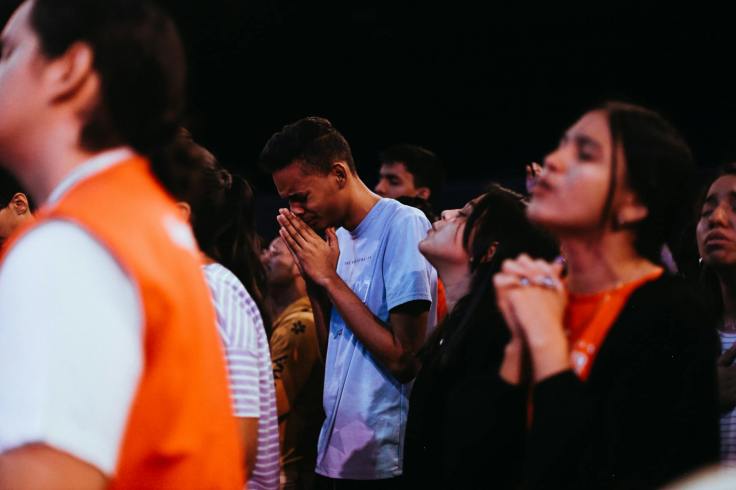
Prayer is an exercise in juxtaposition–we seek to have intimate conversation with a mysterious and unknowable God. He INVITES us into this mystery. He pursues us, seeks us out, surrounds us with His Presence, yet He hides His face from us and shrouds Himself in light and cloud.
God is Spirit– He is Eternal, Omnipresent, and Invisible. Yet He chooses to reveal Himself– in the beauty of Nature, in the smile of a stranger, in His revealed Word, and through His Son. Everything we need, we can find in and through Him, yet we cannot say that we comprehend Him, because He is so far above and beyond anything we can imagine.
Prayer is a humbling experience– to approach the Throne of the One who holds the Universe in the palm of His hand; but it is also an intimate and very personal experience– to run into the arms of the One who knit us together and knows the very hairs on our head (or lack thereof!).
After a lifetime of praying and pursuing prayer, I still marvel at the complexity, majesty, mystery, and fragility of prayer. That God should desire to listen to me–whimpering, questioning, confessing, and even offering my best and inadequate praise– it astounds me. And yet it also sustains me, strengthens me, and stimulates me. This same God who holds the stars and planets inhabits the tiniest of atoms in the air I breathe. The same God who ordered the first sunrise, and has watched empires rise and fall, cares when I shed a tear and rejoices when I laugh. God who is perfect, has mercy on me when I confess my pettiness and offers forgiveness when I throw tantrums. The same God who bore the pain and agony of betrayal and crucifixion promises eternal life to those who have rejected Him– if only they will listen, turn, and follow Him.
Today, let the awe of Who God IS– both sovereign, unknowable, and mysterious, AND intimate, loving, and gracious–wash over you as you enter into prayer.
Yesterday, I voted in a primary election. In a few months, I will vote in a general election for President. I live in a nation of choices. I can choose to vote for any of the listed candidates, or I can write in a name. I can choose not to vote at all. I can choose how to spend my money– I can invest, purchase, pay my bills (or not), gamble it away, or give the money to charity. I choose what to do with my time– I can sleep all day, go to work on time or arrive late, I can spend all my time on-line, or I can binge-watch movies or TV shows. I can keep a consistent schedule, or I can take each day’s time as it comes. I can choose where to go– I can stay indoors in my apartment, I can walk all over town, or I can get in my car and drive to another city. I can choose my attitude and outlook; I can choose my political and social stands, and I can choose my beliefs. Others may apply pressure and coercion, but they can’t take away my right to choose.,. For better or for worse!
However, my choices have consequences. If I choose to act against the law of the land, it is very likely that I will be caught and punished. I may be fined, or jailed. I may face a trial. In many countries, I may be executed for doing things that would be allowed in my home country. If I choose not to pay my bills or not to go to work, I may face economic hardship as a result– late fees, loss of a job, and a difficult time finding future employment. If I choose to eat only junk food, or no food at all, I will experience health issues. The choices I made today in the voting booth, and the choices I will make in November will have consequences– most of which I cannot predict with any accuracy. I think I know what will happen– and others may predict dire consequences if I don’t vote “their” way– and my one small vote may not seem consequential, but it counts! Even my small actions have a ripple effect on the rest of my life, and the way in which I conduct it. I will either “show up” or I will “stand back.” I will either accept responsibility in the small things and large, or I will try to blame others. I will practice self-control and discipline, or I will drift through life at the whim of emotions, influences, peer pressure, and deceptions.
When it comes to prayer, I also have choices. There are times when I feel “compelled” to pray– circumstances beyond my understanding or control will cause me to want to cry out for divine help. Hearing about others’ needs make me want to ask God to work in their circumstances. Sometimes, I feel waves of gratitude and worship that cause me to sing and praise God for His character, His faithfulness, and the blessings He has poured out in my life. But I am not required to pray. I choose to pray. Sometimes, my choice to pray is simple, natural, and automatic. At other times, it is a sacrifice to pray. Prayer is more than just “an option” in my life. It really is a pursuit. I choose to keep a prayer journal. I choose to focus on prayer every day– both in practice and in testimony (as in this blog entry).
So today, I will join with others this morning in corporate prayer. I will pray alone at home. I will pray throughout the day for my community, and for individuals as they come to mind or show up in my prayer journal. And some of the prayers will come naturally; others will require me to dig deep, to confess my own failures, and admit my need for God’s Grace, His Wisdom, and His Strength.
And the consequences? Well, I can’t predict how my prayers may impact my own life or the lives of others. I don’t know how God will choose to answer my prayers. I don’t pray because God always does what I want– I trust Him to do what is BEST; and I have learned that His timing and His ways ARE the best!–but I pray because I know it is the best and first action I should take in any situation. I’m not perfect in prayer. I don’t always pray first. I don’t always listen for God’s answer when I DO pray. And I also know the consequences of NOT praying– worry, confusion, anger, restlessness, disappointment, and more. Oh, I may not experience all of these things instantly. But eventually, my choices and their consequences lead to frustration when they are not coupled with prayer, trust, and obedience.
I hope you are praying, trusting, and following God today. I hope that is your choice every day. God will not force you to come to Him. But He is ALWAYS right there when you do! Your choice to pray may not change the world instantly, but it WILL have consequences!
When I voted yesterday, I got a sticker, proclaiming to everyone that I had made the choice to vote. What might happen if Christians (myself included) were bold enough to proclaim our choice to pray every day and in all circumstances!?
I don’t like paying bills. Utility bills, insurance premiums, credit cards, and taxes– property tax, income tax, even sales tax. Every month, the bills come, and the checks go. And if we don’t pay the bills on time, there is an extra fee and interest charges. Bills and fees and payment schedules are not unusual or unexpected in this world. And we pay (if and when we can) because we are honest and upright citizens. It is a duty, but not a pleasure.
Even Jesus had to pay taxes. He was asked about it– even challenged over it. The Pharisees wanted to trap Jesus into taking a stance and offending many of His followers or running afoul of the Roman government. They asked, “Is it right to pay taxes to Caesar, or not?” (Matthew 22:17)(https://biblia.com/bible/esv/matthew/22/15-22) Of course, if Jesus said it was right to pay taxes, He would anger those who were fighting to be free of Roman oppression. Paying taxes to Caesar, in effect, legitimized Roman occupation and subjugation of the Jews. Much of the tax money was used to extend Rome’s control over the Jews, and to pay the soldiers and officials who made life miserable for Jesus’ followers on a daily basis. And it was common knowledge that many tax collectors were corrupt and cheated the people to line their own pockets, as well. The Romans worshiped countless gods and goddesses, but had no respect for the God of Israel. It was humiliating, and burdensome, and unjust to pay taxes. And yet, if Jesus said it was NOT right to pay taxes, He would be inciting open rebellion against the Roman occupation. He and His followers were be arrested and killed.
But Jesus did not fall into the Pharisees’ trap. He asked to see a common coin. He asked whose face and likeness were on the coin. “Caesar’s.” And then Jesus said, “Give to Caesar what is Caesar’s and to God what is God’s.”
I was reminded as I opened bills and wrote checks this past week, that I do NOT receive a bill from God. I owe God everything– my life, my next breath, my health, my hope of eternal life. Yet He never sends me a bill, or an overdue statement. He charges no interest, or late fees, even when I let distractions keep me from giving Him the praise and honor that is due to Him. Even when I choose to go through my day without sharing my heart’s longings with Him.
I may not like paying bills, but I do it. I “render unto Caesar,” even as I complain about taxes and interest fees. But do I “render unto God what is God’s?” And when I do, is my attitude the same as it is when paying bills? God forbid!
God never cheats; He never asks for something He doesn’t deserve. And He has given me far more than I could ever ask or imagine, through the power that is at work IN ME! God doesn’t give loans– He gives gifts of eternal value.
What can I render unto God today? Surely I can give Him praise, and share His grace and goodness with others…it isn’t impossible. It isn’t beyond my duty. It isn’t isn’t even “taxing!”
There is a saying: “I don’t care what you know, until I know that you care.” I went to the bank yesterday, and there was a line. There were only two tellers available (other bank workers were dealing with larger issues in their offices, so there was no back-up, either). Both drive-thru windows had lines, as well. This is a small bank, but a recent closure of a nearby branch means that it is now busier than before, with the same amount of staffing.
The woman ahead of me in line was impatient and angry. She kept repeating the obvious– “They need more tellers! There aren’t enough tellers!” She was rude and demanding, and when she finally got to the front, and a teller (harassed and overworked) patiently and politely asked how she could help, the customer repeated, “You need more tellers here!” The teller explained that corporate policy allows only so many workers per shift, and they were all busy. It was the first of the month– one of their busiest days for cashing checks and dealing with monthly payments. The customer, somewhat abashed, apologized for her rudeness.
The customer “knew” that she would have been served faster if there were more tellers at the front. She knew how SHE would like to have the bank policy play out in her favor. But she didn’t really know the whole story. Her snap judgment wasn’t based on complete knowledge, but on emotion and assumption.
Earlier this week, I was praying about a woman I know slightly. I had heard that she was in a bad housing situation. Her house needed major repairs, and she could not afford them. I prayed that God would act, providing her with “better living conditions.” I assumed that God might provide for her to get a new roof or water heater, or pay down some of her bills. The next day, I heard that her house burned down!
What should I make of God’s response to my prayer? Did He not hear me? Doesn’t God care? Is He laughing at this woman’s misfortune? Is He laughing at my feeble and vague prayer request? Someone reading just the details I have provided (my prayer, and the incident of the fire) might decide they “know” that God is malicious or that He simply doesn’t exist or answer prayer. But are they correct in that conclusion?
NO! God cares. He cares deeply. I was moved out of concern to pray for a woman I barely know. Many others have been praying for her for several weeks, as well as offering her counsel and help in trying to find alternative housing or financial assistance. I don’t know the true extent of her needs– not just housing, but her spiritual, emotional, and other physical needs. God does! We tend to put our hope and trust in our circumstances– even desperate ones– and our ability to control, manipulate, or just survive them. This house had been a burden for a long time, yet the woman steadfastly endured high bills, bad roofing, and poor conditions.
God IS answering my prayer– and the prayers of many others– as help is pouring in for this woman. She was uninjured in the fire, and she has a temporary place to stay. Furthermore, she has people helping her plan ahead for permanent housing, financial needs she will have in the next few weeks and months, and making sure she does not have to face this tragedy alone.
Sometimes, God’s blessings are wrapped in sorrows. Sometimes, we must endure waiting, hardship, and even loss in order to experience growth and peace. Sometimes, we have to deal with impatient customers, long lines, or personal tragedy. God KNOWS. He doesn’t just know our present circumstances and pain. He knows the final outcome, and all that He wants to accomplish THROUGH our present circumstances. And God CARES. He cared about the angry customer in front of me at the bank. He cared about the overworked teller waiting on us. He cared about the woman who lost her house. He cares about each one– no matter what circumstances may suggest. He does not leave us alone in our trials– even when it may feel like He has abandoned us. There are people somewhere in the world praying for you right now. They don’t know what will happen to you today or tomorrow, but they know that God is sovereign. And the Holy Spirit prompts them to pray, even when they don’t know, for God to bless you, protect you, and watch over you.
Two things I have taken away from my experiences the other day: First– God is ALWAYS Trustworthy! I said a quick prayer for the harassed teller and her customer as I waited in line (it’s not like I didn’t have any time to pray!) And sure enough, as she waited on the woman and then on me, the lines at the drive thru windows melted away. She was able to take time to explain her situation to the customer ahead of me, and she was able to take her time waiting on us both. She kept her temper in check and managed to smile through the transactions! And her calm response helped the customer realize her rudeness and apologize. I don’t think that was just coincidence. And I don’t think it was coincidence that several people have been praying for weeks about the other woman’s housing situation. The fire wasn’t an answer to our prayers– our prayers were preparing for an answer to the fire!
The second reminder– Pray without ceasing (1Thessalonians 5:17). While my experience at the bank called for immediate prayer and found an immediate response, my other prayers have been going on for weeks and months. Nothing seemed to be happening. Yet God was preparing for an event I had no way of foreseeing. We want quick answers to prayer. We want easy answers to our prayers. But God’s ways are not our ways. His ways are mysterious to us, but they are for the best, not just the most convenient.
When we pray, God doesn’t care what we KNOW (or think we know). And He doesn’t always give us the knowledge we’re looking for. But He KNOWS! And He CARES! He honors the prayers we lift up because we know Him, and because we care about others.
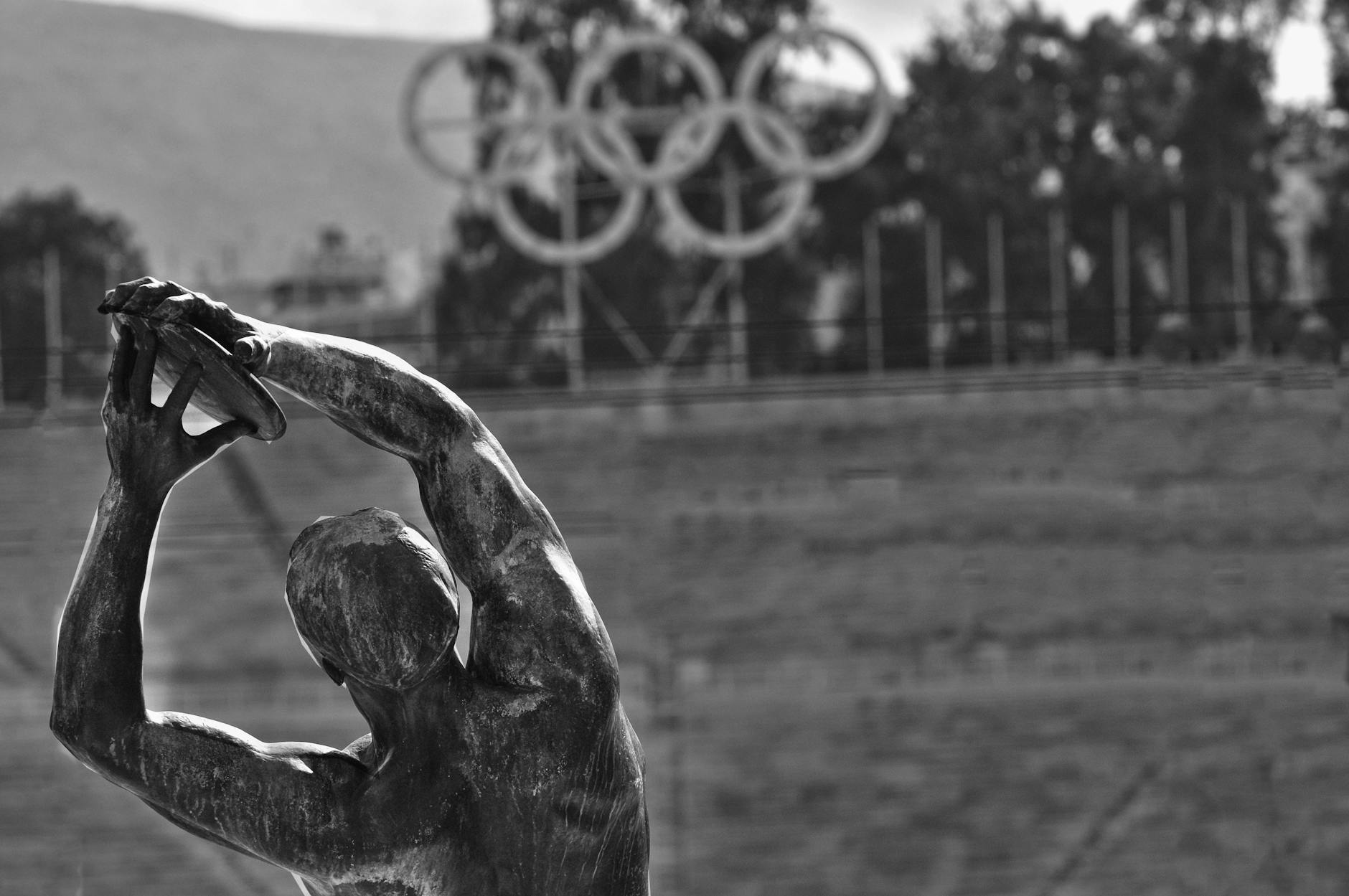
Let me just preface this by saying that I am not watching the Olympics coverage on television this year. That is not in protest of anything, nor does it reflect a keen disinterest in sports or in global events. My husband and I simply do not watch television. But I do spend time on the internet, and I follow news there. So it was with great sadness that I learned of the controversy about the opening night ceremonies and the tableau that seemed to mock “The Last Supper.” It has been with equal sadness that I have watched the angry and offended responses from Christians. I do not mean to say that the tableau was not offensive. I found it ugly. And I think it would have been both shocking and offensive to have seen it in the midst of all the other celebration.
Many of the organizers and presenters of the Opening Ceremonies have made public statements claiming that they either didn’t realize this would be offensive to many, or they didn’t mean it to be offensive. I find this difficult to believe. If the planners, organizers, participants, and crew had absolutely no idea that their tableau had any resemblance to “The Last Supper,” they I would suggest that they are woefully ignorant of European Art and Culture, or they are perhaps unaware of the number of Christians around the world. Yet some of them claim that ignorance/intolerance belong only to those who found their display offensive. They say that their only objective was to pay tribute to the ancient gods of Olympus, for whom the Olympic games are named. They claim that any resemblance to DaVinci’s mural of “The Last Supper,” or any allusion to Christianity were unintended. But they appear to be quite pleased with the furor and controversy.
While I did not see this happen in context, I do have some thoughts on the aftermath of what I have seen this week.
First, I think that Christians, while we should be offended by this display, should perhaps NOT be shocked. We live in a post-Christian, post-religious Western World. The world, especially the Western World, thrives on divisiveness, controversy, and the “shock factor” in entertainment. The tableau that was presented wasn’t just offensive to Christians (though we were likely the primary targets). It was, in its own way, offensive to the ancient Greeks, and to the spirit of the Olympic games. The Olympics are not about Bacchanalian debaucheries, orgies, or feasts of any kind. Nor are the Modern Olympics about the gods of Ancient Greece– not in the way that the Ancient Olympics were. The Modern Olympics are meant to be inclusive to every participating nation and qualifying athlete. The opening ceremonies are traditionally meant to celebrate both the shared heritage and spirit of competition among athletes, and the unique culture of the host country. This display did neither. And the organizers had to have known that. Whatever their real reasons for including this cartoonish and puerile tableau, they had nothing to do with bringing people from all nations and cultures together, or with celebrating the highlights of French culture.
Having said all that, I am somewhat disappointed in the angry responses I see from Christians. We are reacting as though Christ promised us that we would always be respected, welcomed, and esteemed. Yet we serve a CRUCIFIED Savior! How are anger, boycotts, protests, and demonstrations showing honor to Jesus or bringing glory to God? What makes us think that reacting in anger and “playing the victim” will change the minds or hearts of those who created this mess? I believe that is precisely their “point.” They see themselves as victims of God’s righteous laws, and they are reacting TO HIM in anger and rebellion. To see US react in the same way makes them feel justified in their own anger. We live in a culture of outrage– it is our job to rise above the temptation to add to the general outrage. Jesus did not lash out as He was being whipped, taunted, and nailed to His Cross. He prayed for His tormentors, instead.
And that brings me to my final point. I think we need– especially in light of these events– to be praying for the Paris Olympics. Pray for the safety of all the athletes. Pray especially for those athletes who are being booed, taunted, and threatened because of their home country, or their religious beliefs. Pray for those who are standing up for what is right, and pray for the hearts of those who are acting in evil, anger, hurt, and deception. Pray that the spirits of division and hatred will NOT hijack this world event, as they have in the past. Pray that Christians will come together to react and to reach out as Jesus Himself did– speaking the truth in love. We do not have to embrace, condone, or accept what is evil. But we must stand firm in the armor of God, rather than attack with the enemy’s weapons!
Remember, we are to run OUR race:
24-25 You’ve all been to the stadium and seen the athletes race. Everyone runs; one wins. Run to win. All good athletes train hard. They do it for a gold medal that tarnishes and fades. You’re after one that’s gold eternally. 26-27 I don’t know about you, but I’m running hard for the finish line. I’m giving it everything I’ve got. No lazy living for me! I’m staying alert and in top condition. I’m not going to get caught napping, telling everyone else all about it and then missing out myself.–1 Corinthians 9:24-27 (The Message)
What happened in Paris last week was offensive and wrong. What we do this week needs to reflect what is right and God-affirming. We don’t need to be silent. We don’t need to be victims. We don’t need to be outraged. We don’t need to be protesting. We need to be praying.
This is the week of our local County Fair. People around here are pretty excited. The exhibits, the rides, the animals, the events and attractions, the food, the games…there is a little something for everyone. I love watching the faces of the children– their wonder and excitement is contagious as they see the various farm animals, or ride the Merry-Go-Round, or discover the joys of Cotton Candy and Elephant Ears.
I grew up with the County Fair– not just as a visitor, but as a participant. And I am encouraged to see a new generation showing animals, exhibiting craft projects, learning new skills, and having fun. Some of them will return as 4-H parents; some to work as judges or to volunteer at a booth for local churches, clubs or businesses ; some to visit from out of town with their own children and grandchildren. There is something about a County Fair that is simple and pure–something that can inspire childlike wonder, even in adults.
Childlikeness is something we are called to by Christ. He loved children, and He told His disciples that if they wanted to be part of God’s Kingdom, they would have to become like little children (See Matthew 18:2-4). We are to pray to Our Father, having childlike faith in His good will and His promise to hear us. Childlike faith is not “blind” faith. Children are often frightened by the big animals or loud noises at the Fair. And they tend, (especially small children) to want to hold hands or stay close to those they know. But they also want to see and experience “everything”– because they trust that their parents and the Fair organizers will not put them in jeopardy. A childlike attitude and trust in God brings us the kind of joy and peace we see in children as they discover, rejoice, explore, and enjoy life– especially during Fair week.
This is not to be confused with childishness. While Jesus encouraged His disciples to have childlike faith, He reminded them that the “children of Israel” had often behaved with childish disobedience and complaining. God is a loving Father. He wants children who follow Him out of love, and who trust Him completely. But He will also lovingly discipline those who have developed a childish rebellious streak. I didn’t see much childishness at last year’s fair, but when I did, it was not exhibited by children, but by those who consider themselves adults. Tantrums, selfish demands, complaining about the weather or the crowds or the noise… While the children at the fair were gracious “winners” and “losers” at the shows, patient and content (for the most part) as they waited for rides or food, some of the adults were grouchy, whine-y, and difficult to please. I’m sure I missed a couple of epic meltdowns by toddlers, and some tears from a few exhibitors, but most of the children were just thrilled to be able to go to the Fair again.
It is easy to recognize and call out childish behavior in others. Obnoxious, foolish, self-centered, unreasonable– those are just some of the adjectives such behavior warrants. A childlike attitude is also easy to recognize– eager, grateful, joyful, hopeful, teachable, honest and open, loving and caring. Oddly, I know several adults who sneer at childlike behavior, even as they exhibit childish behaviors. They brag about their very “adult” approach– cynical, “realistic,” confident, “tough,” clever, independent, and self-sufficient. But they are stressed, angry, bored, distrustful, lonely, and sad. Our loving Father wants so much better for us! Being with childish people is tiring and depressing; being around childlike people is refreshing, joyful, and encouraging!
I’ve been thinking this week about my own attitude. The County Fair will come and go this year, but each day comes with wonders and struggles, competitions, waiting in lines, and dealing with crowds. Do I face them with an attitude that is childlike or childish? Do I trust God to be with me when I go through new experiences, even if they are a bit daunting? Or do I complain and demand my own way, expecting to “win” every game or competition, dragging myself and others through stress and tears? Father, help me to see Your world through childlike eyes of wonder and gratitude. Help me to see others with the love and joy You alone can inspire.
Have you ever offered to pray for someone– maybe they’re going through a Cancer journey or they’ve just lost their job– and they reacted with anger and indignation? I have; and it’s a very uncomfortable feeling.
Often, they may say they don’t need prayer; they don’t believe in God, therefore, they don’t believe that prayer has any power or effect. Sometimes, they feel that prayer is only for those who “can’t make it on their own,” or for those who are weak and needy– and they don’t wish to think of themselves (or to be thought of) in that way. Some people even fear prayer– that they will get their hopes up, only to have them dashed when God doesn’t give them the answer they expect or hope for.
But sometimes, they are angry– not so much at you or me, but at God. Even those who say He doesn’t exist often subconsciously “blame” Him when things go wrong. Others believe that God exists only to punish them or to make their lives miserable. They hate God and they hate anything to do with Him, including prayer. And some people have been hurt by other Christians– those who use their own perceived righteousness as a weapon. Their offer, “I’ll PRAY for you.” rings hollow, smug, and superior. Such experiences can leave such a bad impression that all offers of prayer sound ugly to them.
It is natural to be upset or hurt when someone refuses offered prayer. It can be tempting to respond by granting their wish– “Ok, I won’t pray for you!” But remember the following:
God doesn’t listen to our prayers based on someone else’s wishes or their attitude. God listens to OUR heart. If you feel compassion, and want to pray, and you DON’T do it, you are letting another person quench your spirit-driven desire.
God loves everyone. It is not His desire that anyone perish, or that they suffer needlessly. And if they won’t pray for themselves, that doesn’t mean that God can’t or won’t intervene. Don’t let their unbelief determine your level of trust!
“A soft answer turns away wrath, but harsh words stir up anger.” (Proverbs 15:1 ESV) Don’t match anger for anger or resentment for resentment. Hurting people hurt other people– they lash out from a place of pain. A gentle response from you may not quell their anger, but it WILL keep from adding fuel to the fire!
It is not our job to change people’s minds and hearts– it is our job to be witnesses of God’s love for them. Don’t withdraw your offer of prayer, but likewise don’t pummel someone else over the head with it. Simply express your empathy and your desire for their healing, or for their situation to improve, and your willingness to pray as part of that.
Remember that we are commanded to pray for others– it is not a suggestion. Nor is it a “strategy” meant to disarm, charm, or convict others into submission. Pray for their salvation, certainly, but don’t pray for that without also praying for their situational needs.
I know of numerous examples of people who have been led to Christ because of the faithful prayers of family or friends–even when they were in rebellion against God and angry with the Christians in their lives. That doesn’t mean that you will see immediate results– God’s timing is not ours; we may never see the results of our prayers in ways we recognize. But prayer IS powerful. Perhaps that is why so many people are afraid of it. It is beyond our power to predict; beyond our power to control; beyond our power to understand.
Have you ever read through a passage in the Bible and been astonished, or even annoyed, at the long lists of names? Genesis, Chronicles, Ezra, even some of Paul’s letters contain genealogies and long strings of names– people whose life stories and deeds we will never know. Yet they are included in the greatest story of all time! God knows each name. He knows who they were, what they did, their hopes and dreams, their fears and disappointments– even the number of hairs on each of their heads!
“And the very hairs on your head are all numbered…”– Jesus Christ in Luke 12:7a (New Living Translation)
God knows you in the same intimate way. In the entire history of the universe, and in all the future years to come, there has only ever been, and only ever will be ONE of YOU. Your fingerprints, your retinas, your DNA are all unique to YOU. Even if you are a twin or triplet– even if you are the “spitting image” of one of your ancestors or relatives, NO ONE else can ever share your life story. Even if you were cloned, and there was another person who shared your exact physical nature, they would not share your soul– your thoughts, emotions, ambitions, griefs, and experiences.
And you are uniquely qualified in prayer. No one else can share your thoughts and feelings, your praises and confessions, your requests or petitions. Thirty people can pray for the same situation, the same person; there will be thirty different prayers! Even if you say the same words, or stand in agreement with another’s spoken words, you will not pray with the same exact thoughts. Your heart-cry is different from everyone else’s.. and God hears and understands each unique prayer. Out of all the prayers rising to heaven every second of every day, God can distinguish and delight in YOURS!
Some days it is frustrating to feel like “just another number” or “lost in the shuffle” of other people waiting in line, or trying to conduct business over the phone, or scrolling though social media. But you are never just a number to God. He knows your name– he has known it from eternity past! Your prayers are not put “on hold,” or filed away for later review, or answered with a form letter. God is personal– eight billion times over! He doesn’t just celebrate your uniqueness– He designed it!
What unique and amazing prayer will you pray today? How can you live out your unique personality and purpose this week? Who might be encouraged by your unique smile, your prayers, or your personal touch as you go through your day? Just remember, no one else can be you– no one else can show God’s character and His love exactly like you can! God didn’t send someone else to do what only you can. But He will be there each moment to help you do it– in your own YOU-nique way.
Father, I’m too busy today. I have filled my life with too many urgencies And obligations. I can’t take the time to quiet my soul And just meditate on You.
I have a checkup appointment with the doctor this morning. (Thank you for my health and wellness, and Give the doctor insight and wisdom to see What I need to do to stay healthy.)
And then, I have a busy day at work, To make up for the time off… (Thank you, Father, for employment!) (Thank you for time off!) (Thank you for travel mercies.)
Tonight, I have to catch up on all the housework… (Thank you for a home, and clothing, and dishes, and furniture…) (Thank you for family to share it all with!) And I promised our neighbor I’d check on their cat while they are on vacation. (Thank you for good neighbors, and the opportunity to serve them.)
Lord, forgive me… I’m just too busy to pray today. (Father, thank you for a busy life– a life with purpose and activity. Thank you for your Presence throughout the day!)
Father, thank you for the truth– I am NOT too busy to give you praise I am NEVER too busy to turn my thoughts and my heart to YOU, even on this busy day!
I have a song that Jesus gave me, It was sent from Heaven above; There never was a sweeter melody, ‘Tis a melody of love.
I love the Christ who died on Calvary, For He washed my sins away; He put within my heart a melody, And I know it’s there to stay.
‘Twill be my endless theme in Glory; With the angels I will sing; ‘Twill be a song with glorious harmony, When the courts of Heaven ring!
In my heart there rings a melody, There rings a melody with Heaven’s harmony; In my heart there rings a melody; There rings a melody of Love.
Hymn by Elton M. Roth (1891-1951)
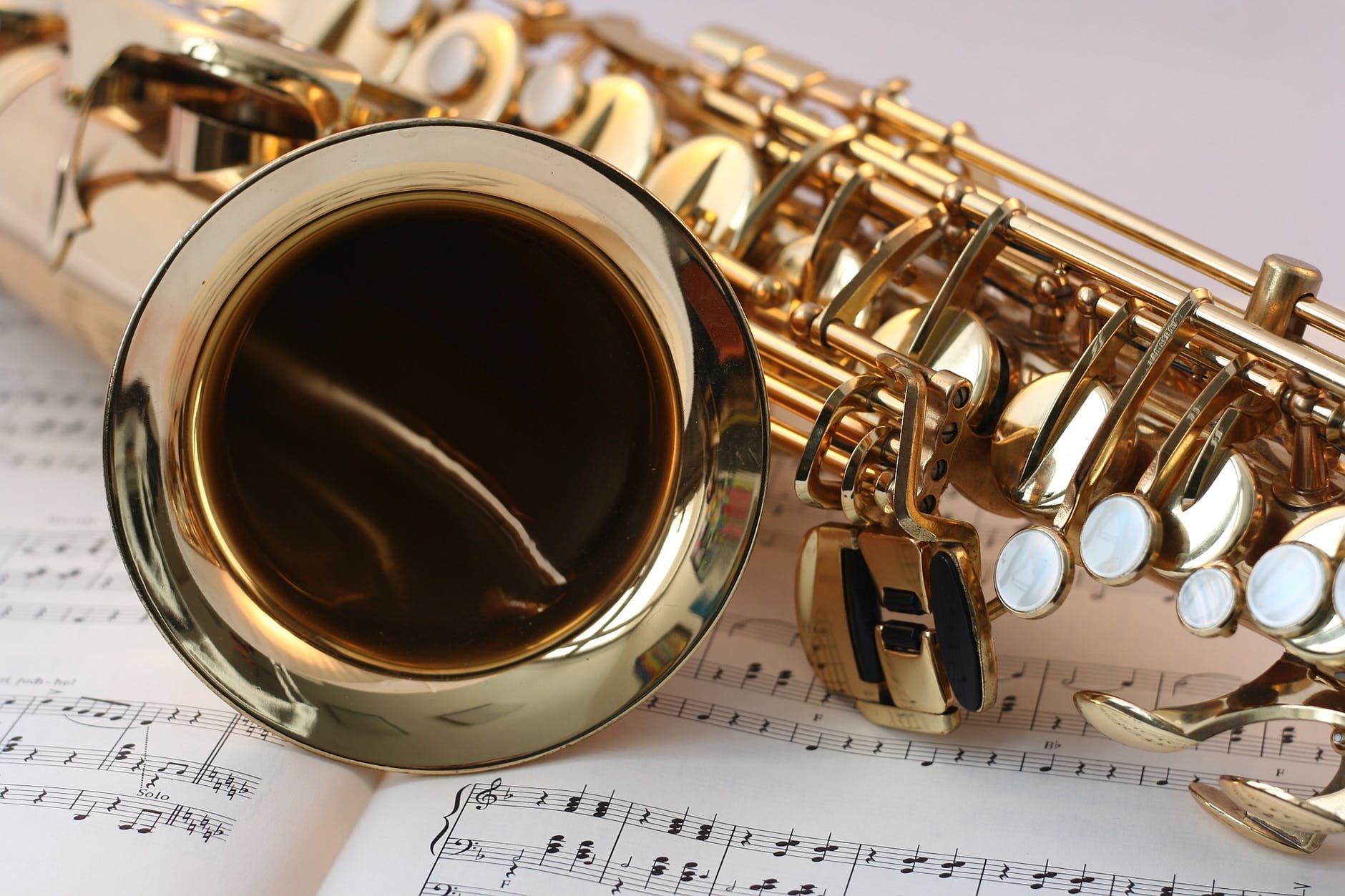
My grandfather had perfect pitch–he could hear a musical note and tell you what the note was or whether it was “in tune”. He loved music and taught himself to play several musical instruments, including trombone, ukulele, auto harp, thumb harp, saxophone, violin, flute, banjo, dulcimer, trumpet, penny whistle, ocarina, and harmonica. My grandmother played piano, organ, and a host of percussion instruments.
My grandfather could hear perfect pitch, but he rarely sang. He could make wonderful music with instruments, but not with his own voice. He might have done so, but he never bothered to practice. In fact, while he could play a multitude of instruments, he never became proficient on any of them.
Prayer is accessible to anyone, as is music, but tuning and practice are required if we want to pursue prayer as a discipline and a means to develop a more harmonious relationship with God. Prayers that are out of tune can be sharp– nagging, complaining attempts to bargain with God; or they can be flat– lifeless and empty of trust and affection. Prayers that lead to growth, healing, and change are those that are “attuned” to the heart of God. What a sweet song of praise when we live in harmony with God and others– working, growing, sharing, and singing together.
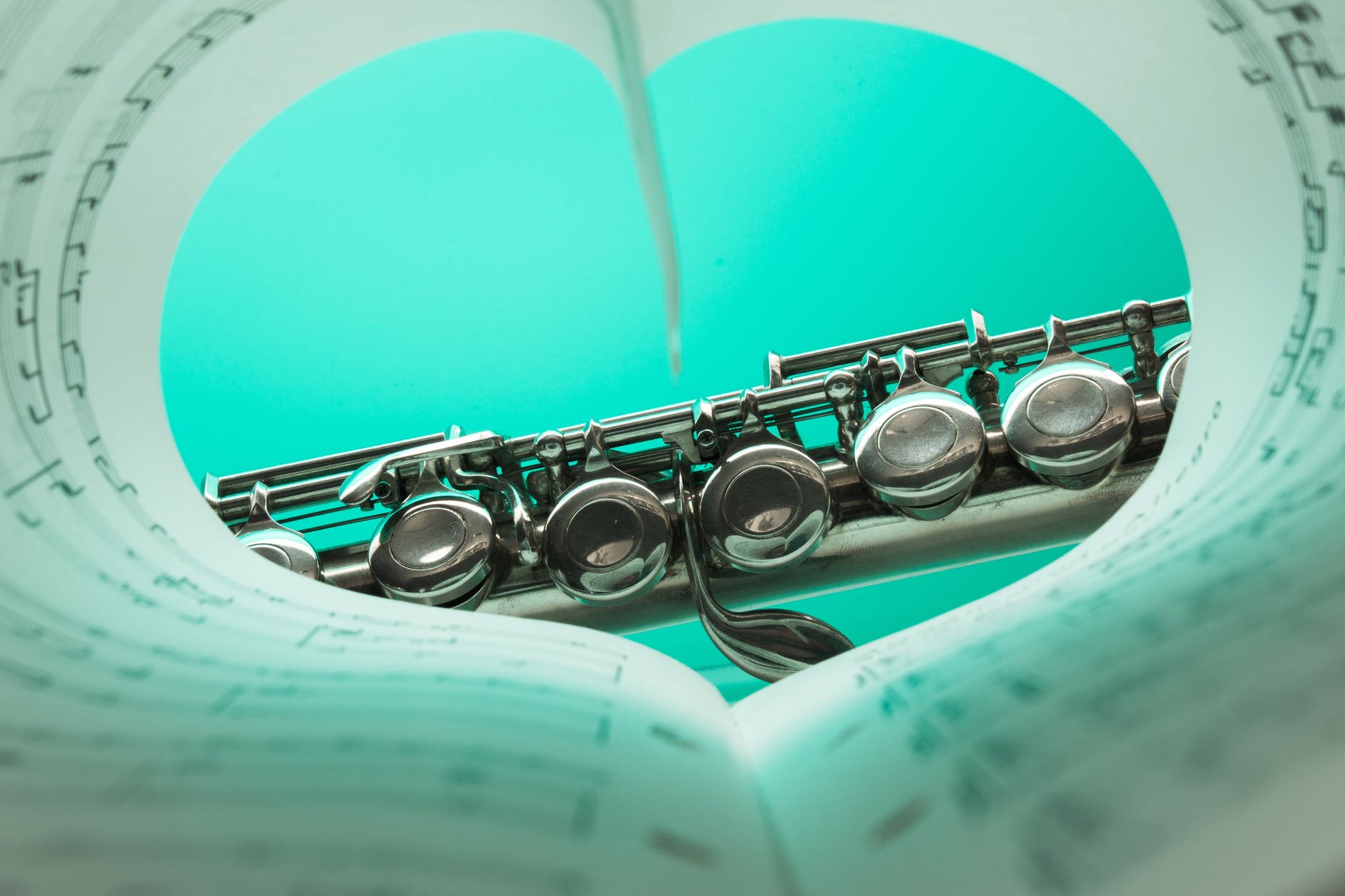
I don’t have perfect pitch– I can usually hear if my voice or my flute seems out of tune with another instrument or other voices, but sometimes I need help. The same is true of my pursuit of prayer. I need help to keep in tune– a prayer journal is one tool I use. But it also helps to have a prayer group or prayer partner, a prayer list, or a book of prayer. For more ideas, see: Proactive Prayer Points and Prayer Journal.